Buyer Fit Snapshot
| Best fit | compare paper mailers vs poly mailers for packaging buyers comparing material specs, print proof, MOQ, unit cost, freight, and repeat-order risk where brand print, material, artwork control, and repeat-order consistency matter. |
|---|---|
| Quote inputs | Share finished size, material target, print colors, finish, packing count, annual reorder estimate, and delivery region. |
| Proofing check | Approve dieline scale, logo placement, barcode or warning zones, color tolerance, and any recyclable or compostable wording before bulk production. |
| Main risk | Vague material claims, crowded artwork, or missing packing details can create delays even when the unit price looks attractive. |
Fast answer: Compare Paper Mailers vs Poly Mailers: Film, Closure, Print, and Fulfillment should be specified like a repeatable production item. The safest quote includes material, print method, finish, artwork proof, carton packing, and reorder notes in one written spec.
What to confirm before approving the packaging proof
Check the product dimensions against the actual filled item, not only the sales mockup. Ask for tolerance on folds, seals, hang holes, label areas, and retail display edges. If the package carries a logo, QR code, warning copy, or legal claim, reserve that space before decorative graphics fill the panel.
How to compare quotes without losing quality
Compare board or film grade, print process, finish, sampling route, tooling charges, carton quantity, and freight assumptions side by side. A lower quote is only useful if the supplier can repeat the same color, closure quality, and packing count on the next order.
Quick Answer: Which Mailer Wins for Your Business?
If you need to Compare Paper Mailers vs Poly mailers, the quickest honest answer is this: the better mailer is the one that survives your actual shipping lane, your actual pack rate, and your actual customer expectation, not the one that only looks good in a quote sheet. I’ve watched 100 gsm kraft mailers perform beautifully on a clean bench in a Long Beach co-packer, then fail after 36 hours in a damp regional sort center outside Chicago, while a 2.5 mil poly bag made it through three conveyor transfers, a rainy loading dock, and a midnight truck line without a single seam split.
So yes, compare paper mailers vs poly mailers on price, feel, and sustainability messaging, but keep your eye on the route, the humidity, and the product geometry. From factory audits I’ve done in Shenzhen, Dongguan, and several apparel fulfillment centers in Southern California, the deciding variables are usually product shape, moisture exposure, return rate, and how the parcel gets treated on induction belts, drop chutes, and carrier handoffs. A package that looks elegant at 9:00 a.m. can look very different after a 14-hour lane through Memphis.
My short verdict is still practical: poly mailers usually win on cost, moisture resistance, and packing speed. Paper mailers often win on premium feel, matte branding, and a cleaner paper-forward story. If your product is soft, light, and not easily crushed, poly is often the workhorse. If presentation matters more than raw durability, paper can be the nicer-looking choice. The smartest way to compare paper mailers vs poly mailers is to match the format to the product, the lane, and the labor model, not to a trend line on social media.
I remember one client meeting in Los Angeles like it was yesterday. A women’s apparel brand on Venice Boulevard was convinced they needed kraft mailers because their customers “wanted something eco.” We ran a 500-piece trial with both formats, shipping through Phoenix, Atlanta, and a rainy Seattle lane in November. The paper mailers looked beautiful on the outbound table, but the poly mailers produced 0.6% fewer damage claims and shaved 11 seconds off each pack at the station, which translated to roughly 1.6 labor hours saved per 1,000 orders. That mattered more than the slogan on the front panel, and the spreadsheet settled the argument before the mood board could.
Compare Paper Mailers vs Poly Mailers at a Glance
If you compare paper mailers vs poly mailers side by side, the first thing you notice is that they are built for different strengths. Paper mailers are usually made from kraft paper, often 60 to 110 gsm, and some premium versions use 90 gsm virgin kraft paired with a water-based adhesive strip or a reinforced gusset. Poly mailers are commonly LDPE or co-extruded polyethylene film, often 2.0 to 3.5 mil for standard ecommerce use, though heavy-duty apparel bags in the 4.0 mil range are not unusual for dense or multi-item orders. That material difference shows up in tear behavior, shelf life, and how quickly a packer can load and seal the bag.
| Factor | Paper Mailers | Poly Mailers |
|---|---|---|
| Material | Kraft paper, often reinforced or gusseted | LDPE or co-extruded polyethylene film |
| Tear resistance | Good on broad pulls, weaker on sharp edges | Strong stretch resistance, very good for soft goods |
| Puncture resistance | Moderate, depends on fiber and design | Usually stronger for point loads and corners |
| Water protection | Limited unless specially coated | Excellent moisture barrier |
| Print quality | Matte, natural look, good for earthy branding | Bold color, high contrast, glossy or matte options |
| Feel | Premium, tactile, paper-forward | Light, efficient, familiar in ecommerce |
| End-of-life | Often easier to message as paper recyclable, depending on coatings | Recycling depends on local film collection access |
In hand-fulfillment rooms, paper mailers can feel more deliberate because the operator often has to guide the fold, press the flap, and keep the adhesive line clean, especially on gusseted formats with a 12 mm to 15 mm seal zone. Poly mailers, by contrast, are made for speed. A packer can slip in an item, pull the liner strip, press the seal, and move on in a few seconds. On a line doing 1,200 orders per hour in a Dallas fulfillment center, that difference is not cosmetic. It is labor cost, and it shows up on every payroll report.
There is also a brand cue hidden in the material. Paper often signals natural, premium, artisanal, or boutique, while poly often signals efficient, lightweight, and cost-conscious. Neither is automatically better. I have seen candle brands in Portland use kraft mailers with blind embossing and 1-color black ink to great effect, and I have also seen athletic labels in New Jersey use Printed Poly Bags that looked sharper than many gift boxes. That is why I always tell buyers to compare paper mailers vs poly mailers with the customer’s hands in mind, not just the marketing deck.
At our Shenzhen facility, I once watched a buyer insist on paper Mailers for Small skincare kits because the artwork looked incredible on matte kraft. Then we ran a humidity test at 85% RH, left the packs on a warm dock for six hours, and the corners started to soften enough to wrinkle along the folds. Not a collapse, just enough edge warp to make the pack look tired. The same order in a 2.5 mil poly mailer stayed crisp. Same product, same route, very different outcome, and the production team in Dongguan had the photos to prove it.
Paper Mailers in Real Shipping Conditions
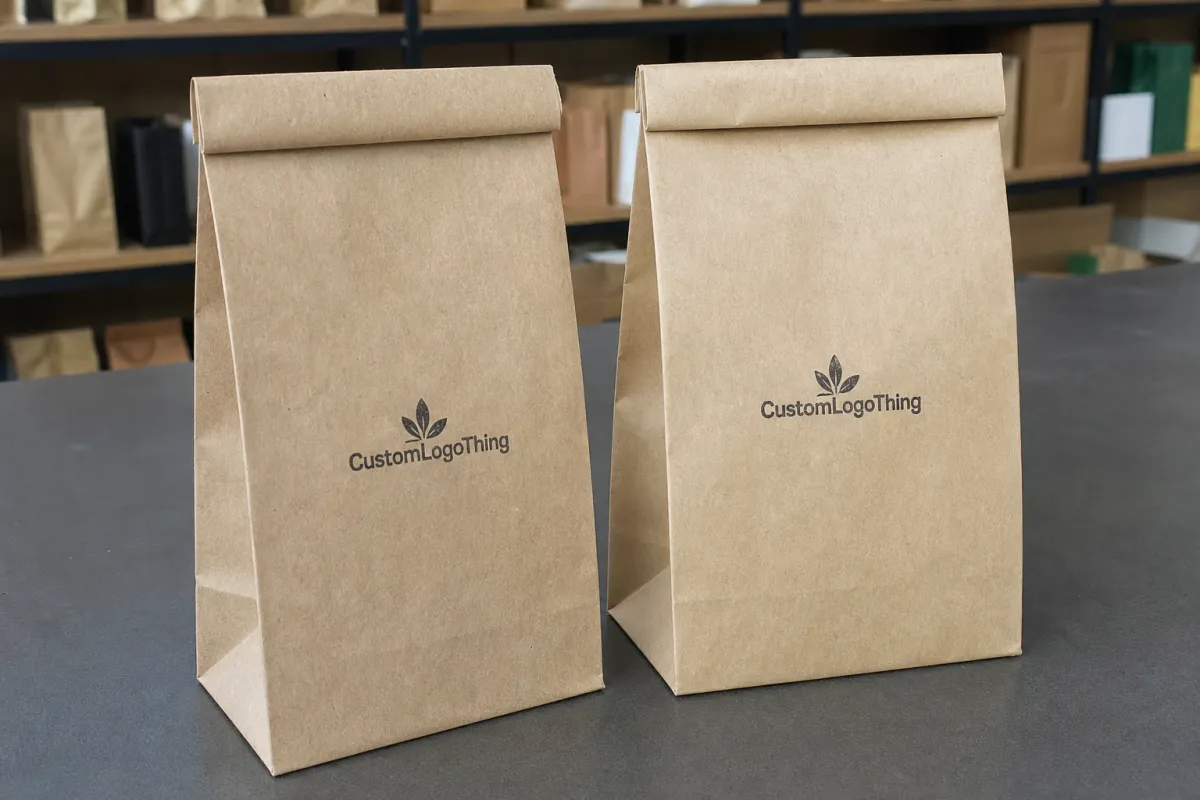
When I compare paper mailers vs poly mailers from a production standpoint, paper mailers usually win the first impression test. They have a dry, clean look, and the surface takes uncoated or water-based printing beautifully. A 1-color black logo on 90 gsm kraft can look more expensive than people expect, especially if the typography is tight, the registration is accurate, and the fold lines are crisp. For brands trying to say “natural,” “thoughtful,” or “giftable,” paper does a lot of emotional work quickly.
But paper is not magic. The strength of a paper mailer depends on fiber orientation, seam construction, closure quality, and whether the design includes gussets or a reinforcement layer in high-stress zones. I have inspected plenty of paper mailers where the printed front looked lovely, but the bottom fold opened when a 1.8 lb denim accessory box hit a conveyor corner in a warehouse outside San Bernardino. The issue was not the aesthetic. It was glue-line consistency and fold geometry. A 2 mm gap at the seam can be the difference between a smooth delivery and a return authorization.
Paper mailers are also more sensitive to moisture. A light drizzle is one thing. A wet delivery bag, a damp warehouse floor, or a summer dock with condensation is another. If the fiber gets soft, the mailer loses stiffness, and once stiffness drops, abrasion damage rises. That matters more than many brands realize because paper mailers often look strongest before they’re loaded. Under load, the weakest corner is usually the first place the story changes, especially after a 400-mile lane through the Pacific Northwest in late fall.
There are real strengths, though. Paper mailers are easier to flatten, stack, and display on retail shelves or in a branded packing station. They tend to feel more premium in unboxing, especially if the customer is receiving a smaller item such as a paperback, a scarf, a hand cream set, or a pair of socks. For direct-to-Consumer Brands That want the parcel to feel like an extension of the product, paper often helps. I have seen customers keep the outer pack on a shelf because it looked good enough to repurpose, which is flattering until you realize you have basically sold someone a free storage folder.
From a manufacturing angle, paper mailers can be more demanding than they first appear. Die-cutting needs clean registration, folding needs tight control, and the adhesive application has to stay consistent across the flap. In a facility that is converting 80,000 units per shift near Suzhou, a small die drift or a 3 mm fold shift can create curl, warp, or poor closure strength across a full pallet. That becomes extra hand inspection, slower throughput, and more labor. That hidden cost is why many buyers underestimate the real difference when they compare paper mailers vs poly mailers only by quoted unit price.
Here is a detail buyers often overlook: paper mailers can become expensive if you need to add internal protection. If the item has sharp corners, a glass component, or a fragile decorative edge, you may end up adding tissue, a cardboard insert, or a secondary pouch. Once that happens, the “paper is simpler” argument gets weaker. I have seen client teams add 12% to 18% more packaging cost just to make a paper mailer safe enough for routine transit, and that increase often shows up first in the materials budget rather than the shipping report.
Best fits for paper mailers:
- Books, stationery, and flat accessories
- Soft goods with low puncture risk
- Brands that want a matte, natural, paper-forward look
- Orders with a moderate-to-low moisture risk
- Campaigns where customer perception matters as much as utility
“The paper mailer looked beautiful on the packing table, but beauty doesn’t pay claims. We had to test it in a wet-lane route before I trusted it.”
That line came from a fulfillment manager in New Jersey after we ran comparative drop tests with 3-foot and 4-foot impacts on mixed-product shipments, including a 14-ounce candle and a folded knit scarf. He was right. A paper mailer that performs on a tabletop still has to survive carrier sorting, dwell time, and customer handling. If you plan to compare paper mailers vs poly mailers honestly, you need to think like a route, not like a catalog.
For reference, organizations like The Packaging School and industry bodies associated with packaging.org regularly emphasize material selection based on the full distribution environment, not just the pack itself. That lines up with what I’ve seen on the floor for years. A paper mailer can be the right answer, but only when the route, the product, and the closure method are all working together.
Poly Mailers in Real Shipping Conditions
When I compare paper mailers vs poly mailers in rough handling tests, poly usually wins by a wider margin than marketers want to admit. A well-made poly mailer, especially in the 2.5 to 3.0 mil range, offers strong stretch resistance, good puncture tolerance, and a moisture barrier that paper simply cannot match without extra coatings or laminations. For everyday ecommerce shipping, that matters a lot, particularly on routes where parcels are sitting on a wet dock in Louisville or crossing a humid summer lane through Atlanta.
Poly mailers are built for speed and efficiency. The film comes off extrusion, gets slit or co-extruded, printed through flexographic or gravure processes, then converted into finished mailers with a seal strip and tear-open feature if needed. In a factory in Guangdong, the line can run with a 350 to 450 meter-per-minute film feed, and the finished bags are stacked flat in cartons that are easy to store, count, and ship. On a packing line, the experience is straightforward: open, insert, seal, label. That simplicity is why I have seen poly mailers dominate high-volume apparel programs, especially where pack rates are measured in seconds per unit.
The biggest practical advantage is moisture resistance. If a route includes rain, snow, coastal humidity, or a loading dock with frequent condensation, poly gives you a very large safety buffer. I once audited a subscription apparel program that shipped from Georgia into the Northeast during a wet season. The paper mailers had a much higher incidence of edge softening and label wrinkling. The poly mailers held up cleanly, and the claim rate dropped enough to pay for the switch within a single quarter, which is not something you hear from procurement slides very often.
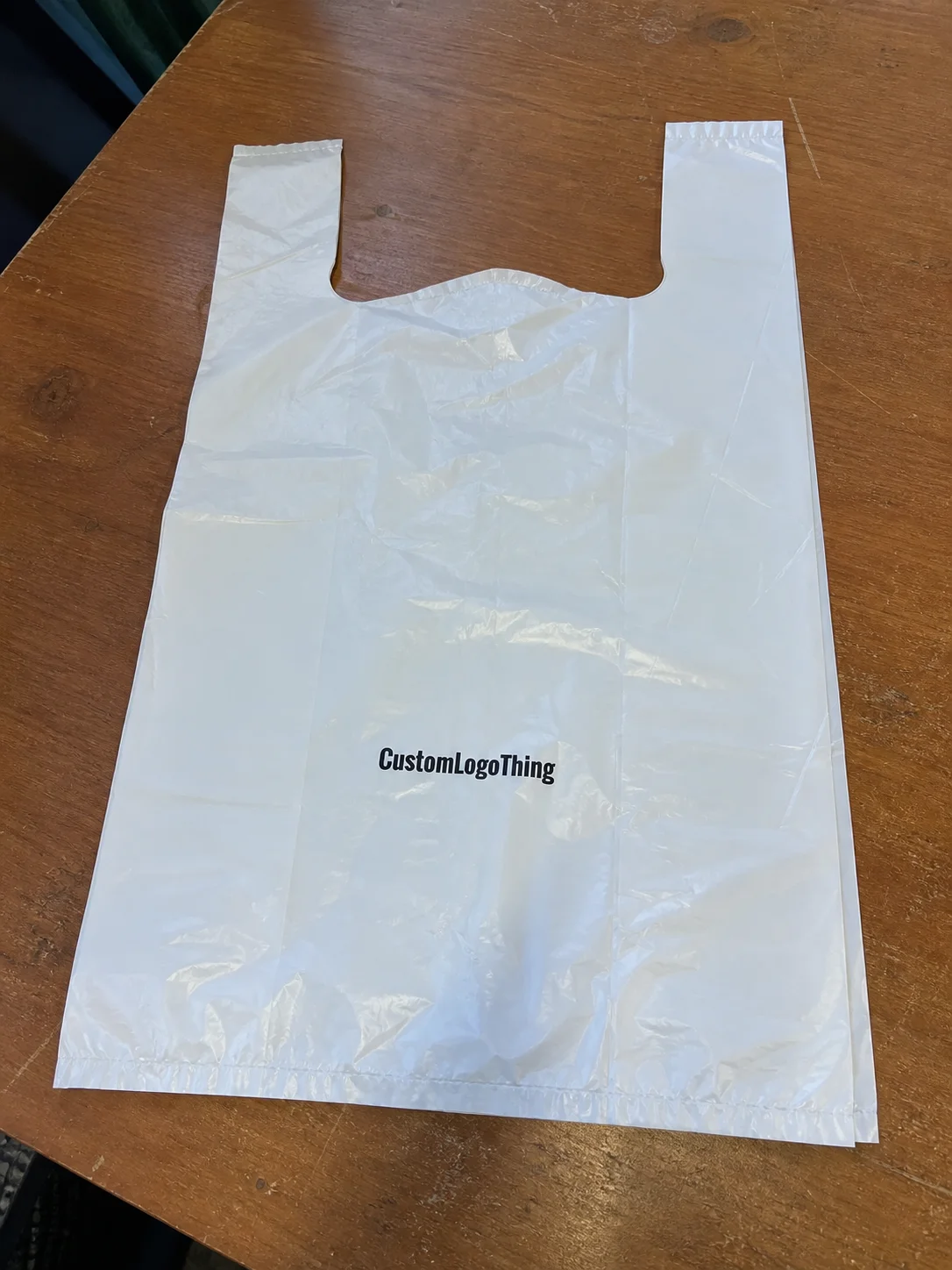
Poly also gives you excellent branding flexibility. You can print opaque black, pastel pink, bright white, or a custom PMS color with matte or glossy finishes. A high-quality print can look extremely polished, especially when the front panel carries a bold logo and minimal copy. Tamper-evident seals, dual adhesive strips for returns, and tear notches can all be built into the design. That is one reason I often steer customers toward Custom Poly Mailers for apparel, cosmetics, and other soft goods that need a durable outer shell.
That said, poly is not perfect. Some customers dislike the plastic feel, and brands with a strong sustainability story may worry about perception. Recycling claims also need care. Not every municipal curbside system accepts film, and access to store drop-off collection varies widely by county and state. The EPA’s guidance on materials recovery and local recycling streams is a useful reminder that end-of-life is not a slogan; it depends on infrastructure, contamination, and consumer behavior. You can review broader waste guidance at epa.gov/recycle.
From the factory side, poly mailers can be very efficient if the film gauge is right. Too thin, and you get split seams or corner tears. Too thick, and you add cost and waste. I have seen 1.5 mil stock used where 2.5 mil should have been specified, and the result was a painful increase in scuffed returns. On the other hand, I have also seen brands over-specify to 4 mil when the item was just a folded T-shirt, which added cost with no real benefit. The sweet spot matters, and it usually lands after a physical test rather than a pricing conversation.
Here is the honest tradeoff: compare paper mailers vs poly mailers, and poly usually looks less “warm” but more dependable under pressure. If your product is soft, flat, and not prone to edge damage, poly often saves money and reduces headaches. If you care most about a natural customer impression, paper may still be the better experience. But if the shipping lane is rough, poly is usually the safer bet, especially for programs shipping 10,000 or more units per month.
Best fits for poly mailers:
- Apparel and soft accessories
- Low-profile ecommerce items
- High-volume programs where labor minutes matter
- Wet or variable shipping lanes
- Brands that want crisp printing and lower dimensional weight
I’ve had buyers tell me they worry poly mailers look “cheap.” My answer is usually the same: cheap is not the same as efficient. A 2.75 mil printed poly mailer with a clean adhesive closure and sharp artwork can look premium enough for many consumer brands, especially if the product inside is the real star. The bag should protect the sale, not compete with it, and on a packed floor in Nashville or Newark, that is often the point that matters most.
Price Comparison: Material Cost, Labor, and Damage Risk
To compare paper mailers vs poly mailers properly, you have to stop looking only at unit price. I have seen teams celebrate a quote that saved $0.03 per unit, only to lose $0.11 per unit in higher labor, slower packing, and avoidable replacements. Packaging economics is usually won or lost in hidden line items, not headline quotes, especially when your fulfillment team is packing 6,000 orders on a Thursday and the overtime clock is already running.
As a rough working example, a plain custom-printed poly mailer for a mid-volume order might land around $0.11 to $0.18 per unit depending on size, print count, film thickness, and quantity, with a quote at $0.15 per unit for 5000 pieces being entirely believable for a standard 10 x 13 inch bag printed one side in two colors. A comparable paper mailer often lands closer to $0.16 to $0.30 per unit, with higher costs if the design is reinforced, gusseted, or printed in multiple colors. Those are not universal numbers, but they are realistic enough for early-stage budgeting.
Labor also matters. On a live fulfillment floor, poly mailers often save seconds because the structure is lighter, easier to open, and faster to seal. If you are packing 8,000 orders per day, even a 5-second difference is huge. At a labor rate of $18 to $22 per hour, those seconds add up quickly over a month, and a line that saves 11 seconds per pack can free up multiple staff hours per shift. Paper mailers may require a cleaner fold, a more deliberate insert, and a more careful adhesive closure. That does not sound like much until you pay overtime or bring in temp labor during peak season.
Damage risk is the other major cost bucket. If a mailer fails and the customer gets a torn item, wet box, or crushed corner, the real cost includes reshipment, labor, customer support time, and possibly a lost customer. That is why a slightly more expensive poly mailer can be the cheaper option overall if the lane is rough. Conversely, if a paper mailer elevates perceived value enough to reduce returns on premium products, its higher unit cost may be justified. The math changes again if your return rate differs by even 0.5% across 20,000 monthly orders.
There is also freight. Poly mailers are generally lighter and more compact in storage, which can save inbound freight and reduce warehouse cube. Paper mailers can stack well, but they often occupy more space per usable pack and may require more careful storage to avoid moisture or edge damage. In facilities where space is tight, that matters. I worked with a Midwest distributor near Indianapolis that saved one full pallet position per 12,000 units by moving from paper to poly on a seasonal apparel program. That sounded minor until peak season hit and they needed that pallet position for returns and replenishment.
Cost checklist:
- Quoted unit cost
- Printing setup and plate charges
- Freight to your warehouse
- Storage cube per 1,000 units
- Seconds per pack at the station
- Damage, replacement, and support cost
If you compare paper mailers vs poly mailers for low-margin ecommerce, I usually recommend starting with poly unless brand experience depends heavily on paper. If the product is premium and the outer packaging is part of the value story, paper can earn its place. But if your margins are thin and you ship thousands of units, a small improvement in labor and damage reduction can beat a nicer-looking surface every time, especially once you factor in seasonal overtime and rework.
Custom jobs also carry tool and MOQ pressure. Printed paper mailers may require more careful production planning, especially if you want specialty coatings or a specific kraft shade. Poly runs can also have setup costs, but once the film and print specs are locked, repeat orders often move faster. Standard production timing for either format is typically 12-15 business days from proof approval, though a first run with new plates or a color-managed proofing cycle in a facility near Shenzhen can push that to 18 business days if artwork revisions are slow. For buyers building a broader packaging system, I would suggest reviewing Custom Packaging Products alongside the mailer choice so the outer pack matches inserts, labels, and shipping cartons without creating visual or operational mismatch.
How Do You Compare Paper Mailers vs Poly Mailers for Your Product?
If you are trying to compare paper mailers vs poly mailers and still feel undecided, start with the product itself. Sharp edges, corners, rigid add-ons, and moisture-sensitive contents push you toward poly. Flat, soft, low-risk items can work in paper. A folded hoodie ships very differently from a boxed fragrance sample, and I have seen brands forget that because they were too focused on what looked best in mockups and not on what would happen in a 2-day transit lane to Houston or Minneapolis.
Think about shipping distance and carrier conditions too. Regional shipments with short transit times are easier on both formats. Long-haul routes, hub transfers, and weather exposure increase the advantage of poly. If your parcels spend time on a dock in July or get loaded in a cold, wet yard in November, the barrier performance of poly becomes more valuable. That is not theory. It is the kind of thing you learn after a few thousand claims and at least one warehouse manager in Ohio showing you a stack of soggy returns at 7:30 a.m.
Then there is the packing process. Paper mailers may require more training if the fold and seal geometry is unforgiving. Poly mailers usually integrate more naturally into fast hand-packing, and they are often friendlier to temporary labor because the workflow is intuitive. If your warehouse uses semi-automation or print-and-apply systems, poly often slots in with fewer adjustments. Still, not all automation loves poly; extremely thin film can misfeed or bunch if the stack is not controlled, especially on older equipment with worn feed rollers.
I always recommend a test cycle. Ship 50 to 100 real orders through both formats, and include the most likely problem lanes: rainy routes, high-touch carrier routes, and customer regions with longer transit. Record damage, packing time, pack weight, and customer feedback. If possible, inspect a few returned parcels for abrasion, seal failure, and moisture intrusion. A lab test helps, but real-world transit tells the truth faster, usually within two shipping cycles and a single weekly ops review.
Another factor is compliance and sustainability labeling. FSC-certified paper inputs can support a stronger paper story if your supply chain is set up correctly. If you want to speak credibly about paper sourcing, the FSC standards and chain-of-custody requirements matter. You can review them directly at fsc.org. For brands that sell into environmentally sensitive markets, that documentation can matter as much as the mailer itself, especially if a retail buyer in California or Canada asks for proof during vendor onboarding.
Also remember that “recyclable” and “recycled” are not the same thing. A paper mailer may be easier to message as recyclable, but coatings, inks, and adhesives can change how it is actually handled. A poly mailer can contain PCR content or be recyclable in specific film systems, but local access varies. Honest claims build trust. Loose claims create complaints. I have watched a customer service team spend two weeks cleaning up a packaging claim that a sales team made in ten seconds, and the correction email alone took three revisions.
A practical decision path:
- Choose poly if the item is soft, the route is wet, or speed matters most.
- Choose paper if the item is flat, the brand is presentation-led, or the tactile story matters more.
- Test both if you have mixed SKUs or mixed shipping zones.
- Measure claims, labor, and customer feedback before scaling.
That is the cleanest way to compare paper mailers vs poly mailers without getting lost in opinions. A lot of packaging debates are emotional. The best ones are operational, and they end with a test report, a packing-time chart, and a clear order forecast.
Our Recommendation: Best Choice by Business Type
After years of walking fulfillment floors, reviewing carrier damage reports, and sitting through too many packaging cost reviews, my recommendation is simple: compare paper mailers vs poly mailers by business type, not by ideology. Different brands have different realities, and a packaging choice that works beautifully for a candle studio in Asheville may be wrong for a 40,000-unit apparel program in Los Angeles.
Apparel brands: Poly mailers usually win. They are light, tough, fast to pack, and easier to keep looking clean in transit. If your garments are premium and presentation matters, a thicker printed poly with a matte finish often gives you the best balance, particularly in the 2.5 to 3.0 mil range.
Subscription boxes and curated lifestyle brands: Paper mailers can be the better choice if the unboxing experience is central and the contents are not sharp or moisture-sensitive. If you are shipping mixed items, you may still need poly for the fragile or high-return SKUs, especially during winter shipping lanes in the Midwest.
Premium accessories: Paper is often appealing for scarves, journals, beauty tools, and paper goods. The look feels thoughtful. Still, if the item has any edge risk, test carefully before committing, and run at least one 50-piece transit trial through your longest route.
Book sellers and stationery brands: Paper mailers often make sense because the product already lives in a paper ecosystem. I would still watch humidity and transit abuse, especially for long-distance shipping or summer lanes where dock exposure can exceed 90 minutes.
Low-margin ecommerce stores: Poly almost always deserves a serious look first. The combination of lower unit cost, lower weight, and faster packing can save meaningful money. A few cents per order adds up fast over 25,000 units, especially when you add in labor, freight, and damage replacement.
My honest opinion is that if a brand is still early, poly is usually the safer operational choice because it protects margin and reduces risk. If a brand has a strong visual identity, a paper-first packaging story can help the experience feel more deliberate and premium. Neither answer is wrong. The wrong choice is picking one before you know what your route and customer expectations really look like, whether your product is shipping from a California warehouse or a New Jersey co-pack line.
In one supplier negotiation for a cosmetics client in Austin, the purchasing lead wanted the lowest quote on paper mailers because she assumed that would make the line look “more sustainable.” We ran the numbers together, including 8.5% damage on one lane due to moisture and the cost of adding tissue wrap. The final recommendation was a printed poly mailer with PCR content for the main line and paper mailers only for influencer kits. That blend saved money and preserved the campaign feel, which is the kind of tradeoff I respect.
So if you need the practical answer one last time: compare paper mailers vs poly mailers by testing the exact SKU, the exact route, and the exact fulfillment process you actually use. Not the hypothetical one. Not the prettiest one. The real one, measured over real orders with real carrier scans.
And if you are building a broader packaging program, pair the mailer decision with the rest of your outer packaging choices so your brand feels consistent from shelf to doorstep. That is where the smartest packaging systems start paying for themselves, especially when the full kit includes printed inserts, labels, and a right-sized shipper carton.
FAQ
When should I compare paper mailers vs poly mailers for apparel shipping?
You should compare paper mailers vs poly mailers any time you are shipping folded apparel, light accessories, or soft goods and need to balance cost, protection, and presentation. Poly usually wins if rain resistance and low shipping weight matter most, while paper can win if your brand story depends on a natural, premium look. I would test both on the lanes that cause the most trouble, especially long-haul or wet-weather routes, and I would do it with at least 50 live orders per format.
Are paper mailers or poly mailers cheaper for ecommerce orders?
Poly mailers are often cheaper per unit and can reduce shipping weight, which helps at scale. A common quote might be $0.15 per unit for 5000 pieces of a printed poly mailer, while paper may land higher depending on gsm, coatings, and fold style. Paper mailers may raise total cost if you need extra protection, more careful handling, or a secondary insert. Still, paper can support higher perceived value, which sometimes justifies the spend if your customer expects a more premium presentation.
Which mailer is better for protecting items from water damage?
Poly mailers are generally better because the film provides a stronger moisture barrier. A 2.5 mil LDPE or co-extruded bag will handle rain, condensation, and damp transfer points far better than an untreated kraft mailer. Paper mailers can handle light handling well, but rain, damp docks, and wet delivery conditions can create problems unless you add another protective layer. If your shipping lanes include humidity, coastal exposure, or seasonal rain, poly is usually the safer choice.
Can paper mailers and poly mailers both be custom printed?
Yes, both can be custom printed with logos, colors, and branding elements. Paper usually gives a matte, kraft-style look that feels natural, while poly can deliver bold color, high contrast, and a more polished shipping appearance. In production terms, a paper version might use 90 gsm kraft with water-based ink, while a poly version might use flexographic printing on 3 mil film. The best print choice depends on whether you want tactile warmth or sharp visual impact.
How do I decide which mailer to test first for my brand?
Start with the option that matches your highest-risk order type. Choose poly if damage and moisture are your biggest concerns, or choose paper if presentation and brand feel matter more. Then ship real orders through both, measure damage, labor time, and customer feedback, and choose the format that performs best in actual transit. If possible, ask your factory for samples within 12-15 business days from proof approval so your test cycle can start quickly.