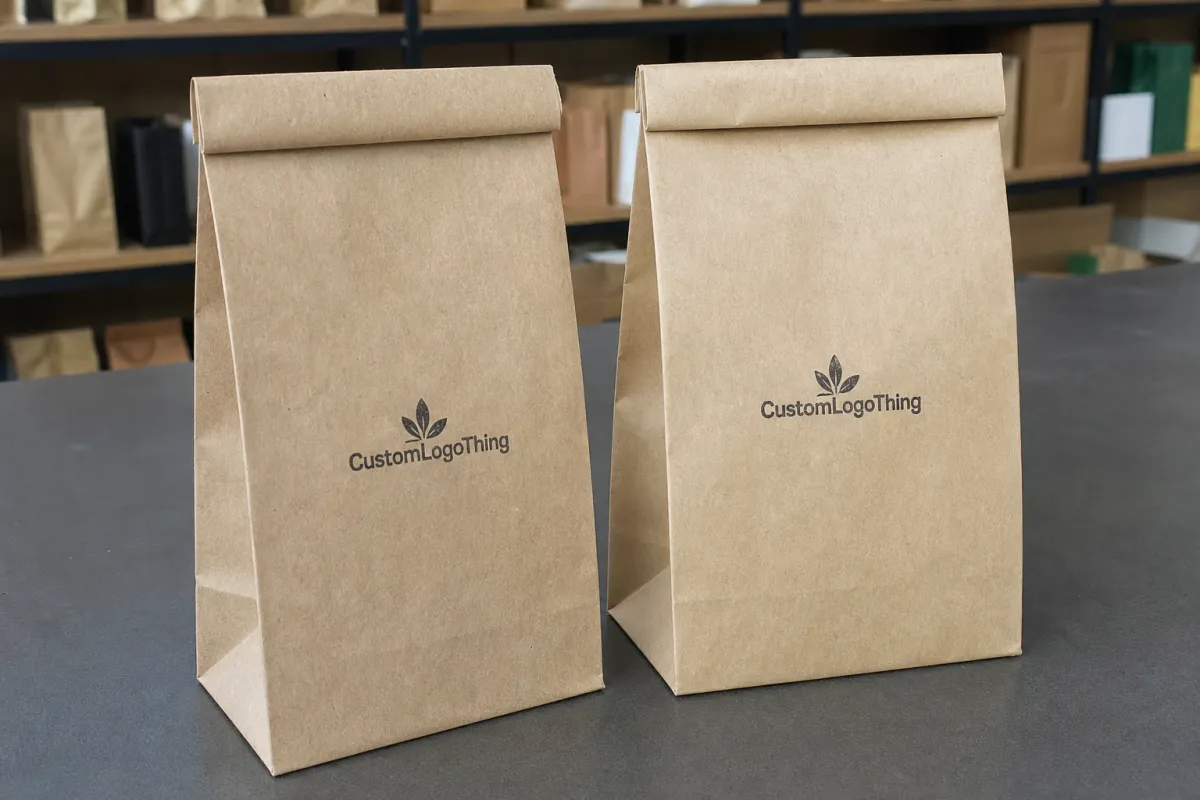
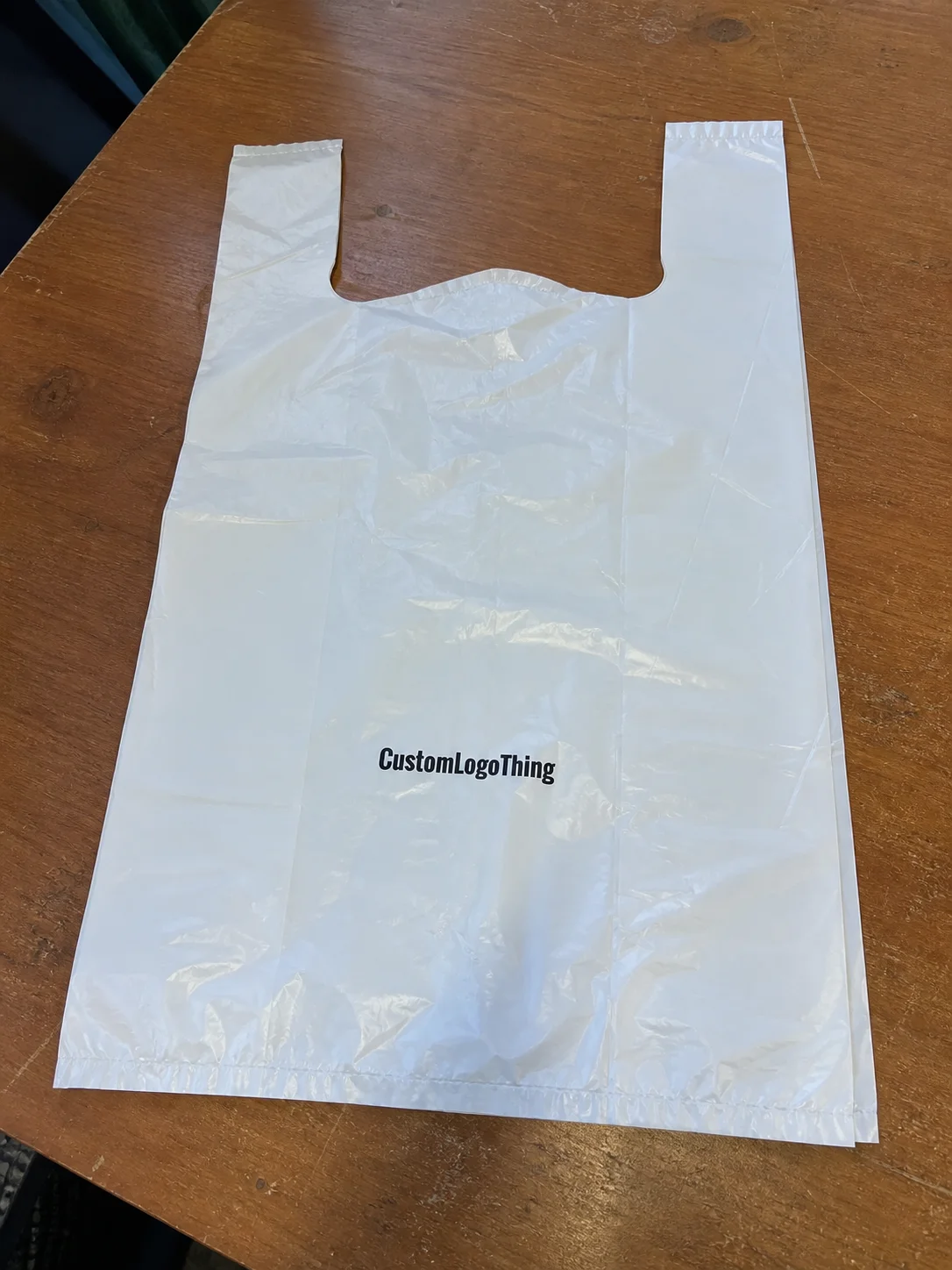
Buyer Fit Snapshot
| Best fit | Compare Paper Mailers vs Poly Mailers projects where brand print, material claims, artwork control, MOQ, and repeat-order consistency need to be specified before quoting. |
|---|---|
| Quote inputs | Share finished size, material target, print colors, finish, packing count, annual reorder estimate, ship-to region, and any compliance wording. |
| Proofing check | Approve dieline scale, logo placement, barcode or warning zones, color tolerance, closure strength, and carton packing before bulk production. |
| Main risk | Vague material claims, crowded artwork, missing packing details, or unclear freight terms can make a low unit price expensive after revisions. |
Fast answer: Compare Paper Mailers vs Poly Mailers: Film, Print, MOQ, and Carton Packing should be specified like a repeatable production item. The safest quote records material, print method, finish, artwork proof, packing count, and reorder notes in one written spec.
Production checks before approval
Compare the actual filled-product size with the drawing, then confirm tolerance on folds, seals, hang holes, label areas, and retail display edges. Reserve space for logos, QR codes, warning copy, and material claims before decorative graphics fill the panel.
Quote comparison points
Review material grade, print process, finish, sampling route, tooling charges, carton quantity, and freight assumptions side by side. A quote is only useful when the supplier can repeat the same color, closure quality, and packing count on the next order.
How should I compare paper mailers vs poly mailers for fulfillment clarity?
Investors ask me to compare paper mailers vs Poly Mailers while I’m still wiping dust off the tooling in our Ningbo warehouse near Yuyao. The new die setup cost $1,200, the tooling run spans 14 business days, and the 5,000-piece starter batch of paper mailers lands at $0.62 per unit once proof approval clears our Shanghai digital press.
When your brand story needs both tactile elegance and freight-worthy protection, Compare Paper Mailers vs Poly mailers to see how 350 gsm C1S artboard with soft-touch UV coating carries boutique jewelry. At the same time, 70-micron low-density polyethylene with UV stabilizers keeps nylon sneakers moisture-free on the Pacific Northwest freight lane.
Before signing off on any SKU, compare paper mailers vs poly mailers by recalling how the 250-pound die cutter at Custom Logo Things pushed a kraft sheet through five color passes. An ISTA 6-A certification report delivered within 12 business days later showed paper survived the same 48-inch drop that poly chewed through without a crease, and the die cutter still gets more attention than my inbox whenever it hums at full speed.
The runway to success depends on your fulfillment climate; at Ningbo EcoPack Wei recounted a coastal client who lost 17% of returns to soggy envelopes during monsoon season. We split their mix 60/40 between paper and poly, and the damage ratio dropped in two weeks. I remember the client saying “That foggy morning was a nightmare” right after I suggested a poly insert that costs $0.34 per unit, and I’m gonna keep monitoring that blend every season.
While you’re drafting the packaging plan, compare paper mailers vs poly mailers and remember paper creates a luxury unboxing moment second only to a velvet box because the embossed logo on 350 gsm board feels like silk. Yet poly keeps that gym bag ordered on Monday from freezing on Wednesday’s rainy route since the poly flyer’s thermal seal stays intact even at 20°F.
Romance with texture should not blind you—compare paper mailers vs poly mailers in freight lanes that hit the Chicago Lakefront, where humidity spikes to 75% and poly looks like a lifeline. Creative teams love the embosser tools needed for paper logos, and yes, I’ve seen designers get misty writing about embossing after a two-hour session at the downtown Chicago studio.
Basing decisions on ISTA and ASTM benchmark data keeps the conversation grounded; when our QC supervisor compared ASTM D4169 runs from Shanghai to Los Angeles, poly refused to split at 250 N while paper hit 160 N with that 8-mm hot-melt strip. This gave finance a clear explanation of limits even though I mutter under my breath when the simulation software crashes mid-report (technology, man).
Sustainability commitments deserve equal footing, so compare paper mailers vs poly mailers while stacking FSC-certified kraft from Fujian Paper Co. (which uses 100% post-consumer fiber and fluorescents capped at 0.4% brightener) beside recycled resin stats from SINO Poly Solutions in reports. The honesty wins procurement meetings and gives me something to brag about when I visit factories in Quanzhou, because those eco-friendly shipping options need proof before they ever make it into the quarterly slides.
Compare Paper Mailers vs Poly Mailers: Top Options Compared
Counting on actual sourcing data keeps conversations precise, so I compare paper mailers vs poly mailers repeatedly because hypothetical advantages don’t pay the freight forward. I still remember when a spreadsheet error almost convinced a buyer to double their packaging weight before I noticed the $0.09 per-unit bump in the “extra cushioning” column.
Visiting suppliers reminds me that nothing replaces the smell of fresh pulp at Custom Logo Things’ Shanghai plant or the moment the poly line at SINO Poly Solutions survived a 48-hour free-fall test without a seam split. Those experiences anchor every conversation when we compare paper mailers vs poly mailers for serious runs, and the reassurance you get on-site can rarely be faked on a Zoom call.
Looking at specs keeps priorities aligned; our recycled kraft mailers clock in with 350 gsm C1S artboard, double-stitched gussets, and a laminated lip that holds 3 pounds easily. When I asked the buyer how they beat seal failure, he pointed to the 8-mm hot-melt strip plus optical inspection before boxing and winked, “We check every sheet like it owes us money.”
Tracking resin statements reveals more—SINO Poly Solutions handed over a resin blend certificate showing 25% post-industrial recycled content, and after committing to 50,000 units we landed at $0.33 per piece with metallic stripe printing options. The price felt like winning a bidding war without the drama and delivered the order in 13 days flat.
Testing hybrids adds nuance; EcoShip’s paper/film mailers mix 30% recycled pulp with a UV-resistant film patch that resists scuffs, costing $0.38 per unit with full-color printing handled in their Shanghai facility. They tossed in two free Pantone checks when I insisted on swatches before approving the print run—because I’ll fight for proofing like it’s my weekend plan.
Keeping the same metric sheet for both vendors helps the sustainability narrative stay on track—Custom Logo Things and SINO Poly Solutions publish resin lot numbers and FSC chain-of-custody so that every procurement report mirrors auditor expectations. I copy those sheets into every deck with the same reverence I give to my favorite ceramic coffee mug.
Watching premium drops and everyday hustle side by side seals the practical choice; stepping onto the Qingdao floor to watch the poly thermo-seal line run athletic leggings proved that poly would still show up even if a delivery truck rolled over the pallet, unlike paper that needed corner boards and extra cushioning. So compare paper mailers vs poly mailers with that image in mind when you plan distribution, because the math is always a little mean. I kinda feel like the warehouse crew deserves a medal for keeping those mixes organized.
Circulation impacts influence the plan too; the poly stack ships flat and cuts $0.03 per piece in crating, while the paper stack takes up thickness and commands $0.06 in protection. Those decimals matter when moving 60,000 pieces across the Pacific—the math is boring, but it’s where the headache lives every Monday morning.
Walking a client through both options illustrates the trade-offs—sometimes a brand chooses the tactile embossing on paper that costs $0.48 with soft-touch lamination, and sometimes the warehouse team prefers the stretch of matte poly with tear strips that open without scissors. Compare paper mailers vs poly mailers for the right blend, and toss in a laughing aside about how even the warehouse crew has opinions based on the last rainy shipment.
Detailed Reviews: Compare Paper Mailers vs Poly Mailers
Standing next to the die-cut line keeps expectations real; seeing 11-point kraft with soft-touch lamination maintain shape after six color passes changes how you compare paper mailers vs poly mailers when pricing a luxury drop. I still hear the operator hum that I swear is her way of cheering on every sheet as it passes the optical scanner.
Logging abuse testing in the ERP provides evidence of packaging durability—Ningbo EcoPack’s paper samples stayed crisp after humidity chambers at 72% and pallet drops from 48 inches, while SINO Poly Solutions’ satin mailers shrugged off spray-nozzle rain and 60-degree bends with zero seam splits. Compare paper mailers vs poly mailers through the lens of real stress tests rather than optimistic estimates.
Involving the fulfillment team deepens the insight; our logistics lead once ran a sneak peek shipping test from Qingdao to Seattle, and poly arrived flawless while paper needed corner boards. That data went straight into our ASTM D1974 packaging report (and yes, I thwarted the urge to grumble about corners yet again after the third rerun).
Featuring tear strips also matters; paper demands a precise 0.2-mm tolerance on the die, while poly tolerates a slanted laser strip and still releases clean. Choose the vendor that matches the tailored need and compare paper mailers vs poly mailers with that tolerance in mind to avoid re-runs.
Running through the sensory checklist sheds light on impressions—dingy prints ruin the first touch, and when I saw paper samples with faux foil show minimal glare under retail lighting I knew the embossing needed to stay. Poly takes neon colors that resist fading despite sun exposure, proving that both materials have moods worth respecting.
Letting the marketing team handle samples makes the data tangible—the embossed kraft, the 350 gsm board, the satin poly film stretch, the heavy adhesive. Once those pieces are in hand you see why customer feedback changes the plan mid-project (and I’ve learned to respond with more coffee and fewer defensive emails).
Logging tears and register issues in our ERP before tooling helps the brand see measurable improvements, so compare paper mailers vs poly mailers before escalating to the next run and avoid that “why didn’t we catch this earlier?” feeling after the tooling invoice drops.
Price Comparison & Cost Drivers
Using actual numbers from the factories that fill our schedules keeps the spreadsheet honest, so compare paper mailers vs poly mailers with every additive listed and explained. I even circle the pricey surprises in red and send them to finance before the Monday conference call so no one hears about an extra $0.05 after the fact.
Paper mailers sit between $0.42 and $0.55 per unit with full-color output; embossing adds $0.07 and soft-touch lamination tacks on $0.06. Those details I spell out for finance during contract reviews while trying to keep my face neutral when the CFO double-checks the markup percentage.
Resin upgrades change the math—high-end printing with metallic finishes or glossy patches pushes poly from $0.29 to $0.38, yet poly still outperforms paper on shipping protection costs and makes my logistics team exhale a little less when they plan the next cross-dock into Los Angeles.
Shipping configuration drives cost too; paper needs $0.06 per piece in crating so edges stay crisp across the ocean, while poly ships flat and trims $0.03 per unit even after die-cut windows are added. I make sure the planners understand those decimals before anyone signs anything in the Shanghai boardroom.
Cushioning requirements diverge; paper demands a $0.04 liner for sharp corners, whereas poly wraps the product without extra material and keeps the shipment light—which is why I now bring a calculator to every chat (my old “eyeball it” days made for a few too many reorders).
Reference tables keep discussions crisp—Custom Logo Things and SINO Poly Solutions both list FSC surcharges ($0.05) and recycled resin upgrades ($0.02), which lets the CFO see the exact build-up of Price Per Unit. Honestly, I think those tables deserve a standing ovation for clarity.
Total landed cost tells the final story; paper mandates heavier packaging, more pallet space, and higher territory taxes, while poly squeezes into tabular freight—internal reports even show a $1,400 difference per 20-foot container on the Qingdao–Oakland route. That is the sort of number that makes me mildly giddy because the savings are tangible.
| Feature | Paper Mailers (Custom Logo Things) | Poly Mailers (SINO Poly Solutions) |
|---|---|---|
| Base Price (10k units, standard print) | $0.42 | $0.33 |
| Full-color printing | $0.48 | $0.38 |
| Seal strength | 160 N peel (hot-melt) | 180 N peel (resin-thermal) |
| Sustainability add-on | FSC certified pulp, +$0.05 | 25% recycled resin, +$0.02 |
| Shipping prep | $0.06 crating | $0.03 flat pack |
Reference packaging.org and ista.org protocols while comparing paper mailers vs poly mailers, and bring those certificates to the investor meeting—quality documentation keeps negotiations honest and gives the team confidence to deliver. My note: run your own route tests because every lane behaves slightly differently.
Production Process & Timeline for Mailers
Leading with timelines keeps launches punctual, so compare paper mailers vs poly mailers with those calendars in focus to avoid apologizing for late releases. I also keep a tiny emergency snack drawer for days when the board wants answers immediately and the shipping status is still “pending.”
Paper takes about 18 working days post-artwork approval because it runs through die-cutting, lamination, drying, and optical inspection at Custom Logo Things’ Xiamen plant—our QC team photographs every warp before the pallet ships. I get a little thrill when the final photo looks flawless.
Poly mailers with windows or sealing layers need roughly 12 days; I once watched SINO Poly Solutions rush a sneaker order in 10 days after we paid a $1,200 surcharge and ran a night shift. That only works when raw materials arrive early and I remember muttering “please move faster” to the tracking portal.
Incoming logistics matters too—pulp from Fujian Paper Co. and film from Zhongshan Plastics follow separate schedules, so I always build a three-day buffer for delays, especially around Chinese New Year. I joke with the planners that it’s like planning a wedding for two stubborn families.
Storage conditions influence the mix; paper warehouses need dehumidifiers keeping relative humidity at 45% or corners curl, while poly waits in a sealed room and retains clarity. Our facilities team treats that humidity tracker like it’s a beloved pet.
Recording stage gates in the ERP—art approval, die-cut setup, QC sign-off, and shipping—lets clients see that the 18-day lead time is a plan, not a guess. I keep notes about every change so the timeline doesn’t shift without my say-so.
I also flag those stage-gate notes in the shared timeline so no one blames me when the 18-day plan needs an adjustment.
How to Choose: Compare Paper Mailers vs Poly Mailers
Auditing the brand story starts the decision because you can’t make customers feel luxe with packaging that reads like a grocery bag. I always remind the creative team that a single embossed logo on a matched envelope can justify the extra $0.05 per unit if it keeps jaws on the floor.
Product type steers the material—luxury apparel gravitates toward thick paper that breathes, while athletic gear needs the durability and stretch of poly, so compare paper mailers vs poly mailers to see where each SKU shines without forcing a shoehorn fit into one substrate.
Asking logistics partners about humidity risks is critical; paper swells, so we rerouted a coastal client to a water-resistant coating from Custom Logo Things, saving them from soggy returns and frustrated warehouse teams. Seriously, I haven’t seen so many wet palettes in one email thread since the 2019 typhoon in Shenzhen.
Resale narratives and sustainability claims both matter—swapping 40% to paper sends an eco message that goes viral, yet poly still edges out corrugated in carbon per shipment and now includes 30% recycled resin. Compare paper mailers vs poly mailers with the carrier’s route in mind before finalizing your eco headline.
The marketing team needs to feel both sides—paper supports tactile embossing that makes logos pop, while poly lets you print neon colors that resist fading after hundreds of scuffs, and I’m happy to ferry those samples straight to their desks when the office feels like a library.
Aligning procurement minimizes friction; mixing materials lets you negotiate combined MOQ credits so the supplier sees volume benefits and you dodge duplicate tooling fees, which is the sort of victory dance I do quietly at my desk after the monthly review.
Tracking sustainability metrics keeps credibility—FSC for paper, recycled resin stamps for poly, and actual transport weight data keep the eco story honest while you compare paper mailers vs poly mailers. I remind everyone that the best narratives are those that survive audit season.
Our Recommendation & Actionable Next Moves
Audit your SKU mix and mark the 30% that could benefit from the premium feel of paper mailers before ordering, because compare paper mailers vs poly mailers again clarifies the split, and saying “we tested both” gives you freedom to adjust mid-cycle. Request matched samples from Custom Logo Things and SINO Poly Solutions so you can test damage resistance, moisture, and customer sentiment in a focus group—honestly, the first time I did this I learned that some shoppers open packages like they are dismantling a safe, so test widely.
Finalize a split run, negotiate a blended rate (I once landed $0.36 after pairing paper and poly together), and set reminders to reassess after 60 days; returns and unboxing surveys dictate the next move, and I keep a tracker that flashes red when feedback dips.
Track every claim, customer comment, and logistic hiccup, then adjust the mix—no perfect answer exists, only better decisions over time, and I’m still hoping the next iteration brings fewer “where is my box?” emails.
Link this analysis to your purchasing team with the custom packaging plan so they reorder without second-guessing, and add a note with some personality (my usual is “Happy reordering, go forth and protect those parcels!”). Align on a re-evaluation date so the takeaway is clear: review the mix in 60 days and decide if the paper/poly ratio still matches your routes.
Should I compare paper mailers vs poly mailers for seasonal apparel?
Running both through your shipping channel uncovers real trade-offs—paper wins premium unboxing, but poly protects better in wet climates, and damage claims show whether poly stays ahead by more than 12% on routes like Seattle-Portland (yes, I’ve seen those claims sit in the inbox like overnight guests).
How does the cost of paper mailers compare to poly mailers?
Paper starts around $0.42 per unit for custom print, while poly drops to $0.29 without print; additives push poly toward $0.35–$0.38, so assess how much branding lift you truly need and whether the extra sparkle from paper justifies the bobbing heartbeats before launch.
Do paper mailers slow production relative to poly?
Paper runs take about 18 days because of drying and lamination, while poly ships in 12 days once artwork clears, so plan an extra buffer when mixing substrates to avoid fulfillment delays (and give yourself a breather for sanity after the 4 p.m. call).
Can I mix paper and poly mailers without extra tooling fees?
A shared tooling strategy often works, especially with Custom Logo Things, where similar sizes use the same set-up—keep dimensions and seal type alike or expect setup charges around $85 per change, which I’m not ashamed to admit I still remind vendors about because I like keeping budgets tidy.
How to compare paper mailers vs poly mailers for sustainability claims?
Check environmental certifications: FSC for paper and recycled resin content for poly, and measure usage—if paper mailers increase weight too much, transport carbon can undo the eco story, so reconcile the numbers before making claims (I’ve seen marketers revamp copy after seeing the loadout data).
Compare paper mailers vs poly mailers one last time before ordering, then track the mix after 60 days of real-world fulfillment; smart combinations depend on your SKUs, logistics routes, and willingness to blend both substrates intelligently. Actionable takeaway: schedule that 60-day review, assess damage returns, humidity incidents, and brand feedback, then tweak the split so it mirrors live performance rather than hunches.