Subscription boxes punish weak packaging choices faster than most channels. The customer sees the box, opens it, and immediately judges whether the contents feel curated or tossed together. That is why custom apparel poly Bags for Subscription boxes matter more than their size suggests. They sit quietly inside the pack, but they influence how the garment looks, how fast the line moves, and how much confidence the buyer has when the box is opened.
These bags are not a branding flourish. They are an operational part with a presentation job attached. A folded shirt that slides around in a carton can pick up lint, develop edge wrinkles, or arrive with a look that suggests it has already been handled too many times. A well-specified inner bag reduces those risks while giving the fulfillment team a cleaner, more repeatable workflow.
The most useful way to think about them is as a bridge between retail packaging and shipping protection. Outer mailers and cartons deal with transit. The inner poly bag deals with appearance, separation, and handling discipline. In programs that also rely on [Custom Packaging Products](/products.php) or [Custom Poly Mailers](/product-detail.php?category=poly-mailers), the apparel bag is still the component that controls the first visual impression when the box opens.
What custom apparel poly bags for subscription boxes solve
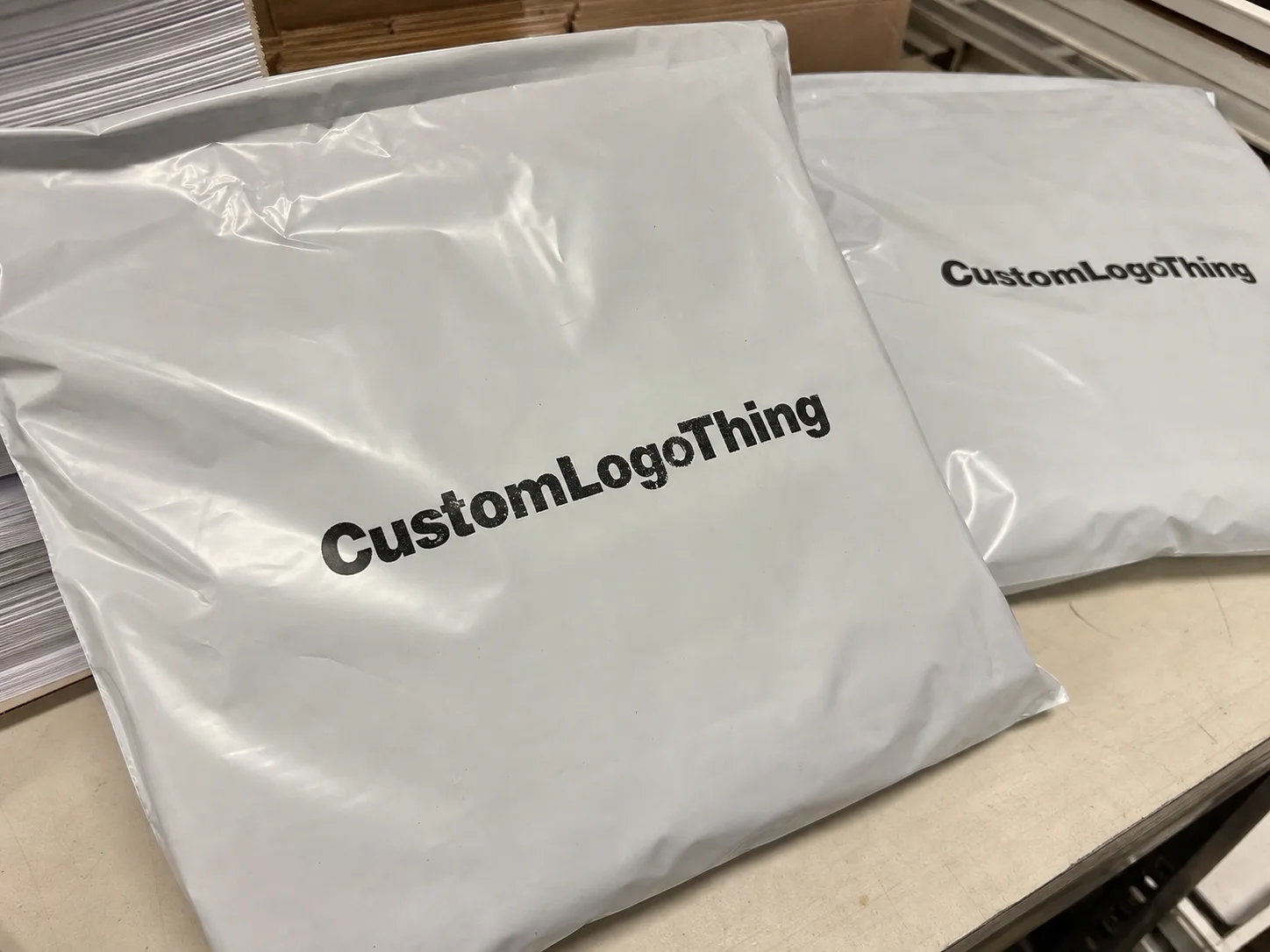
Most packaging complaints start with presentation, not with the garment itself. The shirt may be sewn properly, but if the fold shifts, the sleeve crease catches dust, or the item arrives with a half-collapsed look, customers often read that as a quality issue. Inner poly bags reduce that ambiguity. They keep the item flat, clean, and easy to inspect before it moves into the outer box.
For subscription brands, that matters because the same product is repeated across many fulfillment cycles. Repetition is where weak packaging gets exposed. A bag that works once and causes trouble on the hundredth unit is not a good spec. The best version is simple enough to train on, consistent enough to scale, and durable enough to survive the small abuses of packing, stacking, and transit.
These bags typically handle folded tees, leggings, intimates, socks, lightweight tops, bundled sets, and add-on items. They can be clear, frosted, opaque, or resealable. Some programs require suffocation warnings, barcode zones, hang holes, vent holes, or adhesive closures. The format changes the experience, but the job stays the same: protect the garment and reduce friction in the pack-out process.
There is also a labor angle that gets overlooked. A bag that opens cleanly and accepts the product without wrestling saves seconds on every unit. That sounds minor until it is multiplied across a launch run. A ten-second delay per box can become hours of labor, plus more touchpoints and more chances for spoilage. Packaging is rarely judged on the minutes it consumes, but the warehouse always pays for those minutes.
The strongest programs treat the bag as part of the operating system. The dimensions, the seal behavior, the artwork, and the pack sequence all have to line up. If they do, the bag feels invisible in the best way: no extra explanation, no awkward handling, no customer confusion.
If the inner bag makes the line slower, the spec is wrong even if the print looks good.
How the packaging works inside a subscription box
The flow is straightforward. The garment is folded, inserted into the poly bag, sealed or closed, then packed into the subscription carton with inserts, tissue, or promotional material. The bag sits between the apparel and the rest of the kit, holding the item together while preserving a tidy reveal.
That reveal can be handled in different ways. Clear bags let the customer see the item immediately and help the fulfillment team identify the SKU without opening it. Frosted bags soften the look and tend to read as more premium. Opaque bags hide the contents and create a stronger moment of reveal. Resealable bags are useful when the product may be stored after opening or when the pack contains more than one item. None of these is universally better. The right choice depends on the brand’s visual style, the apparel mix, and the warehouse process.
Subscription-box packaging has one constraint that retail shelf packaging does not: speed. The pack line is less forgiving than a display fixture. If a bag sticks, wrinkles, tears, or collapses during loading, the problem repeats hundreds or thousands of times. That is why the physical behavior of the film matters as much as the graphic treatment.
Fit is the first issue buyers should test. A bag that is too small can compress the garment, crease the fold, or split near the seal. A bag that is too large leaves extra air, loose movement, and a sloppy finish inside the box. The balance is usually somewhere between compression and slack, but the exact point depends on the fold style and whether inserts are included with the garment.
There is a second layer to consider: how the bag behaves when stacked. Some films cling. Some slide. Some show fingerprints and handling marks more readily than others. Those details matter because the subscription model creates repeated, highly comparable experiences. A customer may not analyze the packaging consciously, but they notice when one month feels tidy and another looks rushed.
Material, sizing, and print choices that change the spec
Material selection is the most direct cost and performance lever. Thin film can lower the price, but it may wrinkle easily, tear more readily, or feel too soft in the hand. Heavier gauges hold shape better and usually survive packing abuse more reliably. For apparel applications, film thickness often falls around 1.5 to 3 mil, with the final spec shaped by garment weight, closure type, and the visual standard the brand wants to maintain.
That range is useful, but only as a starting point. A lightweight T-shirt can often work well in a thinner clear bag. A hoodie, sweatshirt, or bundled set usually needs more structure. If the product has sharp folds, accessories, or a card insert, the bag should be sized with that full stack in mind, not just the garment alone.
Sizing mistakes are common because buyers often measure the flat product instead of the folded package. That is not enough. The bag has to accommodate the folded dimensions, the seal area, and any extra content included in the shipment. If the fit is tight, the item wrinkles and the seal area can be stressed. If it is loose, the package drifts inside the box and loses that crisp subscription-box finish.
Print choices change the economics quickly. A one-color logo or simple size mark is relatively straightforward. Add barcode placement, warning copy, multi-line care notes, or several print colors, and the setup becomes more involved. Even a modest artwork change can affect tooling, plate setup, or print method. Buyers often underestimate how much a small graphic change can move the quote.
Finish matters too. Gloss film reflects more light and tends to look sharper. Matte or frosted film softens the presentation and can feel more elevated. Clear film gives immediate visibility and simplifies SKU checks. Opaque film hides the item completely, which can be useful for reveal-driven subscriptions or when the customer should not see every folded edge before opening.
There is no single correct answer, only tradeoffs. A bag that looks premium may slow packing. A bag that is cheap may show handling marks or collapse too easily. The job is to identify which failure mode matters most for the program and choose the film accordingly.
For brands comparing multiple packaging layers at once, it helps to think in terms of hierarchy. The outer carton protects the shipment, the insert shapes the narrative, and the inner apparel bag keeps the product controlled. If one layer is doing the job of all three, the system is probably out of balance.
| Bag Option | Best Use | Strengths | Watch-Outs | Typical Unit Cost at 5,000 Units |
|---|---|---|---|---|
| Clear poly bag | Visible apparel, simple subscription kits | Fast SKU checks, low print complexity, straightforward look | Shows wrinkles and scuffs more easily | $0.12-$0.18 |
| Frosted poly bag | Premium-feel apparel programs | Softens handling marks, reads cleaner in the box | Less direct product visibility | $0.14-$0.22 |
| Opaque bag | Reveal-based subscription unboxing | Conceals contents, uniform presentation | Harder to verify contents without labels | $0.16-$0.26 |
| Resealable bag | Multi-item or storage-friendly packs | Reusable closure, better for bundled sets | Higher cost and slightly slower pack-out | $0.20-$0.34 |
Those prices are not fixed. They move with size, artwork, thickness, closure style, and order quantity. The point of the table is not to lock in a quote. It is to show how quickly a spec can shift from one cost band to another once the design changes.
Pricing, MOQ, and unit cost: what to compare
Buyers often start with unit price, but that number can hide more than it reveals. The true cost of custom apparel poly Bags for Subscription Boxes is shaped by dimensions, gauge, print colors, closure style, setup fees, freight, and the number of acceptable overruns or spoilage units. If any of those variables are missing from the quote, the comparison is incomplete.
MOQ matters for the same reason. Lower minimums reduce inventory risk, which is useful when the box concept is still being tested or the apparel mix is likely to change. Higher quantities usually improve the per-unit rate, but only if the brand can use the inventory before the next seasonal change, logo update, or product pivot. Cheap inventory becomes expensive when it sits unused.
There is also a hidden labor cost that should be part of the calculation. If a bag slows the line, produces rework, or requires extra handling to fit properly, the operational cost can exceed the savings from a lower quote. A bag that costs a cent less but adds seconds to each pack is usually a false bargain. Warehouses feel that immediately, even if the purchasing sheet does not.
Quote requests should ask for the same information every time:
- Exact finished size
- Film type and thickness
- Print method and number of colors
- Closure style
- Warning or compliance copy
- Proofing and setup fees
- Freight terms and destination
- Overrun, underrun, or spoilage tolerance
That list keeps buyers from comparing apples to a vague fruit basket. Two quotes can look similar on paper and still land far apart once freight, setup, and rework are included. A disciplined quote process is the easiest way to avoid that trap.
For programs with stricter testing expectations, it can also help to align the bag spec with broader packaging standards. Outer shipping performance is sometimes validated with ISTA test methods, and some brands tie broader sourcing decisions to FSC-certified paper components elsewhere in the pack. The bag itself serves a different function, but it should still fit the larger quality system rather than live as an isolated purchase.
Production steps and turnaround from quote to dock date
Production does not begin with printing. It starts with a clear spec. The supplier needs dimensions, film selection, closure method, artwork files, warning language, and any functional requirements such as hang holes or barcode placement. Once that information is complete, the proof can be built and checked. Only after approval does the job move into material sourcing, converting, printing, packing, and shipment.
Artwork is often the part that slows the schedule. A logo change seems small, but if it affects layout, barcode placement, or the amount of safe margin near the seal, it can trigger another proof round. That can affect the dock date more than a quantity change would. Packaging teams that treat copy and graphics as an afterthought usually pay for that later.
Lead time depends on several variables: production location, season, print complexity, freight mode, and the supplier’s current workload. Simpler domestic jobs can move faster. Overseas production may lower the unit price, but it adds transit time and more exposure to delays. If the bags have to land before box assembly starts, the schedule should be built backward from the shipping date, not estimated loosely from the quote date.
For subscription programs, the bag schedule needs to match the box schedule. If apparel arrives early but bags are late, the launch slips. If the packaging arrives first and sits for weeks, storage becomes a separate problem. Coordinating the inner bag with the rest of the pack is not glamorous, but it is one of the easiest ways to avoid deadline pressure.
A practical planning range for simple printed poly bag orders is often around 12 to 15 business days after proof approval. More complex builds, rush orders, or international freight can extend that. That should be treated as a planning window, not a promise. In packaging, the difference between a range and a guarantee is often a missed cycle.
Common mistakes that create waste and reorders
The first mistake is guessing the size. Buyers frequently choose a bag that seems close enough, then discover the folded garment and insert card do not fit cleanly together. If the bag is too small, the seal area is under stress and the garment wrinkles. If it is too large, the item floats inside the pack and the presentation weakens. Either way, the brand absorbs waste.
The second mistake is treating compliance copy as a last-minute detail. Warning text, barcode placement, and print margins need to be designed into the layout from the start. If the artwork leaves no safe zone near the edges or seal area, the run can fail for reasons that were entirely preventable. A bag is a working package, not a poster.
The third mistake is ignoring handling conditions. Humidity, dust, static, and temperature swings can affect how film loads on the line. Those are not dramatic problems, which is exactly why they get overlooked. They still matter because the warehouse experiences them every day. A material that looks fine in a sample pack may perform differently once it is moved, stacked, and opened by the hundredth unit.
The fourth mistake is buying on headline price alone. A low quote can hide flimsy film, slower loading, poor finish, or a supplier that cannot support a reorder under time pressure. That becomes expensive when the subscription grows. Reordering under deadline almost always costs more than qualifying the right spec early.
There is a simpler way to reduce those errors. Test the bag in the actual fold, with the actual insert, on the actual line. Check the seal. Check the read of the SKU. Check whether the product stays flat after a few hours in the carton. A five-minute real-world test catches more issues than a polished spec sheet.
What to confirm before you place the order
Before approving the run, confirm the garment dimensions, fold style, closure method, print area, warning requirements, and whether the bag must hold a single item or a bundled set. That list may seem basic, but most bad orders start with one assumption that was never written down.
Request a preproduction proof or sample and test it in the same environment the pack-out team will use. Does the film open easily? Does the seal hold? Does the garment stay flat? Can the SKU be identified without stopping the line? Those checks are simple, but they uncover problems that are costly once production starts.
Confirm the timing in writing. The useful dates are proof approval, production start, completion estimate, and freight method. “Two weeks” is not enough unless it is tied to a real shipment plan. A recurring subscription model depends on calendar discipline, and packaging delays have a way of becoming customer-facing delays.
It also helps to define the reorder trigger now, while the approved spec is still fresh. Record the dimensions, film type, closure style, artwork version, and minimum re-order quantity. If the bag works well, the next cycle should be a repeat, not a fresh investigation. That is where operational packaging earns its keep: it disappears into the process and comes back only when the quantity runs low.
Done well, custom apparel poly bags for subscription boxes do not call attention to themselves. They protect the garment, keep the line moving, and make the box look deliberate instead of assembled in a hurry. That is a modest goal on paper and a meaningful one in practice.
What size custom apparel poly bags for subscription boxes should I order?
Measure the folded garment first, then add room for the seal area and any insert card or tissue included in the pack. If the program includes multiple garment types, use separate bag specs rather than forcing one size to fit everything. That usually reduces wrinkling and rework.
Are clear or frosted custom apparel poly bags better for subscription boxes?
Clear bags work best when product visibility and fast SKU checks matter most. Frosted bags usually create a softer, more premium look and hide minor handling marks better. The right choice depends on whether the pack is built around speed, presentation, or a mix of both.
How many custom apparel poly bags should I order for a subscription launch?
Base the order on a realistic forecast plus a buffer for launch overruns, spoilage, and samples. Subscription volume can change quickly, so buying only the first cycle’s quantity often creates avoidable shortages. Too much inventory is a risk, but running out mid-cycle usually costs more.
What drives the price of custom apparel poly bags for subscription boxes?
Size, film thickness, print colors, closure style, and artwork complexity are the main drivers. Setup, proofing, freight, and compliance copy can move the landed cost even when the unit price looks attractive. A low quote is not useful if it creates slow pack-out or reprints.
Can custom apparel poly bags include warnings, barcodes, or brand copy?
Yes. Many apparel bags include suffocation warnings, logos, SKU marks, care notes, and barcodes. The key is placement and legibility. Print needs enough margin near the edges and seal area so the information stays readable after production and packing.


