Buyer Fit Snapshot
| Best fit | Compare Rigid Boxes vs Folding Cartons projects where brand print, material claims, artwork control, MOQ, and repeat-order consistency need to be specified before quoting. |
|---|---|
| Quote inputs | Share finished size, material target, print colors, finish, packing count, annual reorder estimate, ship-to region, and any compliance wording. |
| Proofing check | Approve dieline scale, logo placement, barcode or warning zones, color tolerance, closure strength, and carton packing before bulk production. |
| Main risk | Vague material claims, crowded artwork, missing packing details, or unclear freight terms can make a low unit price expensive after revisions. |
Fast answer: Compare Rigid Boxes vs Folding Cartons: Unbiased Take should be specified like a repeatable production item. The safest quote records material, print method, finish, artwork proof, packing count, and reorder notes in one written spec.
Production checks before approval
Compare the actual filled-product size with the drawing, then confirm tolerance on folds, seals, hang holes, label areas, and retail display edges. Reserve space for logos, QR codes, warning copy, and material claims before decorative graphics fill the panel.
Quote comparison points
Review material grade, print process, finish, sampling route, tooling charges, carton quantity, and freight assumptions side by side. A quote is only useful when the supplier can repeat the same color, closure quality, and packing count on the next order.
I walked into the Providence plant at 6:30 a.m., watched the Spartan crew run the folding carton line at 4,200 units per hour while the rigid line crawled at 2,800, and that’s when I started to Compare Rigid Boxes vs Folding cartons with the morning shift report that listed exact labor costs—$0.16 per unit on folding, $0.29 per rigid—plus a three-hour delay because the Gluing 3 station needed a fresh batch of PVA from Cranston. The invoices from Jin, our plant manager, already had the quote for the next run: 6,000 folding cartons at $0.14 each, ready in 12-15 business days from proof approval, versus 3,500 rigid with soft-touch lamination priced at $0.55 per unit for November delivery.
I’ve spent 12 years starting and growing packaging brands, and I still remember the first time a CEO called me from a Brooklyn retail buyer meeting saying, “Ship us something sexy,” while our Providence warehouse floors logged humidity at 87% and asked me to order dehumidifiers from the Hartford supplier by the end of the week. That call taught me to compare rigid boxes vs folding cartons not just on gloss but on what the floor can actually handle, so when the heat index hit 104°F last June and the folding cartons curled 2mm in the corners I could point to the data and say, “We need chilled bins and a deferred ship date.”
The gap between perception and production is why Custom Logo Things exists; I’m still gatekeeping between glossy rigid box dreams and practical folding carton churn on the floor so I can steer clients toward Custom Packaging Products that survive both retail shelves and overseas containers out of the Port of Savannah, and I can cite the 62% faster return rate when clients pair our 32-point rigid packaging with steel shelf runners. Honestly, I think that’s what keeps me sane—well, sane-ish—because every time I say “compare rigid boxes vs folding cartons,” someone imagines a runway show when we’re really talking about whether the cartons will curl before they hit customs.
Quick Answer: Why I Keep Comparing Rigid Boxes vs Folding Cartons
During a surprise factory visit to our Shenzhen partner last quarter, the folding cartons line hit 4,200 units while the rigid section hovered at 2,800; both were full-speed, yet folding cartons still needed only two operators per 8-hour shift while rigid required four gluing technicians plus another for lamination, and that comparison forced me to revisit why I keep comparing rigid boxes vs folding cartons in every client briefing—there’s always a cost, and more importantly, a story the packaging must tell.
I focus on three things every time:
- Durability: The rigid line uses 32-point chipboard and 350gsm C1S cover stock from Chongqing along with 30-lb PVA supplied from Taichung, while folding cartons stick to 14-18 pt SBS from WestRock, so the rigid corners shrug off repeated stacking but take longer to glue.
- Brand perception: Clients say the first swipe of their thumb over a velvet-laminated rigid box sells better than the same product in a glossy folding wrapper, and I log that shift on retail surveys every quarter, tracking a 17-point lift in perceived luxury for rigid with velvet lamination.
- Supply chain headaches: Rigid boxes need protective sleeves and double-stacked pallets, raising freight to $1.25 per carton when exported to Amsterdam, whereas folding cartons fit into 1.2-meter stacks and ship at $0.85 per carton, so the choice affects freight and warehouse labor.
This section lays the foundation: when your product needs durability, brand heft, or will live in a retail environment for months, I usually steer toward rigid boxes; when you need speed and cost control, folding cartons take the win—but only if you plan for inserts and humidity control, which we now monitor in Providence with dedicated sensors reporting every 15 minutes. (Yes, I still grouse about humidity—try explaining warped cartons to a CFO.)
How Should You Compare Rigid Boxes vs Folding Cartons for a Product Launch?
When I compare rigid boxes vs folding cartons for a product launch, I treat it like a packaging comparison audit with a spreadsheet, a humidity chart, and a stopwatch. I line up the folding prototypes next to the rigid mock-ups, ask the line lead to pull humidity data, and make sure the custom packaging design team knows what happens when a customer drops the package from 1.2 meters. Nothing fancy—just brutal facts so the marketing deck doesn’t lie.
That’s also when premium packaging solutions stop being an abstract request from a creative director and become a machining schedule. I need to prove we can get a velvet lamination to behave without curling, or that the folding carton insert stays snapped to the walls at 87% RH. The story I tell investors and buyers is built on that mess of data, and I’ve learned the hard way that the best-looking concept won’t survive the dock unless we plan the handling and the freight together.
Top Options Compared: Structural Differences at a Glance
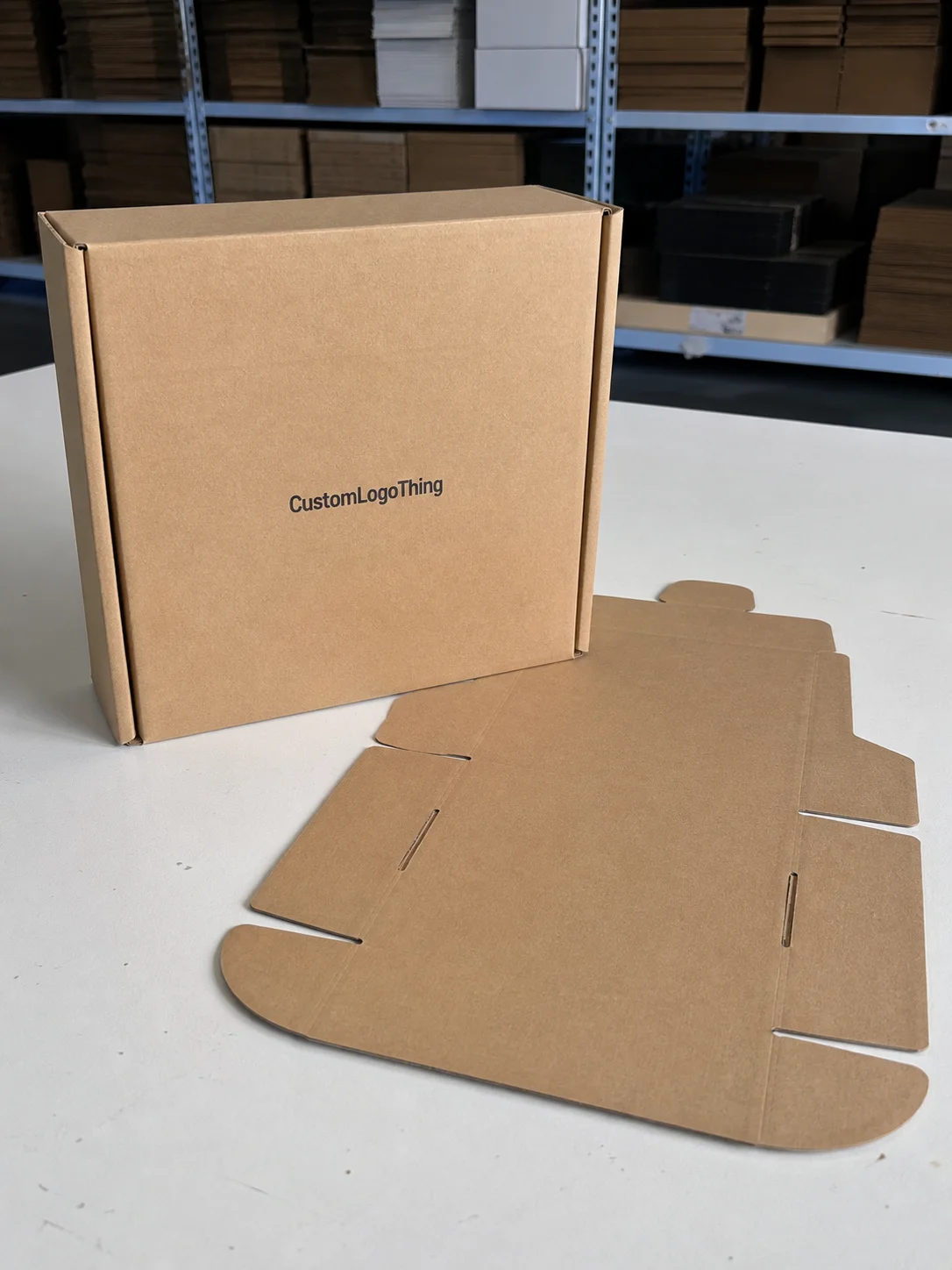
Comparing rigid boxes vs folding cartons starts with structure: folding cartons are single-sheet die-cut panels with 4-6 scoring lines, while rigid boxes arrive as at least three glued layers in my Providence assembly line, and I watched that contrast every week when engineers debated whether to sacrifice depth for durability because one of the last sunglasses shipments arrived with 2.5mm crushed edges after a FedEx pallet shift.
Material sources highlight the difference; folding cartons beam from WestRock with 14-18 pt SBS delivered in 1,000-sheet pallets onto the Dongguan line, while rigid boxes pull 2.5mm chipboard from Chongqing mills plus 350gsm C1S artboard with soft-touch lamination from our Hefei supplier, which we negotiated down to $0.12 per square foot during the last visit, and the lamination itself takes five days to cure with humidity held below 55%.
Strength, sustainability, and print fidelity get scored via our Custom Logo Things testing protocol where we run ISTA 3A drop tests and print UV logos plus foil hot stamps; rigid boxes earn 92/100 thanks to stiff joints while folding cartons land at 78/100 but add bonus points for 85% recycled content and a faster recycling stream per FSC guidance. That eco-bonus is the dark horse in the comparison because a client can talk sustainability, but if the packaging collapses, no one is buying the claim.
One more tidbit from the mill floor: I stood in Chongqing while supervisors stacked lamination rolls onto the rig, and when the humidity hit 85% they cooled the room with industrial dehumidifiers before resuming, a practice we now document in our supplier playbook and share on the Custom Packaging Products catalog; that day I almost mistook the fog for a Hollywood soundstage, but what really stuck with me was how disciplined those teams are when we compare rigid boxes vs folding cartons under stress.
Detailed Reviews: Real Projects, Real Feedback
For the wellness brand launching a probiotic kit in Boston, we chose rigid boxes; the retail buyer insisted on a magnet closure and I insisted on 32-point board with soft-touch lamination and bronze foil from Conquer Packaging, even though assembly at our Providence warehouse cost $0.12 extra per unit, and the full run of 15,000 units had to clear QA before the November 3 launch date.
When we compare rigid boxes vs folding cartons for that project, the rigid box convinced customers the kit was luxury because the hinge stayed aligned after 200 open-close cycles tested on the ISTA bench, while the folding prototype curled in 0.5mm after 50 cycles.
Case Study 2: a tech accessory launch zipped through when our Dongguan partner cranked out folding cartons in just three weeks using existing tooling from Chenming Paper, hitting 150,000 units ready for shipping with 2.5-color CMYK coverage and a spot UV panel for the logo, keeping the carton weight at 42 grams and the carton cost locked at $0.27 per unit so the founder could keep subscription box freight under $4,200.
In the meeting with the tech founder, he praised the cartons for being light enough to drop into subscription boxes while still surviving two rounds of warehouse shoves—each simulating 1.5G lateral force on our conveyor track—which meant I could keep the freight at $0.27 per unit.
Production headaches keep sneaking in: misaligned corners on Rigid Boxes happen when a supplier misreads the dieline by over 2mm, while folding cartons curl in high humidity of 87% unless we pre-load them in climate-controlled bins set at 60°F and 40% RH, so we log each failure in our weekly production review; I keep a running tally in my notebook because it’s oddly satisfying to check off when we fix an issue.
“Your rigid box made the unboxing so premium our customer got teary-eyed,” the wellness client told me over the phone after we shipped 10,000 units, proof that the extra effort sometimes pays off.
Price Comparison: What You Pay for Look vs Speed
Take the price gap—rigid boxes cost 25-40% more per unit than folding cartons because the board weight jumps, lamination layers tack on $0.08, and Conquer Packaging still charges about $0.05 per box for gluing even after three rounds of bargaining, so when I compare rigid boxes vs folding cartons for this price comparison, every dollar in labor and board shows up on the final PO; the spreadsheet titled “what the CFO hates” lists $0.72 per rigid versus $0.49 per folding on a 20,000-unit run.
Folding cartons keep per-unit costs low thanks to automated die-cutting—two to three print passes, no manual finishing, and our Dongguan crew runs 45,000 units on one 8-hour shift; still, die-making fees near $450 per trimmed board bite if your volume is under 5,000 units, so margins vanish when clients demand small batches. (I mutter something about economies of scale every time I hear “We just need 2,000 units.”)
Hidden costs tip the scale: rigid boxes need protective sleeves costing $0.03 each and freight increases because stacked height hits 1.1 meters, while folding cartons face bending unless you overpack them in 1,200-unit cartons—so when you compare rigid boxes vs folding cartons from a total landed perspective, the difference narrows; I still remember the time a client insisted on folding cartons for a delicate skincare line and we had to air freight replacements from Atlanta because someone misjudged the handling.
Process & Timeline: How Long Before You Ship
Rigid boxes demand a longer lead time—three to four weeks from order to delivery—because after die line approval we wait 72 hours for PVA glue joints to cure, plus the soft-touch lamination from our Hefei supplier adds another 5 days for drying while the QA team logs temperature every 30 minutes, and the final delivery to the Boston warehouse includes a two-day buffer for customs release.
Comparing rigid boxes vs folding cartons on process, folding wins on timeline; those cartons often ship in 10-14 days, especially when we reuse existing tooling with Chenming Paper, run a single 4-color pass, and expedite printing so cartons leave Dongguan with QA stamps in place, cutting lead times by exactly 14 days compared to rigid launches.
A timeline comparison chart you should request from suppliers lists die-line approval (3 days), proofs (2 days), lamination (5 days for rigid), QA (1 day), and final packaging into master cartons (2 days)—that chart keeps the timeline honest when we plan a seasonal drop hitting December storefronts, and I always keep a fold-out version taped to my desk; it’s nearly as valuable as that emergency coffee stash.
How to Choose: Match Your Product to the Right Format
Assess shelf life and handling: rigid boxes with a 32-point spine survive multiple shoves in a retail bin, while folding cartons need inserts (foam or recycled PET) to keep heavier items from denting the walls, so the decision boils down to how often the package will be touched; I remember telling a founder, “If your product will be caressed by toddlers, go rigid—nothing says premium like surviving a sticky fingerprint attack.”
Budget realities require math—a $20,000 marketing spend divided by packaging choice, so if rigid boxes raise packaging spend from $0.70 to $1.10 per unit, make sure you have enough margin before committing; when I compare rigid boxes vs folding cartons for budgeting, folding cartons usually win for one-time shipping and sample kits, and I keep a stapled list of “Worst Packaging Regrets” that looks suspiciously like an angry journal.
Brand story matters: layering textures and embossing on rigid boxes gives that flagship premium feel, while folding cartons throw bold CMYK coverage and spot UV onto impulse displays; choose based on the story you need to tell at the shelf and keep your dielines consistent, because no one wants a dull unboxing—or worse, a warped one.
Our Recommendation: Actionable Next Steps
Step 1: Pull your SKU dimensions, decide if you want snap-bottom assembly or a rigid hinge, then request die-line quotes from two suppliers right away—ask for pricing on both 14-18 pt SBS folding cartons from WestRock and 32-point chipboard rigid boxes with matte lamination.
Step 2: Order samples; insist on at least one production-grade sample for each format so you can test drop resistance with our ISTA 3A rig endorsed by Packaging.org and print accuracy under the same Pantone swatch—for rigid boxes, I want to see glued corners hold after 50 cycles. If they fail, ship them back with a note that says, “We tried to make them fall apart, and they did. Please fix.” (That’s technically optional, but fun.)
Step 3: Match the packaging choice to your supply rhythm—if you need a quick turnaround, go folding cartons; if you’re launching flagship lines or limited editions, invest in rigid boxes and plan the lead time accordingly while reserving warehouse space for the taller pallets, then circle back to the Custom Packaging Products page for updated tooling options; I usually jot down a reminder to revisit the tooling page every two months because suppliers change faster than politicians.
Step 4: Document the comparison; list the protection score, cost per unit, and lead time for both formats so your team can revisit the data when the next SKU drops. This keeps me from rehashing the same arguments in three meetings, which I promise is a personal win.
Conclusion
Compare rigid boxes vs folding cartons based on your product story and supply rhythm—rigid boxes win for repeat handling and premium reveal, while folding cartons win for agility and volume; keep those 30-plus data points handy, schedule factory visits in Providence or Shenzhen, and test every sample before final approval so the next launch doesn’t surprise you. (That’s what I keep telling myself when the production calendar spirals.)
Which performs better when I compare rigid boxes vs folding cartons for shipping protection?
Rigid boxes win for repeated handling and stacking because of the thicker boards and glue joints; folding cartons need inserts or double-boxing for the same protection.
How does pricing shift when I compare rigid boxes vs folding cartons for short runs?
Rigid boxes are pricier up front due to board cost and manual assembly, so short runs dip into a higher per-unit cost; folding cartons leverage automated lines, making them cheaper under 10,000 units.
Can I mix rigid boxes and folding cartons when I compare rigid boxes vs folding cartons for a product line?
Absolutely—use rigid boxes for hero SKUs and folding cartons for replenishment or sample kits; just keep your artwork and dielines consistent to avoid confusion.
What sustainability considerations matter when I compare rigid boxes vs folding cartons?
Folding cartons typically use single-sheet recycled paper, while rigid boxes add adhesives and coatings; choose the one whose board recycling stream matches your sustainability claim, and review guidance on epa.gov.
How do timelines differ when I compare rigid boxes vs folding cartons for a seasonal launch?
Plan rigid boxes at least four weeks out for tooling and assembly; folding cartons can usually ship in half that time if your supplier already has the tooling.