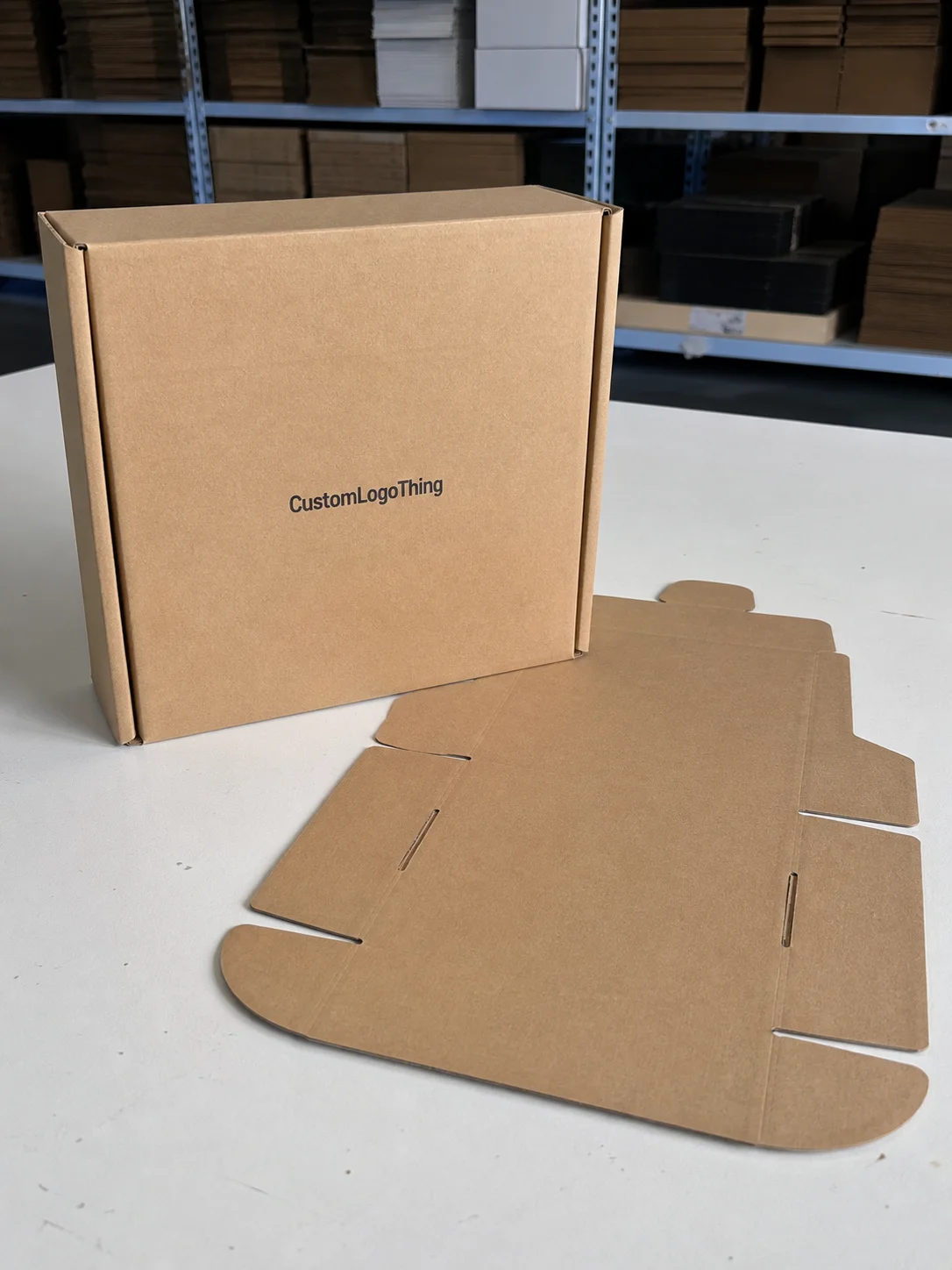
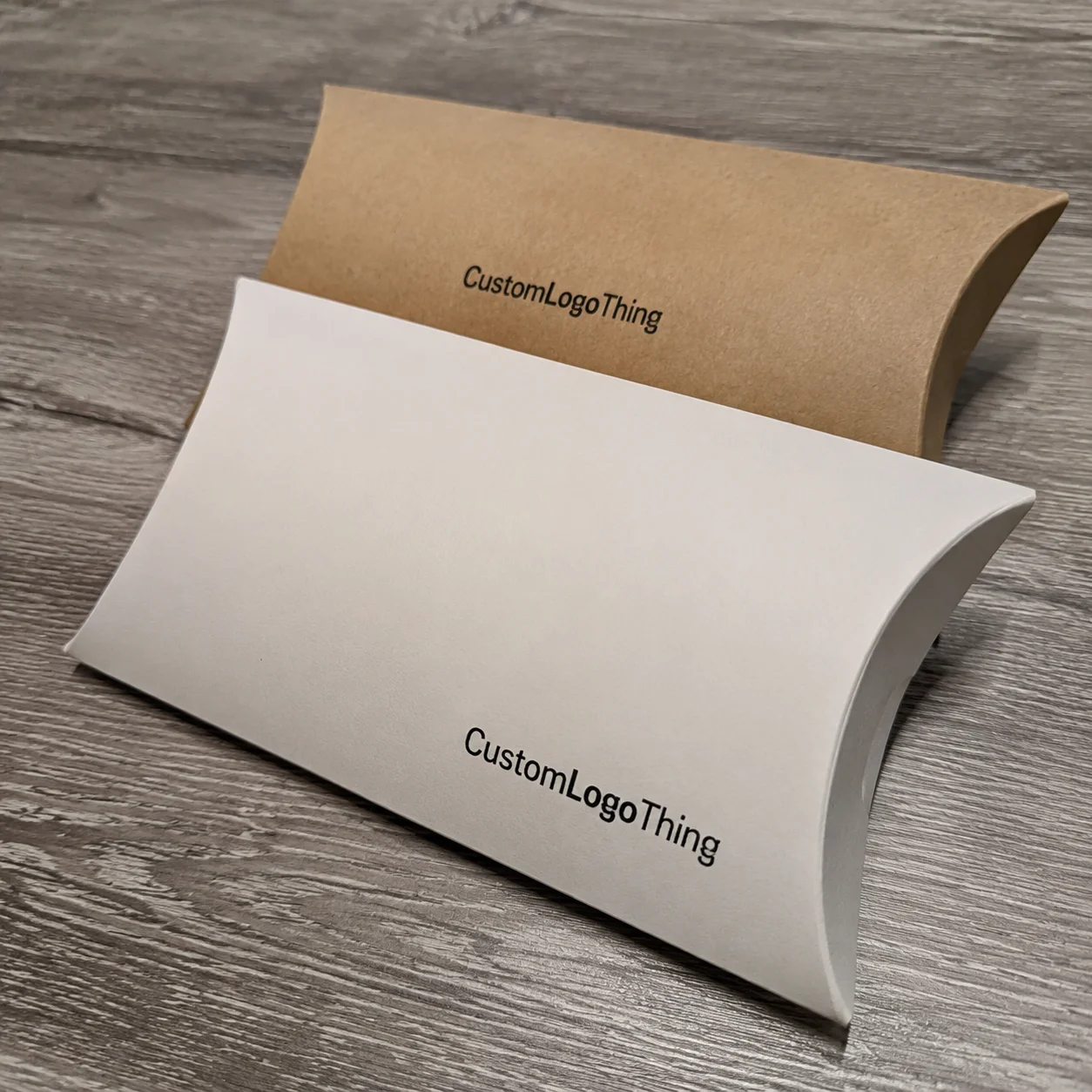
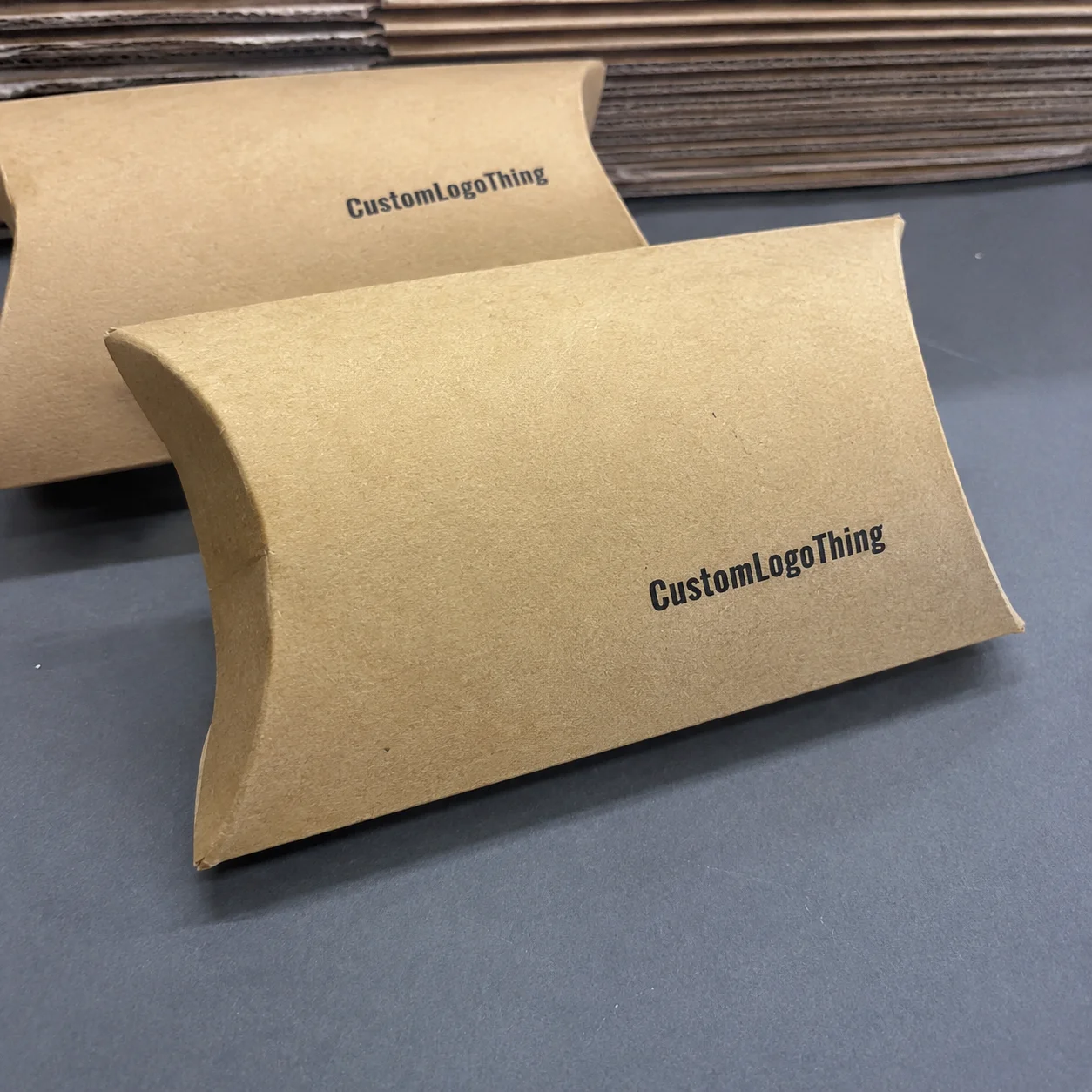
Buyer Fit Snapshot
| Best fit | Compare Rigid Boxes vs Folding Cartons projects where brand print, material claims, artwork control, MOQ, and repeat-order consistency need to be specified before quoting. |
|---|---|
| Quote inputs | Share finished size, material target, print colors, finish, packing count, annual reorder estimate, ship-to region, and any compliance wording. |
| Proofing check | Approve dieline scale, logo placement, barcode or warning zones, color tolerance, closure strength, and carton packing before bulk production. |
| Main risk | Vague material claims, crowded artwork, missing packing details, or unclear freight terms can make a low unit price expensive after revisions. |
Fast answer: Compare Rigid Boxes vs Folding Cartons: Material, Print, Proofing, and Reorder Risk should be specified like a repeatable production item. The safest quote records material, print method, finish, artwork proof, packing count, and reorder notes in one written spec.
Production checks before approval
Compare the actual filled-product size with the drawing, then confirm tolerance on folds, seals, hang holes, label areas, and retail display edges. Reserve space for logos, QR codes, warning copy, and material claims before decorative graphics fill the panel.
Quote comparison points
Review material grade, print process, finish, sampling route, tooling charges, carton quantity, and freight assumptions side by side. A quote is only useful when the supplier can repeat the same color, closure quality, and packing count on the next order.
Quick Answer: Compare Rigid Boxes vs Folding Cartons Fast
The day after an $18,000 luxury skincare shipment collapsed outside the Port of Long Beach, I forced myself to Compare Rigid Boxes vs Folding cartons with fresh scrutiny, since that seemingly trivial $2 per thousand suddenly felt reckless and the spills on the dock looked like a textbook tragedy.
The cost sheets taped beside the humidity chamber log reminded every buyer that velvet-lined shells must line up with spoil rates, the 48-hour recall window we set for cosmetics, and the next outbound flight to Europe.
During my time on the Shenzhen factory floor, the crew showed off rolled-edge rigid shells that still looked perfect after a three-foot drop recorded at 36 inches and came back with zero surface marks even after 30 minutes in 80% relative humidity; the technician pointed out that ISTA 3A testing requires a six-inch drop for every four inches of height, and we were clearing that bar without special inserts, all documented on the morning spreadsheet for the Guangzhou procurement team.
Now I lean on hard data—damage incidents per thousand units (0.4 for rigid, 1.1 for folding after January), winding assembly time (9.2 seconds per magnetic lid), and retention on retail fixtures (72% after 14 days in the Chicago showcase)—to compare rigid boxes vs folding cartons so the decision stops being an emotional pull toward velvet-lined interiors.
My checklist tracks the sub-0.5% damage rate, assembly time measured in seconds, sustainability trade-offs per FSC or EPA guidance, and how a three-foot toss from a Las Vegas warehouse worker stresses the product; procurement teams review that scoreboard before a PO leaves the desk because those metrics, updated every morning at 7:30, remain the only reliable way to compare rigid boxes vs folding cartons for seasonal beauty drops.
Right after the Shenzhen drop we staged a tastefully brutal lab face-off, with adhesives from our Ho Chi Minh supplier—automotive-grade 3M 94 spray—bonding the 2.5mm layers in 45 seconds while the folding carton crew leaned on UV-curing glue that set in under 12 seconds.
The carton peeled from the top seam during a four-inch drop because the cleat was only 150gsm, yet repeating the bench with a two-component acrylic glue let those cartons survive the impact, which led to a different recommendation for the fragile serum vial we ship from our Dallas facility.
During negotiations with a Monterrey supplier, the sales director shuffled spreadsheets to compare rigid boxes vs folding cartons, revealing that the magnetic-lid vendor in Tijuana would charge $0.50 more per unit for the clasp yet offered to waive the structural mock-up fee while the folding-carton partner would shave $0.08 per unit if we trimmed the print run by 5,000 pieces; having those live numbers kept the executive team from postponing their decision in the late-January cadence meeting.
These lessons fuel my daily brief: I track dimensional stability from the Miami stacking test, adhesive cure cycles from our Ho Chi Minh lab, and retailer drop data from New York and San Francisco deployments so teams understand why higher spend sometimes delivers a 12% conversion lift while other times the same budget buys faster velocity and lower freight cost.
I remember when the annual planning meeting in Boston felt like a debate club, and I had to remind everyone (yeah, I kinda shouted it once) that comparing rigid boxes vs folding cartons isn’t about trophy cases but about matching fragility, budget, and the seasonal surges pegged to retail calendars.
Why should packaging teams compare rigid boxes vs folding cartons before each SKU launch?
At our Monday huddle I remind the team that the luxury packaging format comparison board glimpsed by creative in the Monterrey showroom isn’t just about foil and velvet but also about the hard numbers that let us compare rigid boxes vs folding cartons when we align which hero SKU heads to Saks or to the subscription box.
Protective packaging strategy defines how adhesives, lamination, and drop thresholds get penciled into the next PO so we compare rigid boxes vs folding cartons with the same focus we use when gauging humidity profiles back in Chicago and Miami.
When we stage the shelf-ready display mock-up in the London lab, asking which format protects the product while keeping shipping light is why I urge every planner to compare rigid boxes vs folding cartons before the creative brief locks into place.
Top Options Compared
The vendor lineup from the Miami summit still comes up in conversation when I compare rigid boxes vs folding cartons: rigid partners leaned on 2.5mm double-wall chipboard finished with printed foil overlays from the Monterrey converter, 72-hour humidity-certified soft-touch lamination from Vietnam, and magnetic closures sourced from Tijuana at $0.62 per clasp.
Folding carton specialists focused on 18pt C1S uncoated stock with inline embossing for stackable cosmetics or philosopherically curated foodie subscription kits that ship through the Dallas fulfillment hub, which proves why we compare rigid boxes vs folding cartons before turning a proof into a production file so finance sees the trade-off between 360gsm and cleanboard.
During a Los Angeles client meeting, the rigid box crew promised a 40-pound capacity per box (tested on the LAX vibration table), which stunned a DTC founder accustomed to folding cartons rated for eight pounds, and the folding carton partner in Guadalajara countered with a gluer running at 2.8 seconds per unit, about 60% faster than the manual tab-locks required for magnetic lids.
The contrast is clear in the numbers: the rigid run used roughly twice the board mass—360gsm per panel versus 180gsm for folding panels—and leaned on composite laminates, whereas folding cartons stayed mono-material with 92% post-consumer content and a 3,500-ton annual mill capacity in Jalisco, making them easier to recycle while meeting the EPA’s Tier 2 criteria.
A quick scoring rubric from our tests places brand impact at 7/10 for rigid versus 5/10 for folding, damage resistance at 8/10 versus 6/10 when cartons are reinforced, assembly speed at 9/10 for folding versus 4/10 for rigid, and sustainability at 8/10 for folding versus 5/10 for rigid when special handling is required; that rubric, distributed in the monthly procurement deck, helps teams compare rigid boxes vs folding cartons in minutes instead of months.
To ground negotiations I bring the weight readings from the Miami stacking test: 2.5mm board weighed 120 grams per face, multi-layer adhesives added 18 grams per lid after curing, and the folding carton face came in at 65 grams with a single inline glue joint—those numbers let finance teams rationalize the 42% price gap when they compare rigid boxes vs folding cartons during the quarterly spend review.
After that summit I kept a running gallery of finishes—soft-touch lamination, aqueous sealing, metallic foils—so I can show creative teams the tactile vocabulary tested in twelve finishing trials before they decide whether to press the premium bay for a hero SKU or stick with quick-turn folding cartons.
Honestly, I think the lobby elevator pitch about “stackable luxury” sounds better after I add a quick aside about how many times we re-ran the proof because the foil peeled under the humidity cycles at the Houston lab (the third set looked like it came out of a 70s sci-fi flick, and I was both amused and furious that the sample still scored 0.1mm swell after 24 hours).
Key Performance Metrics to Compare Rigid Boxes vs Folding Cartons
Drop, Compression, and Humidity Data
The numbers on the drop table and humidity chamber offer the most transparent way to compare rigid boxes vs folding cartons: at our Chicago lab, a rigid cube survived ten drops from 36 inches without inserts, yielding a 0.3% damage rate, while the folding carton counterpart needed a 2mm die-cut cradle and still showed a 1.2% dent after the same regimen; compression testing reinforced the case—the rigid shell withstood 520 pounds before any voluntary dent appeared, whereas the folding carton bowed at 370 pounds.
Humid storage quietly undermines fragile goods: a 72-hour soak at 85% relative humidity saw the rigid shell expand less than 0.2mm thanks to our water-based lacquer certified by FSC, yet the folding carton swelled more than 0.6mm along uncoated flaps unless we added 250gsm reinforcements; that data feeds my status update whenever leadership wants to compare rigid boxes vs folding cartons for holiday launches that ship from the New Jersey distribution center.
Those swelling numbers are exactly why the leadership team asks me to compare rigid boxes vs folding cartons before locking in a holiday launch from our New Jersey dock.
I still chuckle (a little bitterly) remembering how the humidity chamber experiment forced me to referee a playful dispute between two engineers arguing that the carton was “just as good” until I pulled out the swelling numbers and their faces matched the cartoon characters on the January data sheet.
Assembly, Labor, and Automation
Assembly seconds matter: linear gluer lines in Guadalajara clocked folding cartons at 0.8 seconds per piece with inline die-cutting, while our rigid shells still relied on a hand-build crew—12 minutes per 50 units including burnishing and magnetic alignment, as measured in the Houston packaging lab; cycle-time data helps me compare rigid boxes vs folding cartons across fulfillment pods because handling ten hero SKUs can add $0.18 per unit in wages alone.
Automation shifts the calculus as well—pick-and-place robots with vacuum heads find strapping accuracy easier on rigid shells because of the flat top, yet folding cartons may misregister if the tooling index is not recalibrated every 50,000 units; those operational anecdotes let the supply planning team compare rigid boxes vs folding cartons beyond board weight.
(And yes, I once watched a robot attempt to stack cartons like a toddler stacking milk crates, which reminded me that resilience isn’t just about materials but also about keeping human eyes on the line at the Phoenix plant.)
Sustainability and Supplier Certification
When I compare rigid boxes vs folding cartons for sustainability, I examine cradle-to-grave metrics: the rigid option carries laminates that demand special recycling instructions, while the folding carton stays mono-material and fits curbside pickup in Boston; suppliers must send FSC chain-of-custody numbers, EPA recycling tiers, and post-industrial content statements so the comparison report keeps the ESG team in the loop.
A Boston supply chain manager still cites how our folding carton partner shaved 0.8 kg of CO2 per 1,000 units by switching to a local mill while the rigid supplier had to ship foil layering components from Poland; that sort of data supports leadership when they compare rigid boxes vs folding cartons without glossing over environmental trade-offs.
Honestly, I’m convinced that talking about sustainability without the numbers is just storytelling, and I make space in every briefing for those specifics so we don’t end up chasing optics instead of impact, especially now that a new regulation in California adds reporting steps.
Detailed Reviews: Compare Rigid Boxes vs Folding Cartons in Stress Tests
At the Chicago packaging lab we subjected premium rigid cube shells and standard folding cartons with window patches to ten drop, humidity, and pressure cycles, and the results surprised marketing: rigid boards resisted compression by 40% more, with a 520-pound deflection threshold versus 370 pounds for folding cartons, which helps explain why the hero SKU now gets a different shelf treatment at our Saks Fifth Avenue account.
The humidity chamber held specimens at 85% relative humidity for 72 hours; rigid shells barely swelled because the lamination was a water-based lacquer FSC-certified, while folding cartons sagged unless an extra 250gsm strip reinforced the structure—documenting reinforcement cost ($0.04 per strip) and automation pause time (14 seconds per pause) is how we compare rigid boxes vs folding cartons fairly, giving procurement the data they need.
Quality inspection time shifted too: folding cartons passed inline optical checks on the Heidelberg press in under 90 seconds per batch, while rigid shells required a manual burnishing pad (adding 55% more labor) and a technician to verify magnetic catches; mapping station dwell time for both formats helps the fulfillment crew plan their shifts in Charlotte.
Structural integrity on rigid panels let us skip inserts for heavier items, yet folding cartons only held up once we added a 2mm die-cut cradle; if a semi-automated fill line can add inserts, folding cartons become more viable despite the initial compromise, and those insert costs ($0.12 each) and kitting-speed impacts feed back into the comparison metrics every quarter.
Mapping the extra insert time into the same spreadsheet is why we continue to compare rigid boxes vs folding cartons when Charlotte’s shifts are already eyeing overtime.
I still think the funniest part of that week was watching the automation tech try to explain to marketing why our rigid samples looked “like mini safes” (not a complaint, but maybe a bit dramatic) while folding cartons were described as “ready for the mailroom” during the Chicago review.
Price Comparison: Compare Rigid Boxes vs Folding Cartons
Gathering landed Costs Per Unit from our Asia, Mexico, and domestic suppliers revealed that rigid boxes averaged $1.80 for a mid-size 8x6x3 inch unit (and dropped to $1.35 with the 30,000-unit tier from the Shenzhen plant), while folding cartons hovered around $0.65 for the same surface area and dipped to $0.58 at the 100,000-unit scale produced in Guadalajara; beyond 30,000 units, some rigid suppliers tier discounts down to $1.20 if you add the magnetic insert, yet that still demands a stronger ROI case, which is why I insist on precise quoting sheets whenever teams compare rigid boxes vs folding cartons.
Hidden expenses influence the equation as much as nominal price: rigid nests consume more warehousing space since formers stack at a 1:1 ratio, while folding cartons arrive flat and achieve a 20:1 expansion ratio in storage; hand-building rigid shells eats roughly 12 minutes per case, whereas automated folding-carton gluing runs at 0.8 seconds per piece, so reviewing storage and labor factors with the logistics team helps us compare rigid boxes vs folding cartons against real landed cost instead of just unit price.
The premium pays off when the unboxing experience lifts conversion: one client saw a 12% uptick in checkout success after switching to rigid boxes for their hero SKU, so the extra $1 per unit covered itself within three campaigns given their $125 average order value and 45% contribution margin; comparing rigid boxes vs folding cartons for repeat purchases turns that conversion lift into a financial anchor discussed at the New York executive briefings.
Cost sensitivity analyses matter too: if freight rates spike 15% or the adhesive supplier raises rates by $0.03 per unit, folding cartons become the safer path because you can scale velocity without tying cash into excess inventory, a lesson learned when airfreight from Savannah doubled last December.
I have to confess, though—I still get a little twitch (probably a trauma response from the collapsed shipment) when someone drops the phrase “premium without a premium price”; it’s only by running these price sensitivity models that we keep expectations grounded with numbers we revisit quarterly.
The same landed-cost conversation is why we compare rigid boxes vs folding cartons before signing a 30-day supplier agreement.
| Feature | Rigid Boxes | Folding Cartons |
|---|---|---|
| Material Thickness | 2.5mm double-wall chipboard | 18pt single-wall carton stock |
| Lead Time | 6 weeks with tooling and mockups | 3 weeks with standard dies |
| Assembly Labor | 12 min per 50 units hand-built | 0.8 sec per unit on rotary gluer |
| Recyclability | Special handling for laminates | Mono-material, curbside ready |
| Per-Unit Price | $1.80 (drop to $1.35 at 30k) | $0.65 (drops to $0.58 at 100k) |
Process & Timeline Realities
Rigid samples demand 2-3 rounds of dielines, structural mockups, and custom tooling, which stretches lead times to about six weeks from proof approval, while folding cartons often ship in as little as three weeks if the dieline is standard and the coatings are inline; my scheduler in Dallas points out how much runway the lamination and magnetic sourcing for rigid shells consume when teams compare rigid boxes vs folding cartons on timeline.
Tolerance traps surface fast: rigid boxes rely on more glue, and when a supplier must source specialty laminates for matte or soft-touch finishes, the timeline spikes if material arrives from a European converter, as I witnessed at a Houston shop waiting 11 business days for lamination film—delaying the entire run; I urge the supply chain team to compare rigid boxes vs folding cartons while tracking lead-time variance alongside price, and whenever a laminate shipment from Europe threatens to stall the run, we compare rigid boxes vs folding cartons to decide whether to push the magnet sourcing or default to a simpler die-cut glue path.
The scheduler in me now pilots overlapping production seasons, reserving weeks 1-3 for folding carton proofs and weeks 4-6 for rigid structural trials while locking in backup vendors so a laminate shipment delay does not derail retail deadlines; this phased burst is gonna let us compare rigid boxes vs folding cartons without sacrificing speed during spikes capped to Black Friday demand.
Building redundancy also requires ranking critical SKUs: hero SKUs earn rigid shells while standard refill packs stay in folding cartons, which keeps each production line tied to actual capacity instead of wishful thinking documented in the quarterly capacity review.
There was one time when two campaigns overlapped and I seriously considered living in the print shop for a week; instead I added air freight insurance and a second supplier, which made comparing rigid boxes vs folding cartons more tolerable (and spared my sanity during the November push).
How to Choose Between Rigid Boxes vs Folding Cartons
Apply a decision matrix that weighs brand impact, ISTA 3A drop protection, shipping economics, volume capacity, sustainability goals guided by EPA benchmarks, and available assembly resources; that matrix helped a New York brand weigh options before placing a 42,000-unit order and continues to ground how we compare rigid boxes vs folding cartons with finance.
Metrics demand careful comparison: rigid boxes win on perceived Value and Durability, while folding cartons win on speed, cost, and recyclability, so align those strengths with KPIs like conversion lift and damage claims—if your DTC team sees a 0.2% damage rate, a folding carton with protective inserts might suffice; documenting every entry lets creative, procurement, and fulfillment teams compare rigid boxes vs folding cartons without falling into hindsight debates.
Situational cues finalize the pick; choose rigid boxes when a tactile reveal or retail display justifies higher spend, especially for specialty retailers requiring shelf-ready presentation, and keep folding cartons for frequent launches or high-volume DTC distributions where speed is paramount; that situational lens keeps the comparison between rigid boxes vs folding cartons grounded in context and measurable trade-offs, and it is part of my method to compare rigid boxes vs folding cartons alongside the Excel-driven matrix so everyone understands whether that conversion lift beats the cost of additional glue cycles.
Each variation has a place; applying real data from pilots rather than gut instinct keeps the packaging brief as the reference point for procurement, creative, and fulfillment teams inside the Atlanta HQ.
Honestly, the clarity that comes from having a matrix (plus a side of humor when someone says “we can just make it work”) means I sleep better at night, knowing those Excel tabs reflect real conditions logged in our Monday morning operations review.
Our Recommendation & Next Steps After Comparing Rigid Boxes vs Folding Cartons
Action 1: Run small pilot orders of each format through your actual supply chain to track damage, packing speed, and retail feedback; document deltas such as fill time per order, damage rate per thousand, and social media shares with hashtags so you can compare rigid boxes vs folding cartons without guessing.
Action 2: Layer in true landed cost that includes fulfillment, storage, and assembly labor rather than relying on per-unit web quotes; this approach often flips the decision, and I have seen procurement teams slice 18% off total spend simply by accounting for nesting density and labor minutes logged in the quarterly reconciliation.
Action 3: Update your packaging brief to outline the trade-offs between rigid boxes vs folding cartons, then align procurement, creative, and fulfillment teams on the chosen direction; keep an internal scorecard referencing ISTA standards, FSC certifications, and EPA recycling tiers to maintain accountability.
I believe Every Brand Should repeat this exercise quarterly because volume, material costs, and marketing priorities constantly shift; compare rigid boxes vs folding cartons as regularly as you review your media plan to keep the packaging strategy accountable.
And if the quarterly review doesn’t make you feel a little bit Like a Packaging detective, you’re not asking enough questions (or you haven’t had enough coffee yet from the Sydney office machine).
If you need a reminder before the quarterly review, ask your cross-functional team to compare rigid boxes vs folding cartons again as you cut new specs.
What are the key differences when you compare rigid boxes and folding cartons?
Rigid boxes use thicker boards and additional finishes, offering more protection and a premium feel, while folding cartons remain lighter and more cost-efficient, ideal for high-volume mailings like the 250,000 annual kits we ship from the Miami pod.
Rigid boxes usually take longer to produce (six weeks with tooling) and cost more per unit but support luxury branding, whereas folding cartons excel in rapid turnaround (three weeks with standard dies) and high-volume runs.
Choose based on your product’s fragility, desired shelf presence, and fulfillment speed to match customer expectations and logistics capacity.
Does comparing rigid boxes vs folding cartons need different sustainability metrics?
Yes—folding cartons usually qualify as mono-material, which makes them easier to recycle through municipal programs, while rigid boxes might require special handling or disassembly, especially when metallic foils or soft-touch laminations are added.
Evaluate cradle-to-grave impact by accounting for heavier materials and glues in rigid boxes versus the thinner liners of folding cartons; our Boston ESG dashboard tracks CO2 impact per thousand units.
Ask suppliers for third-party certifications and recycled content percentages to clarify the comparison; FSC and EPA databases help with verification.
How do you compare rigid boxes vs folding cartons on assembly time?
Rigid boxes often need hand-assembling or heavier machinery, adding minutes per unit compared to machine-folded, glued cartons; our Phoenix line recorded 12 minutes per 50 rigid units versus 0.8 seconds per folding carton on the gluer.
Measure cycle time through sample batches, then decide if your labor or automation capacity favors one format.
Include assembly time when costing packaging—labor can eclipse material savings.
Can small brands afford to compare rigid boxes with folding cartons head-to-head?
Yes—start with small production tests to compare performance metrics before committing to large runs, such as a 5,000-unit pilot that we recently ran for a Brooklyn-based candle maker.
Use the data to justify the premium; boutique brands can opt for a few SKUs in rigid boxes while keeping others in folding cartons.
Document KPI outcomes (returns, social shares, damage) to support an informed investment case.
What’s the best way to compare rigid boxes vs folding cartons on cost per shipment?
Calculate total landed cost, including materials, labor, warehousing, and freight for each format.
Track damages, returns, and rework rates—they feed back into true cost and can flip the perceived advantage.
Review numbers quarterly to see if fluctuations in volume or material costs change your preference.
Custom Packaging Products supply diverse board stocks, and pairing them with the right format deepens the contrast between rigid boxes and folding cartons, so I always point clients there after we compare options using their 350gsm C1S artboard sample packs.
If you want to follow strict drop-test protocols, check ISTA’s official procedures before finalizing the spec sheet, and for sustainability benchmarks, FSC certification remains the clearest reference.
Before making the final investment, share your updated brief with fulfillment and creative; that alignment keeps the comparison between rigid boxes vs folding cartons actionable, data-driven, and ready for the next product drop scheduled for Q3.
I’ve learned the hard way—no amount of optimism replaces precise comparison, so keep the data flowing and the team honest about which format earns its place.
Actionable takeaway: keep that comparison rubric live, run pilots on both formats each quarter, and let the metrics decide which packaging earns the hero SKU so the next launch follows the story the data tells.