Buyer Fit Snapshot
| Best fit | Compostable Courier Mailers Manufacturer projects where brand print, material claims, artwork control, MOQ, and repeat-order consistency need to be specified before quoting. |
|---|---|
| Quote inputs | Share finished size, material target, print colors, finish, packing count, annual reorder estimate, ship-to region, and any compliance wording. |
| Proofing check | Approve dieline scale, logo placement, barcode or warning zones, color tolerance, closure strength, and carton packing before bulk production. |
| Main risk | Vague material claims, crowded artwork, missing packing details, or unclear freight terms can make a low unit price expensive after revisions. |
Fast answer: Compostable Courier Mailers Manufacturer: Film, Print, MOQ, and Carton Packing should be specified like a repeatable production item. The safest quote records material, print method, finish, artwork proof, packing count, and reorder notes in one written spec.
Production checks before approval
Compare the actual filled-product size with the drawing, then confirm tolerance on folds, seals, hang holes, label areas, and retail display edges. Reserve space for logos, QR codes, warning copy, and material claims before decorative graphics fill the panel.
Quote comparison points
Review material grade, print process, finish, sampling route, tooling charges, carton quantity, and freight assumptions side by side. A quote is only useful when the supplier can repeat the same color, closure quality, and packing count on the next order.
A compostable courier mailers manufacturer should be judged on more than a tidy product page and a well-lit sample photo. The real test is whether the mailer can survive sorting lines, handling, friction, moisture, and the rough little accidents that happen between the packing bench and the final doorstep, then break down under the right composting conditions without making your sustainability claim sound inflated.
That distinction matters because two mailers can look nearly identical and behave like completely different products once they enter a warehouse. One tears at the fold. One stays intact. One prints beautifully and cracks under pressure. One holds its seal in hot, cold, and damp conditions. I have watched a sample that looked perfect on a desk split open after half an hour on a warm packing line, and that kind of mismatch is exactly why a serious compostable courier mailers manufacturer has to understand materials, seal strength, print compatibility, and batch consistency, not just packaging language.
For brands building eco-friendly packaging, the goal is not just to look responsible. It is to choose a structure that protects products, matches your packing process, and carries a disposal claim that can stand up to scrutiny. If you want a wider view of packaging formats beyond mailers, the team at Custom Packaging Products can help you compare options without drifting into empty sustainability talk. If you are comparing compostable film formats with standard shipping bags, it can also help to review Custom Poly Mailers so you can judge the tradeoff between cost, performance, and sustainability messaging.
Brands often start the search with a broad question, then quickly discover that the details matter more than the headline. A well-chosen compostable courier mailers manufacturer should be able to talk about practical things like minimum order quantities, print coverage, shelf life, closure reliability, and how the mailer performs when packed with soft goods versus rigid items. That is the level of conversation that leads to a usable specification rather than a vague promise.
What a Compostable Courier Mailers Manufacturer Actually Delivers
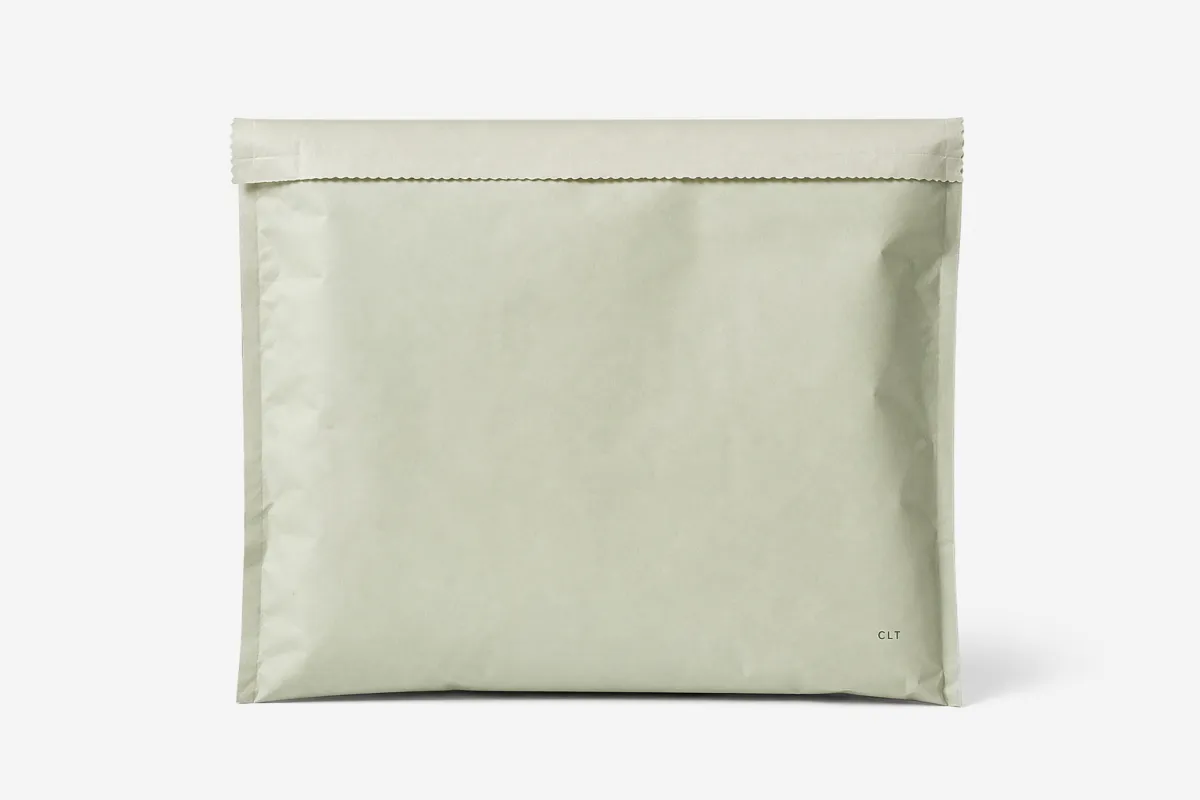
A compostable courier mailers manufacturer does not just print a logo on a bag and call it responsible packaging. The work begins with sourcing the right feedstock, choosing a structure that can be sealed reliably, controlling thickness, verifying the finished item against a recognized compostability standard, and making sure the printing process does not damage the material or blur the final claim.
Think of the manufacturer as the party responsible for the chain of decisions that determines whether the mailer behaves like packaging or like expensive waste. Raw material sourcing matters. Ink chemistry matters. Seal design matters. So does the finished size, because a mailer that is too tight can split at the gusset, while one that is too loose wastes film and shipping space. A competent compostable courier mailers manufacturer will ask for dimensions, fill weight, branding needs, and closure style before quoting anything useful.
The terms get mixed up all the time, which is why buyers need to slow down and ask for plain language. Compostable, biodegradable, and plant-based are not interchangeable. Compostable refers to a finished product designed to break down into non-toxic components under specific composting conditions within a defined timeframe. Biodegradable is looser and often tells you very little about actual disposal behavior. Plant-based only tells you that some raw material came from biomass; it says nothing about where the package ends up or how it behaves there.
That difference is not academic. A brand can use compostable courier mailers and still miss the point if the local waste system cannot process them. Industrial composting is not the same as backyard composting, and a compostable courier mailers manufacturer should be able to say which route the product is built for. If the supplier cannot explain that without hedging, the claim deserves a second look.
Look for concrete answers, not decorative language:
- Finished mailer thickness, usually quoted in microns or mils.
- Seal style, such as side seal, bottom seal, or pressure-sensitive flap.
- Print method, ink type, and whether heavy coverage affects the structure.
- Certification basis, such as ASTM D6400, EN 13432, or another recognized standard.
- Disposal condition, meaning industrial composting rather than vague end-of-life claims.
From a buyer's point of view, the best compostable courier mailers manufacturer is the one that makes tradeoffs visible instead of hiding them. If a thicker film improves puncture resistance but raises cost, say so. If a smaller MOQ pushes the unit price up, say that too. Hidden tradeoffs are how brands end up with green packaging that creates operational headaches in the packing room.
It also helps to understand where the manufacturer sits inside the larger packaging workflow. Some suppliers handle only the converted mailer and rely on the buyer to finalize artwork and shipping instructions. Others support more of the process, from sizing guidance to print setup and carton packing configuration. If your company is still shaping its packaging line, it may be useful to review the business context on About Custom Logo Things before locking a specification, especially when you need a manufacturer that can scale with changing demand rather than just quote one attractive sample.
How Compostable Courier Mailers Work: Materials, Liners, and Seals
The structure of a compostable mailer is usually more important than the marketing phrase on the front. Most versions are built from a compostable film blend or a layered structure designed to provide flexibility, opacity, and enough tear resistance for shipping. Depending on the product design and the target certification, materials may include PLA, PBAT, starch-based blends, cellulose-derived components, or other compostable polymers. The exact formulation varies by supplier, and the best choice often depends on how much puncture resistance, heat tolerance, and printability the order needs.
In practical packaging terms, film thickness often falls into a common range rather than a single magic number. Light apparel mailers may use a thinner structure, while heavier or sharper products may need a more robust build. Many buyers compare samples in the 50 to 100 micron range, though the right number depends on the product weight, the shape of the contents, and how aggressively the parcel will be handled. A compostable courier mailers manufacturer should be able to explain why a specific gauge was recommended instead of just naming a number.
Seal design is another area where small choices have a big effect. Pressure-sensitive adhesive flaps are common for mailers because they are fast for packers and simple for the end user. The adhesive needs to perform reliably across a reasonable range of warehouse conditions, often including warm and cool packing areas, while still allowing a secure close. Some designs use side seals or bottom seals to improve load distribution and reduce leak points. If the seam is weak, the bag can split on corners, especially when the contents shift during transit.
Printing on compostable substrates usually requires a lighter touch than printing on conventional poly film. High ink coverage can reduce flexibility or make the surface feel stiff, so experienced suppliers often suggest controlled artwork coverage, specific color limits, or adjusted curing settings. That does not mean the branding has to look dull. It simply means the art should respect the structure. A simple logo, clear handling instructions, and a short sustainability statement often perform better than a full-bleed graphic that competes with the mailer's functional needs.
Additional details may include tear strips, transparency level, opaque tint, and anti-slip surface texture. These are not cosmetic extras. A tear strip can help the recipient open the mailer cleanly. Opaque film protects privacy for apparel or small accessories. A little surface grip may help reduce sliding when cartons are stacked. In some cases, a compostable courier mailers manufacturer may suggest a plain unprinted area for scanning labels or barcodes so warehouse staff can process the shipment without slowing down.
Common performance questions usually include the following:
- Does the mailer maintain closure when filled near the upper end of its intended weight range?
- Is the film flexible enough to fold without splitting, but strong enough to resist puncture?
- Does the print remain legible after normal handling and rubbing?
- Will the adhesive bond stay stable in the packing environment your team actually uses?
- Does the substrate support clear compostability labeling without creating misleading claims?
It is also worth comparing the compostable mailer structure with more conventional alternatives in the context of the order itself. Some products can move safely in a thinner poly-based format, while others need the specific sustainability positioning and disposal pathway that compostable packaging offers. When a brand sees both options side by side, it becomes easier to decide whether the sustainability story justifies the higher unit cost and whether the operational workflow can absorb the change.
Choosing a Compostable Courier Mailers Manufacturer: Key Factors
Picking the right compostable courier mailers manufacturer is less about finding the cheapest quote and more about finding the supplier that can repeat the same result at scale. Quality, certification, communication, and production discipline matter because compostable materials can be more sensitive than standard plastic film. If the manufacturer has poor process control, you may see curl, inconsistent sealing, weak print adhesion, or color variation between lots.
Start with certification and documentation. Ask what standard the product is tested against, who performed the testing, and whether the evidence covers the specific construction you intend to order. A certificate for one film structure is not automatically transferable to another. A supplier should also be able to provide technical data sheets, material declarations, and packing details. If the answers stay vague, the operational risk usually rises.
Then look at production capability. A supplier that can make a beautiful sample in a small run may not be the same supplier that can deliver stable quality at your target volume. Ask about typical order quantities, lead times, and how they handle repeat orders. Some brands need modest batches for seasonal launches; others need larger ongoing replenishment. A good compostable courier mailers manufacturer usually explains what volume bands are efficient, where the pricing steps change, and how consistent the print registration remains as the run scales.
Packaging performance should be tested in the same conditions your goods will face. If your products are soft, the key issue may be seal integrity and machine speed. If they are boxed inserts or accessories with edges, puncture resistance becomes more important. If your fulfillment operation sees humidity swings, you may need samples tested after time in warm or damp storage. Common scenarios matter because a mailer that passes in a controlled room can still fail in a busy packing environment.
Communication style is another useful signal. The best suppliers do not overpromise. They tell you when a design choice may raise cost, make print harder, or change the disposal story. They are comfortable discussing acceptable tolerances, such as slight variation in thickness or color, because every converted material has some natural variation. That honesty is valuable. It lets buyers build workable specifications rather than chasing a fantasy of perfect uniformity.
There is also the question of support after the order ships. Will the supplier help if a batch arrives with cosmetic variation? Can they explain how to store the mailers so adhesive performance is preserved? Will they recommend whether a particular insert, label, or packing tape might interfere with the compostable claim? These are ordinary questions, but they separate a basic seller from a practical packaging partner.
If your brand still relies on mixed packaging formats, it can help to compare the manufacturer's suggestions against your broader packaging inventory. A supplier with experience in a wider range of mailers and cartons may give better guidance on how compostable courier mailers fit into your full shipping process, rather than treating them as a one-off purchase.
Cost and Pricing: What a Compostable Courier Mailers Manufacturer Should Quote
Pricing for compostable mailers usually reflects more than raw film cost. A compostable courier mailers manufacturer typically builds the quote from material grade, thickness, print complexity, bag size, sealing method, order quantity, packaging configuration, and shipping mode. Buyers sometimes focus only on the unit price and miss the fact that a lower per-piece number can be offset by higher setup charges, stricter MOQ requirements, or longer lead times.
A useful quote should break down the important variables in a way that lets you compare suppliers fairly. Common pricing components may include plate or setup fees for print, sample charges, tooling if a custom size is required, cartons or master packing, and freight. If the mailer uses a more advanced compostable laminate or a thicker structure, the cost usually rises. If the artwork requires multiple colors, large ink coverage, or special finishing, that may also affect the price. A transparent compostable courier mailers manufacturer should explain these factors without turning the quote into a mystery.
Order size matters a great deal. At lower volumes, the per-unit price can be meaningfully higher because the setup costs are spread over fewer pieces. At higher volumes, the unit cost may fall, but the buyer may need to commit to inventory space and forecasting discipline. Typical lead-time and price behavior often changes in steps rather than smoothly. A run of a few thousand pieces can feel expensive compared with a larger replenishment order, but the smaller order may be the safer choice if artwork or dimensions are still being refined.
Buyers should also account for the real cost of packaging failure. A bag that tears during shipping can create rework, replacement cost, customer service load, and brand damage. In that context, paying a little more for better seal integrity or a sturdier gauge can be sensible. The true cost of a mailer includes the cost of not having to resend products or explain a damaged delivery. That is one reason why a focused compostable courier mailers manufacturer will often ask about the product being shipped before giving a final recommendation.
When comparing quotes, ask these practical questions:
- Is the price based on the exact finished size, or on a size band that could shift slightly?
- Are all print and setup charges included, or will there be additional costs after artwork approval?
- What is the MOQ for the current structure and print method?
- How much does a thicker gauge or wider flap add to the unit price?
- Does the quoted packaging include cartons, palletizing, or only loose packed bags?
It is also smart to compare the compostable option with a conventional option before you commit. In some cases, the cost difference is modest enough to justify the sustainability benefit. In other cases, the difference may be substantial, and the business case depends on branding, retailer expectations, or regulatory pressure. Looking at the side-by-side logic helps avoid impulse decisions driven by a single sample or a single sales conversation.
Production Steps and Timeline: From Spec Sheet to Delivery
Most packaging projects run more smoothly when the buyer and the compostable courier mailers manufacturer agree on the process early. The usual path starts with a brief that covers size, use case, target material, print requirements, and expected annual volume. From there, the supplier may recommend a structure and send a sample or proof for review. That sample stage is where the most time is often saved, because it reveals whether the design is realistic before full production begins.
A practical workflow often looks like this:
- Share product dimensions, fill weight, and shipping conditions.
- Review material and thickness suggestions.
- Approve dieline or finished size layout if a custom format is needed.
- Review artwork proof, print placement, and label area.
- Receive pre-production or reference samples for physical testing.
- Confirm order quantities, packing format, and delivery terms.
- Proceed to full production and final quality checks.
Lead time varies widely depending on whether the order is a stock configuration, a lightly customized print job, or a new size with a new tool or print setup. In many packaging projects, sample approval can take a few days to a couple of weeks depending on revision cycles, and production can take another several weeks depending on volume and capacity. Freight adds its own timing, especially when the order travels internationally. Because of that, a cautious buyer should plan a buffer rather than treating the first ship date as a hard certainty.
Quality control should happen at multiple points. During production, the supplier may check thickness, seal strength, print alignment, and visual defects. After packing, carton counts and outer packaging should be verified so the mailers do not arrive crushed, damp, or mixed. If the order includes a custom print, the first articles should be compared against approved artwork to make sure colors and placement are close to the agreed standard. A dependable compostable courier mailers manufacturer normally has a routine for these checks and can describe it in plain language.
One overlooked step is internal testing. Before you place a full order, it is wise to run a small operational test in your own fulfillment environment. Pack a sample product, pass it through your regular sealing and labeling process, then compare how it behaves after a few days of storage and handling. This test often reveals issues that a supplier sample cannot show, such as how the mailer folds around sharp corners or whether the adhesive remains easy to use at your packing speed.
If your project also includes broader packaging changes, keep the communication loop open with your design and operations team. A compostable mailer may need different storage conditions than your current inventory, and the team that receives and packs the product should know how to handle it. That coordination can be the difference between a clean launch and a box of good intentions sitting awkwardly on a warehouse shelf.
Common Mistakes When Sourcing Sustainable Mailers
Many packaging problems start with the assumption that all green-looking mailers are interchangeable. They are not. One common mistake is choosing a supplier based only on a sustainability label without checking whether the material and certification match the actual shipping application. A compostable courier mailers manufacturer should be able to explain what the claim means in practice, not just repeat the word compostable in different fonts.
Another mistake is underestimating the stress of shipping. Buyers sometimes specify the lightest possible structure to reduce cost, then discover that the bag fails when products press against the seal or the mailer lands on a corner. A slightly thicker construction can be the better value if it reduces damage rates. That is especially true for items with hard edges, multiple SKUs in one order, or variable packing density.
Artwork can also create trouble. Full-coverage graphics, tiny type, or complicated varnish effects may be attractive on screen but difficult on compostable substrates. If the supplier warns that a design needs simplification, that is usually a useful warning, not a sales obstacle. The goal is a package that prints cleanly, reads clearly, and still performs as shipping protection.
Another frequent issue is misunderstanding disposal claims. Buyers may tell customers that a product is compostable without stating the conditions that apply. That creates confusion at best and reputational risk at worst. Industrial composting availability depends on region, facility access, and local acceptance rules. A serious compostable courier mailers manufacturer should support precise language that matches the product's actual certification and intended end-of-life path.
There is also a tendency to ignore inventory realities. If a buyer wants a custom size but orders too little, replenishment becomes expensive and slow. If the buyer orders too much before the packaging has been tested, unwanted stock can sit in the warehouse and age. Compostable materials may have storage considerations, so it helps to ask about shelf life, humidity exposure, and carton storage conditions. The right answer is usually practical rather than dramatic: store in a cool, dry space away from direct sunlight and follow the supplier's handling guidance.
Finally, some teams assume that sustainable packaging automatically improves the customer experience. It can, but only if the package opens easily, arrives intact, and looks intentional. A mailer that wrinkles badly, peels open too soon, or carries an unclear claim can make the sustainability effort look rushed. Good sourcing protects both the product and the brand story.
Expert Tips and Next Steps Before You Place the Order
If you are close to ordering, use a short checklist to pressure-test the proposal. Ask the compostable courier mailers manufacturer for the exact finished size, the thickness range, the closure method, and the certification basis. Ask what product weights the mailer was designed to carry and whether the structure changes when print coverage increases. Ask for sample photos, physical samples, or both if possible. The more specific the answer, the more likely it is that the final order will behave the same way.
It also helps to compare the proposed mailer against your current packaging by function, not just by appearance. If your current poly mailer has a lower cost and better puncture resistance, the compostable version should at least come close in the areas that matter to your business. If you are replacing a conventional shipping bag, review the handling steps your team uses every day and ask whether the new mailer will slow them down or require retraining. In many operations, a small adjustment to size or flap placement can make the difference between smooth packing and constant fiddling.
When sustainability is part of the brand promise, documentation is not optional. Keep copies of the technical data sheet, certification references, and approved artwork files. Make sure customer-facing language matches the tested claim and avoids overstatement. If the product is industrially compostable, say that clearly. If it is not suitable for home composting, do not imply otherwise. Clear language protects both the buyer and the end customer.
For brands that are building a packaging system from scratch, it is sensible to think in layers. The mailer is one part of the experience, but the label, insert, shipping carton, and return process all affect the customer impression. A supplier with broader packaging knowledge can help you make sure the compostable mailer fits cleanly into the rest of the shipping process instead of becoming a standalone novelty item.
Before placing the full order, a final pilot run is often worth the time. It can expose minor issues such as adhesive handling, pack speed, label placement, or how the mailer behaves in transit. Those are easier to fix before scale-up than after a warehouse is already stocked. In that sense, the best packaging projects are usually the boring ones: clear specs, realistic expectations, and a manufacturer that answers questions directly.
When you treat the selection as a systems decision rather than a trend purchase, the result is much better. The right compostable courier mailers manufacturer will help you build a package that is credible, functional, and repeatable. That is what sustainable packaging should do: support the product, support the operation, and support the claim without forcing the buyer to explain away the weak parts.
Compostable Courier Mailers Manufacturer: decision table
| Decision area | Best fit | What to verify | Risk if skipped |
|---|---|---|---|
| Board or flute choice | Product protection, stacking strength, and shipping distance | Caliper/flute, crush resistance, and sample fit | Weak structure or oversized cartons increase damage and freight cost |
| Print and finish | Retail presentation, unboxing, and shelf recognition | Color proof, coating, scuff resistance, and logo placement | A good dieline can still look cheap if finish and color drift |
| Packing method | Hand packing, ecommerce fulfillment, or retail-ready cartons | Inner count, master carton, label position, and warehouse handling | Good packaging slows operations if pack-out is ignored |
FAQ
What should I ask a compostable courier mailers manufacturer first?
Start with the material structure, finished thickness, certification basis, and recommended use case. Then ask about MOQ, Lead Time, print limits, and whether the product is intended for industrial composting or another disposal route.
Are compostable courier mailers always better than poly mailers?
Not always. Compostable mailers can be the better choice when sustainability claims, retailer requirements, or brand positioning matter. Poly mailers may still be more cost-effective or more durable for some applications. The right answer depends on the product, shipping conditions, and budget.
Can compostable courier mailers be custom printed?
Yes, often they can, but print coverage and ink choice need to be matched to the substrate. Heavy coverage or complex finishes may affect performance, so it is best to approve a sample before full production.
How do I know if a claim is legitimate?
Ask for documentation tied to the exact product construction. A legitimate claim usually includes a recognized certification or test basis, plus clear language about the intended composting conditions. If the supplier cannot explain the claim clearly, the wording should be reviewed carefully.
What is the biggest production risk?
In many cases, it is inconsistency in seal quality or material behavior between batches. That is why sampling, testing, and clear specifications are so important when working with a compostable courier mailers manufacturer.