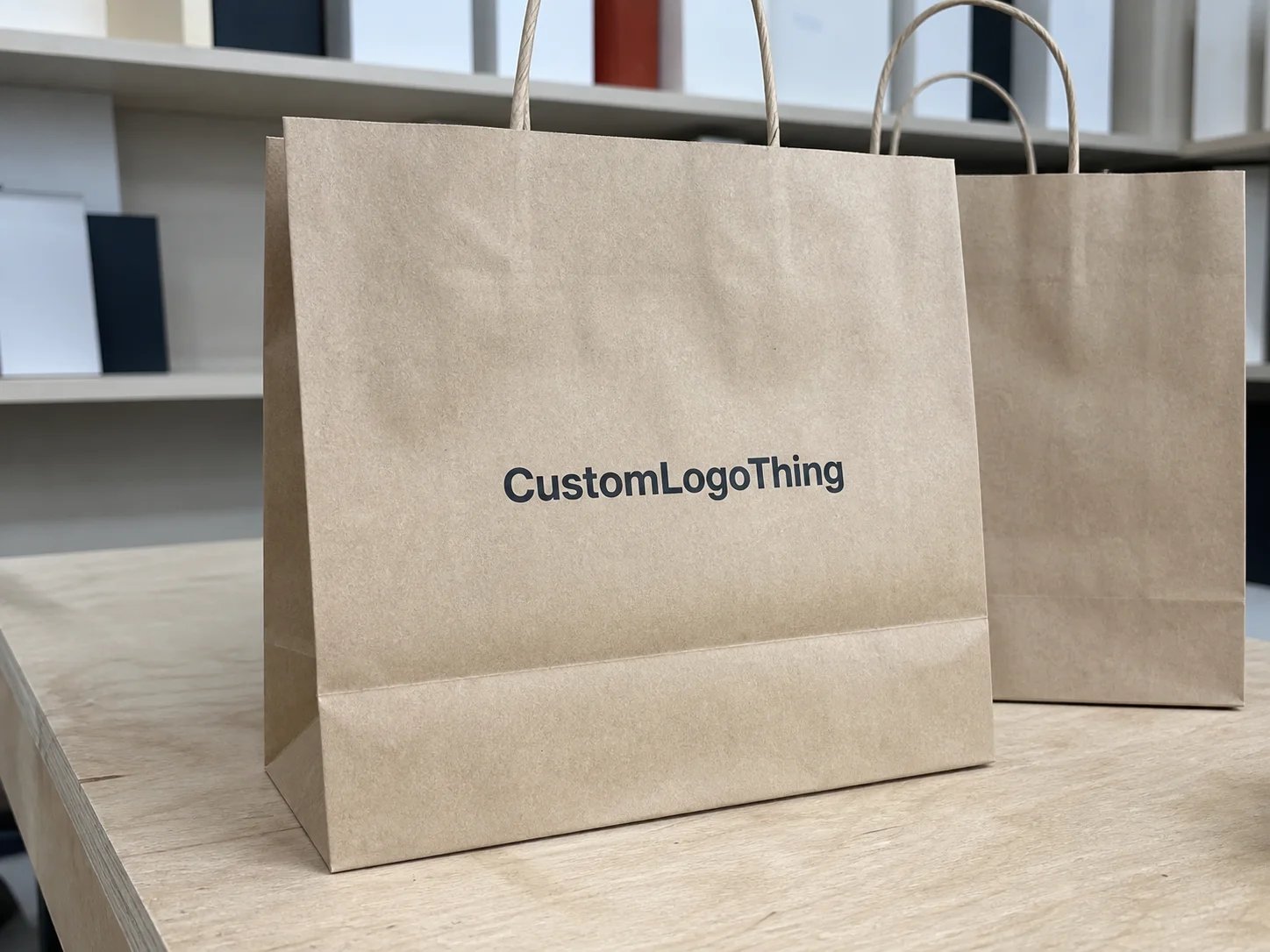
Buyer Fit Snapshot
| Best fit | Laminated Mailer Boxes Wholesale projects where brand print, material claims, artwork control, MOQ, and repeat-order consistency need to be specified before quoting. |
|---|---|
| Quote inputs | Share finished size, material target, print colors, finish, packing count, annual reorder estimate, ship-to region, and any compliance wording. |
| Proofing check | Approve dieline scale, logo placement, barcode or warning zones, color tolerance, closure strength, and carton packing before bulk production. |
| Main risk | Vague material claims, crowded artwork, missing packing details, or unclear freight terms can make a low unit price expensive after revisions. |
Fast answer: Laminated Mailer Boxes Wholesale: Pricing, MOQ, Lead Time should be specified like a repeatable production item. The safest quote records material, print method, finish, artwork proof, packing count, and reorder notes in one written spec.
Production checks before approval
Compare the actual filled-product size with the drawing, then confirm tolerance on folds, seals, hang holes, label areas, and retail display edges. Reserve space for logos, QR codes, warning copy, and material claims before decorative graphics fill the panel.
Quote comparison points
Review material grade, print process, finish, sampling route, tooling charges, carton quantity, and freight assumptions side by side. A quote is only useful when the supplier can repeat the same color, closure quality, and packing count on the next order.
Laminated Mailer Boxes Wholesale: Pricing, MOQ, Lead Time
Laminated Mailer Boxes Wholesale are a packaging choice for brands that want the shipping carton to do real work, not just hold a product in place. The outer box is the first thing a customer sees, and it is often the first thing they photograph, post, or judge before they even reach the item inside. If the surface is scuffed, flat, or dinged from transit, the package loses a little of its authority before the unboxing starts.
That is why laminated mailer boxes wholesale show up so often in subscription kits, launch mailers, gift programs, and retail orders that need the outer box to feel finished. Lamination protects the print, helps the carton hold color, and gives the board a more polished appearance while leaving the familiar self-locking mailer structure in place. The box still folds the same way and ships the same way. The difference is that it looks cared for, even after a rough route through the carrier network.
From a buyer's perspective, the logic is straightforward: if the carton lives in transit, on camera, and in the customer's hands, lamination usually pays for itself in perception alone. In my own packaging reviews, I have seen plenty of boxes that were structurally fine but looked tired before they even left the fulfillment table. That kind of mismatch is easy to miss on a screen and very obvious in person.
Laminated Mailer Boxes Wholesale: Why They Sell Better
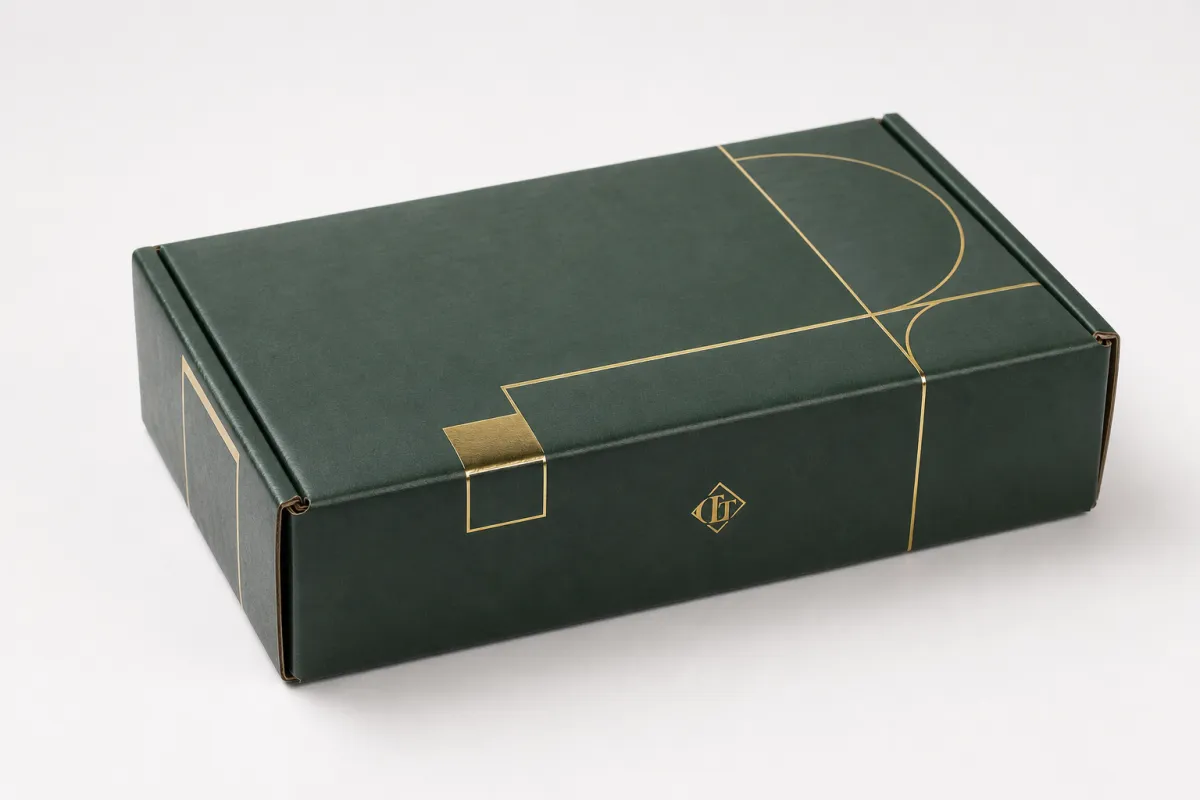
Plain mailers have a clear purpose. They protect the contents and keep fulfillment moving. That said, protection is only one part of the job. Laminated mailer boxes wholesale close the gap between shipping utility and brand presentation. A standard corrugated mailer can be structurally sound and still look worn the first time it is rubbed against another carton, stacked under weight, or scanned under harsh warehouse lighting. Lamination changes that experience in a very practical way.
The surface protection is the first benefit buyers notice. Printed mailers can pick up scratches from conveyors, shelving, pallet movement, and basic handling in the warehouse. A laminated finish adds a barrier between the artwork and the outside world, which helps the print stay cleaner through the part of the journey the customer actually sees. That matters because people notice dull patches, scuffs, and fingerprints far more than suppliers sometimes expect.
Laminated mailer boxes wholesale also improve how the artwork reads. Colors stay cleaner. Dark areas hold their depth better. Small text is easier to see. For brands using full-bleed graphics, photos, or a design with a lot of contrast, that sharper surface can make the package feel much more deliberate. The box does not become luxury by magic; it simply stops looking tired before it gets to the front door.
Many brands use laminated mailer boxes wholesale for:
- Subscription kits that need the same presentation in every shipment
- E-commerce launches where the unboxing moment is part of the campaign
- Influencer mailers that will be filmed or photographed immediately
- Gift sets that need the outer carton to feel more refined
- Direct-to-consumer orders where the shipping box stands in for the storefront
The value is not only visual. In day-to-day shipping, laminated packaging can help reduce complaints tied to cosmetic wear. That does not mean it prevents damage to the contents. Nobody should promise that. It means the box can handle more contact before it starts looking battered, which is often enough to preserve the brand impression a customer carries home.
A laminated mailer should protect the product and protect the brand image at the same time. If it only does one of those jobs, the box is not pulling its weight.
There is a cost tradeoff. Laminated mailer boxes wholesale cost more than plain kraft mailers or uncoated printed cartons. Still, the cheapest box is not always the least expensive decision once damage claims, weak presentation, and lower perceived value enter the picture. A clean, well-finished mailer often saves money in ways that do not show up in the first unit price.
That is why the buying decision should follow use case rather than a general preference for glossy packaging. If the mailer sits inside a larger shipper and never faces the customer, lamination may not be necessary. If the outer carton is the branded face of the order, laminated mailer boxes wholesale usually make more sense than shaving off a small amount and hoping the box looks fine anyway.
Product Details: What Laminated Mailer Boxes Actually Are
A laminated mailer box is usually a corrugated mailer with a printed outer layer and a protective film or coating on the surface. The construction is simple: a corrugated base for structure, a printed wrap or liner for artwork, and lamination over the top for protection and finish. That protective layer is doing the real work. It is not only there to make the box look nicer on a sample table.
The board grade matters. For many laminated mailer boxes wholesale orders, E-flute is a common choice because it offers a good balance of print quality and crush performance. B-flute is thicker and often better suited to heavier contents or larger boxes that need more stiffness during storage and shipping. The right flute depends on the product weight, the shipping method, and how much pressure the carton will see once it enters the supply chain.
Finish choice changes the feel in hand. Matte gives the carton a low-glare, restrained look and tends to hide fingerprints more effectively. Gloss pushes color harder and gives the artwork a brighter, more reflective surface. Soft-touch adds a velvety feel that can signal premium positioning, though it should be chosen for its tactile effect rather than because it is automatically the most durable finish in every setting.
It also helps to separate laminated mailers from varnished and uncoated options. Varnish can add a bit of protection, but it is not the same as a proper lamination film. Uncoated board can feel natural and earthy, though it will show scuffs faster. Buyers comparing laminated mailer boxes wholesale with lower-cost alternatives should compare the actual surface performance, not just the wording on a quote sheet.
These boxes work especially well for apparel, cosmetics, supplements, electronics accessories, direct-to-consumer bundles, and promotional kits. That does not make them exclusive to premium labels. Mid-market brands buy laminated mailer boxes wholesale all the time because they need repeatable presentation at scale and cannot afford inconsistency from one batch to the next.
Branding options can include full-coverage graphics, inside printing, foil accents, spot UV, and custom inserts. Those upgrades can be useful, but the structural basics still matter more. A beautiful layout will not save a box that rubs off in transit or folds badly during fulfillment. That kind of problem is expensive because it reaches both the warehouse and the customer at the same time.
| Finish | Look and Feel | Practical Benefit | Typical Cost Impact |
|---|---|---|---|
| Matte lamination | Low glare, smooth, clean | Hides fingerprints, looks controlled on camera | Baseline to modest uplift |
| Gloss lamination | Bright, reflective, high contrast | Boosts color pop and shelf visibility | Often +$0.03-$0.08 per unit |
| Soft-touch lamination | Velvety, premium, tactile | Strong luxury feel, good for gift packaging | Often +$0.08-$0.18 per unit |
If a project needs stronger performance validation, it is worth asking whether the carton has been evaluated with distribution testing methods such as those used by ISTA. Not every order needs formal testing, but the standard gives buyers a practical way to compare packaging that will actually travel. When fiber sourcing matters, ask about FSC-certified board rather than assuming the material meets that standard by default.
Specifications for Laminated Mailer Boxes Wholesale
Strong quotes start with strong specs. If a buyer asks for laminated mailer boxes wholesale without giving dimensions, board grade, finish, and print coverage, the supplier has to guess, and guessing is where costly errors usually begin. A clear spec sheet keeps the conversation focused and cuts down on revisions that slow the project later.
The minimum details should include box dimensions, flute type, board grade, print coverage, laminate finish, closure style, and quantity. For custom mailers, size accuracy matters more than many people realize. A box that is just a few millimeters off can affect inserts, loading speed, and how the lid locks during assembly. It may still look fine in a mockup, but fulfillment teams feel those errors immediately.
Structure deserves the same attention. Common options for laminated mailer boxes wholesale include self-locking tuck closures, dust flaps, reinforced edges, and custom Inserts for Fragile contents. Heavier products often need more rigidity. Lightweight apparel does not need the same build as glassware or dense electronic accessories, and using one structure for both is a quick way to create avoidable problems.
Printing details should be nailed down with equal care. Confirm whether the artwork is CMYK or spot color, how bleed is handled, and whether the file is built for the flat dieline or for the assembled box. A design that looks clean on a screen can still shift when it wraps around folds, edges, and closure lines. A factory cannot correct a bad file with guesswork.
Durability also needs plain language. Ask about crush resistance, scratch resistance, moisture tolerance, and how the laminate behaves after warehouse handling. A finish that looks great on the first day is not enough on its own. Laminated mailer boxes wholesale are bought to survive a real distribution route, not a carefully staged product photo.
Sustainability claims should stay honest. Laminated packaging can still be recyclable in certain setups, but the answer depends on the material mix, the film used, and local recycling rules. A responsible supplier will check the actual construction before making claims about recyclability. That is the difference between a useful answer and packaging marketing that sounds good until someone reads the fine print.
Before requesting a quote, gather these details:
- Exact outside dimensions and target fit
- Flute type and board grade
- Print coverage and artwork style
- Matte, gloss, or soft-touch finish
- Quantity tiers for pricing
- Insert needs, if any
- Shipping destination and freight method
For laminated mailer boxes wholesale, a reference sample can save more time than a long email thread. A physical sample or a clear photo of the look you want gives the supplier something real to match. If you have a retail box, a competitor sample, or a previous run that feels close, send it early. Concrete references reduce back-and-forth and help the quote line up with the final carton.
Laminated Mailer Boxes Wholesale Pricing, MOQ, and Quote Basics
Here is the plain truth: laminated mailer boxes wholesale pricing depends on size, print coverage, laminate type, and order quantity. There is no single number that applies to every program. Anyone offering one tidy price without asking for specs is either estimating too loosely or leaving out something that will appear later.
The main cost drivers are easy to identify. Board material, Custom Die Cutting, printing method, lamination, finishing steps, packing, and freight all affect the final amount. A larger box uses more board and usually more ink. Heavy coverage raises print costs. Specialty finishes add labor and materials. Even the way the cartons are packed for shipment can change the quote in a meaningful way.
For planning purposes, many custom laminated mailer boxes wholesale projects begin around 500 to 1,000 units for a practical production run. Smaller orders are possible, but the unit price often rises because setup, proofing, and tooling are spread across fewer boxes. Once the run reaches 5,000 units or more, the price per unit usually drops enough to improve the economics noticeably.
Typical ranges for standard-sized, full-color, laminated mailers with normal print coverage often look like this:
- 500 units: about $1.40-$3.20 per box
- 1,000 units: about $0.95-$2.20 per box
- 3,000 units: about $0.65-$1.45 per box
- 5,000 units: about $0.45-$1.10 per box
Those numbers move quickly if the carton is oversized, uses heavy coverage, adds foil, or needs a custom insert. Freight also changes the total. That is why comparing quotes without the same assumptions does not tell you much. A lower number may be based on thinner board, a lighter laminate, or a freight estimate that looks optimistic for no clear reason. Buyers need comparable quotes, not clever ones.
A proper quote for laminated mailer boxes wholesale should spell out dimensions, board grade, finish, print coverage, quantity tiers, sample cost, die charges if any, lead time, and shipping terms. If anything important is missing, ask before moving forward. Hidden extras have a habit of showing up after the order is already in motion.
When two laminated mailer boxes wholesale quotes land far apart, the difference usually comes from materials, finish quality, or freight assumptions rather than some mysterious factory advantage. That is the part that often gets overlooked. The invoice is usually the place where the real story finally shows itself.
The comparison below keeps the pricing conversation grounded:
| Option | Best For | Price Pressure | Common Tradeoff |
|---|---|---|---|
| Matte laminated mailer | Clean, premium, low-glare branding | Moderate | Less shine, more restrained look |
| Gloss laminated mailer | Bright artwork and strong color pop | Moderate | Can show reflections and fingerprints |
| Soft-touch laminated mailer | Gift sets, luxury positioning, tactile feel | Higher | Higher cost and more careful handling needed |
| Uncoated printed mailer | Budget-focused shipping use | Lowest | More scuffing and weaker visual finish |
That table is the real comparison, and it is usually the one that matters most. The lowest price does not always create the best outcome, especially if the box has to represent the brand in the customer's hands. In many laminated mailer boxes wholesale programs, the extra cents per unit are easier to justify than the cost of a weak first impression.
Process, Timeline, and Production Steps
The ordering process for laminated mailer boxes wholesale is simple enough when every step stays organized. It usually starts with a brief, then a dieline check, then artwork approval, then sampling, then mass production, then inspection, and finally shipment. The sequence matters more than many buyers expect. Skip a step and the job rarely gets faster; it usually gets messier.
The dieline stage is where a lot of projects drift off course. If the artwork is built on the wrong template, print placement shifts and closure lines can land in awkward places. That creates rework, and rework burns time and budget very quickly. A clean dieline is not a courtesy. It is the framework the whole job depends on. If the template is wrong, you're gonna feel it as soon as the first proof comes back.
For laminated mailer boxes wholesale, sampling usually has two layers. First comes the structural sample, which checks fit, closure, and the way the box behaves in the hand. Then comes the printed proof, which checks color, registration, and finish. If the project includes full-bleed art, metallic accents, or a complicated interior print, the proof stage is well worth the time it takes. Fixing a problem before mass production is far cheaper than correcting thousands of boxes after they are already made.
Lead time changes with quantity, finish complexity, and factory workload. Straightforward repeat orders can move in about 10 to 15 business days after approval. New custom laminated mailer boxes wholesale runs usually land closer to 15 to 25 business days because there is more setup, more proofing, and more quality control involved. Add foil, spot UV, or custom inserts and the timeline can stretch further.
Freight deserves the same attention as production. A box that leaves the factory on time but arrives late still causes trouble for the brand. Buyers should ask for both production time and transit time, especially when a launch date or retail window is fixed. A little buffer protects the whole schedule. A shipping delay of even a few days can force the team to improvise with the wrong packaging at the worst possible time.
Warehouse scheduling is another detail that gets missed more often than it should. If the team is receiving inventory, kitting orders, and preparing subscriber packs, the cartons need to arrive before the busiest part of the build starts. That sounds basic because it is basic, yet it still slips through planning meetings all the time.
A practical timeline for laminated mailer boxes wholesale might look like this:
- Spec review and quote: 1-2 business days
- Dieline confirmation: 1-3 business days
- Sample or proof approval: 3-7 business days
- Mass production: 10-20 business days
- Freight and delivery: varies by route
That range is honest without pretending every order behaves the same way. Some jobs move faster. Some need more back-and-forth. Realistic planning is better than a polished promise that falls apart the moment artwork is approved.
When comparing laminated mailer boxes wholesale suppliers, one question cuts through a lot of noise: what happens if the sample needs revision? A supplier with a clear, practical answer is usually easier to work with than one offering broad confidence and very little detail. Packaging projects need specifics more than they need enthusiasm.
Why Choose Us for Laminated Mailer Boxes Wholesale
Strong wholesale packaging suppliers reduce uncertainty. That is the real value behind laminated mailer boxes wholesale. Not polished wording. Not inflated promises. Fewer surprises in the spec, fewer color shifts during production, and fewer headaches once the order is underway.
At Custom Logo Things, the practical goal is to help buyers choose the right board, finish, and size before the run begins. That matters because the wrong spec can cost more than the right box ever would. A supplier should be able to explain where matte works better than gloss, when soft-touch makes sense, and when a simpler finish keeps the budget in line without hurting the brand.
Consistency is the other half of the job. If a brand reorders laminated mailer boxes wholesale six months later, the new run should match the previous one. Same color tone. Same folding behavior. Same construction. Wholesale buyers do not need surprises in production, especially when inventory planning depends on repeatability.
Quality control should be visible, not hidden inside a sales pitch. That means checking dimensions, reviewing print alignment, confirming laminate adhesion, and packing the cartons so the finished boxes stay protected before shipment. A supplier who can name the QC checkpoints is usually more useful than one who only says the work is “handled.”
Flexibility matters as well. Some buyers need lower-volume startup runs with a tighter budget. Others need the same spec every time for replenishment. Others are upgrading packaging on an existing line and want a better finish without changing the footprint. Laminated mailer boxes wholesale should fit those different buying patterns instead of forcing everyone into the same mold.
Service quality is not flashy, yet it matters a great deal when it is missing. Fast replies, honest lead-time updates, and clear freight assumptions save more money than a tiny difference in unit cost. A late answer can slow artwork approval. A vague quote can throw off the budget. A dependable supplier keeps the process moving and tells you plainly when the schedule shifts.
From a buyer's point of view, the best wholesale packaging supply does more than ship cartons. It removes avoidable work. That is the real advantage of laminated mailer boxes wholesale: fewer complaints from operations, fewer surprises from production, and a better-looking package that holds up once it reaches the customer's hands.
If you are planning a wider packaging update, it can help to review our Custom Packaging Products and compare them with the shipping format you already use. If order volume is rising, our Wholesale Programs can help you plan repeat production more cleanly. And if the outer mailer is only one part of the shipping system, our Custom Poly Mailers may be a better fit for lighter-weight orders.
Next Steps: How to Order with Confidence
The easiest way to buy laminated mailer boxes wholesale without wasting time is to bring the right details up front. Start with product size, target quantity, preferred finish, shipping method, and whether you need inserts or interior print. That gives the supplier enough information to quote accurately instead of guessing at a number that will change later.
Compare at least two or three quotes using the same spec sheet. Same dimensions. Same board. Same finish. Same quantity. Same freight assumption. Otherwise you are not comparing offers. You are comparing different interpretations, and that tends to create confusion before the order even starts.
If the box is new, ask for a sample or printed proof. That matters even more with dark colors, full-bleed graphics, or fragile products. A sample catches problems while they are still cheap to fix. For laminated mailer boxes wholesale, the sample stage is usually the least expensive insurance available.
Ask for the timeline in writing. Not a loose estimate. A clear breakdown of sample approval, production, and freight. If your launch date depends on the cartons arriving by a certain day, the schedule should be specific enough to trust. Vague promises are how teams end up packing orders into whatever box happens to be available.
Before you place the order, confirm these points:
- Exact dimensions and fit tolerance
- Board grade and flute type
- Matte, gloss, or soft-touch lamination
- Print coverage and artwork status
- Insert or interior print requirements
- Sample cost and approval process
- Production time and freight time
One more practical note: if your team is comparing laminated mailer boxes wholesale options, do not let a slightly lower unit price override the bigger picture. A box that arrives scuffed, prints poorly, or folds badly costs more than it saves. Good packaging is a working asset. Bad packaging is an ongoing problem.
The simplest decision rule is this: if the box needs to protect the product, carry the brand, and still look right after transit, laminated mailer boxes wholesale are usually the better buy. Keep the specs aligned, compare the same quantities, use the same delivery assumptions, and choose the supplier that gives you the most credible answer. That is how packaging gets bought with discipline instead of optimism.
What is the usual MOQ for laminated mailer boxes wholesale?
MOQ depends on size, print coverage, and finish complexity, but custom laminated mailer boxes wholesale orders usually begin at a practical production minimum rather than a tiny retail run. For many projects, 500 to 1,000 units is a realistic floor. Smaller quantities can be produced, though the unit price usually rises because setup, proofing, and tooling are spread across fewer boxes. Tiered pricing helps show where the per-box cost starts to improve.
Are laminated mailer boxes wholesale more expensive than plain mailers?
Yes. Laminated options usually cost more than plain kraft or uncoated mailers because of the extra print and finishing steps. Even so, laminated mailer boxes wholesale often justify the added cost through better appearance, stronger surface protection, and less visible wear during transit. The smarter comparison is landed cost versus presentation and damage performance, not unit price alone.
What laminate finish should I choose for shipping boxes?
Matte is usually the most balanced choice if you want a clean premium look with less glare and fewer fingerprints. Gloss works well when the artwork depends on bright color and strong contrast. Soft-touch has an upscale feel, but it should be selected for the tactile effect rather than because it sounds luxurious. For laminated mailer boxes wholesale, the right finish depends on handling, photography, and the amount of wear the outer carton will see.
How long does production take for laminated mailer boxes wholesale orders?
Lead time depends on quantity, finish, and whether the order needs samples or special effects. Simple repeat orders can move in roughly 10 to 15 business days after approval, while first-time custom laminated mailer boxes wholesale jobs often take longer because the dieline, artwork, and proof stages require more attention. Ask for both production time and freight time so the delivery date is realistic.
What information do I need to get an accurate quote?
Provide box dimensions, quantity, material preference, laminate finish, print coverage, and whether inserts are required. Include artwork status and the shipping destination if freight terms matter. The more complete the spec sheet, the less likely you are to receive a laminated mailer boxes wholesale quote that changes later. Clear input saves time, money, and a lot of back-and-forth.