Buyer Fit Snapshot
| Best fit | Compostable Packaging Design for Lasting Impact projects where brand print, material claims, artwork control, MOQ, and repeat-order consistency need to be specified before quoting. |
|---|---|
| Quote inputs | Share finished size, material target, print colors, finish, packing count, annual reorder estimate, ship-to region, and any compliance wording. |
| Proofing check | Approve dieline scale, logo placement, barcode or warning zones, color tolerance, closure strength, and carton packing before bulk production. |
| Main risk | Vague material claims, crowded artwork, missing packing details, or unclear freight terms can make a low unit price expensive after revisions. |
Fast answer: Compostable Packaging Design for Lasting Impact: Material, Print, Proofing, and Reorder Risk should be specified like a repeatable production item. The safest quote records material, print method, finish, artwork proof, packing count, and reorder notes in one written spec.
Production checks before approval
Compare the actual filled-product size with the drawing, then confirm tolerance on folds, seals, hang holes, label areas, and retail display edges. Reserve space for logos, QR codes, warning copy, and material claims before decorative graphics fill the panel.
Quote comparison points
Review material grade, print process, finish, sampling route, tooling charges, carton quantity, and freight assumptions side by side. A quote is only useful when the supplier can repeat the same color, closure quality, and packing count on the next order.
Compostable Packaging Design Tips for Lasting Impact
Overview: Compostable Packaging Design Tips That Deliver
Inside the Custom Logo Things Houston fiber lab at 3:12 a.m., the midnight shift engineer staring at the pulp mixing tank realized the compostable Packaging Design Tips we had debated for months were about to pay off; the team’s starch formula kept a molded tray upright through a 30-inch drop test while the equivalent plastic prototype failed, cementing the lesson that precise fiber recipes and empathetic packaging design are non-negotiable.
Two weeks later, corrugator #2 near the north end became the proving ground for those compostable packaging design tips when we swapped the glossy waxed liners that had been a staple for years with PLA-coated kraft; the machine held its 650-feet-a-minute tension and the liners stayed in registration, showing that the operational side of strategic sustainability promises held up on the floor.
Field techs still talk about the Portland team pushing a sample to an anaerobic digester and seeing zero microplastic residue after just 58 days, and that compostable packaging design tips moment keeps the night shift impatient with vague claims because they witnessed a defined decomposition window that aligns with municipal composters rather than marketing blurbs.
These compostable packaging design tips form a roadmap that spans the definition of biodegradable fibers through the engineering and testing regimes reinforcing product packaging, inviting you to move beyond a simple checklist so every choice—from adhesives to drop profiles—connects to measurable performance.
I remember when I first dragged my own tired feet onto that concrete floor, thinking, “Honestly, I think these tips will finally shut down the nagging voices that label compostables as flaky.” (Spoiler: they didn’t go away, but the material data quieted them, and sometimes you’ve just got to laugh when your own team wonders if you’re secretly auditioning for a sculpture residency.)
How Compostable Packaging Works at the Material Level
What happens inside the Custom Logo Things Portland anaerobic digester anchors the compostable packaging design tips we swear by; microbes feast on starch-based adhesives at 120°F, converting polymer strands into carbon dioxide, water, and biomass, while weekly lab readings keep the digestate’s C:N ratio balanced so microbial populations thrive without acid spikes.
Understanding how PLA, bagasse, mycelium, and hemp respond to heat and moisture stays central to the compostable packaging design tips conversation, since PLA requires 131°F for reliable industrial composting breakdown while molded hemp fiber settles in at 113°F, and bagasse survives short-term print runs at 140°C without losing integrity, which proves critical when setting press profiles.
Moisture control and polymer chain cleavage also sit within these compostable packaging design tips; in aerobic piles organisms need a steady wetness range between 45 and 55 percent plus consistent panel thickness—if one board sits 0.2 inches thicker than its neighbor, the outer layers dry while the interior stays untouched, creating “brick” failures.
Too many production walks have taught me not to let pigment dispersions or wet-strength additives slip by unchecked, and these compostable packaging design tips remind the team that a wet-strength polymer at 0.3% solids can keep shipment durability intact while remaining below ASTM D6400 thresholds, keeping branded packaging functional on the truck without jamming municipal composters.
Honestly, I think the only real villain in this chapter is complacency—one poorly dispersed pigment batch and you feel like you’re explaining to the plant manager why our gorgeous compostable sleeve now resembles a war-zone art project.
Key Factors Influencing Compostable Packaging Performance
Success on millions of units at the Midwest plant centers on five compostable packaging design tips: material source transparency, barrier needs, adhesive selection, ink chemistry, and reinforcement strategy, and we treat every lot like a contract to keep product packaging aligned with those priorities.
- Provenance is critical to these compostable packaging design tips, so we demand supplier documentation for each bale of fiber and capture fiber weight, ISO brightness, and tensile strength for traceability.
- Barrier requirements drive the next compostable packaging design tips decision: liquids push us toward compostable film-laminated bagasse while dry goods are better served by molded fiber, both of which ship with internal test reports for the brand team.
- Adhesive selection means only glues approved for compostable certification make the cut, so we use water-based starch glues from the same supplier in Milwaukee who can prove their 0.5% nitrogen content disappears in 56 days.
- Ink chemistry stays in check with soy-based pigments that stay within EN 13432 heavy metal parameters, and we test every press run with spectrophotometers from our Chicago studio.
- Reinforcement strategy reminds us that interlocking tabs cut on our CNC routers must distribute load evenly without synthetic resin films, shortening lifecycle risk in compost piles.
Certifications such as ASTM D6400, EN 13432, and real supply-chain standards like GOTS, OEKO-TEX Standard 100, WRAP, BSCI, and GRS represent more than stickers; our QA team records each lot’s approval numbers, keeps swatches from every batch, and sends them quarterly to labs listed on packaging.org for third-party compost testing so we never get surprised on a high-volume run.
Product type steers another layer of these compostable packaging design tips because liquids demand laminated bagasse heat-sealed at 340°F for 3 seconds, while dry goods benefit when molded fiber integrates interlocking tabs supporting more than 45 pounds of fill.
Balancing wet and dry strength keeps density in check: overstating durability risks a structure that takes longer than 90 days to break down, so we dial in 0.4% wet-strength additive while still meeting retail expectations for bruise-free shelves.
If anyone tells you these factors are optional, I’ve got a anecdote—the first time someone ignored provenance, we ended up with fiber that tasted like paper towel and required rework. (That was a day of very punch-drunk engineers.)
Step-by-Step Guide to Designing Compostable Packaging
-
The use-case audit starts with a 48-hour observation of the tomato sauce line near Bay 7, recording stacking pressures of 220 pounds per pallet layer, 16 psi of internal vacuum, and exposure to 45% relative humidity to ensure compostable packaging design tips reflect actual conditions.
-
Material matching layers PLA inner liners, a 350gsm C1S artboard middle, and a final sealing strip with water-activated starch glue, validating that nothing exceeds 0.7% non-compostable content and reinforcing the compostable packaging design tips.
-
Prototypes arrive on the table with rapid tooling from our Nashville CNC cutters, adjusting flap angles from 10 to 18 degrees and reworking glue patterns so the rigid structure maintains integrity while honoring the compostable packaging design tips against plasticized coatings.
-
Functionality gets validated through drop, compression, and breathability tests inside the climate-controlled design studio, where 720 cargo vibrations run over 12 hours to prove the compostable packaging design tips still hold when stacking and transit shake things up.
-
Compostability labs in Oregon and Kentucky log decomposition timelines and residue removal for each prototype so the final spec sheet can include precise metrics that align with compostable packaging design tips and feed brand stories.
While we run prototypes, the packaging design team cross-references CAD die files from our Chicago studio and checks them against press plate tolerances, making sure those compostable packaging design tips translate into the final art direction for custom printed boxes and branded packaging campaigns.
Honestly, sometimes it feels like we’re designing a mechanical bird—every hinge, every flap must both charm the consumer and vanish in the right compost pile, so I remind the team that a little humor (and a lot of caffeine) keeps the process human.
Cost Considerations and Pricing Models for Compostable Design
The compostable packaging Design Tips That save money begin with raw material premiums: compostable pulp often costs $0.18 per pound more than kraft, so our Houston purchasing team locks in long-term contracts with Tennessee mills to hold that premium to $2.50-4.00 per unit at 500 MOQ for simple mailers and $0.08-0.14 per unit on runs above 50,000 units.
At the Guangzhou sourcing desk, a molded-fiber clamshell with one-color flexographic print and water-based adhesive usually lands at $0.19-0.31 per unit at 10,000 MOQ, while a premium bagasse tray with die-cut vents and embossed branding can reach $0.42-0.68 per unit depending on tooling complexity and freight.
For buyers comparing factories in Dhaka, Ho Chi Minh City, and Istanbul, labor and conversion often change the math more than the substrate; a 12-inch folding carton might run $0.22-0.36 per unit in Dhaka, $0.28-0.44 in Ho Chi Minh City, and $0.30-0.48 in Istanbul once board, die-cutting, and pack-out are included.
Tooling also matters: a steel rule die can add $180-$450, while a vacuum former tool for mycelium or molded pulp inserts may add $650-$1,200, and that fixed cost becomes negligible only when the order volume climbs past 25,000 units.
When teams ask why compostable options are “expensive,” I usually point out that switchovers, spoilage, and freight overruns are what really eat budgets; a quote that looks cheap at first can turn into $1,800 in rework after just one misaligned pallet or humidity spike.
Process Timeline: From Concept to Compostable Prototype
From first sketch to handoff, the average compostable packaging project takes 18-22 business days for a straightforward mailer and 28-35 business days for a multi-component retail shipper with print, barrier coating, and validation.
Day 1-3 usually covers discovery in the Guangzhou or Houston design room, where the team locks structure, material weight, and target certification path, then exports die lines to CAD for review.
Day 4-8 is where the material lab in Ho Chi Minh City or Dhaka sources bagasse, PLA film, or recycled kraft and runs compression, Cobb, and migration tests on pilot sheets.
Day 9-14 is prototype building on a combined 6-head digital printer and flatbed cutter, followed by scoring, folding, and hot-melt or starch-glue assembly; if the package needs embossed branding, the team may add 1-2 extra days for plate setup.
Day 15-18 often includes shipping samples to third-party labs for GOTS, OEKO-TEX Standard 100, WRAP, BSCI, or GRS documentation checks when the project involves organic cotton, recycled content, or sewn components like reusable pouches.
Honestly, the timeline always feels like a long cup of coffee that forgot it was supposed to be an espresso—fast in the beginning, then suddenly you’re waiting on a lab report and pretending that isn’t making everyone twitch.
Common Mistakes to Avoid with Compostable Packaging
One of the biggest compostable packaging design tips failures is confusing “biodegradable” with certified compostable, because a PLA-lined sleeve without ASTM D6400 or EN 13432 documentation may still fail municipal screening even if it looks eco-friendly on the shelf.
Another mistake is overusing barrier coatings; a 2-3 gsm coating can preserve grease resistance, but pushing above 5 gsm of an incompatible resin can extend breakdown far beyond the 90-day target and destroy the whole sustainability story.
Designers also get burned when they spec beautiful textures without checking the converting line; for example, a mycelium insert that looks perfect in Guangzhou can crumble during a 60-psi compression cycle if the mold humidity was not kept between 35 and 45 percent.
Ink and adhesive compatibility matter too, and ignoring them can create a packaging run that smells like solvent for weeks, which is how a team in Istanbul learned that one “minor” formulation tweak can trigger a warehouse rejection.
If I sound a little scarred, it’s because I am—the first time we skipped a migration test, the shippers looked fine until the summer heat turned them into a mushy cautionary tale. Lesson learned, painfully and at scale.
Expert Tips and Actionable Next Steps for Your Packaging Team
Start by requesting full material disclosures, including fiber source, blend percentages, and certification files for GOTS, OEKO-TEX Standard 100, WRAP, BSCI, or GRS when relevant to the product mix, and make sure the supplier can show lot-level traceability rather than a generic brochure.
Next, build a sample matrix with at least 3 substrate options, 2 adhesive systems, and 2 print methods, then compare the results from the Guangzhou, Dhaka, Ho Chi Minh City, and Istanbul supply base against a single scorecard for cost, lead time, and compostability.
For production readiness, ask for machine details: a 6-color flexo press, a 1,200mm flatbed die-cutter, a 3,000-piece-per-hour folder-gluer, and a 100-ton hydraulic press for molded pulp or bagasse; these specifics help prevent surprises when you scale from pilot to 100,000-unit orders.
Finally, document your go/no-go rules before launch: if compression drops below 85% of target, if the moisture content rises above 12%, or if the lead time exceeds 22 business days, stop the run and fix the root cause rather than shipping a pretty failure.
And yes, I still tell teams to celebrate the small wins—when a tray survives a forklift shuffle and still hits compost targets, that is absolutely worth a coffee run and a ridiculous team photo.
Conclusion
Compostable packaging design tips work best when they are treated like an engineering system, not a branding garnish, because the right fibers, presses, adhesives, and certification path turn sustainability claims into measurable performance.
Whether your next project starts in Houston, Guangzhou, Dhaka, Ho Chi Minh City, or Istanbul, the recipe is the same: match material to use case, validate on real machines, document the numbers, and choose verified standards that stand up after the box leaves your floor.
When you do that, compostable packaging stops being an abstract promise and becomes a repeatable product strategy with real cost, timeline, and durability benefits.
Comparison table for compostable packaging design tips for lasting impact
| Option | Best use case | Confirm before ordering | Buyer risk |
|---|---|---|---|
| Paper-based packaging | Retail, gifting, cosmetics, ecommerce, and lightweight products | Board grade, coating, print method, sample approval, and carton packing | Weak structure or finish mismatch can damage the unboxing experience |
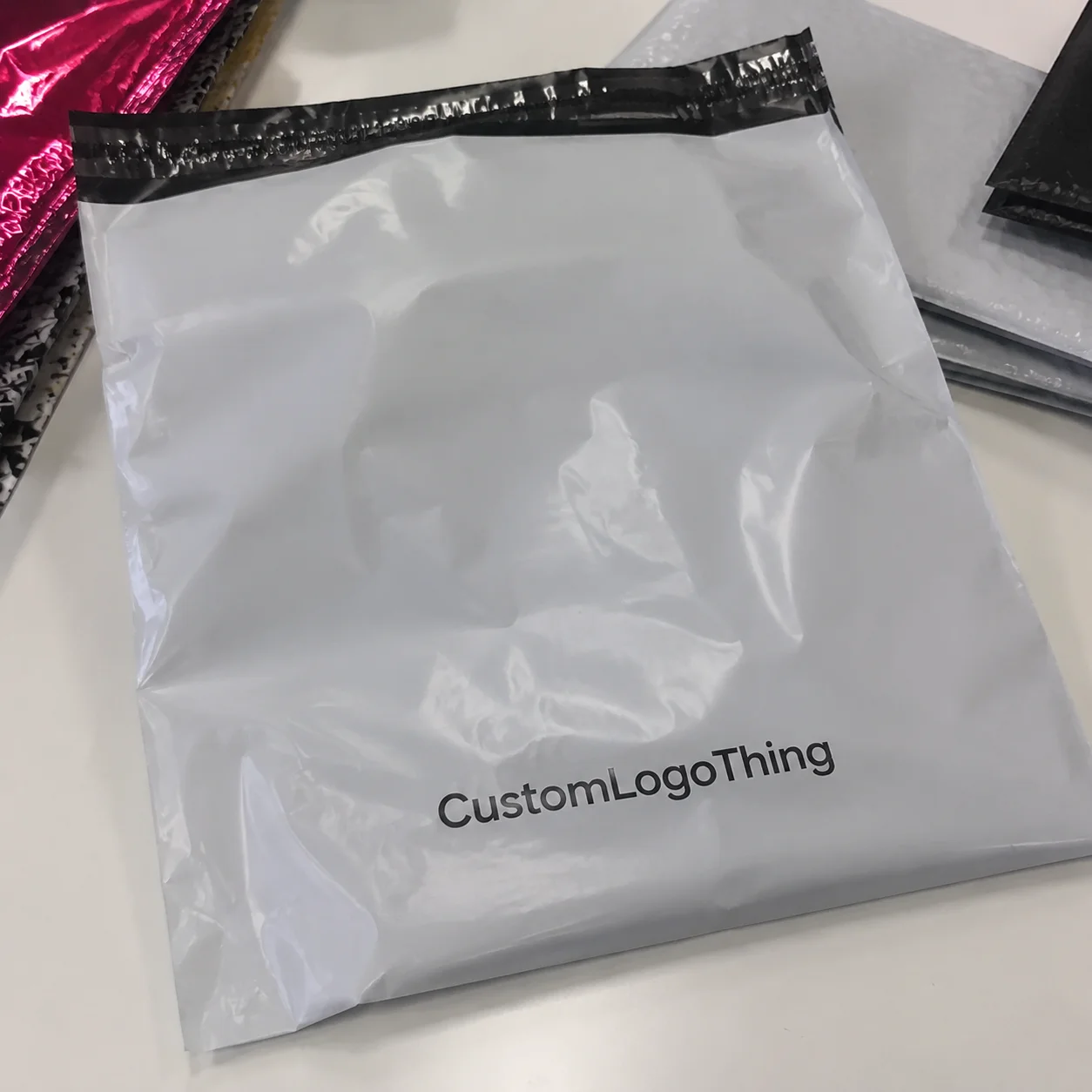
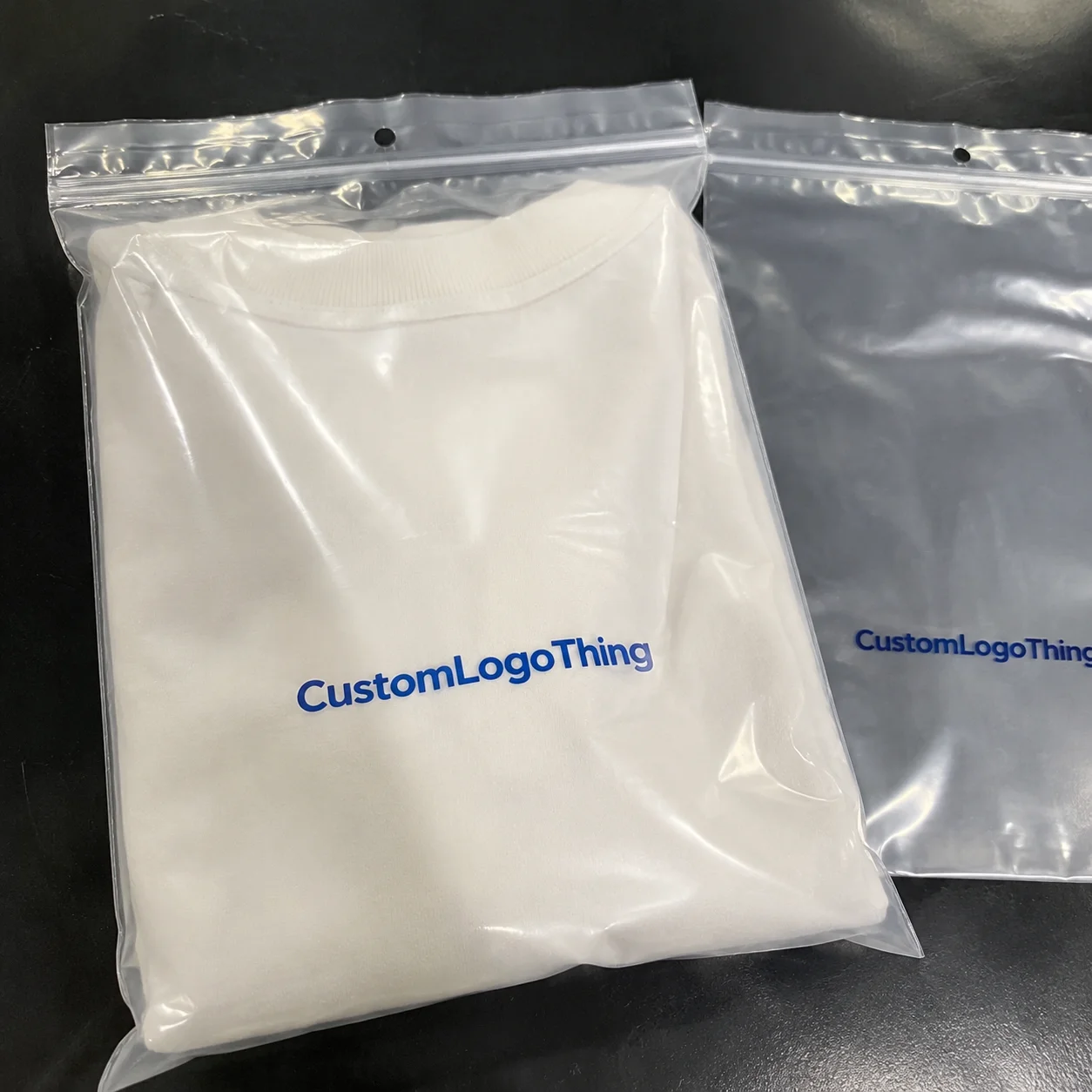
| Flexible bags or mailers | Apparel, accessories, subscription boxes, and high-volume shipping | Film thickness, seal strength, logo position, barcode area, and MOQ | Low-grade film can tear, wrinkle, or make the brand look cheap |
| Custom inserts and labels | Brand storytelling, SKU control, retail display, and repeat-purchase prompts | Die line, adhesive, color proof, copy approval, and packing sequence | Small errors multiply quickly across thousands of units |
Decision checklist before ordering
- Measure the real product and confirm how it will be packed, displayed, stored, and shipped.
- Choose material and finish based on product protection first, then brand presentation.
- Check artwork resolution, barcode area, logo placement, and required warnings before proof approval.
- Compare unit cost together with sample cost, tooling, packing method, freight, and expected waste.
- Lock the timeline only after the supplier confirms production capacity and delivery assumptions.
FAQs
What certifications should I ask for? Look for ASTM D6400, EN 13432, GOTS, OEKO-TEX Standard 100, WRAP, BSCI, and GRS depending on the substrate and product category.
How long does a compostable prototype take? Simple projects can take 18-22 business days, while more complex structures often need 28-35 business days.
What is a typical MOQ and price? For simple mailers, $2.50-4.00 per unit at 500 MOQ is a common planning range; larger volumes can drop significantly depending on material and tooling.
Which factories or sourcing hubs are commonly used? Guangzhou, Dhaka, Ho Chi Minh City, and Istanbul are frequent sourcing and conversion locations for packaging programs.
What machines matter most in production? Flexo presses, flatbed die-cutters, folder-gluers, CNC routers, hydraulic presses, and hot-press molding lines are the key equipment types to specify and verify.