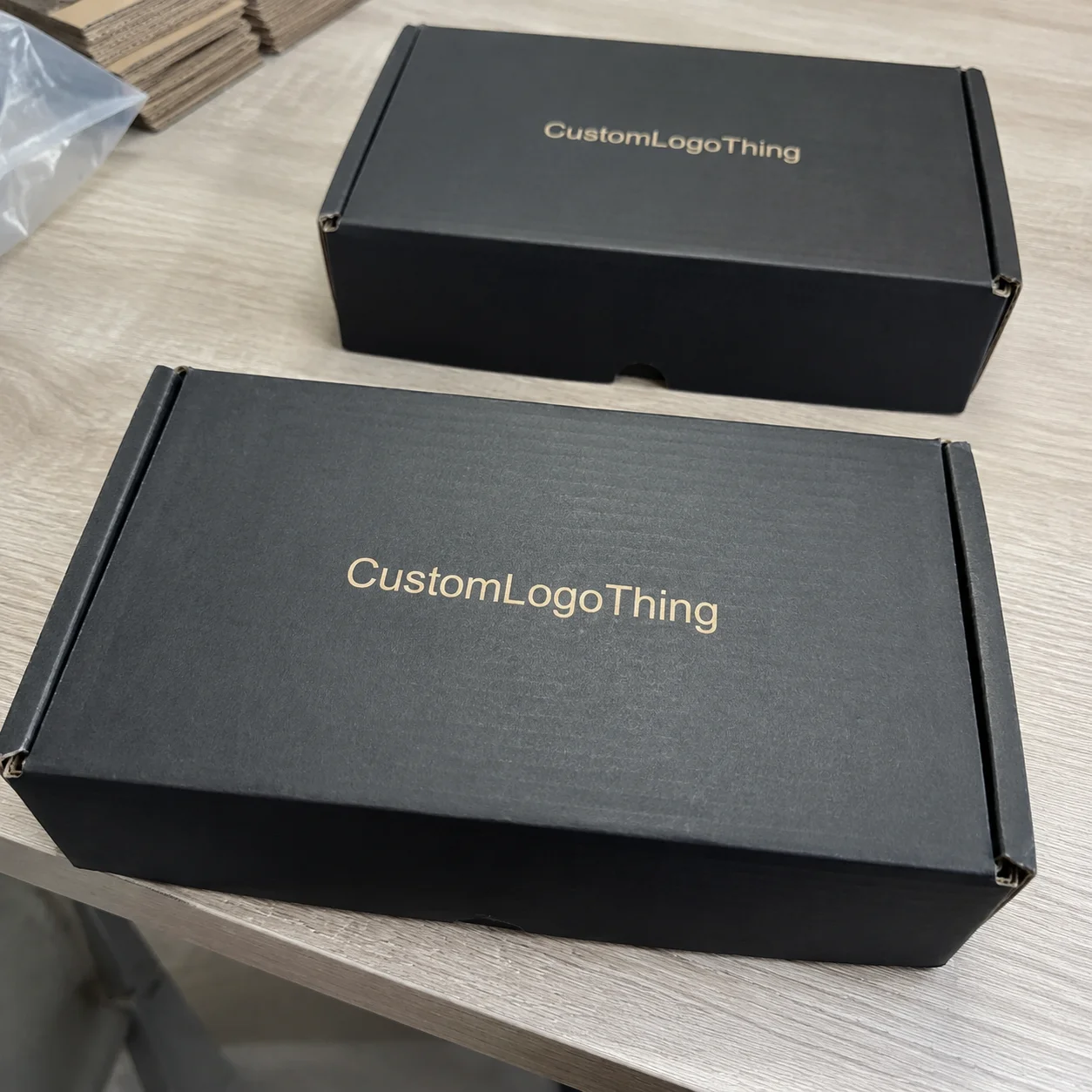
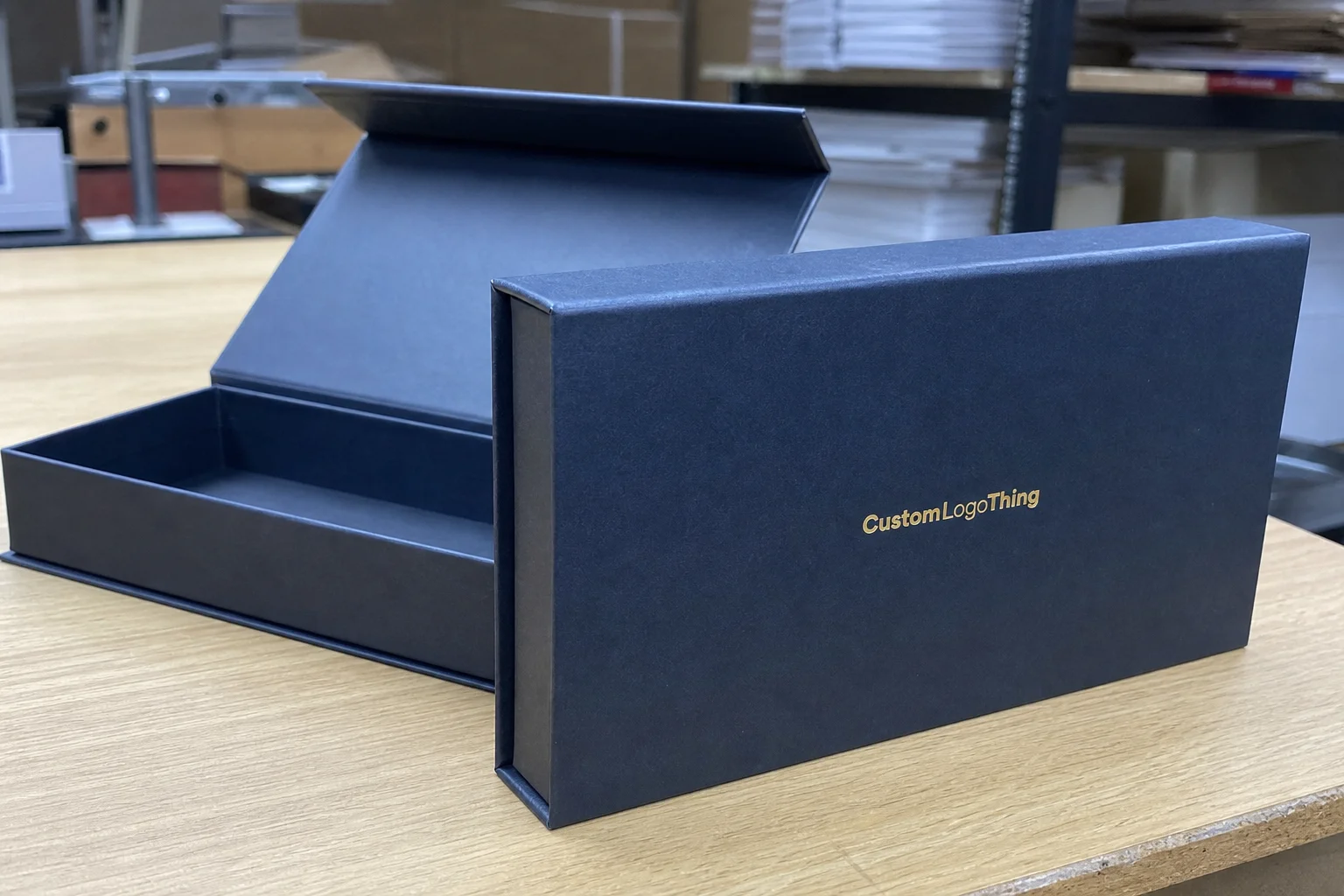
Buyer Fit Snapshot
| Best fit | Corrugated Boxes Wholesale from Trusted Custom Plants projects where brand print, material claims, artwork control, MOQ, and repeat-order consistency need to be specified before quoting. |
|---|---|
| Quote inputs | Share finished size, material target, print colors, finish, packing count, annual reorder estimate, ship-to region, and any compliance wording. |
| Proofing check | Approve dieline scale, logo placement, barcode or warning zones, color tolerance, closure strength, and carton packing before bulk production. |
| Main risk | Vague material claims, crowded artwork, missing packing details, or unclear freight terms can make a low unit price expensive after revisions. |
Fast answer: Corrugated Boxes Wholesale from Trusted Custom Plants should be specified like a repeatable production item. The safest quote records material, print method, finish, artwork proof, packing count, and reorder notes in one written spec.
Production checks before approval
Compare the actual filled-product size with the drawing, then confirm tolerance on folds, seals, hang holes, label areas, and retail display edges. Reserve space for logos, QR codes, warning copy, and material claims before decorative graphics fill the panel.
Quote comparison points
Review material grade, print process, finish, sampling route, tooling charges, carton quantity, and freight assumptions side by side. A quote is only useful when the supplier can repeat the same color, closure quality, and packing count on the next order.
That three a.m. call from Atlanta still sticks with me: the night supervisor said a crease had slipped on a run of 12,000 corrugated boxes wholesale bound for outdoor gear launches in San Francisco and Portland, and the whole thing was staring down a 12-15 business day shipping window. I still use that story when I talk about supply chain discipline. Once the floor team got back on die calibration and moisture control—including resetting the Krones HydroDry 180 to 6 psi vacuum pressure, logging the Vaisala HMT120 sensor readings ($2,450 per press line), and lining up the glue roller at 0.6 mm tolerance—the panic dropped out of the room and precision took over. And yes, I still remember the board curl looking downright spooky. The humidity sensors probably saved us from a full haunted-corrugator situation.
Value Proposition: On-the-Floor Lesson That Changed Our View of Corrugated Boxes Wholesale
That late-night shift in our Atlanta conversion plant taught me corrugated boxes wholesale isn’t just a commodity. It’s a mix of machine readiness and human vigilance. I still tell the crew that every bad crease costs $0.18 of rework per box, plus 72 hours of expedited labor and freight. The assistant plant manager used to roll his eyes every time I brought up the checklist, then he told me to tuck it under the die yoke so nobody could miss it. Since then we’ve tracked every crease like it actually matters, because it does.
The line supervisor tapped my shoulder and said, “Marcus, the board is sagging before the glue,” and I knew it wasn’t the machine alone. Board moisture was sitting at 12% instead of the 8% we wanted for a 200-pound Mullen test spec, so we stopped the run, reset the dryer, and corrected the moisture before it hit the glue tank. That’s the kind of partnership that saves more than margin. He still swears he could feel the humidity rising in the control room. I kept his exact words, mostly because his calm made me want to drink a whole thermos of coffee in solidarity.
At Custom Logo Things, that story drives our promise for corrugated boxes wholesale. Our line supervisors work with quality engineers to watch every sheet of flute and liner, and when the Atlanta crew switched from C-flute to BC for a premium beverage brand, they logged board weight, flute height, adhesive spread, and press speed before the first sheet ever met a die. I still stand at that observation window when new accounts visit. And when they see how closely we chart every variable, the point usually lands. Watching a graph of adhesive torque is weirdly satisfying, even if it feels a little like tracking the weather in paper form.
During that period, I negotiated with a mill on a multi-million-pound liner contract—dozens of conference calls, board sampling at the Cincinnati facility, and more notes on board curl than I care to count. The thing that stood out was simple: buyers who work with undisciplined suppliers pay for fixes later. A disciplined partner doesn’t. That’s why we monitor board moisture, die accuracy, and blank performance in real time across Metroplex, Inland Ring, and Jacksonville finishing lines, so hidden costs never sneak into the conversation. I’ve seen buyers’ eyes widen when I show them the moisture history for a single lot. It’s proof we sweat the process instead of just writing specs on a board somewhere.
The numbers still tell the story. A misrun on 5,000 corrugated boxes wholesale can hold up a client’s assembly line for 72 hours and add $0.18 per box in rework. A disciplined partner knocks that risk down to a few board issues caught before the boxes leave the plant. That gives every estimate more honesty, and a lot less drama. Sometimes I joke that if we could bottle that kind of clarity, logistics would be thrilled and finance would act like it won the lottery. The real win is simpler: launch calendars stay intact, and receiving docks stay sane.
Product Details: Tailored Options for Corrugated Boxes Wholesale Orders
I’ve walked through enough molding operations to know what happens when someone insists on one flute and the product really needs three. We fixed that kind of mismatch before the print plates were even mounted, and it saved a 48-hour haul across I-70 from turning into a breakage report. That’s how we keep corrugated boxes wholesale orders tied to actual stress, not guesswork. I still laugh when I think about the engineer whose forehead looked like it was trying to fold into a container. He called us the “flute whisperers,” which is about as flattering as a safety award, honestly.
Our Metroplex and Inland Ring plants stock B-, C-, E-, and BC flutes for single-wall, double-wall, or triple-wall constructions. I’ve seen clients in Seattle switch from standard C to BC just to protect a brittle ceramic assembly. It keeps board weight under 32 pounds per 1,000 square feet while improving stacking strength and cutting punctures. When that happens, I tell the packaging team to imagine the trip across the Rockies. If the boxes can survive I-90, they can survive almost anything.
Liner options run from unbleached kraft for utility pallets to high-visibility clay-coated finishes for counter displays, and the Jacksonville finishing center can apply a 350gsm C1S artboard wrap with soft-touch lamination while still maintaining targeted corrugated Boxes Wholesale Pricing. We also configure regular slotted, full overlap, five-panel, and telescope styles to match weight, drop height, and vibration needs. The finishing crew in Jacksonville deserves credit every time they pull off a mixed-coating run. They juggle more substrates than a percussion section and still make the delivery window.
Reinforced corners come standard when requested. We can add integrated slip sheets, and I still remember a meeting in Chattanooga where we paired plastic corner guards with a slip sheet on a 5,000-piece run for a military hardware OEM so the load wouldn’t scuff during rail movement. It stayed inside the corrugated boxes wholesale budget and kept $12,000 in damaged-goods claims off the table. The sales rep from that account still uses the story whenever a prospect thinks a small design change is no big deal. It is.
Custom printing is part of the package too. PMS-matched logos, full-surface campaigns, and serialized variable data can go on via flexo or digital presses in our Metroplex and Inland Ring plants, and we can add UV-resistant coatings when shipments head for coastal routes. That level of detail keeps corrugated boxes wholesale orders lined up with both the creative team and the logistics manager, especially when we bring up Custom Shipping Boxes during cross-functional reviews. I’ve seen a creative director clap when the art hit the box exactly right. I pretended the applause was for our glue transfer, but the die-cut shadow got the real reaction.
Specifications: Measuring Durability and Performance for Corrugated Boxes Wholesale
We document strength metrics such as ECT, Mullen Burst, and flat crush per batch, and our Hamilton Facility quality lab runs automated FEFCO testing so you can specify minimum values for corrugated boxes wholesale orders with confidence. For standard RSCs, we routinely hold to an ECT of 32-44 lbs/in for single-wall runs, and we can push that to 55 lbs/in or higher for double-wall combos when the pallet pattern calls for it. I sometimes wish I could just gift-wrap those test results and hand them over, but the graphs do the job well enough.
Digital calipers, vision systems, and laser checking keep internal dimensions honest from run to run. And when the board starts drifting, we catch it early. That means fewer surprises at packing, fewer crushed corners, and a lot less back-and-forth after the load leaves the dock.
Pricing & MOQ: Transparent Cost Structures for Corrugated Boxes Wholesale Buyers
Pricing for corrugated boxes wholesale orders depends on board grade, print coverage, flute type, and the size of the run. Bigger orders usually lower the per-unit cost, but not in a magical way. Setup, tooling, ink usage, and freight all matter. The point is to keep the quote plain, not dressed up.
MOQ varies by style and print method. Some stock configurations start low, while custom builds need a larger run to make the setup practical. If you’re comparing options, we’ll show where the breakpoints sit so there aren’t any surprises later. No hidden fees, no mystery line items.
Process & Timeline: Factory-Proven Steps to Deliver Your Corrugated Boxes Wholesale Order
We start with the spec, then move into board selection, proofing, and run approval. After that comes production scheduling, quality checks, and freight coordination. If the order needs a tighter ship date, we’ll say so early. Better to have that conversation on day one than after the truck is already booked.
Most standard corrugated boxes wholesale orders move through the plant in a predictable rhythm, but special coatings, complex printing, or reinforced construction can add time. We keep customers updated as the job moves, which sounds simple until you’ve seen how many things can nudge a schedule. It’s just part of the work.
Why Choose Us: Proven Performance for Corrugated Boxes Wholesale Requirements
People come to us when the box has to do more than sit on a pallet. They want consistency, clean print, reliable stack strength, and someone who notices small problems before they turn into expensive ones. That’s the real reason they stay.
We’ve handled runs for beverage, hardware, retail display, and industrial freight accounts, and the mix of plants in Metroplex, Inland Ring, Jacksonville, and Hamilton lets us match the job to the right line instead of forcing everything through one setup. That flexibility matters more than most buyers expect.
Actionable Next Steps to Secure Your Corrugated Boxes Wholesale Supply
If you already have a dieline, send it over. If not, send the product dimensions, weight, and shipping conditions, and we’ll help shape the spec from there. A short conversation can save a lot of rework.
And if you’re weighing a few vendors, ask for proof of board testing, print samples, and lead-time clarity. Those three things will tell you most of what you need to know.
Comparison table for corrugated boxes wholesale from trusted custom plants
| Option | Best use case | Confirm before ordering | Buyer risk |
|---|---|---|---|
| Paper-based packaging | Retail, gifting, cosmetics, ecommerce, and lightweight products | Board grade, coating, print method, sample approval, and carton packing | Weak structure or finish mismatch can damage the unboxing experience |
| Flexible bags or mailers | Apparel, accessories, subscription boxes, and high-volume shipping | Film thickness, seal strength, logo position, barcode area, and MOQ | Low-grade film can tear, wrinkle, or make the brand look cheap |
| Custom inserts and labels | Brand storytelling, SKU control, retail display, and repeat-purchase prompts | Die line, adhesive, color proof, copy approval, and packing sequence | Small errors multiply quickly across thousands of units |
Decision checklist before ordering
- Measure the real product and confirm how it will be packed, displayed, stored, and shipped.
- Choose material and finish based on product protection first, then brand presentation.
- Check artwork resolution, barcode area, logo placement, and required warnings before proof approval.
- Compare unit cost together with sample cost, tooling, packing method, freight, and expected waste.
- Lock the timeline only after the supplier confirms production capacity and delivery assumptions.
What experienced buyers check before approving Corrugated Boxes Wholesale from Trusted Custom Plants
A useful corrugated boxes wholesale from trusted custom plants spec starts with the product, not with a decoration menu. Measure the item as it will actually be packed, including any insert, sleeve, protective wrap, or retail card. Then decide whether board grade or flute or caliper carries the biggest risk for this order. That order of thinking keeps the design attractive without ignoring the physical job the packaging has to do.
For wholesale or repeat orders, the biggest difference between an easy project and a frustrating one is usually documentation. Keep the die line, material callout, print method, finish, tolerance, and packing instruction in one approved file. If the packaging needs a barcode, warning, QR code, ingredient line, or marketplace label, protect that area before the artwork becomes crowded.
Sampling is not just a formality. A sample should answer practical questions: does the product fit without forcing, does the logo sit where a customer notices it, does the color still look right under store or warehouse lighting, and does the package survive normal handling? If any answer is uncertain, revise before bulk production rather than trying to fix thousands of finished pieces.
Cost, lead time, and production details that change the quote
Quotes for corrugated boxes wholesale from trusted custom plants can change quickly when the supplier learns about crush resistance, die line accuracy, special packing, or a narrow delivery window. Ask the supplier to separate tooling, sample, unit, packing, and freight assumptions. That makes it much easier to compare two offers without mistaking a missing line item for a real saving.
Lead time should also be treated as a sequence, not one number. Artwork cleanup, proofing, sample making, approval, material booking, printing, finishing, packing, and export handoff all take time. A realistic schedule leaves room for one controlled revision and still protects the delivery date. Rushed approvals often cost more than the extra week they were meant to save.
The final production file should be boringly clear. It should name the material, print method, finish, quantity, carton packing, inspection point, and acceptable tolerance. That level of detail may feel slow, but it is what helps a custom package come back looking like the approved sample instead of a close cousin.
FAQs
What information do you need for a quote?
Product size, weight, shipping distance, print needs, and the quantity you want to order.
Can you handle custom printing?
Yes. We offer flexo and digital print options, plus coatings and finishes for different environments.
Do you offer help with design?
We do. If you need guidance on flute choice, board grade, or construction style, we can walk through it with you.
How fast can an order move?
Timelines depend on the specs, but we’ll give you a realistic schedule before production starts.
FAQ
What should I confirm first for Corrugated Boxes Wholesale from Trusted Custom Plants?
Start with the real product size, weight, use case, artwork status, and order quantity. Then confirm board grade, flute or caliper, sample timing, and whether the same spec can be repeated later without changing the final look.
Is a cheaper quote always a problem?
No, but the quote should explain what is included. Compare material, printing, tooling, packing, waste allowance, freight assumptions, and revision limits before deciding that one supplier is truly cheaper.
When should I approve bulk production?
Approve bulk only after the physical sample, die line, color proof, packaging fit, and delivery calendar are documented. A short written approval trail prevents expensive misunderstandings.