A reOrder Guide for Custom cosmetic poly mailers should reduce decisions, not create more of them. If the last run worked, the best next order usually matches the approved structure, confirms any changes, and leaves the rest alone.
That matters because most delays come from avoidable issues: an outdated art file, a size change that never reached the spec sheet, a different ship-to address, or a supplier working from memory instead of the last approved proof. In cosmetics, those small misses affect the first branded impression after checkout.
Repeat orders are usually faster and cheaper than rebuilding the job from scratch. They are also easier to control, which helps when you are replenishing a core SKU, supporting a subscription cycle, or keeping packaging aligned across a seasonal launch.
Why Reordering Beats Starting Over for Cosmetic Mailers
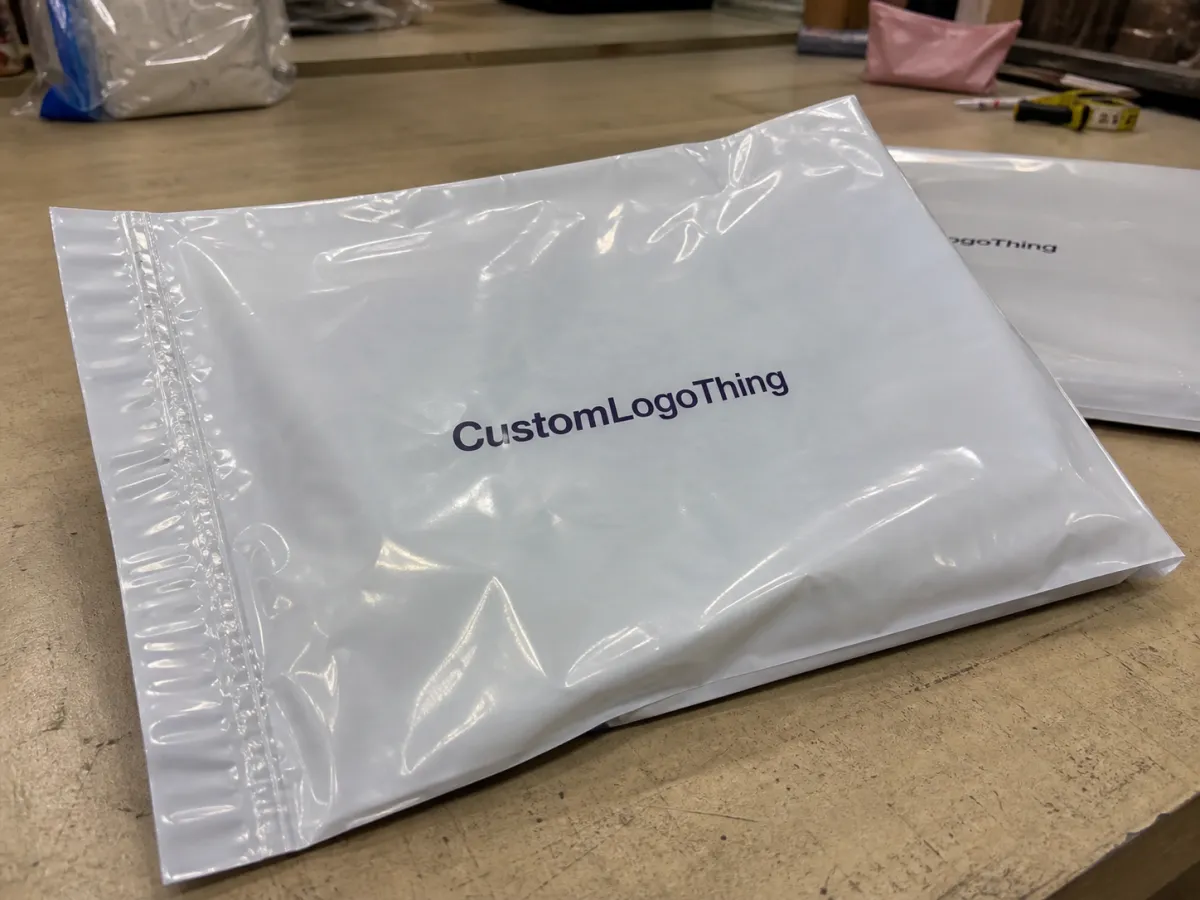
Reordering works because it removes variables. The structure is already tested. The film already feels right. The seal already passes. The printed surface already matches the brand tone. Starting over only makes sense if one of those pieces no longer fits the product or the program.
For cosmetic brands, the outer shipper has several jobs at once. It has to protect privacy, look clean on arrival, and hold up through sorting, pallet movement, and customer handling. A reorder keeps those expectations stable and protects the budget, since custom packaging gets expensive fastest when the job keeps changing after the quote.
If the last run performed well, the lowest-risk path is usually to repeat the spec, confirm the artwork, and change only what the new order actually requires.
Reorder before inventory gets tight if:
- Stock falls below a 3-6 week buffer based on actual weekly usage.
- A campaign, influencer drop, or subscription cycle already has a ship date.
- Retail replenishment needs a fixed receiving window.
- A new refill SKU needs the same outer presentation as the main line.
Keeping one spec across launches also helps operations. Fulfillment does not relearn bag handling, marketing does not re-approve a new visual treatment every quarter, and finance gets a cleaner cost history. That consistency is the point of a repeat order.
Product Details That Matter Before You Refill
A good reorder is not blind duplication. Before you approve the next run, check the parts of the job that affect fit, finish, and delivery. Cosmetic mailers are shipping bags, but they are also presentation pieces, privacy barriers, and sometimes part of the return process if the closure system includes extra adhesive.
Start with the physical spec: width, length, closure style, film thickness, and print coverage. If the last job used a 10 x 13 inch mailer with a 2.5 mil film and a peel-and-seal strip, that does not automatically mean the same setup still works if the carton size changed or the packout now includes inserts, samples, or product cards. Small packout changes can force a bigger mailer or a stronger closure.
Appearance matters more in cosmetics than many buyers expect. Opaque white films usually hide contents well and create a cleaner unboxing moment. Frosted films soften the look and can feel more premium without heavy graphics. Clear films can work for curated kits, but they also reveal everything inside, which is useful in some programs and a privacy problem in others.
Before you approve a refill, pull the last order file and verify:
- Logo placement and safe area
- PMS or CMYK color references
- Warning copy, handling notes, or compliance text
- Return address and ship-from information
- SKU callouts, promo language, or version-specific text
If the size, fulfillment method, or shipping volume changed, ask for a proof check. A flat proof can catch layout mistakes. A digital proof can confirm artwork quickly. A pre-production sample is slower, but it is the safer option when the order is large or the print is complex. That extra review costs time upfront and saves more than discovering a fit issue after production starts.
For broader packaging basics while comparing options, the FAQ is a useful place to check file, shipping, and production questions.
Cosmetics Printed Poly Mailers Reorder Guide: Specs to Confirm
This is the part many teams rush through. A useful cosmetics Printed Poly Mailers Reorder guide has to lock the spec before anyone talks about price, because the price means little if the construction no longer matches the job.
Confirm these core points before you send the reorder:
- Width and length - the flat size has to fit the product and the packing method.
- Flap depth - enough room for a clean seal, especially with inserts or bulkier kits.
- Material gauge - many cosmetic mailers run about 2.5 to 3.5 mil, depending on feel and strength.
- Seal type - peel-and-seal is common; double adhesive strips can help if returns are built into the process.
- Print coverage - one side, two sides, full bleed, or limited logo placement.
Material choice changes the look and the handling. LDPE and co-extruded PE films are common because they balance cost, flexibility, and printability. White films give sharper contrast. Frosted films soften the visual effect. Clear films show the contents. Custom colors are possible, but they usually narrow the matching window and add cost because the supplier has less flexibility in stock material.
Print complexity deserves the same attention. Full-bleed artwork, dense backgrounds, metallic effects, and tiny legal copy all raise the risk of variation. A small logo on a light film is relatively straightforward. A dark design with fine type and a lot of coverage is not. If the previous run looked correct, the safest path is to match the same material, ink process, and closure construction instead of trying to improve everything at once.
Ask one direct question: are you matching the same substrate, adhesive, and print method as the last approved job? A mailer can look similar and still behave differently if the film or seal changed. That is where repeat ordering goes wrong. The artwork file gets copied, but the production spec quietly shifts.
Use this quick quality-control checklist before approval:
- Check trim size against the product and the packout.
- Confirm color against the approved reference sample, not only a screen proof.
- Inspect seal width and adhesive placement.
- Review the first print sheet or sample for registration and edge coverage.
- Verify carton count, pack style, and pallet notes so receiving does not stall.
Pricing, MOQ, and Unit Cost Drivers
Repeat pricing is more predictable than first-run pricing, but it still moves with the same variables: quantity, print sides, ink count, film thickness, and whether the supplier has to rebuild the job from scratch. Freight then decides whether the quote was actually competitive or just looked good on the page.
Typical reorder pricing for custom cosmetic poly mailers often lands in these working bands, assuming standard custom print and a normal lead time:
| Quantity | Typical unit price | Setup impact | Best fit |
|---|---|---|---|
| 1,000-2,499 | $0.42-$0.72 | Higher per-unit setup burden | Small refill runs or product testing |
| 5,000-9,999 | $0.18-$0.34 | Usually moderate or already absorbed | Most repeat cosmetic packaging orders |
| 10,000-25,000 | $0.12-$0.24 | Lowest impact when spec stays unchanged | Multi-channel programs and seasonal builds |
Those numbers are ranges, not guarantees. A thicker film, full-bleed artwork, additional ink colors, or a custom finish can move the quote quickly. So can a new size, a tighter delivery window, or split shipping to multiple warehouses. Setup fees are sometimes bundled into the unit price and sometimes listed separately, so a vendor line item may be modest but still change the comparison.
MOQ follows the same logic. A fresh custom job often starts higher because the supplier has to set up artwork, registration, and film handling from scratch. A reorder can sometimes be accepted at a lower threshold because the structure already exists and the artwork is already approved. Some buyers can repeat in the 1,000 to 2,500 unit range if nothing changes, while first-time custom work may begin closer to 3,000 to 5,000 units.
Freight is the part that gets underestimated. On smaller orders, shipping can account for 10% to 25% of the total bill if the order is light and the destination is far from the production point. Read the landed cost, not just the unit price.
If you buy multiple SKUs, wholesale planning can help spread freight and reduce the number of urgent reorder decisions. The point is not to buy more packaging than you need. The point is to avoid paying premium pricing because the schedule got tight.
Process and Lead Time From Quote to Delivery
The reorder process should be predictable: send the last job reference, confirm the current spec, approve the proof, produce, pack, and ship. If the supplier seems unclear on any of those basics, pause and fix the file before anything reaches production.
The fastest reorder requests usually include these five items up front:
- The previous PO number or job reference
- Mailer size, material, and print details
- Quantity and the tier target you want quoted
- Ship-to ZIP code and any delivery limits
- Artwork changes or issues that surfaced on the last run
If the artwork is unchanged and the file is already approved, quote turnaround can be same day or next business day. The calendar usually moves during production. Unchanged reorders often land in the 8-15 business day range after proof approval. If the job needs artwork edits, a new die line, a size change, or a new finish, production can stretch to 15-25 business days depending on factory load and shipping method.
Three things create most of the damage: proof delays, freight congestion, and address changes after production starts. None are unusual. They are just expensive when the order is already committed. If a launch date or retail reset is fixed, ask for production time and transit time as separate numbers.
Quality checks should happen at two stages. First, before print: confirm the art file, color references, and layout. Second, before shipment: inspect count, seal consistency, print registration, and carton labeling. A supplier that can describe its inspection steps clearly is easier to trust on repeat work than one that only says the order will be "fine."
For shipping performance and package testing, standards matter. ISTA methods help compare how packages hold up through distribution, and FSC matters if the outer program uses paper cartons, inserts, or printed labels tied to responsible sourcing. See ISTA and FSC for the underlying organizations.
How to Compare Suppliers on Repeat Orders
On repeat work, consistency matters more than a polished pitch. The best supplier is not the one with the loudest promise. It is the one that can match your last approved run without forcing you to manage every detail twice.
Look for these traits when you compare suppliers:
- Written proof sign-off and a clear revision trail
- Stable material sourcing for the same film and closure
- Consistent print quality across repeat runs
- Real reprint support if the order ships with a defect or mismatch
- Shipment visibility with tracking that updates on time
Ask direct questions before you place the reorder. What color tolerance do they hold on repeat runs? Do they keep reference samples from the last production lot? Can they share inspection standards? What happens if the seal fails or the print shifts? If you buy several SKUs, does one account team handle the program, or does each order start from zero?
Color control deserves extra attention. On film, even a small shift in black density or white opacity can make a repeat order look off. Ask whether the supplier matches against the approved reference sample or against a generic press target. If they cannot explain how they control repeat color, you are taking on more of the verification work yourself.
Sample availability is another useful signal. If a supplier can show the prior approved spec, the film type, and a current sample from the same line, risk drops. If they only have a screenshot and a memory of the last order, you are taking on more of the verification work yourself. That may be acceptable for a tiny refill. It is not ideal for a launch or a high-volume replenishment order.
Good repeat-order management is practical, not flashy. It keeps the same spec intact, confirms the same artwork, and checks the same quality markers every time. That is how packaging stays consistent even when the product calendar gets messy.
Next Steps to Place the Reorder Cleanly
If the goal is a clean reorder, keep the process narrow. Pull the last PO, verify current inventory, check whether anything changed in the art or packout, and lock the quantity before asking for a quote.
Use this short action list:
- Pull the previous job number, proof, and approved art file.
- Check actual stock on hand, not a spreadsheet from last week.
- Review whether size, logo, or compliance text changed.
- Set the quantity using weekly usage plus a safe buffer.
- Confirm ship-to address, delivery date, and receiving hours.
A realistic buffer is based on consumption and lead time, not optimism. If usage runs 500 mailers a week and production plus freight takes two to three weeks, then a 3,000-piece position gives breathing room. If demand is seasonal, raise the buffer before the peak period instead of trying to recover after inventory hits zero.
Approve the proof only after checking size, color, logo placement, ship-to address, and packaging notes. If the supplier changed anything from the last run, ask why before signing. The safest repeat order is the one that stays close to the approved reference and lands before the stockout window opens.
How many cosmetics printed poly mailers should I reorder at one time?
Use weekly usage and lead time, not guesswork. Many buyers reorder with 3 to 6 weeks of stock remaining, then move to the next quantity tier only if the lower unit cost offsets the extra inventory. If demand rises during a season or campaign, build a larger buffer before the peak so you are not paying rush pricing later.
Can I reorder cosmetics poly mailers with the exact same print as last time?
Yes, if the artwork file, dimensions, and material spec are unchanged. Give the supplier the previous job number so they can match the approved run instead of rebuilding the order from memory. Still review a proof if the substrate, ink process, adhesive, or production site changed.
What do you need from me to quote a reorder fast?
Send the last PO, size, material, print details, and any artwork files you have. Include quantity, ship-to ZIP code, and whether you need standard or rush lead time. If the prior order had issues, mention them upfront so the quote reflects the real requirement instead of a best-case assumption.
How long does a reorder usually take for printed cosmetic mailers?
Unchanged reorders are usually faster than first-time custom jobs because the setup already exists. Proof approval, freight method, and order size are the main factors that move the schedule. If a delivery date is fixed, ask for production time and transit time separately so the estimate is not overly optimistic.
What changes increase MOQ or unit cost on a reorder?
New artwork, extra print colors, larger dimensions, thicker film, and special finishes can raise MOQ or push the unit price higher. Rush production and split shipping also increase the effective cost per mailer. The lowest-cost reorder is usually the one that keeps the same spec and changes only the quantity.