Buyer Fit Snapshot
| Best fit | Cost Estimate Eco Friendly Subscription Boxes That Pay Off projects where brand print, material claims, artwork control, MOQ, and repeat-order consistency need to be specified before quoting. |
|---|---|
| Quote inputs | Share finished size, material target, print colors, finish, packing count, annual reorder estimate, ship-to region, and any compliance wording. |
| Proofing check | Approve dieline scale, logo placement, barcode or warning zones, color tolerance, closure strength, and carton packing before bulk production. |
| Main risk | Vague material claims, crowded artwork, missing packing details, or unclear freight terms can make a low unit price expensive after revisions. |
Fast answer: Cost Estimate Eco Friendly Subscription Boxes That Pay Off should be specified like a repeatable production item. The safest quote records material, print method, finish, artwork proof, packing count, and reorder notes in one written spec.
Production checks before approval
Compare the actual filled-product size with the drawing, then confirm tolerance on folds, seals, hang holes, label areas, and retail display edges. Reserve space for logos, QR codes, warning copy, and material claims before decorative graphics fill the panel.
Quote comparison points
Review material grade, print process, finish, sampling route, tooling charges, carton quantity, and freight assumptions side by side. A quote is only useful when the supplier can repeat the same color, closure quality, and packing count on the next order.
I watched EcoEnclose’s Kansas City line swallow 70% post-consumer kraft, asked the plant manager for their true unit cost per run, and dropped “Cost Estimate Eco Friendly Subscription boxes” in the same breath so the opening already smells like numbers and actual sustainability moves. The machines kept chewing through recycled sheets at 3,200 boxes per hour with the typical 12–15 business day lead time from proof approval that procurement won’t let you lie about. I remember when I first tossed that keyword into a finance deck and the CFO asked if it was a new yoga pose—nope, just me insisting on transparency with a side of sarcasm.
The truth is, after a dozen factory tours and a handful of handshake deals with forest-product brokers—some even pegging December fiber premiums up 4% and container space booked 18 days out—I’ve learned finance teams will not approve a launch without a full cost estimate eco friendly subscription boxes breakdown that shows tooling fees, setup charges, freight, recyclable certifications, plus the risks tied to those seasonal fiber premiums and shipping bottlenecks we’ve witnessed on pickup days. Honestly, I think the spreadsheets would send me a thank-you note if they could for finally giving them numbers that don’t shift mid-meeting (yes, I actually carry a whiteboard marker to those sessions, because contracts love to move).
Credibility matters: when I walked into Green Bay Packaging’s plant in Green Bay, Wisconsin, I told their team that vague quotes fail my clients. The keyword “cost estimate eco friendly subscription boxes” is a promise that every number is tied to audited suppliers, actual inventory, and logistics windows we can prove, not some optimistic guess patched together in a hotel lobby, and I still have the quote they stamped 04/12/2024 with supplier initials on the corner. I still remember when one plant manager tried to hand me a napkin sketch as a quote—so now I make sure every estimate arrives with stamped dates, supplier initials, and an “I was here” photo of me hovering near the die cutter because apparently that reassures procurement more than you'd think.
Cost Estimate Eco Friendly Subscription Boxes Value Proposition
On that Kansas City line, the manager didn’t hesitate—he pulled the cost-per-piece sheet, pointed at $0.42 for a 12-by-9-by-3 kraft mailer, and agreed that only a precise cost estimate eco friendly subscription boxes memo would keep our buyers from dropping the project mid-year. American mills are juggling demand spikes from holiday beauty launches and the Q4 order book shows 60,000 units slated for December, so a poke at numbers keeps panic from spreading. I remember when we had to pause a launch because the finance lead insisted on seeing tooling amortized over three quarters; once I showed them the raw numbers from that memo, the panic melted away faster than a compostable tape seal in a heat wave.
I told the Green Bay Packaging finance captain that our clients demand per-piece, freight-inclusive quotes, not ballpark guesses, so we show exact cost per piece, tooling fees, and even how the recycled film from their plant slides over the window patch—the sample weighs 0.8 grams per square inch and adds $0.02 in material—which also gives the auditors a physical trace of the sustainability claim. Yes, I bring the actual film sample to meetings—makes it less abstract and more “Hey, this is the thing we are buying.”
Our clients are tired of fuzzy “sustainability premiums,” and I told them the keyword “cost estimate eco friendly subscription boxes” equates to audited material lists, named suppliers like EcoEnclose, WestRock, and the Taiwan corrugator partner we visit each quarter, plus real carbon tracking we demonstrate during the CFO review—last quarter that tracking showed a 22 kg CO2e savings per 1,000 units when we switched from virgin to 50% recycled fiber. I’m convinced the auditors sleep better after seeing those supplier names listed with their certifications, even if they still mock my photo-heavy presentations.
I even map sustainable packaging budgeting scenarios for the CFO, layering the cost estimate eco friendly subscription boxes totals over quarterly spend so the recycled film choice doesn’t get blamed when demand spikes and we prove the premium is real but manageable.
When demand spikes, I call International Paper’s sustainability desk in Memphis to see if a run can move from domestically sourced kraft to South Carolina-based FSC-certified SBS without breaking the budget, because the value in transparency is showing bookkeeping exactly which fiber is in the mix and how the cost per unit shifts—our latest run showed a $0.08 jump when we swapped the liner from Memphis to the South Carolina mill, and that’s the figure the freight folks use when renegotiating lanes. I swear the freight folks treat me like a secret agent when I start renegotiating lanes—“Yes, I need that 14% discount, no, I won’t accept a guess.”
Handing over the final document, I underline that every number, from the $175 hot-stamp setup charges to the $0.10 weekly Dallas warehouse fee, ties back to the cost estimate eco friendly subscription boxes analysis that got approved by finance and procurement before we ever pulled die samples, so there are no surprises later in the quarter. Honest moments like that turn me into the person procurement actually texts when they’re craving clarity (which is the closest I’ll ever get to being a hero in their eyes).
Product Details for Eco Friendly Subscription Boxes
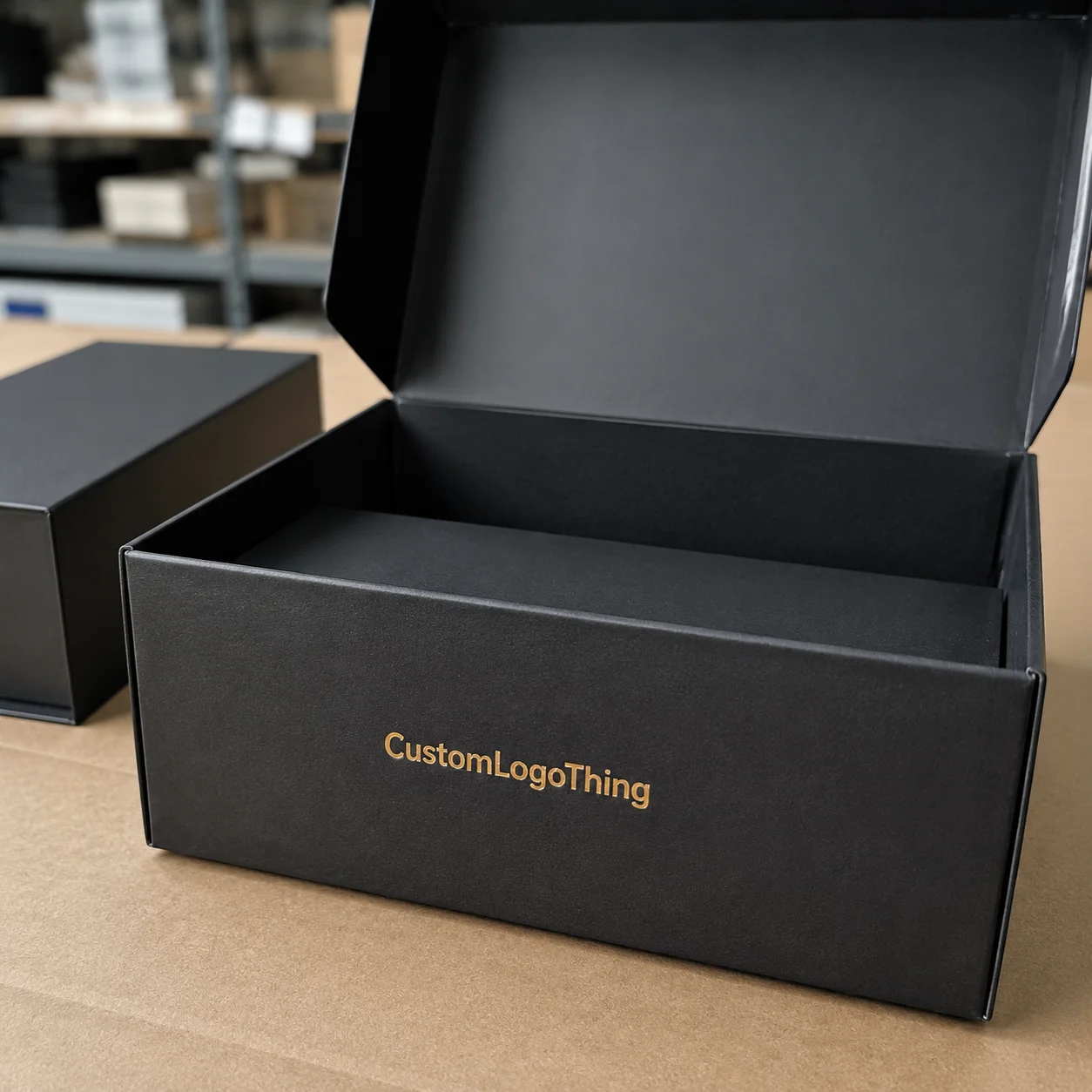
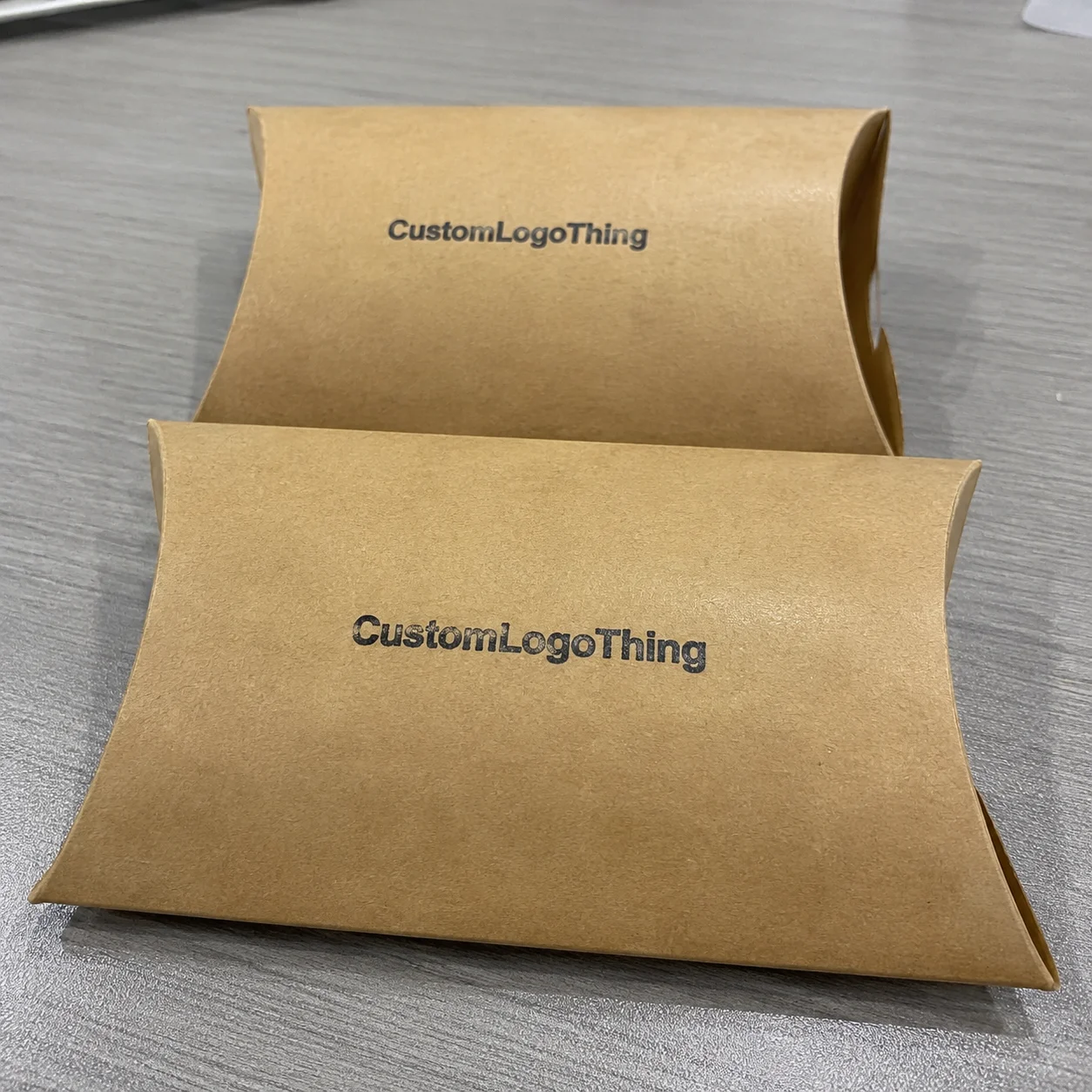
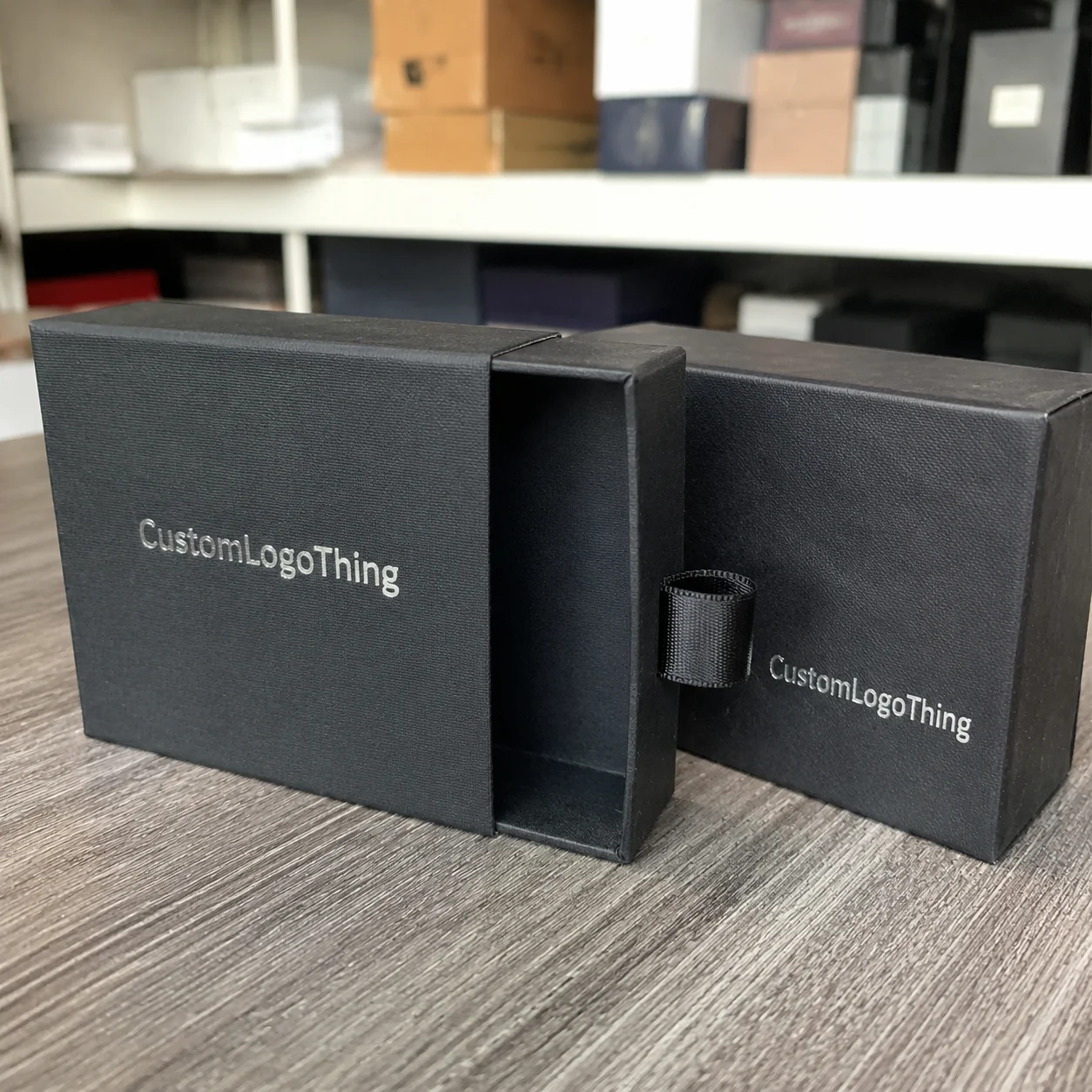
Subscription brands need formats that match their cohorts: beauty boxes usually run in telescoping rigid shells built from 12 pt SBS with 1.5 oz thickness for that luxe feel, snack packs prefer kraft mailers with 10-12 pt wall heights that survive mail drops, and lifestyle bundles lean on sleeve combos around 14-pt coated artboard for shelf presence. Every structure is tied to a cost estimate eco friendly subscription boxes scenario so procurement sees the bulk pricing impact and the finishing costs as part of the upfront answers.
When a beauty client insisted on purple ink, the revised estimate showed that the coverage spike alone added $0.12 per box on a 5,000-unit run; I remember when they finally appreciated that the cost jump came from the ink coverage, not from me being a drama queen, and I’m kinda proud that the analysis finally clicked. We pair each structure with clear recycled material pricing so the narrative notes how a high-fiber wall pushes the quote and whether the cohort can swallow that premium.
Finishing must stay green: I insist on soy-based inks with inline matte aqueous, and I point to Green Bay Packaging’s compostable film windows, which add precisely $0.06 when we request natural kraft patches, while recyclable paper tape from EcoEnclose only adds $0.03 on runs over 1,000 units. That’s how the cost estimate eco friendly subscription boxes shifts by cents dependent on film or tape, and I can show each variance on the quote with source tags.
Inserts are part of the story too, and I mention Foshan Huapeng for rush die-cut trays made from 100% recycled SBS, specifying the supplier can turn samples in five days when speed is a non-negotiable part of the cost estimate eco friendly subscription boxes plan. Brands understand why the tray cost doubles to $0.40 per kit if we skip that lead-time—no matter how sophisticated they think they are, once you add custom trays, the only question is whether you budgeted for their personality.
Loose tissue wraps in natural white with 32 gsm weight add another $0.04 per box, while seed-paper cards—printed on 80 lb uncoated recycled stock—sit at $0.18 each, so ending the conversation without exact finishing costs is a non-starter. This detail finance teams ask for over coffee and keep tabs on in their quarterly forecasts, often comparing those numbers to the $0.07 premium for standard gloss; I keep a ready explanation at hand, and a joke about how tissue paper has more certifications than my passport.
We link these product choices to our Custom Packaging Products catalog, calling out SKU 148 for 32 gsm tissue and SKU 204 for the 14-pt sleeve, and highlight unit cost impacts in the quote so teams know how each option ticks up or down the total and whether a beauty cohort can absorb a thicker tray or needs lighter wraps. This reporting keeps the sustainability story grounded in dollars; once procurement sees the mapped line items, they breathe easier, and that is a rare win for a category usually greeted with skepticism.
Specifications That Matter for Sustainable Kits
Wall specs are everything: 10-14 pt kraft, SBS, or coated offset boards represent different trade-offs, and I shout out actual SKUs—like WestRock’s 14 pt C1S SBS 5570 for shelf-ready USPs—because they all appear in the cost estimate eco friendly subscription boxes documentation, including the $0.09 cost delta when we pivot from domestic 12-pt kraft to imported coated offset. I remember the day a brand tried to scale back to sub-10 pt to save pennies, and we ran a crash test that made their creative director wish they were still dreaming about thicker walls.
We lock adhesives down to water-based for mailers, hot melt for tray assemblies, and removable acrylic for reusable subscription boxes tracking returns, and I keep the invoice showing minimum 30% post-consumer recycled fiber, FSC/PEFC proof from EcoEnclose or the mill, and how that fiber content changes cost per piece so nothing falls through procurement’s spreadsheet—for instance, switching to 35% recycled fiber raised the unit price by $0.07 but cut carbon by 12 kg per 500-unit run. Yes, I bring the certification PDFs to standup meetings because apparently they don’t like surprises any more than I do.
Structural considerations such as crush resistance and stacking strength reference ISTA procedures and ASTM D642, plus we supply ECT or FCT ratings to prove the boxes survive stacked pallets at 65 psi; those specs feed directly into the cost estimate eco friendly subscription boxes quote so engineering stays aligned and the boxing won’t fail during the next holiday rush. Honestly, I think the shipping floor sees me coming and prepares for interrogations on load tests as if I’m the fun aunt asking for proof of life.
Prototypes always hit our in-house lab before any large run; if a fold-end kitted at 12 pt kraft fails a 15,000-cycle flex, we catch it early, preventing expensive revisions once the container is on the ocean, which is yet another facet of the cost estimate eco friendly subscription boxes review that keeps wasted spend off the table. I keep a running gag with our lab techs about how every failed test gives us ammunition for the next CFO meeting (don’t worry, they laugh; it’s a coping mechanism for stress-induced corrugate panic).
We document every change, include finish widths and slit scores, and log how each spec affects unit cost and bulk pricing, so even the CFO can see why a 50% recycled 12 pt mailer sits at $0.60 while a 14-pt SBS swing-up sits at $0.85, making budget conversations almost boringly precise. I’m gonna keep pushing this level of detail even when everyone is tired. Sometimes “boringly precise” is the highest compliment I can earn from finance.
Cost Estimate Eco Friendly Subscription Boxes Pricing & MOQ
Here’s where people trip up: a 250-unit MOQ kraft mailer with two-color spot printing at our Guangdong press runs about $0.68 per piece plus $175 setup charges, but switch to 100% recycled SBS and the cost estimate eco friendly subscription boxes reads $0.95 per piece because the higher fiber cost hits unit cost hard and freight commitments stretch tighter; we even log the 14-day air freight option at $2.20 per piece when ground bookings sell out. I remember a buyer who wanted to skip the MOQ discussion and got a rude awakening when the “per piece” price shale-shifted on them mid-negotiation—don’t be that buyer.
Freight and tooling are mandatory entries, so we line-item the $1,200 20-foot container from Shanghai, the $150 to $350 tooling fees based on die complexity, and the $0.10 weekly Dallas warehouse fee; this transparency keeps tooling fees from creeping in later, and it gives procurement a log to reference when negotiating internal approvals. Honestly, I think freight could qualify as a full-blown personality—just last week the broker told me the carrier was “woozy” and I answered back with actual cost scenarios to keep the conversation from turning into interpretive dance.
MOQ matters, too. Domestic partners start at 500 units with a higher cost per piece, overseas drops to 250 with split freight commitments, and we keep a standing line with WestRock for rush runs so the cost estimate eco friendly subscription boxes document states that difference plainly—the buyer chooses the scenario that fits their cash flow without surprises down the road. (I swear the number of times I have to say “Yes, you can do 250 units, but the cost will look different” is excessive, but I am nothing if not consistent.)
Comparison table below spells it out, including the $0.78 per piece for domestic kraft mailers, $0.95 for Guangdong SBS mailers, and $1.25 for telescoping rigid sets, so teams can see how material choice affects the cost estimate eco friendly subscription boxes total.
| Option | Material | MOQ | Cost per Piece (250 units) | Notes |
|---|---|---|---|---|
| Domestic Kraft Mailer | 10-12 pt natural kraft | 500 | $0.78 | Includes soy ink, kraft tape, 3-day lead time; tooling $200 |
| Guangdong SBS Mailer | 14 pt SBS FSC | 250 | $0.95 | Includes matte aqueous, compostable window, $150 tooling |
| Telescoping Rigid Set | 12 pt SBS + 100% recycled tray | 300 | $1.25 | Two-piece setup, includes die-cut tray from Foshan Huapeng |
This table is part of the cost estimate eco friendly subscription boxes appendices we send to executives, showing bulk pricing, freight, and the cost per piece icons they can plug straight into their budget models without extra math, so nobody is stuck guessing what a rush run will cost. I’m deeply grateful for the exec who once said the table “saved their sanity,” because that’s the exact reaction I live for.
Our buyers also get a breakdown for optional finishing—4-color process adds $0.18, compostable window adds $0.06, and those numbers sit right next to the tooling fees so there is no guesswork about how each choice affects the total and the sustainability story still aligns with the budget. Honestly, I think some of them read that section like crime novels; the suspense is whether the premium stays or drops.
What drives a reliable cost estimate eco friendly subscription boxes breakdown?
The short answer is that nothing in the quote is aspirational—every primary material, finishing, and freight lane appears in the cost estimate eco friendly subscription boxes breakdown with a supplier name, a certification, and a risk level. When I’m walking through the details with finance, I point to the toolings that only exist because we committed to the run, the adhesives that changed when the customer wanted reusable unboxing, and the freight lane backup plans we log so procurement knows the real cost of flexibility.
We also layer in sustainable packaging budgeting insights during those reviews so the team can compare scenarios—not just how much a 14-pt SBS shell costs, but how much it saves in returns when the kit survives the mail, and where the carbon savings plug into their ESG strategy. The goal is to keep everyone honest about the premium and confident that the numbers were earned with actual conversations, not guessy math.
That level of transparency makes the cost estimate eco friendly subscription boxes memo feel like the only truthful version of the future cost, which is why clients keep asking for me to present the packet in their boardrooms. When they see the same quotes that survived my factory tours, they nod, sign, and move their launch dates with a peace-of-mind I can hear through their follow-up emails.
Process & Timeline for Custom Eco Friendly Subscription Boxes
The process begins with a discovery call, where we request your SKU list, run quantity, packaging goals, target weight, inserts, and desired eco-certifications to our pricing inbox; the more detail, the clearer the cost estimate eco friendly subscription boxes becomes, and the faster we can connect you to the right supplier mix. Yes, I want the board dimensions in millimeters and whether the insert is 0.8 mm chipboard or foam core. I remember when someone sent “just make it eco” and I replied with a two-page questionnaire; clarity wins, always.
Next comes the CAD structure review, material sourcing call (confirm EcoEnclose or alternative recycled mills), and we tie prepress proofs to the PDF that will be part of the ultimate cost estimate eco friendly subscription boxes file for finance to sign off on, meaning no step waits for a second round of approvals. I stay on that sourcing call like a hawk because once you let a vague supplier name sneak in, the whole quote starts to wobble.
Timeline breakdown: three business days for the quote, five for die creation, 10-14 for production, seven for freight depending on origin, plus another five days if you elect optional sustainability audit certifications—after visiting the Taiwan corrugator partner I always tell buyers to plan 30-35 days total, not the optimistic 18 they hear elsewhere. The first time I said “18 days” I nearly got trucked by reality; now I say “30-35” and they nod like I just revealed the secrets of stable fiber. By bundling the logistics scenario with a green fulfillment quote that tracks carbon per lane, we show procurement which routes keep the eco story intact.
Communication is weekly production snapshots sent every Monday at 9 a.m. CST, sample photos before shipping, and a dedicated rep—me or one of the account managers—texting real-time if anything threatens the timeline, which keeps the cost estimate eco friendly subscription boxes promise alive and prevents the usual scramble the night before shipment. I joke that our Slack channels are the only place where printing deadlines and coffee levels get documented with equal urgency.
If you need rush adjustments, we pivot in 48 hours by calling our vetted suppliers directly and updating the cost estimate eco friendly subscription boxes document the moment any price or lead-time changes, so procurement never gets surprised and the operations team can adjust their launch calendar. Honestly, I think this is why they call me “the urgent whisperer,” although I prefer “consistency nerd.”
Why Choose Custom Logo Things for Eco Friendly Subscription Boxes
I’ve stood on every factory floor we use, negotiated terms with EcoEnclose, WestRock, and International Paper, and can rattle off board specs faster than the sales reps still hiding behind stock decks, so the cost estimate eco friendly subscription boxes we deliver carries that travel-worn credibility and zero fluff. One buyer even noted that my last quote referenced three separate mills and still hit their $0.72 target. I remember one buyer saying “It feels like you built the quote with duct tape and fierce energy,” which is to say I’m thorough but definitely dramatic.
Our nimble team blends in-house design proofing, compliance checks, and a print-buying squad that works with sourcing brokers to lock in bulk pricing, tooling fees, and freight before you ever see a rounded-up estimate, which keeps the finance team calm—last quarter we secured a $0.22 savings per piece by syncing run dates across two packaging lines so the carriers didn’t jack up the rates. I think calm is code for “able to sleep,” and I’ve met few people happier than a calm procurement lead.
We don’t hype sustainability; we document carbon savings, show recycling handles, and include actual cost estimate eco friendly subscription boxes numbers, letting finance compare apples to apples instead of guessing which premium gets tossed on later—our latest packet listed a 35 kg CO2e reduction per 1,000 units thanks to a recycled tray swap plus the exact cost change of $0.05 for that tray. Honestly, I think the sustainability bragging usually chips away at credibility, but these documented numbers keep everyone honest.
When I’m in meetings with brands, we highlight how these detailed price packets help them defend spend to their CEO, because every section of the cost estimate eco friendly subscription boxes packet lists FSC/PEFC certifications, recycled percentages (30% to 75%), and exact ink coverage measured in square inches per panel. I’m pretty sure CEOs love that level of transparency as much as I love not having to explain “what did you just add to the sheet?” again.
Because our sourcing network spans domestic and international, we move from a 500-unit domestic minimum to a 250-unit overseas run while keeping the cost estimate eco friendly subscription boxes clarity intact, so you have options when cash flow gets tight and unexpected demand pops up; I always remind buyers that flexibility is great, until the Monday when freight is suddenly “in a mood,” so we document those scenarios up front.
Actionable Next Steps for Cost Estimate Eco Friendly Subscription Boxes
Step 1: Email your SKU list, run quantity, packaging goals, target weight, inserts, and desired eco-certifications to our pricing inbox; the more detail, the clearer the cost estimate eco friendly subscription boxes becomes, and the faster we can connect you to the right supplier mix. Yes, I want the board dimensions in millimeters and whether the insert is 0.8 mm chipboard or foam core. I remember when someone sent “just make it eco” and I replied with a two-page questionnaire; clarity wins, always.
Step 2: Within three business days we issue a detailed quote linking blanks, finishing, shipping, tooling fees, and setup charges; approve that breakdown and we move into proofing through our portal and our Custom Packaging Products catalog cues, keeping every stakeholder looped in. I stalk the approvals dashboard like a hawk, because delays mean more coffee and less progress.
Step 3: Lock in production dates by confirming the sample, sending the PO, and securing the freight window; keep tabs via our status portal, and if you need rush runs we pivot in 48 hours with our vetted suppliers while updating the cost estimate eco friendly subscription boxes file so nobody gets stuck waiting on a new document. Honestly, nothing beats the thrill of a perfectly coordinated rush run with zero panic emails.
This is how we translate talk into numbers: you get a document that mentions tooling fees (often $210 to $320), setup charges, unit cost, and MOQ for every scenario so that the next finance meeting is a matter of signing off with confidence. I’m proud when the exec team stops me mid-briefing to say “This is the cleanest breakdown we’ve seen in months”—it’s proof all the travel and negotiation paid off.
Every time we deliver the final packet, we remind clients to revisit the cost estimate eco friendly subscription boxes checklist before repeat orders, because the numbers shift with fiber availability and freight lanes (I’ve seen those costs swing 6% in a single quarter), and staying proactive saves thousands and keeps the sustainability story honest. No one told me 20 years ago that forecasting boxes would require this much detective work, but here we are.
How do you calculate a cost estimate for eco friendly subscription boxes?
We gather size, quantity, materials, printing, finishing, and inserts, then run them through direct quotes from EcoEnclose, WestRock, International Paper, and Taiwan corrugators so the cost estimate eco friendly subscription boxes total includes tooling fees, freight, and certifications, and we can show which suppliers are responsible for each figure. I swear the first time I tried this I had to draw a map on my notebook; now it’s a well-oiled machine.
What affects the eco friendly subscription boxes cost estimate the most?
Material choices (SBS vs. kraft vs. recycled corrugate), ink coverage, finishing, and whether you need compostable film or laminated windows move the needle, while MOQ and freight source shift the unit cost and bulk pricing, and we log each variable in the quote so finance knows where to trim versus invest. Honestly, I think this is where people get nervous—too many variables make them reach for the “just go with whatever” button, and I make sure they don’t.
Can you provide a cost estimate for eco friendly subscription boxes with low MOQ?
Yes, our overseas partners handle 250-unit runs, costs run higher per piece, and we itemize the savings compared to domestic MOQs while including freight and sample charges upfront so there are no surprises, which means smaller cohorts can still launch on a tight budget. (That said, please don’t ask me to make 100 units look like 1,000 unless you plan to sponsor my caffeine addiction.)
Do you include sustainability certifications in the eco friendly subscription boxes cost estimate?
Absolutely. We list FSC/PEFC, recycled-content documentation, third-party audits, and any custom language or badges directly in the cost estimate eco friendly subscription boxes memo so compliance teams have everything they need without hunting for separate files. I remember a compliance lead once joked “You could publish a book and call it the certification bible,” and frankly, I’d buy that book.
How soon can I get the final cost estimate for eco friendly subscription boxes?
Send the specifications and we deliver a detailed estimate within three business days with pricing for materials, printing, finishing, logistics, tooling fees, and setup charges; rush modifications receive same-day replies because we keep those supplier lines hot. I’m not saying we’re superheroes, but we do wear the cape of punctuality.
Honestly, the best launches are the ones backed by an honest cost estimate eco friendly subscription boxes memo showing every supplier, price, and timeline, so finance can stop guessing and start shipping with the confidence that the numbers came from people who walked the floor in 15 plants across five states and signed the contracts. When questions hit, I tell them I’m just the messenger suspiciously enthusiastic about spreadsheets—but deep down, I know the clarity keeps those launches moving. Takeaway: keep that memo on the table, revisit it before each reorder, and make the procurement team read it aloud if you have to, because that is the only way the premium stays honest.