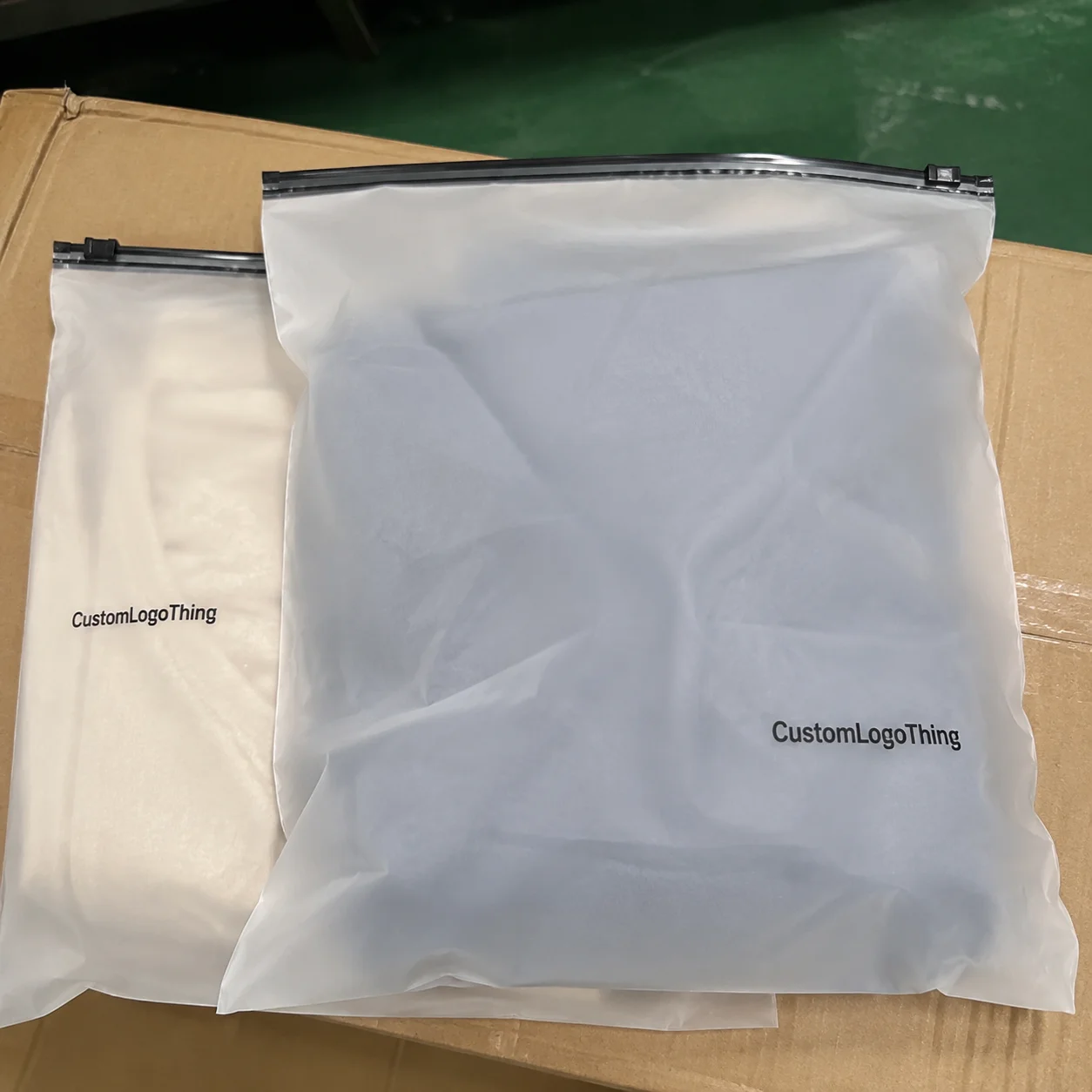
Two drawstring bags can look identical on a sample table and still quote very differently once the buyer defines film gauge, print coverage, packing method, and carton count. That is the real starting point for a Private Label Buyer drawstring plastic Bags Unit Cost Breakdown: the price follows the spec, not just the size on paper.
Private label programs tend to move fast once the spec is complete, but they also expose every small choice. A slightly heavier film, a custom color, or a change from loose packing to retail-ready bundling can shift the unit cost more than buyers expect, especially at lower MOQ levels where setup charges and changeovers matter more.
If the goal is a quote you can actually buy against, the package needs to be defined clearly before pricing starts. Size is only one part. Film structure, closure style, print count, pack-out, and destination all shape the final cost per piece.
Why Small Spec Changes Move the Quote Fast
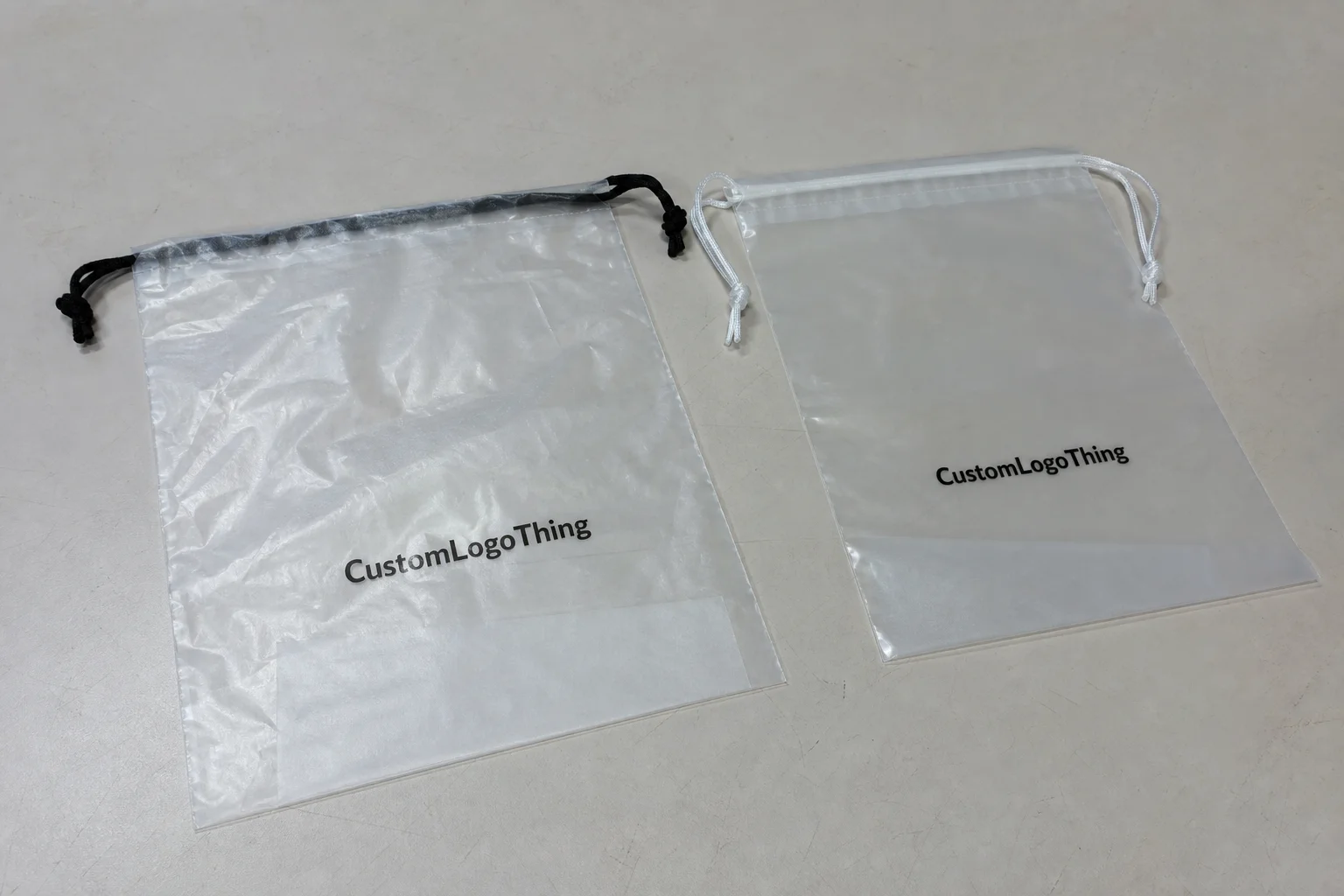
In practice, the fastest quote swings come from the least visible decisions. A 12 micron change in gauge may seem minor, yet it can alter resin consumption, roll yield, production speed, and scrap rate. That is why a supplier may quote one bag at $0.14 and a nearly identical bag at $0.19 without any real contradiction.
Private Label Buyers usually see the biggest jumps from three areas: film gauge, drawstring style, and how the finished goods are packed. Loose packing is simpler. Folded sets take more handling. Retail-prepped bundles add labor, carton discipline, and often more inspection time.
Color is another quiet driver. Natural or standard clear film often runs cleanly through production. Custom colors, especially if they require tighter shade matching, can slow throughput and increase waste during startup. That waste gets distributed across the order, so even a small variation can raise the landed number.
A quote based only on bag size is not reliable enough for purchasing. The more complete the spec, the faster the supplier can build a real Private Label Buyer drawstring plastic bags unit cost breakdown and keep the numbers tied to the actual job.
A buyer does not need a prettier quote. The buyer needs a quote that matches how the bags will actually be made, packed, and shipped.
Bag Construction Details Buyers Must Lock Down
Start with the base material. Most drawstring bags are made from polyethylene film, often LDPE or a blended structure depending on the feel, clarity, and load target. Thicker film improves tear resistance and generally gives a better hand feel, but it also increases resin cost and can slow the line if the equipment is pushed too far.
Then lock down the dimensions. Finished width, length, and any gusset depth all affect how much film is consumed per unit. Oversized bags are especially sensitive because the extra surface area compounds quickly. A small increase in width can create a meaningful jump in resin usage across tens of thousands of pieces.
Closure style matters too. A simple pull-tie is cheaper than a reinforced cinch system with a smoother pull action, but the user experience changes. If the bag is intended for retail presentation or repeated opening and closing, buyers often choose a better closure even when the unit cost rises, because the failure rate in the field is lower.
For private label work, the real tradeoff is usually between thinner film and thicker film. A lighter gauge may help the quote, but if it tears during filling or transport, the savings disappear. From a packaging buyer’s point of view, the right choice is not always the lowest cost film. It is the film that survives the use case without creating returns or complaints.
For broader packaging language and standard-setting references, the Packaging Machinery Manufacturers Institute and ISTA test methods are useful baselines when buyers compare pack-out durability and shipping resilience. If the program includes paper cartons or fiber-based labels, FSC guidance at fsc.org is relevant as well.
Specifications That Matter for Private Label Rollouts
Before comparing suppliers, finalize the spec sheet. The bare minimum is finished dimensions, film gauge, material type, color, print count, bag count per master carton, and the label format. Without those details, two quotes may look comparable while hiding very different production assumptions.
Artwork setup deserves early attention. Print coverage changes ink usage, prepress time, and press setup. Spot colors can be reasonable when the artwork is simple, but more color separations usually mean more complexity. Tight registration tolerance also matters, because the closer the print has to land to the edge or seam, the more proofing and line control the job needs.
Packaging requirements can be just as important as the bag itself. Retail shelf packs, UPC placement, bundle counts, and carton labeling all affect how much handling is required after the bags are made. If the shipment needs to go directly into a retail or fulfillment operation, a standard bulk carton may not be enough.
That is where buyer discipline pays off. A clean spec package can prevent unnecessary tooling fees and reduce back-and-forth on setup charges. It also helps the supplier make better recommendations. If the bag does not need a premium shelf presentation, there is no reason to overbuild the pack-out.
One mistake I see often is over-specifying a general-use bag as if it were a specialty protective product. If the application is warehouse organization, light retail use, or general consumer packaging, the buyer should define performance needs plainly and avoid paying for features that do not change the outcome.
When the program includes custom labels, carton marks, or retail-facing tags, a support page like Custom Labels & Tags can help align the bag spec with the outer packaging format. That keeps the shipment consistent instead of forcing three different versions of the same order.
- Dimensions: finished width, length, gusset depth
- Film: LDPE, blend, or other specified resin structure
- Thickness: gauge or micron target
- Print: one-color, multi-color, or no print
- Pack-out: loose, folded, bundled, or retail-prepped
- Carton plan: bags per case, case count per pallet, label format
Private Label Buyer Drawstring Plastic Bags Unit Cost Breakdown
The cleanest way to think about Private Label Buyer drawstring plastic bags unit cost breakdown is to separate material, conversion, packaging, and freight. That keeps the quote honest and makes supplier comparisons much easier.
At a basic level, the price is built from film resin cost, converting labor, drawstring insertion, print setup, packaging labor, cartonization, and a freight allocation. In lower-volume orders, setup charges and press prep are spread across fewer units, so the per-piece cost rises quickly. In larger runs, those same costs dilute across the order and the price usually settles down.
| Order Tier | Typical Unit Cost Range | Main Cost Drivers | Buyer Takeaway |
|---|---|---|---|
| 5,000 pieces | $0.18-$0.32 | Setup charges, short-run changeovers, print prep | Best for testing fit and artwork, not the lowest bulk pricing |
| 25,000 pieces | $0.11-$0.21 | Balanced material use, better line efficiency, fewer spread-out fees | Often the sweet spot for private label launches |
| 100,000 pieces | $0.07-$0.15 | Volume efficiency, stable specs, lower cost per piece | Best when the spec is locked and repeat orders are likely |
Those ranges are not universal, and they should not be treated as promises. A heavier gauge, custom color, special packing, or higher print coverage can move the number upward fast. A standard clear bag with simple pack-out and no print will sit at the lower end of the range more often than not.
Hidden costs usually show up in the edges of the project. Proof revisions can add time and sometimes cost. Rush production can force a smaller run or a premium schedule. Split shipments distort the landed price because freight gets divided across multiple deliveries. Even a tiny change in carton count can create unexpected labor or palletization expense.
The simplest buying rule is to ask for a line-item quote. That way you can see the base unit price, any tooling fees, setup charges, packing labor, and freight allocation separately. A single headline number is hard to compare; a detailed quote is easy to audit.
If you are trying to reduce the unit cost without harming performance, there are only a few levers that usually make sense. Increase volume if demand supports it. Reduce unnecessary color count. Choose a standard gauge where the application allows it. Tighten the pack-out spec so the supplier is not handling the same bag three different ways.
For buyers who want the private label buyer drawstring plastic bags unit cost breakdown in a reusable format, the best approach is to compare three things side by side: the factory price, the packed price, and the landed price. That is the difference between a quote and a purchasing decision.
Production Steps, Timeline, and Lead Time for Approval
The usual path runs in a straight line: spec review, quote, artwork check, proof approval, material scheduling, production, packing, and dispatch. The more complete the initial request, the less time gets lost in clarification.
Artwork is where many schedules slip. If the file is incomplete, the dimensions are unclear, or the print details change after the first proof, the job may need a second or third round of review. That does not just add time. It can also disrupt the production queue and raise the effective cost if the supplier has to re-slot the order.
Standard production and rush work are not the same animal. A rush order may require premium freight, a smaller run, or a schedule interruption that affects other jobs. Some buyers push for speed and then wonder why the quote rises. The reason is simple: time has a cost when it compresses the line.
For many private label programs, a clean proof cycle is the best way to protect lead time. If the buyer approves size, gauge, print, and carton style in one pass, the order can move without avoidable stops. That matters more than most people think because the fastest line is usually the one that does not get reworked.
From a sourcing standpoint, a reliable supplier should also be able to speak plainly about testing and consistency. If the bags are going into shipping or retail distribution, ask whether the product is being checked for dimensional tolerance, seal integrity, and print clarity. For shipping resilience, some buyers also ask for test references tied to ISTA-type handling expectations, especially if cartons will travel long distances.
What a Reliable Packaging Partner Should Prove Before You Order
A serious packaging partner does not just give you a number. They show how the number was built. That means material consistency, print clarity, dimensional tolerance, and a quotation that matches the spec line by line.
Transparent communication matters more than a teaser price. A low initial number can turn into a higher landed cost if the supplier later adds packaging detail, redefines the gauge, or changes the carton assumptions. Buyers managing private label supply need repeatability, not surprises.
Look for practical signals. Prepress support should be responsive and specific. Lead times should be realistic, not padded with vague promises. Tradeoffs should be explained clearly. If the supplier cannot describe how gauge, print, and pack-out affect the numbers, they probably do not have enough control over the process to support a stable program.
The best partners also know where to save money without creating downstream problems. A capable vendor may suggest a standard gauge, a simpler print layout, or a cleaner carton spec if the application allows it. That is useful because the goal is not to cut cost by weakening the bag. The goal is to remove waste from the order structure.
That same thinking applies to repeat business. If the buyer expects reorder volume, the supplier should be able to hold the spec steady and keep the cost per piece predictable. If the quote only works once, it is not a useful private label program.
When label, carton, and bag requirements need to stay aligned across reorders, Custom Labels & Tags can serve as a practical reference point for the outer presentation. Consistency there helps avoid mismatches that slow fulfillment later.
Next Steps to Request an Accurate Quote
If you want a quote that can actually move to purchase order, send the full spec in one request. Include finished size, target gauge, resin type, color, print files, bag count per carton, carton requirements, and target monthly volume. That gives the supplier enough information to build a true private label buyer drawstring plastic bags unit cost breakdown rather than a rough estimate.
Ask for both the unit price and the landed price. Freight, packaging, and any setup charges should be visible before approval. If the design is new, request a sample or proof so you can verify fit, closure feel, and print appearance before production starts. That step usually saves more time than it costs.
If your team is comparing options across vendors, do not compare only the lowest factory number. Compare the full landed cost, the actual pack-out, and the level of support behind the quote. That is the fastest way to avoid a bad reorder and the cleanest way to control the private label buyer drawstring plastic bags unit cost breakdown over time.
How do I estimate private label buyer drawstring plastic bags unit cost before I request a quote?
Start with bag size, film gauge, material, print coverage, and expected order quantity. Add packing requirements, carton counts, and freight destination so you are looking at landed cost instead of only factory cost. A line-item quote is the best way to see setup, conversion, and packaging charges clearly.
What MOQ usually gives the best unit cost for drawstring plastic bags?
Higher volumes usually lower unit cost because setup fees are spread across more bags. The best MOQ depends on print complexity, color count, and whether the run uses standard or custom packaging. Compare the price break at each volume tier before you commit.
Which specification changes raise unit cost the most?
Heavier film gauge, more print colors, and custom sizing usually have the biggest impact. Special packing, rush timing, and extra proof revisions can also add cost quickly. Custom color matching and reinforced construction often increase both material and conversion expense.
How long does a private label drawstring bag order usually take?
Lead time depends on proof approval speed, material availability, and the production queue. Simple standard-spec orders move faster than custom-printed or special-packed programs. The quickest way to protect timing is to approve artwork and specs in one cycle.
Can I lower unit cost without reducing bag quality?
Yes, often by simplifying print coverage, choosing a standard gauge, or increasing order quantity. You can also reduce cost by tightening packaging specs and avoiding unnecessary custom options. The key is to cut complexity, not essential performance.