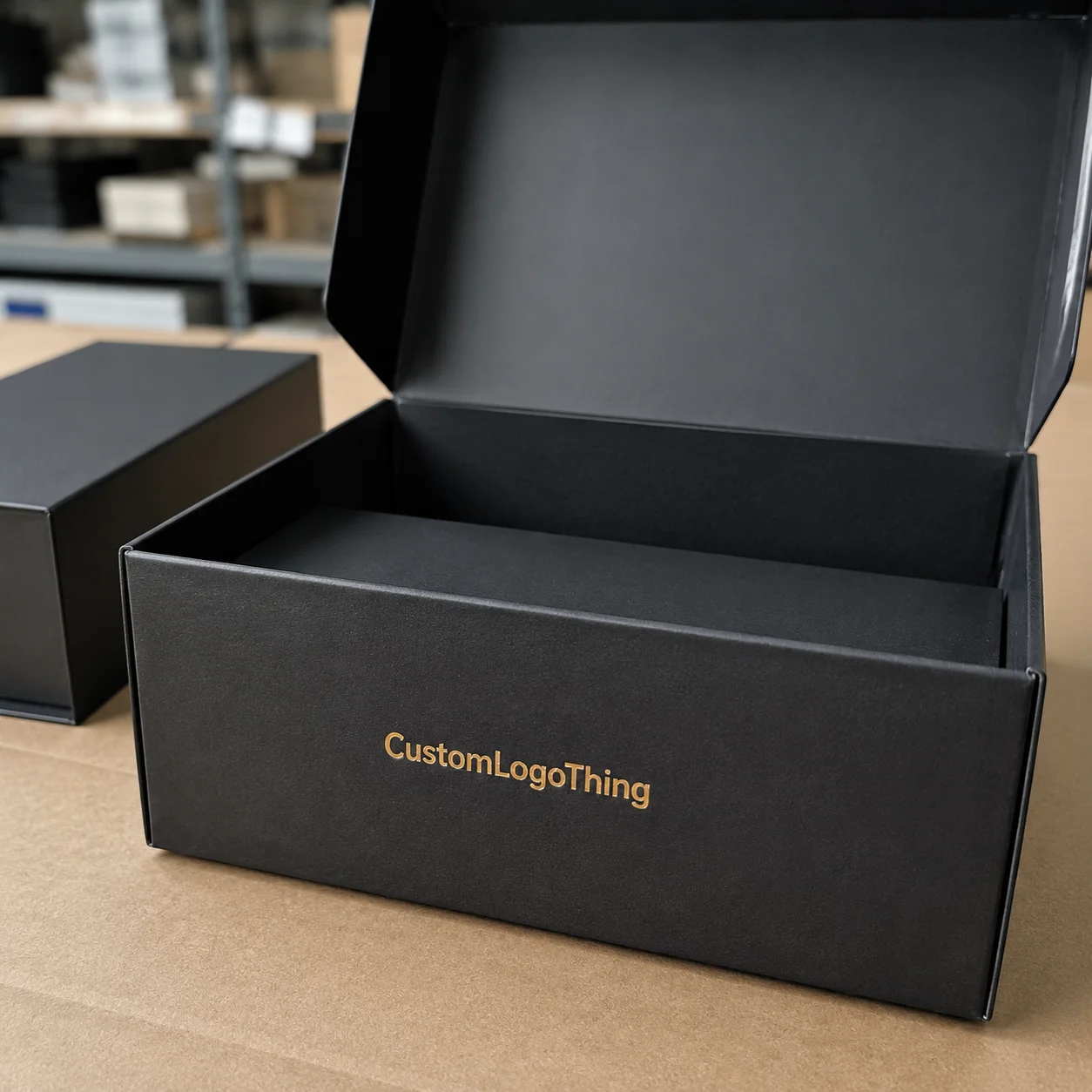
Private Label Buyer Matte Zipper Bags Unit Cost Breakdown
Two suppliers can quote the same matte zipper bag and land in very different places. That is normal. The useful question is not why the numbers differ, but which cost drivers actually affect margin, launch timing, and reorderability.
Matte Zipper Bags look simple until you break them down. Film gauge, seal geometry, zipper type, print coverage, and MOQ all move the price. A quote that looks cheap at the factory can still end up expensive once freight, duties, cartons, and artwork changes are added.
The cleanest sourcing method is to separate base manufacturing cost, setup charges, tooling, and freight. Once those are visible, the buyer can compare quotes on the same basis. If you also need matching packaging pieces, compare the bag quote with Custom Labels & Tags so total brand spend stays visible.
What Drives Private Label Buyer Matte Zipper Bags Unit Cost Breakdown
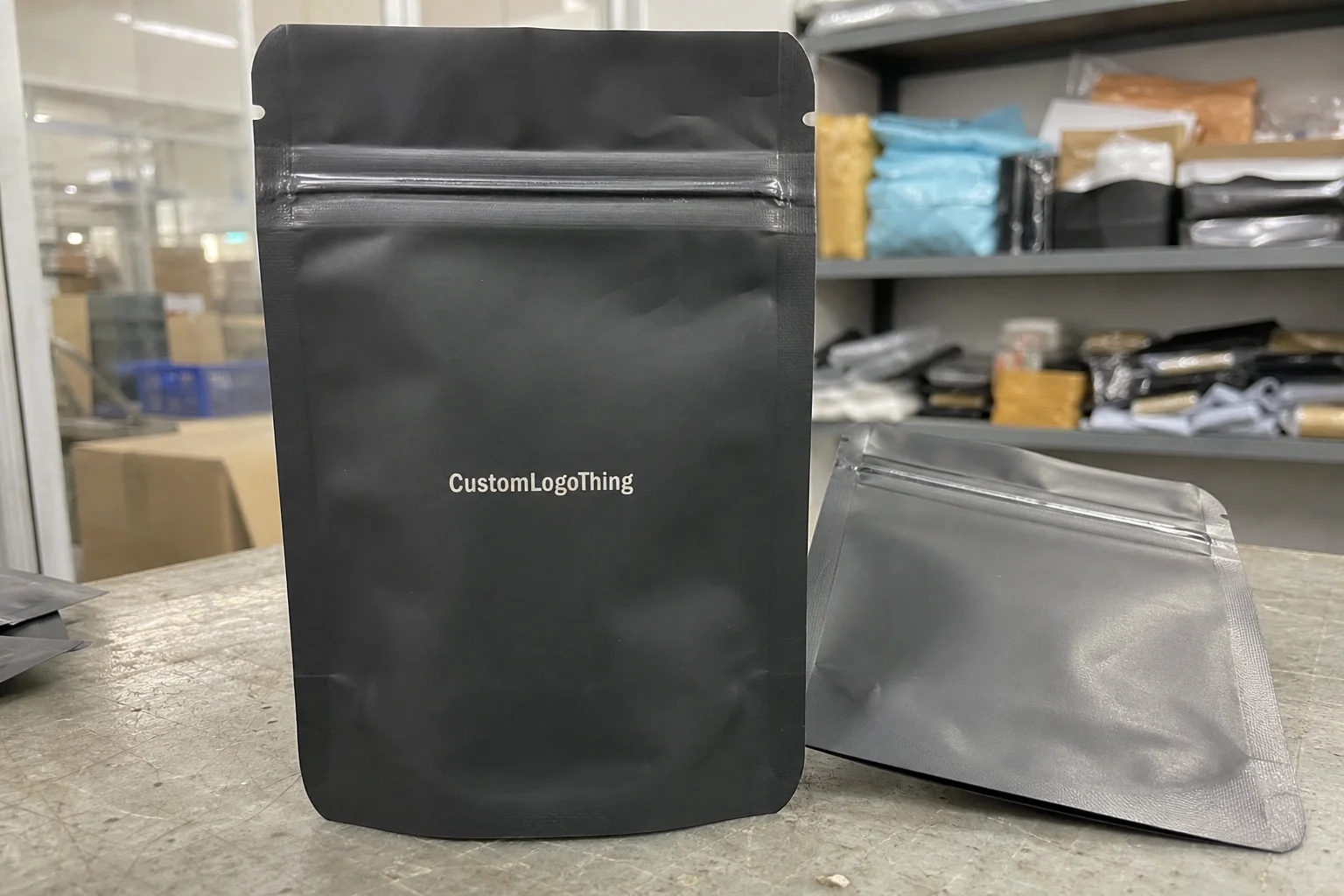
A matte zipper bag is priced as a system. Size changes film usage. Thickness changes resin consumption and line speed. Matte finish method changes the surface treatment and sometimes the print approval process. Zipper style changes labor and defect risk. MOQ decides how much of the fixed cost is absorbed into each unit.
The biggest mistake is treating the factory quote as the full answer. A supplier that is two cents cheaper on unit price may charge separately for cartons, artwork cleanup, or reproofing. If the pack-out is less efficient, freight per unit can rise. If the first run needs rework because the zipper is off-center or the color misses the approved proof, the savings disappear quickly.
Film thickness is a good example. Moving from 80 microns to 90 microns sounds minor, but it adds material cost and can slow sealing if the thicker film is less forgiving. On a small run, that extra time matters because setup and scrap are spread across fewer bags. On a larger run, the same change may be easier to absorb.
Print coverage has a similar effect. A one-color logo on one panel is simpler than full-face coverage on a matte surface, especially when the brand wants a tight color match. Every extra color adds registration work, press checks, and waste during setup. Matte film also shows variation more clearly, so tolerance for visual drift is lower.
The real comparison is not just the quote line by line. It is whether the order includes all the costs the buyer will actually pay and whether the supplier can repeat the approved result at scale.
Matte Finish, Film Structure, and Closure Options
Matte appearance is more than a style choice. It affects hand feel, shelf presentation, and how print sits on the surface. Some bags get the finish from a treated film layer. Others use a film blend or laminate structure. These paths have different cost profiles and different print consistency.
LDPE is common because it seals reliably and keeps cost manageable. LLDPE adds puncture resistance and toughness, which helps when products have edges or will be handled often. A mono-layer structure is usually cheaper, while a multi-layer build can improve stiffness, barrier performance, or premium feel. That matters if the product needs moisture resistance, odor control, or a more retail-ready appearance.
Closure choice changes both cost and risk. Standard press-to-close zippers are common, but buyers may ask for upgraded reseal performance, tear notches, hang holes, or gussets. Each extra feature adds tooling complexity or slows production. A hang hole seems minor on a spec sheet, but it creates another registration point that can introduce defects if the die or print mark drifts.
Print method matters as well. A small logo is easier to control than full coverage artwork, especially on matte surfaces where inconsistency is more visible. More colors mean more setup, more waste, and more inspection. If the supplier is trying to hold a tight color target, the quote should reflect that extra effort.
Retail buyers also need to think about scuff resistance. A softer matte surface can show handling marks sooner than a glossier structure if bags are packed tightly or moved through several distribution points. That is why samples should be handled, stacked, and reopened several times before approval.
For transit and handling expectations, the ISTA standards are useful during packaging development. They help buyers think about presentation and durability together instead of treating appearance as the only requirement.
Specification Checklist for Accurate Sampling and Approval
Poor quotes usually start with poor inputs. If a buyer sends a vague request for "custom Matte Zipper Bags," the supplier has to guess at too many details, and the quote will reflect that uncertainty. A tighter spec sheet avoids most of that noise.
At minimum, send exact dimensions, thickness target, finish description, zipper type, print colors, and carton pack count. If food-contact compliance, odor control, or recycled-content claims matter, state them early. If the bag needs a barcode, hang tag, or product label, note placement before proof approval so the supplier does not treat it as a change order later. If you need matching packaging components, keep the artwork and size references aligned with branded labels and tags.
Tolerances matter. Width, length, gauge, seal placement, and zipper alignment should be stated in writing. A sample that looks good but cannot be repeated in production is not a real approval. Ask the supplier to confirm what tolerances are realistic rather than assuming the drawing can be hit exactly with no variation.
Three checkpoints catch most problems before they become claims:
- Zipper alignment and closing force across the full width.
- Matte texture consistency from one sample to the next.
- Seal strength and edge straightness under handling pressure.
Use one approved reference sample and one written spec sheet. If purchasing, production, and QC all work from the same target, disputes drop. If the sample and the spec disagree, the order drifts. That is how a low quote turns into rework.
It also helps to ask how inspection is done before approval. Some factories only check random cartons. Others test seal strength, print registration, and pack counts at multiple stages. Those are different standards, and they should not be priced the same.
One practical rule: attach the spec sheet to the purchase order and keep the approved sample on file. If a shipment arrives with a different zipper feel or a matte finish that reads more satin than matte, the written record matters more than memory.
Unit Cost, Pricing, MOQ, and Quote Variables
A useful quote separates the right buckets: base bag cost, print or plate charges, tooling, packing, freight, and duties. If those items are bundled, the buyer cannot tell whether the quote is competitive or simply front-loaded in one place and hidden in another.
The table below is a practical comparison frame. Actual numbers vary by region, film structure, and artwork, but the pattern is stable.
| Quote Component | Typical Range | What Moves It | Buyer Impact |
|---|---|---|---|
| Base bag unit price | $0.08-$0.24 per piece | Size, thickness, zipper type, matte method | Sets the core manufacturing cost |
| Print setup / plates | $60-$350 per design | Color count, artwork complexity, print method | Raises small-run cost sharply |
| Sampling | $25-$120 per sample set | Custom film, revisions, expedited proofing | Useful for approval, not always refundable |
| Freight and duties | Varies by route and weight | Incoterms, carton volume, shipment mode | Can change landed cost more than factory price |
| Cartons and packing | $0.01-$0.05 per piece | Carton spec, internal packing, labeling | Often missed in early quotes |
MOQ is where pricing becomes real. At 3,000 pieces, setup charges and inspection time get spread over fewer units, so the unit cost can look high. At 20,000 pieces, the same bag often looks much better because the fixed cost is diluted across volume. That is bulk pricing in practice.
Unit price alone does not tell the story. Two quotes with the same per-bag price can produce very different landed costs if one uses tighter carton packs, better palletization, or a cheaper shipping mode. Ask for the total order value, sample fee, payment terms, and delivery terms together. A low factory price with expensive air freight is still a bad deal.
"A low quote is not a deal until you know the carton count, the freight method, and whether the approved sample can actually be repeated on the line."
If the artwork will be reused across multiple packaging items, ask how print prep changes from one product to another. Shared graphics can reduce art cost, but only if file prep, color management, and registration targets are aligned. If each item needs a separate cleanup pass, the savings shrink fast.
Some suppliers price extra waste into the first order because new tooling usually settles down after production starts. Others quote tightly and expect change requests to be billed later. Neither approach is wrong, but both should be visible before approval.
Production Steps, Lead Time, and Turnaround Risks
Lead time is a chain, not one number. The order usually moves from RFQ to artwork prep, proof approval, sampling, production, inspection, packing, and shipment. If any step stalls, the schedule slips.
Typical drivers are predictable: film availability, print setup, sample approval speed, production queue, and shipping method. A simple unprinted bag can move faster than a multi-color retail pack. A custom matte bag with a new zipper profile takes longer because the factory needs time to stabilize the line and confirm closure performance.
The most common blockers are also predictable. Late artwork is one. So is a spec sheet that changes after sampling. Color revisions can burn a week or more if the team keeps approving small adjustments. Unconfirmed approvals are another delay source because production cannot start until someone signs off.
For private label launches, the buyer should build room for sample testing, packaging integration, and a buffer before marketplace or retail deadlines. A launch plan that ignores transit time is not a plan. It is a wish. Small delays at the start usually become large misses at the end.
Ask for three milestones in writing: proof approval date, production start date, and estimated ship window. Those dates do not guarantee perfection, but they create accountability. They also make it easier to spot a supplier that is overpromising to win the order.
Another risk is post-production packing. A good bag can arrive damaged if cartons are overloaded, inner packs are loose, or pallet wrap is too thin. Buyers often focus on the bag itself and forget the last stage of handling, which is where scuffing, carton crush, and count errors often show up.
How to Compare Suppliers Without Chasing the Lowest Quote
Price matters, but repeatability matters more than most first-time buyers expect. A supplier with unstable output can erase the value of a cheap quote through late delivery, defective seals, or inconsistent matte finish. In private label work, consistency is part of the economics.
Ask how QC is handled. The minimum should include seal testing, dimensional checks, print verification, carton counts, and lot traceability. If the vendor cannot describe those steps clearly, the quote is carrying more risk than the buyer probably wants.
Communication quality matters too. Fast response on artwork, clean documentation, and clear reorder records reduce friction. Those are not soft factors. They shape the real cost of ownership. A factory that answers slowly or changes details casually can cost more than a slightly higher unit price from a better operator.
Use a simple risk screen:
- Pricing is far below market without a clear explanation.
- Specs are vague or copied from a generic template.
- No sample process is offered before mass production.
- Tolerances are not stated in writing.
- Shipment terms or pack counts are not defined.
That pattern usually signals trouble. Sometimes the quote is real. Often it is incomplete. Either way, it is not ready for a purchase order.
Repeat orders are where supplier choice proves itself. Buyers need the same matte finish, the same zipper pull, and the same pack configuration every time. If the supplier cannot reproduce the approved sample, the first order may look fine while the second one drifts.
Also compare the admin load behind each quote. If one supplier needs repeated clarifications, file resubmissions, and manual tracking at every checkpoint, that labor belongs in the cost model. A slightly higher quote with cleaner records is often cheaper over time than a low quote that generates back-and-forth on every order.
Next Steps to Lock in a Reliable Order
Start with a tighter brief. Confirm target dimensions, finish, zipper style, print count, MOQ, and target landed unit cost before you request final quotes. If those inputs are not fixed, the supplier is pricing a moving target.
Then ask for two scenarios: one for a pilot or first launch quantity and one for a scaled reorder. That comparison shows where the pricing curve actually bends. Sometimes the jump from 5,000 to 10,000 pieces is modest. Sometimes it is not.
Ask for the sample schedule, production timeline, and payment terms in the same conversation. Buyers often separate those topics and lose time later. A good supplier can tell you how long sampling takes, how long the line needs after approval, and how shipping will be handled without changing the quote halfway through.
The right way to think about private label buyer matte zipper Bags Unit Cost Breakdown is simple: compare the factory price, setup charges, freight, and rework risk as one package. Then approve one spec sheet, lock the sample, and set the reorder plan before inventory gets too close to the launch minimum.
FAQ
What affects private label matte zipper bag unit cost the most?
Film structure, thickness, and zipper style usually move price the most. Print coverage and color count add setup cost and waste, especially on small MOQs. Freight, duties, and carton configuration can change the landed unit cost more than the factory quote suggests.
How do I get an accurate matte zipper bag quote for private label orders?
Send exact dimensions, thickness target, finish, zipper type, print details, and packing requirements. Include expected annual volume and first-order quantity so the supplier can price setup costs correctly. Ask for a landed-cost quote that separates unit price, tooling, samples, and shipping.
What MOQ should I expect for custom matte zipper bags?
MOQ depends on size, print complexity, and whether the supplier must run a unique film or color. Simple unprinted or lightly printed bags can sometimes start lower than multi-color retail packs. If you need a small pilot run, ask for a tiered quote so you can compare the cost jump at higher volume.
What is the normal lead time for matte zipper bag production?
Lead time depends on artwork approval, sample signoff, film availability, and line scheduling. Simple orders can move faster, but custom print work usually needs extra time for proofing and QC. Build a buffer for shipping and any second-round sample revisions before you commit to launch dates.
How do I compare suppliers beyond the lowest price?
Check QC process, sample accuracy, communication speed, and traceability before choosing a vendor. Compare the full landed cost, not just the factory number, because freight and duties can change the result. Ask how the supplier handles reorders so you know whether pricing and quality will stay consistent.