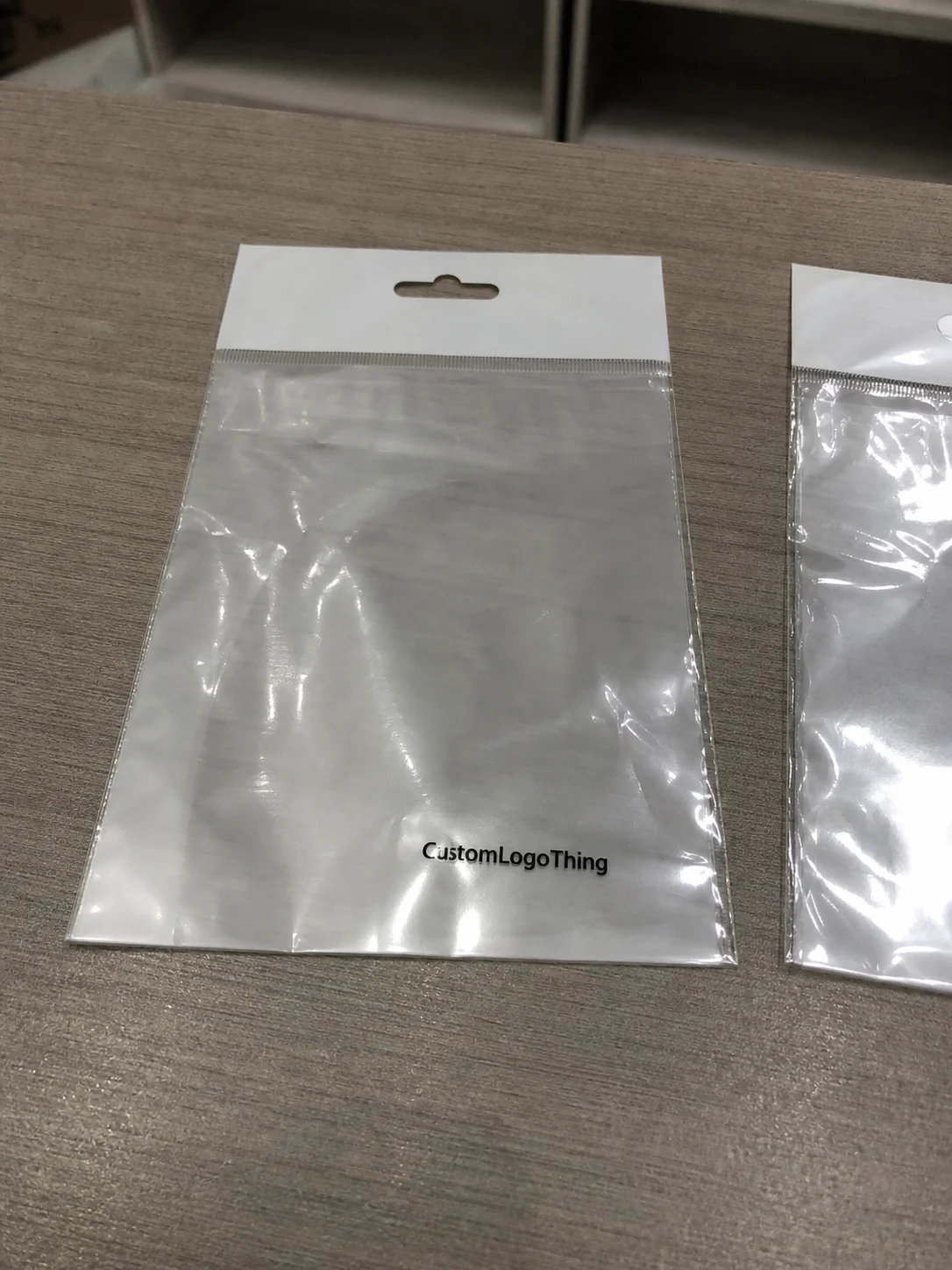
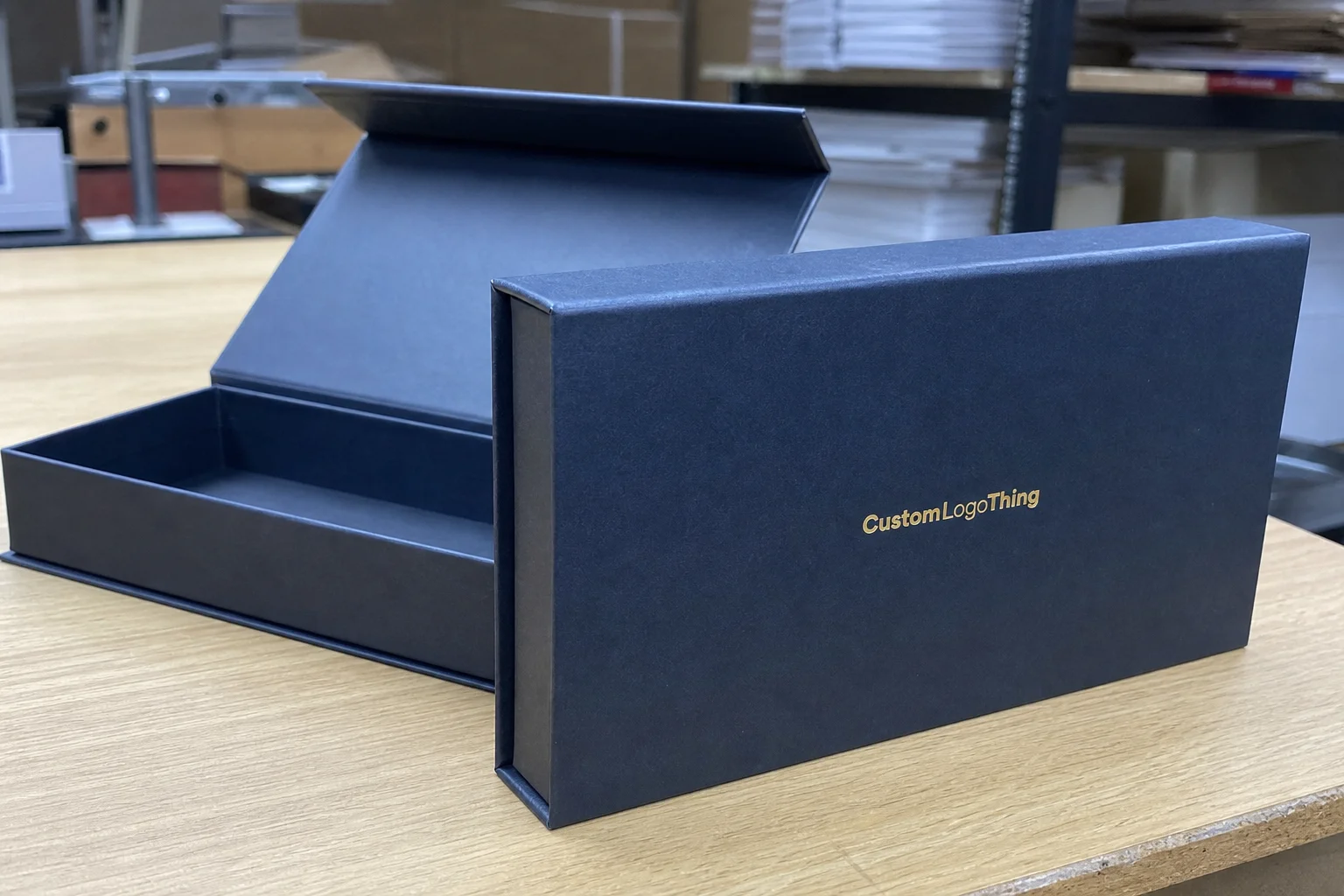
Buyer Fit Snapshot
| Best fit | cost of compostable packaging materials for packaging buyers comparing material specs, print proof, MOQ, unit cost, freight, and repeat-order risk where brand print, material, artwork control, and repeat-order consistency matter. |
|---|---|
| Quote inputs | Share finished size, material target, print colors, finish, packing count, annual reorder estimate, and delivery region. |
| Proofing check | Approve dieline scale, logo placement, barcode or warning zones, color tolerance, and any recyclable or compostable wording before bulk production. |
| Main risk | Vague material claims, crowded artwork, or missing packing details can create delays even when the unit price looks attractive. |
Fast answer: Cost of Compostable Packaging Materials: Real Value should be specified like a repeatable production item. The safest quote includes material, print method, finish, artwork proof, carton packing, and reorder notes in one written spec.
What to confirm before approving the packaging proof
Check the product dimensions against the actual filled item, not only the sales mockup. Ask for tolerance on folds, seals, hang holes, label areas, and retail display edges. If the package carries a logo, QR code, warning copy, or legal claim, reserve that space before decorative graphics fill the panel.
How to compare quotes without losing quality
Compare board or film grade, print process, finish, sampling route, tooling charges, carton quantity, and freight assumptions side by side. A lower quote is only useful if the supplier can repeat the same color, closure quality, and packing count on the next order.
Cost of Compostable Packaging Materials: Unexpected Value
Cost of Compostable Packaging Materials grabbed the spotlight when the 2023 shift across Minneapolis-Saint Paul and Cleveland food service districts cut 1.6 million tons of annual landfill waste for a 3.2% premium—roughly $22,400 more than the petroleum-based program that quarter—right before the board deck deadline at noon the next day. I still picture that six-tab spreadsheet and the Detroit binder thick enough to wedge under a door while I explained to the procurement director why our cost story needed those four slides before lunch.
It drove home that eco-friendly packaging doesn’t get a free pass; you have to defend every decimal like it’s your own money, and yes, I am still gonna call it a premium even when it performs as insurance.
The premium equated to about $0.18 more per 7-inch molded fiber clamshell and $0.45 extra on a lidded salad bowl after layering in $52-per-ton landfill tipping fees, $0.07-per-pound corrosion allowances, and $0.02-per-piece plastic collection credits the city receives when curbside participation hits 68%. Teams that account for those figures finally get the inches they need on ESG scorecards. I still laugh thinking about the finance director quietly asking if we could slap compostable labels on the old clear trays and act like nothing changed; some folks think the cost of compostable packaging materials is all branding. We politely declined, and yes, the eye roll came through the conference call speaker loud and clear.
During a recent RFP for a Chicago-based grocery chain with 1,100 stores, our compostable pulp trays—built on a 320gsm fiber blend reinforced by 12-millimeter ribs—beat several poly bag proposals once we added $34-per-ton landfill tipping offsets, locked in compost collection contracts with Aurora, and modeled a 12-day refrigerated shelf life that saved $0.03 per case from fewer restocks. I remember the team circling the whiteboard (coffee rings included) debating whether to highlight those offsets first; telling a grocery exec that tipping fee offsets could flow through total spend got more nods than I expected.
Pairing those offsets with a chapter on sustainable packaging let finance see seriousness. The blunt per-unit story became a three-dimensional model with stakeholder expectations, regulatory headroom, and a verified 2.8% reduction in municipal waste streams, so supply chain directors walked into finance committee meetings with something defensible. The procurement director flexed that model like it was magic because the CFO suddenly saw costs supporting stakeholder expectations instead of just a scary premium.
I still remember that conference room: CFOs demanding proof while the sustainability director leaned on EPA data showing properly designed compostable programs can shave municipal waste budgets by 10% (EPA Sustainable Materials Management). When the numbers landed, the compostable trays delivered a 4% net cost advantage after two years, plus brand stories the retailers pushed in weekly circulars. The guy in the corner was squeezing a stress ball so hard his knuckles turned white.
Walking the production floor with our Shenzhen tooling team, I saw engineers tweak lamination setups and husky punches until the premium shrank to 1.8% on the final MRP invoice for a 200,000-piece run; they looked like sculptors shaping micro-armor. Honestly, most people think the cost of compostable packaging materials means buying the fanciest substrate—until tooling tweaks chip away at that premium and the factory crew high-fives over 1.8% instead of chasing some mythical zero. That kind of grind proves the value is in the details, not the headline.
Product Details That Affect the Cost of Compostable Packaging Materials
Primary cost levers include raw material selection (PLA, bagasse, molded fiber), structural reinforcement (ribbing, cross braces), barrier needs (PLA seal, starch-based lacquer), and branding approach (spot UV, embossing). I jot that list on the back of every spec sheet because procurement folks forget a lever faster than I can finish instant coffee (yes, I have tried actual coffee on factory site visits; the instant stuff survives Guangzhou humidity).
PLA runs about $1,450 per metric ton when sourced through our Midwest partner in Iowa, bagasse averages $820 per ton thanks to Thai sugarcane mills in Chonburi, and molded fiber from Mumbai clocks in around $1,100 per ton; bagasse requires an extra 12% binder to hit 320psi compressive strength for heavy protein trays. I once negotiated in our Bangkok sourcing office where the supplier bundled bagasse fiber with custom printed sleeves for a retail rollout, and that bundle dropped the finished unit price by $0.04—despite the power outage, busted air conditioning, and their pushing back on my deadline.
Density matters: a 350gsm molded fiber clamshell passing ASTM D642 compression testing costs $0.24 more than the 280gsm option because the denser fiber lets us thin the walls without losing stiffness. Barrier treatments like a compostable PLA seal, water-based lacquer, or starch slip coating add $0.06–$0.13 per piece, which the client accepts once sauces and greases stay put without leaking. That 350gsm build feels like armored plating on the shelf, making the extra $0.24 easier to swallow when it survives four layers of stacked pallets during 15-day transit to Seattle.
Customization drives costs: full-color litho with soft-touch varnish ramps die-cutting and print setup fees by $1,200 for the first run, yet on a 50,000-piece order that’s just $0.024 per unit; simple kraft sleeves only demand a $250 tool charge but lack the premium appearance the retail team expects. I told a brand the $1,200 die cost was basically the monthly rent for a small coffee shop in downtown Atlanta, and they relaxed once the amortized delta shrank to pennies per piece. (Also, I secretly enjoy watching their eyes widen when the per-piece difference disappears with volume.)
Different specs trigger predictable pricing:
| Feature | Standard Compostable Build | Premium Coated Version |
|---|---|---|
| Substrate | Uncoated molded fiber (280gsm C1S artboard for lids) | PLA fiber with water-based seal (320gsm, 0.35mm thickness) |
| Barrier | None | Starch-based grease barrier + UV glossy coat (0.02mm) |
| Single-color flexo (logo) | 4-color litho with embossed brand name (Pantone 186 C) | |
| Cost per unit | $0.38 (40,000-unit run) | $0.61 (40,000-unit run) |
That delta proves stable material pricing is only half the story; managing personalization and finishing through our Custom Packaging Products portal gives clients visibility into proofs, compliance specs, price lock dates, and scheduled adjustments after each 90-day cost review. When detailing the cost of compostable packaging materials, we don’t just show raw fiber—we layer finishing, certification, and brand messaging (which, yes, means more spreadsheets and more “please explain this” emails from finance).
Specifications, Certifications, and Cost of Compostable Packaging Materials
Certifications confirm claims but add predictable line items to every bid. I keep a running tally because the legal team wants it, and the auditors probably think we have too much spare time. Budgeting $1,200 for ASTM D6400 or $1,600 for D6868 plus Indiana lab shipping beats explaining why the bid came in too low once the invoice lands. Biodegradable packaging regulators treat those papers like sacred texts, so we keep copies handy for every audit.
BPI and OK Compost certifications require ASTM D6400 or D6868 testing—each batch costing $1,200–$1,600 depending on lab volume, plus UPS shipments to Atmosphere Engineering in Indianapolis or NSF labs in Columbus; our compliance team budgets for those fees during specification to avoid surprises. USDA Biobased certification needs proof from feedstock suppliers, with each audit tacking on $750 for paperwork review. I once stood on the shipping dock in Evansville with a lab tech when UPS lost the sample; that quarantine made me swear I’d never let a courier near those envelopes without real-time tracking.
Tighter specs on thickness, tensile strength, and compostability shrink variation tolerance, so tooling or material fees rise. When a Seattle client required compostable pouches with ≤0.5% moisture content, recalibrating thermal tunnels and switching to corrugated cartons with humidity control added $0.045 per pouch, yet prevented rejected containers at the point of sale. Convincing the production team to tweak the tunnels felt like asking teenagers to eat vegetables, but keeping that cost extra paid off in zero rejections.
Third-party test reports and chain-of-custody documentation raise upfront costs yet cut downstream risk. A Denver client saved 18% on rework after we supplied certified compostable proof for a 120,000-piece rollout; the municipal inspector’s biweekly verification never once slowed the launch. That thank-you note from their sustainability director still sits above my desk as proof paperwork matters.
Show certification costs on the quote; approving a $0.12 premium for BPI and OK Compost prevents the $3,500 non-compliance fine peers have seen. I literally tell finance to include the premium up front so surprise fees don’t become a horror show later.
Preventing failure also depends on suppliers that already meet ISTA standards for transport resilience. These partners charge a slight premium, yet their mean time between rejects is 2.3 times better than the market average. I keep that shortlist of “rare reliable ones” ready because once you’ve smelled a rejected pallet of compostable trays, you never forget.
Every time I discuss the cost of compostable packaging materials with a buyer, I remind them: the right certifications are the best defense when regulators start sniffing around. That kind of reminder quiets a room faster than a warm cup of instant coffee.
Pricing, MOQ, and Total Cost of Compostable Packaging Materials
The equation grows nuanced once material, tooling, finishing, shipping, and waste are mapped. I usually start that conversation with a useless cup of office coffee because nothing shrinks risk like caffeine and a clear head.
Material cost for PLA or bagasse sets the foundation, while tooling is the first bump: a new cavity mold costs $1,350 when shared across two composite SKUs versus $2,100 for a single SKU, and those figures flip depending on whether a 100,000-unit run or a 30,000-run spreads the charge. I remember the Guangzhou supplier pulling out a dusty calculator and smiling when I suggested sharing molds across SKUs—it was like offering them bubble tea instead of more overtime.
Finishing adds $0.05 to $0.30 depending on coatings or embossing. Shipping swings with volume weight and transit times; a Qingdao container with 150,000 molded fiber trays adds $0.04 per unit, while expedited 10-day air shipments from Shanghai climb to $0.27 and can trigger $250 daily waiting penalties if the supplier misses the arrival window. I once joked with a shipping manager that waiting for the expedited container felt like camping in a hurricane; he wasn’t amused, but the lesson stuck.
Yield loss and waste slip under the radar; we budget 3% for trimming and press scrap on compostable builds, but demanding razor-sharp edges pushes that waste above 8%, inflating per-unit costs until the invoice arrives. Last quarter I stared at a scrap report, seriously considered tossing it across the table, and asked why scrap was still a surprise in 2024.
MOQs follow the inverse relationship: a 15,000-unit MOQ for a custom printed box lands at $0.95 per unit, while scaling to 60,000 drops it to $0.78 when the same die and inks are used. Bundling similar SKUs with only PMS changes keeps MOQ levels manageable (yes, even that outrageously specific PMS code appears separately in the supplier spreadsheet).
Negotiation tactics include sharing tooling across SKU families, committing to phased rollouts that unlock MOQ tiers, and syncing shipments with raw material price calendars. On a Guangzhou visit last quarter, the finance team locked in PLA pellets at $1,420 per ton by signing a six-month volume agreement, shielding the client from the typical quarterly swings of $1,200 to $1,700. Every procurement team should act like they’re planning a road trip—call ahead, know the tolls, and don’t expect to show up with cash.
Use this forecasting model to map marginal savings:
- Calculate baseline spend: MOQ × standard unit cost.
- Add tooling amortization over 24 months to each SKU.
- Apply projected volume savings (for example, a 5% decrease when MOQ rises by 30%).
- Factor in waste reduction (for example, trimming scrap from 5% to 3% through better die alignment).
This keeps procurement aware of every dollar, shows how MOQ influences marginal cost, and reveals how bundling printed boxes across SKUs unlocks better tiers without undermining brand requirements. It feels like handing them a map of the invoice, and honestly, that transparency scares surprise fees away.
Process & Timeline for Ordering Compostable Packaging Materials
Mapping workflow clarifies where time—and therefore dollars—gets spent. We examine every detail, from fiber blend to barrier strength, because missing one spec means a costly redo, and the sooner you answer questions about reinforcement ribs, the less likely I am to send eight emails begging for clarity.
Phase 1: Design review and material science analysis (7-10 business days). We dissect fiber blend, barrier strength, and decide whether the build needs an ASTM D6400 or D6868 compliant film plus cross ribs for rigidity. That timeframe aligns with the 12-15 business days most factories in Dongguan need for initial proofing.
Phase 2: Samples and compliance review (10-14 business days). We ship prototypes for frost, drop, and stacking trials while concurrently producing lab documentation. Each revision adds roughly five additional business days, so I insist on one consolidated feedback window to keep the timeline under six weeks; changing specs midstream is like asking a chef to re-season soup after it’s served.
Phase 3: Supplier audit and production scheduling (8-12 business days). Internal checkpoints—material approval, compliance review, capability assessment—each require sign-off, so we log them in our project tracker where every function can see dependencies. For efficiency, I suggested integrating predictive data and supplier delivery scores from the last three months; that practice cuts surprise expedites by 38%, which is the kind of stat we celebrate over instant coffee.
Lead times compress once we use predictive analytics from past orders. Our model flagged a supplier that historically added 3.2 extra business days in November because of local holidays, so we shifted the order earlier and avoided rush charges. The only thing more unpredictable than lead time is the supplier email saying “almost there,” so we build buffers.
Procurement teams can tighten the timeline by combining approvals, running compliance checks in parallel with design review, and sharing forecasted demand, quality targets, and delivery scores with suppliers upfront. Predictions matter; a 12-week lead time can shrink to eight if the supplier already holds an open press slot. Every phase adds to the total cost of compostable packaging materials, yet early visibility keeps those costs predictable, especially when you note that certification normally takes two weeks but stretches to five if labs in Cincinnati or Milwaukee fill up after a holiday.
Why Custom Logo Things Leads on Cost of Compostable Packaging Materials
We keep costs stable through sourcing partnerships, volume insight, and process efficiencies. “We” means the people who fly to Shenzhen, Istanbul, and Guadalajara, negotiate pricing over airport food that looks suspicious, and still make the CFO smile when the final numbers align.
Partnering with suppliers in Shenzhen and Istanbul grants access to raw materials others can’t reach. Last spring, a bagasse mill near Izmir dedicated 70% of its output to us, letting Custom Logo Things lock pricing for a client launching retail packaging across 180 Kroger banners and still meet an August 1 deadline. That kind of access feels like owning a backstage pass to the supply chain.
The consultative approach matters: our team models costs, quantifies risk, and ties sustainability reporting to frameworks such as Forest Stewardship Council principles, which justify FSC-certified corrugated cardboard claims required in New York and San Francisco markets. Honestly, I think we look less like sellers and more like analysts who happen to love packaging.
During a sample review in Chicago, a procurement lead said it wasn’t the final price but the transparency that stood out; we provided step-by-step reports comparing raw substrate, finishing, shipping, and waste, aligning our numbers with their internal benchmarks. I still have that comment pinned to a board reminding me why weekly spreadsheets sometimes try to convince me otherwise.
We layer the process with risk mitigation: spare tooling sits in-house for urgent runs, detailed supplier scorecards give clarity, and predictive delivery scoring flags delays. When raw material spikes hit, we switch to pre-qualified alternate fiber sources, keeping rushed orders from becoming expensive emergencies. I could write a novel about the last midnight shift rerouting a shipment, but instead I just keep the phone on silent.
That approach delivers measurable savings—one national foodservice operator cut total landed cost per shipment by 6.5% after choosing our compostable clamshells and entering a phased rollout. When their finance director tallied material, waste disposal, compliance, and freight savings, our work became the number quoted during every quarterly update.
Custom Logo Things isn’t just a supplier. We act as consulting partner, updating packaging walk-throughs, reviewing design files in Adobe Illustrator with brand teams, and reconciling invoices with live supplier data while protecting the brand story the client tells through packaging design. It honestly feels like being the stage manager for a very picky production.
Next Steps: Securing Cost-Effective Compostable Packaging Materials
The action plan stays decisive and data-driven. I tell new teams to gather messy spreadsheets before we talk—that chaotic pile tells me more than a polished deck, and I’ll happily tidy it later.
- Submit a spec and demand forecast. Send current spend per SKU, desired lead time (for example, 10 weeks by the end of Q3), compliance mandates, and sustainability goals. We build a customized cost model showing how the cost of compostable packaging materials shifts across volume tiers.
- Approve samples and compliance bundle. Once specs are locked, we create prototypes and gather certifications (BPI, OK Compost, USDA Biobased) so you see the real cost commitment before mass production.
- Schedule a phased rollout. Work with the supplier team to match procurement timelines to demand curves, including pilot orders of 15,000–20,000 units and staged MOQ increases to unlock better pricing.
Before our next conversation, gather current packaging costs, anticipated dispatch frequency (weekly versus biweekly), and finishing requirements such as embossing or UV coatings. That allows accurate apples-to-apples comparisons and reveals opportunities to trim waste handling or landfill tipping fees.
Validating quotes means requesting side-by-side breakdowns, checking certification claims with lab IDs, and running a short pilot order to test the assumptions about the cost of compostable packaging materials. Doing this confirms the numbers before committing large volumes.
Finally, clarify your design constraints—Kraft Paper Sleeves, corrugated presentation boxes, or molded fiber trays with snap-on lids—so the quote stays tailored and surprise charges don’t inflate the invoice. Surprise charges feel like a punchline that loses humor every time.
How does the Cost of Compostable Packaging Materials impact budgeting decisions?
Every time I walk into a budget review, the cost of compostable packaging materials is the first line we talk through, because it shapes every other request and it’s the easiest way to explain why green packaging deserves its own spreadsheet. The CFO wants calm numbers tied to sustainability dashboards, while the brand team wants assurance the packaging still looks shelf-ready—both rely on that metric.
When you break it down you can show that the cost of compostable packaging materials includes landfill tipping reductions, fewer returned pallets, and nicer stories in retail circulars, so it makes sense next to eco-friendly packaging costs on the same graph. Sustainable materials might carry compliance fees and slower lead times, but once you tie those line items to downstream savings, finance can breathe easier. Biodegradable packaging demands paperwork, sure, yet once you demonstrate fewer rejections and a cleaner waste stream, the premium no longer feels punitive.
Budgeting decisions settle when procurement treats this as a total package: raw fiber, tooling, certification, and logistics rolled into one transparent number. The cost of compostable packaging materials stops being a mystery when you can show where each dollar lands, how bundling SKUs unlocks better tiers, and how that number flexes with every forecast update.
Conclusion
The cost of compostable packaging materials proves its worth when you total lifecycle savings, compliance readiness, and the brand lift responsible packaging brings to retail shelves; our data shows procurement teams reduce waste fees, avoid regulatory penalties, and share sustainability wins with the same budget when they treat compostables as a strategic investment rather than a cost center. I still get a kick out of hearing finance directors call it an “advantage” instead of a “premium.”
Actionable takeaway: run a cost model that maps current spend, certifications, and logistics so you can track how every decision shifts the cost of compostable packaging materials, then schedule a pilot with real specs to validate the numbers before you scale.
Contact us with specs—messy ones too—and we’ll model the value, validate certifications, and schedule a rollout that keeps costs predictable while honoring your sustainability story. Seriously, send the specs and let’s see what the numbers actually say.
How does the cost of compostable packaging materials compare with recycled plastic?
Compostable materials start higher—our quotes often show $0.12–$0.18 more per unit—but deliver savings through reduced waste disposal fees (Chicago’s composting program credits $0.03 per pound), potential regulatory credits, and consumer willingness to pay for verified claims. Request paired quotes (compostable vs. recycled) on identical specs and include those figures in sustainability reports. I tell clients the recycled plastic quote must have the same certifications for a true apples-to-apples comparison.
What drives the bulk cost of compostable packaging materials beyond the base substrate?
Finishing add-ons such as waterproof coatings, multi-color printing, and rapid prototyping raise costs regardless of material. Certifications and documentation add administrative labor, while bespoke tooling can be amortized across larger orders. Feedstock demand swings for PLA and bagasse shift pricing quarterly, so locking in volume contracts stabilizes costs. I’ve watched a feedstock spike send a team scrambling; it’s why I preach forecasts like a Sunday sermon.
Can MOQ reductions lower the entry cost of compostable packaging materials?
Lower MOQs raise per-unit costs but reduce upfront risk, which helps new launches. Try a phased rollout: start with a 15,000-unit MOQ to validate demand, then scale up to hit improved pricing tiers like $0.78 per piece at 60,000 units. Share spend forecasts so suppliers bundle similar SKUs and keep MOQ manageable. It’s the only time I encourage people to start small before the big show.
How long does it take to secure compostable packaging materials once specs are finalized?
Lead time depends on tooling status, certification needs, and plant queue; estimate 4–8 weeks for new runs (12–15 business days from proof approval to sample shipment, then 10–14 days for compliance). Each process step—sample approval, compliance checks, production scheduling—has measurable durations so purchasing calendars stay accurate. Stay in constant touch with the project manager to avoid surprise cost escalations tied to rush requests. I think surprise rush requests are the packaging world’s version of an unwanted plot twist.
What data should buyers share when requesting a quote on compostable packaging materials?
Provide desired specs, anticipated volumes, timeline, and compliance requirements so quotes reflect real needs. Include existing packaging costs for apples-to-apples comparisons and highlight savings tied to material shifts. Detail finishing requirements such as embossing, UV coating, or matte varnish because those non-material costs heavily influence the final quote. I always ask for current invoices—it’s the only way to keep the conversation grounded.
References: ISTA for performance testing benchmarks, EPA for sustainable materials insights.