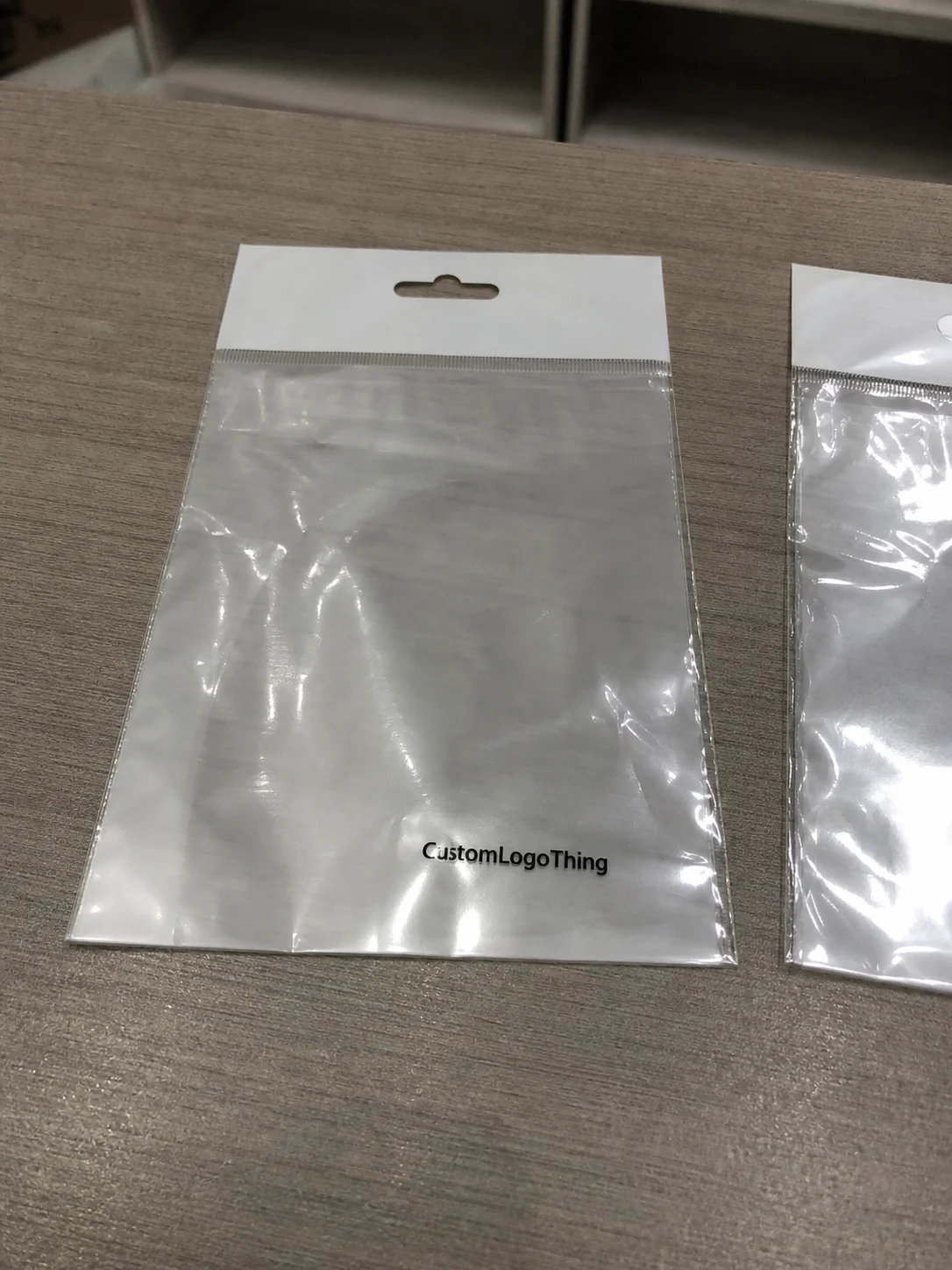
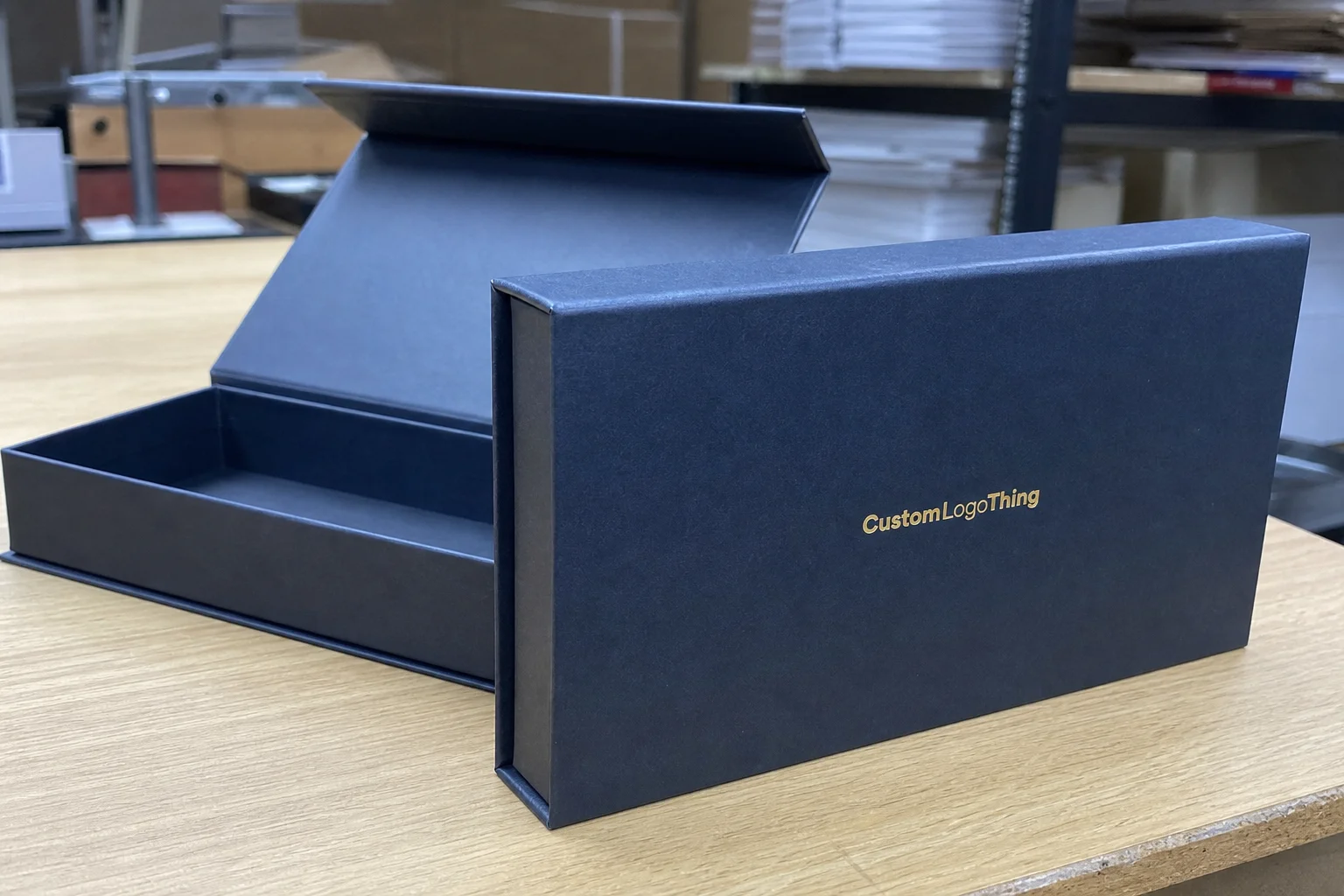
For trade show teams, Waterproof Apparel Mailers unit cost for trade show teams is not just a packaging line item. It is a risk calculation. If 300 branded shirts show up damp, wrinkled, or mixed with the wrong sizes, the lowest-cost carton quickly stops looking economical. A modest premium for a waterproof mailer can protect apparel worth $20 to $60 per piece, keep kitting organized, and reduce the kind of last-minute repacking that eats into load-in hours.
The meaningful comparison is not mailer versus no mailer. It is mailer cost versus event damage cost. In parcel transit, apparel faces moisture from wet docks, scuffing from stacking, seam stress, and the occasional crushed corner. Waterproof mailers are designed to absorb those conditions better than a basic bag or thin carton liner. They are not indestructible, but they add a protective layer that matters when timing is tight and replacement inventory is limited.
That protection also affects the people handling the shipment. Uniform, well-sealed mailers are easier to count, easier to sort, and easier to hand out on a busy prep floor. The package is not there to impress anyone. It is there to keep the apparel moving in a predictable way.
“The cheapest package is not the cheapest program if it creates repacking, damage claims, or emergency reorders.”
Why trade show apparel ships better in waterproof mailers
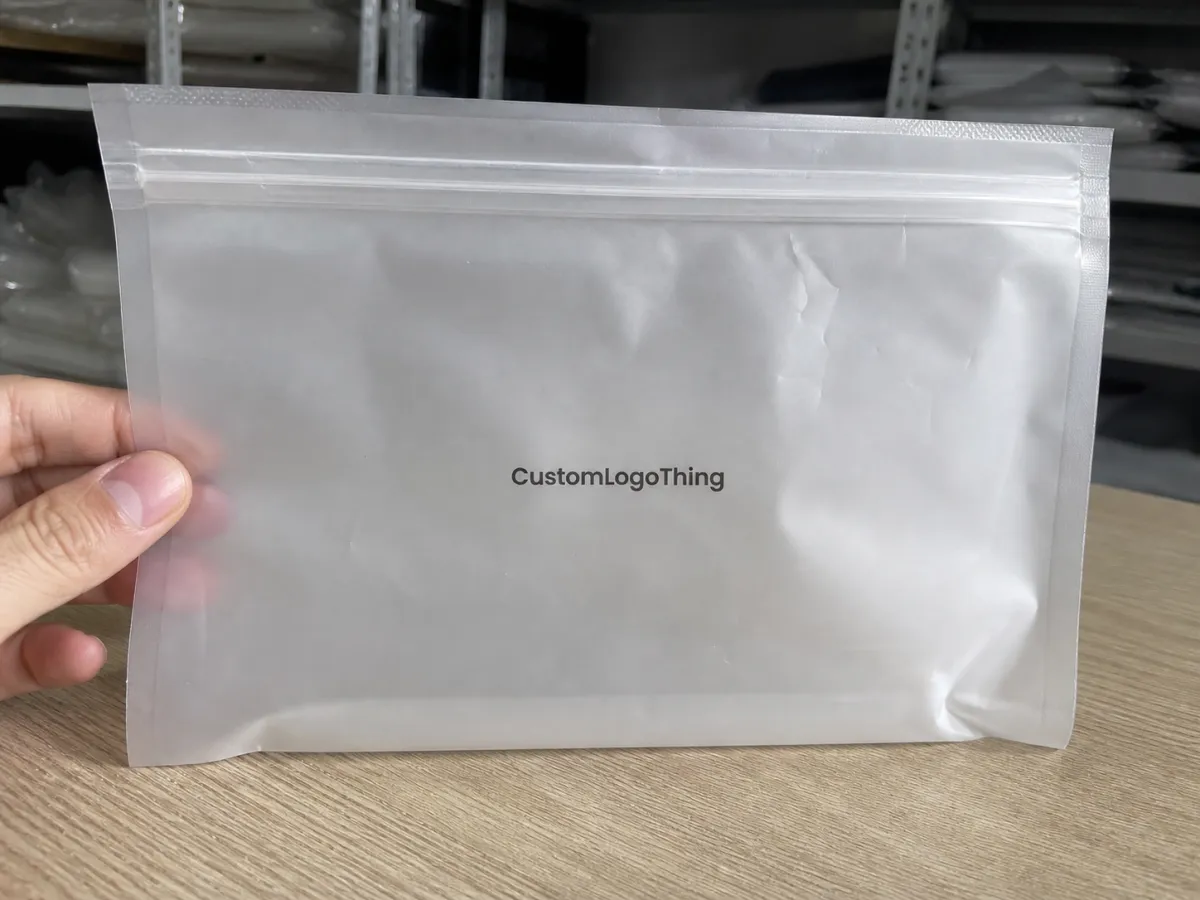
Trade show apparel usually travels in a compressed schedule. Shirts, hoodies, polos, and staff uniforms are packed days before the show, then unloaded into a warehouse, a staging area, or directly at the venue. That path exposes them to more handling than a standard retail order. Cartons can absorb moisture, flex under pressure, and split at the seams if the load shifts. Waterproof Apparel Mailers add a barrier that helps keep textile goods dry and cleaner through normal carrier abuse.
Buyers often focus on unit price because that number is easy to compare. The hidden cost sits elsewhere. If a carton gets wet, someone has to inspect the contents, separate damaged pieces, and reorganize the kit. If the packaging fails during transit, the team may need emergency replacements, and those rush purchases usually cost more than planned stock. A $0.20 improvement in packaging can be cheaper than replacing even one shirt in a small run.
There is also a practical presentation benefit. Uniform mailers make case packs easier to read. That matters when a team is building booth inventory, sorting sizes, or distributing staff apparel across several events. Clean packaging does not just protect the garments; it shortens the time between receiving boxes and putting the contents to use.
For recurring event programs, the value compounds. Once a team has had to repack damp apparel at 7 a.m. before a show floor opens, the difference between a basic poly bag and a proper waterproof mailer becomes obvious. Not dramatic, just expensive versus manageable.
Material choices and build details that affect performance
Most Waterproof Apparel Mailers use polyethylene film, often in a co-extruded structure. That means the material layers are engineered for different jobs: one layer for print and surface appearance, another for toughness and moisture resistance. For apparel, the common options are usually sufficient unless the shipment is unusually heavy or exposed to extended wet conditions.
Film gauge matters, but thicker is not automatically better. A 2.5 to 4 mil construction is common for apparel mailers, with heavier options available for hoodies or multi-item kits. A heavier film can improve puncture resistance and sealing confidence, but it also raises material cost. If the contents are a single folded tee, extra thickness may add cost without solving a real problem. If the pack includes a hoodie, sweatshirt, or several garments, the stronger film can be worth the premium.
Seams deserve close attention. A mailer can look fine in a sample photo and still split if the side weld is weak or uneven. For buyers, the useful question is not whether the material sounds premium. It is whether the seal holds when the package is stacked, squeezed, and flexed during transit. In practical use, a reliable seal often matters more than a glossy finish.
Closure style changes both handling and price. Peel-and-seal adhesive is the most common choice because it is fast, tamper-evident, and simple for fulfillment staff to use. Resealable closures cost more and are worth considering only when return shipments or post-event redistribution are part of the plan. Some teams also ask for tamper-evident strips when the apparel has a higher replacement value or includes VIP kits.
Print method and surface finish affect appearance as well as budget. Opaque white or silver film gives a cleaner branded look and hides the contents. Clear sections can help warehouse staff identify what is inside, although they are less useful when the event needs a polished, uniform presentation. Glossy finishes show scuffs more easily than matte surfaces. Full-coverage artwork raises press time and can add setup complexity. Even a simple two-color logo can change the production cost if the supplier has to change plates or run additional color passes.
The logistics side is easy to overlook. Mailers should stack flat, fit inside outer cartons without excess void space, and resist snagging during booth setup. A package that tears on a display edge or opens while being handed out creates more work than the packaging saved. That is why the construction details are operational, not cosmetic.
Waterproof apparel mailers specifications buyers should verify
Procurement teams get better results when they ask for real specs rather than a sales summary. The most useful details are film thickness, seal strength, usable interior dimensions, tear resistance, and the level of water protection the mailer is intended to provide. If the supplier cannot provide those quickly, the quote may be too vague to trust.
Interior dimensions matter more than many buyers expect. A mailer that fits a folded medium T-shirt may be too tight for a fleece hoodie or a multi-garment set. An undersized bag can stress the adhesive flap and make sealing awkward. Oversizing is not harmless either. Extra empty space allows the contents to shift, uses more material, and may increase freight weight in large orders. The right fit is snug, flat, and easy to seal without forcing the garment stack.
Film thickness is usually listed in mils or microns. Buyers should compare that number with the actual apparel weight, not with a vague assumption that heavier is safer. For a simple staff tee, a standard gauge may be enough. For mixed-size kit packs or heavier uniforms, the higher gauge may reduce punctures and crushing during transit. The point is not to chase the thickest material available. The point is to match the structure to the shipment.
Surface finish and print coverage should be reviewed together. A matte surface tends to hide handling marks better than high gloss. Opaque film is useful when the event wants a neat, consistent appearance. Clear windows can speed identification but may weaken the visual impact of the branding. If the mailer needs a logo, a size label, and a barcode or kit identifier, ask for a layout proof early. The more elements on the bag, the more important the artboard dimensions become.
Sample packs help catch errors before production. A flat spec sheet cannot tell you whether the adhesive line is convenient to close or whether the bag feels flimsy at the corners. Buyers should request a physical sample whenever possible, especially on first orders or new sizes. If the supplier references ASTM or ISTA methods, that is a good sign. Transit performance should be verified, not inferred.
For buyers comparing packaging programs, the ISTA and EPA sites are useful reference points for transport testing and material stewardship. They will not choose a mailer for you, but they help frame the kind of performance a trade show shipment actually needs.
| Mailer type | Typical use | Relative unit cost | Performance notes |
|---|---|---|---|
| Stock poly mailer | Basic apparel shipping | Lowest | Fast to source, limited branding, lighter protection |
| Custom waterproof apparel mailer | Trade show kits, branded apparel, uniforms | Moderate | Better moisture resistance, logo printing, sized to kit |
| Heavy-gauge co-ex mailer | Hoodies, multi-item sets, higher-value garments | Higher | More puncture resistance, stronger seals, less risk in transit |
| Resealable event mailer | Return shipments or reusable kit flows | Highest | Useful when reverse logistics matter, but not always needed |
Waterproof apparel mailers unit cost, pricing tiers, and MOQ
The phrase Waterproof Apparel Mailers unit cost for trade show teams sounds simple, but the answer changes quickly once size, artwork, and quantity enter the discussion. Quantity usually has the biggest impact. The second-biggest factor is whether the order is stock or custom printed. After that come film thickness, print coverage, and any special closure or finish. Those variables do not move independently; they shape one another.
As a planning range, stock waterproof apparel mailers often land around $0.14 to $0.28 per piece in moderate volumes. Custom-printed versions more commonly fall around $0.20 to $0.55 per piece, depending on size, material gauge, and the number of print colors or artwork changes. Small runs cost more per unit because setup expenses are spread across fewer bags. Once the order reaches several thousand pieces, pricing usually improves more predictably.
Moqs vary by supplier and by specification. Some vendors separate stock inventory minimums from custom print minimums. Others set MOQs by size or by print method. If the trade show program requires multiple mailer sizes for different garment categories, ask whether quantities can be mixed across the same artwork file or whether each size must clear its own minimum. That detail can alter the true order cost more than the quoted base price suggests.
Below is a practical way to think about pricing tiers.
| Order level | Typical unit cost range | What influences it most | Buyer takeaway |
|---|---|---|---|
| Low volume | $0.30-$0.70 | Setup charges, limited run efficiency | Useful for pilots, not ideal for recurring event programs |
| Mid volume | $0.20-$0.40 | Print coverage, material gauge, size | Often the best balance of cost and control |
| High volume | $0.14-$0.28 | Bulk pricing, standardized artwork, freight planning | Best for recurring roadshows and annual show calendars |
Quote comparison should go beyond the headline unit number. A low quote may exclude plate charges, tooling fees, proofing costs, or extra setup work for multi-color printing. Freight matters too, especially when the mailer is larger or the order volume is high. The most useful quote is the one that shows the real landed cost instead of only the printed price on the first line.
There is a second layer to this calculation: operational savings. If a sturdier mailer reduces repacking time, cuts damage claims, or prevents last-minute replacement orders, the economics improve even if the packaging itself is slightly more expensive. That is especially true for event teams handling multiple shipments under deadline pressure.
For buyers evaluating other formats as well, it can help to compare related options such as Custom Poly Mailers and the broader Custom Packaging Products range before finalizing a specification.
Process and timeline: from artwork approval to shipment
Most custom apparel mailer orders move through the same sequence: brief, size confirmation, artwork proofing, material selection, sampling, approval, production, and shipment. The sequence is predictable. The delays usually come from unclear inputs. If the folded garment dimensions are not confirmed early, the supplier may recommend the wrong size. If the artwork is still changing, proof approval stalls. If color matching matters, the timeline expands.
Simple stock or lightly branded orders usually move faster than full custom print jobs. A typical schedule might be 12 to 15 business days from proof approval for straightforward work, but that window can stretch if the order includes a heavier film, a resealable strip, multiple artwork revisions, or a large quantity. A supplier cannot print a final file that has not been approved, and it cannot complete production until the materials and layout are finalized.
Trade show timelines are unforgiving, so planning backward from the load-in date is safer than planning from the date the inquiry was sent. Freight delays, internal sign-off, and proof changes can absorb several days without warning. Buyers who leave a buffer avoid the expensive fallback of overnight freight or a last-minute substitution that does not match the rest of the program.
Quantity confirmation should happen before production starts. Changing the order after film has been ordered or plates have been made can trigger extra charges and a later ship date. That is avoidable if the team has already confirmed the apparel count, the size mix, and the event deadline. The cleaner the approval step, the less likely the order is to drift.
From a quality-control angle, the mailer should be evaluated against typical transit stress, not just a tabletop sample. Compression, seam durability, and closure integrity matter more than the appearance of a prototype. Suppliers who understand ISTA-style testing usually think about those failure points earlier, which reduces surprises after shipment.
Why custom packaging support matters for recurring event programs
Recurring trade show programs rarely fail because of one major mistake. They fail through small inconsistencies: a different bag size, a changed print file, a late reorder, a missing size code, a seal that is slightly harder to close than the last one. Custom packaging support helps prevent that drift. Once the specs are set, the artwork is stored, the dimensions are confirmed, and reorders move faster.
That consistency is more valuable than many teams realize. If every regional show uses a different mailer format, kitting becomes harder and error rates climb. If the packaging partner keeps the same specification on file, the team can repeat the order with fewer revisions. The result is less back-and-forth, which matters when the calendar is crowded.
There is also a substitution risk that only shows up when timing is tight. A different adhesive, a different seal width, or a different film gauge may look close enough on paper. In practice, those changes can alter how the package behaves on the warehouse floor. A supplier that communicates lead times clearly and flags stock constraints early gives buyers a better chance to keep the program stable.
Brand presentation benefits as well. Apparel arriving in matching waterproof mailers looks organized before it is opened. That detail is subtle, but it affects how the event feels to the team unpacking it. The package does not need to be flashy. It needs to be consistent, clean, and easy to handle.
If sustainability requirements are part of the brief, ask what the mailer is made from, whether recycled content is available, and how the design can be standardized to avoid waste. The FSC framework is more relevant to paper-based components, but the same discipline applies here: document the material, confirm the use case, and avoid specifying features that do not improve actual performance.
Next steps for ordering the right mailer quantity
The fastest way to get a useful quote is to gather three things first: apparel count, folded garment dimensions, and the shipping deadline. With that information, a supplier can recommend size, material gauge, and likely MOQ without guessing. If branding is involved, share the artwork early. Even a small layout change can move the quote if it affects color count or print coverage.
It helps to request two or three size options. That makes it easier to compare fit, freight efficiency, and unit cost side by side. A slightly larger mailer may be the better value if it prevents overstuffing or reduces the chance of tearing at the seal. On the other hand, an oversized bag can raise material use and shipping expense without adding protection. Side-by-side comparison usually exposes the real tradeoff.
Before issuing a purchase order, ask for a sample, a price-break table, and a production schedule. Those three items tell you most of what you need to know: how the mailer feels in hand, how the unit cost changes with quantity, and whether the timeline fits the event calendar. For teams juggling multiple shows, that simple discipline keeps waterproof apparel Mailers Unit Cost for trade show teams aligned with the actual job instead of a rough assumption.
Custom Logo Things can support that buying process with clear specs, practical guidance, and packaging formats that fit the shipment. The better approach is still the same: start with the numbers, verify the build, and buy for the transit conditions your apparel will actually face.
What affects the waterproof apparel mailers unit cost for trade show teams the most?
Quantity has the biggest impact, followed by film thickness, print coverage, and whether the mailer is stock or custom. Size also matters because larger formats use more material and can raise freight costs.
What MOQ should I expect for custom waterproof apparel mailers?
MOQ varies by supplier, print method, and number of colors, but custom orders usually require more than stock items. Teams ordering multiple sizes should ask whether each size has its own minimum or whether quantities can be mixed within one program.
How do I choose the right size for trade show apparel shipments?
Measure the folded garment stack, not just the shirt size. Leave enough room for easy sealing without creating so much empty space that the contents shift during transit.
What is the typical turnaround for custom waterproof apparel mailers?
Turnaround depends on proof approval speed, production queue, and customization level. Simple stock or lightly branded orders usually move faster than complex custom-print jobs.
Can waterproof apparel mailers be used for return shipments after the event?
Yes, if the closure and film strength support a second use and the contents stay protected. Teams should confirm whether a resealable option is available when reverse logistics matter.