Why apparel gifts fail without the right mailer
For corporate gifting teams, Waterproof Apparel Mailers unit cost for corporate gifting teams is only part of the decision. The bigger question is whether the packaging protects the garment, preserves the presentation, and stays within budget at scale. A premium hoodie can still arrive looking flat and disappointing if the outer mailer absorbs moisture, scuffs in transit, or splits along the seam. That kind of failure does more than irritate the recipient. It weakens the entire gift program.
The cost of a bad package is usually larger than the cost of the package itself. A wet or torn mailer can trigger replacements, expedited freight, extra handling, and a second shipment that arrives after the moment has passed. A difference of a few cents per unit often disappears once those hidden costs are counted. For remote employee gifts, event kits, and multi-location distributions, the math gets harsh quickly.
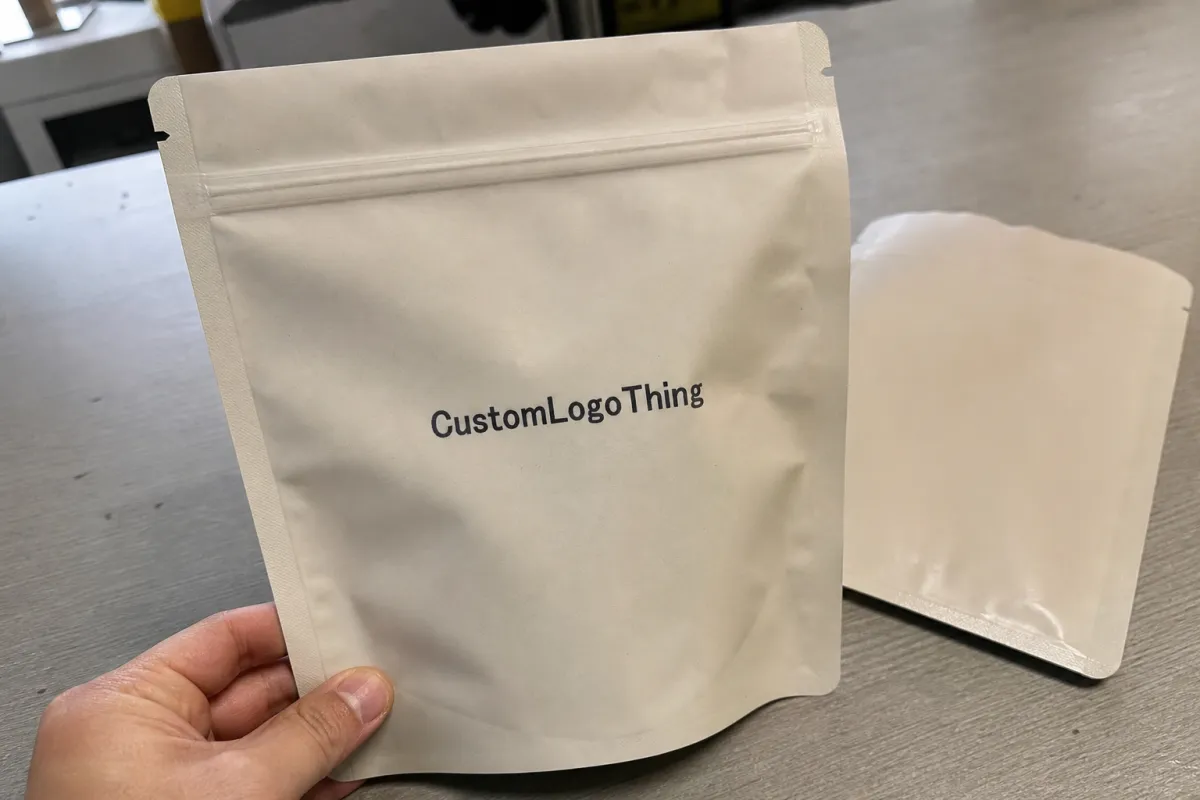
Waterproof Apparel Mailers are not simply envelopes with branding. They are a control point in the fulfillment process. They keep folded garments clean in humid receiving areas, protect them from rain during last-mile delivery, and help the package look intentional when it reaches the recipient. That matters whether the shipment goes to a home office, a retail stockroom, or an event registration table.
A mailer may be the first physical brand touchpoint a recipient sees. If that touchpoint looks cheap or arrives damaged, the gift feels cheaper too.
There is also an operational angle that often gets overlooked. Warehouses and carriers prefer packaging that resists puncture, moisture, and tampering, especially when apparel is packed in bulk and transferred several times before delivery. Better packaging reduces avoidable handling issues. That is not marketing language. It is a practical way to cut noise in the supply chain.
For teams buying packaging rather than retail merchandise, the goal is not the lowest sticker price. It is the lowest risk-adjusted cost. Waterproof Apparel Mailers often outperform plain poly bags and paper-based options in that equation, especially when shipping routes are messy and deadlines are fixed.
Product details that matter for gift-ready shipping
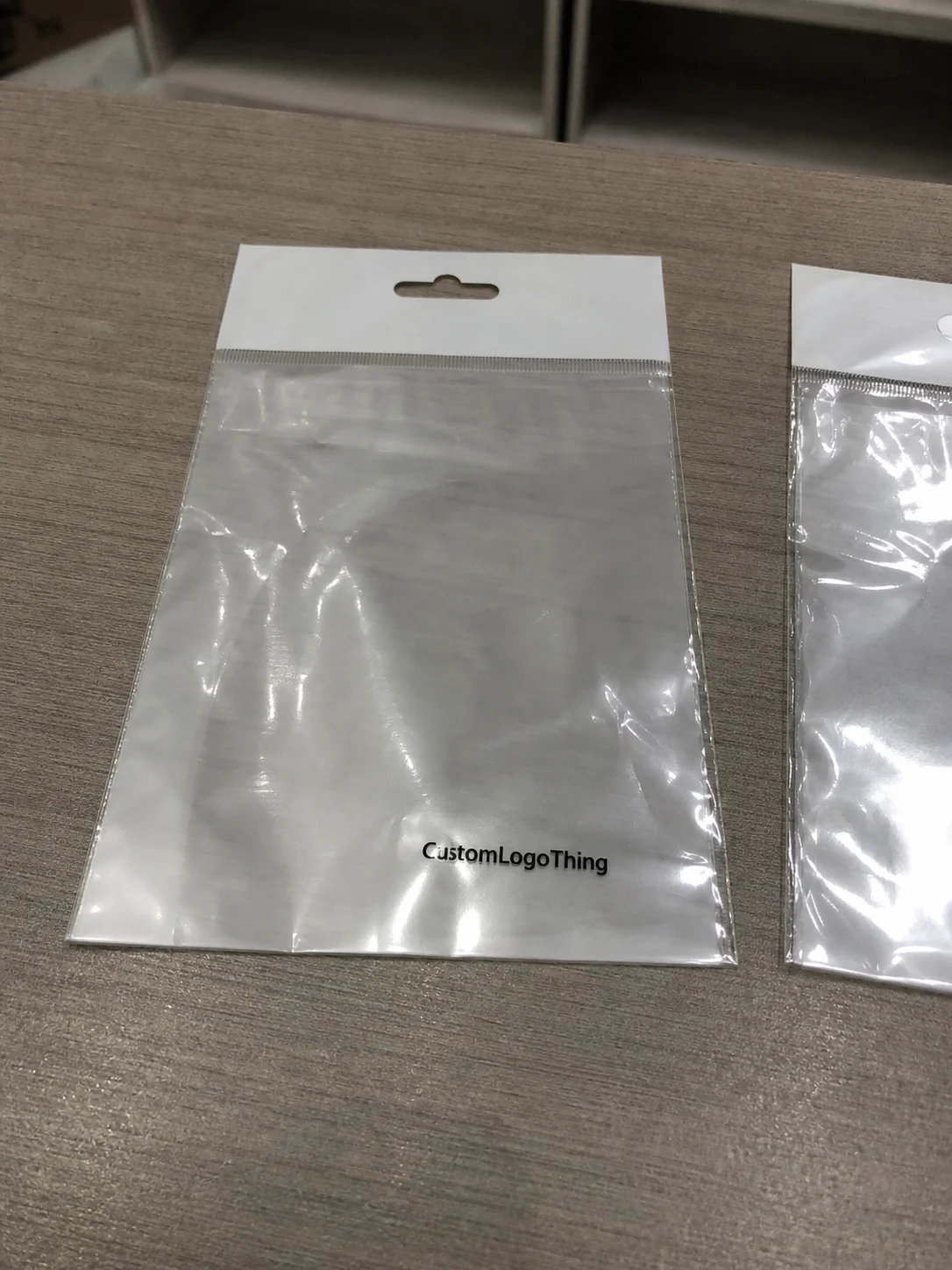
The strongest Waterproof Apparel Mailers usually rely on a film structure that blocks moisture while still folding neatly around flat-packed garments. Buyers should look for sealed seams, a dependable adhesive closure, and enough tear resistance to survive sorting belts, tote bins, and courier transfers. If the seam quality is weak, the waterproof claim loses much of its value.
Most corporate gifting programs use these mailers for folded tees, sweatshirts, joggers, scarves, socks, and compact jacket bundles. Lightweight apparel fits best because the mailer stays flat, which helps with storage and carrier efficiency. An oversized mailer wastes space, raises freight costs, and can make even good merchandise look loosely packed. That is an easy mistake to make when garment sizes vary across a company.
Presentation features matter more than many procurement teams expect. Matte finishes tend to feel more premium and hide scuffs better. Gloss can make colors pop, but it also shows scratches and fingerprints more easily. Opaque black, white, navy, and custom brand colors are common because they protect the surprise and keep the package looking deliberate. In a gifting workflow, the exterior is part of the experience, not a disposable wrapper.
Where paper-based envelopes can struggle, waterproof apparel mailers hold up better in humid climates, rainy receiving conditions, and event shipments where cartons sit on loading docks. They also help protect against dust and warehouse grime, which sounds minor until a white tee arrives marked. One visible flaw can undo the effect of a well-planned campaign.
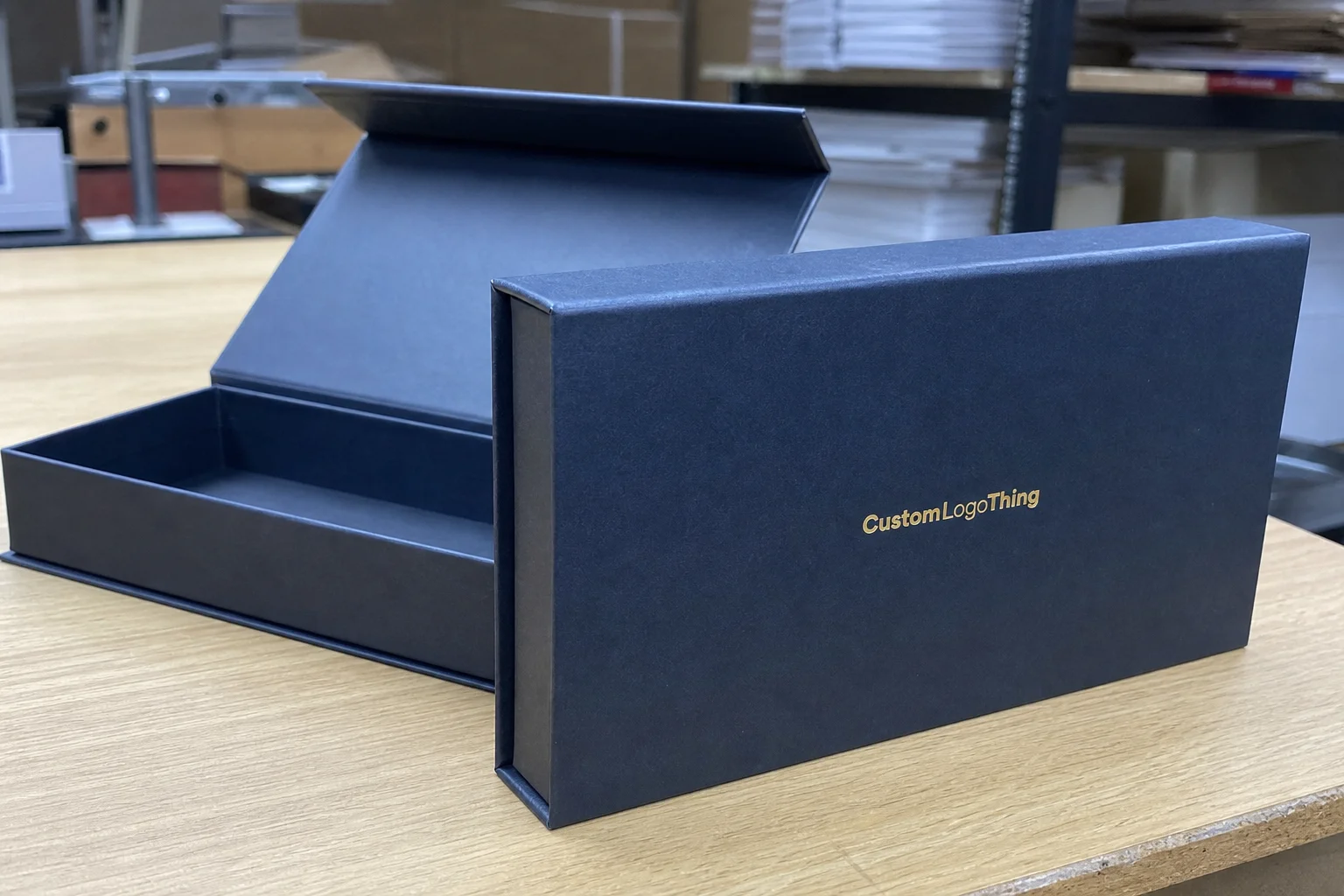
Branding is not a decorative afterthought here. A clean logo, strong print contrast, and a tidy closure line tell the recipient the company paid attention. The mailer becomes an extension of the gift itself rather than packaging that disappears before the product is noticed.
Specifications corporate gifting teams should verify before ordering
Before approving a quote, match the mailer size to the actual packed garment. Measure the folded item, not the hanger size or the retail label. For a standard tee, many buyers can work within a 10 x 13 inch or 12 x 15 inch format. Hoodies often need 14 x 18 inches or larger, depending on the fold style and whether the gift includes inserts, cards, or accessories. Oversizing adds cost and freight; undersizing creates failed packing and wrinkles.
Material thickness deserves attention as well. Ask for the gauge in microns or mils, not just a vague “heavy-duty” claim. A thicker film usually costs more, but it can reduce tears and help the mailer hold its shape during transit. Also verify whether the product is water-resistant or truly waterproof. Those terms are not interchangeable. Water-resistant packaging may handle light exposure; waterproof packaging is built for a tougher moisture barrier.
Closure method is another practical detail. Adhesive strips are common, but tamper-evident seals add confidence for high-visibility gifts. Some buyers also want tear strips for easy opening. If the package needs to feel premium, the opening experience should be controlled and easy, not something that requires scissors and a few annoyed seconds.
Print and branding checks
Ask about the printable area, color registration tolerance, and the number of colors the press can hold cleanly. A one-color logo often delivers the best unit cost, while full-coverage branding or variable recipient messaging increases setup charges and production time. If the design includes a gradient or photographic image, confirm that the film and print method can support it without muddy edges or washed-out detail.
Logistics details matter too. Check carton counts, case pack size, and the space the inventory will occupy. Corporate gifting teams often buy in bulk and then store cartons near a fulfillment station or in a small stockroom. If the case pack is awkward or the pallet count is excessive, the packaging creates friction before it ever ships.
For shipping efficiency, keep an eye on weight and dimensional impact. A stronger mailer should still be flat enough to avoid unnecessary carrier charges. In many programs, the packaging cost is not the biggest hidden expense; the real issue is how that packaging affects total shipping cost. That is why buyers should ask for dimensions after product fill, not only the empty size.
Useful standards can also guide evaluation. For shipment durability, many packaging teams reference ISTA test logic; for recycled fiber or sourcing claims on secondary materials, FSC certification may matter, depending on the packaging mix. For waste and material considerations, the EPA has practical reference material on packaging and environmental impact at epa.gov. If you are comparing suppliers on shipping resilience, the International Safe Transit Association is worth reviewing at ista.org.
Waterproof apparel mailers unit cost, pricing, and MOQ
Here is the part most buyers want first: waterproof apparel mailers unit cost for corporate gifting teams is driven by size, film thickness, print method, quantity, and artwork complexity. A clean one-color printed mailer in a common size can land very differently from a custom oversized format with full-color graphics and specialty finishes. The quote only makes sense if those variables are visible together.
At lower quantities, setup charges and tooling fees matter a lot. That is why small runs often look expensive on a per-piece basis. Once an order moves into larger bulk pricing tiers, the cost per unit typically drops because press setup, proofing, and production overhead are spread over more pieces. The exact curve depends on the supplier’s process, but the direction is consistent across packaging categories.
For planning purposes, corporate gifting teams often see these ranges:
| Order profile | Typical unit cost range | Best use case | Cost risk |
|---|---|---|---|
| Pilot run, 500-1,000 units | $0.28-$0.55 | Single campaign, executive gifts, proof of concept | Higher setup charges and weaker bulk pricing |
| Mid-volume, 2,500-5,000 units | $0.18-$0.34 | Quarterly gifting, event drops, multi-site distribution | Moderate print complexity can still move the quote |
| Higher volume, 10,000+ units | $0.11-$0.24 | Ongoing programs, large employee onboarding, seasonal rollouts | Storage, freight, and forecasting accuracy matter more |
Those numbers are directional, not fixed. If the mailer uses thicker film, specialty ink, or a tamper-evident closure, pricing can move upward. If the design is simple and the order is repeatable, costs often improve. Size matters too: smaller formats usually cost less, but only if the garment actually fits and the fold remains clean.
MOQ can be a challenge for teams with limited campaign volume. Some suppliers will take short runs if the design is simple and the mailer is stock-sized. Others require a more traditional manufacturing minimum. Ask whether the MOQ applies to one size, one artwork version, or the total combined order. Those are not the same thing, and the answer changes the real price.
One useful habit: request landed unit cost, not just ex-factory price. A low base price can hide freight, setup charges, inner packing, and customs-related costs if the shipment is international. When the landed figure is visible, procurement can compare suppliers on equal terms. Without it, the quote may look attractive on paper and still land above budget.
For corporate gifting, it helps to compare the mailer against the value of the gift itself. A hoodie in a premium program might justify an extra ten or fifteen cents per unit if the mailer improves presentation and reduces replacement risk. A basic tee drop may not need the same spend. Context matters more than any generic price target.
If your program includes related packaging, it may be worth reviewing Custom Packaging Products for broader sourcing options or comparing against Custom Poly Mailers if the application does not require the same level of moisture protection.
Process and timeline from artwork to delivery
The workflow is straightforward, but missed steps cost time. It usually starts with a quote request, followed by spec confirmation, artwork submission, proof review, production, and shipping. If the campaign has a fixed ship date, the proof stage should not be treated casually. One wrong logo placement or incorrect size call can delay the full schedule.
Lead time depends on stock availability, print complexity, quantity, and whether the order needs a custom size. A stock-size mailer with simple printing may move faster than a fully custom format with multiple colors. Seasonal peaks also affect schedules. Holiday gifting, new-hire onboarding cycles, and event season all compress factory calendars.
What slows projects down
Three things commonly add friction: unclear artwork files, delayed internal approvals, and shifting quantities after the quote has been issued. Packaging suppliers can move fast, but they cannot guess which version of the logo is final or whether the bundle has changed. Clean files in vector format, Pantone references, and a single decision-maker can save days.
For high-visibility shipments, sample approval is worth the time. A physical sample or a strong digital proof helps confirm color, seal placement, and overall feel before the full run starts. That matters more than many teams admit, especially when the package is going directly to employees or clients and there is no second chance to fix it.
Many teams also benefit from a simple buffer in the timeline. If a gifting launch is tied to an onboarding date, conference opening, or annual recognition event, there is little value in cutting the schedule to the edge. Build in time for review, transit, and minor corrections. The cost of a rushed air shipment can erase the savings from a lower unit price.
If the supplier offers preflight artwork checks, use them. If they can confirm Pantone matching, ask for it. If they can share a standard production window in business days after approval, document it. Precision here reduces surprises later.
In practice, the best-run campaigns feel uneventful behind the scenes. The packaging arrives on time, the print matches, the garment stays protected, and nobody has to explain a damaged gift to leadership.
How to choose a supplier that fits gifting operations
Price matters, but it should not be the only filter. A supplier serving corporate gifting teams needs to handle repeat orders, consistent color, and responsive proofing without turning every reorder into a new project. If the packaging program is recurring, reliability is worth real money.
Operational capability should be part of the scorecard. Can the supplier support storage? Can they split shipments to multiple addresses? Can they pack and label according to a fulfillment plan? Those details become critical when the campaign grows from a one-off order into a program. A supplier that can only ship one bulk carton to one dock is not a good fit for a distributed gifting operation.
Another issue is guidance. The right partner should help interpret specifications instead of simply taking an order. A buyer may know the brand requirement but not the best film thickness, the practical MOQ, or whether a gloss finish will show scuffs too easily. Packaging expertise shortens the buying cycle and reduces waste.
Use a simple supplier checklist:
- Sample availability before production
- Clear quoting with setup charges, freight, and options visible
- Documented QC steps for print and closure checks
- Repeat-order consistency on color and sizing
- Realistic lead times that leave room for approvals
Good suppliers also know when to push back. If a requested mailer is too small for the garment, or if a premium finish will add cost without improving the recipient experience, honest advice is more useful than a polite yes. That is a trust signal, and it saves money.
From a procurement standpoint, the real comparison is not “who is cheapest?” It is “who delivers the best total value with the least operational noise?” That question usually separates a print vendor from a true packaging partner.
Next steps to lock in the right quote
Before requesting pricing, gather three inputs: garment dimensions, estimated quantity, and branding requirements. That alone will make the quote far more accurate. If you know the recipient count, shipping destination, and deadline, include those too. The more visible the use case, the less likely the supplier will overquote for risk.
Ask for two versions of the quote if possible. One should match the exact target spec. The other should show an alternative that lowers unit cost without hurting presentation. Maybe that means one fewer color, a slightly different gauge, or a stock size instead of a fully custom dimension. Seeing both options helps the team make a cleaner decision.
Do not approve artwork without a proof. For high-visibility gifts, request a sample as well if the timeline allows it. If the mailers will represent the company at an executive meeting, conference, or company-wide send, that extra check is cheap insurance. The same is true for multi-location shipping, where errors multiply quickly.
Confirm the shipping destination, the deadline, and any backup quantity before production starts. If there is a chance the campaign will expand, build that into the plan now rather than trying to reorder later at a higher price. Packaging programs often look simple until the final mile starts moving.
For corporate gifting teams, the smartest buying decision is the one that aligns waterproof apparel mailers unit cost for corporate gifting teams with the campaign’s real risk, brand value, and delivery schedule. Get the specs right, compare landed pricing, and move straight into proofing once the numbers make sense.
What affects waterproof apparel mailers unit cost for corporate gifting teams the most?
Size, material thickness, print complexity, and order quantity are the biggest cost drivers. Setup fees and shipping can change the landed cost more than the base unit price suggests, especially for smaller runs.
What MOQ is typical for custom waterproof apparel mailers?
MOQ depends on whether the mailer is stock-sized or fully custom. Corporate gifting teams often start with a pilot quantity for one campaign, then scale for recurring programs once the spec is proven.
How do waterproof mailers compare with standard poly mailers for gifts?
Waterproof options offer better protection in humid, rainy, or multi-stop shipping conditions. They also improve presentation, which matters when the package itself is part of the gift experience.
How long does production usually take after artwork approval?
Timeline varies by spec complexity, quantity, and seasonal demand. A clean proof approval process and standard sizing usually shorten the overall schedule, while custom sizes or specialty finishes can add time.
What should I send to get an accurate quote fast?
Provide garment dimensions, target quantity, logo artwork, and the delivery deadline. If possible, include whether you need custom printing, special finishes, or multi-location shipping.