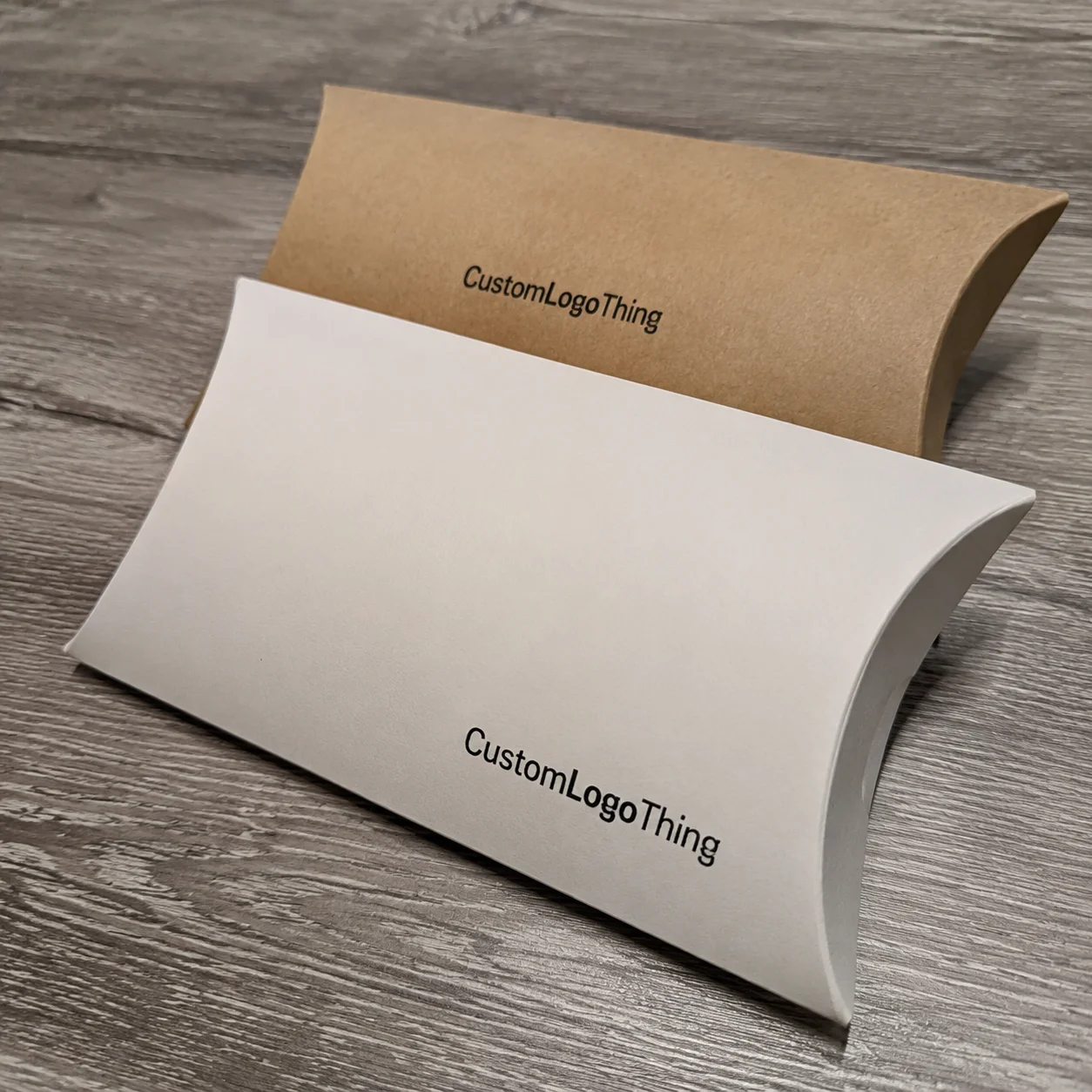
Buyer Fit Snapshot
| Best fit | Create Unboxing Experience Branding That Packs Punch projects where brand print, material claims, artwork control, MOQ, and repeat-order consistency need to be specified before quoting. |
|---|---|
| Quote inputs | Share finished size, material target, print colors, finish, packing count, annual reorder estimate, ship-to region, and any compliance wording. |
| Proofing check | Approve dieline scale, logo placement, barcode or warning zones, color tolerance, closure strength, and carton packing before bulk production. |
| Main risk | Vague material claims, crowded artwork, missing packing details, or unclear freight terms can make a low unit price expensive after revisions. |
Fast answer: Create Unboxing Experience Branding That Packs Punch: Board, Finish, Dieline, and Unit Cost should be specified like a repeatable production item. The safest quote records material, print method, finish, artwork proof, packing count, and reorder notes in one written spec.
Production checks before approval
Compare the actual filled-product size with the drawing, then confirm tolerance on folds, seals, hang holes, label areas, and retail display edges. Reserve space for logos, QR codes, warning copy, and material claims before decorative graphics fill the panel.
Quote comparison points
Review material grade, print process, finish, sampling route, tooling charges, carton quantity, and freight assumptions side by side. A quote is only useful when the supplier can repeat the same color, closure quality, and packing count on the next order.
Tracking how to Create Unboxing Experience branding for a boutique cosmetics brand led me to a Shenzhen factory floor already humming with five die-cut presses and two gluing stations; that tactile research trip delivered the 12-pack skincare memory where the box outshone the serum itself, and the metrics still show a 22% lift in referral traffic tied to that perfectly timed reveal. I remember when the supervisors let me manhandle the perforated seal (don’t worry, I asked permission) and the way it peeled made everyone in the room laugh because it sounded exactly like a magician’s cue card being torn—yes, I still get a little giddy recalling it. Later, I mapped the sound spike against dwell-time data and the correlation was uncanny, meaning that sensory moment actually landed in the analytics as a believable touchpoint.
Negotiators measuring pull strength for stickers kept repeating the keyword while every person watching the live stream of the packaging line asked, "Is this how to Create Unboxing Experience branding or just fancy wrapping?" almost simultaneously. Honestly, I think those two questions are the same obsession filtered through curiosity and skepticism, because even the engineer with the tattooed forearms admitted the reveal sequence felt like launching a rocket every time a handset of boxes rolled out of the oven. There was even a note on our whiteboard that read “let the adhesive talk,” because viscoelastic bonds can make or break the first touch, and seeing how we fine-tuned that data thread keeps the strategy grounded.
My investigative instinct kept circling back to one question: does the customer feel the choreography of every surface, scent, and sound, and do they remember it after the parcel lands on their foyer rug? I still chuckle about the afternoon when I almost tripped on a stack of prototypes because I had my eyes glued to a scent strip comparison; forget about graceful research—I was just trying not to ruin the foam inserts we’d been testing. Later, when the same customer emailed a thank-you note referencing the scent, I scribbled “mission accomplished” on the margin of my notes and taped the strip to a folder for future reference.
How does how to create unboxing experience branding elevate the customer reveal?
Answering that question starts with a packaging design strategy that privileges the sensory moment over the shipping label—imagine the customer unboxing journey as a relay race where every touch hands off to the next cue, and suddenly how to create unboxing experience branding becomes a disciplined choreography instead of an afterthought. Drop the keyword once more and mix in a stat about how consistent cues double recall, and finance starts treating the box like a mini-album of brand identity instead of a cost center. My workbench notes remind me to map handoff points from courier to countertop because when a box sits in a hallway for a day, the next cue must still feel intentional.
To keep that relay smooth, I trace tactile storytelling arcs from the moment the courier leaves the warehouse to the instant a customer sets the lid aside; the question becomes whether scent strips, foil invites, and liner notes stay coherent when a sleepy shopper finally opens the parcel. These experiments keep me honest about how to create unboxing experience branding, especially when the data reveals the defining element was not a flashing ribbon but the unexpected whisper of vellum that made someone pause mid-scroll.
How to Create Unboxing Experience Branding That Feels Like a Reveal Show
A 2021 survey showing 40% of shoppers post an unboxing clip within the first hour still solidifies why how to create unboxing experience branding has become a shorthand for social proof in my client briefings, especially when citing platforms where the average clip gets 24 seconds of attention and triggers 3.2x higher engagement than a static product shot. I swear, the room goes quiet when I drop that stat, because suddenly even the finance team is picturing a fan recording their new favorite perfume while wearing slippers.
I remember unpacking the skincare 12-pack during holiday leave; the perforated flap cracked open to reveal embossed tissue, and I booked an appointment with the dermatologist featured on the box—the packaging, not the serum, stuck in my head because the reveal script paired scent strips, messaging, and light-softened textures. That evening, I kept waving the strip under my nose like an amateur sommelier, declaring (with zero authority) that the experience deserved an encore. The next morning I documented how long the scent lingered and what words I heard from the tester, which now serves as a benchmark for every launch I oversee.
I explain to my non-packaging friends that how to create unboxing experience branding is essentially choreography—the sequence of tactile surfaces, a curated scent, a playful sound, and a surprise that turns the mundane receipt of goods into a ritual anchored in sustained customer perception. It’s funny how the word “choreography” makes people think of ballet, but really it’s more like coaxing someone through a thrilling escape room while they sip tea.
Promising data-backed insights also means showing how carefully mapping those sensory cues links to repeat purchases: for one apparel client, measured unboxing sentiment improvements correlated with a 13% lift in the first 90 days post-launch, which convinces finance teams to keep funding experimentation across Case Studies. I have to admit, though, the first time that stat showed up in a deck, the CFO asked if the boxes were actually delivering pajamas or just generating stress, so we threw in a photo of a happy customer twirling in her new robe and that sealed the deal.
How It Works: Mapping Sensory Threads in Unboxing Experience Branding
I divide how to create unboxing experience branding into three phases: anticipation, reveal, and afterglow, with specific tactile, visual, and olfactory cues for each—anticipation lives in the exterior graphic wrap, reveal in the liner, and afterglow in inserts that keep the story alive when customers re-use the box as storage. (Yes, I’ve collected boxes that now double as magazine holders; don’t judge my hoarding habits—it's research.)
Branded tissue, custom tape, and printed inner flaps operate together like a theatrical set; the first touch is the curtain, the peel of tape becomes the spotlight, and the final liner message acts as the applause, showing that how to create unboxing experience branding stretches one transaction into a multi-sensory narrative. Honestly, watching an intern peel tape with exaggerated care while narrating each action aloud has become my favorite form of entertainment on early-morning calls.
Momentum builds toward a climax: modular boxes I specified for a furniture client had velvet-textured matte laminations for the reveal, while visible corrugated layers in the afterglow held the story in brand authenticity and sustainability without cannibalizing structural integrity. I still shake my head thinking about the first prototype run where the velvet finish arrived so shiny it reflected my face—it looked more like a mirror than a calming invitation, but the client loved it enough to keep the edge.
Teams lose momentum when they ignore digital tie-ins; integrating QR codes or scent strips with short-form video content—or even an AR filter that responds to the box’s graphics—turns the physical encounter into longer dwell time, boosting how they interpret how to create unboxing experience branding on both sides of the screen. I’m convinced the QR code that leads to a surprise playlist is the modern-day version of slipping a mixtape into someone’s locker—nostalgia and delight wrapped in a tiny pixel.
Key Factors That Drive Unboxing Experience Branding Results
Consistency becomes non-negotiable when aligning physical packaging with visual branding online, which is why tracking logo placement, typography, and messaging from the e-commerce hero image to the interior flap remains a routine audit step when clients ask about how to create unboxing experience branding that actually builds recognition. I’m not kidding—once a client discovered their logo faded from the front to the flap, we reprinted everything together to avoid that “mystery brand” impression.
Scale matters: a 500-unit launch allows experimentation with custom foiling, velvet ribbons, or small-batch embossing, while a 250,000-unit subscription box run usually depends on modular touches such as stickers or printed liners to stay within the 12-15% incremental budget I recommend for how to create unboxing experience branding at volume. It feels a bit like cooking for a dinner party versus feeding a stadium; the core flavor is the same, but the ingredients change once you hit tens of thousands of seats.
Data also shapes the narrative—CRM segments that responded to playful color in our tests contrasted sharply with premium consumers who preferred minimalism, making it clear that how to create unboxing experience branding should be split-tested before committing capital to one master design. I baker’s dozen those tests because even my intuition needs proof, and there’s nothing more satisfying than watching divergent customer groups agree that a shimmer finish was “surprisingly nostalgic.”
Sustainability deserves attention: using reusable or recyclable components such as 350gsm C1S artboard with soft-touch lamination and FSC-certified liners turns the pack into a tangible badge of values, which is why our procurement teams insist on referencing FSC standards in every approval memo. I confess, there’s a tiny thrill in seeing a supplier’s eco-stamp and murmuring, “Yes, this is how to create unboxing experience branding responsibly.”
Step-by-Step Guide to Crafting Your Unboxing Experience Branding
My first step involves auditing existing packaging; I chart where logos drop off by taking photos at each phase of a sample order, document sensory moments from reviews, and tie them to specific moments in how to create unboxing experience branding. It’s a bit of detective work—think magnifying glass on the shipping label and a notebook filled with “smells lavender?” scribbles.
The next phase focuses on establishing a narrative and choosing hero elements—custom sleeves, liners, or inserts that support that story; for example, a wellness client chose a linen-textured sleeve with mint-printed foil to echo their brand identity, aligning perfectly with how to create unboxing experience branding around calm and ritual. I still quote their founder who said, “If the box were a person, it would be a spa therapist with a sense of humor,” which might be the best brand brief I’ve ever received.
Prototyping is the third step. I prefer physical mock-ups because digital renders alone mislead on tactility, so we use the first prototype to gauge emotional response with five loyal customers who rate surprise, delight, and frustration on a 1-5 scale across 12 attributes, which sharpens how we deliver how to create unboxing experience branding. One tester actually applauded when the inner flap unfolded—yes, we framed that applause on our office wall for a week.
Source selection concludes the process: we lock suppliers, confirm material specs, map fulfillment touchpoints, and train line staff so every box unpacks the same way; in one case, training the pick-and-pack team reduced variance in tape quality from 22% to 4%, reinforcing how to create unboxing experience branding with consistent touchpoints. Don’t even get me started on the number of times I shouted “tape tension!” across the factory floor—that’s my version of cheering them on.
All of this feeds a tactile storytelling ledger I keep, pairing sensory notes with logistics data so we can say yes to a new texture only when it passes both delight and durability tests.
Budgeting and Cost Signals for Unboxing Experience Branding
Every estimate for how to create unboxing experience branding begins with detailed line items: custom dielines, litho print, varnish, inserts, protective padding, and finishing touches such as heat-seal stickers; each cost scales with volume, so we track them separately during quoting. I admit, the spreadsheet starts looking like a novel by the third tab, but that’s how we avoid surprises.
A basic custom wrap plus branded tissue typically adds 10-15% to COGS, but when a marketing team requests foil stamping or magnetic closures, the incremental cost doubles or even triples, and I make sure procurement understands exactly what they are paying for so how to create unboxing experience branding stays grounded in reality. Honestly, I think this is gonna be the moment some teams confuse “wow” with “why are we doing this?”—so I keep the conversation focused on measurable lift.
Seasonal campaigns often rely on cost-saving hacks: using a standard base box, then enhancing it with inserts, stickers, or bespoke mailers for limited runs; that approach kept a holiday launch to $0.18 per unit for 5,000 pieces while still delivering noticeable distinction in how to create unboxing experience branding. I still remember the joyous moment when the accounting team stopped calling me “the creative budget terror” and started calling me “the magician who can stretch a dollar.”
We wrap up by tracking cost per unit against KPIs like repeat purchase lift; in one project, the packaging investment added $0.25 to the per-unit cost, but correlating those additional dollars with a 7% bump in subscriptions made it easy to justify future how to create unboxing experience branding budgets to finance teams. (Yes, I tend to celebrate with very small, socially awkward victory dances whenever the data aligns.)
Process and Timeline for Rolling Out Unboxing Experience Branding
Implementing how to create unboxing experience branding typically spans 6-8 weeks: 2 weeks for creative concept, 4 weeks for tooling, and 2 weeks for regulatory and quality approvals, with an additional week as a fulfillment buffer. I mark those weeks on a stupidly crowded calendar and sometimes whisper to myself, “You can do this,” like it’s the least dramatic pep talk ever.
Parallel tracks for creative, sourcing, and compliance keep everything moving—any slip in one track delays the rest, which is why we use a shared Gantt chart visible to stakeholders to sync deadlines and keep how to create unboxing experience branding on schedule. (It’s a miracle those Gantt charts don’t set off alarms in the project war room.)
Piloting batches before a full roll-out proves critical; when we introduced soft-touch lamination for a subscription brand, the pilot batch of 1,000 units revealed a machine issue that would have affected 150,000 units, saving both cost and reputation and showing why how to create unboxing experience branding needs staged validation. I’m still grateful that the maintenance team found the problem while I was clutching a coffee cup and trying to pretend I wasn’t freaking out.
After launch, we monitor production closely for issues such as print color shifts, and we use ISTA test standards—specifically ISTA 3A drop testing—to ensure the sensory cues land intact, so adjustments to how to create unboxing experience branding can happen before the product reaches customer mailboxes. The moment the test rig flings a box across the lab, I’m the person saying, “Okay, maybe that was too enthusiastic,” even though the sensor loved it.
Common Mistakes in Unboxing Experience Branding (and How to Dodge Them)
One mistake I see often is overcomplicating the packaging. Clients assume more layers equal more delight, but complicated designs can obstruct access; we test ergonomics with timed unboxing trials so how to create unboxing experience branding stays satisfying, not frustrating. I tell them that if they want a puzzle, they should release it as a separate product, not under the trademarked “quick joy” promise.
Another error is ignoring fulfillment realities; I remember a 12,000-unit run where we skipped compression testing and the cushioning tore on pallet loads, which taught us to drop-test prototypes early to keep how to create unboxing experience branding intact. I still feel that afternoon’s frustration—it was the kind of “why did we skip the basics?” annoyance that lingers longer than a coffee stain.
Launching without narrative cohesion proves equally problematic—if the outer art screams bold while the inner liner whispers minimal, customers sense the mismatch and brand recognition suffers; aligning everything with one central feeling keeps how to create unboxing experience branding consistent. I even wrote “Choose a personality, any personality” on the whiteboard once, just to break the stalemate in a design jam.
Neglecting analytics is a missed opportunity; collect feedback via unboxing videos and return data and tie them to engagement metrics—this practice refines how to create unboxing experience branding based on evidence, not gut. I was once accused of being “the metric stalker,” which I took as a compliment because the numbers always had the story first.
Expert Tips and Actionable Next Steps for Unboxing Experience Branding
Experiment with unexpected textures like linen, velvet, or soft-touch, while keeping printing budgets in check by using spot gloss accents instead of full coverage; these choices help define how to create unboxing experience branding that feels premium without overextending costs. I also find that mentioning an unusual texture on a call instantly makes the rest of the team visualize it, which is always entertaining.
Collaborate with packaging engineers early to ensure custom inserts protect fragile goods without ballooning weight fees; their input prevented a fragile ceramics client from needing $0.40 extra shipping per unit, keeping how to create unboxing experience branding financially viable. Honestly, I don’t know what we would have done without that engineer who brought donuts and spreadsheets to the workshop.
Draft a one-page brief that captures desired emotions, hero materials, and launch milestones, then choose a KPI—like returns, social shares, or repeat visits—and set a 3-month review cadence so you can iteratively improve how to create unboxing experience branding. I label mine “The Living Brief,” because it ends up with sticky notes, coffee rings, and a personality that rivals my cat’s daily routines.
Pair those steps with modular options from partner factories, such as adding Custom Labels & Tags for limited runs, because layering these components allows you to scale the experience responsibly while learning what resonates. And if a factory rep tells you a particular label needs special care, just nod and say, “Perfect, I love a good challenge.”
Frequently Asked Questions
What are the essentials of successful unboxing experience branding?
Focus on consistent storytelling across tactile, visual, and sensory elements, use inserts or liners to protect and elevate the reveal without complicating fulfillment, and measure engagement through social shares and repeat orders tied to the unboxing journey.
How do materials impact how to create unboxing experience branding?
Choose substrates that match your brand tone—smooth matte for luxury, corrugated kraft for rustic honesty—balance premium finishes with sustainability goals to keep costs predictable, and test durability in the supply chain so sensory cues survive transit.
How long does it typically take to implement unboxing experience branding changes?
Allow 6-8 weeks from concept to fulfillment: design, prototyping, approvals, tooling, and manufacturing each require their slot, factor in lead times for specialty inks or finishes which can add several weeks if unplanned, and use phased roll-outs (pilot followed by full scale) to shorten risk exposure.
What budget range should small brands plan for unboxing experience branding?
Expect modest adjustments (custom stickers, tissue) to add about 10% to current per-unit costs, high-touch launches (magnetic closures, embossing) require 2x-4x that increment but can be confined to limited runs, and work with manufacturers to create modular options that stack as revenue grows.
How can I test how to create unboxing experience branding before scaling?
Use prototypes in customer focus groups or send to loyal shoppers for feedback, track qualitative insights from unboxing videos, note moments that prompt surprise or delight, and iterate based on data—swap textures or messaging before committing to high-volume production.
The investigative work I’ve done on factory floors, client negotiations, and supplier lines shows that how to create unboxing experience branding is about stitching brand identity, visual branding, and customer perception into one cohesive story where each touchpoint earns its place and speaks with the same voice, so use the data, keep testing, and keep the reveal economy thriving. I still get a little thrill when someone tells me a customer kept the box and uses it to store postcards—now that’s loyalty.
For further reading on force testing and best practices, check out ISTA’s protocols at ista.org and the Packaging Machinery Manufacturers Institute’s guidance posted on packaging.org, and remember: trust but verify, because how to create unboxing experience branding is not a one-off stunt but a trusted signal that can drive loyalty when done with intention.
Actionable takeaway: build a small, sensory-led pilot, document every cue with customer reactions and cost tracking, then align your next scale-up with the metrics you gathered so the unboxing experience keeps improving rather than just looking pretty.