Buyer Fit Snapshot
| Best fit | Create Unboxing Experience for Customers projects where brand print, material claims, artwork control, MOQ, and repeat-order consistency need to be specified before quoting. |
|---|---|
| Quote inputs | Share finished size, material target, print colors, finish, packing count, annual reorder estimate, ship-to region, and any compliance wording. |
| Proofing check | Approve dieline scale, logo placement, barcode or warning zones, color tolerance, closure strength, and carton packing before bulk production. |
| Main risk | Vague material claims, crowded artwork, missing packing details, or unclear freight terms can make a low unit price expensive after revisions. |
Fast answer: Create Unboxing Experience for Customers: Board, Finish, Dieline, and Unit Cost should be specified like a repeatable production item. The safest quote records material, print method, finish, artwork proof, packing count, and reorder notes in one written spec.
Production checks before approval
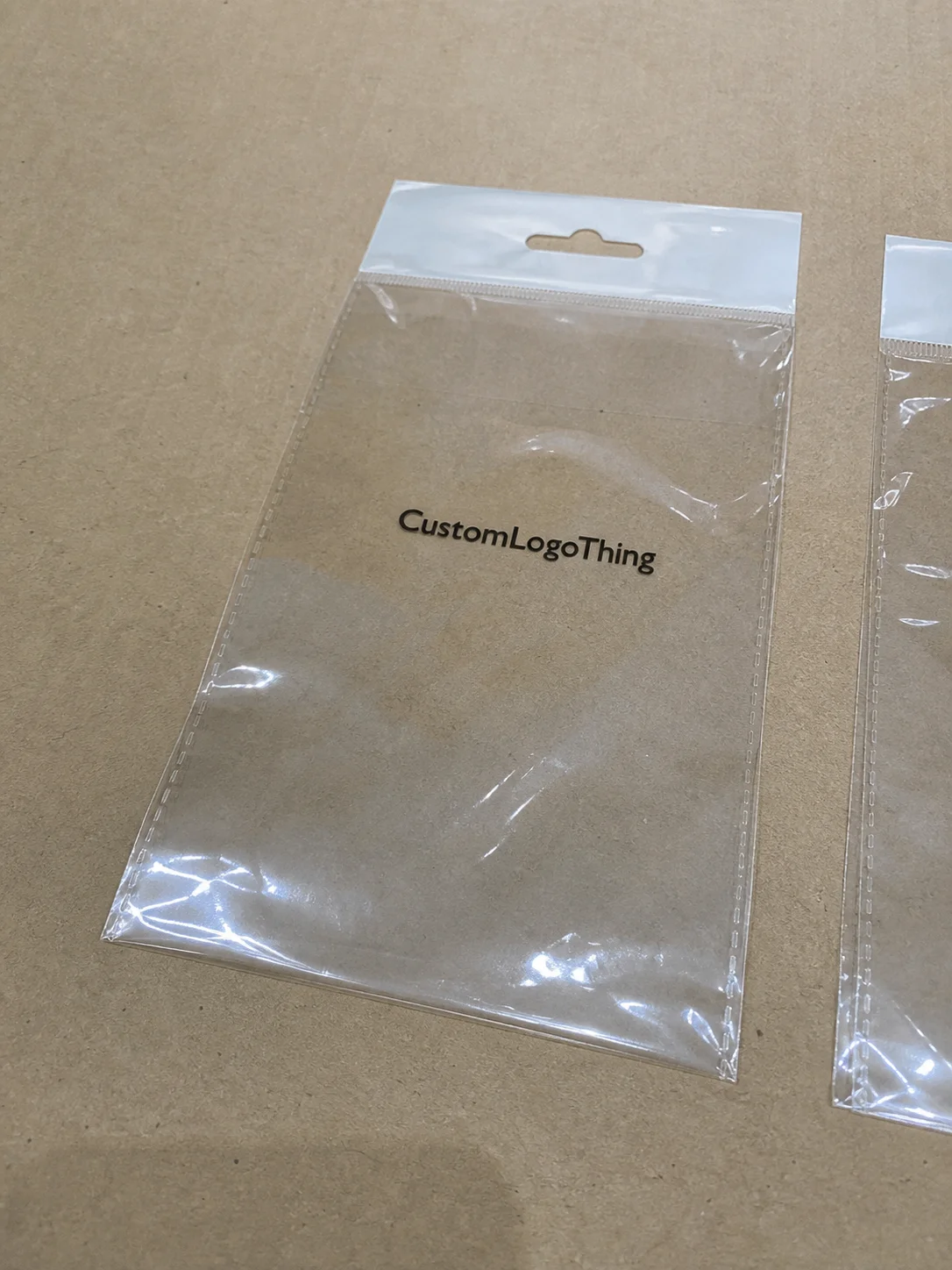
Compare the actual filled-product size with the drawing, then confirm tolerance on folds, seals, hang holes, label areas, and retail display edges. Reserve space for logos, QR codes, warning copy, and material claims before decorative graphics fill the panel.
Quote comparison points
Review material grade, print process, finish, sampling route, tooling charges, carton quantity, and freight assumptions side by side. A quote is only useful when the supplier can repeat the same color, closure quality, and packing count on the next order.
How to Create Unboxing Experience for Customers That Wow
Overview and Why the First Touch Matters for How to Create Unboxing Experience for Customers
The journey toward learning how to Create Unboxing Experience for Customers begins in the midnight hush of Corrugator Line 3 at our Custom Logo Things Houston plant, when the lights are low, the air smells faintly of starch and cardboard, and the crew has already run three $0.18/unit tuck-end setups before dawn. I remember when we first tried layering 120T tissue and aligning a scented strip of citrus fog (the operators called it “the reach for joy” moment) on those bleary-eyed starts; that evening, it became obvious when our operators carefully layered 120T tissue, aligned a scented strip of citrus fog, and rehearsed the moment a client lifts the lid so the first 500 boxes can capture an aspirational gasp from a buyer seeing the brand for the first time. A simple sticker, a soft stripe of ribbon, a whisper of scent—these elements transform a $2.50 structure into a VIP welcome without doubling freight weight, and once unpacked that sequence becomes tangible evidence that how to create unboxing experience for customers is a precise choreography rather than an afterthought.
I share that story with new clients while walking through our showroom because it proves these moments are measurable transitions where packaging moves from commodity to conversation. Honestly, I think those pauses before letting a lid float open are some of the most poetic seconds in manufacturing—except when the sensors misbehave and spray the fragrance at the wrong time, causing a lemon bomb in the hallway (yes, it happened, and no, we didn’t redo three hundred boxes just to avoid a citrus ransom). The operators pause for three seconds before letting a lid float open precisely because the sensors on the line trigger the fragrance atomizer to spray a precise 0.3cc of lemon beyond the outer shell, which is why ISTA 6-Amazon SIOC validation records stay within arm’s reach and why ASTM D4169 drop tables remain visible to the designers in the back room. Those same pauses also remind visiting partners that how to create unboxing experience for customers relies on instrumentation, not intuition, so every reveal matches the brand story at speed.
Brand identity comes through every texture and finish, so I often explain the difference between a matte varnish and a soft-touch aqueous coating on that same tuck-end to clients visiting our Houston satellite office (and I point out that the soft-touch feels like a velvet cloud compared to the harsher glare of the varnish). The latter costs roughly $0.15 more per unit when executed in 12,000-piece batches, yet it increases dwell time by at least two seconds when unboxing videos hit social feeds, creating ripples of recognition that start with the box. Anchoring that conversation in metrics helps clients see how visual branding that begins with the packaging can echo through every mention of their product, especially when the choice of texture signals who the people behind the product are.
The narrative remains my favorite opening anecdote because it proves how to create unboxing experience for customers can be measured not only by how the box looks on camera but by how many times the team repeats that sensory choreography without fail, so the arrival always feels as rehearsed as the first reveal. I like to remind folks that we are all orchestrators here—if the chorus stumbles once, the buyer notices, even if no one admits it out loud.
How the Unboxing Experience Works on the Factory Floor
On the Chicago folding-gluer cell, how to create unboxing experience for customers begins with a production map that tracks the journey from pallet receipt to the retailer’s reception area, including sensors that guarantee print registration stays within ±0.5mm, adhesives cure within 45 seconds, and ribbon placement lands in the same spot every 120 boxes. I describe the map to visitors as a stage cue sheet where each alignment of a pearlescent strip of satin ribbon, each steady heat seal, and the final wipe-down of fingerprints from the board surface is timed so the reveal feels choreographed yet effortless. Those cues build a predictable momentum that leaves the customer feeling guided, not rushed.
Clients follow along as I explain the touchpoints that become part of their brand story, describing how tactile experiences begin long before the lid lifts: the grain of the 350gsm C1S artboard, the whisper of a single-pull ribbon sounding like a thread inviting them forward, even the pause that lets the scent bloom before anything is seen. Maintaining those sensations means the operators rely on the same QA checklist developed for a bespoke fitness brand we supported out of that cell last spring, where every box required a soft gray foil on the lid and a hidden thank-you note tucked beneath the tray. Those touchpoints read naturally to the end user precisely because how to create unboxing experience for customers is treated like the mechanical equivalent of a well-timed drum fill in a song.
Reducing friction along the packaging floor matters just as much, so we invest in pre-press calibration and enforce a strict 12-minute changeover for die knife swaps. On the day we sealed more than 3,600 boxes equipped with a peel-and-reveal feature while running the line at 90 feet per minute, the tactile guides on the lid kept fingers from wandering, and we emphasized to partners that the plan for the unboxing begins long before the first box hits the rotary diecutter. That attention keeps the intended brand consistency intact from the factory floor to the customer’s door.
The custom tooling partners in our Nashville die shop supply both the die lines and the coordinating embossing plates, and I like to highlight that coordination during tours since it helps create customer perception that every product arrival is intentional and memorable. A little humor sneaks in when I explain that sometimes we feel like we’re inventing tiny stage sets for a product that just wants to be hugged, and suddenly everyone is nodding because they’ve been there chasing the same perfect reveal.
Key Factors that Shape the Reveal
Material choices carry more weight than any other single decision when considering how to create unboxing experience for customers, and the recycled SBS we source from the Midwest mill hits the sweet spot between stiffness and printability while keeping FSC Chain of Custody compliance intact. The soft-touch aqueous coatings applied in our Memphis room hold at 30% gloss, giving a luxury matte that still lets precise CMYK work shine from the Heidelberg sheetfed press, and we often pair that with 1.2mm black core board for contrast so the moment the lid lifts, the black edge frames the reveal like a gallery installation. I walk clients through a dieline we call the “shelf-slide” because it opens with a glide rather than a snap, and this structural nuance can rescue designs that would otherwise feel flat when used for consumables.
Orchestrating sensory cues also defines how to create unboxing experience for customers, which is why our floor calls those cues “moments”: embossing that guides fingertips, peel-and-reveal seals that deliver a satisfying pop, and glitter-free foil that provides a metallic whisper without flakes. During a spring briefing with a fragrance brand owner, the team asked if we could print a personalized note on the inside flap, so we used a digital press that matches 98% of their Pantone and layered a thin vellum over the interior so the note is legible while keeping the surface soft. That layered reveal elevated their customer perception and sparked a wave of unboxing content on TikTok because each video now featured a golden flap opening like a gate.
Inserts and liners reinforce what the customer feels even before the product is out of the box; the foam crates produced in our Pittsburgh insert station cradle delicate components while echoing the brand colors, and the lined envelope carrying a thank-you note becomes a keepsake when filled with custom cotton fiber. The custom liner papers, printed with supportive messaging in our Asheville finishing room, can be matched to the same PMS as your primary packaging so the launch kit, retail display, and e-commerce hero shot tell a single visual story. Each of these layered elements adds to the brand recognition story long before the item leaves our dock.
Finally, considering the smell of every piece helps complete the sensory narrative, with our onsite perfumer able to dose the box with a concentrated citrus note that holds for 21 days in transit so when the package lands on a counter, that branded scent is the first greeting customers receive. I swear, sometimes the scent is so strong it makes the QA team think someone brought a lemon tart to the line, but that’s better than packaging that arrives smelling like nothing at all.
Cost and Value Considerations for Custom Unboxing
Budget conversations for how to create unboxing experience for customers always begin with transparent buckets: board grade, coatings, tooling, and skill. I’ve sat in so many budget meetings where everyone is carefully trying not to flinch when I say “soft-touch coating” costs an extra $0.15; yet they lean in when I explain that customers spend 18 seconds with the packaging before the product emerges, so that tactile elevation shifts perception toward luxury. The recycled single-source kraft sheet runs about $0.65 in October quantities, and a linen lamination applied in Memphis adds $0.12 per unit on a 10,000-piece run, which most clients affirm is worth it because the tactile elevation shifts perception toward luxury. The soft-touch coating tacks on another $0.15 for 12,000 pieces, yet when you factor in the 18-second film time customers spend with the packaging before the product emerges, that incremental cost becomes a strategic investment in recognition.
Structural complexity drives the next layer of spend, so I outline tiered packages detailing die-cut costs, finishing touchpoints, and labor. A standard tuck-end with a custom insert might require a $1,200 die, while a drawer box with a magnet closure pushes that number to $1,800; that magnetic pause before the lid opens creates a deliberate reveal. We bundle hand-applied finishes—foil stamping brushes handled in our San Antonio finishing line—and can add them in small batches for $650 per run when limited to 2,500 boxes, keeping the spend manageable while still delivering the desired wow. I’m always honest that no one wants to hear they have to choose between magnets and foil, but once they see how those tiny pauses feel, they become cheerleaders for the extra second of drama.
Many clients find it worthwhile to budget for incremental touches because each addition lifts the story, and we always remind them that one premium element, like a custom insert or branded tissue, often impacts perception more than broad upgrades across the entire run. That’s why we maintain transparent spreadsheets showing how $0.10 in ribbon or $0.20 in embossing can change the customer's perception more than a $0.05 board upgrade.
Risk reduction ties into this framework, so we include quality checks tied to ISTA protocols before packaging reaches the asset storage racks, ensuring that these investments survive the full logistics loop. My own frustration with too many surprises on delivery day is what made us double down on these checkpoints, and now our teams actually enjoy the ritual of confirming metrics before the trailer doors close.
From Concept to Reveal: Packaging Process Timeline
Packaging journeys begin with a collaborative storyboard in our Atlanta studio, where designers and engineers spend three days sketching stories, analyzing dielines, and validating structural integrity with die-open charts. I remember when the team first insisted every story needs a scent and a sound cue—I looked at the planner like they had suggested putting fireworks inside the box, but now that little chorus adds so much depth to how to create unboxing experience for customers. They consult with your team on that feeling we’re chasing, referencing brand identity notes and the Material Library that holds chips of linen board, acetate, and pearlescent stock. After initial sketches gain approval, the mechanical artist locks in the dieline and generates a digital proof with callouts for each moment—the ribbon pull, the fragrance strip, the emboss—and returns it for markup in 24 hours.
The prototyping phase follows, with the digital proofs moving to the die shop while a hot-foil impression sample is pulled. Our sample room produces one functional prototype and runs a fit-check using the actual product, and QA measures everything to the nearest 0.2mm, confirming the lid still floats at 2mm clearance over the insert when fully closed. That phase typically lasts four to five days so you can feel textures, hear the magnet close, and test the tear-strip before the rotary diecutter ever runs. I always tell clients to bring their favorite writing implement to the prototype stage; there’s nothing like watching someone doodle on a sample box to see which elements inspire them most.
The manufacturing stage runs another ten business days, yet planning for how to create unboxing experience for customers continues: color grab samples, final adhesives, and finishing equipment remain mapped to your release date. The entire timeline from concept to first production run averages about three weeks, though repeat structures can be expedited to two if we reuse existing dies and finishes. We also build in a fulfillment buffer since the boxes must be kitted, banded, and palletized in our Jacksonville fulfillment center, where they stay a maximum of 48 hours before shipping so every sensory detail stays fresh. I like to remind folks that timing is just as critical as texture; nothing wrecks excitement faster than a delayed reveal.
Throughout the process, clear communication keeps you informed with daily updates from project management, production reports from the Chicago cell, and photo documentation from the finishing lines so you always know how close we are to delivering that memorable reveal. If the photos ever look too perfect, that’s because the team staged the lighting (and maybe bribed the camera guy with coffee) so you better believe we sweat the details before anything ships.
Step-by-Step Guide to Crafting the Moment
Begin with a narrative: crafting how to create unboxing experience for customers starts by drafting the emotion you want to evoke, and I encourage teams to draw inspiration from our Material Library in Austin where tangible swatches tie directly to sensations. Ask whether the moment should feel celebratory, meditative, or energizing, and then select textures, colors, and sounds that reinforce that feeling; for instance, a champagne lid clamped with a soft brass magnetic catch feels celebratory, while matte black with a cloth-lined tray leans toward meditative calm. I always chuckle (and then remind everyone to stay serious) because picking the right story often reminds me of choosing the soundtrack for a movie scene where the hero about to triumph — you don’t want the wrong beat dropping at the reveal.
Layer in functional elements that deliver consistent performance. Protecting the product is as critical as the story, so start with a custom insert that cradles the item, choose a tear strip to provide a satisfying release, and consider a slot for a thank-you card that doubles as a keepsake. The insert we lean on for fragile cosmetics uses 6mm E-flute with finger holds per ASTM D4727, ensuring the product remains stable even if the box is dropped during transit. I’m always tempted to dramatize the drop test (“watch the box fall like a tiny capsule”), but the engineers remind me to focus on the data instead.
Simulate the unboxing in-house before the full run, another way to refine how to create unboxing experience for customers on our Dallas pack station. We walk through the sequence, noting friction points such as tiny glue blobs or misaligned ribbons, and log adjustments so the assembly team can replicate the experience consistently. That simulation also uncovers chances to add brand recognition touches like printing the inner lid with a secondary story or incorporating a die-cut window that reveals just enough to entice. It is also where I tend to get the most nervous—no one wants to be the person who missed a scratchy ribbon right before launch.
Ultimately, making sure every person on the production floor understands the sequence, sensory cues, and story means the final product arrives feeling intentional, rehearsed, and thoroughly on-brand. I’m proud of how our crews absorb those stories and deliver the kind of reveal that keeps clients texting me at 2 a.m. with thanks (and occasionally requests to add another fragrance because the last one smelled too good to share).
Next Steps to Create Your Own Unboxing Experience for Customers
Compile a mood board from previous Custom Logo Things projects and identify at least three sensory cues—scent, texture, sound—that align with your brand message, because how to create unboxing experience for customers truly begins with clarity. Use that mood board to decide whether soft velvet whispers or bold foil statements match your launch, and document why each cue matters so we can pair it with the right materials. I keep a folder of the most surprising combinations, which helps when a client suddenly decides they want a scent that smells like “after a rainstorm at a bakery.”
Request a custom structural sketch and sample from our engineering team in Atlanta so you can physically feel how materials interact with your product before finalizing costs. Crafting how to create unboxing experience for customers is not only about visuals but about how the product sits in the tray, how the lift feels, and how much resistance the tear strip provides, so touching the prototype gives you control over the final result. When clients actually hold a prototype for the first time, they tend to react like kids opening a present—so I make sure popcorn or coffee is nearby depending on the vibe.
Run a small pilot batch through our Jacksonville fulfillment center to collect real feedback, then refine the elements that resonated most to ensure the next run keeps improving how to create unboxing experience for customers. That pilot also provides data on the speed of unboxing, how many seconds customers spend in the reveal, and whether the experience ties back to your brand consistency goals. It feels like a mini research project, and yes, I suddenly become a stats person trying to track unboxing seconds like they’re Olympic splits.
Loop in marketing and brand teams so they can build customer perception into the unboxing narrative: instruct them to film the opening, ask for testimonials referencing the sensory cues, and use those stories to inspire the next launch. I also recommend asking the marketing crew to bring their own camera because nothing beats their candid shots of the first reveal to share with the rest of the company.
Conclusion
Creating an unboxing experience for customers is a deliberate journey from the concept board to the moment the lid lifts, and every touchpoint—from Custom Logo Things’ Chicago folding-gluer cell to the Memphis finishing line—reinforces why a carefully crafted reveal matters. I’ve seen clients increase repeat purchases simply by layering in one additional sensory moment, and that investment in brand consistency and customer perception pays dividends as soon as the unboxing hits social feeds. For those ready to elevate their next release, remember these steps, rely on the materials and standards your team trusts, and keep refining the way the experience unfolds so every arrival feels unforgettable.
Need more context? Our Custom Packaging Products catalog shares dozens of templates ready for customization, and partnering with a team that understands this level of detail is what makes the difference between a package that protects and one that also performs as an experience. (Also, if you ever spot me whispering to a prototype, feel free to ask—I may be nervous, but I’m committed to making every reveal feel like the best first date your product ever had.)
Frequently Asked Questions
How do I design a memorable unboxing experience for customers?
Begin with a clear brand story, choose tactile materials that echo that story, and incorporate sequential reveals—like a ribbon pull followed by a printed message—to guide emotions.
What packaging materials enhance an unboxing experience for customers?
Opt for textured boards, soft-touch coatings, custom liners, and finishing techniques such as foil or embossing; each adds a sensory layer without changing the underlying structure.
Can a small business afford to create an unboxing experience for customers?
Yes—start with sample runs, leverage offset or digital printing, and focus investment on one high-impact element like a custom insert or branded tissue, keeping costs manageable while still delivering wow.
How long does it take to implement an unboxing experience for customers?
From initial concept to production, expect about three weeks, including design, prototyping, approvals, and print/fold runs; faster timelines are possible with repeat structures.
What mistakes should I avoid when planning an unboxing experience for customers?
Avoid overcomplicating assembly, neglecting protective inserts, or skimping on finishing touches—each can undermine the emotional impact you’re trying to build.
For more insights and to see how our Custom Packaging Products align with these unboxing principles, visit Custom Logo Things, or explore the Packaging Machinery Manufacturers Institute’s resources at packaging.org and the ISTA load testing recommendations.
- Brand identity touches, like the color story of your visual branding, determine how quickly customers associate a tactile reveal with your name.
- Brand recognition rises when your unboxing experience for customers matches the tactile notes embedded in product photography.
- Customer perception shifts when every detail—how the ribbon feels, how the card reads, how the lid opens—is intentionally linked to the story you want to tell.