Cuffed Beanies Bulk Reorder Planning Guide for Restaurant Groups
One location runs dry, another overbuys, and a third asks for a rush replacement in a slightly different color because the original approval was never saved. That is why a Cuffed Beanies Bulk Reorder Planning guide for restaurant groups should focus less on one-off buying and more on repeatable specs, reliable quantities, and clean production records. For most restaurant programs, the practical target is a stable spec, a locked color standard, and a reorder workflow that can be repeated every 6 to 12 months without re-approving the whole item.
Consolidated reordering gives purchasing one approved beanie style, one logo standard, one decoration method, and one replenishment cycle. For multi-unit restaurant groups, that matters because winter accessories are worn, washed, misplaced, reassigned, and reordered with little warning. A documented process keeps the program from drifting after the first season. It also helps buyers compare quotes on the same basis, whether the order is 100 units or 1,000 units, and whether the decoration is embroidery, woven labels, or patches.
Cuffed Beanies Bulk Reorder Planning Guide for Restaurant Groups: Why Consolidated Reorders Beat Store-by-Store Buying
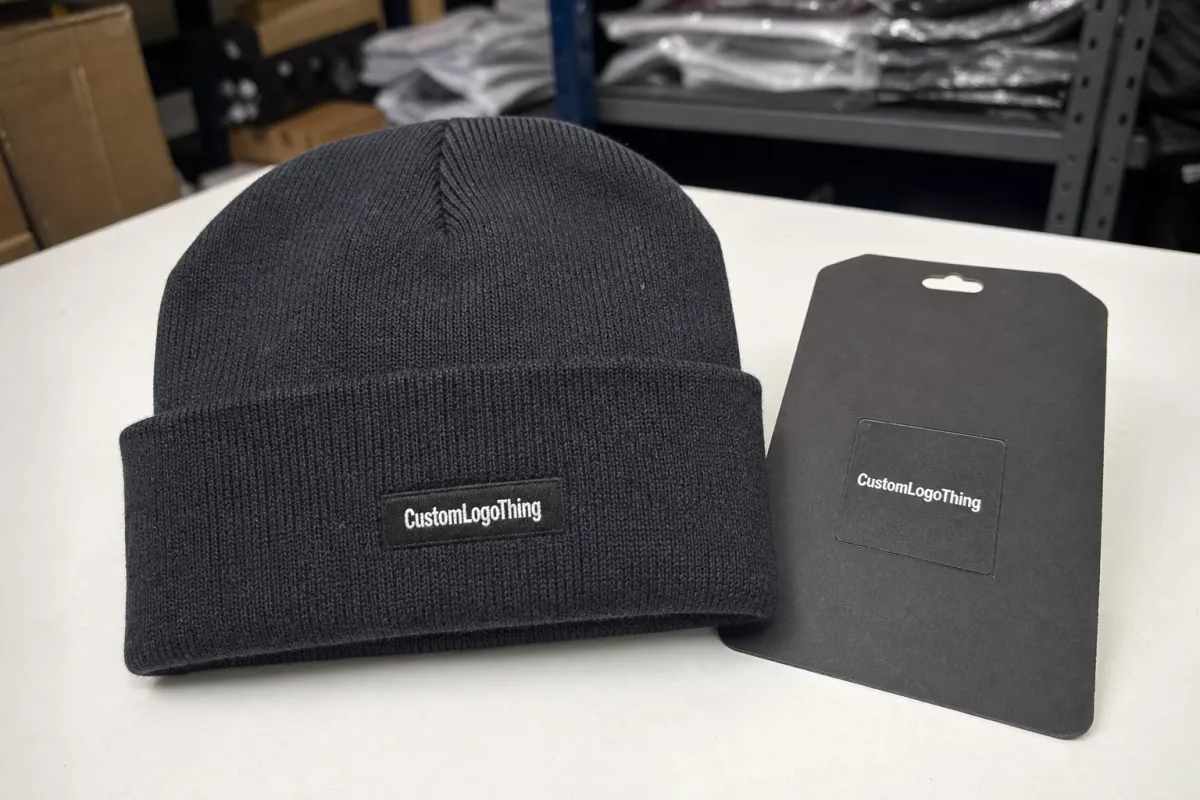
Store-by-store purchasing looks flexible, but it usually creates uneven stock, inconsistent decoration, and small charges that are hard to compare later. One manager orders 48 pieces, another orders 72, and a third finds a near-match color locally. The result is several versions of the same uniform item, each close enough to pass at a glance and different enough to create problems on the next reorder. It also tends to produce fragmented pricing, since 50-unit buys often sit in a different price band than 250-unit or 500-unit buys.
A consolidated order fixes the process at the source. One approved artwork file, one sizing standard, and one replacement threshold give the buyer something repeatable to manage. If a location uses 10 to 15 beanies per cold season, the reorder plan should reflect that pace instead of leaving each manager to guess. Guesswork is what creates shortages, rush fees, and inconsistent branding. A central forecast also makes it easier to set a stock buffer, such as 10 percent to 15 percent extra units for new hires, losses, and replacements.
A cuffed beanie also has a narrow, highly visible decoration zone. The cuff keeps the logo stable, and the folded edge makes the item look intentional rather than promotional. On patios, delivery runs, host stands, and back-of-house shifts, that small band of decoration is usually enough to identify the team without overpowering the uniform. For restaurant groups, that means the decoration method should be chosen for durability first and detail second, because the artwork will be seen at arm's length and in low-light conditions.
For groups opening several locations or rolling out winter apparel across a region, standardize the purchase at the group level and let stores receive from that plan. It reduces duplicate approvals, version changes, and the amount of historical cleanup needed before the next order. A single purchase record also makes it easier to match future invoices against the original spec, including yarn composition, cuff height, and decoration size.
Cuffed Beanie Build Details Restaurant Buyers Should Compare
The cuff is not just a place for a logo. It affects fit, decoration space, and the final silhouette. A taller cuff usually provides a better embroidery zone and a more structured look. A shorter cuff can feel lighter and more casual, but it narrows the imprint area and may force the logo to shrink. Buyers managing uniforms across multiple locations should treat cuff height as part of the spec, not a style note buried in an email. In practice, cuff heights commonly land around 6 to 9 cm, while body depth often ranges from 20 to 24 cm depending on slouch versus fitted styling.
Body construction matters too. A tighter rib knit generally holds shape better after repeated wear, while a looser knit gives a softer drape. Crown depth changes the look: a shallow crown sits closer to the head and reads cleaner, while a deeper crown creates more slouch. A polished front-of-house role may need a cleaner fit, while back-of-house or delivery teams may accept a more casual shape if warmth and comfort are stronger priorities. Common constructions include 1x1 rib knit, 2x2 rib knit, and double-layer knit builds for added insulation.
Color discipline is another common failure point. Stock colors are practical if the brand can tolerate slight variation from run to run. If a restaurant group needs a specific identity color, ask whether the yarn is matched to a Pantone target or only offered in near-match shades. A close match may be acceptable for internal issue; it is harder to defend on visible front-of-house uniforms where every store should look consistent. If the item is dyed, request a yarn color approval or lab dip before knitting starts so the approved shade is documented.
Keep cuff width, crown depth, yarn composition, beanie color, logo size, and decoration placement fixed between orders whenever possible. A supplier can repeat a program later only if the original order was documented tightly enough to reproduce it. The most useful spec sheet includes measurements in centimeters, yarn count or composition, logo width, and the approved placement distance from the cuff edge.
Fabric, Fit, and Decoration Specifications That Matter
A useful beanie spec should include knit weight, cuff width, crown depth, stretch recovery, and yarn composition. Those details determine whether the beanie keeps its shape after long shifts or starts to bag out after repeated wear and washing. For restaurant groups, that is a replacement-cost issue, not just a cosmetic one. Common knit weights for cuffed beanies fall around 250 to 400 gsm depending on yarn thickness and whether the build is single-layer or double-layer.
Most buyers choose between acrylic, acrylic-wool blends, and recycled polyester blends. Acrylic is common because it is predictable, warm, and cost-effective. Blends can feel softer or more premium, but they may change the hand-feel enough that staff react differently once they wear the item on shift. Outdoor patio teams and delivery crews usually need warmth and durability first. A polished dining room may put more weight on silhouette and color consistency. For recycled content, ask for GRS documentation if the fiber claim matters to procurement; for natural-fiber programs, GOTS applies when the cotton content and chain-of-custody requirements are in scope.
Certification checks should match the material. OEKO-TEX Standard 100 is commonly used for yarns and finished goods when the buyer wants chemical-safety documentation for skin-contact textiles. WRAP and BSCI are factory social compliance references that can help procurement review labor and workplace standards. If the beanie includes recycled polyester, ask whether the supplier can provide a GRS transaction certificate tied to the shipment. If the line is organic cotton-based, GOTS is the relevant certification to verify the material and processing chain. Certifications do not replace quality control, but they give buyers a way to screen suppliers before samples are approved.
Decoration should match the artwork and use case. Embroidery is usually the most durable choice because knit surfaces hold thread well and the logo stays legible after repeated wear. A common setup uses 9 to 12 needle embroidery machines with cut-away backing, 40 to 60 weight thread, and a 6,000 to 10,000 stitch logo range depending on size and detail. Woven labels can preserve more detail when the logo includes fine lines or small text. Patches create a more structured, badge-like look, but they add weight and can make the cuff feel stiffer. For small text, keep the minimum readable height in mind; if the art needs very fine detail, a woven patch often reproduces cleaner than direct stitching.
Before production, provide vector artwork, specify thread or patch color targets, and confirm the minimum readable size. A logo that looks clean on a flat screen proof can collapse on a knit surface if the smallest detail is too tight. The proof should show the beanie folded, not just front-facing, because cuff placement shifts once the item is stretched. If the factory is digitizing the logo, request stitch simulation and a sample sew-out so you can check density, underlay, and edge cleanup before bulk production starts.
Packaging and transit also matter for larger groups that receive through a warehouse and then distribute by store. Folded beanies can be packed efficiently, but cartons still need readable labels and enough structure to protect the shape. For shipping performance standards, the International Safe Transit Association publishes guidance at ista.org. If procurement prefers paper-based cartons or sleeves, FSC-certified material options at fsc.org can support sourcing conversations. A practical carton spec usually includes inner polybags of 25 to 50 units and master cartons marked with size, color, lot number, and carton count.
Pricing, MOQ, and Unit Cost Breakpoints
MOQ changes the economics quickly. A lower minimum order quantity protects cash and limits inventory risk, but the unit cost is usually higher. A larger run lowers the per-piece price, but it ties up money in stock that may sit until the next cold-weather cycle. Restaurant groups should balance those pressures against actual use at each location. For beanies, MOQ ranges commonly start at 100 to 300 units for custom programs, with 500 units often giving a noticeably better price break.
As a practical range, blank cuffed beanies often land around $2.50 to $4.00 per unit at 500 MOQ, with smaller runs usually costing more. Decorated pieces usually fall around $4.25 to $9.50 depending on embroidery complexity, patch style, yarn choice, and packaging. Setup charges can run from $35 to $85 for a single logo, with additional cost for multiple placements or several thread changes. Freight is separate, and split shipments can add up when delivery is broken out by region or store. If the program needs a physical pre-production sample, budget an extra $15 to $35 for the sample piece plus shipping.
| Order Approach | Typical Use | Indicative Unit Cost | Notes |
|---|---|---|---|
| Blank stock beanie | Internal issue, no logo | $2.50-$4.00 at 500 MOQ | Fastest option, lowest setup burden; smaller MOQs are usually higher |
| Single-logo embroidery | One mark, one colorway | $4.25-$6.75 at 500 MOQ | Good balance of durability and price; usually 6,000-10,000 stitches |
| Patch or woven label | Higher-detail brand look | $5.50-$8.50 at 500 MOQ | Helpful for small or detailed artwork; adds a few cents to a few dollars depending on construction |
| Rush or split delivery | Staggered rollout | Varies | Freight and handling can add 8% to 20% when cartons are split by store or region |
If the order needs color matching, custom labeling, or individual packing, expect the top end of the range to move up. A 300-unit run with custom woven labels, for example, may price closer to the higher end than the same beanie sold blank. Restaurant teams should quote the same spec at 100, 300, and 500 units to see the actual breakpoint rather than guessing where the volume discount starts.
Ordering Process, Proofing, and Lead Time Milestones
The cleanest reorder process is simple: request quote, lock the spec, approve artwork, approve sample, then release production. The first digital proof typically arrives in 1 to 2 business days if the artwork is ready. A knit or embroidery sample usually takes 5 to 7 business days, while full production commonly runs 18 to 22 business days after sample approval for standard quantities. If the order includes special yarn sourcing, multiple decoration colors, or revised packaging, add a few more days.
The sample phase should not be treated as optional if the beanie will be issued across several stores. Ask for a pre-production sample that reflects the actual yarn, cuff height, logo size, and placement. Check the sample in the same light conditions where staff will wear it, since knit texture and thread sheen can change the way the logo reads. If the artwork is small, verify it at arm's length rather than only on a close-up photo.
Inspection checkpoints should happen before and after production. Before bulk knitting, confirm yarn composition, Pantone or shade target, and measurement tolerances. During production, check knit consistency, cuff depth, stitch count, and thread tension. After production, inspect final logo placement, loose threads, seam finishing, carton counts, and packing accuracy. A common quality plan uses AQL 2.5 for major defects and AQL 4.0 for minor defects, with a carton count and measurement check on a random sample from each lot.
For restaurant groups, the most useful paperwork is the paperwork that prevents rework later. Keep the approved spec sheet, artwork file, sample sign-off, carton labels, and invoice history in the same folder. That record makes the next reorder much faster because the buyer can reissue the same spec instead of rebuilding it from scratch.
What Restaurant Groups Should Vet in a Supplier
Supplier screening should start with repeatability. Ask whether the factory can make the same cuffed beanie again using the same yarn, same knitting setup, and same decoration method. If the answer is yes, the supplier should be able to show past production standards, tolerances, and sample records. If the answer depends on a different yarn lot or a different machine setup, the buyer needs to know that before committing to a multi-store order.
Request compliance documents when they are relevant to the program. For textile safety, OEKO-TEX Standard 100 is a useful ask. For recycled content, GRS matters if the fiber claim will be used in procurement records or customer-facing material. WRAP or BSCI can help a buyer evaluate social compliance expectations. If the beanie uses organic cotton, GOTS is the certification to ask for. Certifications should be current and tied to the actual product category, not just a generic company certificate.
Factory capability should also be clear. A reliable beanie supplier can explain whether the line uses circular knitting, flat knitting, manual linking, or fully-fashioned methods, and whether the decoration is done in-house or sub-contracted. Buyers should ask how the supplier handles thread trimming, needle breaks, shade variation, and carton reconciliation. Those are the small operational details that separate an order that arrives cleanly from one that needs to be sorted before distribution.
Finally, ask for inspection evidence. A supplier should be able to share in-line checks, final inspection notes, and packing verification. For larger rollouts, it is reasonable to ask whether the supplier uses photo confirmation of carton labels, size counts, and master carton marks before shipment. That reduces the risk of a warehouse receiving the right style in the wrong quantity or the wrong carton split.
Reorder Mistakes That Turn Small Gaps Into Big Costs
The first mistake is treating the beanie as a generic accessory instead of a repeatable uniform item. Once the first order is placed, the exact yarn, cuff height, logo size, and placement need to be saved. If any of those details live only in an email thread, the next order often becomes a new sourcing project instead of a reorder.
The second mistake is ignoring shrinkage, stretch recovery, and wash performance. If the beanie loses shape after repeated use, replacement costs rise even if the unit price looked good. For restaurant teams, the best low-cost item is usually the one that survives a full season without sagging, pilling excessively, or distorting the logo. Ask for size tolerance and finish data before approving bulk production.
The third mistake is underestimating the effect of mixed decorations. A group that uses embroidery in some stores and woven labels in others loses brand consistency and makes reordering harder. Keep one decoration method unless there is a real operational reason to split the program. When the method changes, the reorder history becomes less useful and the pricing comparisons become harder to trust.
The fourth mistake is failing to define replenishment timing. If orders are placed only when inventory is gone, the group will pay for rush production, split freight, or temporary substitutions. A better practice is to reorder when stock falls to 25 percent to 30 percent of seasonal need, which gives enough time for sample approval, production, and shipping without forcing a last-minute decision.
Cuffed Beanies Bulk Reorder Next Steps for Restaurant Teams
Restaurant buyers can keep the next reorder simple by locking four things now: the exact beanie construction, the approved decoration method, the target quantity by store, and the replenishment trigger. If those four items are in writing, the next season starts from a clean base instead of a memory test. That also makes it easier to compare supplier quotes on the same line item rather than on slightly different versions of the same product.
A practical next step is to build one master spec sheet and attach the artwork file, color standard, sample photo, and approved carton label format. If the group uses multiple regions, note the store count, expected units per location, and a small reserve quantity for replacements. That gives procurement a realistic forecast and makes it easier to hit the right MOQ tier without overbuying.
For most restaurant teams, the goal is not the cheapest beanie on paper. The goal is the beanie that can be reordered without surprises, shipped on time, and issued across every location with the same look and feel. That is what turns a seasonal accessory into a dependable uniform program.
FAQ
What MOQ should restaurant groups expect for cuffed beanies?
Custom programs commonly start around 100 to 300 units, with 500 units often giving the best price break. Blank stock can sometimes be lower, but the per-unit cost usually rises when the order shrinks.
How long does a reorder usually take?
A standard timeline is 18 to 22 business days after sample approval, with 1 to 2 business days for the first proof and 5 to 7 business days for a physical sample if needed.
What certifications are worth requesting?
OEKO-TEX Standard 100 is useful for chemical-safety documentation, GRS is relevant for recycled polyester, GOTS applies to organic cotton programs, and WRAP or BSCI can support social compliance review.
What decoration method lasts best on a beanie?
Embroidery is usually the most durable for knit beanies, especially when the logo is kept to a readable size and digitized correctly. Woven labels and patches are better when the artwork has very fine detail.
What should be checked on the final inspection?
Verify yarn shade, cuff height, logo placement, stitch quality, loose threads, carton count, and packing accuracy. For larger orders, use a documented AQL plan and keep the signed spec sheet with the shipment records.


