Cuffed Beanies Bulk Reorder Planning Guide for Wine Shops
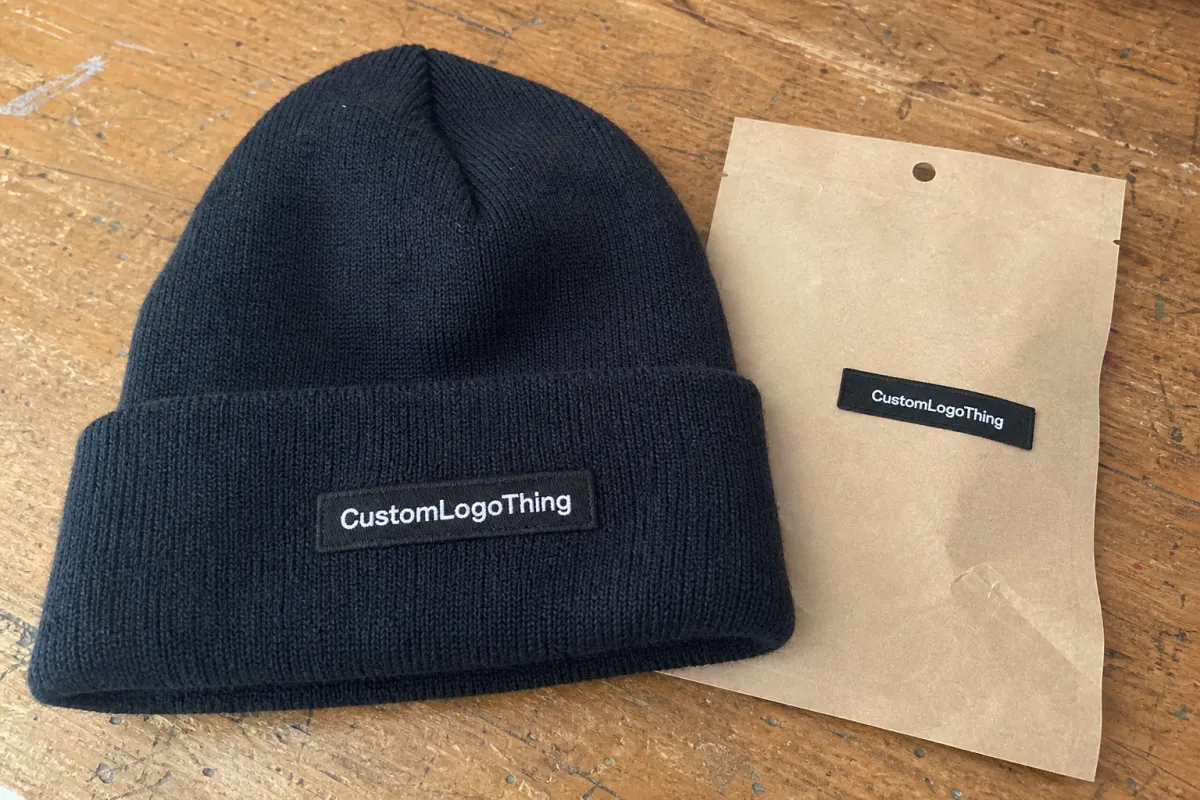
Wine shops do not run out of beanies because customers suddenly become knitwear critics. They run out because the first cold weekend, holiday gift shoppers, staff uniforms, tasting-room merch, and outdoor events all hit at once. This Cuffed Beanies Bulk Reorder planning guide for wine shops is built for that exact mess.
Most buyers remember to reorder bottles, bags, shippers, gift boxes, and tissue before they remember soft goods. Then the weather drops 20 degrees. Then everyone wants embroidered beanies yesterday. Cute.
Cuffed beanies work especially well for wine shops because they are compact, easy to size, and giftable without requiring a long explanation. One carton can hold a serious quantity. One display basket near checkout can move units during a busy Saturday. One clean embroidered logo on a folded cuff can make the item feel like retail merchandise instead of leftover promo junk.
The buying logic is simple: treat bulk reordering as inventory control, not a panic purchase. A wine shop may need beanies for staff, tasting room retail, loyalty gifts, winter markets, wholesale gift accounts, wine club inserts, and holiday bundles. That does not mean buying every color under the sun. It means planning enough units in the right colors, at the right cost, before the rush starts.
This Cuffed Beanies Bulk Reorder Planning guide for wine shops covers the practical decisions: style, yarn weight, cuff height, decoration method, color mix, MOQ, pricing breaks, lead time, reorder triggers, artwork consistency, and the small private-label details that quietly add time and cost.
Practical rule: if your beanies support holiday gifting, outdoor tastings, staff uniforms, or wine club drops, do not treat them like last-minute swag. They behave like seasonal inventory.
Why Cuffed Beanies Sell Better Than Random Winter Merch
From a wine shop buyer's point of view, cuffed beanies sit in the sweet spot. They are useful, easy to brand, and not too personal on sizing. A scarf has style baggage. Gloves create size and fit questions. Socks are fun until you have to explain sizing. Fleece blankets take up space fast. Beanies are cleaner.
A standard cuffed beanie usually wins on four points: storage footprint, unit cost, display simplicity, and broad wearability. Most are one-size-fits-most. They can sit in a basket, hang on a peg, fold into a gift box, or ride along with two bottles and a tasting card.
The cuff is the branding advantage. That folded area gives a controlled decoration zone for embroidery, woven labels, leatherette patches, PVC patches, or sewn tags. A 2.25-inch to 3-inch wide patch often reads well on a cuff. Embroidery height commonly lands around 1 inch to 1.5 inches, depending on the logo and knit stretch. Bigger is not always better. A massive logo on a beanie can look like a billboard for a very cold forehead.
Wine buyers also respond to tactile merch. A good beanie feels like an object someone would actually use. That matters. Cheap giveaways often end up in the drawer of shame, next to five cracked koozies and a pen that stopped writing after lunch.
Use cases are broad. Staff can wear matching beanies at cellar doors, winter markets, curbside pickup, or outdoor tastings. Retail customers can buy them from a checkout basket. Wine clubs can receive them as seasonal gifts. Local gift accounts can add them to winter baskets. Shops with strong branding can run limited seasonal drops in two or three colors.
Merchandising matters more than people admit. Place beanies beside red wine stacks, holiday bundles, local maker shelves, or checkout counters. Do not bury them near miscellaneous swag in a corner. If the product sells across multiple channels, use a planned reorder cadence. Treating every reorder like a fresh experiment wastes time and usually costs more.
Beanie Specs Wine Shops Should Lock Before Reordering
Reorder planning only works if the original product specs are documented. Guessing from an old sample is how buyers end up with a beanie that is almost the same. Which means not the same.
Start with construction. Most wine shop bulk beanies use acrylic, recycled acrylic, cotton blends, wool blends, or acrylic-poly blends. Acrylic is common because it holds shape, keeps cost controlled, and handles embroidery well. Rib knit gives a classic retail look. Waffle knit feels more textured and casual. Fisherman knit often feels heavier and more premium, though it can cost more and change how embroidery sits on the cuff.
Fit depends on more than “one size.” Crown height, cuff depth, yarn thickness, and stretch recovery all change the feel. A 3-inch cuff feels different from a 4-inch cuff. A thicker knit may feel warmer but can make fine embroidery less crisp. A loose crown can look trendy on the right customer and sloppy on the wrong display. Annoying, but true.
Decoration specs need the same discipline. Confirm patch size, embroidery height, stitch density, thread colors, label placement, and whether the logo stays visible when the cuff is folded naturally. If your beanie has to be tugged into a perfect studio fold for the logo to show, customers will not do that for you.
Color strategy should be boring in the best possible way. Black, charcoal, cream, forest, burgundy, navy, and heather neutrals usually move better than loud novelty colors unless the shop already has a bold brand palette. Burgundy can work beautifully for wine brands, but test the shade. Too red looks cheap. Too brown can look muddy under retail lighting.
Create a reorder spec sheet with the following details:
- Beanie SKU: style name, yarn material, knit type, cuff height, and crown fit.
- Color data: supplier color names, internal SKU names, and any available yarn color codes.
- Decoration: embroidery file, patch file, logo version, thread colors, patch material, and placement.
- Packaging: hang tags, belly bands, barcode stickers, size labels, polybags, and carton counts.
- Proof history: approved mockup, production proof, prior invoice, and reorder notes.
Private-label details should be decided before pricing. Hang tags, belly bands, barcode labels, and individual bagging affect handling time and cost. If you want FSC-certified paper tags, confirm the paper spec and supplier documentation. The Forest Stewardship Council publishes chain-of-custody standards that matter if you make sustainability claims on packaging or tags.
For a clean reorder, keep one approved sample in storage with the spec sheet. Not on someone's desk. Not in a mystery box behind the tasting counter. Stored, labeled, and findable.
MOQ, Pricing, and Unit Cost Planning for Bulk Beanies
Bulk cuffed beanie pricing usually comes from seven inputs: blank beanie cost, decoration method, order quantity, artwork complexity, packaging, freight, and reorder repeatability. That last one matters. If the supplier already has the art, thread colors, patch die, and approved sample on file, the reorder is cleaner.
MOQ depends on the style. Standard stock colors with simple embroidery can often start at lower quantities. Custom yarn colors, custom patches, retail packaging, split shipments, or mixed designs push minimums higher. Not every factory or decorator works the same way, so ask for real quantity breaks instead of assuming.
| Order Type | Typical Quantity Range | Common Use | Price Behavior |
|---|---|---|---|
| Small test reorder | 48-144 units | Restocking one shop or testing one new color | Higher unit cost, lower cash risk |
| Seasonal retail buy | 144-500 units | Holiday display, staff, events, and gift sets | Better decoration efficiency and freight spread |
| Multi-location or wine club buy | 500-2,000+ units | Club gifts, wholesale accounts, and several shops | Stronger price breaks, higher inventory exposure |
Common price drivers include embroidery stitch count, number of thread colors, patch material, patch sewing, woven label minimums, leatherette engraving, Custom Hang Tags, individual bagging, barcode labels, and split shipments. A simple one-location reorder with embroidery may price very differently from the same beanie packed with a barcode sticker and shipped to six tasting rooms.
Here is the tradeoff most buyers miss: the lowest unit cost can still be the wrong buy. A cheaper beanie that sits in 11 cartons behind the tasting room is not a win. It is a storage problem wearing a pom-pom.
For budget planning, estimate expected retail sell-through, staff allocation, gift bundle needs, shrinkage, sample reserves, and a reorder buffer. If you sold 120 units last cold season, need 35 for staff, plan 80 for wine club gifts, and want a 15% buffer, you are already near 270 units before event merch. That is not “a few beanies.” That is a real buy.
Ask Custom Logo Things for quotes at two or three quantities with the same specs. For example: 144, 288, and 500 units. You will see the actual cost curve instead of guessing. If your shop uses recurring seasonal merch, ask about Wholesale Programs so pricing, repeat specs, and reorders are easier to manage.
Process, Timeline, and Lead Time for Reorders
A clean reorder follows a boring process. Boring is good here. Confirm prior specs, check current inventory, approve artwork, confirm beanie colors, review the quote, approve the proof, produce, inspect, pack, and ship.
Reorders move faster when the supplier already has artwork, thread colors, patch dies, label files, and approved samples on file. Change the patch size, yarn color, logo placement, or packaging format and the job stops being a straight reorder. It becomes a revised order. That usually means more proofing and more chances for delay.
Standard reorders generally move faster than first orders, but timing still depends on stock availability, decoration capacity, custom components, and freight. A simple repeat embroidery order may move in roughly 10-15 business days after proof approval. A patch order with custom labels and retail packaging may need 18-30 business days, sometimes more during peak cold-weather demand.
Place cold-weather beanie reorders before the rush, not when the first frost hits and every retailer suddenly discovers humans have ears.
Buyer-side speed matters. Approve quotes quickly. Send a clean purchase order. Confirm the shipping address. Handle payment terms. Assign one person to approve proofs. Five people voting on thread color is how a two-day approval becomes a two-week delay.
Proofing should include three checkpoints:
- Digital mockup: confirms layout, logo size, placement, and color direction.
- Production proof or sample: useful for new decoration methods, new patches, or changed placement.
- Final packing list: confirms color counts, carton counts, labels, and ship-to details.
Build your reorder calendar around gift sets, wine club shipments, outdoor events, staff uniform refreshes, and winter retail displays. If your shop ships beanies with bottles, review packaging and transit requirements too. The International Safe Transit Association publishes testing resources that are useful for packaged goods moving through parcel and freight systems.
Inventory Math: How Many Beanies to Reorder
Use a simple formula: expected retail sales + staff needs + event needs + wine club gifts + buffer = reorder quantity. It is not fancy. It works.
Start with sell-through. Look at units sold per week during cold months, spikes during events, gift bundle performance, and which colors moved. Do not rely on memory. Memory loves the color that looked good on Instagram. Sales reports prefer the color customers actually bought.
Break the order into channels. Tasting room retail may need 80 units. Online shop may need 40. Staff uniforms may need 25 plus replacements. Market booths may need 60. Wine club inserts may need 150. Donation baskets and VIP gifts may take another 20. Suddenly a 300-unit reorder is not aggressive. It is math.
Keep a reserve. A 5%-10% reserve covers staff replacements, damaged goods, late holiday shoppers, and owner requests. Yes, the owner will want one after they are sold out. Plan for that tiny drama.
Color mix should follow performance. If black and forest green sold out first, reorder more of those. If cream sold well but showed dirt too easily during staff use, keep it retail-only. If the experimental mustard color died on the shelf, do not reward it with another carton because it looked charming on a mood board.
Good reorder triggers include inventory dropping below a set threshold, a seasonal event sitting 8-10 weeks out, wine club gifting quantities being confirmed, or a key retail color reaching 30% remaining stock. The exact trigger depends on lead time and sales velocity.
A basic spreadsheet is enough for most shops. Track color, decoration method, starting quantity, units sold, comps, damaged units, remaining stock, reorder point, supplier quote history, and retail price. If you run multiple locations, add location-level inventory so one shop is not sold out while another has six dusty cartons.
This is the operational heart of a cuffed beanies bulk reorder planning guide for wine shops: stop treating the product like a cute side item and start tracking it like seasonal inventory with margin attached.
Common Reorder Mistakes That Cost Wine Shops Money
The biggest mistake is reordering from a photo instead of a saved spec sheet. Photos do not capture yarn weight, cuff height, stretch recovery, thread color, patch backing, label material, or carton quantity. A photo can help. It cannot run the order.
Another mistake: changing too many variables at once. If the last beanie sold well, keep the proven style and test one new color or one patch option. Do not change the knit, logo size, decoration method, and color mix in the same reorder unless you enjoy losing the reason it worked.
Under-ordering also gets expensive. Small reorders feel safer, but they can push unit costs up, create repeat freight charges, and cause stockouts during peak retail weeks. If you know December gifting will need 200 units, ordering 72 because it feels cautious is not planning. It is procrastination with a purchase order.
Over-ordering is the opposite trap. Bigger price breaks are tempting, but a lower unit cost should not bully you into buying more than you can sell, gift, or store. Wine shops already need space for bottles, shippers, displays, and seasonal packaging. Beanie cartons compete with all of that.
Proof approval mistakes are painfully common. Wrong logo version. Low-contrast thread. Patch too small for the cuff. Decoration placed so low it disappears when worn. The fix is simple: approve against the spec sheet, not vibes.
Packaging oversights cause their own brand of chaos. No barcode. No hang tag. No retail-ready label. Cartons without clear color counts. A staff member opening five boxes to find twelve black beanies is not a fulfillment system.
After each season, document what sold, what sat, what customers asked for, and what should change. A 30-minute post-season review can save hundreds or thousands of dollars on the next reorder. Honestly, most shops skip it. Then they wonder why the same slow color comes back every winter like a bad sequel.
Next Steps Before You Request a Beanie Quote
Before asking for pricing, gather the practical details. Send the prior invoice if you have it. Add a photo of the existing beanie. Include the logo file, desired quantity, delivery deadline, color mix, decoration preference, shipping address, and packaging needs. Clean information gets cleaner quotes.
Pick two quantity targets before requesting pricing: one conservative reorder and one stronger price-break quantity. For example, ask for 144 and 288 units, or 288 and 500 units. That lets you compare cash flow against unit cost without playing email ping-pong for three days.
Decide how the beanies will be used. Retail sale requires margin planning, hang tags, barcodes, and display thinking. Staff uniforms need durability and replacement units. Gifting may need belly bands, cards, or polybags. Mixed use needs a cleaner allocation plan so retail units do not disappear into staff lockers.
Custom Logo Things can quote faster with these specs: beanie style, material preference, cuff size, logo size, decoration method, number of colors, packaging requirements, delivery date, and any previous approved sample. If you are matching an older order, photos are helpful backup. They are not specifications. A photo cannot tell us the exact thread shade or patch backing, because apparently cameras still refuse to do purchasing work.
If you have questions about artwork, shipping, or reorder details, review the FAQ or send the beanie details directly for a quote review. The more complete the starting point, the fewer revisions you will need.
This cuffed beanies bulk reorder planning guide for wine shops gives buyers the checklist to order earlier, price smarter, and keep winter merch in stock when customers actually want it.
FAQ
How early should wine shops use a cuffed beanies bulk reorder plan?
Start before the cold-weather rush, especially if the beanies support holiday gift sets, wine club shipments, staff uniforms, or outdoor tasting events. For simple repeat embroidery, allow several business weeks from Quote to Delivery. Add more time for custom patches, private labels, barcode stickers, split shipments, or new samples. Those details are small until they are suddenly holding up the order.
What is the typical MOQ for bulk cuffed beanies for wine shops?
MOQ depends on the beanie style, stock color availability, decoration method, and packaging requirements. Standard stock cuffed beanies with embroidery or a basic patch usually have more flexible minimums than custom yarn colors or full private-label programs. Ask for quote options at two or three quantities so you can compare the real unit cost difference before committing.
Which decoration method is best for wine shop cuffed beanies?
Embroidery is durable and classic for simple logos or wordmarks with limited detail. Woven labels or patches work better for small typography, crest logos, detailed artwork, or a more retail-focused look. Leatherette patches can look premium, but check contrast, patch size, and brand fit before assuming they are automatically the best choice.
How many colors should a wine shop reorder in bulk beanies?
Most wine shops should keep the color mix tight. Two to four colors usually works better than a scattered rainbow of slow-moving inventory. Prioritize proven sellers like black, charcoal, cream, forest, navy, or burgundy if they match the brand. Use sell-through data where possible. If a color barely moved last season, do not give it another carton.
What information is needed for a fast cuffed beanie reorder quote?
Send the desired quantity, beanie color mix, logo file, decoration method, delivery deadline, shipping address, and packaging needs. If matching a previous order, include the prior invoice, approved proof, sample photos, thread colors, patch specs, or SKU notes. The cleaner the information, the faster the quote. Mystery specs create delays, revisions, and occasionally very avoidable headaches.


