Why Cuffed Beanies Behave Differently in Ecommerce Merch
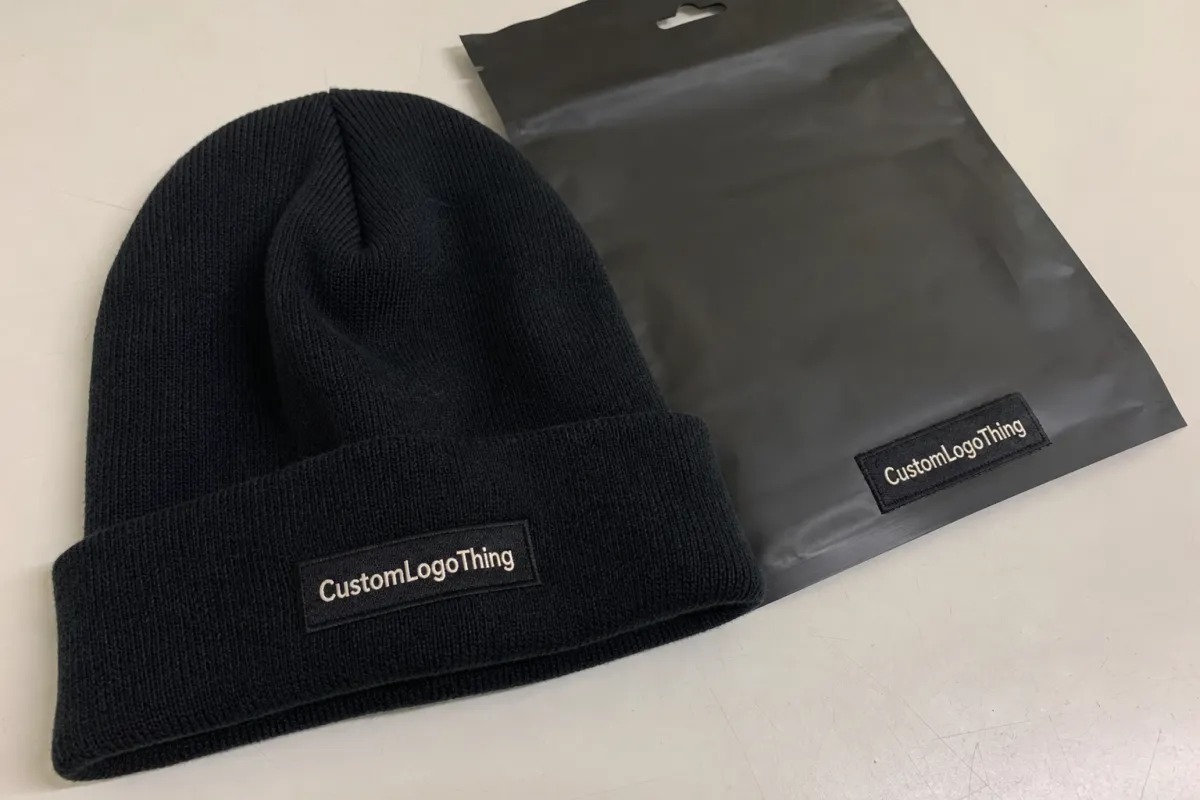
A $14 beanie can lose money faster than a $58 hoodie. That surprises buyers, but cuffed Beanies for Ecommerce merch pricing is rarely a simple blank-plus-logo calculation. The final margin depends on the product spec, decoration method, packaging format, fulfillment rate, channel fees, discount plan, and the quiet cost of inventory that does not sell before the weather changes.
Beanies look easy on a line sheet. One size. Small carton footprint. Simple product photography. Strong gift potential. For creators, nonprofits, corporate stores, outdoor brands, and fan merch shops, the appeal is real because there is no size curve to forecast like there is with tees, fleece, or jackets. A single cuffed beanie can often ship in a compact mailer without dimensional weight trouble, which keeps the shipping model cleaner than bulkier apparel.
The pressure comes from the low ticket price. If the retail price is $22 and the actual contribution cost lands near $13 after decoration, fulfillment, platform fees, and a modest launch discount, the cushion is thin. One free-shipping threshold, one repack fee, or one under-modeled marketplace commission can turn a tidy accessory into a product that mostly keeps the store busy.
Compared with caps, cuffed beanies remove brim shape, crown height, and closure decisions. Compared with T-shirts, they remove size exchanges. Customers still notice plenty: knit density, cuff height, logo placement, stretch recovery, scratchy yarn, loose threads, and whether embroidery puckers once the beanie is worn. A cheap acrylic beanie with a dense logo may pass a flat digital proof and still look distorted on a real head.
Packaging buyer rule: if the beanie feels inexpensive in the hand, packaging will not fully rescue the price. Product spec, decoration, and fulfillment math need to work before the wrap, insert, or mailer gets involved.
The investigation starts with the invoice and continues through the warehouse. Setup. Digitizing. Sampling. Polybagging. Barcode labels. Freight. Receiving. Storage. Returns. Failed sell-through. Pricing gets easier once those hidden lines are pulled into the model before the launch calendar is locked.
How the Unit Economics Work Before You Set Retail
The cleanest pricing equation is also the one most often skipped: landed unit cost + decoration + packaging + fulfillment allowance + platform fees + expected discount + target margin = retail floor. Not the aspirational retail price. The floor. Below that number, the drop starts producing activity instead of profit.
Supplier unit price is not true cost. A blank beanie quoted at $3.20 may look better than one at $4.10, but the cheaper version can lose the advantage if it needs heavier embroidery backing, extra shaping during photography, more defect sorting, or repacking because it arrives bulk-packed instead of ecommerce-ready. A $4.10 beanie that photographs well, holds its cuff, and stays consistent across 500 units may be the stronger financial choice than a $3.20 SKU that creates customer service tickets.
Here is a realistic ecommerce stack for a decorated cuffed beanie:
| Cost Line | Typical Range Per Unit | What Changes the Number |
|---|---|---|
| Blank or custom beanie | $2.80-$7.50 | Yarn, knit weight, cuff structure, color, order quantity |
| Embroidery or patch decoration | $1.20-$4.50 | Stitch count, patch material, logo size, setup, labor |
| Basic ecommerce packaging | $0.18-$0.85 | Polybag, barcode label, hang tag, insert, belly band |
| Inbound freight and receiving | $0.25-$1.40 | Carton cube, origin, service level, warehouse check-in fees |
| Pick, pack, and outbound handling | $2.50-$5.75 | 3PL rates, order profile, mailer choice, inserts |
| Platform and payment fees | 3%-15% of retail | Shopify apps, marketplace commission, payment processor, creator storefront |
A Shopify store may pay card processing around 2.9% plus a small transaction fee, while a marketplace or social commerce channel can take a much larger slice. Amazon, TikTok Shop, creator storefronts, and merch platforms each handle fees differently, so contribution margin matters more than gross margin. Gross margin can make a beanie look healthy. Contribution margin shows whether the order still works after pick-and-pack, returns, and promotional leakage.
Discounts deserve their own line. A 20% promo on a $24 beanie removes $4.80 of revenue. If the real contribution margin was $7.25 before the discount, the promo just took most of the profit. Model the beanie at full price, launch discount, and clearance price before inventory is purchased, especially for seasonal colors or winter-heavy assortments.
Cuffed Beanies for Ecommerce Merch Pricing: Cost Levers to Audit
The fastest way to improve a quote is not always to demand a lower unit price. A better move is to ask where the cost is hiding. In Cuffed Beanies for Ecommerce Merch pricing, the largest levers usually sit in material, decoration, packing format, and order quantity.
Material and Knit Spec
Acrylic is common because it is warm, lightweight, and budget-friendly. Basic acrylic cuffed beanies often land in the $2.80-$5.50 range before decoration, depending on quantity and construction. Recycled polyester can support sustainability positioning, but claims should be backed by documentation rather than soft language. Wool blends raise warmth and perceived value, yet they may introduce itch concerns, higher care expectations, and a smaller audience in mild climates. Cotton blends feel softer and more breathable, though they may not deliver the same cold-weather story.
Ask for knit weight, cuff height, finished dimensions, and stretch tolerance. A 3-inch cuff creates a different decoration field than a 4-inch cuff. A denser 2x2 rib may support embroidery better than a loose knit, though yarn and logo geometry still matter. If the logo has small text, thin outlines, or tight negative space, request a decoration recommendation before approving the art size.
Decoration Choices
Embroidery is durable and familiar, but stitch count drives cost. A small 3-inch-wide logo with 5,000 stitches may price very differently from a dense 11,000-stitch badge. Oversized embroidery on stretch knit can pucker. Fine text can fill in. Thin outlines can disappear once thread, knit texture, and tension meet.
Woven labels work well for detailed marks because the design is produced in the label rather than forced through the knit. Leatherette patches can raise perceived value at a moderate cost, often $1.50-$3.50 per unit depending on size and attachment. Silicone patches feel more modern and retail-grade, but they may require higher minimums or longer lead times. Jacquard knit-in designs can look premium for larger runs, though they demand stronger forecasting because the design is part of the beanie, not an added decoration that can be swapped later.
Packaging and Compliance
Individual polybags, belly bands, hang tags, QR inserts, branded tissue, carton labels, and barcode requirements all affect cost and warehouse readiness. A simple barcode-ready polybag may add $0.18-$0.35 per unit. A hang tag plus printed insert might add $0.35-$0.75. Branded tissue can look polished, but it often slows packing if the 3PL has to wrap each order by hand.
Fiber content and country-of-origin labeling are not decorative details. They are selling requirements. If you use FSC-certified paper for hang tags or belly bands, verify the claim and chain-of-custody expectations through the Forest Stewardship Council. If you are building mailer tests for small parcel handling, ISTA procedures from the International Safe Transit Association can help frame drop, vibration, and compression expectations.
MOQ can be seductive. A 1,000-unit order may cut the decorated cost by $0.80 compared with 250 units, but if 300 units need a 35% markdown after the cold-weather window, the savings disappear. Ask suppliers to quote three quantities and at least two decoration methods side by side. The comparison usually reveals whether a larger buy is a real advantage or just cheaper inventory sitting in larger cartons.
Production Steps and Timeline From Quote to Launch
A good beanie launch has more dependencies than the product page suggests. The usual path runs through spec selection, quote request, artwork preparation, sample approval, bulk production, quality check, packing, freight, warehouse receiving, inventory sync, and ecommerce go-live.
Embroidery cannot be approved until artwork is digitized. Bulk production should not start until the buyer signs off on placement, scale, and thread color. If a patch is involved, the patch sample and attachment sample may be separate approvals. That adds days, and sometimes it is the difference between launching during peak demand and arriving after the buying window has softened.
Typical timelines vary by supplier and order complexity. A basic decorated stock beanie may need 12-20 business days from proof approval for production. A custom knit, special yarn, private label, or jacquard design can push the calendar to 30-60 days before freight. Sampling often adds 5-12 business days, especially if physical approval is required instead of a digital proof.
The timeline traps are predictable: delayed Pantone decisions, unclear logo size, missing care labels, unavailable yarn colors, holiday capacity pressure, and late barcode requirements. Product photography also depends on samples arriving early enough to shoot on-head fit, cuff detail, inside label, texture, and packaging. A flat lay alone rarely justifies a premium beanie price.
Build a reverse calendar from the intended drop date. Include sample production, approval time, bulk production, inbound freight, warehouse receiving, product page copy, inventory syncing, launch email, creator or ambassador seeding, and paid ad setup if those are part of the plan. For ecommerce, the beanie is not launch-ready when it leaves the decorator. It is launch-ready when the warehouse has counted it, the SKU is active, and the product page explains the value clearly.
Step-by-Step Pricing Guide for a Profitable Beanie Drop
Pricing becomes less emotional when the process is staged. Start with the buyer and use case, move into the product spec, collect quotes, then build the margin model. Reversing that order usually leads to a target retail price that the product cannot support.
- Define the buyer and use case. Fan merch can tolerate bolder graphics. Employee stores may need neutral colors. A nonprofit fundraiser may need a clear margin target per unit, such as $8-$12 after costs. An outdoor brand add-on needs product credibility, not just a logo.
- Choose the beanie spec before pricing. Decide cuff height, knit weight, yarn, color count, decoration zone, and label needs. “Black beanie with logo” is not a spec. It is a placeholder.
- Request quotes at three quantities. Use a test run, expected order, and stretch volume. For example: 150, 500, and 1,000 units. This exposes the MOQ curve and shows whether the price break is large enough to justify inventory risk.
- Calculate true landed cost. Include blank, decoration, setup, sample freight, packaging, inbound freight, receiving, storage, pick-and-pack, payment fees, marketplace commission, return allowance, and expected discount.
- Model three retail scenarios. Run conservative, expected, and promotional cases. A $28 beanie at full price may look strong; at $22.40 after discount, the same SKU may weaken quickly if fulfillment costs are high.
- Validate perceived value. Compare retail beanies, competing merch, your brand’s hoodie price, and what customers already pay for adjacent products. A beanie priced at $32 needs better knit, decoration, photography, or brand demand than one priced at $18.
- Select the launch structure. Standalone SKU, bundle, preorder, limited drop, gift-with-purchase, and corporate store replenishment all carry different margin and inventory profiles.
Preorders can reduce inventory exposure, but they require honest delivery communication. Limited drops can create urgency, yet small runs often raise unit cost. Bundles can raise average order value, although they can also hide weak beanie demand if the bundle is carried by a hoodie, bottle, or sticker pack. For internal stores, replenishment planning may matter more than launch drama; out-of-stock notices create their own kind of customer service cost.
Common Mistakes That Quietly Kill Beanie Margins
The first mistake is pricing from blank cost alone. A $3.75 blank with $2.25 embroidery, $0.35 bagging, $0.60 inbound freight, $3.75 fulfillment, and 12% platform fees is not a $3.75 product. It behaves more like a small retail item with apparel decoration risk and parcel-fulfillment overhead attached.
The second mistake is oversized embroidery. Stretch knit moves. Large logos can distort, especially across the front cuff where tension changes on-head. Higher stitch counts also slow production and increase cost. For many cuffed beanies, a 2.25-inch to 3.25-inch wide decoration zone is safer than the large-logo thinking borrowed from hoodies.
Packaging overbuild is another quiet margin leak. A printed belly band, tissue wrap, premium insert, and custom rigid mailer may create a nice unboxing moment, but on a $20-$28 accessory, each extra $0.40 matters. Spend where customers feel it: softer yarn, cleaner cuff structure, better patch edge, or stronger embroidery execution.
Inventory errors can be brutal. Trend colors look exciting in a line sheet and painful in storage. Climate matters too. A brand with mild winters may move fewer heavy knit beanies than its social audience suggests. Timing matters even more. Launching after the cold-weather demand peak often turns a “limited drop” into a markdown plan.
Compliance and marketplace details can also delay revenue. Missing country-of-origin labels, incorrect fiber content, absent barcodes, inconsistent carton labels, and inaccurate product dimensions can block receiving or listing. Amazon and major 3PLs are especially strict about barcodes and carton data because those fields affect scanning, storage, routing, and customer shipment accuracy.
Then there is blanket discounting. A 20% sale sounds harmless until compared with actual contribution margin. If a beanie shows only $6.50 of contribution at full price, a $5 discount nearly erases the reason the SKU exists. Promotions should be modeled before launch, not invented after the first slow week.
Expert Tips for Higher Perceived Value Without Overpaying
Improve the detail the customer touches first. Handfeel beats a fancy insert. A beanie with a softer acrylic, recycled poly blend, wool blend, or better rib structure can justify a higher retail price more effectively than packaging that lands in the trash after 20 seconds.
Cuff structure matters. A clean cuff that holds shape in photography and on-head gives the product a retail look. Loose cuffs make even good embroidery feel cheap. Ask for samples with the intended logo size and photograph them on a real head before approving bulk production. If the logo sits too low, too high, or too close to the fold edge, fix it before the full run begins.
Use contrast carefully. Tonal embroidery can feel more premium and less promotional. High-contrast logos photograph well and help fans identify the brand quickly, but on a basic beanie they can read like event swag. Neither option is automatically better. The brand position decides.
A compact packaging system often works better than elaborate gift packaging. Consider a hang tag with a short product story, barcode-ready label, recyclable mailer fit, and optional QR insert. If sustainability claims are part of the story, keep language specific. “Recyclable paper belly band where facilities exist” is more trustworthy than broad green claims that cannot be verified.
- For detailed logos: test woven labels or patches instead of dense embroidery.
- For premium minimal brands: test tonal embroidery, small leatherette patches, or private label finishing.
- For fan merch: prioritize readable logos, strong photography, and colorways tied to the community.
- For corporate stores: prioritize consistency, barcode readiness, and replenishment planning.
Suppliers should flag decoration risk before sampling. Ask them to review logo thickness, stitch count, knit stretch, patch edge detail, and color contrast. A useful warning at proof stage can save hundreds of flawed units later.
Photography is part of pricing. Show the cuff, inside label, texture, packaging, and fit on a real head. Customers will pay more when they can see why the beanie is not a generic giveaway item. Bundles can help too, especially with hoodies, scarves, drinkware, or stickers, but only if the bundle raises average order value without masking slow beanie demand.
Action Plan Before You Request a Beanie Quote
Before contacting suppliers, gather the practical details: artwork, target retail price, expected order quantity, launch date, packaging needs, fulfillment channel, and any marketplace requirements. A complete quote request saves days and reduces the odds of a surprise cost line after approval.
Use a checklist. Include beanie material, cuff height, knit style, color, decoration method, logo size, sample requirement, MOQ, price breaks, lead time, packing format, carton dimensions, barcode format, freight terms, and whether individual polybags are required. If you need care labels, fiber content labels, or country-of-origin marking, say so early.
Build a simple pricing sheet with these columns: supplier unit cost, decoration, setup amortization, packaging, inbound freight, receiving, storage, pick-and-pack, outbound packaging, platform fees, expected discount, return allowance, and target margin. Even a basic spreadsheet is enough to show whether a $24 retail price is sensible or wishful.
If the brand has no beanie sales history, test demand. Use a preorder, limited colorway, email waitlist, small first run, or bundled offer with a clear measurement plan. Watch conversion rate, return comments, customer photos, and sell-through by week. A fast sellout at weak margin is not success. Neither is a beautiful product sitting in bins until spring.
Cuffed beanies for ecommerce merch pricing becomes far easier when the buyer treats the beanie as a retail product with a supply chain, not a cheap logo blank. The product is small. The math is not.
FAQ
What is a good margin target for cuffed beanie ecommerce merch pricing?
Many ecommerce sellers aim for contribution margin after decoration, packaging, platform fees, fulfillment, returns, and expected discounts, not just margin after the blank beanie cost. The right target depends on channel fees and retail price, but a beanie should still leave enough profit after a modest promo or return allowance to justify the inventory risk.
How does MOQ affect pricing for custom cuffed beanies?
MOQ affects pricing because setup, sampling, decoration preparation, and production labor are spread across fewer units in small runs. Ask for quotes at several quantities, such as 150, 500, and 1,000 units, then compare the savings against seasonal demand, storage cost, and likely markdown exposure.
Which decoration method is most cost-effective for ecommerce beanies?
Embroidery is common and durable, but the best value depends on logo complexity, stitch count, cuff thickness, and order quantity. Woven labels or patches can be better for detailed artwork, while tonal embroidery can create a premium look without adding much packaging cost.
How long should I allow for custom cuffed beanie production?
Plan time for quoting, artwork cleanup, sampling, approval, bulk production, quality control, packing, freight, and warehouse receiving. A basic decorated stock beanie may be produced in roughly 12-20 business days after proof approval, while custom knits, special yarns, and private label details can require 30-60 days before freight.
What costs do brands forget when pricing cuffed beanies for ecommerce?
Commonly missed costs include setup fees, embroidery digitizing, sample freight, inbound freight, individual bagging, barcode labels, receiving, storage, pick-and-pack, returns, and promotional discounts. A reliable pricing model should include every cost between supplier quote and delivered customer order before the final retail price is chosen.


