Beauty Pom Pom Beanies Material Sample Guide: What a Sample Really Proves
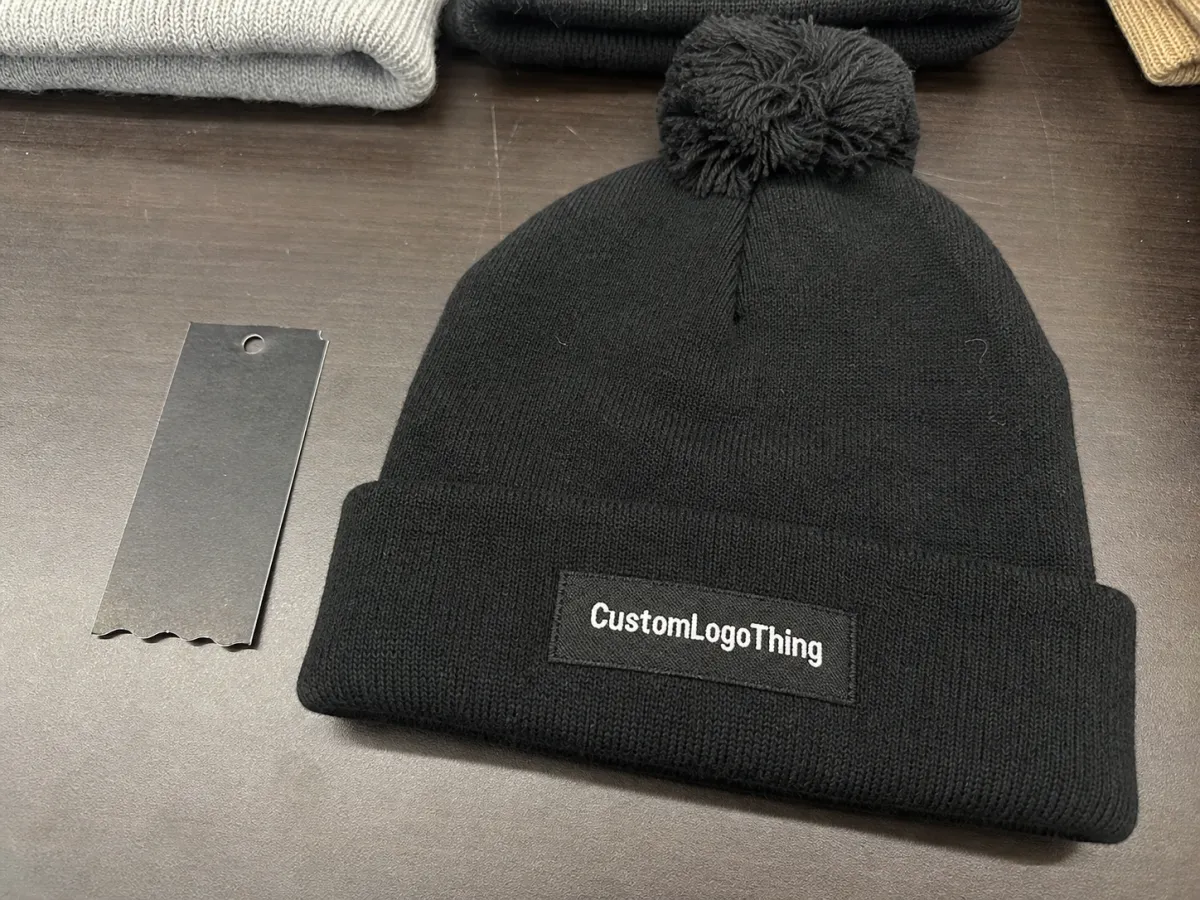
A beanie can look flawless in a product photo and still fail three practical tests: stretch recovery, pom attachment strength, and color consistency under retail lighting. That is why a beauty Pom Pom Beanies material sample guide should be treated less like a style board and more like a small production audit.
Softness matters. Of course it does. But softness alone does not tell you whether the cuff will loosen after five wears, whether the pom will shed onto a black wool coat, or whether a champagne-toned yarn will turn yellow under warm salon lights. From a buyer’s point of view, the sample is the first physical proof that the supplier understands both product feel and brand control.
The buyer may be a skincare brand preparing a winter gift-with-purchase, a salon group ordering staff merch, a boutique building a cold-weather display, or a beauty subscription program adding a cozy accessory to a mailer. Each needs the same slightly difficult mix: premium hand-feel, camera-friendly texture, reliable fit, accurate color, and a branded detail that looks intentional rather than added after the design was already finished.
A complete sample includes more than the knit body. Check the yarn or blend, cuff construction, pom material, label or patch, embroidery or woven branding, packaging, final fit, and the way the item sits inside the shipper. If the beanie will be mailed in corrugated cardboard with tissue, shredded paper, or a kraft belly band, test that arrangement too. Fibers snag. Poms flatten. Labels bend.
A sample is not a souvenir from the supplier. It is a low-cost warning system before hundreds or thousands of units are made the same way.
One physical beanie reveals supplier discipline. Machine tension shows in the ribbing. Finishing standards show in loose yarn ends and pom symmetry. Communication quality shows in whether the sample matches the artwork, Pantone target, label dimensions, and notes you approved. Beauty customers often judge by touch first, then color, then brand detail. Evaluate the sample in that order, because the end customer probably will too.
How Material Samples Translate Into Real Beanie Performance
The best material choice depends on what the beanie must do. Is it an Instagram-friendly gift? A retail accessory? A staff uniform item? A winter utility piece? One yarn rarely wins every category, and that is the uncomfortable truth behind serious material selection.
Acrylic is common because it is cost-efficient, color-stable, and soft enough for broad wear. For many custom beanie programs, acrylic keeps unit cost in a practical range, often around $4.50-$8.50 per piece at moderate quantities depending on knit density, pom type, branding, packaging, and freight. Better acrylic feels smooth and resilient. Cheaper grades can pill quickly, feel squeaky, or lose loft after compression in transit.
Cotton blends have a different personality. They feel breathable, matte, and less synthetic, which can support spa, wellness, clean-beauty, or sensitive-skin positioning. The tradeoff is shape retention. Cotton-heavy knits may stretch out faster unless the construction includes recovery from nylon, polyester, or spandex content. If the sample cuff looks relaxed after one fitting, bulk units may look tired before the campaign ends.
Wool blends signal warmth and premium value, especially in colder markets or higher-end retail kits. Still, wool requires tighter control. Ask about fiber content, care labeling, shrinkage testing, and itchiness. A 20%-30% wool blend can feel luxurious to one customer and scratchy to another. Beauty customers are often sensitive to textures near hair, ears, makeup, and scarves, so the hand-feel needs to be judged against real wear, not just a flat sample table.
Recycled polyester is gaining traction because buyers want recycled materials without giving up color range or durability. It can perform well, especially when paired with clear sustainability wording, but claims should be documented. If you plan to use hang tags mentioning post-consumer content, ask for supporting material information and keep the language precise. The U.S. Environmental Protection Agency offers useful context on recycling claims and material recovery at epa.gov/recycle.
Pom selection changes the whole product. Faux fur poms create plush visual impact and photograph beautifully, but they need shedding checks and may require special care instructions. Yarn poms look casual and handmade. Detachable poms help with laundering but add hardware and an extra failure point. Tonal poms are quieter and often better for minimalist beauty brands that want texture, not drama.
| Material Option | Typical Strength | Common Risk | Best Fit |
|---|---|---|---|
| Acrylic knit with faux fur pom | Strong color range, moderate cost, soft hand-feel | Pilling or low-density knit if cost is cut too far | Promotional beauty merch, salon retail, seasonal gifts |
| Cotton blend with yarn pom | Breathable, matte, clean-brand feel | Less stretch recovery without synthetic support | Spa brands, wellness kits, lighter climate programs |
| Wool blend with detachable pom | Warmth and premium perception | Itchiness, shrinkage, higher care-label burden | Premium retail, cold-weather gifting, boutique assortments |
| Recycled polyester blend | Sustainability story and strong dye consistency | Claims need documentation and careful wording | Eco-positioned beauty campaigns and branded merch drops |
Key Specs to Check Before You Approve the Sample
A sample without measurements is just an opinion. Record the specifications that will anchor bulk production: yarn count, knit gauge, finished height, cuff height, unstretched width, stretched width, pom diameter, label size, label placement, packaging dimensions, and unit weight. For a cuffed beauty beanie, common finished heights often sit around 8.5-9.5 inches, with cuff heights around 2.5-3.5 inches. Your fit target may differ, especially if the beanie is meant to sit slouchy, fitted, or styled over thicker hair.
Stretch recovery is simple to test. Measure the cuff flat. Pull it to a realistic head width for 10-15 seconds. Release it for one minute, then measure again. If the sample starts at 8.25 inches flat and returns to 8.5 inches after stretching, that may be acceptable. If it stays at 9.25 inches after one pull, bulk units could become loose quickly.
Color deserves three checks, not one. Look at the beanie in daylight, warm indoor light, and phone-camera flash. Beauty merchandise gets photographed before it gets worn: in salons, on vanities, inside influencer mailers, and beside product packaging. Cream, blush, taupe, champagne, and greige can shift dramatically across acrylic, cotton, wool blend, faux fur, silicone labels, and paper hang tags.
Logo placement is another quiet source of disappointment. Embroidery may need a tolerance of 2-3 millimeters. Woven patches need clean border alignment. Leatherette patches must be heat-pressed or stitched evenly, with no scorched edge or puckered knit underneath. Silicone labels can look polished, but a crooked label on a soft cuff reads cheap fast. Hang tags should not pull the cuff out of shape.
Run a touch-and-snag inspection. Rub the beanie against a ring, press-on nail edge, hair clip, zipper pull, or the corner of its intended packaging. If fibers lift immediately, ask whether the yarn, knit density, or finishing process can be improved. If the pom sheds after light handling, that is not a minor issue for a beauty buyer; loose fibers near styled hair and lip gloss are memorable for the wrong reason.
Pom attachment should be tested with gentle but firm tension. A sewn pom, snap-off pom, or tied yarn pom can each be acceptable, but the method needs to match the product’s use. If the pom is detachable, check whether customers can remove and reattach it without fighting the hardware. If it is permanent, look inside the crown for clean stitching and no hard knot that presses against the head.
Compare the sample against the setting where it will live. A beanie going into a rigid gift box with FSC certified paper wrap needs different packaging control than a beanie sold loose in a boutique basket. FSC information is available at fsc.org, and it is useful if your brand plans to make sourcing claims on packaging or inserts.
Process and Timeline From Material Swatch to Approved Beanie
The practical sequence is predictable: creative brief, material recommendation, color target, digital mockup, material swatch, pre-production sample, revision round, written approval, bulk production, inspection, packing, and shipment. Trouble usually starts when buyers skip the middle steps because a launch calendar is already crowded.
A swatch and a full sample are not the same thing. The swatch verifies yarn, color, texture, and sometimes knit tension. The full sample verifies construction, branding, fit, pom behavior, packaging fit, and finish. A 3-inch yarn swatch cannot tell you whether the cuff bites too tightly, whether the patch is too large, or whether the pom makes the beanie top-heavy.
Typical timing varies by supplier and specification, but a practical planning range is 3-7 business days for a digital mockup, 5-10 business days for available material swatches, and 10-18 business days for a pre-production sample after artwork and materials are confirmed. Custom dyed yarn, unusual pom colors, specialty woven labels, embroidery digitizing, holiday capacity, and international freight can add days or weeks.
Build in one revision round if the beanie supports a paid campaign, seasonal kit, or retail drop. A revised sample may prevent 500 units from arriving with a too-yellow cream yarn or a pom that looks half the size shown in the mockup. Treat the first sample as evidence, not as a personal insult to the brief.
Approval notes should be written and visual. Avoid vague comments like “make it more premium” or “soften the color.” Say, “Change cuff patch from 55 mm wide to 45 mm wide,” or “Match yarn closer to Pantone 7527 C under daylight,” or “Increase faux fur pom diameter from 9 cm to 11 cm.” Photos with arrows help. So does a short spec sheet that the supplier can attach to the production order.
Do not book campaign photography, influencer mailers, or a retail launch date until the physical sample has been approved. A digital mockup can sell the idea internally. It cannot confirm hand-feel, fit, shade, or how the beanie behaves after being packed for shipping. For a branded beauty accessory, those details are the product.
Cost, MOQ, and Quote Factors Hidden Inside a Sample
The sample cost is not the price of one beanie. It reflects setup labor, yarn sourcing, machine time, logo preparation, pom sourcing, finishing, packing, and shipping. That is why a sample may cost $45-$150 even when the eventual bulk unit price is far lower. Expedited freight can cost more than the sample itself.
The main quote drivers are material choice, knit complexity, number of yarn colors, pom type, label method, order quantity, packaging, inspection level, and delivery speed. A basic acrylic beanie with a yarn pom and woven label may sit near the lower end of a quote range. Add a faux fur detachable pom, custom leatherette patch, individual kraft paper belly band, biodegradable packaging sleeve, and carton labeling, and the unit economics change.
MOQ logic is not just supplier stubbornness. Yarn purchasing, machine setup, dye lots, trim sourcing, and packing labor become inefficient below certain quantities. Small runs may start around 100-300 pieces for simpler stock-color programs, while custom colors, custom poms, or specialty trims may push minimums closer to 500-1,000 pieces. This depends on the material pipeline and available inventory.
A boutique run may pay more per unit but reduce inventory risk. A larger campaign order spreads setup cost across more beanies and usually improves the unit price. For planning only, a 150-piece order might land at $9.50-$14.00 per unit depending on decoration and freight, while a 1,000-piece order with similar specs may fall closer to $5.25-$8.25. Final pricing depends on current yarn cost, exchange rate, packing method, and shipping terms.
The lowest quote often removes something buyers do not notice immediately. Knit density drops. Pom fullness shrinks. The label material gets thinner. Color matching becomes “close enough.” Packaging shifts from a structured presentation to a plain polybag. In a beauty launch, those savings can be visible the moment the recipient opens the box.
Ask for a line-item quote. Separate the sample fee, bulk unit cost, logo setup, packaging, freight, optional inspection, and upgrades. A useful material sample guide should make tradeoffs visible before purchase orders are signed, not after cartons arrive.
Common Sampling Mistakes Beauty Brands Make
The first mistake is approving from a filtered photo. Photos hide hand-feel, density, color shift, logo texture, and the true scale of the pom. A supplier photo can be useful for progress, but it should not replace a physical sample if the beanie is tied to a retail product, paid campaign, or premium gift.
The second mistake is over-designing. Too many yarn colors, oversized patches, metallic thread, novelty poms, and elaborate packaging can fight the clean premium cues many beauty customers expect. A blush beanie with tonal embroidery and a full pom may look more expensive than a busy design with four competing details.
Hair and makeup interactions get ignored too often. Fuzzy fibers can cling to gloss. Shedding poms can land on dark coats. Rough labels can catch styled hair near the nape. A stiff patch may press awkwardly under earmuffs or a hood. Beauty buyers understand texture in skincare and cosmetics; the same discipline should apply to soft goods.
Color approval from screen values alone is risky. RGB and hex codes are built for screens, not yarn. Pantone references help, but even Pantone targets behave differently across acrylic, cotton, wool, faux fur, paperboard, and silicone. Ask for the closest physical match, then evaluate it beside the product packaging. If the beanie ships in corrugated cardboard with a printed insert, place all components together before approval.
Care-label planning is another blind spot. Detachable poms, wool blends, faux fur, leatherette patches, and decorated trims may require specific washing instructions. Textile labeling rules and local market requirements can apply depending on where the product is sold. If the beanie is a gift, buyers still deserve accurate care guidance, especially if the item may be resold, included in a paid kit, or promoted as part of a limited-edition assortment.
Sample notes should be ranked. Must-fix issues first: wrong color, poor fit, weak pom attachment, incorrect logo. Preference changes second: slightly softer yarn, smaller patch, more rounded pom. Nice-to-have refinements last. This keeps the revision process focused and prevents subjective edits from delaying production without improving customer experience.
Actionable Next Steps Before You Order Bulk Beanies
Create a one-page scorecard before the sample arrives. Use five categories: softness, fit, color accuracy, pom security, and brand finish. Give each category a score from 1 to 5 and leave space for measurements. It sounds basic because it is basic. It also works.
If the beanie supports a major beauty launch, retail kit, influencer box, or seasonal promotion, review at least two material options. Compare acrylic against cotton blend, or faux fur pom against yarn pom. Side-by-side handling exposes differences that a quote sheet cannot show. The cheaper option may be perfectly right for a giveaway. The richer option may be worth the added $1.25 per unit for retail.
Photograph the sample three ways: on a model, beside the product packaging, and inside the intended shipping box. Scale problems appear quickly. A patch that looked tasteful on a flat table may dominate a smaller head size. A pale neutral that looked elegant alone may clash with a cream carton, white tissue, or kraft paper wrap.
Request a revised sample only when the change affects customer experience, brand accuracy, durability, or compliance. Not every preference deserves another round. If the pom is secure, the color is right, the cuff fits well, and the branding is within tolerance, further tweaks may add cost without improving the finished program.
Before bulk approval, finalize the approved sample photos, spec sheet, Pantone or color target, artwork file, packaging notes, quote, timeline, and inspection criteria. If packaging claims include recycled materials, FSC certified paper, post-consumer waste, or biodegradable packaging, make sure the wording matches the actual materials purchased.
A good beauty Pom Pom Beanies material sample guide becomes an approval checklist, not a loose reference. Used well, it turns subjective softness, shade, and style decisions into evidence-based production choices, giving the brand a better chance of receiving bulk beanies that look polished, feel right, and hold up through packing, shipping, gifting, and wear.
FAQ
What should a beauty pom pom beanies material sample guide help me compare?
It should help you compare yarn softness, knit density, stretch recovery, pom fullness, color accuracy, logo finish, packaging fit, and whether the sample matches the customer experience your beauty brand wants to create.
How many material samples should I request before ordering custom pom pom beanies?
For a simple giveaway, one strong sample may be enough. For a retail product, influencer kit, or premium beauty promotion, request two or three material options so you can compare feel, color, and unit cost side by side.
Which material feels most premium for beauty pom pom beanies?
Soft acrylic blends, wool blends, and high-quality cotton blends can all feel premium. The best choice depends on the brand position: acrylic for value and color, wool blend for warmth and luxury, cotton blend for breathable clean-beauty appeal.
What affects the cost of a beauty beanie sample the most?
The biggest cost factors are custom yarn or color matching, pom type, embroidery or patch setup, low order quantity, specialty packaging, revision rounds, and expedited shipping.
How do I know if a pom pom beanie sample is ready for bulk production?
Approve bulk production only after the sample passes fit, stretch, color, logo placement, pom attachment, shedding, packaging, and care-label checks, with all changes documented in writing and confirmed against the final quote.


