Cuffed Beanies Private Label Pricing: Buy Smarter in Bulk
Cuffed Beanies Private Label Pricing Starts With Specs, Not Vibes
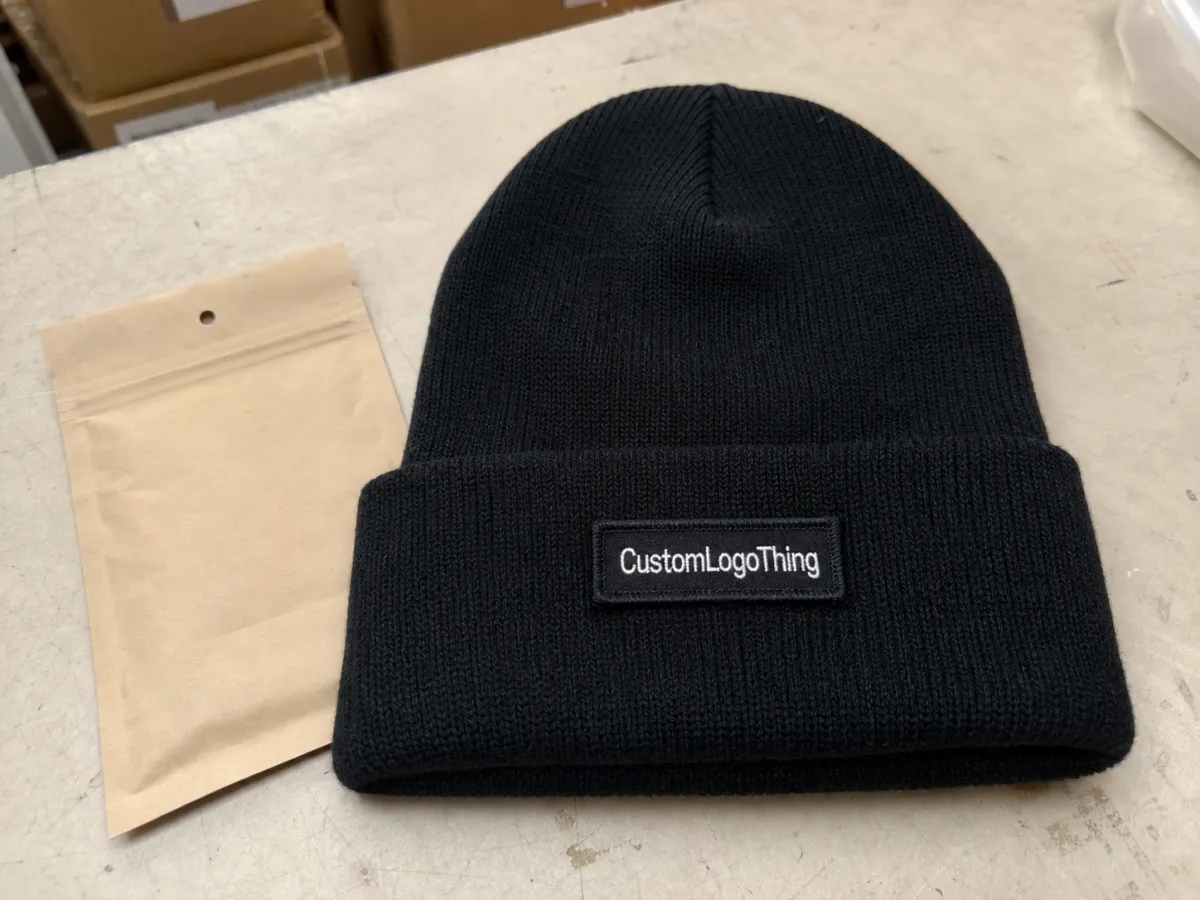
Two cuffed beanies can look almost identical in a product photo and still land at very different prices. The cost is usually hiding in details buyers do not see at first glance: yarn weight, knit density, cuff height, logo method, label package, packing style, order quantity, and freight. Not romantic. Very real.
A brand asks for “a simple cuffed beanie with logo” and receives three quotes: $4.80, $7.25, and $11.40 per unit. Suspicion follows. Usually, nobody is playing pricing games; the request is just too loose. One supplier may be quoting a stock acrylic rib beanie with a small woven patch, while another includes a custom yarn color, faux leather patch, hangtag, individual bag, carton labels, and air freight. Same short brief. Different product.
Cuffed beanies private label pricing means the full per-unit and order-level cost to produce beanies under your brand. That includes the blank or custom knit body, decoration, labels, packaging, sampling, freight, setup charges, and sometimes compliance details such as care labels, fiber content, or country-of-origin markings.
Private label is not the same as buying plain wholesale beanies and adding a sticker. If the branding is sewn, woven, embroidered, tagged, packed, and carton-labeled, you are building a small product system. That gives you more control and a more finished result, but it also creates more places where cost can enter the quote.
Buyer rule: never compare beanie quotes until every supplier is quoting the same yarn, same cuff, same logo method, same packaging, same quantity, and same shipping terms.
The goal is not to chase the cheapest spreadsheet cell. The goal is to buy beanies people will actually wear without losing margin to hidden extras. A $5.20 beanie that feels thin, pills quickly, or loses shape after two wears is not a bargain. It is branded regret.
How Private Label Cuffed Beanie Orders Actually Work
A normal private label beanie order follows a practical path: choose the beanie construction, confirm yarn and gauge, decide cuff style, select decoration, add brand labels or packaging, approve a mockup or sample, and move into bulk production. Skip one of those steps and the quote starts to wobble.
There are two broad paths: stock private label and fully custom production. Stock programs use existing beanie bodies and add your branding through patches, embroidery, woven labels, hangtags, belly bands, or bags. Fully custom orders can change the knit pattern, yarn blend, color, fit, cuff height, and integrated branding details.
Stock private label is usually cheaper and faster because the factory is modifying a known product instead of building a new one from the yarn up. For first orders, employee gear, event merch, influencer kits, and brand tests, that is often the better move. You get a proven shape, lower development risk, and fewer ways to accidentally create a strange beanie nobody asked for.
Fully custom production makes sense when the beanie is part of a retail collection, outdoor line, licensed program, or brand drop where color, fit, and material feel are central to the product. Custom yarn colors, jacquard logos, special rib structures, recycled blends, and wool blends are all quoteable, but they need real specifications. “Premium” is not a spec. It is a mood, and factories cannot knit a mood.
For accurate pricing, send the supplier the working inputs: quantity, target use, yarn preference, Pantone or brand colors, logo file, decoration method, packaging requirements, deadline, and shipping destination. The more complete the first request is, the less time you spend comparing numbers that were never built from the same assumptions.
Pricing and Unit Cost Drivers Buyers Should Compare
Unit cost is shaped by both product choices and order structure. A basic-looking beanie can become expensive quickly once you add a faux leather patch, custom hangtag, individual recycled bag, barcode sticker, printed carton marks, sample revisions, and rush freight. None of those are fake costs. They just need to be visible before the purchase order is approved.
Yarn is the first major driver. Acrylic is the budget-friendly workhorse and often works well for promo, merch, staff programs, and seasonal giveaways. Cotton blends can feel softer against the skin, though they may cost more and behave differently in stretch and recovery. Wool blends raise perceived value, especially for retail and outdoor positioning, but they also raise the price. Recycled yarns can add cost if certification, traceability, or a specific fiber percentage is required.
If sustainability claims matter, check the standard behind the claim and match it to the material. The Forest Stewardship Council is useful for paper-based tags and packaging materials, not the yarn itself. For recycled textile content, ask what documentation is available and whether it covers the fiber, the finished product, or only the supplier’s general sourcing program.
Construction matters too. A standard rib knit cuffed beanie is usually cheaper than a double-layer body with a taller cuff, heavier gauge, custom stripe, or jacquard pattern. A 2.5-inch cuff and a 3.5-inch cuff may look close in a mockup, but they use different amounts of material and change the available space for decoration.
Weight is worth discussing early. Some suppliers can provide approximate piece weight or GSM-style references, though beanies are often discussed by yarn count, knit structure, and finished weight rather than the same measurements used for T-shirts. A heavier beanie may feel more substantial, but it can also cost more to produce and ship. Bulk winter accessories take up carton space faster than buyers expect.
Decoration has its own price ladder. Embroidery is durable and familiar. Woven labels are clean, flat, and retail-friendly. PVC, rubber, leather, faux leather, chenille, and custom patches each bring different setup costs, minimums, and labor. For detailed logos, a woven patch often beats direct embroidery because tiny letters do not turn into thread spaghetti.
| Order Type | Typical MOQ | Common Unit Range | Best Use | Watch For |
|---|---|---|---|---|
| Stock acrylic beanie with woven label | 100-300 pieces | $4.50-$8.50 | Events, staff merch, first brand test | Limited colors and fit options |
| Stock beanie with faux leather patch | 100-500 pieces | $6.00-$10.50 | Retail-style merch, premium giveaways | Patch size, deboss setup, sewing labor |
| Custom knit color with branded labels | 500-1,000 pieces | $7.50-$13.50 | Brand collections, controlled color palettes | Yarn dyeing, approval time, higher cash outlay |
| Fully custom jacquard knit beanie | 1,000+ pieces | $8.50-$16.00+ | Retail drops, licensed product, outdoor lines | Artwork limits, sampling, longer lead time |
These ranges are useful for planning, not as universal promises. Freight, seasonal capacity, exchange rates, special packaging, and raw material changes can push an order outside the table. A buyer ordering 150 pieces with individual retail packing should not expect the same unit economics as a 2,000-piece program shipping in bulk cartons.
Setup fees and sampling fees are not automatically a problem. Patch molds, embroidery digitizing, woven label setup, sample labor, and freight for approvals cost money. The problem starts when they are buried. Ask for line items. If a supplier gets offended by clarity, enjoy that red flag.
MOQ Choices: When Small Runs Make Sense and When They Punish You
MOQ means minimum order quantity. It may apply to the beanie style, decoration method, yarn color, patch material, packaging setup, or each colorway. MOQ is not only factory stubbornness. It comes from material buying, machine setup, labor batching, waste control, and decoration efficiency.
Stock beanies with a sewn label, patch, or embroidery can often start lower because the base product already exists. Custom knit colors, jacquard logos, special yarn blends, and multiple colorways usually require higher quantities because materials have to be sourced, dyed, or allocated specifically for your order.
Small runs protect cash and reduce inventory risk. That matters if you are testing a new design, selling at a one-time event, or building a merch program without reliable demand data. The tradeoff is higher unit cost because setup, artwork handling, packing labor, and administration are spread across fewer pieces.
Larger runs lower the unit price but tie up more cash and storage. If 1,000 pieces saves $1.40 per unit compared with 300 pieces, that looks attractive until 600 beanies sit in cartons for nine months because someone insisted sage, rust, oatmeal, black, navy, and “kind of clay but warmer” all needed a chance.
Colorways are a quiet budget killer. One logo across one beanie color is cleaner and cheaper than five beanie colors, three patch colors, and custom packaging for each variant. A 300-piece order split across six colors sounds creative. In production, it means more handling, more placement checks, more picking errors, and possible MOQ friction.
For a first order, test fewer SKUs with stronger specs. Choose one or two beanie colors, one decoration method, and one packaging format. Put the money into hand feel, fit, cuff shape, and clean logo execution instead of spreading the budget across every color someone liked for twelve seconds.
Process, Timeline, and Lead Time From Quote to Delivery
A realistic beanie timeline has several parts: quote preparation, artwork review, mockup or sample approval, material confirmation, bulk production, quality control, packing, freight, customs if applicable, and delivery. Each step can move quickly when the specs are clean. Each step can crawl when the buyer sends half answers.
Stock private label orders are usually faster because the body already exists. Decoration and packing may take 7-15 business days after approval for straightforward programs, depending on quantity and supplier capacity. Fully custom knit production can take 25-45 business days or more because yarn, machines, approvals, and production slots must be scheduled. Season, quantity, and complexity matter.
Artwork approval is where many timelines take a dumb little detour. Send vector art, preferred logo size, placement, thread or patch colors, and decoration notes. A screenshot from Instagram does not count. That is not artwork; that is a cry for help.
Sampling options vary. A digital mockup is fastest and cheapest, but it does not prove hand feel. A photo sample gives more confidence. A physical pre-production sample is best for retail, influencer kits, or product launches where quality matters. Each sample step adds time, often 3-10 business days plus transit, but it can prevent a full order of “almost right.”
Quality control should not be an afterthought. For beanies, practical checks include cuff height consistency, logo placement, patch stitch security, loose threads, color variation, odor, stretch recovery, inside label accuracy, barcode readability, and carton count. If the beanie has a front patch, ask how placement tolerance is controlled; a few millimeters can be visible on a narrow cuff.
Freight can rescue a deadline and ruin a margin. Air freight is faster, often 3-8 transit days once goods are ready, but bulky winter accessories can pick up real cost by volume. Ocean or consolidated shipping lowers freight cost, but planning may stretch into several weeks. If the order supports a trade show, employee gifting cycle, retail drop, or holiday campaign, build in buffer time for revisions, production queues, customs, and final delivery.
For packaged goods moving through distribution, ask about carton strength and transit testing. The International Safe Transit Association publishes testing protocols used by many brands and logistics teams. Beanies are soft, yes. Cartons still get crushed. Shocking, I know.
Decoration, Labels, and Packaging That Change the Quote
Branding is where private label beanies become more than blanks. It is also where pricing gets messy if every supplier is imagining different details.
Embroidery is durable and familiar, especially for simple marks, block lettering, and small logos. Cost depends on stitch count, size, thread colors, and placement. Woven labels look clean and retail-ready, especially for small text. Leather and faux leather patches add perceived value, but they bring material, debossing or laser work, and sewing labor. Rubber or PVC patches work well for outdoor, tech, streetwear, and modern merch looks. Jacquard knit logos are built into the beanie itself, but they need planning because knit art has limits.
Decoration scale deserves attention. A logo that looks modest on a flat PDF can feel oversized on a folded cuff. On the other hand, tiny type may disappear once it is embroidered, woven, or debossed. Ask for decoration dimensions in inches or millimeters, not just “small” or “centered.” Production teams can work with numbers. They cannot consistently work with vibes.
Label placement changes labor. A front cuff patch is common. A side seam label adds a subtle retail detail. A woven hem tag, inside brand label, size label, care label, hangtag, and belly band each adds material and handling. None of these are huge alone. Together, they change the quote.
If you need labels, plan them early. Custom woven tags, printed care labels, and hangtags may have their own MOQs and lead times. Custom Logo Things offers Custom Labels & Tags for buyers who want the product branding to feel finished instead of remembered at the end.
Packaging also affects price. Bulk pack is cheapest and fine for internal use. Individual polybags protect the product and help fulfillment. Recycled bags, paper sleeves, custom hangtags, barcode stickers, carton marks, and retail-ready packing all cost more. Cheap packaging can make a decent beanie feel bargain-bin. Overbuilt packaging can waste money customers never notice.
Compliance details can affect cost too: fiber content, care instructions, country of origin, size markings, warning labels where relevant, and retailer barcode requirements. For retail, do not treat care labels as optional decoration. They are part of selling a textile product properly.
To compare quotes, send decoration dimensions, logo colors, label material, packaging format, and carton requirements in the request. Supplier imagination is not a procurement strategy.
Common Quote Mistakes That Make Beanie Orders More Expensive
The biggest mistake is asking for pricing before the specs are stable. Every changed cuff height, patch size, yarn blend, colorway, or packaging format can change the number. One small revision may be harmless. Five revisions turn the quote into a moving target.
The second mistake is comparing quotes that do not include the same cost items. One supplier may include freight, labels, setup, packaging, and sample cost. Another may quote only the decorated beanie. The cheaper option may simply be missing half the bill. Very convenient. Very annoying.
Low price can also hide weak construction. Check weight, knit density, stretch recovery, finishing, and decoration quality. Thin beanies photograph fine until customers put them on and wonder why their forehead can feel the weather. Ask for finished weight when available, plus close-up photos of the knit, cuff, inside seams, and label attachment.
Deadline mistakes are expensive. Buyers wait too long, then pay rush fees, air freight, or overtime charges. The beanie was not expensive. The panic was expensive.
Artwork mistakes cause avoidable sample problems. Low-resolution logos, tiny text, thin lines, gradients, and overly detailed icons can fail in embroidery or patch production. Simplify before production, not after the sample disappoints everyone. For complex logos, a woven patch or printed label may produce cleaner results than direct embroidery.
Inventory mistakes hurt later. Too many colorways, no reorder plan, missing care labels, poor carton labeling, and no storage plan can turn a good unit price into a messy operation. If a product sells well, you need reorder timing. If it does not, you need fewer leftover cartons staring at you.
Another common issue is ignoring landed cost. The unit price on the beanie is only one part of the decision. Add setup fees, sample fees, packaging, freight, duties if applicable, domestic delivery, and receiving labor. A supplier with a slightly higher product price may still be the better choice if the quote is cleaner, the lead time is realistic, and the quality risk is lower.
What to Prepare Before You Request a Beanie Quote
Before asking for cuffed beanies private label pricing, build a tight spec sheet. It does not need to be fancy. It needs to be clear.
- Quantity, with a target range such as 300, 500, or 1,000 pieces
- Beanie color or Pantone reference
- Yarn preference, such as acrylic, cotton blend, wool blend, or recycled yarn
- Cuff height, body style, and desired fit
- Decoration type, logo file, logo size, and placement
- Label needs, including care label, brand tag, hangtag, or size marking
- Packaging format, carton labeling, and barcode requirements
- Shipping destination and in-hands date
Start with one primary spec and one backup spec. For example, quote a stock acrylic rib cuff beanie with a woven patch, then compare a custom yarn color version if brand control matters more than speed. That gives you a real tradeoff instead of five random numbers.
Ask suppliers for line-item clarity: unit cost, setup fees, sample cost, packaging cost, freight estimate, production lead time, payment terms, and exclusions. Also ask for photos of similar finished work, not just mockups. If a supplier has made that patch style before, they can usually show it. If they cannot, that is useful information too.
Order a sample when the beanie will be sold at retail, used in influencer kits, included in premium merch boxes, or tied to a launch. A $40-$150 sample process can feel annoying until it saves you from 1,000 units with the wrong patch scale or a cuff that folds like a sad napkin.
If your quote includes branded tags or care labels, keep those details consistent across the order. You can also pair the beanie program with Custom Labels & Tags so your product, packaging, and textile labeling feel like one brand system.
Use pricing as a decision tool, not a race to the bottom. Lock the specs, compare real quotes, protect the timeline, and buy the version customers will actually wear.
FAQ
What is a realistic cuffed beanie private label price range?
Stock private label beanies with basic decoration often sit around $4.50-$8.50 per unit at lower MOQs, while custom knit or premium patch programs can run $7.50-$16.00+ depending on quantity, yarn, packaging, and freight. Small runs usually cost more per unit because setup and labor are spread across fewer pieces. Ask for pricing that separates product cost, decoration, setup, packaging, sampling, and shipping.
What MOQ should I expect for private label cuffed beanies?
Lower MOQs are more realistic with stock beanie bodies and custom labels, patches, or embroidery. Higher MOQs are common for custom yarn colors, jacquard knit logos, special blends, and multiple colorways. If the budget is tight, reduce colorways before reducing quality. A focused order usually prices cleaner.
Do embroidery or patches cost more on private label beanies?
Embroidery cost depends on stitch count, logo size, thread colors, and placement difficulty. Patches add material, setup, and sewing labor, but they can keep complex logos cleaner and make the product feel more retail-ready. For small text or detailed marks, a woven patch often works better than direct embroidery.
How long does private label cuffed beanie production take?
Stock private label orders are typically faster because the beanie body already exists and only decoration or packaging is customized. Fully custom knit orders take longer because yarn sourcing, color approval, machine scheduling, sampling, and production all add time. Build in extra time for artwork fixes, sample approval, freight, customs, and any deadline that cannot move.
How can I lower private label beanie pricing without making the product look cheap?
Use fewer colorways, choose a proven stock beanie body, simplify packaging, and keep decoration consistent across the order. Avoid oversized patches, excessive label types, and last-minute rush shipping if margin matters. Spend money where customers notice it first: hand feel, fit, cuff shape, and clean logo execution. That is the practical way to manage cuffed beanies private label pricing without turning the beanie into a giveaway nobody wants.


