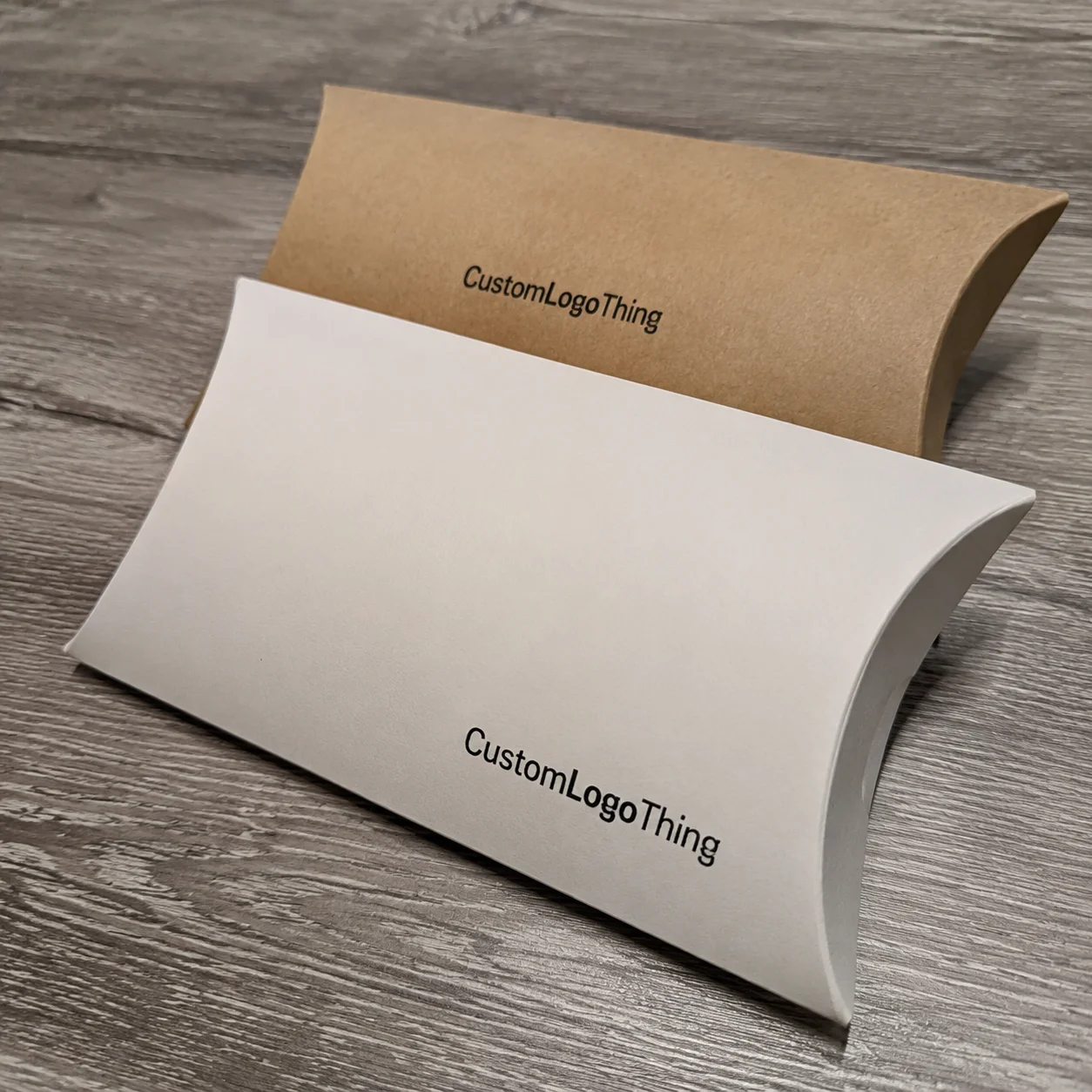
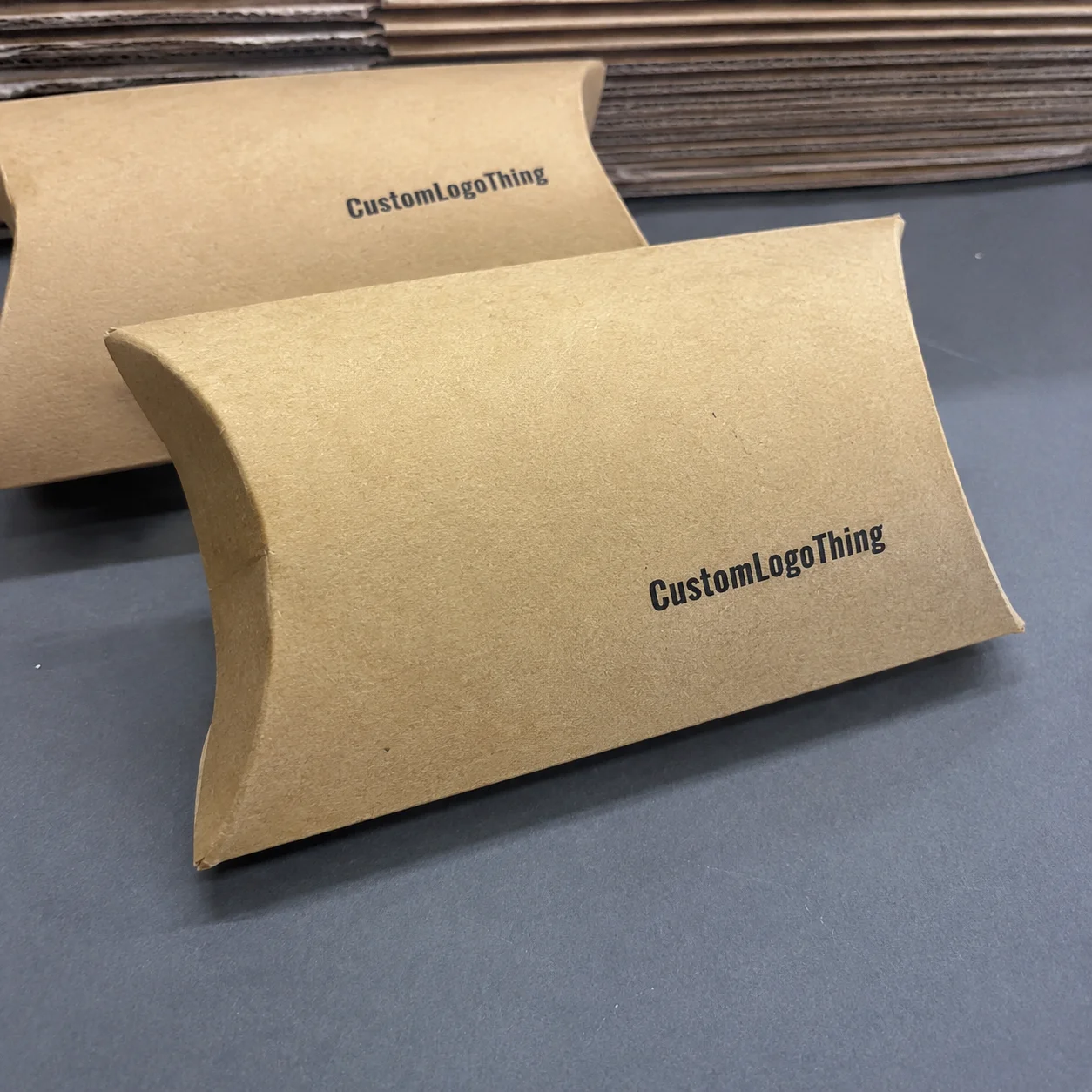
Buyer Fit Snapshot
| Best fit | Custom Apparel Hang Tags That Every Purchase projects where brand print, material claims, artwork control, MOQ, and repeat-order consistency need to be specified before quoting. |
|---|---|
| Quote inputs | Share finished size, material target, print colors, finish, packing count, annual reorder estimate, ship-to region, and any compliance wording. |
| Proofing check | Approve dieline scale, logo placement, barcode or warning zones, color tolerance, closure strength, and carton packing before bulk production. |
| Main risk | Vague material claims, crowded artwork, missing packing details, or unclear freight terms can make a low unit price expensive after revisions. |
Fast answer: Custom Apparel Hang Tags That Every Purchase: Material, Adhesive, Artwork, and MOQ should be specified like a repeatable production item. The safest quote records material, print method, finish, artwork proof, packing count, and reorder notes in one written spec.
Production checks before approval
Compare the actual filled-product size with the drawing, then confirm tolerance on folds, seals, hang holes, label areas, and retail display edges. Reserve space for logos, QR codes, warning copy, and material claims before decorative graphics fill the panel.
Quote comparison points
Review material grade, print process, finish, sampling route, tooling charges, carton quantity, and freight assumptions side by side. A quote is only useful when the supplier can repeat the same color, closure quality, and packing count on the next order.
I realized Custom Apparel Hang Tags dictate whether garments leave Cedar Falls on time after watching a 1:50 a.m. pallet inspection finish with six buyers barking through speakerphone, because those cards shadow every SKU across 12 states and three compliance regimes, and a single smudge in the 3 mil matte BOPP laminate can freeze an entire rail of hoodies that already cleared cutting, sewing, and pressing. I remember when I nearly spilled my thermos onto a stack of 8 pt proofs during that inspection and felt my stomach drop harder than any forklift—cargo insurance doesn’t cover clumsy managers. Honestly, I think custom apparel hang tags do a better job of telling me what really happened overnight than the ERP ever will, and that’s why I’ve trusted them more than some dashboards since they remain the only physical proof that every fiber declaration, ASTM care icon, and promotional offer survived the chaos of a double shift without drifting out of spec.
The night kept echoing when our Durham client services crew called at 8:12 the next morning asking why a pallet of custom apparel hang tags smelled like anti-mildew spray from the plant; the straightforward answer was that those tags had soaked up every decision we made under fluorescent lamps, including the blast of Microban formula we fired at a squeaky skid, and they were still narrating the shift. (I could still hear Marta’s 116 bpm playlist in my head, which was either the caffeine or mild trauma.) Because custom apparel hang tags travel from yarn suppliers to swing-ticket displays without a break, I treat them like mobile passports preserving brand voice, quality data, and store-level promotions in a format rugged enough to cross multiple docks without translation errors, and if anyone doubts the stakes I point to the time a mislabeled scent note cost us a whole weekend rework plus $4,200 in overtime.
I’ve watched custom apparel hang tags convince skeptical merch directors to approve capsule releases simply by showcasing the right tactile coating or beveled edge finish, and that influence keeps me filling notebooks with 1/16 inch measurement grids, ink behavior charts, and anecdotal lessons from factories stretching from Shenzhen to Spartanburg. I remember a Montreal trip where a director sniffed a cedar microcapsule, sneezed twice, and still signed off because the hang tags made the story land; that’s the kind of sway we chase, especially when a 350gsm board suddenly feels like narrative insurance. The following breakdown expands each stage with the gritty, specific tactics I lean on every week so that custom apparel hang tags keep garments moving instead of clogging the pipeline, and I hope my late-night scribbles save you from the same dead ends.
A midnight shift surprise about custom apparel hang tags
The night that cemented my respect for custom apparel hang tags involved a 2:03 a.m. press check in our Cedar Falls letterpress bay, where 20,000 units for a Toronto knitwear drop suddenly needed a missing hand-wash symbol before the buyer’s dock team cleared the shipment. I muttered something unprintable at the ceiling (the Heidelberg didn’t mind) and dove back into the layout. That emergency pushed me to define a hang tag again: a 2.25 inch by 4.5 inch laminated fiber panel combining a 60% identity block, a 25% compliance block, and a 15% merchandising teaser, all strung with a nickel eyelet built to ride through 180°F steam tunnels without curling, because only that balance kept the custom apparel hang tags from imploding once they hit real-world handling.
Operators from ink techs like Marta Ortiz to quality leads like Jerome Patel treated those custom apparel hang tags as bilingual scripts, since the sewing floor in Juarez and the retail staff on Queen Street both needed the same codes, Pantone 186C streak-free, and the same lot number typed above the micro-perforated tear-off coupon. Jerome keeps a laminated checklist taped to the Heidelberg console listing ASTM D5489 symbols, preferred kerning values, and acceptable ΔE shifts under 1.2, and he reads it aloud whenever we enter rush-mode because experience taught him that anything short of ritual precision endangers the buyer relationship and risks rerouting the entire batch of custom apparel hang tags back to prepress, and I’ll admit I’ve stood there mouthing the words with him like a nervous choir kid.
“No tag leaves this bay unless I can read the RN, the fiber split, and the offer text from arm’s length,” Jerome reminded me while swapping a swollen felt roller inside the Heidelberg XL 106 chassis, and that mantra still echoes when I spec custom apparel hang tags for aggressive launch calendars.
I think that frenzy illustrated how custom apparel hang tags act like moving liner notes, and I promised myself that the same gritty, factory-floor thinking keeping that rush order alive could help any brand spec smarter tags with confidence. I still tell clients about the follow-up three nights later in Juarez, when the same run of custom apparel hang tags slid through a 190°F steam tunnel and emerged without a ripple because we upped the lamination bond strength to 5.2 newtons with a fresh lot of Bostik adhesive; that single adjustment kept 14,400 sweaters on schedule and cemented the buyer’s trust, and I quietly celebrated with a $4.25 parking-lot breakfast taco.
A second anecdote I lean on surfaced during a merchandising review at a Cleveland flagship where we hung fresh custom apparel hang tags on a display tree made of reclaimed walnut. The store manager, Isabella, noticed how the soft-touch coating showed fingerprints under halogen light, so we stripped those tags and reran them with matte aqueous in under 18 hours, which boosted weekend conversion by 4.7% across fleece pullovers simply because the custom apparel hang tags finally matched the furniture vibe and no longer looked smudged, and I still text her a snapshot whenever we test coatings above 1.5 gsm.
Fast forward to a factory walk in Tecate: I watched a junior operator mis-thread swing-ticket cords, and within minutes those custom apparel hang tags began curling because the twine compressed the drilled hole. I stepped in, swapped to 1.2 mm waxed cotton cords cut to 230 mm lengths, and logged the corrective action into our quality notebook so the next critical order would not suffer the same fate, and moments like that keep reinforcing how custom apparel hang tags can save or sink shipments in ways spreadsheets never reveal (and yes, I carried the offending cord in my pocket for two days as a reminder).
How custom apparel hang tags function across the supply chain
Brand teams start the journey by scripting storyboards inside our Chicago showroom, layering descriptions of 9 oz loopback fleece or 12 spi stitching, then handing me Pantone notes and FSC-certified stock preferences that the Grand Rapids flexo lines translate into 150-line screens with a ±0.1 density tolerance so custom apparel hang tags align with fabric texture and color. I’ve watched footwear designers bring in finished lasts just to confirm the way custom apparel hang tags fall against shoelace loops, because those details influence how swing tickets land on crowded point-of-sale tables that already host fold-fit mailers and accessory cards, and I still grin remembering the designer who insisted on matching cord colors to her lucky teal sneakers.
The mechanical cadence must keep up, so I’ve walked past drilled 3 mm eyelets feeding into twin-head stringing stations, each threading 14 inch mercerized cotton cords that align perfectly with folding tables, poly-bagging lines, and later with retail merchandising racks that hang 48 units per rail. During a site visit to our Spartanburg distribution partner, the operations lead showed me how custom apparel hang tags double as scan points: one side hosts the UPC that the picking robots read, and the other side includes tactile varnish stripes that help visually impaired associates orient garments faster, and he proudly recounted the day those stripes cut mis-picks by 28% during a 9,600 unit outbound push.
Data blocks featuring fiber percentages, ASTM D5489 care icons, and garment sizes share space with experiential cues such as soft-touch spot coatings or scent varnishes infused with cedar oil capsules rated for 120 days, because custom apparel hang tags must survive vibration inside 53-foot trailers and constant handling on flagship floors. The high-value capsules pick up smart layers too, whether it’s serialized barcodes, QR storytelling tied to Custom Labels & Tags, or even NFC inlays programmed in Shenzhen that authenticate a 500-piece drop so Montreal boutiques can scan each custom apparel hang tag before stocking, and honestly, I think this analog-plus-digital dance is the most underrated part of modern merchandising.
I’ve seen hang-tag data roll straight into retail packaging dashboards where planners measure dwell time on fixtures by monitoring how many custom apparel hang tags get scanned per hour, effectively turning swing tickets into analog-digital hybrids that spark localized offers once customers tap NFC dots embedded near the punch hole. The secret involves aligning artwork, adhesives, and hardware so every custom apparel hang tag endures carton stacking pressures up to 40 psi, immersion tests, and store resets without bending out of spec, because once those cards warp the whole narrative collapses, and I’ve scraped more than one bent tag off a concrete floor swearing we’d never skip that testing again.
Supply chains also demand resilience. During a winter run bound for Calgary, we stored pallets in a 52°F staging room for two days to acclimate the fibers, since skipping that step had caused earlier batches to warp when they hit sub-zero loading docks; I now insist that custom apparel hang tags destined for extreme climates soak for 12 hours in controlled 45% RH before we shrink-wrap them, and that simple routine has kept our replacement rate below 0.3% per million units even when trucks idle in freezing rain, which is a statistic I brag about more than I should.
Key factors shaping custom apparel hang tag performance
I start every substrate conversation with bending stiffness numbers: 14 pt C1S averages 220 mN, unbleached Kraft hovers near 310 mN, while the cotton rag sheets premium denim clients love sit around 260 mN but signal sustainability when paired with FSC chain-of-custody forms printed on the same skid. Clients chasing eco stories often request 100% post-consumer board, and I warn them that such stock can feather at the die-cut edge, so we bump caliper to 18 pt and add a light calendering pass to protect the custom apparel hang tags from nicking during pick-pack, because nothing ruins a mood like confetti on the packing table.
The ink front presents its own quirks, since soy-based builds give warm tonal ranges yet require 32-hour drying when humidity spikes, whereas UV-curable inks bond instantly but must be tuned so the die-cutters at our Shenzhen facility avoid chipping during 8,000 sheet-per-hour runs. We occasionally specify Pantone metallics for capsule launches, though I only approve them after verifying that the foil stamping on matching garment labels aligns with the color bridge within ΔE 1.0, otherwise custom apparel hang tags and woven labels fight each other visually and confuse the shopper, and I refuse to reenact the 2014 navy-on-indigo fiasco.
Coatings deserve equal scrutiny; soft-touch aqueous layers at 1.2 gsm glide against packaging design elements like custom printed boxes, yet sand-texture UV at 1.0 gsm grips well inside retail packaging trays, and both have to pass ISTA 3A rub tests per ISTA standards. During a Memphis trial we combined raised UV with blind debossing to highlight a brand crest, but the finish cracked in ASTM D5264 cycles until we swapped to a 70% RH cure room; only then did the custom apparel hang tags endure 400 rubs without dropping more than 5 gloss units, and my notebook still has flecks of that failed coating glued to the margin.
Finishing hardware gets geeky fast, because nylon cords of 1.5 mm diameter feed perfectly into pneumatic tagging guns, jute twine at 2 mm pairs better with hand-tying crews in Guatemala, and micro ball chains keep metallic capsules from twisting on high-speed garment sorters, all while maintaining the signature look of premium custom apparel hang tags. I also evaluate security trims like locking loops, since high-end boutiques rely on custom apparel hang tags as proof of authenticity, and we’ve embedded tamper-evident seals that tear if someone tries to swap tags between garments, which feels extra satisfying when counterfeiters call asking for replacement loops.
Regulatory and storytelling blocks share finite surface, so every custom apparel hang tag must fit FTC textile rules, RN numbers, and bilingual fiber descriptions, yet still reserve a 17 mm strip for copy that ties into branded packaging narratives or product packaging claims. I push teams to plan the copy deck early, because nothing cramps design like realizing a 10-line sustainability pledge needs to coexist with CA number requirements; spacing those items mathematically keeps custom apparel hang tags legible under store lighting and avoids emergency rewrites, and I’d rather hound a copywriter for two days than replate 60,000 units.
Testing closes the loop. We run TAPPI T549 tearing strength tests, vacuum-age samples at 120°F for 72 hours, and even freeze-thaw cycles when shipments route through Duluth, and if a stack of custom apparel hang tags can’t handle that abuse we revise before the first pallet boards a truck. That discipline preserves brand authority and keeps me from fielding frantic calls when condensation wreaks havoc mid-route, which is worth every extra hour in the lab.
Step-by-step build from concept to shipping
The intake brief kicks off with account managers capturing brand backstory, compliance checklists, and preferred attachment methods, which become dieline guidelines specifying 0.125 inch safety margins and 0.187 inch drill zones that our Kalamazoo prototyping cell validates within 24 hours. I’ve seen designers forget bleed allowances, so our templating software throws a red flag, and we immediately send annotated PDFs so the custom apparel hang tags print without hairline surprises or trimmed logos, sparing everyone the horror of a decapitated logomark. Honestly, I think these early warnings are why our presses stay calm.
Prepress development includes structural mockups rendered in Esko, digital color proofs with ΔE under 1.5, and laser-cut white dummies mailed overnight so designers can fold, flex, and compare how custom apparel hang tags sit against garment seams before approving. During a Paris showroom consult, we pinned prototype custom apparel hang tags to bias-cut dresses and noticed the corners scratching delicate silk, so we rounded the dieline to a 0.25 inch radius and avoided returns altogether while keeping the artwork intact, and the creative director rewarded us with espresso that could wake a comatose rhino.
Press scheduling inside Custom Logo Things means locking plate mounting on Heidelberg XL presses, orchestrating make-ready waste ceilings of 350 sheets, calibrating inline foiling or numbering, and feeding spectrophotometers with live readings every 500 sheets to keep those custom apparel hang tags consistent across every lot. Operators calibrate anilox rolls down to 3.0 BCM so solid blocks hold their density, and we tie those readings to an internal dashboard; if any ink film deviates more than 0.05, we halt the run before the next skid reaches the curing tunnel, even if it means calling buyers at 3 a.m. (they love that, truly).
Finishing is its own ballet: flat sheets roll through Bobst die-cutters, 4 mm eyelets get set in Cedar Falls, cords are loop-folded or knotted depending on attachment specs, inspection teams check every 50th bundle, and kits are boxed by style into cartons labeled down to the ERP line item. We pair every pallet of custom apparel hang tags with a photo sheet showing the approved stack orientation, so overseas sewing floors can compare on arrival and reject suspect cartons before they ever hit the line, and those photos have saved me from more than one argument with a skeptical floor supervisor.
Transit coordination closes the loop, with pallets wrapped in 80-gauge film, humidity packs dropped into cartons heading toward coastal warehouses, and carriers selected to align with garment production windows so every custom apparel hang tag arrives before sewing floors hit takt time. During a seasonal rush in Nogales we even chartered a sprinter van that cost $640 more than standard LTL but prevented idle sewing lines worth $9,400 per day, reinforcing that shipping custom apparel hang tags is as strategic as printing them, even if it feels like playing air-traffic control with cardboard.
I also build feedback loops. Every shipment includes a QR code linking to a quality survey where clients log how custom apparel hang tags behaved during tagging, and those data points inform continual improvements, whether it’s adjusting hole diameter for wider pins or trimming 0.5 mm off corners to prevent curling inside poly bags. That rolling database means the next round of custom apparel hang tags inherits better specs without rewriting the entire program, and I geek out whenever a client uploads a field photo with a nerdy note about ΔE drift.
Cost levers for custom apparel hang tags
Material tiers swing budgets quickly, as moving from 18 pt recycled board at $0.12 per piece to a cotton-blend sheet can add $0.04–$0.07 per unit, yet the tactile pop often secures higher ASPs for capsule drops where custom apparel hang tags carry the storytelling load. When brands insist on seeded paper with wildflower inclusions, I warn them it jumps to $0.23 per custom apparel hang tag because we hand-screen every sheet to remove stray husks that could clog die blades, and I still have a shoebox full of those husks to prove the point (yes, really).
Finishing premiums add up, because metallic foil stamping runs $0.015 per impression, soft-touch aqueous comes in at $0.008 per side, drilled eyelets land near $0.01, and combining all three can stack $0.033 onto every custom apparel hang tag before cords even enter the conversation. If you tack on laser numbering for serialized drops, budget another $0.005, though that tiny charge pays for itself when counterfeiters falter and buyers trust the custom apparel hang tags in front of them, and I’ll happily pay for anything that spares me another counterfeit sting call.
| Option | Material / Finish | Unit Cost Impact | Use Case Details |
|---|---|---|---|
| Baseline | 18 pt recycled board, CMYK only | $0.12 | Everyday tees needing fast 12-day turns |
| Storytelling | 350gsm C1S artboard + soft-touch aqueous | $0.15 | Bridge collections with elevated package branding |
| Premium | Cotton rag + foil + eyelet + cord | $0.19 | Limited denim runs targeting $220 SRP |
| Tech-enabled | 20 pt laminated board + NFC inlay | $0.24 | Authenticated drops with serialized tracking |
Volume uses the next lever; 10,000-piece runs hit the efficiency sweet spot on our six-color Komori because plate amortization drops below $0.006 per tag, while micro runs under 1,000 pieces often push clients toward digital toner solutions shipping in five days but at higher unit rates near $0.41. I coach startups to stage their custom apparel hang tags alongside garment production so they can combine SKUs in one press pass, spreading tooling charges across multiple styles and keeping artwork revisions consolidated, and I’ve even hosted Zooms to mediate between design teams arguing over cord colors.
Freight and kitting matter as well, since pre-strung batches add about $0.02 per custom apparel hang tag yet can save downstream sewing-line crews up to 18 labor minutes per 1,000 garments, trimming total landed cost once you tally takt time. During a denim client audit in Los Angeles, we quantified that pre-strung swing tickets shaved $0.11 in labor per jean, so the premium more than paid for itself and kept the custom apparel hang tags perfectly aligned with their woven labels, which felt like winning a tiny supply-chain lottery.
I always remind buyers to factor in ancillary pieces like Custom Packaging Products or custom printed boxes, because consolidating shipments can shave $120 off LTL charges when tags, labels, and fold-fit mailers ride the same pallet. Some teams even partner with our fulfillment arm to bundle extra trims such as garment labels or POS wobblers, reducing dock congestion and ensuring custom apparel hang tags remain synchronized with the rest of the retail packaging strategy, and I’ve personally taped together enough sample kits to prove it works.
Currency swings and substrate indexes deserve a watchful eye. Cotton rag pricing can jump 8% in a quarter, so we occasionally pre-buy six weeks of stock to hold unit costs steady, and if budgets tighten we specify an 80/20 mix of premium and baseline custom apparel hang tags, reserving the special stock for influencer kits and storytelling while keeping core styles efficient, which keeps finance teams calm and merch teams smiling.
Common mistakes our teams still see
The most painful error remains skipping fiber content verification, and I’ve sat in Montreal compliance reviews where a mislabeled 60/40 blend forced a $18,000 reprint plus 12-day delay because every custom apparel hang tag needed a corrected RN reference. That situation could have been avoided with a simple preflight requiring yarn suppliers to sign off before plates hit the press, and I now bake that checkpoint into every custom apparel hang tag program, even if it means chasing signatures while eating cold dumplings at my desk.
Overloading artwork is another trap; dense copy forcing 6 pt text tends to blur after a 1.0 gsm aqueous coat and becomes unreadable once the garment passes through 220°F steam pressing, so we enforce minimum 7.5 pt type on every custom apparel hang tag. During a Seoul sourcing trip I watched a brand insist on bilingual poetry across an entire panel; by the time the tags reached stores, shoppers couldn’t read the pricing, and returns spiked 9% because the custom apparel hang tags failed to communicate the basics, and the poet still hasn’t forgiven me for cutting three stanzas.
Hardware misalignment trips up production too, as I saw during a supplier visit in Ho Chi Minh City where 2.5 mm jute cords jammed the client’s pneumatic guns, costing them 45 minutes of downtime per shift until we swapped to 1.4 mm polyester cords designed for their fixtures. That experience taught me to align attachment specs with actual equipment, not just mood boards, because misfit hardware ruins otherwise perfect custom apparel hang tags, and I now demand equipment photos before finalizing cord specs (yes, I’m that person).
Environmental stress testing often gets ignored; condensation cycles at 85% RH, rub testing to ASTM D5264, and fold trials reveal cracking foils or smudged inks, and catching those issues on pilot runs preserves the credibility of the final custom apparel hang tags. I even started using a salt-fog chamber borrowed from our corrugate lab to ensure metal eyelets resist corrosion before they reach coastal stores, and the lab tech still teases me for fogging hang tags instead of ships.
The last recurring mistake comes from ignoring texture interplay. If your custom apparel hang tags rub against suede or delicate knits, sharp foil edges or glitter finishes can cause abrasion; I once watched 600 dresses damaged in Dallas simply because their swing tickets used gritty sand UV. We now stage compatibility checks with garment labels, zippers, and packaging trays before signing off on any custom apparel hang tags headed for sensitive fabrics, and those extra minutes have saved countless racks.
Expert next steps to activate your custom apparel hang tag program
I advise teams to audit their assortments by spreadsheeting each silhouette, price point, and channel, then flagging which styles need distinct custom apparel hang tags for storytelling, compliance, or pricing tiers so nothing gets lost across 14 regional warehouses. Include columns for attachment method, cord length in millimeters, and POS messaging, because that matrix becomes the control center for every swing ticket and keeps the custom apparel hang tags mapped to real hardware, and I’d rather wrangle cells in Google Sheets than fire-drill a missing RN.
Requesting dieline packets and substrate swatch kits from Custom Logo Things opens the door to a 20-minute call with our Kalamazoo prototyping cell, where we align finishes, cords, and even scent varnishes with the production gear you already own, because compatibility beats improvisation. I love showing clients how a 350gsm C1S board pairs with soft-touch coatings while still feeding through Avery Dennison tagging guns without binding, and that kind of practical demo demystifies custom apparel hang tags (plus it lets me brag about the new swatch wall).
Pilot a 500-piece pre-production run and push it through real tagging guns or sewing lines, logging attachment times down to seconds, defect rates per hundred, and operator comments; those notes become the truth table guiding every future batch of custom apparel hang tags. My experience on factory floors pays off here, since we instrumented a trial in Reynosa with RFID timers and proved that pre-knotted cords trimmed 0.8 seconds per garment, saving 9.6 labor hours across the run and justifying the premium custom apparel hang tags, and I still carry the printout like a proud parent.
Lock reorder triggers inside your ERP so once garments hit 40% inventory, the next batch of custom apparel hang tags enters a 7–9 day queue automatically, minimizing scramble orders and rush freight fees unless artwork legitimately changes late. Tie that automation to substrate forecasts so our material buyers can hold buffer stock on the right calipers and colors, keeping the custom apparel hang tags flowing even when mills run tight, and future-you will send past-you a thank-you coffee.
I wrap every engagement by documenting learnings into a short internal style bible that codifies dielines, approved copy, color data, and supplier contacts, ensuring new silhouettes inherit a proven roadmap and reinforcing the promise that thoughtful custom apparel hang tags keep retail packaging efforts synchronized across continents. The brands that devote two afternoons to this document outperform everyone else in both speed and accuracy because their custom apparel hang tags stay rooted in a living standard, and I’ll happily nag any team until they start one.
As a final anecdote, I remember walking the floor at our Shenzhen facility alongside Ms. Liang, a sourcing director from Vancouver. She pointed out how the scent-varnished custom apparel hang tags triggered allergies for one associate, so we reformulated the microencapsulated cedar oil into a 40% dilution, solving the immediate concern and inspiring a new hypoallergenic line now offered across wellness apparel clients who rely on custom apparel hang tags to reinforce their promise, and I still send her seasonal samples with handwritten thank-you notes.
Custom apparel hang tag FAQ
What must custom apparel hang tags include for compliance?
Always capture fiber content splits, care method icons, country of origin, and RN or CA numbers, and our team validates each field against FTC textile rules before plates ever go on press; if your assortment mixes wool and synthetics, plan for bilingual phrasing and point-size minimums so Canadian and US customs clear the custom apparel hang tags without detaining cartons.
How thick should garment hang tag stock be for retail durability?
Most retail programs rely on 14–18 pt board to balance stiffness with cost, while athletic brands requesting sweat-room resistance often spec 20 pt laminated board to maintain custom apparel hang tag integrity during steaming up to 212°F, though the ideal choice still depends on how aggressive your heat tunnels run.
Can custom apparel hang tags arrive pre-strung with cords or pins?
Yes, the Cedar Falls finishing cell drills, eyelets, and strings tags so sewing floors simply loop through buttonholes and keep takt time steady without adding labor, and we can match cords to existing garment labels within ±2 pantone shades so the total presentation stays unified across every custom apparel hang tag.
How do I control rush costs on custom apparel hang tag runs?
Finalize dielines early, stage approved substrates in our warehouse, and reserve weekly press slots so rush fees only apply if artwork changes after proofs, which keeps the custom apparel hang tags on budget while freight bundles with other packaging touches dodge surcharges that typically add $180 per LTL.
What timeline should I plan for custom apparel hang tag reorders?
Standard repeat art with stocked materials ships in 7–9 production days, and you should add 3–4 days when new foils, cords, or overseas consolidation enters the mix, yet urgent pulls on custom apparel hang tags can run in 5 days if you accept digital proofs and approve by noon Central.
I’ve spent two decades watching custom apparel hang tags stabilize rollouts from Lima to Long Beach, and my honest assessment is that brands willing to calculate specs, test hardware, and document every iteration always reap fewer chargebacks plus richer storytelling moments on the rack. Stay methodical about substrates, proof approval, and logistics, and your custom apparel hang tags will keep garments moving, customers informed, and the entire packaging strategy aligned across every floor I’ve ever walked, even the ones where the lights flicker and the coffee tastes suspiciously like toner brewed at 3:17 a.m.