Buyer Fit Snapshot
| Best fit | Custom Auto Bottom Boxes Wholesale projects where brand print, material claims, artwork control, MOQ, and repeat-order consistency need to be specified before quoting. |
|---|---|
| Quote inputs | Share finished size, material target, print colors, finish, packing count, annual reorder estimate, ship-to region, and any compliance wording. |
| Proofing check | Approve dieline scale, logo placement, barcode or warning zones, color tolerance, closure strength, and carton packing before bulk production. |
| Main risk | Vague material claims, crowded artwork, missing packing details, or unclear freight terms can make a low unit price expensive after revisions. |
Fast answer: Custom Auto Bottom Boxes Wholesale: Specs & Pricing should be specified like a repeatable production item. The safest quote records material, print method, finish, artwork proof, packing count, and reorder notes in one written spec.
Production checks before approval
Compare the actual filled-product size with the drawing, then confirm tolerance on folds, seals, hang holes, label areas, and retail display edges. Reserve space for logos, QR codes, warning copy, and material claims before decorative graphics fill the panel.
Quote comparison points
Review material grade, print process, finish, sampling route, tooling charges, carton quantity, and freight assumptions side by side. A quote is only useful when the supplier can repeat the same color, closure quality, and packing count on the next order.
Custom Auto Bottom Boxes Wholesale: Specs & Pricing is not really a branding story first. It is a labor story. I have watched packing teams lose rhythm over cartons that needed too many folds, too much tape, or one extra set of hands just to keep the base square. If a fulfillment line loses four seconds per carton, that is not a small annoyance; at 300 cartons an hour, it turns into 20 minutes of time every hour. custom auto bottom boxes wholesale can win some of that time back by reducing hand-folding, trimming tape use, and helping the pack line move faster without a major workflow overhaul.
Most buyers notice the unit price before they notice the labor math. That order is backwards. The box matters, yes, but the bigger cost sits in the motions around it: fewer touches, less strain on workers, fewer closure mistakes, steadier output during peak periods. Brands comparing custom auto bottom boxes wholesale with standard mailers or basic tuck cartons usually find that speed and consistency matter more than decoration alone.
Custom Logo Things takes a practical view of the decision. Which structure fits the product? Which board grade protects it? Which print spec keeps the carton on budget? Which quantity avoids waste? The cheapest carton on paper is rarely the cheapest carton in use. A better match between product, warehouse, and shipping method usually saves more than trimming a few cents from the quote. That sounds kinda fussy, but it is usually where the money hides.
Why Custom Auto Bottom Boxes Wholesale Cut Packing Time
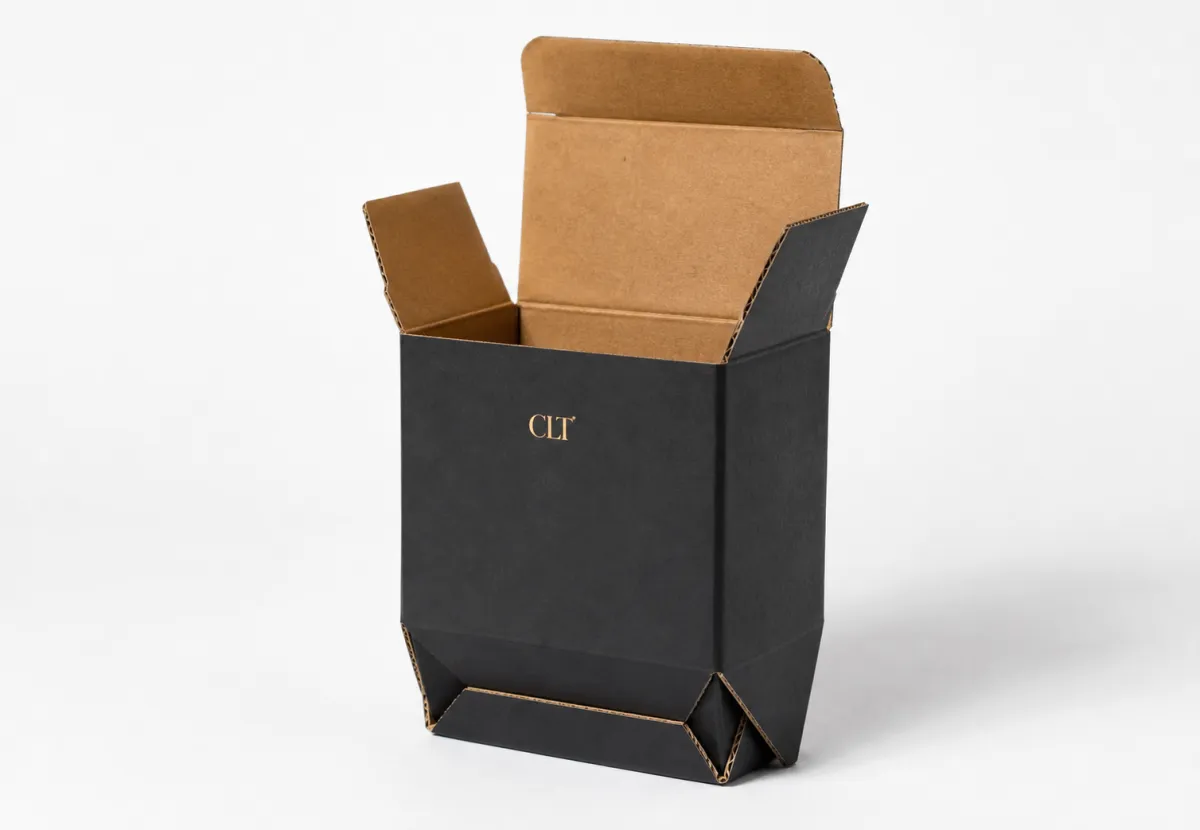
Seconds disappear into payroll faster than most teams expect. A carton that locks into shape in one motion instead of four can save measurable labor across a 2,000-unit run. During holiday surges, that gap widens. The appeal of custom auto bottom boxes wholesale is simple: the structure lowers manual assembly time while keeping the base firm enough for routine shipping and handling.
The auto-lock bottom, often called a crash-lock base, opens and sets with very little effort. One press and the base is ready. That small change looks minor until a line starts filling 300 cartons an hour. Remove a few motions from each box and the pack station can push more units through with the same headcount. In real operations, that is where custom auto bottom boxes wholesale proves its value.
Speed is only part of the story. Less hand-folding means fewer misaligned bottoms, fewer rushed tape jobs, and less wear on workers repeating the same motion all shift. Fatigue shows up late in the day, and that is usually when mistakes multiply. A simpler carton reduces that risk. For packaging buyers, custom auto bottom boxes wholesale is a workflow decision as much as a packaging choice.
Repetitive fulfillment benefits in another way too. When products share similar dimensions, teams can standardize insertion, void fill, and sealing. Training gets easier. Audits get easier. High turnover hurts less because the box behaves the same way every time. A carton that opens and closes predictably makes the whole line easier to manage.
Brands shipping at volume often discover that the box can fix a bottleneck without changing the rest of the station. The same tape gun stays in use. Label placement stays the same. Checkout and packing steps stay familiar. The base just closes faster. That is why many teams start looking at custom auto bottom boxes wholesale after the obvious process fixes have already been made.
Common business outcomes include:
- Shorter pack times per carton
- Lower error rates at the bottom closure
- Less operator fatigue on long shifts
- Higher throughput during seasonal spikes
- Smoother handoff between picking, packing, and labeling
The surprise for many buyers is how quickly a better carton can outrun a cheaper one. If a box saves four seconds and a warehouse ships 10,000 units a month, the labor savings can cover a modest increase in carton cost. That is the arithmetic behind custom auto bottom boxes wholesale. I have seen teams save more through better packing flow than they ever saved by shaving a cent off board stock.
For deeper context on packaging materials, recycling, and structure choices, the resources at packaging.org are useful. They help teams separate marketing language from material reality.
Custom Auto Bottom Boxes Wholesale: Product Details and Use Cases
A custom auto bottom carton usually ships flat, then opens when the side panels are popped and the base locks into place. In many production runs, the bottom arrives pre-glued, so the box forms a rigid base with very little manual effort. That is the main reason custom auto bottom boxes wholesale is popular with operations that depend on repeatability and speed.
The structure works well for ecommerce shipping, retail-ready cartons, subscription kits, light industrial parts, cosmetics, candles, and other products that need a fast pack-out sequence. It also fits branded packaging programs where the outer carton needs to look polished without slowing the line. Compared with a plain mailer, custom auto bottom boxes wholesale offers a stronger base and a more controlled presentation.
For shipping programs, the format works best with products that need a secure bottom and a clean square shape. For retail packaging, it supports a sharper shelf appearance and a more deliberate unboxing sequence. For repetitive SKUs, it prevents the pack station from becoming the slowest part of the process. That mix explains why many buyers move to custom auto bottom boxes wholesale after testing simpler folding cartons.
Several finish and construction choices shape the result. Kraft board gives a natural look and usually signals practical, low-waste branding. White board handles bright graphics and higher contrast better. Full-color exterior print can raise the presentation value, while interior print can turn a basic open-and-close motion into a more memorable reveal. Window cutouts, matte or gloss coatings, and scuff-resistant finishes give even more control over the final package.
The right specification depends on the role of the box. A seasonal gift set may need bold custom printed boxes with richer graphics. A warehouse-only shipper may only need a plain or lightly branded carton with stronger board and less ink coverage. Custom auto bottom boxes wholesale serves both ends of that range, which is why the format shows up in so many categories.
Storage matters too. Flat-packed cartons take less room than pre-assembled boxes, which can matter a lot in small warehouses where rack space is already tight. Once the order is ready, staff can bring bundles to the packing line and assemble them as needed. For teams handling mixed SKU volumes, that flexibility can matter more than a more decorative construction.
One honest caveat: not every coating or print-heavy build recycles the same way in every locality. A kraft carton with light ink is usually easier to process than a heavily laminated one, but local mill rules vary. If sustainability claims matter in the sale, confirm the board makeup before you print the claim on the box.
A box that saves five seconds on the pack line often beats a box that only looks cheaper on the quote sheet.
From a buyer’s perspective, custom auto bottom boxes wholesale works best as a tool. The carton should support the workflow, not complicate it. Fragile products, heavier items, and premium presentation formats can still use this structure, but the board grade and print spec need to match the job rather than force the job to match the box.
Specifications That Affect Fit, Strength, and Print
A clean wholesale order starts with numbers. Internal dimensions, product weight, board grade, flute profile, and insertion method shape the whole project. Leave those details vague and the order turns into guesswork. With custom auto bottom boxes wholesale, fit is not a small detail. It sets closure performance, freight efficiency, and product protection.
Size accuracy matters because a few millimeters can change the way the base locks, how the product sits, and how much void fill is needed. A box that is too tight slows packing and stresses the seams. A box that is too loose may shift in transit or crush under handling. Packaging design for custom auto bottom boxes wholesale should start with the product, not the artwork.
Material choice carries the same weight. Light retail items may work with paperboard or a lighter corrugated structure. Heavier ecommerce or shipping applications usually need corrugated board for crush resistance and stacking strength. Common choices include E flute for a smoother print surface, B flute for added stiffness, and C flute when the application needs more cushioning. Some buyers also request a 32 ECT or 44 ECT rating based on load and transit conditions.
Print variables shape appearance and durability. One-color branding can keep the order efficient. Full-color exterior art can make custom printed boxes look more premium, but it adds setup complexity and can change the price. Matte coatings soften the look and hide scuffs better. Gloss coatings increase brightness but show handling marks differently. For custom auto bottom boxes wholesale, print coverage affects more than appearance; it also affects lead time and quote structure.
Testing should happen before the full run, not after a damage report. Good buyers ask about drop performance, stackability, seam integrity, and whether the carton stays square after repeated handling. If the box will travel through parcel networks, consider a transit test such as ISTA standards or an internal drop test. For higher-risk product categories, that step can prevent a bad run from turning into returns. Custom auto bottom boxes wholesale deserves the same testing discipline as the shipment it will carry.
Useful spec checklist:
- Internal dimensions in length, width, and depth
- Product weight and any inserts or void fill
- Board type, flute, and strength rating
- Print coverage, finish, and coating preference
- Shipping method: parcel, LTL, or retail distribution
- Assembly expectations at the pack line
One more detail deserves attention: if the carton belongs in a sustainability-focused program, ask about recycled content and certification options. For fiber sourcing and chain-of-custody guidance, fsc.org gives teams a clearer basis for sourcing claims. That matters in custom auto bottom boxes wholesale, because buyers now ask where the material came from and how it was specified.
Custom Auto Bottom Boxes Wholesale Pricing, MOQ, and Quote Factors
Price depends on more than the box style. Quantity, board type, print complexity, coating, inserts, and setup all shape the final number. In custom auto bottom boxes wholesale, the quote can look attractive until you see what is included. That is where disciplined buying earns its keep.
For a straightforward run of 5,000 pieces, simple kraft or lightly Printed Auto Bottom boxes may fall around $0.42-$0.78 per unit. One-color custom printed boxes with moderate coverage often land near $0.58-$0.92. Full-color branded packaging with coating can move into the $0.85-$1.65 range, while heavy-duty builds or more elaborate finishing can reach $1.40-$2.40 or more. Those are working ranges, not promises, but they help buyers judge quotes for custom auto bottom boxes wholesale.
MOQ usually follows the construction and the production method. A plain unprinted run may allow a lower threshold. Once the order includes custom dielines, full-color print, special coatings, or inserts, the minimum usually rises because setup cost has to be spread across more units. That is normal. Ask for tiered pricing so you can see how the unit cost changes at 1,000, 2,500, 5,000, and 10,000 pieces. Custom auto bottom boxes wholesale becomes easier to evaluate when the cost curve is visible.
Fair comparison takes more than a unit-price glance. Check whether the quote includes proofing, prepress review, structural guidance, and freight assumptions. Some offers hide setup in a separate line. Others show a low unit price and add charges later for plate-making, artwork corrections, or inserts. A slightly higher quote can still win if it includes better board, cleaner print, or fewer change orders. That pattern shows up often in custom auto bottom boxes wholesale.
| Option | Typical Use | Approx. Unit Price at 5,000 pcs | Lead Time | Best For |
|---|---|---|---|---|
| Plain kraft auto bottom | Warehouse packing, basic shipping | $0.42-$0.68 | 10-14 business days after proof approval | Speed and economy |
| One-color custom print | Light branding, ecommerce orders | $0.58-$0.92 | 12-16 business days | Budget-conscious package branding |
| Full-color custom printed boxes | Retail packaging, premium unboxing | $0.85-$1.65 | 14-20 business days | Visual impact and brand consistency |
| Heavy-duty corrugated build | Heavier items, transit protection | $1.40-$2.40 | 15-22 business days | Strength and lower damage risk |
The best question is not “What is the cheapest box?” It is “Which custom auto bottom boxes wholesale option gives me the lowest total cost after labor, damage, and freight are counted?” That question is less flashy and far more useful.
Quote checklist:
- Internal dimensions and product weight
- Artwork files and print coverage
- Target quantity and reorder expectations
- Board grade, flute, and finish preference
- Destination ZIP or freight terms
- Insert, window, or coating requirements
Process, Timeline, and Lead Time for Wholesale Orders
Wholesale packaging works best when the process is predictable. Fewer surprises later usually means fewer delays at the front end. For custom auto bottom boxes wholesale, the usual order flow is inquiry, spec review, quote, dieline or structural confirmation, proof approval, production, inspection, and shipment. Each step affects the next one, so buyers who approve specs quickly tend to get the cleanest timeline.
Lead time changes with artwork complexity, sample requests, stock availability, and order size. A simple run with standard board and minimal print can move faster than a project that needs structural revisions, custom coatings, or multiple proof rounds. No responsible supplier should promise the same turnaround for every custom auto bottom boxes wholesale order.
The sample stage pays for itself. A flat sample confirms size. A prototype shows fold behavior. A pre-production proof reveals whether the artwork lands correctly. Those checks catch issues before the full run starts. In packaging operations, a one-day sample delay is usually cheaper than a full pallet of boxes that miss the mark by a quarter inch.
Production usually includes prepress review, material prep, printing, die-cutting, gluing, quality inspection, and freight packing. Buyers sometimes underestimate how much time gets consumed by file corrections and sign-off delays. If the design team changes the layout after the dieline is approved, the schedule slips. If the warehouse changes product dimensions late, it slips again. With custom auto bottom boxes wholesale, discipline protects the calendar.
For launches tied to a seasonal promotion or a new product release, build in buffer time. Not because everything will go wrong, but because freight schedules, proof revisions, and internal approvals tend to eat the margin. A sensible rule is to leave room for at least one revision cycle and the transit window after production. That matters even more when the boxes are part of a broader retail packaging rollout.
Typical timeline reference:
- Quote and spec review: 1-2 business days
- Dieline or structure approval: 1-3 business days
- Sample or proof review: 2-5 business days
- Production after approval: 10-20 business days depending on complexity
- Shipping: varies by destination and freight method
Teams that move quickly usually keep the workflow simple: approve dimensions early, finalize artwork before the order goes in, and define freight up front. That keeps custom auto bottom boxes wholesale from turning into a launch bottleneck.
Why Choose Custom Logo Things for Wholesale Packaging
Custom Logo Things is built for buyers who need packaging that performs in an actual operation. Consistent dimensions. Repeatable print output. Construction choices that make sense for shipping instead of decoration alone. For custom auto bottom boxes wholesale, that practical approach matters because the carton has to work on the pack line long before it reaches a customer.
Many suppliers talk about packaging as though it were only visual. That misses the point. A useful wholesale packaging partner should help balance budget, strength, and appearance without forcing a buyer to guess at the right spec. If the product is light and retail-facing, the recommendation should differ from a heavier item moving through parcel shipping. Good custom auto bottom boxes wholesale advice starts with use case, not with extras.
Clear communication matters just as much. Buyers Need to Know when samples are due, when production starts, and what the freight assumptions are. Hidden steps create expensive confusion. Transparent quoting also makes reorders easier, since the team can compare the new run against the last one instead of rebuilding the job from scratch. That helps companies managing branded packaging across several SKUs.
There is also a business effect that gets overlooked: stronger box decisions reduce damage claims, speed up receiving, and simplify inventory planning. A carton that stacks more cleanly on a pallet saves space. A carton that closes faster cuts queue time at the packing bench. A carton that prints cleanly supports package branding without a separate label system. Those advantages look small on their own, but together they can improve the cost structure of a product line. That is the practical value of custom auto bottom boxes wholesale.
For buyers still comparing formats, the next move is often to review the broader catalog and wholesale options. You can browse Custom Packaging Products for more structure choices or check the available Wholesale Programs if volume pricing and repeat orders are part of the plan.
What good wholesale support should include:
- Dimension guidance based on real product measurements
- Board and finish recommendations tied to shipping risk
- Proofing help before the full production run
- Clear MOQ and reordering thresholds
- Freight expectations that match the destination
Buyers do not need slogans. They need a package that arrives flat, assembles fast, protects the product, and presents the brand without adding extra labor. That is why custom auto bottom boxes wholesale remains a practical choice for ecommerce, retail packaging, and mixed-warehouse operations.
Next Steps to Order Custom Auto Bottom Boxes Wholesale
Before requesting a quote, start with the product itself. Measure the length, width, and height as it ships, not as it sits on a shelf. Confirm the weight. Decide whether inserts are needed. Then define the ship method, because parcel and pallet use different strength assumptions. That sequence keeps custom auto bottom boxes wholesale tied to performance instead of appearance.
I would order the decision this way: fit first, strength second, print third, price fourth. That order sounds cautious, but it protects the parts of the project that are hardest to fix later. A box that looks good and fails in transit is a bad buy. A box that costs a little more but removes packing errors can be the better commercial decision. In practice, custom auto bottom boxes wholesale should be judged on total value, not unit price alone.
If you want a faster quote, send the following together: target quantity, dimension drawing, artwork files, sample photos, and any warehouse constraints such as pallet height, pack-line speed, or storage limits. The more complete the brief, the less time gets spent in back-and-forth emails. That matters when a launch date is fixed or a replenishment calendar is tight. It also helps the supplier recommend the right board grade for custom auto bottom boxes wholesale.
When comparing options, ask these questions:
- What is the MOQ for this construction?
- Does the quote include proofing and setup?
- Which board grade is being used?
- How long after proof approval does production take?
- What freight assumption is built into the price?
- Can I see a sample before the full run?
A strong order supports the business outcome. Faster packing. Less handling. Fewer damages. Cleaner brand presentation. For a lot of teams, custom auto bottom boxes wholesale is the format that delivers that balance without making operations more complicated.
If the goal is to move product faster while keeping the unboxing experience controlled and professional, the right carton is usually not the flashiest one. It is the one that fits, stacks, and ships the way the warehouse needs it to. Measure the shipped product, confirm the board, request a sample, and compare total landed cost before you place the run. That is the clearest path to buying custom auto bottom boxes wholesale with fewer surprises.
What is the typical MOQ for custom auto bottom boxes wholesale?
MOQ usually depends on board type, print coverage, and finishing requirements rather than the box style alone. Plain or lightly printed runs can sometimes start lower than full-color custom jobs. Ask for tiered pricing so you can see how the unit cost changes as quantity increases.
Are custom auto bottom boxes wholesale strong enough for shipping?
Yes, if the board grade, flute, and box dimensions match the product weight and transit conditions. The auto-lock bottom improves setup speed, but strength still depends on material selection and proper sizing. For heavier items, request a sample or strength test before placing the full order.
How long does production usually take for custom auto bottom boxes wholesale?
Lead time changes with artwork approval, sample requests, and order size. A simple run moves faster than a job that needs special coatings, complex print, or structural revisions. Build in extra time if the boxes support a launch, seasonal promotion, or warehouse conversion.
What do I need to request an accurate quote?
Provide internal dimensions, product weight, quantity, artwork files, and shipping destination. Include the type of board or corrugated construction you want, plus any finish or insert requirements. If possible, share a photo of the product and the packing method so the quote matches real use.
Can I get a sample before ordering custom auto bottom boxes wholesale?
Yes, and it is usually the smartest way to confirm fit and closure performance. A sample can show whether the box assembles quickly, protects the product, and prints as expected. Use the sample to check the fit with any inserts, void fill, or packing line tools you already use.

