Buyer Fit Snapshot
| Best fit | Custom Bakery Cartons Compostable projects where brand print, material claims, artwork control, MOQ, and repeat-order consistency need to be specified before quoting. |
|---|---|
| Quote inputs | Share finished size, material target, print colors, finish, packing count, annual reorder estimate, ship-to region, and any compliance wording. |
| Proofing check | Approve dieline scale, logo placement, barcode or warning zones, color tolerance, closure strength, and carton packing before bulk production. |
| Main risk | Vague material claims, crowded artwork, missing packing details, or unclear freight terms can make a low unit price expensive after revisions. |
Fast answer: Custom Bakery Cartons Compostable: Board, Finish, Dieline, and Unit Cost should be specified like a repeatable production item. The safest quote records material, print method, finish, artwork proof, packing count, and reorder notes in one written spec.
Production checks before approval
Compare the actual filled-product size with the drawing, then confirm tolerance on folds, seals, hang holes, label areas, and retail display edges. Reserve space for logos, QR codes, warning copy, and material claims before decorative graphics fill the panel.
Quote comparison points
Review material grade, print process, finish, sampling route, tooling charges, carton quantity, and freight assumptions side by side. A quote is only useful when the supplier can repeat the same color, closure quality, and packing count on the next order.
Custom bakery cartons compostable sounds simple until the box has to survive actual bakery life. A carton can carry the right language and still fail at the composting gate because the coating is wrong, the print system is incompatible, or the pastry leaves too much butter and icing behind for a facility to accept it. That gap between the claim and the physical object is where most packaging headaches start.
That is why custom bakery cartons compostable should be treated as a packaging system, not a slogan. The buyer's real question is less about whether a carton can be described as compostable and more about whether it protects the product, fits the route to market, and holds up after use. If you are comparing structure, print, and merchandising value at the same time, our Custom Packaging Products page shows how different packaging decisions change the final result.
Bakeries feel the trade-offs fast. Dry cookies are forgiving. Butter-heavy pastries are not. Frosted cupcakes, warm rolls, and delivery cakes each ask the carton to do something different, and those differences decide whether a compostable pack looks smart or turns into a reprint you did not budget for. I have seen more than one bakery team discover that the sample looked perfect in a conference room and behaved very differently after 25 minutes on a prep counter.
Custom Bakery Cartons Compostable: Why They Are Not All Equal
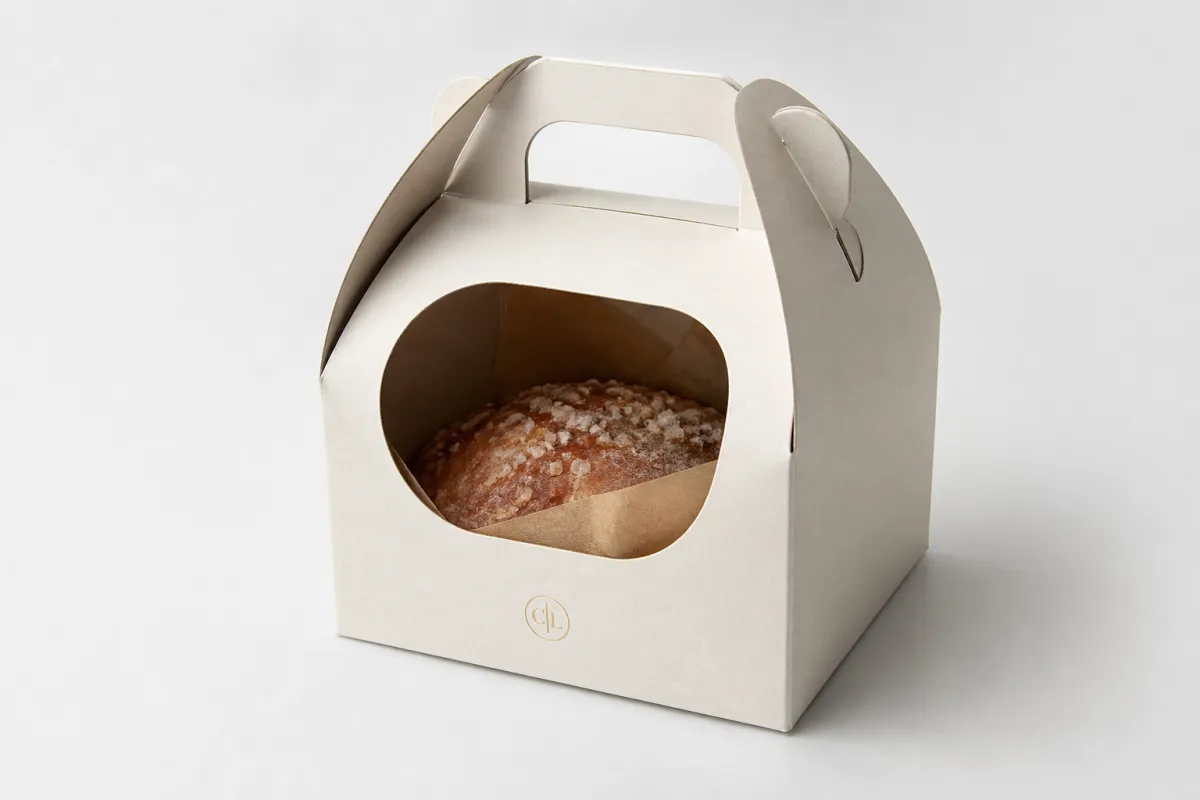
The phrase custom bakery cartons compostable gets used as if it describes one fixed product. It does not. Paperboard, coatings, adhesives, ink chemistry, structural design, and even storage conditions all shape the final carton. Miss one link in that chain and the pack can still look environmentally responsible while failing the job it was bought to do.
A lot of cartons labeled compostable never reach a composting facility. Some local systems reject food-soiled packs. Some accept only specific material types. Some refuse a carton because a barrier layer or window film breaks the claim, even if the marketing copy sounds polished. A leaf icon does not override local collection rules, and it definitely does not override contamination limits. That is why custom bakery cartons compostable is as much about disposal infrastructure as it is about material choice.
The same carton can handle a box of dry shortbread and struggle with a glossy pastry that carries a high butter load. Moisture moves. Grease moves. Steam moves even faster. Once a bakery adds warm takeout items or chilled cakes with condensation on the surface, the safety margin gets thin. In those cases, custom bakery cartons compostable has to be specified around actual use conditions, not a generic sustainability promise.
Retail packaging has to answer a practical question first: what does the box need to do in the store, during delivery, and after use? If the carton sits on a shelf for 18 hours, rides in a courier bag, then gets opened in a humid kitchen, every stage matters. The strongest branded packaging is the one that still looks deliberate after that journey. Kinda obvious, maybe, but in production the obvious is exactly what gets skipped.
Buyers get tripped up here more often than they expect. Marketing language smooths over the nuance, while production reality stays stubborn. A compostable claim does not reveal whether the carton resists grease for six hours, whether the print stays legible under refrigeration, or whether the structure survives stacking in transit. Those details decide whether custom bakery cartons compostable supports the operation or complicates it.
A carton that looks sustainable but collapses on a counter, in a delivery bag, or under refrigeration is not a packaging win. It is waste with a better story.
For broader terminology and design context, the Sustainable Packaging Coalition resources at packaging.org are a useful reference point. The U.S. EPA's recycling guidance at epa.gov also helps explain why disposal routes matter as much as design intent. If you are selling into multiple regions, that difference can be the whole ballgame.
The practical rule for bakery operators is simple: start with the product, not the claim. If the carton cannot protect the item through handling, display, delivery, and disposal, then the sustainability message turns into a liability. Custom bakery cartons compostable should support the business, not just decorate the brand deck.
How Custom Bakery Cartons Compostable Materials Work
The most common base for custom bakery cartons compostable is paperboard, usually uncoated or finished with a barrier system designed to stay within compostability rules. That may mean kraft paperboard for a natural look, bleached board for sharper print contrast, or a fiber-based structure that balances stiffness with lower weight. The board is only one part of the story. The coating, glue, and print layer all need to work together if the claim is going to hold.
Industrial compostability and home compostability are not the same thing. Industrial compostability means the carton is built to break down under controlled facility conditions, with heat, moisture, and aeration managed for the process. Home compostability is tougher in practice because backyard systems rarely hold a stable temperature or moisture profile. That difference matters for custom bakery cartons compostable orders because the disposal path changes the whole material stack. In the U.S. and Europe, the standard labels are not interchangeable, even if the artwork makes them look close.
Adhesives and windows deserve close attention. A paper carton with a PLA window may sound compostable, but the complete structure can miss the standard once the window, lamination, and ink coverage are assessed together. The same risk appears with heavy varnish or film lamination. If the carton needs barrier protection for grease, a water-based dispersion coating or another certified compostable barrier may fit better than a conventional plastic film.
Food-contact compliance and compostability overlap, yet they are not identical. A carton can be safe for direct food use and still fail compostability requirements if the full structure includes the wrong additives. The reverse can happen too: a carton can be compostable in theory and still be a poor food-contact choice for sticky or oily pastries. That is why custom bakery cartons compostable has to be specified from both sides of the equation.
Materials to ask about:
- Uncoated kraft or white paperboard for dry items and clear print results.
- Molded fiber for stronger protection and better stack behavior.
- Bagasse blends for higher moisture tolerance and a natural fiber profile.
- Plant-based or water-based barrier systems that improve grease resistance without standard plastic film.
The useful way to think about it is plain: the carton needs enough barrier performance to preserve the product, but not so much non-compostable material that the end-of-life claim falls apart. That balance separates decent custom bakery cartons compostable sourcing from hopeful guesswork.
Food packaging claims also depend on certification language. Standards such as ASTM D6400 and EN 13432 define compostable under test conditions, but they do not guarantee that a local facility will accept every carton with a compostable logo. For home-compostable claims, buyers should look for the specific standard and testing basis, not a vague promise. That is why custom bakery cartons compostable buyers should request the material specification sheet, not just the sales brochure.
Key Factors That Decide Performance, Shelf Life, and Sustainability
If you want custom bakery cartons compostable to work in the real world, grease resistance comes first. Stiffness follows. Stack strength, venting, moisture control, and closure integrity come after that. Miss the order and the carton may fail in the customer's hands long before anyone talks about composting.
Product type changes the spec quickly. Flaky croissants shed crumbs and need a structure that does not crush the layers. Sticky cinnamon rolls need a barrier that resists soaking. Frosted cupcakes need enough headspace to protect the icing. Sheet cakes need edge support, especially if they are going into a vehicle or a courier bag. In each case, custom bakery cartons compostable should be built around the hardest handling scenario, not the ideal one.
Closure style is another detail buyers underestimate. A tuck-end carton with weak corners can bow under load. A sleeve that looks elegant on a shelf may let the product shift during transit. Deeper boxes can protect toppings better, yet they also increase board usage and shipping volume. That is where packaging design turns operational instead of decorative. Good custom bakery cartons compostable choices make the product look premium without adding unnecessary weight.
Print treatment matters more than many teams expect. Full-bleed dark color can make a carton look sharp, but it also increases ink coverage and may complicate compostability documentation if the print system is not approved. Matte finishes can reduce glare and improve the feel of branded packaging, yet the finish still has to fit the full material claim. Spot coatings, embossed logos, and window cutouts all change the disposal picture. With custom bakery cartons compostable, the art team and procurement team need to talk early.
There is also a sustainability trap called over-engineering. Extra board thickness, too many inserts, or unnecessary structural features can raise the footprint of the pack while improving very little in use. A lighter carton that survives the route is usually better than a heavier carton that looks impressive on a sample table. That matters most in high-volume bakery programs, where small design changes scale quickly.
The EPA and packaging industry groups keep returning to materials efficiency for a reason. Less material can mean less waste, lower freight weight, and fewer handling problems. Lighter is not automatically better, though. If the carton flexes, the customer experience suffers and replacement waste rises. The goal with custom bakery cartons compostable is the same as with any product packaging: use only the structure the job requires.
Practical spec checks:
- Test the carton with the actual pastry weight, not a placeholder sample.
- Check performance at room temperature and in chilled conditions.
- Simulate stacking for at least the expected transit duration.
- Review whether the print, barrier, and adhesive systems are documented as compatible.
Custom bakery cartons compostable works best when the buyer thinks in terms of use case plus disposal route. That sounds obvious. In sourcing meetings, it is still one of the most skipped steps.
Custom Bakery Cartons Compostable Cost: What Drives Pricing
Pricing for custom bakery cartons compostable is usually shaped by five things: substrate, size, print coverage, finishing, and barrier complexity. The carton may look simple, but every extra requirement changes the price curve. A clean two-color kraft box is one thing. A large full-color carton with a certified barrier and a window cutout is another. The difference is not cosmetic; it shows up in converting time, waste, and approval work.
For small to mid bakery runs, MOQ matters almost as much as material. Setup fees, prepress work, dieline tooling, and freight get spread across fewer units, so unit cost rises quickly on the first order. A run of 3,000 cartons will often cost more per piece than a run of 10,000, even if the same structure is used. That is standard economics, not a supplier trick. With custom bakery cartons compostable, buyers should expect the first quote to reflect setup reality more than raw board cost.
Here is a rough comparison that helps during supplier calls. The numbers are indicative, not universal, and they assume a typical bakery carton run of around 5,000 units.
| Option | Best For | Typical Unit Price | Notes |
|---|---|---|---|
| Uncoated kraft paperboard with simple print | Cookies, dry pastries, bakery gift packs | $0.18-$0.30 | Usually the most economical route for custom bakery cartons compostable; watch grease resistance. |
| FSC paperboard with aqueous barrier | Butter-rich pastries, buns, moderate moisture | $0.24-$0.38 | Often the best balance of presentation and function for custom bakery cartons compostable programs. |
| Bagasse blend structure | Warm bakery items, catering packs, delivery trays | $0.30-$0.48 | Good stiffness and a natural look, but print detail is less crisp than paperboard. |
| Molded fiber carton with insert | Premium pastry assortments, high-protection packs | $0.32-$0.55 | Better product holding, higher tooling and freight costs, especially for custom shapes. |
That table hides an important detail: a minor change in dimensions can create a large cost swing. Increase the depth and the blank size changes. Change the window and the die-cut changes. Alter the tuck pattern and the converting setup changes. Buyers often ask for custom bakery cartons compostable pricing as though a 2 mm shift will not matter. In production, it absolutely can.
Hidden costs deserve attention too. Sample rounds may run $60-$150 each plus shipping. Compliance paperwork can take time, especially if food-contact declarations or compostability certificates need internal review. Storage can become a cost if the cartons need dry, climate-controlled space. Freight packaging is another one; if the boxes arrive in fragile bundles, you may need outer shipper protection to prevent corner damage. That is why an apparently cheap custom bakery cartons compostable quote can become expensive once the operational extras are added.
Use a line-by-line quote review, not a headline comparison. Ask whether the quote includes printing plates or digital setup, whether sampling is credited back on production, whether freight is door-to-door or ex-works, and whether the certification documents are current. If a supplier cannot explain those items clearly, the quote is incomplete. In branded packaging, clarity is part of the value.
Quote-reading checklist:
- Substrate type and basis weight
- Print colors, ink system, and coating type
- MOQ and whether tiered pricing is available
- Tooling, sample, and freight charges
- Documentation for compostability and food contact
From a buying standpoint, custom bakery cartons compostable is not expensive because it is compostable. It becomes expensive when the spec is under-defined, the volume is too low, or the carton is asked to do more than the material stack can realistically support.
Production Process and Timeline: From Brief to Delivery
The production path for custom bakery cartons compostable usually starts with a product brief, and that brief needs more than artwork. A supplier should know the product weight, the fill temperature, the expected shelf life, the handling method, and the disposal claim you intend to make. If a carton is for a chilled pastry, a courier-delivered cake, or a shelf-stable cookie box, the structure will change. That information has to be on the table before anyone opens a dieline.
After the brief comes carton style selection. Sometimes the supplier can adapt an existing dieline, which shortens the schedule. Other times the box needs a fully custom structure, and that means more time for tooling, sample creation, and structural review. For custom bakery cartons compostable, the faster path is often a proven size with a tailored print face rather than a completely new shape. The more custom the geometry, the more chances there are for a miss in the fold logic.
The approval chain usually looks like this:
- Product and structural brief
- Dieline review and dimensional confirmation
- Artwork placement and prepress checks
- Digital mockup or flat sample
- Physical sample and filled-product trial
- Final approval, production, and freight booking
The step that creates the most delay is usually sample approval. Teams like the look of a mockup, then discover the fold lines interfere with the closure, the product shifts during handling, or the printed area sits too close to a glue flap. That is exactly why a filled trial matters. A carton that passes a flat artwork review is not necessarily ready for launch. The point is true for all product packaging, but it matters more with custom bakery cartons compostable because the material stack often has stricter limits.
Typical lead times vary, but a realistic range is often 12-15 business days after proof approval for straightforward runs, and longer if tooling or special substrates are needed. Large orders, busy holiday windows, or unusual finishing can stretch that window. Seasonal bakery demand can also compress capacity. If you are planning a menu change, work backward from the date the boxes must be in-store, not from the date the purchase order is placed.
Packaging buyers also need to think about freight scheduling. If cartons are being imported or moved across multiple distribution nodes, buffer time matters. A one-week delay in print approval can become a two-week delay once ocean transit, customs, or warehouse receiving slots are added. That is where custom bakery cartons compostable projects stay on track or drift. The calendar is not forgiving, and the holiday rush is even less forgiving.
Build the launch window around these milestones:
- Artwork finalization
- Sample review with actual bakery product
- Internal sign-off from operations and brand
- Production slot confirmation
- Inbound freight and receiving time
If your team is also weighing other packaging categories, our custom printed boxes selection can help you compare structures, print methods, and presentation styles before you lock in the bakery spec. The same discipline that works for custom bakery cartons compostable usually improves every other carton program too.
One more detail gets overlooked often: quality control should include edge crush, print registration, adhesive bond, and carton squareness. A bakery carton is not a shipping shipper, but it still has to survive stacking, loading, and repeated handling. Custom bakery cartons compostable projects tend to succeed when the supplier treats them as functional retail packaging, not just print work.
Common Mistakes When Ordering Compostable Bakery Cartons
The first mistake is buying on claim alone. If the supplier says custom bakery cartons compostable, that is not enough. You need to test the carton with the actual pastry, the actual fill weight, and the actual humidity level. A box that handles dry cookies may fail with a glazed bun after 20 minutes on a warm prep counter. That is not a small miss. It is a production issue.
The second mistake is assuming every compostable carton is compostable in every facility. Municipal systems differ. Commercial composting programs differ even more. Some accept fiber-only packaging but not cartons with certain coatings or windows. Others refuse anything contaminated with too much food residue. Buyers need to align custom bakery cartons compostable claims with the route their customers can actually use. Otherwise, the packaging tells one story and the disposal stream tells another.
The third mistake is launching too many sizes too early. I see this in bakery rollouts all the time. Teams order a dozen SKUs because the range looks neat on paper, then discover that only three carton sizes move at meaningful volume. Inventory complexity rises. Storage gets harder. Cash gets tied up in slow movers. A tighter initial assortment is usually smarter for custom bakery cartons compostable programs, especially during the first production cycle.
The fourth mistake is weak internal messaging. If staff cannot explain how to dispose of the carton, customers get mixed signals. If the front-of-house team says one thing and the printed carton says another, trust erodes. Disposal copy should be short, specific, and honest. For example, “Check local composting acceptance” works better than pretending every facility accepts everything with a leaf icon. That kind of clarity protects the brand and the credibility of the packaging design.
The fifth mistake is skipping sample trials. That is where corner crush, oil bleed-through, and closure failure show up. Not in the mockup photo. In the actual bakery. A well-run trial should include at least one hot or warm fill, one chilled fill, one courier-handling test, and one end-customer opening test. If the sample fails there, the live order will fail harder. With custom bakery cartons compostable, the sample phase is not optional overhead; it is the cheapest insurance you can buy.
Common failure signs to watch for:
- Grease staining that reaches the print area
- Top panels bowing after stacking
- Weak corners that open during delivery
- Water-sensitive edges near refrigerated products
- Ink scuffing when cartons are packed tightly
There is also a brand risk angle. If a carton claims sustainability but arrives crushed, customers do not see the nuance. They see waste. That is why custom bakery cartons compostable should be treated with the same operational discipline as any other core retail packaging line.
Expert Tips and Next Steps for Custom Bakery Cartons Compostable
My first recommendation is simple: start with one high-volume SKU. If you are launching custom bakery cartons compostable across an entire bakery range, begin with the carton that moves most often and has the clearest handling pattern. That gives you the fastest feedback loop, the least inventory risk, and the best chance to tune the spec before expansion.
Second, ask for documentation before you talk yourself into a price. A supplier should be able to provide certification documents, food-contact declarations, material specifications, and a clear explanation of what part of the carton the compostability claim actually covers. Does it include the board only, or the full structure with inks, coatings, and adhesives? For custom bakery cartons compostable, that answer matters more than a glossy sample photograph.
Third, run a pilot with real bakery product and real staff handling. Put the cartons through the same touchpoints they will face in daily use: filling, closing, stacking, refrigerated holding, and customer carry-out. Ask for feedback from the people who pack the orders. They usually notice failures before the brand team does. In practical terms, that is where custom bakery cartons compostable either proves itself or gets reworked.
Fourth, write the launch checklist before the shipment lands. Include storage conditions, disposal copy, warehouse handling notes, and a backup spec in case the primary substrate goes out of stock. The backup does not need to be identical, but it should keep the same size range and brand presentation so the customer experience does not drift. That kind of planning is basic packaging design discipline, and it pays off fast.
Fifth, keep sustainability grounded in use. If a lighter carton reduces freight weight, great. If a barrier upgrade prevents leakage and replacement waste, also great. If a more expensive structure only adds theater, skip it. The best custom bakery cartons compostable programs reduce waste where it actually exists: transport damage, spoilage, and unnecessary overpackaging.
Here is a practical launch sequence that works well for many bakeries:
- Select one top-selling SKU and define the real handling conditions.
- Review a material stack that supports the product without excess coating.
- Test a sample with filled product and staff feedback.
- Confirm certification and disposal language before print approval.
- Place the first order with enough buffer for a small revision cycle.
If you are comparing options across your broader packaging program, our branded packaging solutions can help you see how custom bakery cartons compostable fits alongside labels, sleeves, and other presentation formats. The right choice is rarely the one with the loudest sustainability claim. It is the one that performs well, documents cleanly, and supports repeat orders without surprise costs.
Custom bakery cartons compostable is not a trend to chase; it is a spec to engineer. Get the structure right, verify the claim, test the product, and the carton can protect freshness, strengthen your brand, and keep disposal messaging credible. Get those pieces wrong, and the packaging may look responsible while creating the opposite result. Start with the SKU that carries the most moisture and handling risk, then scale only after the carton survives the real route from oven to customer.
Questions Buyers Ask
Are custom bakery cartons compostable good for greasy pastries?
They can be, but only if the material stack includes the right grease-resistant barrier and the pastry is tested under real fill conditions. Very oily or warm items often need a different structure than dry baked goods, even if both cartons look similar on a spec sheet. Ask for proof from filled-product trials, not just a material claim, because custom bakery cartons compostable must survive actual use, not just a lab description.
How do custom compostable bakery cartons differ from recyclable ones?
Recyclable cartons are designed to enter paper recovery streams, while compostable cartons are designed to break down under a defined composting standard. A carton can be one, the other, both in theory, or neither in practice depending on coatings and local infrastructure. The right choice depends on your disposal path, not just your sustainability message. That is why custom bakery cartons compostable should be matched to the end-of-life system your customers can realistically use.
What affects custom bakery cartons compostable pricing the most?
Material selection, carton size, print coverage, finishing, and MOQ usually drive the biggest pricing swings. A small run often costs more per unit because setup and freight are spread across fewer cartons. Simple structures and standard sizes usually give the most efficient quote. For many buyers, that is where custom bakery cartons compostable becomes far more economical than a highly decorated or highly customized option.
What is a realistic lead time for custom compostable bakery cartons?
Lead time depends on sample approval speed, artwork readiness, and whether the carton needs custom tooling or special materials. Projects move faster when the supplier already has a suitable dieline and stock substrate available. Seasonal demand can stretch timelines, so it is smart to plan backward from launch. In practical terms, custom bakery cartons compostable often needs a little more calendar room than teams first expect.
How do I verify that compostable bakery cartons are truly compliant?
Request third-party certifications, food-contact documentation, and written material specifications from the supplier. Check whether the claim applies to the full carton, including inks, coatings, windows, and adhesives. Confirm whether the carton is certified for industrial composting, home composting, or only a specific standard. The more specific the paper trail, the safer the buying decision for custom bakery cartons compostable.

