Die Cut Stickers Low MOQ Custom Order Runs That Still Look Retail-Ready
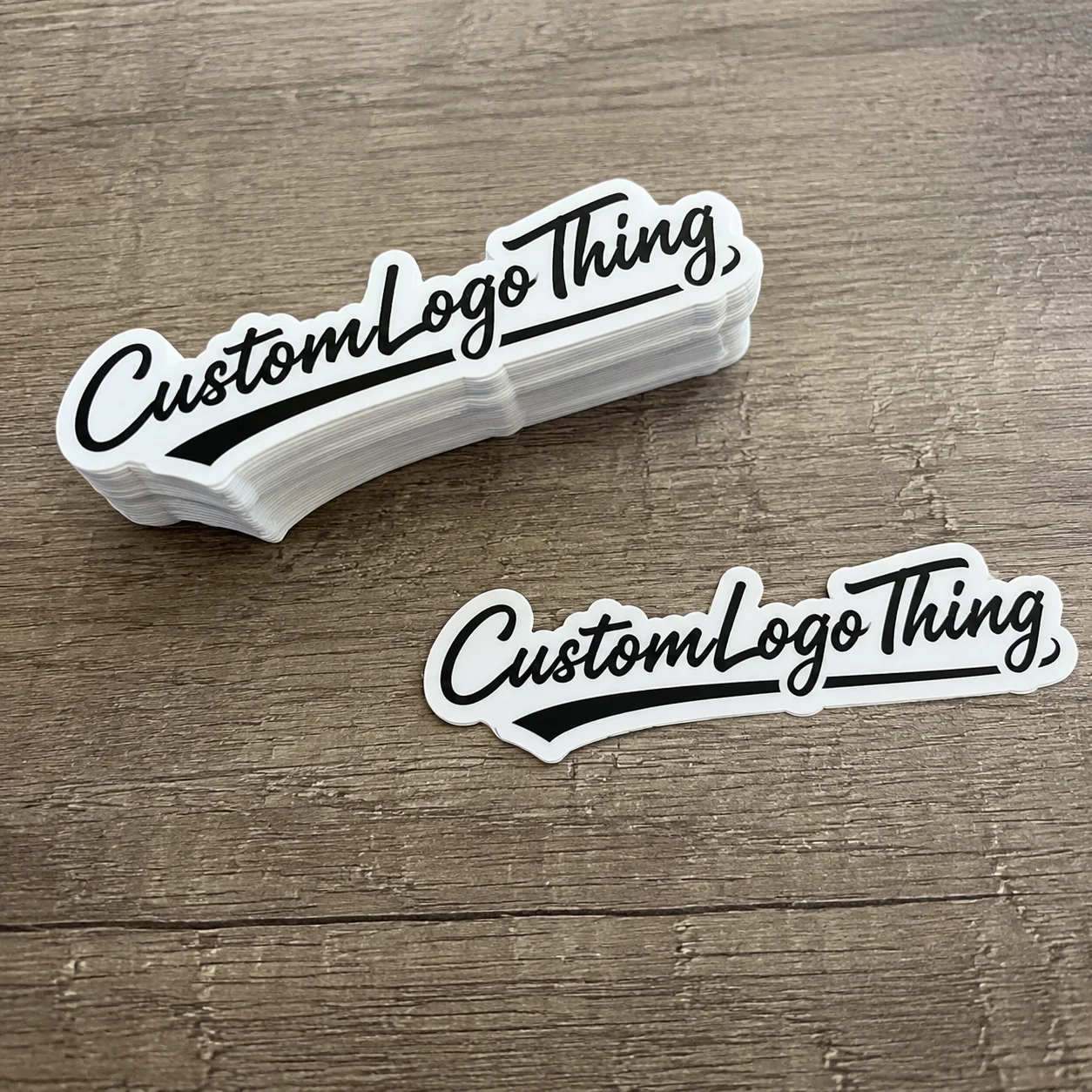
A brand may only need 250 to 500 stickers for jars, mailers, sample kits, event packs, subscription inserts, or a limited product drop. That is not a compromise. It is often the right starting point. Die cut stickers Low MOQ Custom Order options let buyers test shape, adhesive performance, finish, and brand presentation before tying up cash in inventory that may sit untouched for months.
Small runs solve a very specific business problem: uncertainty. They fit seasonal artwork, short-run packaging, influencer kits, retail trials, and SKU-specific branding where a full label program would overshoot the need. A buyer can apply the actual printed pieces to boxes, pouches, bottles, cartons, or shipping inserts and see what happens. A digital mockup cannot show whether matte lamination scuffs on a kraft mailer. A sample run can.
The detail many buyers miss is simple. A packaging sticker is not the same thing as a cheap novelty decal thrown into a giveaway pile. Production-grade custom die cut stickers need the right face stock, adhesive, print process, lamination, cut tolerance, and packing format. If a sticker lifts at the edge, curls on a flexible pouch, scuffs during fulfillment, or turns brand colors muddy, the low price did not save much.
Custom Logo Things works best with buyers who already know they need custom stickers and want practical options: clear quantities, clean artwork review, realistic pricing variables, and a proofing process that confirms finished size, contour cut, color notes, and material before production begins. For buyers comparing Custom Labels & Tags with stickers used as packaging accents, the useful question is direct: will the piece perform on the surface where it will be applied?
Production callout: A low MOQ sticker can still look retail-ready if the material, adhesive, cut path, and finish are chosen for the job, not just for the lowest possible unit cost.
Product Details: Shape, Material, Adhesive, and Finish Options
Die cut stickers are custom-shaped stickers trimmed around the artwork or around a defined contour line. Brands use them for logos, mascots, product seals, QR code callouts, flavor markers, promotional inserts, and branded packaging accents. A clean die cut shape looks more intentional than a standard rectangle, especially on custom printed boxes, kraft mailers, glass jars, tins, tubes, and retail cards.
White vinyl is one of the most common choices because it gives strong color contrast, good durability, and a stable base for most full-color artwork. Clear film is useful when the buyer wants a no-label look on glass, PET, acrylic, or certain coated surfaces. White ink may be needed behind colors that must stay bright, because transparent material lets the background influence the print. Paper stock can work well for dry indoor use, especially for inserts, short-run retail packaging, and low-contact applications where moisture resistance is not the priority.
Adhesive matters more than many first-time buyers expect. Permanent adhesive is the standard choice for most packaging and branding work. Removable adhesive can make sense for temporary promotions, window decals, short-life campaign materials, or stickers that should come off without much residue. The best selection depends on the actual application surface: corrugated board, glass, metal, coated paperboard, HDPE, flexible packaging film, or a textured recycled surface.
Finish changes both appearance and handling performance. Gloss finish gives richer color and shine. Matte finish softens glare for a more restrained shelf look. Soft-touch style finishes can add a premium hand feel where available. Lamination adds rub resistance, which matters if the sticker will be handled repeatedly during packing, shipping, retail stocking, or customer use.
There are physical limits. Very thin points, tiny interior gaps, sharp notches, and delicate outlines can be harder to cut cleanly. A good die line protects both appearance and production reliability. For a low minimum order, the smartest shape is usually distinctive enough to support the brand but not so fragile that it slows cutting or creates weak areas that lift after application.
Sticker Specifications Buyers Should Confirm Before Ordering
A clean quote starts with clean specifications. Before requesting pricing, gather the finished size, quantity, shape, material, adhesive type, finish, artwork file, intended surface, indoor or outdoor use, and preferred supply format. Stickers can be supplied on sheets, rolls, or as individually cut pieces. Each format affects application speed, packing labor, storage, and cost.
Vector artwork is preferred for logos and contour cut lines because it keeps the edges clean and allows the die line to be prepared accurately. Adobe Illustrator files, editable PDFs, EPS files, or SVG files are typical starting points, depending on how the artwork was built. High-resolution raster artwork can work for image-heavy designs, but it should be print-ready, usually 300 dpi at final size, with enough bleed beyond the cut edge.
Bleed and safe area sound minor until they cause a delay. Artwork should extend beyond the cut path, often by about 0.0625 to 0.125 inch, so a tiny movement during cutting does not leave a white sliver. Small text, QR codes, borders, ingredient icons, and key brand marks should sit inside the safe area because normal cutting tolerance is part of real production, even on well-controlled equipment.
Size has a direct effect on both visual impact and unit cost. Small stickers, such as 1.5 to 2 inches wide, are economical for inserts, seals, and sample packs. Medium sizes, such as 2.5 to 4 inches, work well for product branding, unboxing moments, and retail display. Larger custom die cut decals can be excellent for promotion, but the material and shape may need adjustment to reduce curling, edge lifting, or application difficulty.
Low MOQ does not mean loose quality expectations. A proper die cut stickers Low MOQ Custom Order should still include proofing, consistent color targets, clean edge trimming, and protective packing that keeps pieces flat, clean, and usable on arrival. Buyers with strict sustainability requirements can also ask about FSC-related paper options where applicable; the Forest Stewardship Council provides a useful reference point for responsible fiber sourcing claims.
- Finished size: width and height at the widest points, such as 3 x 2.25 inches.
- Quantity: total quantity and quantity per design if multiple versions are needed.
- Material: white vinyl, clear film, paper stock, or specialty face stock.
- Adhesive: permanent, removable, or application-specific adhesive where available.
- Finish: gloss, matte, soft-touch style, or laminated surface.
- Use case: indoor retail, shipping insert, bottle label accent, outdoor promotion, or event pack.
MOQ, Pricing, and Unit Cost Factors for Custom Sticker Orders
Low MOQ pricing is shaped by setup work as much as raw material. Prepress review, proofing, printer setup, cutting setup, material loading, finishing, counting, trimming, and packing all take labor time, even if the order is only 250 pieces. That is why a very small run can have a higher unit cost than a larger run using the same artwork.
The main cost drivers are sticker size, total quantity, number of designs, material type, adhesive, finish, lamination, cut complexity, sheet versus roll format, color requirements, and whether the order needs individual trimming or special packing. A simple 2-inch white vinyl logo sticker on sheets will usually price differently from a 4-inch laminated clear film sticker that requires white ink, individual cutting, and multiple artwork versions.
Unit cost usually decreases as quantity rises because setup time is spread across more pieces, material layout becomes more efficient, and production can run with fewer changeovers. In practice, a buyer might see short-run sticker printing priced around $0.35 to $0.85 per piece depending on size, finish, and complexity, while larger quantities may move into lower per-piece ranges. These are planning ranges, not a promise. Artwork, material choice, adhesive, packing format, and deadline can swing the final quote.
| Order Scenario | Typical Use | Common Specs | Pricing Factors |
|---|---|---|---|
| 250 to 500 pieces | Launch tests, event packs, sample kits | 2 to 3 inch die cut sticker, white vinyl or paper | Higher setup impact, useful for design validation |
| 1,000 to 2,500 pieces | Retail packaging, mailer inserts, product drops | Vinyl or clear film, matte or gloss finish | Better unit cost, more efficient material layout |
| 5,000+ pieces | Ongoing product packaging or wholesale programs | Rolls or sheets, lamination where needed | Lower unit cost, stronger value for repeat use |
The best quote request asks for three numbers: the minimum feasible quantity, a mid-range quantity, and a larger break quantity. That lets the buyer compare cash outlay against unit cost without guessing. For brands planning repeat packaging design work, Custom Logo Things can also discuss broader options through Wholesale Programs, especially when stickers, tags, boxes, and other branded components are ordered on a recurring schedule.
The cheapest sticker is not always the lowest-cost sticker in practice. If it lifts from the surface, scuffs during fulfillment, dulls the artwork, or arrives in a format that slows application during packing, the savings disappear quickly. A penny saved on unit price can turn into minutes lost at the packing table, and labor is rarely cheaper than the material upgrade that would have prevented the problem.
Process and Timeline From Artwork Review to Finished Stickers
The order process is straightforward when the information is complete. Submit artwork and specifications, confirm material and finish, review the die line, receive a digital proof, approve or request changes, move into print production, complete cutting and finishing, then pack and ship. A simple order with print-ready files can often move faster than a project that needs artwork cleanup, multiple versions, or specialty materials.
Proofing is a manufacturing safeguard, not paperwork for its own sake. The proof confirms finished size, shape, cut path, bleed, orientation, color notes, quantity, and sometimes roll or sheet direction before material is printed and cut. If a QR code is included, it should be tested at final size before approval, especially if it is smaller than 0.75 inch or printed near a contour edge.
Turnaround should be counted from proof approval, not from the first email. Production cannot responsibly begin until the buyer confirms the final art and specifications. For many standard low minimum order stickers, production may fall around 5 to 10 business days after proof approval. Specialty finishes, complex cuts, multiple designs, or material sourcing can add time.
Shipping and receiving time need their own line on the schedule. Buyers should build in transit, internal inspection, product application, and launch packing time, especially for trade shows, subscription boxes, retail shipments, or seasonal promotions. If stickers are being applied to thousands of mailers or jars, even a small delay can affect the packing bench.
Hard deadlines should be shared early. A firm event date, retailer ship window, or product launch changes how material choice, proofing speed, quantity, and shipping method should be planned. For broader packaging coordination, buyers can review related options under Custom Packaging Products so stickers, boxes, labels, and inserts are planned as one branded packaging system rather than separate last-minute pieces.
Common Ordering Mistakes That Raise Cost or Delay Production
Artwork problems are the most common reason a low MOQ order slows down. Low-resolution logos, missing fonts, unclear cut lines, no bleed, borders placed too close to the edge, and QR codes that are too small can all trigger proof revisions. A clean vector logo and a clearly marked die line can save a full round of back-and-forth.
Material selection causes another set of problems. A sticker meant for a corrugated shipper may need a different adhesive decision than one used on a coated folding carton, a glass bottle, a metal tin, or a flexible pouch. Texture, coating, moisture, cold exposure, and handling all affect performance. Recycled kraft may look simple, for example, but its texture can challenge adhesives more than a smooth coated carton.
Overcomplicated shapes can raise cost too. Sharp points, tiny notches, deep interior cuts, and very narrow bridges may look strong on screen, but they can be fragile, slower to weed, harder to cut, or more likely to lift in use. If the sticker is going onto product packaging handled by warehouse teams, retailers, and customers, durability should carry real weight in the design decision.
Quote comparisons can be misleading if specifications do not match. One price may include lamination, individual cutting, heavier vinyl, and a permanent adhesive, while another may be a basic paper sticker supplied on sheets. Buyers should compare the same size, material, adhesive, finish, quantity, color requirements, and packing format before deciding which quote is truly better.
Color expectations need a practical conversation. Screen color is not a print standard, and phone displays make almost every color look different. Buyers with strict brand requirements should provide Pantone references, approved color targets, or prior printed samples when available. ASTM test methods and general print quality controls can guide material and durability discussions, while distribution testing resources from ISTA are useful when stickers are part of a larger shipped packaging program.
Last-minute changes after proof approval can affect both price and lead time. Once production planning, material allocation, print files, and cutting paths are prepared, changing size, finish, quantity, or artwork is no longer a small administrative tweak. Approval discipline keeps the project moving.
How Do You Prepare a Die Cut Stickers Low MOQ Custom Order?
Start with the practical facts, not the decoration. A production team needs the finished size, quantity target, number of designs, application surface, indoor or outdoor use, material preference, finish preference, supply format, deadline, and artwork file. If one of those details is unknown, say so. A clear unknown is easier to solve than a guessed specification that has to be corrected later.
The fastest die cut stickers low moq custom order usually arrives with vector artwork, a visible contour cut line, bleed beyond the cut path, and important text or QR codes kept away from the edge. For packaging stickers, add a short note about the surface: kraft mailer, glass jar, coated paperboard carton, flexible pouch, metal tin, or shipping box. That single line can change the adhesive or finish recommendation.
Ask for quantity breaks before locking the order. A quote at 250, 500, and 1,000 pieces may show that a modest increase gives a much better unit cost while still keeping the total order controlled. This is especially useful for brands testing new package branding, seasonal product packaging, or a first run before larger wholesale distribution.
Review the proof slowly. Check spelling, shape, cut path, QR code readability, color notes, orientation, quantity, and size before signing off. Approved artwork becomes the production reference, and the production team will build the order around that file. A careful proof review is not dramatic. It is cheaper than reprinting stickers that were technically produced exactly as approved.
Next Steps to Get a Clean Quote and Production-Ready Order
A clean quote starts with a short, complete checklist. Send the finished size, quantity target, number of designs, preferred material, finish, application surface, indoor or outdoor use, desired delivery date, and artwork file. If the final material is not yet decided, say that plainly. A good production conversation can compare white vinyl, clear film, paper stock, matte finish, gloss finish, and lamination against the actual use case.
A photo or description of where the sticker will be used is genuinely helpful. A coated retail carton, kraft mailer, glass jar, flexible pouch, and cold-filled bottle all behave differently, and the right adhesive or finish may change once the surface is known. From a packaging buyer's point of view, that one extra detail can prevent a sticker that looks right in proofing but performs poorly during application.
For a die cut stickers low moq custom order, send the artwork, target quantity, finished size, application surface, finish preference, and deadline so Custom Logo Things can price the job accurately and move the order into proofing without avoidable back-and-forth. If you still need clarity on common ordering details, the FAQ is a useful place to confirm basics before requesting a quote.
Frequently Asked Questions
What is the minimum order quantity for custom die cut stickers?
MOQ depends on size, material, finish, adhesive, and cut complexity, but low MOQ options are available for launches, samples, events, and limited packaging batches. For the most accurate quote, provide the finished size, quantity target, number of designs, and whether the stickers should be supplied on sheets, rolls, or individually cut pieces.
How much does a low MOQ die cut sticker custom order cost?
Cost is driven by setup, material, sticker size, quantity, finish, lamination, adhesive type, cut complexity, and packing format. Requesting two or three quantity breaks is usually the best way to compare total spend against unit cost before placing an order.
Can I order die cut stickers with multiple designs in one low MOQ order?
Multiple designs may be possible, but each design can affect setup, proofing, cutting, and material layout, so pricing may differ from a single-design order. Send all artwork files together and identify the quantity needed for each design so quoting and proofing stay clear.
What artwork file is best for custom die cut stickers?
Vector artwork is preferred, especially for logos and custom cut paths, because it keeps edges clean and allows the die line to be prepared accurately. If using raster artwork, provide a high-resolution file and keep important text, borders, and QR codes away from the cut edge.
How long does production take for low MOQ custom die cut stickers?
Timeline depends on artwork readiness, proof approval, material availability, finish selection, quantity, and cut complexity. Turnaround should be counted from final proof approval, and buyers with a firm event, launch, or shipping deadline should share that date before the quote is finalized.