Custom Courier Bags Factory Quote Checklist: Start With the Bag's Real Job
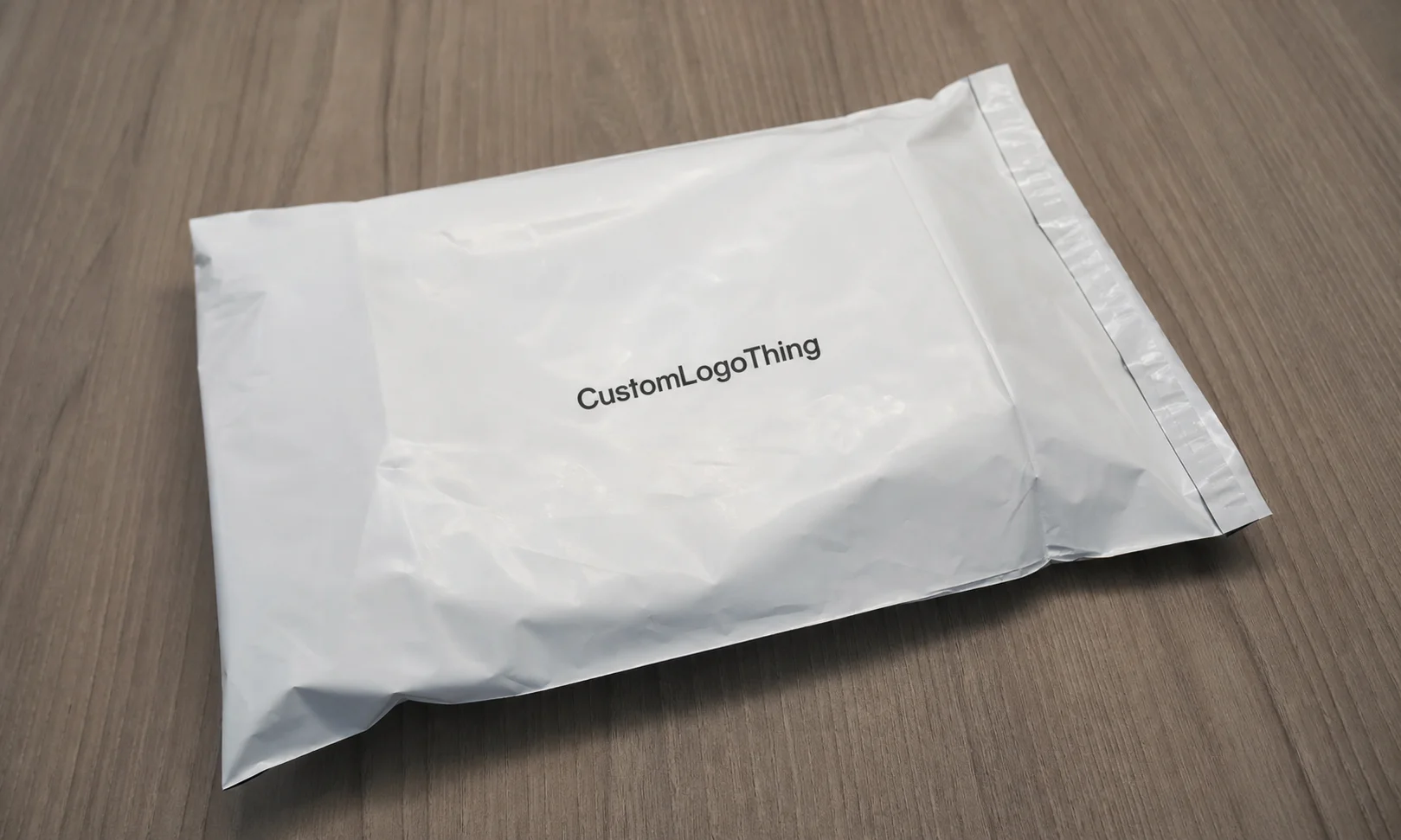
A custom courier Bags Factory Quote checklist should begin before anyone asks for the lowest unit price. A cheap mailer becomes expensive quickly if it splits in transit, wrinkles the logo print, fails at the adhesive strip, or adds unnecessary freight volume across 5,000, 20,000, or 100,000 shipments.
From a buyer's desk, a courier bag can look almost too simple: a flat plastic mailer with a seal. On the production side, the factory is pricing resin, film extrusion, print setup, ink coverage, adhesive tape, cutting, production waste, carton packing, and freight volume. A vague request creates one of two outcomes. Either the quote carries a safety margin, or the missing details come back later as cost changes.
A 10 x 13 inch poly mailer for folded T-shirts is not the same packaging job as a 10 x 13 inch mailer for boxed cosmetics, documents, small accessories, or mixed ecommerce SKUs. Apparel needs flexibility and enough opacity to hide product color. Boxed goods push harder against corners and side welds. Return shipments may need a second adhesive strip and perforation. Documents often need a cleaner presentation with lower bulk.
A useful checklist turns a loose idea into a production-ready brief. Finished size, usable internal space, material preference, thickness in microns or mils, print coverage, quantity range, destination, delivery deadline, recycled content, and compliance requirements should be clear before pricing begins.
Custom Logo Things helps buyers define those details when courier bags belong to a larger branded packaging or ecommerce product packaging system. Unit cost only means something when every supplier is pricing the same bag for the same job.
A clear courier bag quote is not just a price request. It tells the factory what the bag must protect, how it must look, how it must seal, and how it will move through the shipping network.
What Should a Custom Courier Bags Factory Quote Checklist Include?
A custom courier Bags Factory Quote checklist should include the product going inside the bag, finished dimensions, usable internal space, film material, thickness, closure style, print method, print colors, order quantity, destination, carton packing needs, sample expectations, and freight terms. That is the short version. The longer version is more useful because every line affects cost, risk, or lead time.
Start with the packed product, not the bag. Provide folded or boxed dimensions, weight, edge profile, and shipping route. A soft hoodie and a sharp-cornered skincare carton can both weigh 400 grams, yet they stress film in different ways. One compresses. The other behaves like a wedge against the side seal.
Then define the bag itself. Name the width, length, flap depth, lip size, opening direction, side weld style, bottom gusset if required, and whether the measurement is finished external size or usable internal size. This distinction sounds minor. It is not. A rigid item that matches the external dimensions of the mailer may not fit after film thickness, side seals, product depth, and adhesive closure space are included.
Finally, connect the specification to procurement reality. Ask for quantity breaks, MOQ, setup or plate cost, sample cost, production lead time, carton dimensions, gross weight, freight method, and payment terms. These commercial details let buyers compare landed cost, not just unit price. Many quote comparisons fail right there.
Product Details That Change the Factory Quote
Courier bags come in several constructions, and each one changes the quote. Standard self-seal poly mailers are common for apparel and light ecommerce orders. Co-extruded opaque mailing bags use layered film, often with a white outside and dark inner layer, to improve privacy and print contrast. Returnable courier bags include dual adhesive strips, usually one for outbound shipping and one for the customer return.
Tamper-evident seal bags need a tighter specification because the closure has to show interference or resist reopening. Document pouches may use thinner clear or translucent films with pressure-sensitive adhesive. Heavier courier sacks for bulky goods need wider seals, stronger film, and carton packing that keeps bundle weight manageable for warehouse handling.
Material choice is one of the first cost drivers. LDPE is flexible, soft in the hand, and forgiving around folded garments. HDPE feels crisper and can often run thinner while keeping good tensile strength, although it does not have the same soft feel. Co-extruded films layer different properties together: opacity, stiffness, sealability, print surface, or puncture resistance. Recycled-content films can work well, but buyers should expect normal variation in color tone, specks, and surface finish because recycled resin streams are less visually uniform than virgin resin.
Opacity deserves real attention. A thin translucent bag can save resin cost, but it may expose product colors and make the package feel lower grade. Black inner layers, white outer layers, or multi-layer films help hide contents while keeping a logo readable. For package branding, the outside film surface also has to hold ink cleanly enough that a one-color logo or repeat pattern does not look washed out.
Closure details look small on paper and loom large in production. Specify the permanent adhesive strip width, release liner quality, hot-melt adhesive strength, perforation for returns, tear strip, bottom gusset, side weld style, and opening orientation. A warehouse team packing 2,000 orders a day may care whether the opening faces left, right, or top relative to the packing bench flow.
Print requirements should be named early. A one-color flexographic logo is a different quote from a multi-color spot print or an all-over pattern with 60 percent ink coverage. Confirm matte or glossy film feel, ink coverage percentage, and whether Pantone matching is required. Flexographic printing on flexible film is practical and cost-efficient, but it has normal registration tolerance. Very small text, QR codes, and fine reverse type need review before production because the film moves while it is being printed.
Specifications to Confirm Before Asking for Unit Cost
The fastest way to get a usable price is to send a short technical spec. Include width, length, flap depth, lip size, thickness, opening direction, adhesive placement, number of print colors, print area, packing quantity per carton, destination, and estimated annual volume. A complete custom courier bags factory quote checklist does not need to be elaborate. It needs to remove guesswork.
Measure the courier bag carefully. The quoted size usually means finished external dimensions, but usable internal space is smaller after side seals, bottom seal, flap fold, and gusset are considered. A 10 x 13 inch finished mailer may not comfortably hold a 10 x 13 inch rigid item because the film needs room to wrap around product depth and close without stress at the seal.
Thickness should match the product and transit risk. Lightweight apparel mailers often run in thinner gauges, roughly 50 to 60 microns depending on size and market expectation. Heavier garments, sharper boxed goods, or international courier lanes may require 70 to 90 microns, stronger co-extruded film, or a larger seal area. Bag geometry still matters. A blunt sweater and a sharp-cornered cosmetics carton do not behave the same inside the same film.
Artwork is another common delay point. Factories need vector artwork, usually AI, EPS, or production-ready PDF, along with Pantone or CMYK references. Confirm print position from the bag edge, bleed allowance for all-over designs, and whether the logo must remain upright in a particular warehouse packing direction. If barcodes or QR codes are printed, ask for a proof at actual size and test scanability before approval.
Quality checks can be added without turning the quote into a lab file. Ask about seal strength checks, loaded pull testing, drop checks on packed samples, opacity review, print registration review, carton weight limits, and approval samples. For broader packaging reliability guidance, buyers can review transit test concepts from ISTA, especially if courier bags are being used with fragile secondary packs or higher-value goods.
Samples help most when something changes. Request a stock material sample, printed reference, photographed pre-production sample, or physical approval sample if you are changing film thickness, recycled content, print coverage, closure format, or bag size. A 10 micron change can alter hand feel and packing speed. A wider adhesive strip can affect how quickly staff close each package. Small numbers do not always mean small consequences.
| Specification | Typical Buyer Choice | Quote Impact |
|---|---|---|
| Film thickness | 50-90 microns for many ecommerce mailers | Higher thickness increases resin cost but can improve puncture resistance and perceived quality |
| Print coverage | One-color logo to full repeat pattern | More ink and setup time increase cost, especially with tight color control |
| Closure style | Single seal, dual seal, tamper-evident, or tear strip | Extra adhesive, liners, perforation, and inspection add cost and lead time |
| Material structure | LDPE, HDPE, co-extruded, or recycled-content film | Changes feel, opacity, print surface, sourcing time, and MOQ |
Pricing, MOQ, and Cost Drivers Buyers Should Compare
Factory pricing is built from measurable inputs: resin grade, film thickness, bag size, print color count, ink coverage, adhesive and release liner quality, setup waste, labor, carton packing, tooling, and freight terms. A factory quote that says only "$0.12 per bag" without the technical basis is not enough for a purchasing decision.
For a simple 10 x 13 inch one-color printed poly mailer, a practical quote might fall around $0.08-$0.18 per unit at moderate quantities, depending on thickness, opacity, freight, and print coverage. Larger mailers, returnable closures, heavy film, or full-coverage printing can move much higher. Freight can swing the landed cost too, because poly mailers are light but bulky once cartonized.
MOQ is often misunderstood. Minimum order quantity is tied to extrusion width, printing setup, roll changeover, ink preparation, and the waste created when running a custom size or color. It is not just a sales preference. A standard film structure with one-color print may have a lower practical MOQ than a custom co-extruded film with special opacity, special color, or several print stations.
Ask for quantity breaks. A buyer might request pricing for 5,000, 10,000, and 25,000 pieces, plus an annual estimate if reorders are expected. Setup costs spread out as volume rises, carton loading improves, and sea freight becomes more reasonable per bag. The lowest first-order quantity may protect cash, but it can also create a higher landed cost and a faster reorder cycle.
Quote traps are easy to miss when the specification is thin. Do not compare a 70 micron co-extruded opaque mailer against a 45 micron translucent bag and treat the unit prices as equal offers. Check whether printing plates, sample cost, export cartons, palletization, and shipping are included. Confirm whether the freight quote is air, sea, courier, port-to-port, or delivered terms.
A useful quote request asks for an itemized structure: unit price, setup or plate cost, sample cost if applicable, carton quantity, carton dimensions, gross weight, estimated production lead time, shipping estimate, and payment terms. The point is not to chase the lowest number in isolation. The point is to lock the specification so every supplier prices the same courier bag with the same performance expectations.
Process and Timeline From Artwork to Finished Courier Bags
A normal custom courier bag order moves through quote review, specification confirmation, artwork checking, digital proof or layout approval, sample or material confirmation where needed, film extrusion, printing, slitting, bag making, inspection, carton packing, and shipment. Simple printed stock-size mailers can move faster because film and tooling are already familiar. Custom dimensions, returnable closures, special films, and large export orders need more planning.
Several issues slow a job down: missing vector artwork, unclear size measurements, late Pantone changes, new tooling, recycled-content film sourcing, heavy ink coverage, custom adhesive requirements, and peak production queues. Heavy ink coverage needs particular care because the printer may require tighter drying control, especially on smooth plastic film where ink adhesion and rub resistance must be checked.
The custom courier bags factory quote checklist should assign approval responsibility before the first proof is issued. Buyers need to review dimensions, print placement, logo spelling, QR code function, barcode readability, color references, and closure style before authorizing production. Corrections become expensive after plates, film, or full production runs begin. A digital proof catches layout issues, but it does not prove hand feel, opacity, or adhesive strength. Physical samples are better for those points.
Shipping timelines belong inside the quote. Carton size and gross weight affect palletization, warehouse handling, and freight class. Sea freight lowers per-bag logistics cost on larger orders, but it requires more planning. Air freight may protect a launch date, yet it can erase savings on bulky mailer bags because the shipment is often rated by dimensional weight.
Once the first order is approved, build a reorder calendar. Ecommerce sellers using branded courier bags daily can burn through cartons during promotions, new product releases, or seasonal peaks. If the production lead time is three to five weeks plus transit, reorder points should be set by actual daily usage rather than a rough monthly guess.
Factory Details That Separate a Usable Quote From a Guess
A serious factory or manufacturer should ask questions before quoting. Product weight, packing environment, target thickness, print requirements, seal performance, order quantity, destination, and whether the bags need returns or tamper evidence all affect production. If nobody asks what goes inside the bag, the quote is probably built around assumptions.
Custom Logo Things supports buyers by checking size logic, film structure, artwork readiness, print coverage, and the cost effect of each specification. That is especially useful for sellers building a family of Custom Packaging Products, such as courier bags, mailer boxes, labels, tissue, and custom printed boxes. Consistent packaging design is easier to manage when the specifications are documented from the start.
Technical communication should be direct. Buyers should expect clear drawings or specification sheets, proofing before print, documented material and thickness details, carton packing information, and plain answers on MOQ, tolerances, and shipping options. Tolerances matter because flexible packaging is made at speed. Size, print registration, and color can vary within reasonable production limits.
Quality control is not a slogan. It can include incoming film checks, thickness verification, print registration review, seal inspection, finished bag counting, carton labeling, and sample retention for reorder consistency. ASTM test methods are often used across plastics and packaging materials, and buyers who need formal performance language can reference standards from ASTM International when setting a more technical acceptance plan.
Most courier bag disputes start with missing details rather than bad intent. A well-defined checklist reduces arguments over size, thickness, color, adhesive strength, and delivery timing because the acceptance criteria are written before the job reaches the production line.
Share future volume plans, even if the first order is modest. A factory may suggest a size, film width, print repeat, or carton pack that keeps the first run workable while improving reorder economics. That does not mean overbuying. It means designing the bag with the next production run in mind.
Next Steps to Request a Clear Factory Quote
Start with the product. Confirm packed product dimensions and weight, choose the courier bag style, decide the required thickness range, prepare vector artwork, select print colors, estimate order quantity, and identify the delivery destination. If the courier bag has to match retail packaging, mailer boxes, or other custom packaging products, send those references with the inquiry.
Photos and samples help. Send images of any current mailer you like or dislike, including close-ups of the seal, side weld, print surface, and opacity against the product inside. A factory can often identify the general film type, closure style, print method, and likely thickness from a physical reference or clear photos, then recommend a practical equivalent.
Ask for two or three quote options instead of one. A baseline option might use a standard opaque co-extruded film with one-color print. A stronger option may use thicker film, better puncture resistance, or a returnable closure for heavier shipments. A reorder option can show pricing at a higher quantity so procurement can compare cash flow, unit cost, carton storage, and stockout risk.
Review the quote line by line against the custom courier bags factory quote checklist. Check bag size, usable space, film thickness, material description, print method, number of print colors, MOQ, unit cost, setup charges, sample timing, production lead time, carton quantity, carton dimensions, gross weight, freight terms, and payment schedule. Missing details should be settled before approval.
For buyers pricing a new courier mailer, the fastest route is to send a clear brief through Contact Us with artwork, dimensions, quantity targets, and delivery location. Complete specifications lead to faster pricing, cleaner production approvals, and courier bags built around the real product rather than assumptions. That is the practical purpose of a custom courier bags factory quote checklist.
FAQ
What should I include in a custom courier bag quote checklist?
Include finished bag size, usable internal space, thickness, material type, closure style, print colors, print area, order quantity, destination, freight preference, carton packing needs, and whether the bag must support returns or tamper evidence. Add product weight and packed product dimensions so the factory can judge fit and film strength.
How does a factory calculate pricing for custom courier bags?
Pricing is usually based on resin and film structure, bag size, thickness, print setup, ink coverage, adhesive type, production waste, order quantity, packing method, carton details, and freight terms. A small change in thickness or print coverage can shift the unit price across a full production run.
What MOQ should I expect for custom printed courier bags?
MOQ depends on the custom size, film width, print setup, number of colors, and material requirement. Simple one-color designs in standard film structures usually have a lower practical MOQ than custom films, special recycled-content requirements, returnable closures, or full-coverage printing.
Can I get a sample before placing a custom courier bags factory order?
Yes. Buyers can often review stock material samples, printed references, digital proofs, photographed pre-production samples, or physical approval samples, depending on the artwork, tooling, and order complexity. Physical samples are most helpful for checking film feel, opacity, seal behavior, and fit around the packed product.
How long does production take after approving a courier bag quote?
Lead time depends on artwork approval, material availability, print complexity, sample requirements, quantity, and shipping method. Custom dimensions, special closures, recycled-content films, and heavy print coverage generally need more planning than standard printed mailers.