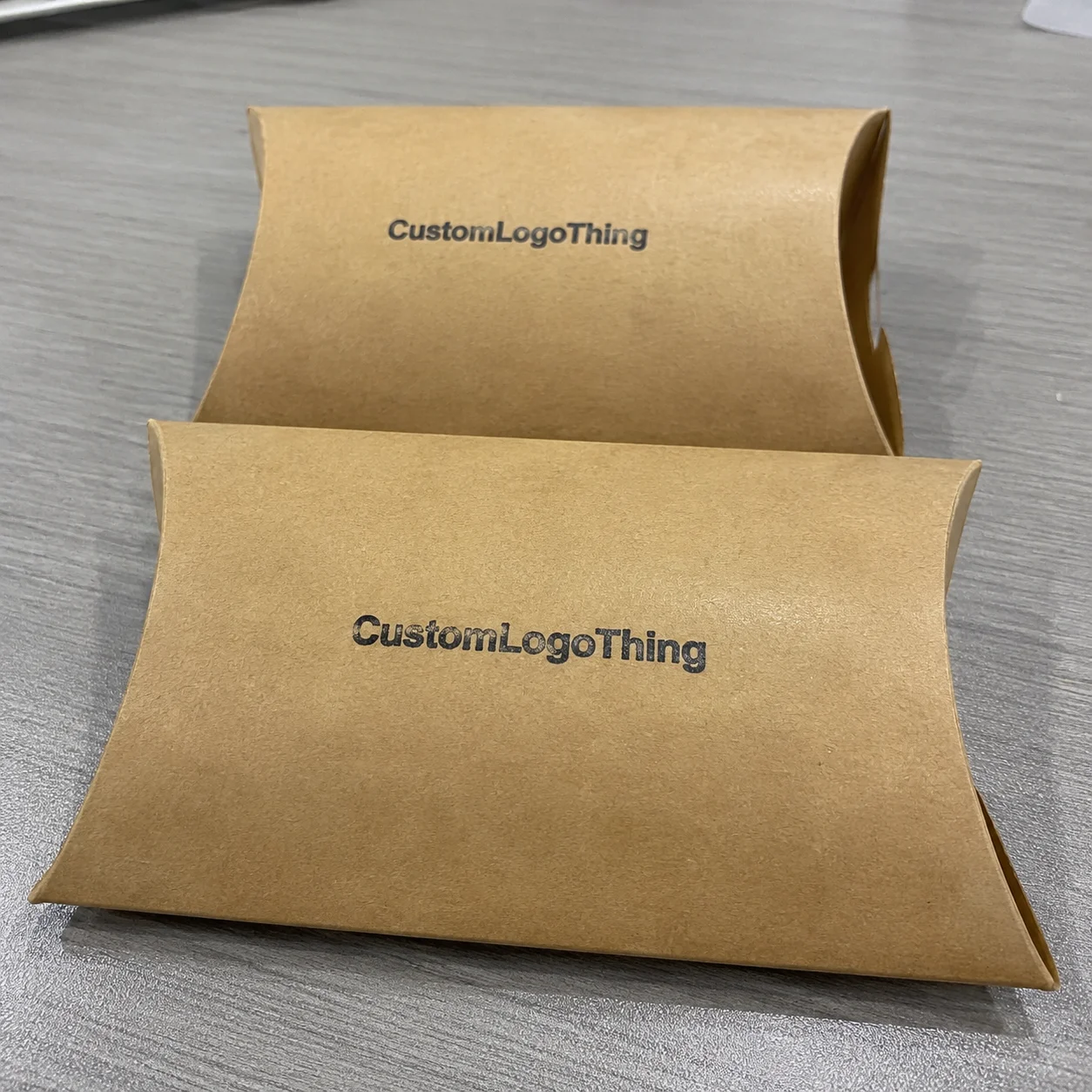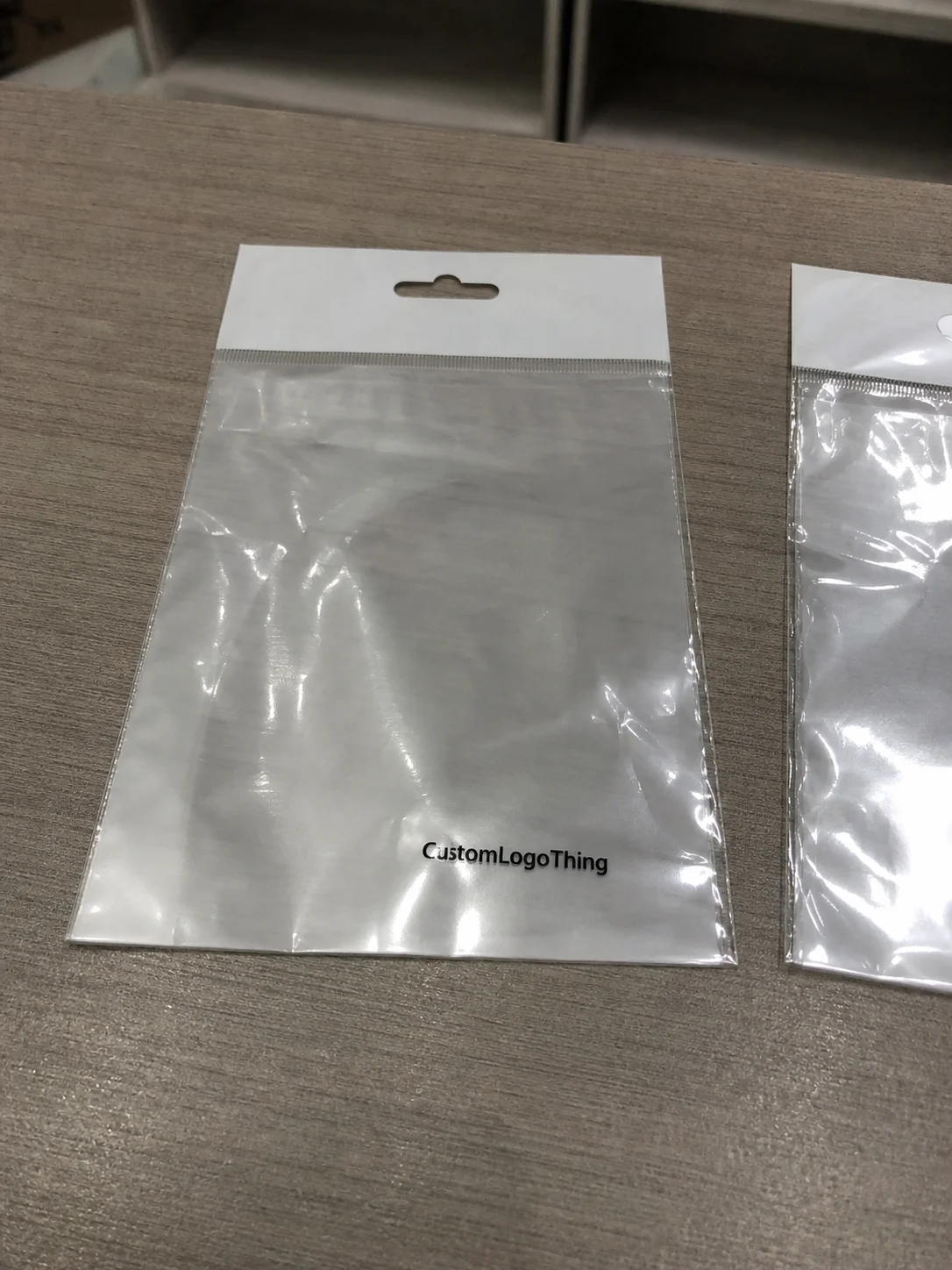
Buyer Fit Snapshot
| Best fit | Custom Biodegradable Poly Mailers Bulk projects where brand print, material claims, artwork control, MOQ, and repeat-order consistency need to be specified before quoting. |
|---|---|
| Quote inputs | Share finished size, material target, print colors, finish, packing count, annual reorder estimate, ship-to region, and any compliance wording. |
| Proofing check | Approve dieline scale, logo placement, barcode or warning zones, color tolerance, closure strength, and carton packing before bulk production. |
| Main risk | Vague material claims, crowded artwork, missing packing details, or unclear freight terms can make a low unit price expensive after revisions. |
Fast answer: Custom Biodegradable Poly Mailers Bulk: Film, Print, MOQ, and Carton Packing should be specified like a repeatable production item. The safest quote records material, print method, finish, artwork proof, packing count, and reorder notes in one written spec.
Production checks before approval
Compare the actual filled-product size with the drawing, then confirm tolerance on folds, seals, hang holes, label areas, and retail display edges. Reserve space for logos, QR codes, warning copy, and material claims before decorative graphics fill the panel.
Quote comparison points
Review material grade, print process, finish, sampling route, tooling charges, carton quantity, and freight assumptions side by side. A quote is only useful when the supplier can repeat the same color, closure quality, and packing count on the next order.
Most packages are judged in under three seconds. I’ve watched a buyer at a fulfillment center in Los Angeles pick up two similar apparel orders, glance at the mailers, and decide which brand felt more polished before the product was even touched. That always sticks with me. Three seconds. Maybe less if the buyer is cranky, which, honestly, happens more often than any packaging team wants to admit. That is why custom Biodegradable Poly Mailers bulk orders are not just a sourcing decision; they are a branding decision, a cost decision, and, frankly, a perception decision that can shape repeat purchases.
Buying custom biodegradable Poly Mailers Bulk usually lowers unit cost while keeping shipments visually consistent across every order line. Standard mailers can be cheaper on paper, but they often create a mismatch between your package branding and the rest of your product packaging. In one client meeting with a DTC apparel brand shipping 12,000 units a month from a 38,000-square-foot warehouse in Dallas, the team discovered that the “cheap” plain mailer was costing them more in replacement inserts, branded stickers, and customer complaints than a properly spec’d custom mailer would have. The math changed fast. Very fast. The CFO’s expression changed too, which I remember because it was the same expression I make when a supplier says “low MOQ” and then quietly adds three surprise fees.
I think buyers sometimes overfocus on the word “biodegradable” and underfocus on the actual mailer structure, print quality, and shipping performance. That is a mistake. If you are evaluating custom biodegradable Poly Mailers Bulk, compare material claims, print options, pricing tiers, lead times, and the real-world handling characteristics that matter to your warehouse team. The bag has to survive a life that looks nothing like a marketing deck (and packaging decks, bless them, are often wildly optimistic). In practical terms, that means checking seal performance after 48 hours in a hot trailer, not just admiring a glossy render on a screen.
Here’s what I see most often: a brand starts with unbranded shipping bags, then moves to custom printed boxes for hero SKUs, and finally realizes the mailer is where the majority of customer contact happens. That is where branded packaging either feels coherent or falls apart. In the sections below, I’ll walk through the materials, specs, pricing, production timeline, and ordering steps that separate a smart purchase from an expensive guess. If you are shipping from hubs in Shenzhen, Dongguan, or Ho Chi Minh City, the sourcing details matter just as much as the design.
Why Custom Biodegradable Poly Mailers Bulk Orders Make Sense
Custom Biodegradable Poly Mailers bulk orders make sense because shipping touches every single customer, not just the people who buy premium items. If you are sending 5,000 or 50,000 parcels a month, the mailer becomes part of the brand experience and part of the unit economics. I’ve stood on a packing line in Quanzhou where a 4-cent difference per bag looked trivial until the finance team multiplied it by a quarter-million shipments. Then it became a line item worth negotiating. That’s when everyone suddenly becomes very interested in cents.
Bulk purchasing usually lowers the unit cost because setup costs are spread over more pieces. That matters in custom printed packaging. A small run of 1,000 may look flexible, but the per-piece price often jumps because the print plates, setup checks, and raw material cuts do not shrink with the order. With custom Biodegradable Poly Mailers bulk, the economics generally improve once you commit to recurring volume or a stocked seasonal program. At 5,000 pieces, a printed mailer might sit around $0.15 to $0.24 per unit depending on size and film gauge; at 20,000 pieces, the same spec can drop closer to $0.11 to $0.18 per unit if freight and artwork are already locked.
There is also a practical sustainability angle. A standard mailer may be cheaper upfront, but if your brand has to add separate “eco-friendly” messaging, extra inserts, or alternate packaging to reassure customers, the total package cost rises. I’ve seen brands reduce complaints simply by using clearly branded, better-stated mailers that align with the rest of their retail packaging. That consistency can improve repeat perception more than another ad campaign. People notice coherence. They may not say it out loud, but they notice. A customer in Berlin receiving a matte black mailer with clean white ink remembers that more vividly than a vague eco claim buried in a footer.
And here’s the part that gets missed: consistency saves labor. If your team is pulling from one SKU of custom biodegradable poly mailers bulk instead of mixing plain white bags, poly bags, labels, and inserts, the fulfillment flow gets simpler. On one warehouse visit in Shenzhen, a supervisor showed me a picking table where just two fewer packaging components cut packing time by 11 seconds per order. Multiply that across 8,000 daily shipments, and the operational gain is obvious. Eleven seconds sounds small until it’s repeated thousands of times. Then it starts to look like a small miracle, or at least a decent spreadsheet win.
Use the right supplier, and you can align shipping presentation with package branding, shipping durability, and cost targets at the same time. If your program also includes Custom Packaging Products for inserts or mailer complements, you can standardize the look across your entire customer journey. I’ve seen brands in Chicago and Manchester do exactly that, with one coordinated color system across bags, tissue, and thank-you cards.
One quick note: biodegradable claims are not one-size-fits-all. A mailer that performs well in one disposal environment may not behave the same in another. That is why reputable sellers should be willing to show documentation, test standards, and material details rather than just repeating marketing language. I always get suspicious when a supplier says “trust us” and then suddenly can’t find the spec sheet. Amazing how often that happens. Ask for the test basis, the resin blend, and the disposal condition, because those details change the meaning of the claim.
What Custom Biodegradable Poly Mailers Are Made Of
At a basic level, custom biodegradable poly mailers bulk products are poly-based shipping films designed to break down faster than conventional plastic mailers under specific conditions. That does not mean they disappear in a backyard after a rainy weekend. I wish. It means the resin blend and additive package are engineered for a defined disposal pathway, which can vary by region and certification. In practice, the supplier may be sourcing from a film plant in Guangdong, then converting and printing the bags in a facility near Dongguan or Ningbo.
Buyers often confuse biodegradable, compostable, recyclable, and recycled-content. They are not interchangeable. A compostable mailer is typically designed to meet a composting standard under controlled conditions. A biodegradable mailer may break down over time in certain environments, but that does not automatically make it accepted everywhere. Recycled-content packaging reduces virgin material use. Recyclable packaging depends on local collection infrastructure. If that sounds messy, it is. Packaging regulation is messy, paperwork is messier, and somewhere a compliance team is sighing into a laptop while updating a spreadsheet in Rotterdam.
That is why I always tell clients to ask for documentation tied to standards, not just claims. If a supplier references ASTM or FSC where relevant, or explains the test basis behind the material, you are in better shape. For broader packaging context and industry terminology, the Institute of Packaging Professionals is a useful authority. And if your sustainability team wants to understand disposal and waste management definitions, the EPA publishes plain-language resources that help separate marketing from compliance. A good supplier will also tell you whether the material is made with a bio-based additive package, a degradable masterbatch, or a recycled PE blend.
Performance still matters. A mailer can be “eco” in the brochure and still fail on the dock if the seal is weak or the film tears at a corner. In my experience, buyers need to look at four things: tear resistance, seal strength, opacity, and moisture protection. A 60-micron film may feel sufficient for lightweight tees, but a 500-gram knit sweater in a damp transit lane may need a tougher spec. Sustainability does not excuse poor shipping performance. I know that sounds obvious, but the number of times I’ve seen a beautiful sample collapse under actual use is… not zero. Not even close. A 55-micron film on a long-haul route from Guangzhou to Toronto is not the same thing as a 70-micron film shipped across town.
Print compatibility is another hidden variable. Some finishes accept ink better than others. If you want rich color blocks, a crisp logo, or fine-line typography, you need to know whether the surface is optimized for flexographic or gravure printing, and whether the film finish will support the detail you expect. Full-color brand art can work, but simpler one- or two-color marks often look sharper and cost less per unit. That is especially true when custom biodegradable poly mailers bulk orders are going to high-volume ecommerce fulfillment, where readability from six feet away matters more than decorative complexity. A one-color black-on-white design can outperform a busy four-color graphic if the mailer moves through a warehouse in Louisville at speed.
Material choice should always match your shipping environment. A climate-controlled apparel brand shipping in cartons to urban addresses has different needs from a subscription business packing at 6 a.m. in a humid warehouse in Miami. I’ve seen both. The wrong choice can mean scuffed prints, poor seal adhesion, or a mailer that looks great on a sample table and fails after 1,000 real shipments. If your products ride on a conveyor for three minutes, then sit in a sunlit delivery van for six more, the film and adhesive need to be tested for exactly that route.
“The best sustainable mailer is the one that performs, prints cleanly, and reaches the customer without drama.” That’s the line I used in a supplier negotiation last spring in Singapore, and no one in the room argued with it.
Custom Biodegradable Poly Mailers Bulk: Sizes, Specs, and Branding
Size selection is where many custom biodegradable poly mailers bulk projects save money or waste it. The goal is not to order the biggest bag and hope for the best. The goal is to match the mailer to the folded product, the insert count, and the final packed thickness. Common sizes often range from small pouch formats around 9 x 12 inches up to larger 19 x 24 inch bags for hoodies, denim, or multi-item packs. Exact sizing depends on your product mix. I’ve watched teams order oversized bags “just to be safe,” and then spend the next quarter wondering why freight, storage, and material usage all crept up. Safety margins are fine. Panic sizing is not.
For clothing, I usually ask for three measurements: folded width, folded length, and the maximum packed thickness. That third number gets ignored too often. A folded sweatshirt may fit lengthwise but stress the side seals if the gusset allowance is too tight. In a recent client review in Melbourne, we found that changing from a 10 x 13 bag to a 12 x 16 bag reduced packing rejects by 7% because the fold wasn’t being forced into the corner seam. Seven percent doesn’t sound dramatic until returns, re-packs, and labor start piling up.
Thickness matters just as much as footprint. You will see films specified by microns or mils depending on the market. A thicker mailer generally offers better puncture resistance and better handling for heavier products, but it can raise raw material cost and slightly increase freight weight. If your fulfillment model is very tight, even a few grams per bag can affect carton counts and pallet efficiency. Custom biodegradable poly mailers bulk buyers should ask for weight-per-piece estimates, not just a nominal thickness number. For example, a 12 x 15 inch bag at 60 microns may weigh roughly 10 to 12 grams, while a 19 x 24 inch bag at the same gauge can be materially heavier and more expensive to ship by the carton.
Seal type is another spec that affects day-to-day performance. Self-seal adhesive strips are the standard for most ecommerce orders. Tear-strip or tamper-evident features can improve customer confidence, especially for apparel and accessories. If you ship returns-heavy categories, a dual-seal layout can support return reuse, though not every brand wants that added complexity. Again, this depends on your operations, not a trend. Trends are fine for TikTok; they are less charming when they slow down the packing bench. A tamper-evident strip with a 2.5-inch adhesive zone can be the difference between confident packing and a sloppy closure.
Common spec choices to compare
- Mailer size: matched to the flat product size plus 10–20% buffer for insertion ease.
- Film thickness: often selected for tear resistance, not just appearance.
- Closure style: self-seal, tamper-evident strip, or dual-adhesive return strip.
- Finish: matte or gloss, depending on print contrast and brand look.
- Printing area: full front, front/back, or limited logo placement.
Branding decisions should be made with the warehouse in mind. A full-surface print can look strong, but it may also hide barcode labels, weight stickers, or compliance information if you haven’t planned the layout properly. A cleaner design can actually perform better. I’ve seen brands chase elaborate packaging design only to discover the receiving team needed a blank zone for routing labels. The practical solution wins. Every time. The pretty version loses if nobody can ship it. A 3 x 5 inch blank panel can save a whole shift from label-placement mistakes.
Pantone matching is worth discussing if color consistency matters. If your package branding relies on a specific green, black, or coral, ask whether the supplier can match within a reasonable tolerance, especially across repeat runs. Color drift happens more than most buyers think, particularly when the base film color or ink batch changes. If you are planning multiple products, you may want the mailers to echo your custom printed boxes so the shipping presentation feels coordinated from shipment to shelf. A brand using Pantone 3435 C in boxes and a softer forest tone on mailers can look accidental if the difference is larger than 5 to 7 Delta E.
Sample approval is non-negotiable. A digital proof is useful, but it cannot show everything. You want to inspect actual print placement, opacity, adhesive feel, and how the mailer folds under pressure. I’ve watched teams approve art on a screen, then be surprised when the logo sat too close to the seam or the darker film muted the brand color. For custom biodegradable poly mailers bulk, a physical sample is the cleanest insurance policy. A courier sample from a plant in Suzhou can tell you more than six email revisions ever will.
Freight and carton count also depend on spec choices. A 10,000-piece run of larger mailers can take noticeably more pallet space than a compact set of smaller bags. If your distribution model includes multiple SKUs, it may be smarter to standardize two or three sizes rather than chase a unique size for every product line. That keeps inventory easier to manage and makes reorder forecasting less painful. In warehouses in Nashville and Sydney, I’ve seen standardized sizing cut receiving errors by 15% simply because the team stopped guessing which bag belonged where.
| Option | Typical Use | Approx. Unit Cost at 5,000 pcs | Notes |
|---|---|---|---|
| Stock-size biodegradable mailer | Basic apparel or accessories | $0.12–$0.18 | Lowest setup complexity; limited branding flexibility |
| Custom printed biodegradable mailer | Branded ecommerce shipments | $0.18–$0.32 | Better package branding; usually requires proof approval |
| Custom size + custom print | Specialty product packaging | $0.24–$0.42 | More exact fit; higher setup and sampling requirements |
That table is a starting point, not a promise. Actual pricing for custom biodegradable poly mailers bulk depends on material grade, print coverage, and shipping destination. But it shows the pattern clearly: the more specific the spec, the more important it becomes to get the quote right the first time. A 15,000-piece order shipped to Los Angeles Port will not price the same as a 15,000-piece order delivered to Manchester.
Pricing, MOQ, and What Impacts Your Quote
Pricing for custom biodegradable poly mailers bulk is driven by a few controllable variables: material grade, size, print colors, quantity, and packaging format. If you are comparing suppliers and one quote is 15% lower, do not assume it is automatically better. Ask whether the lower price reflects a thinner film, fewer print passes, looser tolerances, or a different certification basis. I’ve seen quote sheets that looked identical until the buyer noticed one was based on a lighter gauge and a smaller usable print area. That little detail can turn a “win” into a headache.
Minimum order quantity, or MOQ, is where a lot of first-time buyers get tripped up. A supplier may offer 3,000 pieces for a test run, but the best bulk economics often start at 5,000, 10,000, or more. That is because setup work is fixed. Once the plates are made and the material run is scheduled, scaling up improves the unit cost. If you know monthly volume, ask for tiered pricing at 5,000, 10,000, and 20,000 pieces so you can see the breakpoints clearly. It’s a lot easier to make a decision when the numbers aren’t hiding in a corner like a guilty cat.
There are usually four pricing components to compare:
- Unit price — the per-bag cost based on quantity and spec.
- Setup or tooling charges — artwork prep, plates, or print adjustments.
- Sampling fees — physical samples, courier costs, and proofing.
- Shipping — freight, duties, and destination handling fees.
That breakdown matters because a quote with a low unit price can still end up expensive if freight is padded or if the supplier charges a high setup fee on a small run. I once reviewed three bids for a beauty brand’s shipping program and found the “best” quote was actually the most expensive once the hidden carton and air-freight charges were added. That’s the kind of trap you avoid by comparing total landed cost. On a 10,000-piece order, a $0.02 difference per unit is only $200, but a $350 setup fee or a $180 air-courier charge can erase the advantage instantly.
How do you decide whether a slightly higher-priced mailer is worth it? I use a simple framework. If the more expensive option improves tear resistance, print quality, customer perception, or fulfillment speed, it may be the better buy. If it only improves appearance in a way customers won’t notice, probably not. The point is not to overspend on packaging. The point is to pay for the features that support the product and the brand. A stronger seal, a better adhesive, or a more precise print registration is easier to justify than a decorative effect that adds $0.05 without solving a problem.
For sellers comparing custom biodegradable poly mailers bulk against other formats like Custom Poly Mailers or even multi-component retail packaging systems, the quote has to be read in context. A mailer that is $0.03 cheaper but causes 2% more damage claims is not cheaper. It is just underpriced. On a 25,000-order month, 2% damage means 500 claims, and the math starts to get ugly very quickly.
If you want a good quote, provide the supplier with a clean brief. Here’s the checklist I give clients before they request pricing:
- Exact mailer size in inches or millimeters
- Desired thickness or performance target
- Quantity by SKU or total annual volume
- Number of print colors and artwork file format
- Shipping destination and delivery deadline
- Whether you need sample approval before bulk production
That list reduces back-and-forth and avoids mismatched expectations. It also helps the supplier recommend the right combination of custom biodegradable poly mailers bulk specs rather than just selling the most expensive version available. If your target is $0.15 per unit for 5,000 pieces, say so clearly. A precise target always gets a more useful response than “send pricing.”
Ordering Process and Production Timeline
The ordering workflow for custom biodegradable poly mailers bulk is usually straightforward if the buyer comes prepared. It starts with inquiry, then spec confirmation, then artwork submission, proof approval, sampling, production, and shipment. Each step has a place, and skipping one almost always creates a delay later. The most common problem I see is incomplete artwork files. A logo saved as a low-resolution JPG might look fine on a laptop, but it can fail at print scale when the supplier needs vector files. That’s the sort of thing that makes everyone’s day longer than it needed to be.
Typical production timing depends on the order complexity. A standard run with confirmed artwork and existing size specs can move faster than a fully custom size with multiple revisions. As a rough planning benchmark, many buyers should expect 12 to 15 business days from proof approval to completion for a straightforward order, plus 3 to 7 business days for domestic freight or 18 to 28 days for international ocean shipping depending on the lane. If the design requires new sizing, extra sampling, or additional color matching, the schedule can stretch. That is normal. Annoying, yes. Surprising, no.
Here is where delays usually happen:
- Artwork files are missing bleed or vector outlines
- Pantone references are not supplied
- The client delays sample approval by a week or more
- Custom sizing requires an extra proof cycle
- Shipping documents are incomplete for cross-border freight
When I visited a packaging line outside Dongguan, a production manager showed me a stack of perfectly run bags waiting on one customer’s signoff. The material was ready, the print was ready, and the carton plan was ready. The only delay was approval. That one email chain pushed the whole order back four days. For custom biodegradable poly mailers bulk, a fast buyer is usually a prepared buyer. If your approval lands by Tuesday, there is a much better chance the bags leave the factory before the next weekend shift.
If you want to speed the process up, send the supplier three things on day one: logo files, target quantities, and your needed delivery date. If you have packaging design guidelines, send those too. If your brand uses a strict color system across branded packaging and custom printed boxes, share the standards upfront so the mailer matches the rest of the line. I’ve seen brands in London and Atlanta save an entire production cycle just by sending a complete brief on the first email.
A reliable supplier should keep you informed at each stage. You should receive confirmation that artwork was received, proof files are ready, sample status is known, and production is scheduled. If you get silence for days, that is not a good sign. The best suppliers provide milestone updates because they know packaging is often tied directly to launch dates, campaign calendars, or replenishment windows. If a campaign goes live on the 15th, you cannot treat the mailer like a loose suggestion.
Why Choose Us for Custom Biodegradable Poly Mailers Bulk
At Custom Logo Things, the point is not to sell you a sustainability slogan. The point is to deliver custom biodegradable poly mailers bulk orders that hold up in real shipping conditions, print cleanly, and arrive on schedule. That starts with manufacturing discipline. Material checks, seal inspection, print verification, and carton-level packing review should not be optional steps; they are the difference between a polished rollout and a warehouse headache. Our production partners in Shenzhen and Dongguan are accustomed to repeat orders, tight color tolerances, and documented spec checks before the carton is sealed.
I’ve seen too many packaging vendors focus on aesthetics alone. A nice mockup is useful. It is not enough. A mailer has to survive handling, stacking, compression, and transit humidity. Our approach treats branding and shipping performance as one problem, not two. That is why buyers often come to us after realizing their existing product packaging supplier can make boxes but does not understand mailer behavior. A supplier who can quote a 350gsm C1S artboard box and a biodegradable mailer in the same week usually understands how real packaging programs work.
There is a real advantage to working with a supplier that understands both brand expression and fulfillment reality. If your program includes multiple SKUs, we can help standardize sizes and print specs so your team does not need to reinvent the wheel for every reorder. That matters for companies managing recurring campaigns, retail drops, or seasonal product lines. It also helps if you use Wholesale Programs to keep ordering consistent across locations or purchasing teams. For brands shipping from New York, Atlanta, or Vancouver, consistency can reduce receiving errors and make seasonal planning easier to forecast.
Quality control is not a buzzword here. It is practical. Before shipment, the team should verify that:
- the seal closes correctly across multiple test pulls
- the print is aligned to the approved proof
- the bag thickness matches the approved spec
- the cartons are packed to prevent crease damage
- the lot count matches the purchase order
When buyers ask me what separates a dependable supplier from a risky one, I usually answer with one question: can they explain the specs without hiding behind vague claims? If the answer is yes, you are probably in good hands. If the supplier cannot tell you whether the print method fits your artwork or whether the film supports your target use case, keep looking. That kind of vagueness usually costs money later, and not in a fun, educational way. I would rather hear “60-micron film, 1-color flexo, 15 business days from proof approval” than “premium eco solution” any day.
Another trust signal is sample availability. You should be able to request a digital proof, then a physical sample, before committing to production. Transparent quoting matters too. If the order is for custom biodegradable poly mailers bulk, the quote should clearly separate unit price, setup, freight, and any optional extras. No one likes surprise charges after approval. I certainly don’t. The last time I got an invoice with “miscellaneous handling” added at the bottom, I had to go stare at a wall for five minutes. A clear quote from day one prevents that entire mood.
Repeat orders are where the real value shows up. Once the spec is locked, reorder cycles should get easier. If your team is handling several product lines, we can help keep the mailer spec standardized so the packaging stays consistent across reprints and seasonal updates. That consistency builds trust faster than overdesigned marketing copy ever will. A brand that ships the same deep blue mailer from January to October looks organized, and customers notice organized.
How to Order Custom Biodegradable Poly Mailers Bulk
The fastest way to order custom biodegradable poly mailers bulk is to prepare your specs before you ask for a quote. Start with product dimensions, monthly volume, desired print style, and your delivery deadline. If you already know whether you want a matte or gloss finish, include that too. The better the brief, the better the quote. I know that sounds unglamorous, but there’s a reason the neatest projects usually start with the dullest spreadsheets. A clean brief from a warehouse in Brooklyn gets a better response than a vague email with one attached screenshot.
Before approval, request a sample or digital proof. I would argue that proofing is the least glamorous but most valuable part of the process. A low-resolution logo, a misaligned safety area, or the wrong shade of brand green can turn a good order into a redo. For buyers moving fast, that one step protects the whole run. If the proof arrives on Monday, you can still catch a seam placement issue before a 10,000-piece production line starts on Thursday.
When you compare quotes, make sure you are comparing the same spec. A 12 x 16 bag at 60 microns is not the same as a 12 x 16 bag at 45 microns. A one-color print is not a three-color print. A quote with no freight is not better than a quote with landed delivery. If you want meaningful price comparisons, keep the variables identical. I’ve seen quotes differ by 22% simply because one supplier quoted ex-factory in Guangzhou and the other quoted delivered to an Amazon prep center in Kentucky.
Here is the order path I recommend:
- Measure the product and define the packed size.
- Estimate your monthly or quarterly volume.
- Choose the print style and brand placement.
- Ask for tiered pricing on custom biodegradable poly mailers bulk.
- Review a proof and, if possible, a physical sample.
- Approve production only after the spec is confirmed in writing.
One thing buyers often underestimate is the value of planning ahead with artwork. If your design team can send vector files, Pantone references, and safe-zone instructions on the first pass, you cut days off the timeline. If the mailers need to match your branded packaging strategy across inserts, tape, or labels, share those references early. It saves everyone a second round of corrections. A designer in Paris and a buyer in Austin can stay aligned if the file package is complete before the first proof.
For companies with ongoing order volume, a reorder program can reduce friction significantly. Once the print plate or setup is approved, future orders can move faster because the core specs are already locked. That is where custom biodegradable poly mailers bulk becomes a repeatable operating advantage, not just a one-time purchase. A 5,000-piece reorder that follows an approved spec may move in 10 to 12 business days from confirmation, especially if the factory already has the film on hand.
If you are ready to move, send the supplier your size, quantity, artwork files, and delivery location. The simplest path is usually the best path: submit specs, approve the proof, and move into production. That is how you turn custom biodegradable poly mailers bulk from an idea into a shipment that looks right, performs right, and supports the brand you are building. If the objective is a reliable launch in Seattle or a restock in Dublin, specifics beat enthusiasm every time.
What is the minimum order for custom biodegradable poly mailers bulk?
MOQ usually depends on the mailer size, print colors, and whether you need stock dimensions or a fully custom size. For many programs, custom biodegradable poly mailers bulk becomes more cost-effective at 5,000 pieces or more, but some suppliers can support smaller trial runs. Ask for tiered pricing at 3,000, 5,000, and 10,000 pieces so you can compare the breakpoints clearly. A 3,000-piece order might be fine for testing, while a 10,000-piece order can bring the unit price down by several cents.
Are custom biodegradable poly mailers bulk suitable for clothing shipments?
Yes. They are commonly used for apparel, accessories, and other lightweight ecommerce items. The right thickness and seal strength depend on the garment type, fold size, and how rough your shipping lane is. A thin tee shipment and a heavyweight hoodie shipment should not use the same spec. For example, a 45-micron bag may work for socks, while a 60- or 70-micron bag is often better for knitwear shipped from humid warehouses in Houston or Mumbai.
How do biodegradable mailers compare to compostable mailers?
They are not the same thing. Biodegradable and compostable depend on different material definitions, disposal conditions, and, in some cases, certifications. If sustainability claims matter to your brand, ask for documentation that explains the disposal pathway and any test standard behind the material. A compostable mailer may be tested under industrial compost conditions, while a biodegradable film might rely on a different degradation pathway altogether.
Can I print my logo in full color on custom biodegradable poly mailers bulk?
Often yes, but the final result depends on the material finish, print method, and artwork complexity. Full-color logos can look excellent on the right film, though simpler designs often print cleaner and cost less. I strongly recommend approving a digital proof or physical sample before full production. If your brand needs a precise match, ask whether the supplier can hold a Pantone reference within a reasonable tolerance, especially on repeat runs of 5,000 pieces or more.
What information do I need to get an accurate quote?
Provide size, quantity, print colors, thickness preference, delivery location, and target timeline. If you already have artwork files, send those too. That helps the supplier estimate setup time and production requirements more accurately, which is especially useful for custom biodegradable poly mailers bulk orders where several variables affect the final price. If you can include your preferred delivery window, such as 12 to 15 business days from proof approval, you will get a more precise answer.
Buying custom biodegradable poly mailers bulk is not about chasing a trend. It is about choosing a mailer that supports the product, protects the shipment, and reinforces the brand on every delivery. If you match the material to the use case, compare quotes on the same spec, and approve a proof before production, you can buy with confidence instead of guesswork. That is the real value of custom biodegradable poly mailers bulk: lower unit cost, clearer branding, and a more dependable shipping process, all in one order. For brands shipping from Austin, Toronto, or Shenzhen, the right mailer turns a daily expense into a visible part of the customer experience.