Buyer Fit Snapshot
| Best fit | Cost of Biodegradable Poly Mailers Per Shipment projects where brand print, material claims, artwork control, MOQ, and repeat-order consistency need to be specified before quoting. |
|---|---|
| Quote inputs | Share finished size, material target, print colors, finish, packing count, annual reorder estimate, ship-to region, and any compliance wording. |
| Proofing check | Approve dieline scale, logo placement, barcode or warning zones, color tolerance, closure strength, and carton packing before bulk production. |
| Main risk | Vague material claims, crowded artwork, missing packing details, or unclear freight terms can make a low unit price expensive after revisions. |
Fast answer: Cost of Biodegradable Poly Mailers Per Shipment should be specified like a repeatable production item. The safest quote records material, print method, finish, artwork proof, packing count, and reorder notes in one written spec.
Production checks before approval
Compare the actual filled-product size with the drawing, then confirm tolerance on folds, seals, hang holes, label areas, and retail display edges. Reserve space for logos, QR codes, warning copy, and material claims before decorative graphics fill the panel.
Quote comparison points
Review material grade, print process, finish, sampling route, tooling charges, carton quantity, and freight assumptions side by side. A quote is only useful when the supplier can repeat the same color, closure quality, and packing count on the next order.
The first time I watched a run of biodegradable mailers get converted on a slitter-rewinder line in our Shenzhen facility, the film itself was not what moved the numbers most; the real swing came from gauge choice, print coverage, and how the packs were configured for boxing. I still remember standing there, trying to look calmly analytical while the production manager pointed at the waste bin like it had personally offended him. That is why I always tell buyers that the cost of Biodegradable Poly Mailers per shipment has to be treated as a landed packaging number, not a neat unit price on a quote sheet, because freight, MOQ, scrap, carton count, and packing labor all show up in the final invoice. In one recent run out of Shenzhen, a change from 2.8 mil to 3.2 mil film increased the bag price by just $0.01 per unit, yet the tighter packing layout reduced carton breakage enough to save $0.03 per shipment after freight.
I’ve noticed a pattern: teams overpay when they compare only the sticker price per bag. In a real fulfillment center, the cost of Biodegradable Poly Mailers per shipment can rise or fall by several cents depending on whether you choose a 2.5 mil film or a 3.5 mil film, whether the logo is one-color or full-bleed, and whether the mailer arrives stacked, folded, or packed in cartons of 500. I’ve seen apparel brands in Los Angeles and Dallas save money by moving up in thickness, simply because damaged parcels and re-shipments dropped fast enough to offset the higher cost of biodegradable poly mailers per shipment. For a 5,000-piece run, one supplier quoted $0.15 per unit for a stock unprinted bag, while a custom printed version with two colors came back at $0.23 per unit and still won on total landed cost because the defect rate fell below 1%. Honestly, I think buyers get hypnotized by the lowest quote far too easily. The cheapest line item is often the most expensive decision.
Shirts, leggings, small accessories, subscription inserts — these are the jobs where the right mailer protects margin and keeps the pack station moving. Pick the wrong spec and the cost of Biodegradable Poly Mailers per shipment climbs in hidden ways: wasted film, slow packing, poor seals, and customer complaints that turn into replacements. That is the part most people miss, probably because nobody likes admitting a “savings” choice turned into a pile of returns and a very unpleasant Monday. On a 12,000-order monthly program shipping from Chicago and Atlanta, even a 0.5% increase in re-shipments can add hundreds of dollars in postage and labor, which is why packaging decisions should be measured in shipments, not just units.
Cost of Biodegradable Poly Mailers Per Shipment: What Drives the Price
The base resin matters, but in factory buying the biggest cost swing often comes from the mix of film structure, print method, and the way the order is packed for transit. A biodegradable mailer made with compostable resin content or a blended eco-film usually carries a higher raw-material cost than a standard LDPE mailer, yet the cost of biodegradable poly mailers per shipment is not decided by resin alone. I’ve sat in pricing meetings in Shenzhen and Ningbo where a one-micron change in film gauge created a larger margin impact than the resin premium, because the thicker spec changed carton count, pallet density, and freight efficiency all at once. That kind of thing makes finance people stare at the ceiling in a very specific way, especially when the container is already booked for 12 to 15 business days from proof approval to ex-factory dispatch.
What Is the Cost of Biodegradable Poly Mailers Per Shipment?
Buyers should calculate the cost of biodegradable poly mailers per shipment as a landed packaging cost. Add unit cost, freight, customs if applicable, waste rate, and any packing labor changes. A quote showing $0.19 per piece can become $0.26 per shipment once inland trucking, carton freight, and 3% overage for rejects are included. I’ve watched it happen on real e-commerce programs when a small brand in Austin ordered too few units and paid a painful premium for urgent replenishment from a plant in Dongguan. No one enjoys that conversation. I certainly don’t, especially when the replacement order had to go by air because the ocean vessel cutoff had already passed.
There is also confusion around the material claims. Biodegradable, compostable, and recycled-content are not the same thing, and they do not carry the same cost structure. Compostable mailers often require stricter resin sourcing and documentation, while recycled-content films may keep the price more moderate but do not always meet the same disposal claim. If your customer only wants a lower-plastic-footprint mailer, you may not need to pay for the most expensive claim set. That choice alone can change the cost of biodegradable poly mailers per shipment by $0.02 to $0.06 per unit, which adds up quickly on 20,000 monthly shipments.
“The cheapest mailer on paper is not always the cheapest shipping system in practice. If the seal fails once every few hundred units, the real cost shows up in returns, rework, and reputation.”
Compare the total cost, not just the bag. A mailer that costs one cent less but causes one percent more damage is not a saving, especially when replacement postage, labor, and customer service time are included. The cost of biodegradable poly mailers per shipment should always be judged against performance, not just invoice price. I’ve learned that the hard way, and frankly, I’d rather avoid repeating that lesson. In one case, a supplier in Guangzhou offered a lower unit price on a 10 x 13 mailer, but the adhesive failed under humid July conditions in Florida; the result was an extra $0.41 per shipment after re-pack labor and second-label postage.
For brands wanting a wider market reference, I often point them to industry standards and packaging guidance from the Packaging Machinery Manufacturers Institute and sustainability information from the U.S. Environmental Protection Agency. Those references won’t quote your mailer price, but they help frame what responsible packaging looks like in operational terms, especially if your team is comparing resin claims used in California, New York, and the EU.
Biodegradable Poly Mailer Product Details and Use Cases
Biodegradable mailers fit e-commerce apparel, swimwear, socks, accessories, lightweight home goods, and subscription items that do not need rigid crush protection. I’ve seen them run beautifully for folded tees and soft goods, especially when the pack-out target stays under 2 lb and the product has no sharp corners. In those cases, the cost of biodegradable poly mailers per shipment stays controlled because the mailer replaces a corrugated box without adding void fill or extra labor. That simple substitution is one of those rare packaging decisions that actually does what the spreadsheet promised, and it is why a 9 x 12 mailer often outperforms a box for a 300-gram T-shirt bundle.
On the factory floor, the features that matter most are usually the ones buyers notice last. A good self-seal adhesive saves seconds per pack, and a clean tear strip can cut customer frustration at unboxing. Dual adhesive returns strips are useful for apparel brands handling exchanges, because they save a second bag and simplify reverse logistics. Those design details affect the cost of biodegradable poly mailers per shipment because they influence both production cost and downstream handling. In practical terms, a return-friendly mailer can shave 8 to 12 seconds off each exchange pack, which matters on a 1,000-order return week.
Standard LDPE mailers and biodegradable films can feel very similar at first touch, but they often behave differently in the machine. Eco films may have slightly different elongation, seal temperature range, and shelf-life sensitivity, especially if the formula includes compostable additives. That means a converter has to control heat, pressure, and dwell time carefully. When those settings drift, the cost of biodegradable poly mailers per shipment rises through waste and reruns, not just through materials. In a plant outside Suzhou, a 10°C seal-bar swing turned a 2% scrap rate into 6% in less than a shift.
If the product is fragile, high-value, or box-shaped, a mailer may not be the right packaging format at all. A corrugated box or padded mailer can reduce claim rates and preserve presentation better than a flexible bag. I’ve seen a luxury candle brand in Portland move away from mailers after a trial run because the damage rate on glass jars ate up any packaging savings. In that case, the cost of biodegradable poly mailers per shipment mattered less than the damage exposure. Packaging has a way of mocking wishful thinking, especially when the glass arrives in pieces.
Inventory planning matters too. When a brand ships from two warehouses, one on the West Coast and one in the Midwest, the pack spec has to stay consistent so operators do not waste time sorting sizes. A mailer that is 12 x 15 inches in one facility and 14 x 19 inches in another creates confusion, slower packing, and more film usage. That inconsistency quietly increases the cost of biodegradable poly mailers per shipment across the network. I’ve seen this in Ontario, California and Louisville, Kentucky, where a mismatch of just 2 inches led to a 4% jump in wasted stock.
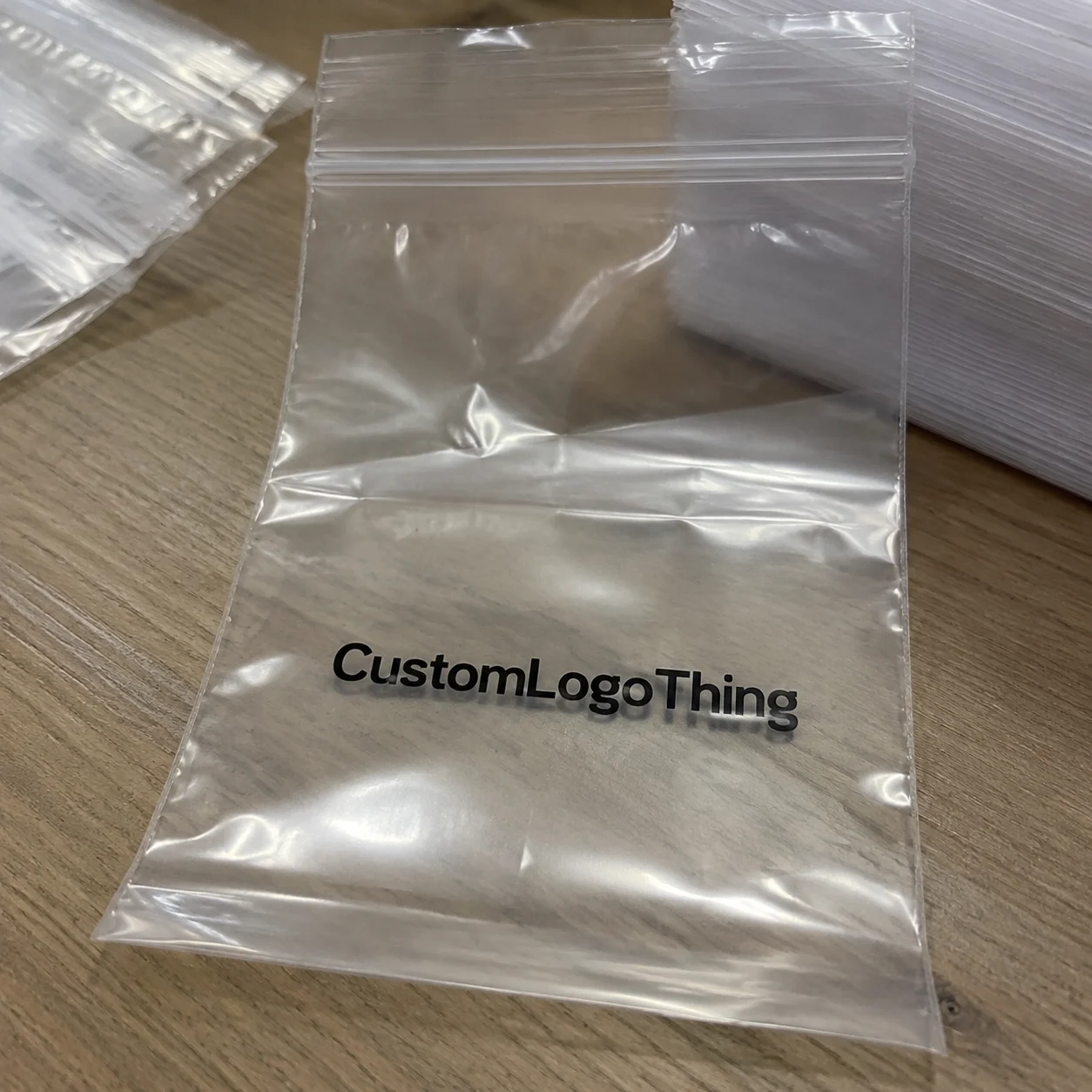
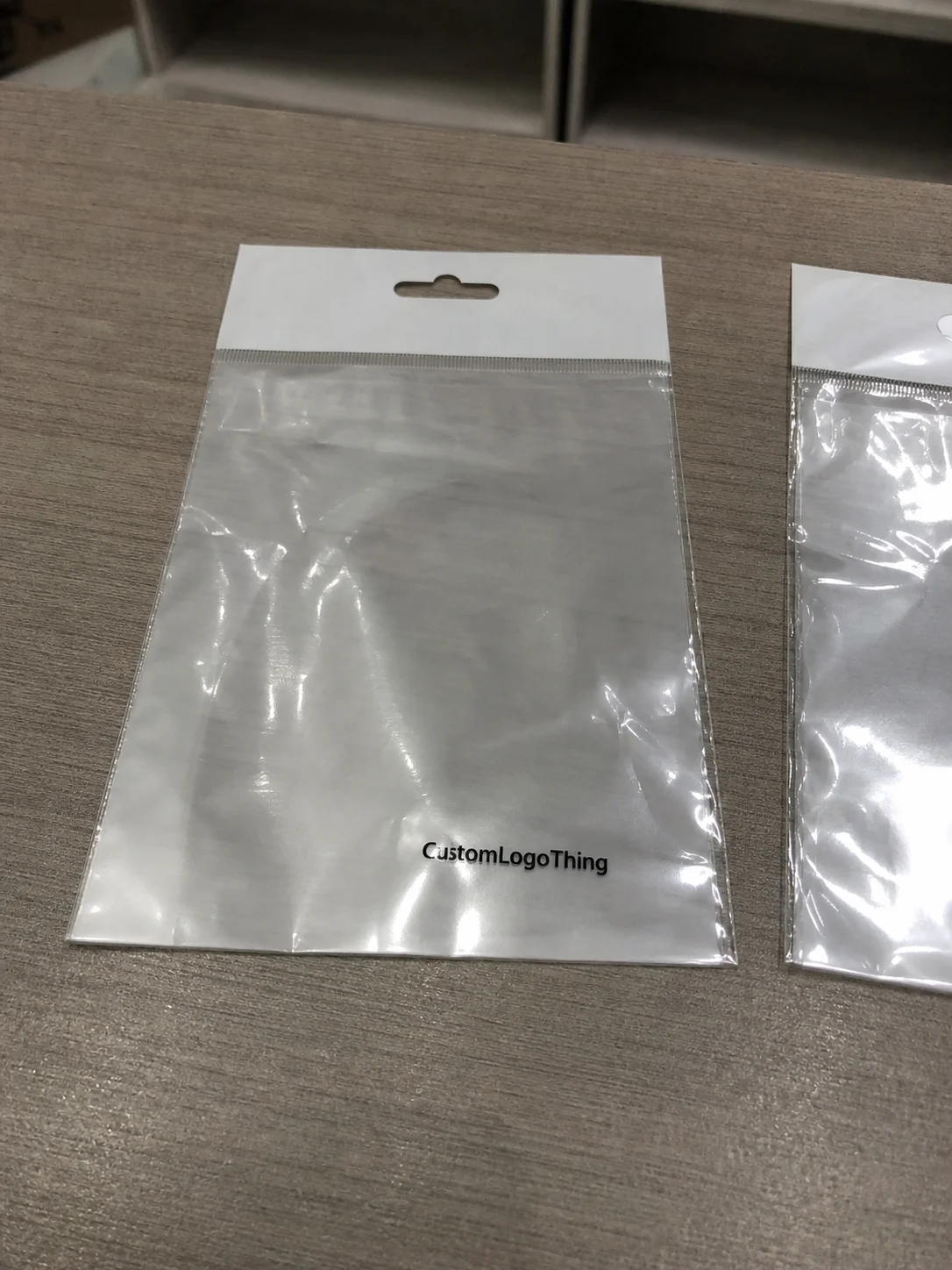
For buyers comparing alternatives, our Custom Poly Mailers page can help you see how sizing and branding change the final packaging decision. If you need broader packaging support, our Custom Packaging Products catalog is a useful place to compare flexible mailers against other shipment formats. A mockup using a 350gsm C1S artboard insert or a sample poly bag can also help your team judge presentation before a 25,000-piece production run.
Specifications That Affect the Cost of Biodegradable Poly Mailers Per Shipment
Film thickness is one of the first levers I ask about. A 2.5 mil mailer and a 3.5 mil mailer do not behave the same in packing or transit, and the thicker gauge usually costs more per piece. The tradeoff is simple: thicker film can reduce puncture risk and seal failures, which may lower the true cost of biodegradable poly mailers per shipment by reducing returns and repacks. I’ve seen warehouse teams choose a slightly heavier film because it ran better through hot summer conditions in Houston and held up better on sharp-edged inserts like denim hardware cards and zipper pullers.
Mailer size is just as critical. Oversized mailers waste material and can drive up freight because you are paying to ship extra air and extra film. Undersized mailers slow down the pack line, increase operator frustration, and can force a product into a bag that is too tight for the adhesive to close properly. In both cases, the cost of biodegradable poly mailers per shipment climbs even if the unit price looks attractive on the quote. A 14 x 19 mailer may cost $0.03 more than a 12 x 15, but if the larger size cuts repacking time in half on bulky knitwear, the landed number can actually improve.
Print coverage changes the economics in a very real way. A simple one-color logo in a fixed position is far easier to run than a full-bleed graphic with multiple ink zones. Variable data, barcode printing, and custom QR placement add setup time and tighter registration control. If you are asking for full coverage on an eco-film with a low MOQ, the cost of biodegradable poly mailers per shipment will reflect that setup work, and it should. A 4-color print on a 5,000-piece order can add $0.04 to $0.08 per unit compared with a one-color mark, depending on how much coverage the design uses.
When I review a spec sheet, I want more than a marketing claim. Ask for tensile strength, seal integrity, moisture resistance, and any applicable ASTM or EN-related compliance references where they apply. If a supplier says “biodegradable” but cannot explain the test method or the adhesive performance, I would treat that as a red flag. Good buyers do not pay for vague language, because vague language makes the cost of biodegradable poly mailers per shipment hard to defend internally. A clear sheet should also show film composition, tolerance range, and whether the bags are made in Shenzhen, Dongguan, or Ningbo.
Packaging format also matters. Mailers can be stacked, fan-folded, or packed in cartons of a specific count, and each format changes warehouse handling. A compact carton pack may cost a bit more to prepare but can save labor at the pack station and reduce damage in transit. That is why the cost of biodegradable poly mailers per shipment should include handling efficiency, not only the bag itself. For example, cartons of 250 can be faster to restock than cartons of 500 in smaller facilities, even if the smaller carton slightly raises unit packing cost.
| Option | Typical Unit Cost | MOQ Impact | Best For | Effect on Shipment Cost |
|---|---|---|---|---|
| Stock unprinted biodegradable mailer | $0.14–$0.22 | Lowest | Fast replenishment, pilot runs | Lower setup charges, faster lead time |
| Stock mailer with label | $0.16–$0.25 | Low to medium | Small branding tests | Extra labeling labor, modest branding cost |
| Custom printed biodegradable mailer | $0.18–$0.34 | Medium to high | Brand presentation, repeat SKUs | Higher setup charges, lower long-run unit cost |
| Fully custom size and print | $0.24–$0.45 | Highest | Special fit, premium branding | Tooling fees and artwork setup raise initial spend |
Pricing and MOQ for Biodegradable Poly Mailers Per Shipment
Pricing usually falls into four tiers: stock unprinted, stock with a label, custom printed, and fully custom size plus print. That structure helps buyers see why the cost of biodegradable poly mailers per shipment can be very different from one brand to the next, even when the bags look similar from the outside. A stock 10 x 13 mailer may be inexpensive for a quick replenishment, while a fully custom 14 x 19 mailer with full-bleed print and dual seals can move the budget significantly. In one quote from a factory in Dongguan, a basic stock order came in at $0.17 per unit, while a custom version with two-color printing and a wider adhesive strip landed at $0.29 per unit.
MOQ exists for a reason. Setup charges, plate costs, material sourcing, and run efficiency do not disappear just because the order is small. If a factory needs to stop a line, change ink, adjust heat, and verify registration for a 3,000-piece custom job, those costs get spread over fewer units, which raises the cost of biodegradable poly mailers per shipment. In a larger order, the same setup is diluted across more pieces, and that is where bulk pricing starts to work in your favor. A 25,000-piece run might bring the unit price down by $0.04 to $0.07 compared with a 5,000-piece pilot, depending on the film and print method.
I’ve had buyers come to me after getting three quotes that looked wildly different, and the issue was almost always the quote structure. One vendor listed only unit price, another included freight, and a third buried tooling fees under “miscellaneous.” That is a bad way to buy. A real comparison should include unit price, freight, overages, lead time, setup charges, and defect allowance. Only then can you see the true cost of biodegradable poly mailers per shipment. If a supplier in Shanghai gives you $0.21 per bag but charges $380 in tooling and $220 for export cartons, the math changes fast.
Volume breaks can be dramatic. On repeated production, moving from a 5,000-piece pilot to a 25,000-piece run can reduce the cost per piece enough to matter in every shipping cycle. If your program ships 40,000 orders per month, even a two-cent change in mailer economics can change the packaging budget by hundreds of dollars monthly. That is why the cost of biodegradable poly mailers per shipment should be tracked as a living metric, not a one-time purchase decision. A monthly difference of $0.02 across 40,000 shipments equals $800, and that is before freight or spoilage enters the picture.
Sample packs are worth the time. I once watched a brand skip prototyping because they were eager to launch, and they ended up with a mailer that was too glossy for their return labels and too narrow for a folded knitwear stack. That mistake cost more than the sample run would have. Testing a small quantity first protects both performance and the cost of biodegradable poly mailers per shipment, especially when your brand promise depends on presentation. The look on the operations lead’s face when the labels slid off the first batch? Memorable, and not in a good way. A 100-piece sample in advance would have saved two weeks of corrective rework.
What a clean quote should show
- Mailer size in finished dimensions and tolerance
- Film gauge or thickness in mils or microns
- Print method and number of colors
- MOQ and any tiered bulk pricing
- Setup charges or tooling fees
- Lead time from proof approval
- Freight terms and destination
The most useful buying habit is simple: ask for two spec options side by side. Compare a lighter gauge with a sturdier gauge, or a stock printed mailer versus a fully custom size. That exercise usually reveals where the cost of biodegradable poly mailers per shipment is being driven by real protection needs versus design preferences. I like that kind of transparency because it makes the decision easier for operations, finance, and brand teams to align, especially when the production team is in Shenzhen and the warehouse is in Memphis.
Process and Timeline: From Quote to Delivery
A good order starts with a clean specification review. We look at product size, pack-out weight, print goals, seal requirements, and the shipping environment before anyone approves artwork. Once the brief is clear, the factory can source the right film, confirm adhesive compatibility, and prepare proofs. That planning stage has a direct effect on the cost of biodegradable poly mailers per shipment because rushed approvals tend to create waste, reproofing, and missed sailing dates. A well-run project out of Dongguan or Guangzhou usually moves from proof approval to production in 12 to 15 business days for standard custom orders.
The usual production path is straightforward, but each step can add time if the information is incomplete: specification review, artwork approval, material sourcing, printing, converting, quality check, packing, and freight booking. Stock items may leave fast, while stock with branding can take longer because print plates or digital setup must be prepared. Fully custom biodegradable poly mailers typically take the most coordination, and that affects the cost of biodegradable poly mailers per shipment if the buyer needs expedited freight to meet a launch date. If ocean freight is used from southern China to the U.S. West Coast, add roughly 18 to 28 days on the water, plus port and inland time.
Common delay points are usually avoidable. Artwork revisions are the biggest offender, especially when logo placement is unclear or the buyer changes ink colors after proofing. Unclear sustainability claims create another delay, since factories need to know whether the buyer wants biodegradable, compostable, or recycled-content documentation. Late approval of dielines can also add days. Each delay can lift the cost of biodegradable poly mailers per shipment once air freight or production overtime gets involved. I have seen a three-day artwork delay turn into a $1,100 air-freight upgrade on a 20,000-piece shipment, which is a painful way to learn the value of a clean brief.
On the floor, quality control is not glamorous, but it saves money. We check seal integrity, print registration, and random carton inspection before release. If a seal fails under testing or a print panel is shifted by even a few millimeters, the batch can be held and corrected. That discipline protects the buyer from receiving product that would inflate the cost of biodegradable poly mailers per shipment through rejects or customer complaints. In a recent check in Shenzhen, a 200-piece pull test identified a weak adhesive batch before it reached the export cartons, avoiding a much larger correction later.
Domestic production versus overseas production is always a tradeoff. A domestic supplier in Dallas or Los Angeles may offer shorter transit time and easier replenishment, while an overseas factory in Shenzhen, Ningbo, or Ho Chi Minh City can often improve unit economics on larger runs. But the lower ex-factory price is not the full story. Freight, customs, port timing, and inventory carrying cost all feed into the cost of biodegradable poly mailers per shipment. I’ve seen buyers choose the cheapest quote and later spend more because they had to expedite a second order in the middle of a sales surge. That is the part that makes people mutter at spreadsheets.
For brands that care about formal shipping validation, it helps to review the handling and transit testing guidance at ISTA. If your products are especially sensitive, that kind of testing framework can prevent avoidable damage and make your mailer choice easier to justify. A simple ISTA 3A-style distribution check can reveal whether a 2.5 mil film is enough or whether a 3.2 mil spec is the safer spend.
Why Choose Us for Biodegradable Poly Mailers
At Custom Logo Things, we treat packaging as a working part of your operation, not a decorative add-on. That means we pay attention to size accuracy, seal performance, carton configuration, and how the mailers will actually move through a packing line. I’d rather tell a buyer that a spec needs adjustment than hand them a beautiful quote that fails in daily use. That approach keeps the cost of biodegradable poly mailers per shipment grounded in reality, especially when the order is being packed in a warehouse in Newark, Atlanta, or Fontana.
We also help buyers avoid spec drift. One of the most expensive mistakes I see is when a brand approves a sample but later orders a different size, different film gauge, or different print coverage without rechecking the original assumptions. That creates confusion in procurement and can raise the cost of biodegradable poly mailers per shipment through unexpected setup charges or rework. Clear documentation saves time, and it saves money. A clean spec sheet with the final dimensions, artwork version, and approved material code can prevent a $0.02 to $0.05 surprise on every unit.
In client meetings, I often hear, “We want sustainable packaging, but we can’t let packaging eat the margin.” That is exactly the right conversation. Our job is to balance performance with spend, and that includes helping you understand where the unit cost is coming from, where MOQ is affecting pricing, and how to reduce waste without weakening the bag. When the quote is transparent, the cost of biodegradable poly mailers per shipment becomes much easier to manage. A quote that shows $0.18 per unit for 10,000 pieces and $0.15 per unit for 25,000 pieces gives operations something concrete to plan around.
We also keep the process practical. Before full-scale manufacturing begins, we review samples, verify the spec, and make sure the print is where it should be. That step sounds basic, but it prevents expensive mistakes. A precise fit and a clean seal do more for your shipping budget than a flashy claim on the front panel. That is the kind of discipline that holds the cost of biodegradable poly mailers per shipment in check over time, whether your production is coming out of Guangdong or a U.S. domestic converting line.
Next Steps to Lock In Your Shipping Cost
If you want a useful quote, bring three details first: mailer size, monthly shipment volume, and whether branding is required. Those three inputs give us a real starting point for the cost of biodegradable poly mailers per shipment, instead of a rough estimate that ignores your actual pack-out. If you can also share product dimensions and the average weight per order, the pricing gets even sharper. For example, a 9 x 12 mailer for a 14-ounce order in Chicago needs a very different spec than a 14 x 19 mailer shipping a 2.2-pound knit set from Reno.
Then compare at least two spec options. A lighter gauge may reduce upfront spend, while a sturdier gauge can reduce failures and returns. In practice, the right answer is not always the cheapest piece price; it is the lower landed cost across the whole shipping cycle. That is the honest way to measure the cost of biodegradable poly mailers per shipment. I often suggest comparing a 2.8 mil and a 3.2 mil option side by side, because the difference can be only $0.01 to $0.02 per unit but the transit performance can differ enough to affect claims.
I also recommend requesting a sample or mockup before placing a larger order. Check the seal strength, the fit around your packed product, and the print quality under your normal warehouse lighting. Ask your pack team to handle the sample for a full shift if possible. They will tell you quickly whether the mailer saves time or creates friction, and that feedback is worth more than a pretty catalog photo when you are evaluating the cost of biodegradable poly mailers per shipment. A 50-piece pilot in your own facility can reveal whether the adhesive grabs too fast, too slow, or just right.
Confirm freight terms and the delivery location before you approve anything. A quote delivered ex-factory is not the same as a quote landed at your warehouse door in Dallas, Chicago, or Savannah. When freight is included properly, you can compare options without guessing. That is how you make sure the cost of biodegradable poly mailers per shipment reflects what you actually pay, not what the spec sheet suggests. I like to see Incoterms listed clearly, whether the shipment is FOB Shenzhen, CIF Long Beach, or DDP New Jersey.
If you are ready to move, send product dimensions, pack-out volume, and any branding artwork, and we can build a clear quote that shows the real cost of biodegradable poly mailers per shipment. The goal is simple: a mailer that ships well, supports your brand, and fits your budget without hidden surprises. If you need a practical starting point, a 5,000-piece quote with proof approval today and shipment in about 12 to 15 business days is usually enough to benchmark the economics before scaling.
What is the average cost of biodegradable poly mailers per shipment?
It depends on size, thickness, print coverage, and order volume. A small stock order may land in the low range, while Custom Printed Mailers with higher MOQ and freight can move the number up quickly. The best comparison is landed cost per shipped order, not just unit price, because the cost of biodegradable poly mailers per shipment changes once packing labor and freight are included. For many apparel shipments, the all-in figure can range from about $0.17 to $0.35 per order depending on the spec and destination.
Do biodegradable poly mailers cost more than standard mailers per shipment?
Usually yes, because the resin and sustainability requirements can add cost. That said, the higher unit cost does not always mean a higher total shipping cost. If the mailer fits better, protects better, and reduces returns, the cost of biodegradable poly mailers per shipment may end up more favorable than a cheaper bag that fails in transit. A difference of $0.02 per bag can be offset quickly if the stronger film prevents even one damaged parcel in every 200 shipments.
What MOQ should I expect for biodegradable poly mailers?
MOQ varies by size and print method, but custom orders typically require a larger run than stock mailers. Small runs cost more because setup charges, tooling fees, and material sourcing are spread across fewer units. For many buyers, a sample order or pilot run is the smartest first step before scaling the cost of biodegradable poly mailers per shipment across a full program. A common starting point is 3,000 to 5,000 pieces for a printed order, while stock items may be available in smaller cartons of 500 or 1,000.
How do I estimate the cost of biodegradable poly mailers per shipment for my business?
Multiply the unit mailer cost by the average number of shipments, then add freight, spoilage, and any packing labor changes. Use your actual pack-out size and shipping volume, not a generic estimate, because a 10 x 13 mailer and a 14 x 19 mailer can behave very differently in your warehouse. That gives you a much more accurate cost of biodegradable poly mailers per shipment. If your monthly volume is 18,000 orders and the bag cost changes by $0.03, the annual difference is $6,480 before freight.
How long does it take to produce custom biodegradable poly mailers?
Stock items ship fastest, while Custom Printed Mailers take longer because of proofing and production steps. Artwork approval and material availability are the most common timeline drivers, and final transit time depends on whether the order is shipped domestically or imported. If you are working to a launch date, build those variables into the cost of biodegradable poly mailers per shipment so there are no surprises. In many cases, production is typically 12 to 15 business days from proof approval, with extra transit time depending on whether the order ships from Shenzhen, Ningbo, or a U.S. warehouse in California.