Custom Bottle Label Printing does more than decorate a container. A bottle is usually sold in a glance, sometimes in less than two seconds, and the label has to do the heavy lifting: identify the product, signal quality, satisfy compliance needs, and survive handling that ranges from refrigerated storage to warehouse abrasion.
Why custom bottle label printing matters on crowded shelves
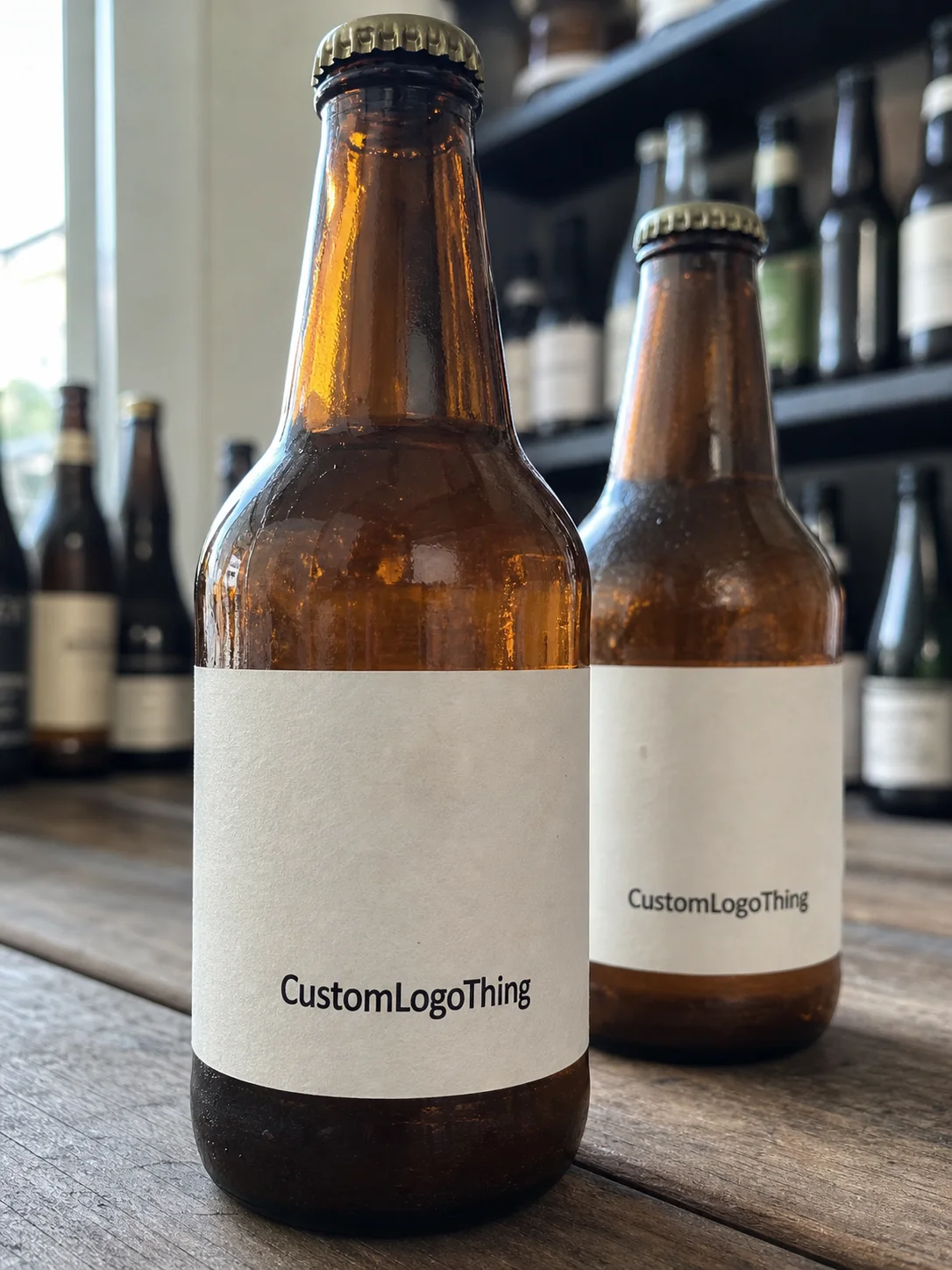
On a crowded shelf, the bottle shape may attract the eye, but the label closes the sale. A shopper is usually scanning color, hierarchy, and finish in a glance. If the product is in food service, retail, or direct-to-consumer fulfillment, the label is often the only part of the package that carries both brand identity and practical information.
That makes custom bottle label printing a production decision, not just a design exercise. A strong label helps a formula, beverage, sauce, lotion, or cleaning product look deliberate. A weak one makes even a good product feel unfinished. The difference is often less about artistic flair than about how well the printed piece survives real use.
Bottles are demanding substrates. They are curved, sometimes tapered, sometimes cold, and frequently touched while wet. A label proof can look perfect on screen and still fail once it wraps around glass or plastic. Edges may lift, copy may crowd the seam, or the adhesive may not hold when condensation appears. Buyers who understand labels as part of the packaging system usually avoid those surprises earlier.
Brand recognition also depends on repetition. If a beverage line has multiple flavors, or a skincare line uses several variants, the label format has to stay consistent enough to build shelf recognition while still allowing each SKU to be distinguished quickly. That is where a disciplined label spec matters more than a flashy design.
There is also a comparison buyers sometimes miss. A custom bottle label has a retail-facing job that a transport-only component does not. A shipper-style carton may protect the product, but the bottle label is what the customer reads after the box is gone. That is why label choices often have more influence on perceived quality than the container itself.
How the printing process works from artwork to applied label
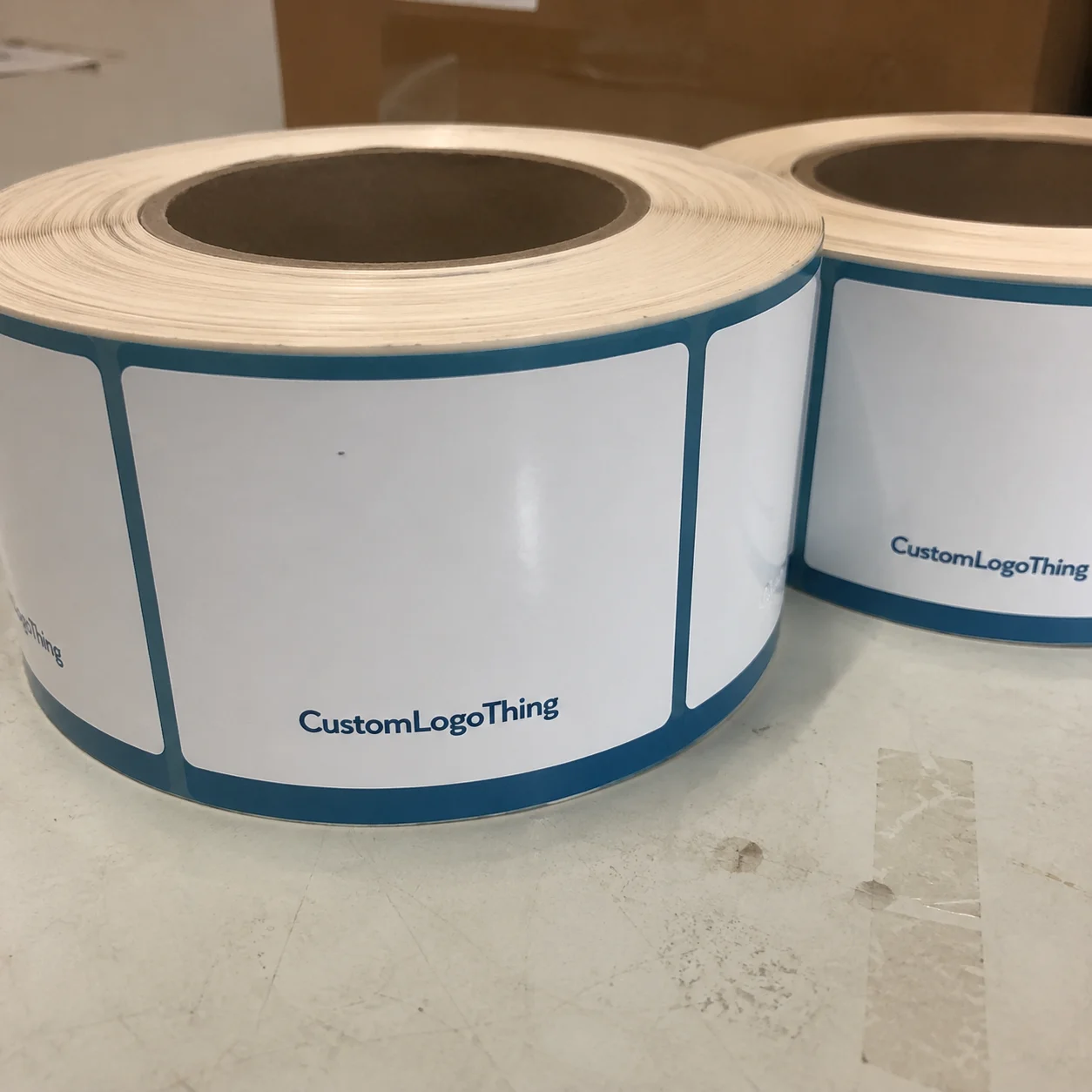
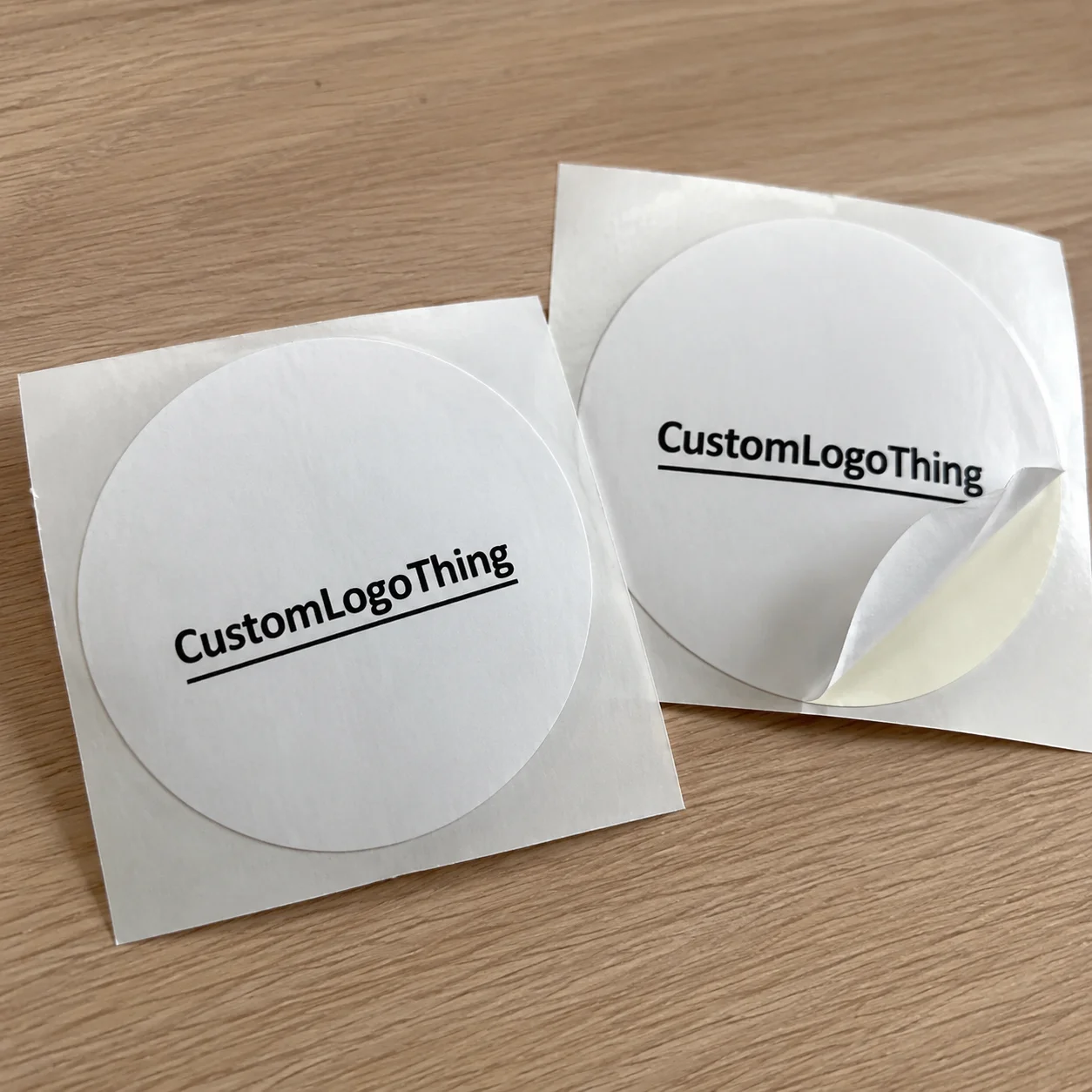
The production path is usually simple in theory and unforgiving in practice. It begins with artwork setup, dieline confirmation, file inspection, proofing, print production, finishing, die-cutting or slitting, inspection, and final packing. If the labels will be applied by hand, sheets may be appropriate. If the line uses a labeling machine, rolls, unwind direction, and core size become part of the specification.
For custom bottle label printing, the printer has to think about the bottle first and the artwork second. A curved surface changes how typography reads. A narrow panel can make a logo feel cramped. A tapered bottle may distort proportions near the top or bottom edge. The label has to leave enough room for brand name, variant name, mandatory text, and barcode placement without making the layout feel crowded.
Printing method matters too. Digital printing is usually the better fit for short runs, seasonal products, multiple versions, and artwork that changes often. It keeps setup lighter and versioning simpler. Flexographic printing tends to make more sense at stable volumes where the spec is already locked, the colors are consistent, and the label will be reordered repeatedly. Both can produce high-quality results, but the economics are different.
Color proofing deserves more attention than many buyers give it. A proof is not a decorative preview; it is the last practical checkpoint before a full run. It is where a barcode can be resized, a small warning can be moved away from the trim line, or a color shift can be caught before it becomes expensive. On a bottle label, one small error can affect readability, scan performance, or application.
If a label only works as a PDF, it is not ready. The real test is whether it remains flat, legible, and intact after filling, chilling, shipping, and customer handling.
If you are comparing broader packaging support, it also helps to see whether the supplier understands Manufacturing Capabilities. A team that understands bottle conversion, finishing, and application constraints is more likely to spot issues before they reach the press.
Materials, adhesives, and finishes that hold up in real use
Material choice often determines whether a label looks good only on day one or throughout the product’s shelf life. Paper labels can work well for dry environments, shelf-stable goods, and lower-cost runs. They usually print cleanly and keep costs down. The problem is exposure: paper is less forgiving if the bottle sweats, gets chilled, or is handled by wet hands.
Film face stocks, such as polypropylene or other moisture-resistant materials, generally cost more, but they handle condensation and abrasion better. They also tend to hold edge integrity better on curved bottles. For chilled beverages, refrigerated sauces, personal care items, and products that move through cold distribution, film is often the safer choice.
Adhesive selection is just as important as the face stock. Permanent adhesive is common for retail packaging because the label needs to stay put for the product’s life. Removable adhesive has a narrower use case. Cold-temperature and freezer-safe adhesives are a separate category and should be requested explicitly if the product will live in a refrigerator, cooler, or icy environment. A label that lifts at the corners after a short cold test is not a minor flaw; it is a mismatch between the spec and the use case.
Finishes affect both appearance and durability. Matte gives a quieter, often more premium look, and it reduces glare under strong retail lighting. Gloss can make colors appear more vivid and may help the printed surface resist scuffing. Soft-touch creates a tactile feel that works in some premium categories, but it should only be used if the handling environment supports it. Varnish or lamination adds another layer of protection and is often the difference between a label that scuffs in transit and one that arrives looking presentable.
For buyers with sustainability requirements, sourcing claims matter. FSC-certified paper can support a documented paper-sourcing story, and the FSC site explains the standard. If packaging will be shipped long distances, stacked in storage, or exposed to temperature changes, it is also sensible to think in terms of transit stress and practical ISTA testing rather than assuming the label will behave well by default.
Legibility should not be sacrificed for finish. Ingredients, warnings, and barcodes need enough contrast to stay readable after condensation or repeated handling. A dark glossy label may look strong in a mockup and still fail if the small type disappears under warehouse lighting. In regulated or quasi-regulated categories, that is a bigger risk than a color being a little less vibrant than expected.
Process and turnaround: what affects production time
Lead time is usually a chain of short steps, not one dramatic delay. Proofing, setup, printing, finishing, inspection, and shipping each take time. A job only moves as quickly as the slowest approved stage. In many cases, the real schedule risk is not the press; it is waiting for artwork approval, corrected copy, or a missing file.
Custom bottle label printing tends to move fastest when the specifications are already fixed. A repeat order with the same size, same stock, and same finish may ship in five to eight business days after proof approval if production capacity is available. A first run with a custom die, specialty material, or color matching can take ten to fifteen business days or more. If the job needs bottle testing or sample confirmation, the calendar stretches further.
Quantity changes the schedule in a few different ways. Larger runs need more press time and more finishing time. Multiple SKUs may require version control and separate packing. Unusual shapes can add die complexity. If the labels are part of a launch, the print schedule also has to fit filling, kitting, warehousing, and release timing. The slowest component often dictates the launch date, not the labels alone.
Buyers should ask the supplier to explain the actual production flow rather than relying on vague promises. A printer that understands the line can usually tell you whether the job is better suited to roll labels for applicators, sheets for manual application, or a revised format altogether. That is especially useful if the label is one part of a broader packaging program that may also include Custom Packaging Products.
For seasonal products, a small buffer matters. The first run usually takes longer than the reorder because the spec is still being proven. Once the label, bottle, and application method are documented properly, reprints become much easier. Without that documentation, every reorder starts from scratch, and that is where delays and avoidable errors tend to accumulate.
Cost, MOQ, and quote factors buyers should compare
Pricing depends on more than the artwork itself. The major cost drivers are label size, quantity, number of colors, material choice, finishing method, and whether the job needs a custom die or special layout. Larger labels use more substrate. Premium films cost more than paper. Lamination, specialty varnishes, and unusual shapes add expense. Variable copy or multiple SKUs can also raise setup complexity.
MOQ changes unit cost in a predictable way. Lower quantities usually carry a higher per-label price because setup costs must be recovered over fewer pieces. That is why a 500-piece order often looks expensive next to a 5,000-piece order even if the design is simple. For a limited release, a test market, or a short shelf-life product, that tradeoff may still be justified.
Here is a practical view of common bottle label ranges. These are directional figures, not fixed quotes, but they help show why some specs are materially more expensive than others.
| Label option | Typical use | Approx. 5,000-piece range | What drives the cost |
|---|---|---|---|
| Paper, matte | Dry goods, shelf-stable products | $0.04-$0.10 each | Lower material cost, simpler finish |
| Film, full color | Chilled beverages, lotions, sauces | $0.07-$0.16 each | Moisture resistance, coverage, durability |
| Film with lamination | High-handling or cooler use | $0.12-$0.24 each | Added protection, more finishing cost |
| Short run, custom shape | Launches, seasonal SKUs, trials | $0.20-$0.60 each | Setup recovery, die complexity, low volume |
A useful quote request should include bottle dimensions, label dimensions, quantity, material preference, finish preference, application method, storage conditions, and target delivery date. If you are comparing multiple vendors, ask whether the quote includes die costs, proofs, shipping, and any sample testing. The cheapest quote is not always the best value if the label fails in cold storage or peels during packing.
For longer-term programs, standardizing the label size and keeping the spec stable usually improves pricing and reduces waste. It also makes reorders more predictable because the production team does not have to relearn the job each time the artwork changes. That consistency matters as much for quality control as it does for budget control.
Step-by-step checklist for a clean first production run
The safest way to approach a first run is to treat it like a controlled handoff, not a casual order. Start with accurate bottle measurements. Confirm diameter, panel width, panel height, taper, and any recessed area or molded detail that might interfere with adhesion. A bottle with a slight curve or grip ridge can change how the label lands and how the edge behaves after application.
Next, prepare the artwork with the correct bleed, safe zone, and resolution. Keep key copy away from the trim line. Make sure the barcode is large enough to scan after application and that the smallest legal text is still readable at final size. A 300 dpi file at finished dimensions is a common baseline, but file quality alone is not enough; the layout still has to make sense on the actual bottle panel.
Then request a proof and, if the use case is sensitive, test a sample on the real bottle. A chilled bottle with condensation can behave very differently from a dry bottle sitting on a desk. Testing is where you find out whether the adhesive grabs quickly, whether corners lift, whether the finish scratches, and whether the label can survive handling after packing.
Before the order is released, verify the practical details:
- Quantity and SKU count
- Label dimensions and dieline
- Material and adhesive type
- Finish, varnish, or lamination
- Roll direction or sheet format
- Packing method and core size if applicable
- Reorder notes to preserve the approved spec
A clean first production run usually comes down to measurement, proofing, and one honest sample test. If the bottle is part of a larger launch, keep the label record with the rest of the packaging documentation so the next order does not restart the process. That is especially useful when the brand also uses custom printed boxes or other coordinated packaging components and needs the whole system to stay visually aligned.
Common mistakes and next steps before you place the order
The most common mistake is designing for a flat rectangle instead of a real bottle. A label can look balanced in a design file and still fail on a curved surface if the copy is too close to the edge or the shape is too ambitious for the available panel. Tapered bottles create another layer of distortion, especially near the top and bottom of the label.
Another frequent problem is choosing a finish because it looks attractive without asking how it behaves in the product environment. Matte, gloss, soft-touch, and lamination each create different handling results. A finish that looks premium in a mockup may become a liability if the bottle is refrigerated, stacked, or exposed to abrasion.
Color contrast is easy to underestimate. Pale text on a glossy label may seem elegant and then become hard to read in a busy retail setting. The same issue shows up with barcodes, batch coding, and regulatory copy. If the product needs to be scanned quickly or read under condensation, the layout should be built for legibility first and style second.
Artwork errors are expensive because they often appear after printing. That is why dieline checks and proof review deserve more attention than many buyers give them. Confirm trim line, barcode placement, copy accuracy, and orientation before approving production. One overlooked detail can turn into wasted labels, rework, or a launch delay that costs far more than the order itself.
Before you place the order, gather the bottle measurements, define the storage environment, and write one complete quote request rather than sending fragments over several emails. Ask for a sample if the bottle will be chilled, handled frequently, or shipped roughly. If you need to compare label and packaging options together, the broader Custom Packaging Products catalog can help keep the bottle label aligned with the rest of the brand system.
The most reliable approach is also the simplest: approve a sample, document the approved spec, and save it for the next reorder. That makes custom bottle label printing more consistent, easier to repeat, and far less stressful as volume grows.
What affects custom bottle label printing cost the most?
Size, quantity, material, finish, and whether the label needs a custom die are the main cost drivers. Per-unit cost usually falls as quantity rises, but premium films and cold-safe adhesives can keep pricing higher even at scale. A detailed quote request usually produces the most accurate pricing.
Which label material works best for chilled bottles?
A moisture-resistant film with the right adhesive is usually safer than standard paper when condensation is expected. If the bottle will be stored in a cooler or refrigerator, ask for adhesive performance that matches low temperatures and wet surfaces. Testing on the actual bottle is the most reliable way to confirm the label will stay flat and readable.
How long does custom bottle label printing usually take?
Timing depends on proof approval, print method, finishing, and whether any tooling is required. Simple reorders usually move faster because the artwork and specs are already approved. First-time jobs take longer, especially if bottle testing or sample adjustments are needed before production starts.
Do I need rolls or sheets for bottle labeling?
Rolls are common for manual application at speed or for automated labeling equipment, while sheets can work for smaller manual jobs. The right format depends on how the bottles are filled, packed, and labeled. Ask the printer which format matches the application method before releasing the order.
What should I send before I request a quote?
Send bottle dimensions, label dimensions, quantity, material or finish preferences, and the conditions the bottle will face after labeling. Include artwork if available, plus any barcode, ingredient, or compliance requirements that affect layout. Clear inputs reduce back-and-forth and lower the chance of surprise changes during proofing.