Buyer Fit Snapshot
| Best fit | Custom Boxes Comparison projects where brand print, material claims, artwork control, MOQ, and repeat-order consistency need to be specified before quoting. |
|---|---|
| Quote inputs | Share finished size, material target, print colors, finish, packing count, annual reorder estimate, ship-to region, and any compliance wording. |
| Proofing check | Approve dieline scale, logo placement, barcode or warning zones, color tolerance, closure strength, and carton packing before bulk production. |
| Main risk | Vague material claims, crowded artwork, missing packing details, or unclear freight terms can make a low unit price expensive after revisions. |
Fast answer: Custom Boxes Comparison: Quote Scope, Sample Proof, MOQ, and Lead Time should be specified like a repeatable production item. The safest quote records material, print method, finish, artwork proof, packing count, and reorder notes in one written spec.
Production checks before approval
Compare the actual filled-product size with the drawing, then confirm tolerance on folds, seals, hang holes, label areas, and retail display edges. Reserve space for logos, QR codes, warning copy, and material claims before decorative graphics fill the panel.
Quote comparison points
Review material grade, print process, finish, sampling route, tooling charges, carton quantity, and freight assumptions side by side. A quote is only useful when the supplier can repeat the same color, closure quality, and packing count on the next order.
In a custom boxes comparison, two packages can look nearly identical on a shelf and still behave very differently once they enter a fulfillment line in Dallas, a courier belt in Atlanta, or a warehouse stack in Shenzhen. I’ve watched that play out more than once, and it usually starts with a well-meaning buyer trusting a quote sheet a little too much. One client was convinced a 32 ECT corrugated mailer was “basically the same” as a 44 ECT option until a pallet test in our Shenzhen facility showed corner crush after just 18 minutes under load at 28°C and 72% humidity. That kind of mismatch is exactly why a custom boxes comparison has to go beyond price and appearance.
I’ve found that most packaging mistakes start with a shortcut. A buyer sees two quotes, one at $0.42/unit and another at $0.55/unit, and assumes the cheaper one wins. Then they discover the higher quote included 1-color flexo, FSC-certified board from a mill in Guangdong, and die-cut inserts, while the low quote hid a $240 setup fee and a 12-day add-on for gloss aqueous coating. A proper custom boxes comparison exposes those differences before they turn into damages, delays, or ugly surprise freight bills. Otherwise, you’re kinda comparing apples to oranges and calling it procurement.
Custom Boxes Comparison: Why the Differences Matter
The first thing I tell clients is simple: packaging is not just a container; it is a working part of your product system. A custom boxes comparison should evaluate material, structure, print method, fit, finish, freight impact, and assembly labor, because those factors shape the actual user experience. A box that protects a $14 skincare set during parcel shipping may be overbuilt for a subscription candle brand and underbuilt for a 2.8 kg electronics kit shipped from a 3PL in Los Angeles.
I’ve seen two folding cartons with nearly identical graphics behave in opposite ways. One had 350gsm C1S artboard with aqueous coating and collapsed only after repeated handling on a retail floor in Chicago. The other used 250gsm board with a soft-touch lamination and looked richer, but it scuffed faster and cost 19% more per unit after lamination and slower converting speed in our Dongguan plant were counted. That is why a custom boxes comparison has to weigh performance, not just visual polish.
“Best” is relative in packaging. For a luxury fragrance launch in Manhattan, a rigid box with a magnetic closure may support package branding and giftability. For a fast-moving apparel brand shipping 2,000 orders a week from Dallas, that same format may create freight bloat and labor strain. I’ve sat in client meetings where the marketing team wanted presentation; operations wanted speed; finance wanted lower landed cost. The right answer usually sat somewhere in the middle, which is exactly what a thoughtful custom boxes comparison is meant to uncover.
Many packaging mistakes happen because businesses compare only the outside. They forget stack strength, insert tolerances, edge crush, and whether the box adds 14 seconds or 40 seconds to each pack-out. If your fulfillment line handles 600 units per shift, that extra 26 seconds becomes real money, especially at a labor rate of $18.50 per hour in a Phoenix warehouse. A solid custom boxes comparison keeps those operational details in view.
“The prettiest box in the room is not always the smartest one. I’d rather see a package survive a 3-foot drop test and still look good than win a mood board and fail in transit.”
How Custom Box Comparison Works: From Structure to Print
A useful custom boxes comparison starts by breaking packaging into measurable categories. I usually divide it into six: box style, board grade, dimensions, printing method, coatings or finishes, and accessories like inserts or dividers. That structure keeps the conversation grounded. Without it, buyers end up comparing a mailer box with a folding carton as if the two were substitutes, which they are not, even if both are produced in the same factory district in Shenzhen.
Structural design changes performance in ways that are easy to miss. A tuck-end folding carton can work beautifully for shelf display and light retail packaging, while a roll-end mailer is better for e-commerce because the front flap, side walls, and locking tabs help it survive parcel abuse. Corrugated Shipping Boxes are another animal entirely. Their flute profile—E, B, C, or double-wall—changes stacking strength and crush resistance in ways that show up quickly in ISTA-style transit testing. If your team is doing a serious custom boxes comparison, structure belongs at the top of the list.
Print methods matter too. Offset printing gives sharp detail and consistent color on larger runs, often with better image fidelity for custom printed boxes. Flexographic printing can be economical for simpler graphics and larger volumes, especially on corrugated substrates. Digital printing is useful for short runs, variable artwork, and fast revisions, though unit pricing can climb if you only order 500 or 1,000 pieces. When I compare vendor quotes, I always ask what print process is assumed, because a $0.31 difference can come from the press choice alone at a plant in Ningbo or Qingdao.
Samples and prototypes make the comparison real. I once reviewed a cosmetic mailer that looked perfect in CAD, but the actual sample revealed a 2 mm gap at the front flap, enough to let the product shift and knock against the insert. The mockup sheet had hidden nothing. The prototype did. That is why a serious custom boxes comparison uses a physical sample, not just a rendering.
Good suppliers will also help you compare coating and finishing options side by side. Gloss UV, matte varnish, aqueous coating, foil stamping, embossing, spot UV, and soft-touch lamination all change cost, feel, and recyclability. A package that feels premium in hand may also be slower to convert or harder to recover in the recycling stream. A proper custom boxes comparison should show those trade-offs clearly, with a quote from a converter in Dongguan or Huizhou if the work is being produced in South China.
For packaging standards and testing references, I often point clients to resources from the International Safe Transit Association and the U.S. EPA recycling guidance. They won’t choose the box for you, but they give the comparison a factual backbone.
Key Factors in a Custom Boxes Comparison
The strongest custom boxes comparison usually starts with material selection. Corrugated board is the workhorse for shipping strength, especially when you need 32 ECT or 44 ECT performance. Paperboard, often in the 250gsm to 400gsm range, fits retail cartons, cosmetics, supplements, and lightweight consumer goods. Rigid board, commonly around 1000gsm to 1800gsm wrapped in printed paper, is the premium option for high-end product packaging. Kraft board brings a natural look and often signals sustainability, while specialty substrates—like metalized paper or textured stock—can elevate a launch but add cost and complexity.
Cost needs a wider lens than unit price. I like to separate it into five pieces: print setup, per-unit converting cost, inserts, finishing, and freight. If a supplier quotes $0.49/unit for 10,000 mailer boxes but the insert adds $0.08 and freight adds $380 from a factory in Shenzhen to a California fulfillment center, the real number shifts quickly. A different supplier quoting $0.57/unit with free standard inserts and domestic freight may actually be cheaper at the landed level. That is the kind of detail a disciplined custom boxes comparison exposes.
Lead time matters just as much. A simple digital job might take 7 to 10 business days from proof approval. A full offset run with foil stamping and custom inserts can stretch to 18 to 25 business days, especially if you need a pre-production sample and revised dielines. In one supplier negotiation, a client wanted a holiday launch with a rigid box and gold foil; the schedule kept slipping until we cut the foil, switched to a matte wrapped board, and saved 9 business days. In another case, a run from a converter in Dongguan took 12 to 15 business days from proof approval because the insert tooling was already on hand.
Protection requirements should be quantified, not guessed. Does the box need to survive parcel drops from 30 inches? Will it be stack-loaded at 45 lbs per square foot in a warehouse? Is humidity a concern because the goods sit in non-climate-controlled storage in Houston for 3 weeks during summer? A cosmetic kit sold direct-to-consumer and a vitamin display packed for wholesale are not asking the same thing from their packaging. A strong custom boxes comparison should include actual handling conditions.
Sustainability deserves close scrutiny. Recyclability depends on more than the board material alone. A kraft mailer may look eco-friendly, but if it carries heavy lamination, metallic foil, or plastic windows, recovery gets harder. FSC-certified paper can support responsible sourcing, and post-consumer recycled content can help lower virgin fiber use. Still, I always tell clients not to treat green claims as shorthand. A credible custom boxes comparison asks whether the finish, ink coverage, and adhesive choices support the recovery stream or fight it.
Here’s a simple way I frame the comparison.
| Factor | What to Compare | Why It Matters |
|---|---|---|
| Material | Corrugated, paperboard, rigid, kraft | Affects strength, feel, and freight cost |
| Digital, flexo, offset, foil | Impacts color, MOQ, and setup cost | |
| Structure | Mailer, tuck end, sleeve, rigid lid | Changes assembly speed and protection |
| Finish | Matte, gloss, soft-touch, UV | Changes appearance and recyclability |
| Total cost | Unit price, tooling, freight, inserts | Reveals true budget |
If you need a place to start gathering options, our Custom Packaging Products page is a practical reference point for common formats and finishing paths.
Custom Boxes Comparison by Box Type and Use Case
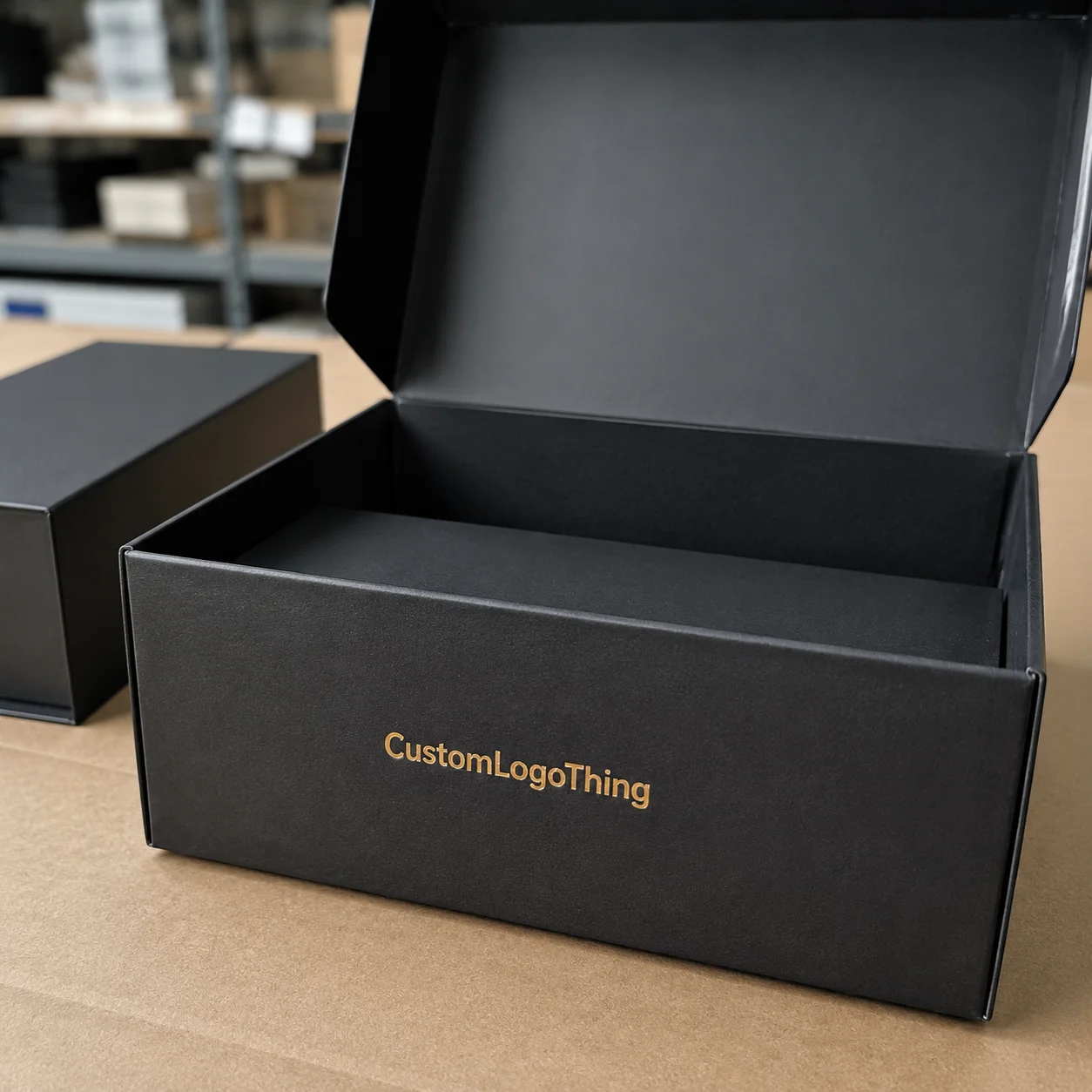
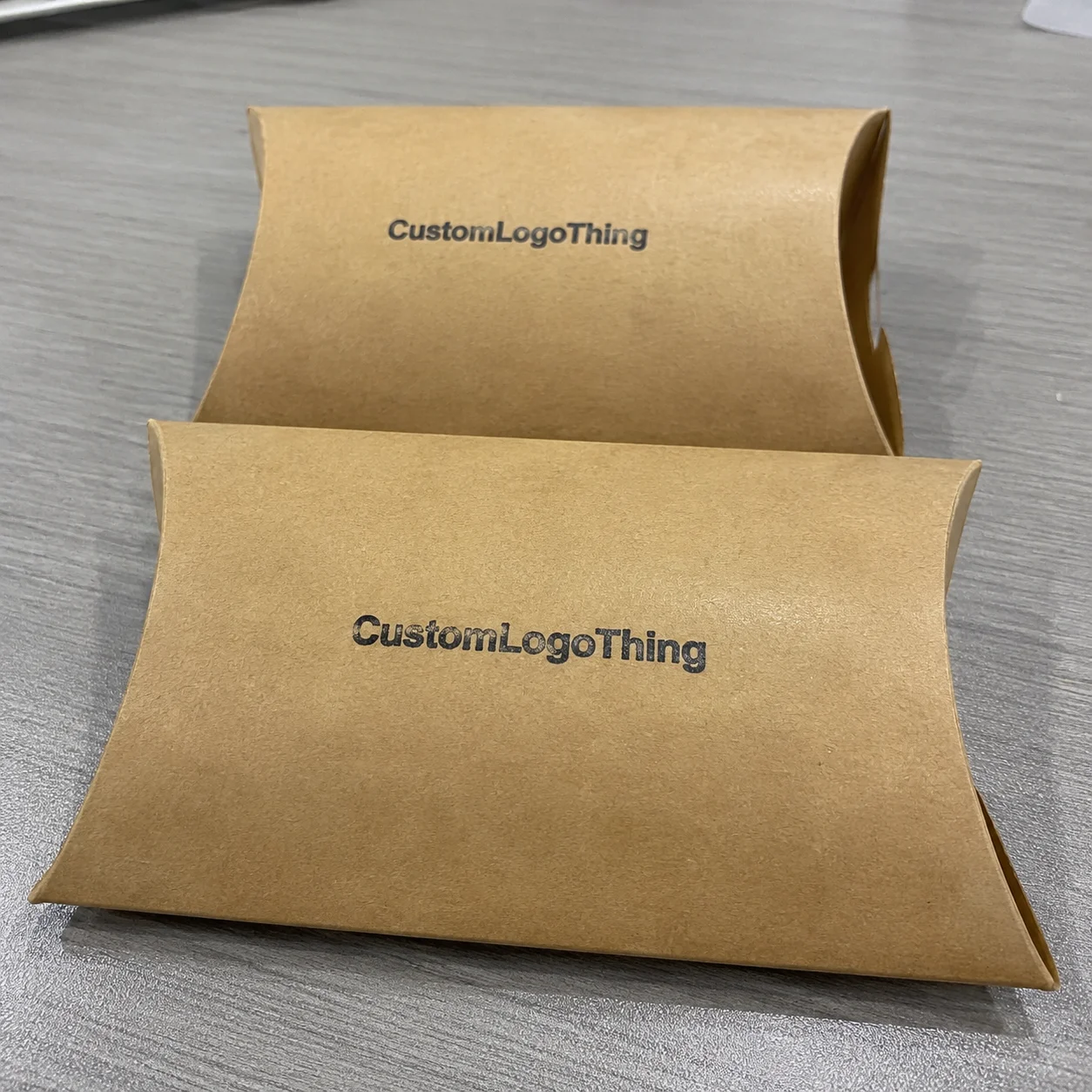
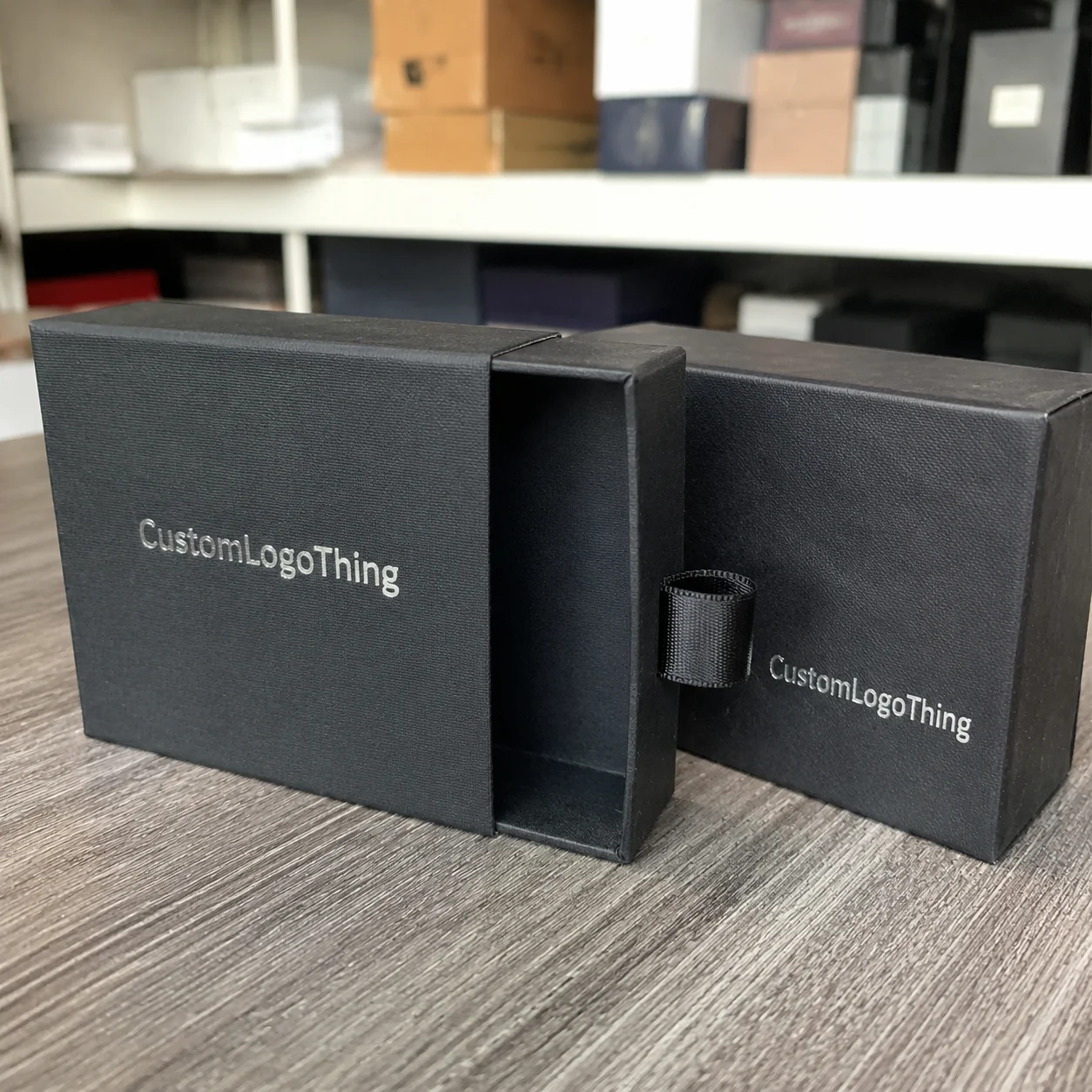
A smart custom boxes comparison matches box type to channel, not just to taste. Mailer boxes are a favorite for subscription kits, influencer mail, and e-commerce presentation because they balance branding and protection. Folding cartons suit retail packaging, cosmetics, supplements, and small consumer goods that need shelf presence and crisp graphic control. Rigid boxes belong in premium categories—luxury candles, jewelry, spirits, gift sets—where the unboxing ritual matters as much as the product itself. Corrugated shipping boxes are the practical choice when survival in transit outranks presentation.
That said, there is no universal winner. A soap brand selling through boutiques in Austin may use a folding carton in-store and a corrugated mailer for DTC orders. The same item, two different packaging logic paths. I’ve seen electronics brands do the same thing: a polished retail carton inside a corrugated shipper for wholesale, then a branded mailer for replacement parts shipped from a New Jersey 3PL. A nuanced custom boxes comparison accepts that one product can have multiple correct answers.
Trade-offs show up fastest with rigid boxes. They communicate quality, and customers feel it in the hand the moment the lid lifts. They also cost more to produce, take longer to assemble, and weigh more in freight. For a 5,000-unit launch, a rigid box might land at $1.18/unit before shipping, while a comparable folding carton could be $0.34/unit. That gap matters, especially if your margin per item is only $6 to $9. A practical custom boxes comparison makes that arithmetic visible.
Internal inserts change the story too. A die-cut paperboard insert can prevent movement in a cosmetics kit for a few cents. A molded pulp tray from a supplier in Vietnam can handle irregular items and still support a lower-plastic packaging claim. Corrugated partitions make sense for glass bottles, while EVA foam may be necessary for delicate electronics, though it complicates recovery. The insert is not an accessory; in many cases it is the difference between a safe shipment and a return.
Below is a simple channel-based view I use during client reviews.
| Box Type | Best For | Typical Strength | Typical Cost Range |
|---|---|---|---|
| Mailer box | DTC, subscription, influencer kits | Good parcel protection, easy assembly | $0.42–$1.10/unit |
| Folding carton | Retail, cosmetics, supplements | Light protection, strong shelf appeal | $0.18–$0.65/unit |
| Rigid box | Luxury, gifting, premium sets | High presentation, moderate protection | $0.95–$3.50/unit |
| Corrugated shipper | Apparel, electronics, industrial goods | High transit durability | $0.28–$1.40/unit |
| Display packaging | Retail shelves, promotional campaigns | Visual impact and merchandising | $0.30–$1.25/unit |
One factory-floor anecdote sticks with me. I was watching a run of folding cartons for a skincare client in Dongguan, and the press operator kept stopping the line because the coating was picking up dust at the stack edges. The cartons looked excellent in the first 50 samples. By carton 800, the sheen was uneven. That single finishing choice turned a clean branded packaging job into an acceptance headache. A rigorous custom boxes comparison catches issues like that before production, not after the pallet is wrapped.
Channel context matters, too. Retail packaging needs shelf blocking, hang-tab compatibility, and barcode clarity. E-commerce packaging needs drop resistance, easy opening, and efficient pack-out. Wholesale packaging often prioritizes cube efficiency and pallet pattern consistency. The same product can need a different box if it goes through a boutique, a marketplace seller, or a 3PL in Ohio. That’s not indecision. It’s a smart custom boxes comparison.
What Is the Best Way to Do a Custom Boxes Comparison?
The best custom boxes comparison starts with a clear brief, side-by-side samples, and a scorecard that weighs protection, branding, cost, speed, and sustainability against your actual sales channel. If the product is shipping direct to consumers, the comparison should prioritize parcel performance and pack-out speed; if the box is sitting on a retail shelf, print quality, shelf presence, and opening experience deserve more weight. A good comparison is less about finding the “prettiest” box and more about finding the box that performs best under your real operating conditions.
That process also means comparing total landed cost rather than unit price alone. Once you include inserts, tooling, freight, and assembly labor, the option that looked cheapest at first can become the most expensive. For many teams, the most reliable custom boxes comparison is one that uses a physical prototype, a simple scoring matrix, and a realistic production timeline before any purchase order is signed.
Step-by-Step Custom Boxes Comparison Process
I like to make the custom boxes comparison process concrete. The first step is defining the goal. Are you trying to reduce damage, improve shelf appeal, lower unit cost, reduce pack time, or support a premium launch? Pick the primary objective first. If you ask a box to do five things equally well, you often get a compromise that does none of them brilliantly.
Step two is measurement. Measure the product at its widest, tallest, and deepest points, then add allowance for inserts, closures, and handling tolerance. For a glass bottle in a paperboard carton, I often add 1.5 mm to 3 mm of clearance depending on the insert. For a soft-goods item like apparel, compression is acceptable, so the allowance can be tighter. Accurate sizing is boring. It is also where a lot of packaging money is saved during a custom boxes comparison.
Step three is shortlisting. I advise asking for at least two to three styles, not just two prices. If you compare only one mailer and one rigid box, the conversation narrows too early. A supplier may also suggest an alternate board grade or closure style that changes the economics substantially. I’ve seen clients cut cost by 21% simply by moving from a full telescoping rigid box to a two-piece setup with a printed sleeve. A good custom boxes comparison keeps that flexibility alive.
Step four is sample evaluation. This is where a scorecard helps. I usually rate durability, print quality, fit, ease of assembly, unboxing impact, and landed cost. Use the same scoring scale for every sample, preferably 1 to 5, and have both marketing and operations weigh in. Marketing may give a box a 5 for finish; operations may give it a 2 for pack speed. That tension is useful. It turns the custom boxes comparison from opinion into evidence.
Step five is timeline and revision control. Confirm proof approval dates, sample turn time, production windows, and freight method before signing off. A supplier who says “about two weeks” may be speaking about production only, not proofing, plate making, or ocean transit from a port near Xiamen to Long Beach. If your launch is fixed, get those details in writing. I’ve had a beverage client lose a shelf window because they assumed “lead time” included everything. It did not. That mistake cost them an extra 4 weeks of inventory sitting idle.
For teams that want a simple comparison matrix, this one works well:
- Protection — Can it survive drops, compression, and transport?
- Branding — Does it support package branding and product storytelling?
- Cost — What is the true landed cost at your quantity?
- Speed — How quickly can it be produced and assembled?
- Sustainability — Is the material and finish consistent with your claims?
That framework keeps the custom boxes comparison from drifting into a design beauty contest.
Common Mistakes in Custom Boxes Comparison
The most common mistake is choosing the cheapest quote without checking the board strength or the total landed cost. A quote at $0.29/unit can be cheaper only on paper if it uses thinner stock, requires more inserts, or fails at the first distribution test. I have seen a brand save $1,400 on paper and lose nearly $9,000 in returns and replacements after six weeks in the Midwest. That is an expensive lesson, and it happens because the custom boxes comparison stops at the invoice.
Another mistake is ignoring assembly time. If a box takes 18 seconds to fold and insert, that sounds minor until you multiply it by 800 units per day. You have just added 4.0 labor hours in a week. On a fulfillment floor in Columbus, I once timed two nearly identical mailers. One folded in 6 seconds; the other needed 19 because the locking tabs snagged. The slower one looked fine in a sample room, but it was a headache in real production. A proper custom boxes comparison accounts for labor.
Dimensions can also mislead. People compare outside dimensions and forget inserts, product movement, and protective padding. A 200 x 120 x 60 mm box may look identical to another of the same size, but if one has a 3 mm foam insert and the other relies on a folded paperboard cradle, the effective internal space and protection profile are completely different. You are not comparing the same thing. That is one of the easiest traps in a custom boxes comparison.
Finishes create another blind spot. Foil, heavy lamination, and specialty varnishes can look beautiful, but they can raise cost, slow production, and complicate recycling. A soft-touch finish can feel luxurious, yet it often shows scuffing more readily than buyers expect, especially on dark ink coverage. I’ve had clients discover that their “eco” story was undercut by a film-heavy package they could not easily explain. If sustainability is part of the brand promise, your custom boxes comparison needs to challenge every finish choice.
Finally, too many teams skip real-world testing. A prototype must survive more than a desk inspection. Stack it in a warehouse. Drop it from 30 inches. Leave it in a humid room for 48 hours. Ask a picker to open and reclose it 20 times. The box that passes those conditions is the one worth buying. A custom boxes comparison that never leaves the conference table is a risky bet.
“If a supplier won’t talk through board grade, finish, and transit testing, I treat that as a warning sign. A good packaging partner should be able to explain why a 32 ECT mailer is right, or why it is not.”
Expert Tips for a Smarter Custom Boxes Comparison
My first recommendation is to use a weighted scorecard. Not every factor deserves equal importance. For a subscription brand, presentation might count for 30%, protection for 30%, cost for 25%, and speed for 15%. For industrial shipping, the weights shift hard toward protection and freight efficiency. A weighted custom boxes comparison prevents the loudest opinion in the room from controlling the outcome.
Ask suppliers for quotes that separate the pieces. I want to see packaging, print, inserts, finishing, freight, and any tooling broken out line by line. When the quote is bundled, it becomes harder to see whether the price gap comes from a better structure or simply a higher margin. I’ve used this exact approach in supplier negotiations in Guangzhou and uncovered a $0.06/unit difference that was entirely due to insert sourcing. That is not small when you order 40,000 units.
Request a physical sample whenever possible. A photo cannot tell you stiffness, closure tension, fiber feel, or whether the print grain lines up with the fold. A sample also tells you a lot about branded packaging impact. Does the logo pop under store lights? Does the tactile finish feel deliberate or just expensive? Those are judgment calls, yes, but they are still grounded in a physical object. A strong custom boxes comparison respects that reality.
If your launch date is fixed, build in a backup structure. Sometimes the first-choice box style slips because of board availability, print backlog, or insert tooling. A backup option—say, switching from a rigid box to a premium mailer with a sleeve—can save the schedule without wrecking the concept. I’ve seen projects recover 10 to 12 days this way, especially when a supplier in Ningbo already had die boards for a similar format. A smart custom boxes comparison does not assume the first path is the only path.
Do not treat sustainability, branding, and price as separate silos. They pull against each other. A heavier board can improve presentation and protection, but it also adds freight weight. A foil accent can strengthen visual identity, but it may weaken recyclability claims. Recycled content may support your story, but it can alter print brightness. A mature custom boxes comparison balances all three rather than chasing a single win.
One more practical tip: ask for landed cost at your real order quantities, not just a theoretical quote. If you buy 2,500 units twice a year, the economics can be very different from one 5,000-unit run. Tooling, freight banding, and storage space all change. Packaging is unforgiving about scale. A good custom boxes comparison respects that arithmetic.
Final Takeaways and Actionable Next Steps
The cleanest way to think about a custom boxes comparison is this: the right box balances protection, presentation, cost, and operational fit. If one box is beautiful but breaks in transit, it is a poor choice. If another is durable but slows fulfillment and hurts branding, it can still be wrong. The best option is the one that solves the most important problem for your business with the least waste, whether it is sourced in Shenzhen, Dongguan, or a domestic converter in Ohio.
Before you contact suppliers, write a one-page packaging brief. Include product dimensions, weight, target budget, order quantity, shipping method, storage conditions, and deadline. Add whether you need retail packaging, e-commerce packaging, or a hybrid format. That document makes the custom boxes comparison faster and far more accurate. It also reduces the quote whiplash that happens when every supplier is guessing at different assumptions.
Then request two to three prototypes and score them side by side using the same criteria. Do not let one flashy sample override the rest. A one-page scorecard is enough: protection, print quality, assembly time, shipping efficiency, and landed cost. I’ve seen teams save thousands simply by forcing consistency in the comparison process, especially when one prototype is built in 350gsm C1S artboard and another in 32 ECT corrugated with a kraft liner.
Review landed cost, not unit cost. I keep repeating that because it is the mistake I see most often. Freight, inserts, finishing, storage, and labor can change the final number by 15% to 40%. If your custom boxes comparison stops at the per-box price, you are likely missing the real expense. A quote that looks attractive at $0.33/unit can end up closer to $0.47 once you add a $180 tooling charge and domestic freight from Chicago.
In my experience, the brands that do this well end up with fewer damages, cleaner unboxing, stronger package branding, and smoother fulfillment. That is the real payoff of a disciplined custom boxes comparison. It is not just about choosing a box. It is about Choosing the Right packaging system for the way your product actually moves through the market.
What should I compare first in a custom boxes comparison?
Start with product dimensions and protection needs, because size and structure drive most other decisions. Then compare box style, material strength, print requirements, and total landed cost so the custom boxes comparison reflects real performance, not just appearance.
How do I compare custom box pricing accurately?
Ask for a quote that separates unit cost, setup fees, inserts, finishing, and freight. Compare the total landed cost, not just the price per box, because hidden expenses can change the real budget by 15% or more in a custom boxes comparison. A quote of $0.41/unit may become $0.58/unit after a $220 plate fee and $310 freight.
Which box type is best for e-commerce in a custom boxes comparison?
Mailer boxes are often strong contenders because they combine branding, protection, and easy assembly. Corrugated shipping boxes may be better when durability matters more than presentation, so the right answer depends on the exact shipping profile in your custom boxes comparison. For a 1.6 kg candle set, a double-wall mailer may be the better fit.
How long does the custom box comparison and production process usually take?
Timing depends on sampling, revisions, and print complexity. A simple run may move from proof approval to production in 7 to 10 business days, while more complex jobs can take 18 to 25 business days or longer. A rigid box with foil from a factory in Dongguan often takes 12 to 15 business days after proof approval when the paper stock is already in inventory. Always confirm lead time before choosing a supplier, especially if your launch date is fixed.
What is the biggest mistake people make in a custom boxes comparison?
They compare appearance and price while ignoring structural performance and assembly labor. A box that looks premium can still fail if it is too weak, too slow to assemble, or too expensive to ship, which is why the custom boxes comparison has to include real testing, including a 30-inch drop test and a 48-hour humidity check.