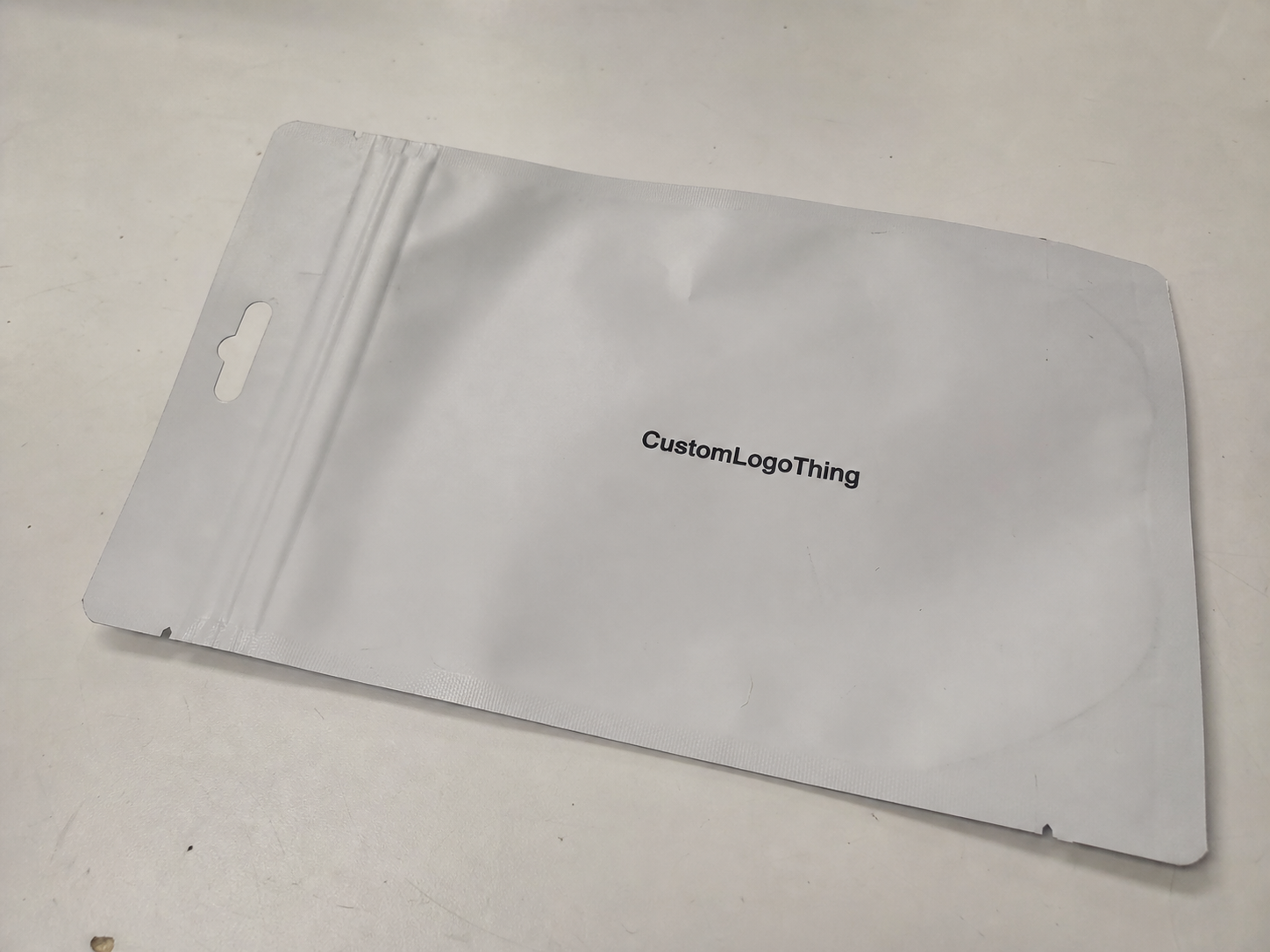
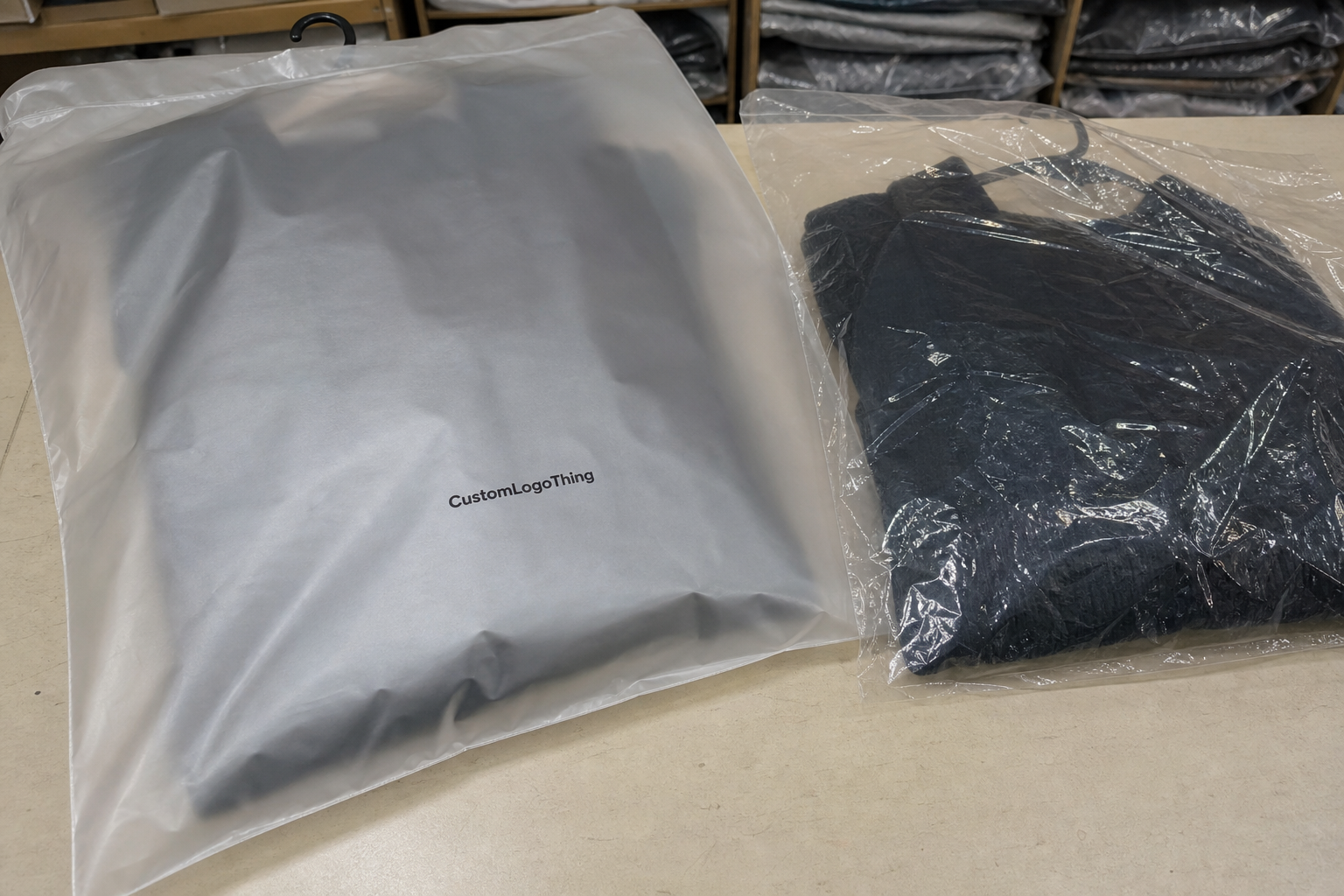
Custom bridal garment bags look like a simple accessory until you see what a gown does inside an undersized or flimsy cover. The dress folds where it should hang, the hem rubs, moisture lingers after steaming, and the whole package loses the crisp presentation a bride expects at pickup. For boutiques, alteration studios, and planners, the bag is part protection, part storage, and part brand signal.
That is why the buying decision is not really about printing a logo on plastic. Fit, closure strength, material weight, breathability, visibility, and handling all matter once the gown is lifted off the rack and moved through real spaces. A bag that looks fine flat on a table can still perform poorly when it is hung, zipped, carried, or stored.
What custom bridal garment bags solve for gowns
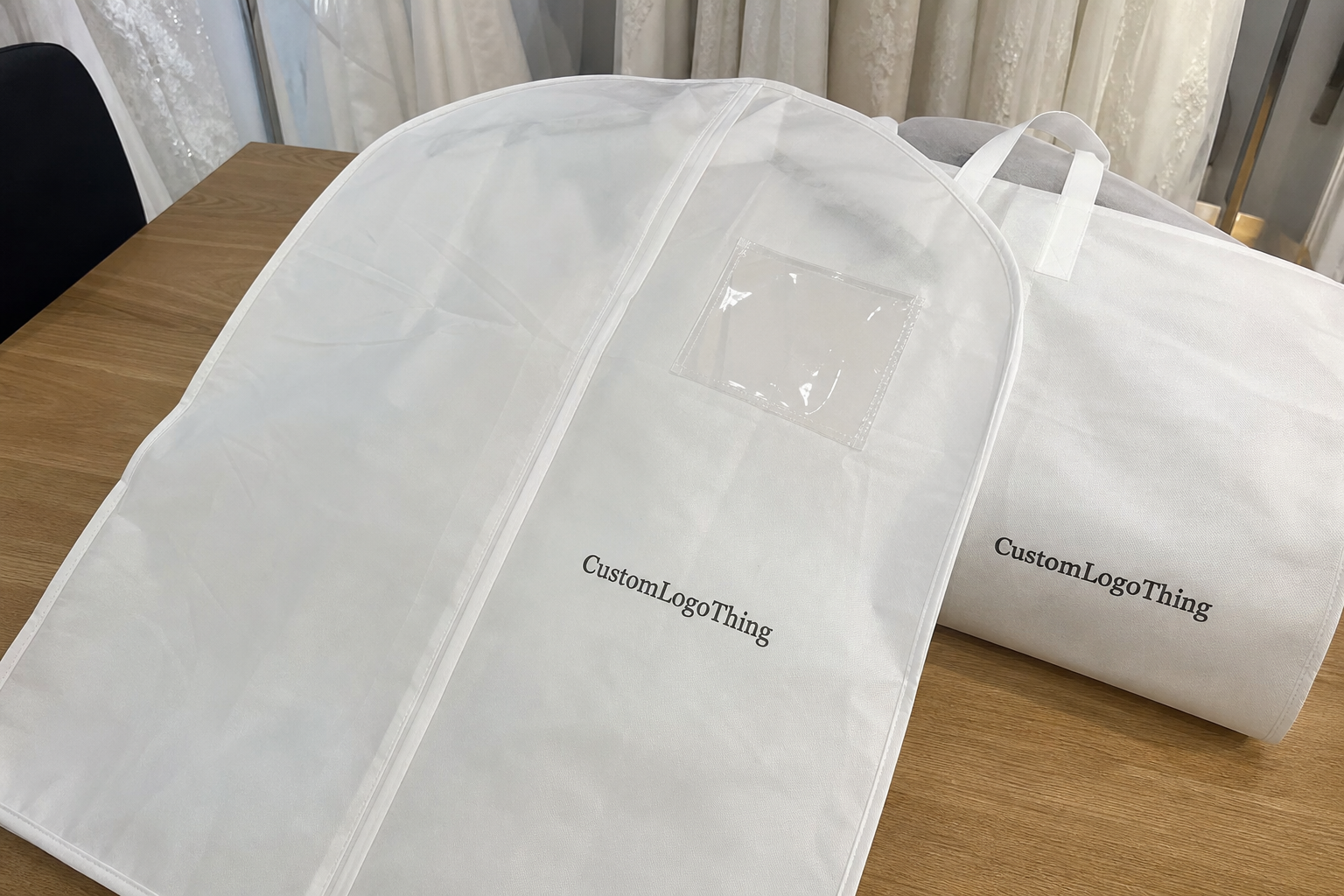
A wedding dress is usually damaged by handling, dust, and transit long before it looks worn out. Bridal packaging sits between product protection and presentation, which is why it gets noticed at pickup, in transit, and sometimes in photos before the ceremony. That makes custom bridal garment bags part of the product experience, not just a storage accessory.
The difference from a generic apparel cover is practical. Bridal gowns need longer dimensions, more room through the skirt, stronger seams at stress points, and hanger access that does not distort the neckline. Many also need a clear or frosted panel so staff can identify the dress without opening the bag. That saves handling, and handling is where a lot of preventable wear starts.
One detail buyers often underestimate: a gown can be packed correctly and still arrive creased if the bag collapses, traps humidity, or bends sharply at the hem. Thin film can sag against heavy satin, layered tulle, or beadwork. The failure is rarely dramatic. It is slow distortion, which is harder to notice and more expensive to fix.
From a buying perspective, the tradeoff usually sits between appearance, durability, and cost. Boutique owners want a polished handoff. Operations teams want fewer rebagging issues and less breakage. Finance wants a unit price that still leaves room for margin. Good bridal packaging has to satisfy all three without pretending any one of them does not matter.
Practical rule: if the bag cannot hold the gown shape without compressing the train or shoulder line, it is not sized for bridal use, no matter how polished the print looks.
How the bag design works in real use
A good garment bag is a system, not a sheet with a zipper. The material, closure, hanger opening, gusset, handles, and optional window all affect how the bag behaves in daily use. If one part is weak, the whole package feels cheap. Worse, it can fail where the customer notices it most: during pickup, in the car, or when the gown is rehung at home.
Thickness changes behavior more than many buyers expect. A thin film may be acceptable for one-time delivery, but repeated rack handling can crease it, tear it near the zipper, and stretch it around the hanger slot. Many bridal programs use film in the 80 to 150 micron range, depending on whether the priority is cost control, stiffness, or a more premium feel. Heavier film usually holds shape better and gives the bag more presence on the sales floor.
Clear, frosted, and opaque films solve different problems. Clear panels make it easy to identify the gown, which helps busy boutiques with multiple pickups. Frosted film softens the look while still showing enough of the dress to confirm color and silhouette. Opaque options are better when privacy, higher perceived value, or UV reduction is part of the brief. There is no universal best choice. The right material depends on how the bag will be used and how much brand visibility the store wants.
Ventilation is another point where assumptions go wrong. A sealed-looking bag is not always the safest choice for delicate fabrics. If the gown goes in while still warm from steaming, or if humidity is trapped inside, a fully closed cover can hold that condition longer than a vented design would. Some buyers prefer discreet air gaps or a breathable side detail for long-term storage. The right answer depends on climate, storage habits, and how long the dress will remain in the bag before final use.
Bridal packaging is also a retail display tool. A bag appears in showroom handoffs, mirror selfies, car trunks, hotel rooms, and preservation workflows. In that sense, it acts like a moving signboard. For that reason, the strongest packaging designs are usually restrained, legible, and aligned with the store's price point rather than overloaded with graphics.
Packaging guidance from the PMMI ecosystem is useful here because it keeps the focus on fit and function as much as on appearance: packaging guidance from the PMMI ecosystem. Bridal covers sit at the overlap of product packaging and retail packaging, so the design has to work in motion, not only in a mockup.
Key specs that affect protection, presentation, and fit
Sizing comes first. A bag should be built around the longest dress you expect to pack, the widest gown silhouette you sell, and whether the gown ships hanging or flat. A sheath dress and a ball gown do not belong in the same spec unless the bag is oversized enough to handle the larger volume without crushing the hem or pulling the seams. If you stock cathedral trains or heavily layered skirts, ask for extra length and a wider gusset rather than forcing a standard apparel cover to do bridal work.
Material choice usually falls among PE, PP, EVA, and laminated films. Each one has a different balance of cost, clarity, stiffness, and long-term feel. PE is flexible and economical. PP usually reads cleaner and crisper. EVA and laminated structures often feel more premium and hold form better, which is why they show up more often in presentation-focused packaging. If the bag will be reused, material resilience matters more than a small savings on the first order.
Recyclability matters too, but it should be stated carefully. A buyer should ask whether the full construction is recyclable in the local stream or whether only one component is. A clear film bag with mixed hardware is not the same thing as a single-material cover. Claims need to match the actual build, not just the marketing line. For teams tracking end-of-life claims and material choices, EPA recycling resources are a useful reference point: EPA recycling and materials guidance.
Closures are easy to overlook and hard to forgive. A weak zipper will split, snag, or drift off track after repeated use. Snap closures can work, but only if they are tested for repeated opening and closing. Reinforcement at stress points matters around the hanger opening, side seams, and handle attachment areas. The sample may look clean and polished, but if the zipper tape pulls or the seam puckers when a gown is loaded, the design needs another pass.
For clarity, here is how the common options usually compare for bridal use:
| Option | Typical strengths | Typical tradeoffs | Best fit |
|---|---|---|---|
| Clear PE film | Low cost, visible gown, easy to inspect | Less premium feel, can collapse if too thin | High-volume boutiques and short-term use |
| Frosted PP film | Cleaner look, better stiffness, better presentation | Higher unit cost than basic PE | Retail packaging with stronger brand image |
| Laminated or EVA blend | Best structure, premium hand feel, more durable | Higher price and sometimes longer lead time | Luxury positioning and repeated reuse |
| Opaque printed bag | Privacy, strong branding, polished appearance | No garment visibility without opening | Bridal salons focused on presentation |
Print placement shapes the buyer experience more than many teams expect. A logo placed too low disappears under the fold. A logo placed too high can vanish behind the hanger hook. Heavy color blocks can create a more premium look, but they also change opacity and print cost. If the same brand system includes custom packaging products, the visual language should stay consistent across all touchpoints so the bag does not feel like a separate project.
Handling features matter too. A carry hole, a reinforced handle, a full-length zipper, or a foldable profile can change staff workflow in a real way. If associates move several dresses across a showroom floor, a bag that folds awkwardly becomes a time cost. If a customer needs to place the gown in a back seat, a stable gusset and reliable hanger opening matter more than decorative extras.
Production steps and lead time from proof to delivery
The cleanest custom order follows a predictable path: brief, size confirmation, dieline or spec confirmation, artwork proof, sample approval, production, inspection, packing, and shipment. The process sounds orderly on paper, but delays usually appear at the handoff points. Artwork changes. Thickness gets revised after the first sample. The buyer realizes the gown profile is wider than expected. Each revision adds time.
Samples are not optional just because the supplier has done something similar before. A physical sample shows zipper feel, seam quality, print clarity, and how the bag hangs on a rack. Empty bags tell you very little. A real dress in the sample shows whether the closure is misaligned, whether the hem drags, and whether the bag behaves like a product or merely a cover. That distinction matters in bridal packaging because the customer reads quality through handling, not just graphics.
Lead times usually break into three different clocks. Sampling is one. First production is another. Reorders are often faster because the spec is already approved and the artwork is locked. Buyers make mistakes when they treat those timelines as identical. They are not. A reorder can move quickly; a new custom run with size changes and artwork edits usually cannot.
For teams that care about transit performance, shipping tests are worth discussing early. ISTA test methods are designed to simulate transport conditions and help buyers think beyond factory inspection: ISTA testing standards. That matters when garments ship with hangers, accessories, inserts, or preservation materials that can shift inside the bag.
If the timeline is urgent, expect the quote to change. Tooling, line scheduling, and freight choices all compress the margin for error. Expedited work can be done, but the tradeoff is usually price. The useful question is not whether the order can be rushed. It is what rushing will change in the sample, print quality, or final inspection.
Cost, pricing, and MOQ: what actually changes the quote
Pricing for custom bridal garment bags comes down to a handful of variables buyers can control if they ask the right questions. Size changes film usage. Material grade changes raw cost. Print coverage changes setup time and ink use. Closure style changes hardware cost. Gusset depth changes both material consumption and the complexity of the build. Even the way the bags are folded, labeled, and packed into cartons affects labor.
MOQ is not a sales trick. It is a manufacturing reality tied to material sourcing, print setup, and production efficiency. A lower MOQ usually means a higher per-unit price because setup costs are spread across fewer units. A higher MOQ often improves the unit price, but it increases inventory risk. Boutique buyers should think in terms of sell-through and storage capacity, not only the lowest quote.
Here is a practical way to compare quote tiers before committing:
| Quantity tier | What usually happens to unit price | Buyer risk | Best use |
|---|---|---|---|
| Small run | Highest per unit | Lower inventory, limited price relief | Testing a new design or rebranding |
| Mid run | Meaningful drop in unit cost | Moderate stock commitment | Most boutique programs |
| Large run | Best unit price | Higher cash tied up in stock | Multi-location retailers or seasonal programs |
Hidden costs matter. Setup fees matter. Artwork revisions matter. Sampling matters. Freight matters. If the shipment arrives in multiple cartons or pallets, storage and receiving charges can also show up later. A quote that looks inexpensive on the line item sheet may not be inexpensive once the full landed cost is counted.
The most useful request is a tiered quote built from the same variables each time: size, material, print coverage, closure type, MOQ, and shipping method. That makes the price curve visible. It also shows whether a supplier is competitive or simply hiding the real cost behind vague language. Good quoting should make comparison easier, not harder.
For teams that want a broader sustainability story, FSC-certified paper inserts, hang tags, or secondary cartons can support the package system even if the bag itself is a different material. FSC does not solve everything, but it gives buyers a recognized chain-of-custody framework for paper-based components: FSC certification resources.
Common mistakes when ordering bridal garment bags
The first mistake is ordering one size for every gown type. That sounds efficient. Usually it is not. A mermaid silhouette, a ball gown, and a dress with a long cathedral train place very different demands on length and volume. If the bag is too narrow, the dress compresses. If it is too short, the hem folds. Either way, the bag works against the garment.
The second mistake is trusting a sample that looks fine on a table but fails under use. Weak closures and thin film often survive the first inspection. They fail later, after repeated boutique handling, when the customer is in a hurry and staff are opening and closing the bag several times. That is the wrong moment to discover the zipper track is flimsy.
Branding mistakes are common too. Tiny logos disappear. Low-contrast print reads as an afterthought. Placement that looks balanced in a flat proof can look awkward once the bag hangs upright. A bag is not a brochure. It moves, folds, and catches light. Packaging design should be judged in that context, not only in an art file.
Storage conditions matter more than many people think. Heat, pressure, and moisture can distort low-quality plastic over time. A bag stored near a sunny window or stacked too tightly in a back room may warp, haze, or lose shape. That affects durability and perceived quality. If a customer receives a wrinkled or cloudy bag, the brand value drops before the gown is even seen.
Skipping a real-use sample is risky when the bag will be handled by multiple staff members. Different people unzip, lift, fold, and store the bag differently. A good sample should be tested with a real dress or dress form, not only reviewed empty. That step often catches issues that a proof never reveals.
Expert tips and next steps for a smarter order
Start with extremes. Measure the widest gown you carry and the longest gown you expect to pack, then build the bag around those two limits. That gives you a spec that protects the inventory you actually sell instead of an average that fits nothing especially well. If you carry multiple silhouettes, two sizes are often safer than one universal solution.
Ask for a sample with a real dress or dress form. Empty samples can hide problems in gusset shape, zipper behavior, and handle balance. Once weight is added, the bag either holds its form or it does not. That is the kind of test that tells you whether the product will improve the customer experience or simply look acceptable on a spec sheet.
Compare quotes using the same variables every time: size, material, print coverage, MOQ, lead time, and shipping method. If any of those change, the comparison is distorted. Ask whether the supplier includes setup, proofing, and freight in the quotation or leaves them outside the number. A clean quote usually reflects a disciplined operation.
Think beyond pickup. A strong bag improves the handoff moment, storage at home, and future reuse. The customer may keep it for travel, preservation, or post-event storage. In that sense, the bag is part of the after-sale experience and part of the retail packaging system. It reflects on the dress, yes, but it also reflects on the boutique.
If you are building a broader brand system, align the garment bag with other packaging elements so the print logic, color choices, and material feel all support the same story. That consistency is what separates basic product packaging from a more deliberate branded packaging program.
Final checklist: confirm sizing, approve artwork, request samples, review pricing tiers, and then place the production order for custom bridal garment bags. If any step feels vague, slow it down. Bridal packaging carries too much product value to guess at the details.
FAQs
What size custom bridal garment bags do I need for wedding gowns?
Measure the longest dress you sell or ship, then add room for the hanger and hem so the gown is not forced to bend. For ball gowns, cathedral trains, and heavily layered dresses, use a wider gusset or fuller cut. If your assortment is varied, two sizes are usually safer than one universal bag.
Are custom bridal garment bags better than generic garment covers?
Yes, when the goal is to protect a gown while also presenting a more premium brand experience. Custom options can improve fit, reduce wrinkling from collapse, and make pickup or delivery feel more polished. Generic covers are often cheaper upfront, but they usually fall short on fit and presentation for bridal inventory.
What material is best for custom bridal garment bags?
Choose based on your priority: clearer film for display, thicker film for durability, or laminated options for a more premium feel. If the bag will be reused often, reinforce seams and closures instead of focusing only on clarity. Ask how the material behaves under heat, folding, and repeated handling before ordering.
How long does it take to produce custom bridal garment bags?
Timing depends on sample approval, artwork changes, tooling, and order volume. A reorder is usually faster than a first custom run because the spec is already approved. Ask for separate timelines for sampling, production, and shipping so you can plan around events or inventory resets.
What should I ask for in a quote for custom bridal garment bags?
Ask for size, material, print coverage, closure type, MOQ, unit pricing at multiple quantities, and lead time. Request sample costs, setup fees, and freight details so the total landed cost is clear. If the quote is vague, compare it against a standardized spec sheet before deciding.