Custom Zip Lock Bags for Clothes: Specs, Pricing, Orders
The main value of custom Zip Lock Bags for clothes is simple: they protect the garment, keep folds neat, and make the item easier to inspect, sort, and present. For apparel, that matters as much as the print or the logo. A bag that clouds the fabric view, crushes the fold, or opens badly can make a good product look poorly handled.
These bags are commonly used for tees, knitwear, socks, sleepwear, underwear, baby apparel, and bundled sets. They work well as an inner package for retail display or warehouse organization. They are not a shipping mailer by themselves, so if the order goes Direct To Consumer, the garment bag should be paired with an outer carton or poly mailer that handles transit.
The buyer decision usually comes down to a few questions: what size fits the folded garment, what thickness survives handling, how much branding is needed, what the MOQ is, and how long the order will take. Those are the details that affect cost and performance.
What Custom Zip Lock Bags for Clothes Actually Do
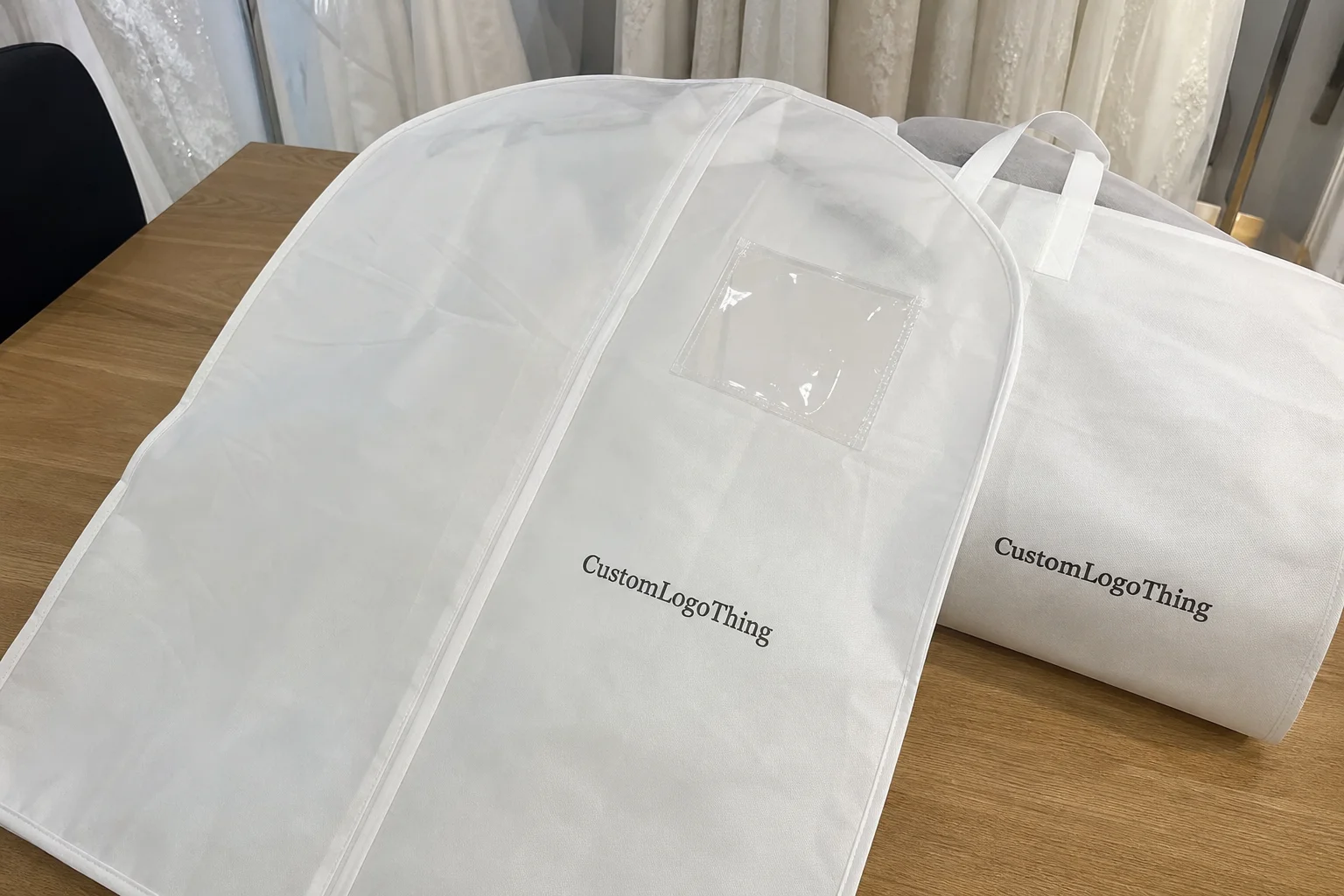
At a basic level, the bag protects the garment from dust, light moisture, fingerprints, and abrasion during handling. That protection is useful in retail, fulfillment, and storage. It also helps keep folded items consistent so the customer or warehouse team sees the product in the intended condition.
The other function is organization. Clear packaging lets staff identify size, color, style, or bundle contents at a glance. That reduces pick errors and speeds up packing. If the bag is reused by the customer, the zipper closure also makes the package more practical for storage after purchase.
Common apparel uses include:
- T-shirts and tanks
- Knitwear and sweatshirts
- Socks and underwear packs
- Sleepwear and lounge sets
- Children's and baby basics
- Two-piece or multi-piece bundles
For shelf presentation, a clear zipper bag can be enough on its own. For parcel delivery, it usually becomes one layer in a larger packaging system. If the full pack-out has to survive parcel networks or pallet moves, testing the outer system matters too. The ISTA organization is a useful reference when packaging performance has to be judged against transit handling.
How the Closure, Film, and Seal Work Together
The closure is what makes the bag practical. A zipper track allows repeated opening and closing without tape or permanent heat sealing. That is useful for retail checks, warehouse verification, and customer reuse. The closure should open smoothly and seal evenly; if it feels sticky or weak, the bag becomes a labor problem.
Film clarity matters just as much. If the material is cloudy, buyers cannot see color, fold quality, or inserts clearly. In apparel packaging, that lowers perceived quality. A smoother, clearer finish usually looks better on retail shelves and makes it easier to spot issues before packing.
Thickness affects both feel and durability. Light film can work for tees or socks, but it may feel flimsy if the bag is opened repeatedly. Heavier film resists scuffing and gives a more substantial handfeel, but it also costs more and can feel stiffer. The right choice is usually a balance between presentation, handling, and budget.
Useful options to ask about include:
- Hang holes for peg display or warehouse hanging
- Gussets for bulkier folded items or sets
- Vents if air release is needed during insertion
- Printed instructions for folding, reuse, or size identification
- Barcode or label windows for faster scanning and sorting
For film performance, buyers often ask about thickness, seal strength, and puncture resistance. If you need a technical benchmark, ASTM film test methods such as ASTM D882 are commonly used to discuss tensile properties on thin plastic packaging. That type of data helps separate a bag that only looks acceptable from one that actually holds up in use.
Specs That Matter When You Choose a Bag for Apparel
Size is the first spec to get right. The bag should fit the folded garment with enough room for clean insertion, but not so much extra space that the item shifts around. Too little room crimps the fabric. Too much room makes the package look loose and unfinished.
For apparel, polyethylene films are common, often in the 40 to 80 micron range depending on garment weight and handling needs. A lighter film can work for basic tees and socks. A heavier film is usually better for thicker knits, repeated opening, or products that need a more premium feel. If the bag stays visible to the customer, clarity and closure feel matter as much as thickness.
Before asking for a quote, compare these core specs:
- Finished size based on the folded garment, not the raw garment
- Film thickness matched to product weight and handling
- Closure style and how easily it opens and reseals
- Print area for logo, care notes, barcode, or size callouts
- Gusseting if you pack bulkier sets or thicker folds
Branding should be planned early, but it should not take over the package. A simple logo, product name, or short care note usually works better than dense artwork. If the bag is part of a broader packaging program, think about it the same way you would think about custom printed boxes: keep the message readable and do not hide the garment. If the system includes paper inserts or swing tags, FSC certification may matter to your sourcing story. The FSC site is the cleanest source for that claim structure.
One detail gets missed often: the bag needs room for the zipper track, the fold margin, and the way the garment shifts during insertion. A folded tee that measures 10 inches wide and 12 inches tall usually needs more room than a buyer first assumes. Sample approval is the easiest way to catch that before production.
| Bag Type | Typical Use | Typical Unit Range at 5,000 Pieces | Notes |
|---|---|---|---|
| Plain clear zipper bag | T-shirts, socks, lightweight basics | $0.05-$0.11 | Lowest complexity; best for internal packing and simple retail packaging |
| Clear bag with one-color logo | Branded apparel, ecommerce prep, retail display | $0.08-$0.18 | Common choice for balanced cost and package branding |
| Custom size with print and added features | Sets, knitwear, premium presentation | $0.14-$0.30+ | Higher setup, more proofing, and tighter spec control |
Cost, MOQ, and Unit Price
Price is driven by size, film thickness, print complexity, and quantity. Larger bags use more material. Thicker film costs more and can take longer to convert. Multi-color printing adds setup and production time. Special features such as vents, euro holes, or gussets also affect tooling and workflow.
MOQ matters because setup costs are spread across the run. Smaller orders usually carry a higher unit price because printing, inspection, and conversion do not scale down cleanly. That does not make small runs impossible. It just means the quote may not improve until the order reaches a production-efficient level. For many apparel bag orders, pricing becomes more attractive somewhere in the 3,000 to 10,000 piece range, but the actual break point depends on the spec.
To compare quotes fairly, keep the assumptions identical:
- Use the same finished dimensions on every quote
- Match the same film thickness and material type
- Confirm whether printing is on one side or both sides
- Ask whether packaging is bulk packed or individually bundled
- Check whether freight, samples, or plate charges are included
If two suppliers show different prices, the difference is often in the spec. One may be quoting lighter film, another a wider zipper, and another stricter color matching. Compare line by line. That is the only fair way to evaluate Custom Packaging Products or any other packaging quote.
A clear spec sheet usually saves more money than a low initial quote. If the garment fit is wrong, the real cost shows up later in rework, returns, and repacking labor.
Production Steps and Lead Time
The workflow usually starts with requirements gathering. The buyer sends garment dimensions, closure preference, quantity, print needs, and any presentation goals. The supplier then reviews artwork, issues a proof, and waits for approval. After sign-off, production begins, followed by inspection, packing, and freight scheduling.
Lead time changes for predictable reasons. Unclear measurements slow the quote. Incomplete artwork slows proofing. Nonstandard dimensions can require new tooling or test runs. If the bag includes special print placement or a custom closure style, extra setup time may be needed. For standard printed work, 12 to 15 business days after proof approval is a reasonable planning figure, with shipping added separately.
Sampling is important when the garment is bulky, tightly folded, or sold with inserts. A sample shows what a drawing cannot: whether the zipper track feels smooth, whether the fold fits cleanly, and whether the logo lands where expected. That matters even more when the same bag will be used across several SKUs or seasonal sets.
For outer carton planning, transit testing should be considered early. The ISTA testing framework is a practical reference if the final package must survive parcel networks, pallet moves, or store replenishment. If your packaging system includes paper elements or inserts, keep the sourcing documentation aligned so the whole package feels deliberate instead of pieced together late in the process.
Do not approve production until the sample proves the fit, the print placement, and the opening behavior. That step is cheaper than correcting a full order.
Common Mistakes That Lead to Wrinkles, Returns, and Reorders
The most common mistake is choosing a bag that is too small. The garment gets crimped, the fold shifts, and the item looks lower quality even when the fabric is fine. Buyers often underestimate how much room the zipper track and folded sleeves need. The bag should frame the product, not squeeze it.
The second mistake is over-specifying. Heavy film, complex printing, or unusual features can look attractive on paper, but they do not always improve the customer experience. If the bag is only used for internal packing, premium presentation features may add cost without adding value. In some cases, that money is better spent on outer packaging or a clearer insert.
Skipping samples is another expensive habit. A spec sheet cannot show whether the closure feels sticky, whether the print shifts under handling, or whether the bag sits flat once the garment is inside. Small issues become labor issues in the warehouse and quality issues at the customer end. The same logic applies when brands focus on custom printed boxes and overlook the apparel bag; every layer needs to function, not just look good in a mockup.
Other avoidable mistakes include:
- Ignoring warehouse handling and stacking pressure
- Forgetting that customers may reuse the bag for storage
- Choosing a closure that is hard to open with gloves or cold hands
- Leaving no room for barcodes, size stickers, or care copy
- Assuming one bag size will work for every style in the line
The best packaging programs are usually straightforward. They are built around the garment, the fold, the channel, and the labor flow. That is what keeps reorders stable and avoids the small packaging failure that becomes a large operational problem.
Next Steps: Build a Clear Spec Before You Request Samples
If you want a quote That Helps You make a decision, build the spec first. Gather the folded garment dimensions, quantity, print area, preferred film thickness, and closure style. If the bag is for retail packaging, note whether the buyer sees the product before purchase or only after unboxing. That changes how much clarity and presentation matter.
A clean spec also makes vendor comparison easier. Ask for the same dimensions, film, print placement, and packaging format on every quote. If one supplier quotes bulk packed units and another quotes individually bundled units, the unit price is not directly comparable. The best comparison is the one built on identical assumptions.
Before committing, request at least one sample or mockup that shows the actual garment fit, logo placement, and zipper behavior. If you manage multiple SKUs, test the biggest and smallest items, not only the easiest one. That is how custom Zip Lock Bags for clothes stay useful across a real production line instead of only working on the prototype table.
For teams evaluating Custom Packaging Products, the strongest result usually comes from tying the bag spec directly to the garment, the sales channel, and the fulfillment process. That keeps the packaging functional, the branding clean, and the order timing predictable.
Frequently Asked Questions
What size custom zip lock bags for clothes should I choose?
Measure the folded garment first, then add enough room for easy insertion and a clean finished look without excess shifting. For sets or bulkier knits, choose a slightly wider or taller bag so the closure does not strain the film. If the item is unusually thick or tightly folded, ask for a sample fit before you approve the full run.
Are custom zip lock bags for clothes reusable?
Yes, many zipper-style bags can be opened and closed multiple times if the film and track are made for repeated use. Reuse depends on thickness, handling, and whether the bag is being used for retail display, storage, or shipping prep. If customer reuse matters, make sure the closure stays smooth and the print remains readable after repeated opening.
What thickness works best for apparel packaging?
Light folded garments can often use a lighter film, while sweaters, multi-piece sets, and repeated handling usually benefit from a thicker bag. The right thickness is a balance between protection, clarity, feel, and cost rather than the heaviest option available. A sample is the fastest way to see whether the bag feels too flimsy or too stiff for the garment.
Can I print a logo on custom zip lock bags for clothes?
Yes, logo printing is common, and the best results usually come from simple placements that do not crowd the garment view window. One-color prints are often the most economical, while multi-color artwork can raise setup time and unit cost. Confirm the print area early so branding does not interfere with size labels, barcodes, or fold visibility.
How long do custom zip lock bags for clothes take to produce?
Lead time depends on artwork approval, film spec, quantity, and whether the order uses standard or custom dimensions. Simple orders usually move faster than printed bags with special features or strict matching requirements. Build in extra time for sampling and freight so the packaging arrives before launch, not after garments are already ready to ship.


