Order Custom Bucket Hats for Subscription Box Brands
A good pair of Custom Bucket Hats for Subscription brands does a lot with very little. It folds down, fits in a mailer, and still feels like a real piece of apparel instead of random box filler. That matters in subscription work, where every item has to justify its space, its cost, and the lift it gives the unboxing moment.
The best versions are not flashy for the sake of it. They are wearable, easy to pack, and clear enough in design that subscribers actually keep them. A hat that gets worn on errands, on vacation, or to the gym keeps showing up long after the box is gone. That is the entire point. Repeated use beats a one-day reveal every time.
Why bucket hats work in subscription boxes
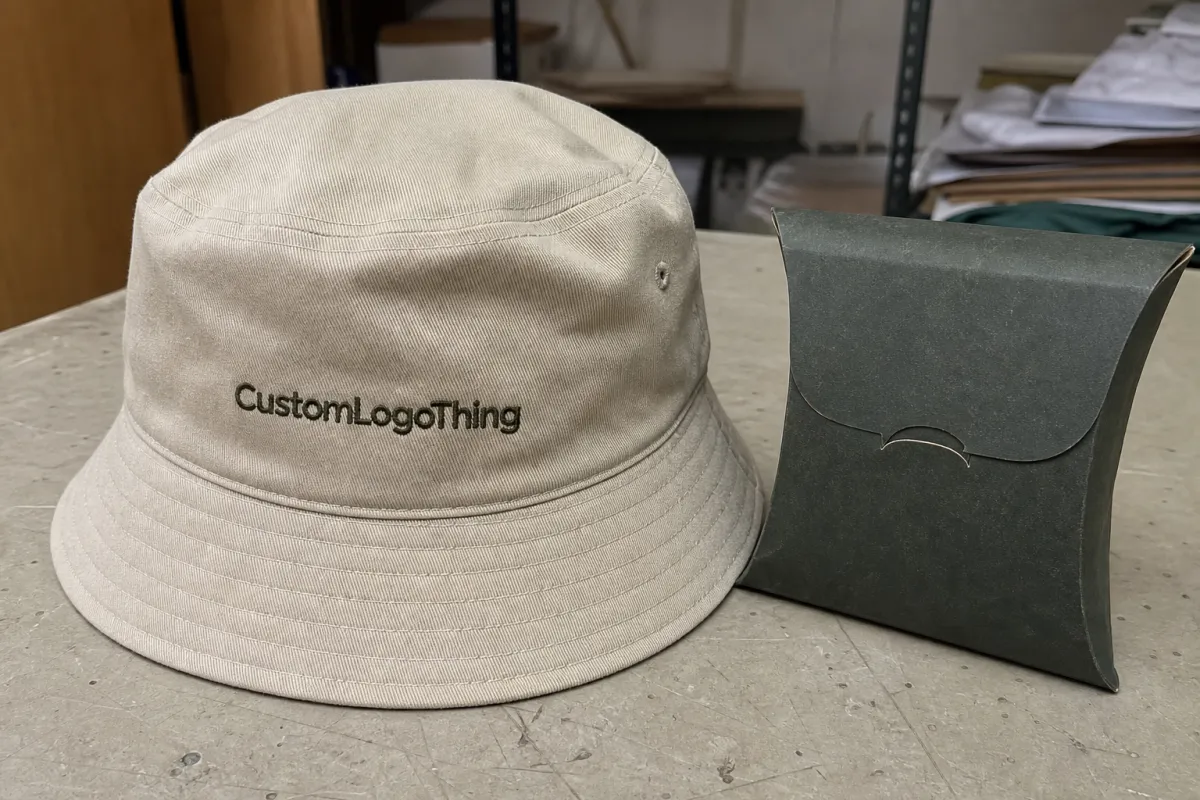
Subscription brands need products that feel premium without blowing up the box plan. Bucket hats sit in that sweet spot. They have enough surface area for branding, but not so much that the decoration has to carry the whole product. They also compress well compared with rigid goods, which helps when the carton size is already locked.
For buyers, the appeal is practical. A hat is easy to understand, easy to photograph, and easy to merch around a season or campaign. It can lean lifestyle, outdoor, travel, beauty, streetwear, or wellness depending on the fabric and finish. A washed cotton hat reads relaxed. A nylon or ripstop version feels more technical. A structured canvas hat has more shape and usually looks cleaner in photos.
There is also a simple economics point here. Apparel has a higher perceived value than many flat inserts, but a bucket hat does not require the packaging gymnastics that a pair of shoes or a rigid accessory would. That makes it a strong fit for custom bucket hats for subscription brands that want something memorable without forcing a full carton redesign.
A hat feels premium when it wears well, not just when it photographs well.
That is the part teams sometimes miss. The unboxing is important, but the second wear matters more. If the item is comfortable, folds without fighting back, and still looks good after a few weeks of use, the brand gets more than one impression from the same unit.
How design, sampling, and fulfillment fit together
With custom headwear, the first conversation should cover more than art files. The factory needs the logo, target colors, rough fit expectation, and any decoration limits. The fulfillment team needs to know how the hat will arrive: flat-packed, lightly shaped, bagged, nested, or packed in a set count per master carton. If those details are not shared early, the quote may look fine while the actual packing plan falls apart.
Sampling is not just a visual approval. It is where the real product shows up. Crown depth changes how the hat sits on the head. Brim width changes the silhouette and the shade coverage. Stitch density changes the hand feel and the stiffness. Even the sweatband matters, especially for all-day wear. A hat can look clean on a render and still feel wrong in person if the proportions are off.
Good sample review should include a few basic checks: Does the hat recover after folding? Does the crown collapse too much in transit? Does the decoration pull the fabric? Is the inside finish clean enough that the subscriber would not notice rough threads or loose edges? Those details sound small. They are the difference between a piece that feels premium and one that feels rushed.
Packaging has to be part of the spec, not an afterthought. A rigid mailer, a corrugated insert, and a soft polybag each change how the hat behaves in shipping. If the item sits alongside paper inserts, tissue, or a box sleeve, the full system should be mocked up before the run starts. For brands already using existing carton formats, it helps to compare the hat against current Custom Packaging Products so the insert, the fill, and the outer box all work together.
Transit testing is worth doing even for a modest run. Compression, vibration, and corner impact can flatten a soft brim or crease a fabric that looked perfect on the table. Teams do not always need a formal lab program, but they should think in that direction. If the packaging program also includes paper components, an FSC source may be part of the conversation. For shipping risk, the thinking behind ISTA methods is useful even when a brand is not running full certification tests.
Fabric, fit, and decoration choices
Fabric choice shapes everything else. Cotton twill is the safest starting point for many subscription programs because it feels familiar, wears easily, and usually prints or stitches well. Washed cotton softens the look and makes the hat feel less retail-technical. Canvas is firmer and gives the crown a more structured profile. Nylon and ripstop are better for outdoor, travel, or active-use boxes because they pack well and dry faster.
There is no universal best option. A beauty subscription that wants a relaxed summer accessory may be better off with a soft brushed cotton. A travel brand may prefer a fabric that resists wrinkling and keeps its shape after being tucked into a suitcase. A streetwear-focused program may want a heavier twill with a low-profile crown and a clean brim line. The audience should decide the material, not the other way around.
Fit deserves more attention than it usually gets. Most bucket hats are sold as one-size-fits-most, but that does not mean every pattern works for every head shape. A shallow crown sits awkwardly. A brim that is too stiff can feel costume-like. A brim that is too soft can lose shape fast. The right balance depends on whether the hat is meant to feel fashion-led, utility-led, or casual.
Decoration methods that make sense
Embroidery is still the workhorse option. It gives texture, holds up in transit, and usually feels more premium than print when the logo is simple. Woven patches are useful when the artwork has small type or sharp edges that would blur in stitches. Print works when the design needs color range or a flatter graphic look. A label at the side seam or back is a good low-key option if the hat needs to stay understated.
| Decoration option | Best for | Typical cost impact | What to watch |
|---|---|---|---|
| Embroidery | Simple logos, premium feel, durability | Moderate | Thread count and density can make the crown stiff if overdone |
| Woven patch | Fine detail, crisp edges, small type | Moderate to higher | Patch size needs to fit the panel without crowding the brim line |
| Bolder graphics, multi-color artwork | Lower to moderate | Ink hand feel and wash durability should be checked on fabric first | |
| Label or trim hit | Minimal branding, fashion-led programs | Lower | Works best as a supporting detail, not the whole story |
For custom bucket hats for subscription brands, restraint usually wins. One clean mark often looks better than a packed crown covered in thread colors and competing elements. The item should feel like something people would wear on purpose, not something they wore because it came free in a box.
Pricing, MOQ, and quote basics
Pricing depends on fabric, decoration method, stitch count, color count, label treatment, packaging format, and whether the hats need special handling for fulfillment. The same bucket hat can price very differently at 500 units and 5,000 units because setup is spread across a different number of pieces. That is normal production math, not a hidden fee.
As a rough planning range, a simple cotton twill bucket hat with one-color embroidery may land around $2.80-$4.50 per unit at about 1,000 pieces before freight and packaging add-ons. If the spec shifts to a woven patch, upgraded fabric, or extra finishing, the range often moves to $3.50-$6.00. Smaller test runs can be done, but unit cost usually climbs because the setup burden is the same while the run is smaller.
MOQ depends on the factory and the decoration method. A straightforward embroidery program may support a smaller pilot. A fully custom pattern, special dye lot, or unusual trim package can push the minimum higher. For subscription brands testing the idea, tiered pricing is the smartest request. Ask for quotes at 500, 1,000, and 5,000 pieces. That usually tells you where the real breakpoints are.
A useful quote request includes:
- Target quantity and alternate quantities for comparison
- Artwork files and Pantone references if color matching matters
- Fabric preference and fit target
- Decoration method and exact placement
- Packaging needs, including folding, bagging, and carton count
- Shipping destination and ship-week target
- Sample requirements and who approves them
If the box program is part of a wider packaging refresh, the quote should also reflect the rest of the system. A hat can be cheap on paper and expensive in practice if it forces a box resize, slower packing, or more filler. The right number is the landed number, not the factory line item.
Production timeline and approval points
A clean schedule usually moves through six steps: spec confirmation, sample development, sample revision, production approval, bulk manufacturing, packing, and transit. Each step has an approval point. Skip one, and the risk shows up later as missed dates, bad fit, or a box that does not close cleanly.
Lead time is not just factory production time. Artwork revisions take time. Material sourcing can take time. Packing instructions take time. Freight changes the calendar again. A realistic plan often needs 12-15 business days for sampling and revisions, then another 20-35 days for bulk production, plus transit depending on the shipping method and destination.
Air freight is faster and more expensive. Sea freight is cheaper and slower. That tradeoff sounds obvious until a launch date is fixed and the budget no longer matches the calendar. For seasonal subscription drops, the safest move is to work backward from the ship date and leave room for sample feedback, final sign-off, and customs or carrier delays.
Rushing the schedule usually creates more expense than it saves. The common failure points are loose stitching, color drift, poor packing, and a carton layout that was never tested with real units. Teams often try to save a week by skipping the sample round. That week tends to come back later as rework, and rework is rarely cheap.
Launch planning for insert-ready packaging
Start with the use case. Is the hat a summer hero item, a loyalty reward, a limited-edition member perk, or a campaign-specific insert? That answer drives the material and the visual tone. A summer box can handle a softer cotton hat with a relaxed logo. A premium membership box may need a cleaner shape and a more controlled color palette.
Then lock the spec before design wanders off. Choose the fabric, crown shape, brim width, decoration method, and packing format the fulfillment team can actually run. The hat should fit the box without causing delays. If the line is already tuned to a certain fill pattern or insert stack, changing the hat can affect the whole packout.
Sample review should happen in context. Check the hat in daylight, check it on a head, and check it inside the real package. That last step matters more than most mockups admit. A product can look right on a table and still feel off once it lands in tissue, a bag, or a tight carton. If the fold leaves a visible crease, adjust the packaging method before release.
A pilot run is usually worth it. Even a small first order gives real data on packing speed, carton fill, subscriber response, and whether the item reads as premium once it is inside the box. A 500-piece test is much easier to fix than a 5,000-piece program. That is especially true for custom bucket hats for subscription brands, where one item has to fit both the brand story and the fulfillment process.
The broader packaging system should stay consistent. The hat, the insert card, the box finish, and the internal packing method need to speak the same visual language. When they do, the item feels intentional. When they do not, the box looks stitched together from separate decisions.
Common mistakes that cost time and money
The first mistake is overdesigning the hat. Too many thread colors, oversized art, or multiple trims can push cost up without making the piece more wearable. A crowded crown often looks less premium than a single clean mark placed with care.
The second mistake is ignoring the packing reality. A hat that springs back too hard, folds awkwardly, or takes up more space than expected can force a box change, lower carton count, or slow the line. The item should fit the fulfillment workflow, not the other way around.
The third mistake is approving a sample in isolation. A hat can look great in a product photo and still be the wrong choice if the brim is too stiff, the fabric wrinkles badly, or the inside finish feels rough. Review it as a working product. That is what the subscriber will receive.
The fourth mistake is underestimating timing. Artwork changes, sample revisions, and freight delays can wipe out margin fast. A few extra days spent upfront usually cost less than one rushed correction later.
One more practical issue: if the launch depends on custom cartons, inserts, or tissue, bring the packaging team in early. A bucket hat may be the hero piece, but the unboxing still has to close, stack, and ship without friction.
Practical buying checklist
For teams reviewing custom bucket hats for subscription brands, the most useful checklist is short and concrete.
- Confirm the audience and the use case before choosing fabric
- Pick one clear branding method instead of stacking multiple effects
- Review crown depth, brim width, and inside finish on a physical sample
- Test the fold and the carton fit with the real packaging format
- Ask for tiered pricing so pilot and scale costs can be compared cleanly
It also helps to compare two or three decoration options before locking the run. The cheapest-looking spec is not always the cheapest once you factor in freight, packing, and subscriber reaction. A slightly better fabric or a cleaner patch can improve retention, sharing, and repeat wear enough to justify the difference. That is a better trade than chasing the lowest unit price and ending up with a hat nobody reaches for.
The end goal is simple. Make a bucket hat that feels thoughtful, fits the box, survives transit, and gets worn enough to keep the brand visible after the unboxing. If it does those four things, it has done its job.
FAQ
What makes custom bucket hats for subscription brands a strong insert choice?
They offer a good mix of perceived value, wearability, and packability. Subscribers understand what a bucket hat is, and the item usually feels more substantial than a flat insert without taking over the full box plan.
What MOQ should a subscription brand expect?
MOQ varies by factory and decoration method. Smaller test runs are possible, but the unit price usually rises as the run gets smaller. Asking for tiered pricing is the easiest way to see where the volume break makes sense.
Which decoration method works best?
Embroidery is usually the safest option for durability and a premium hand. Woven patches work well for detailed logos, and print is better when the design needs more color or a flatter graphic look.
How do these hats affect packing and shipping?
The fold, the packaging format, and the carton count all affect how smoothly the item moves through fulfillment. That is why the physical sample and the packing mockup should be reviewed together before production starts.
How long does production usually take?
A realistic schedule often includes 12-15 business days for sample development and revisions, then 20-35 days for bulk production, with freight added on top. Artwork changes, material sourcing, and shipping method can all move the calendar.
Handled well, custom bucket hats for subscription brands are one of the easiest ways to make a box feel considered without making fulfillment messy. The product is simple. The planning behind it is not.

