If you are comparing patch beanies for a candle brand, the main risk is usually not the quote. It is approving a beanie colorway before the logo has been tested against the available patch space. A mark that looks clean on screen can become too small, too busy, or too low-contrast once it sits on knitwear. That affects proof time, unit cost, and whether the design is worth running at scale.
For merch, event giveaways, or staff gifts, the right decision depends on quantity, deadline, artwork complexity, and how much detail the patch needs to carry. A small sample run can hide problems that show up at 300 or 500 units. Readability, stitch density, and patch placement all matter once the order moves into production.
Why bulk beanie orders fail when the logo is decided too late
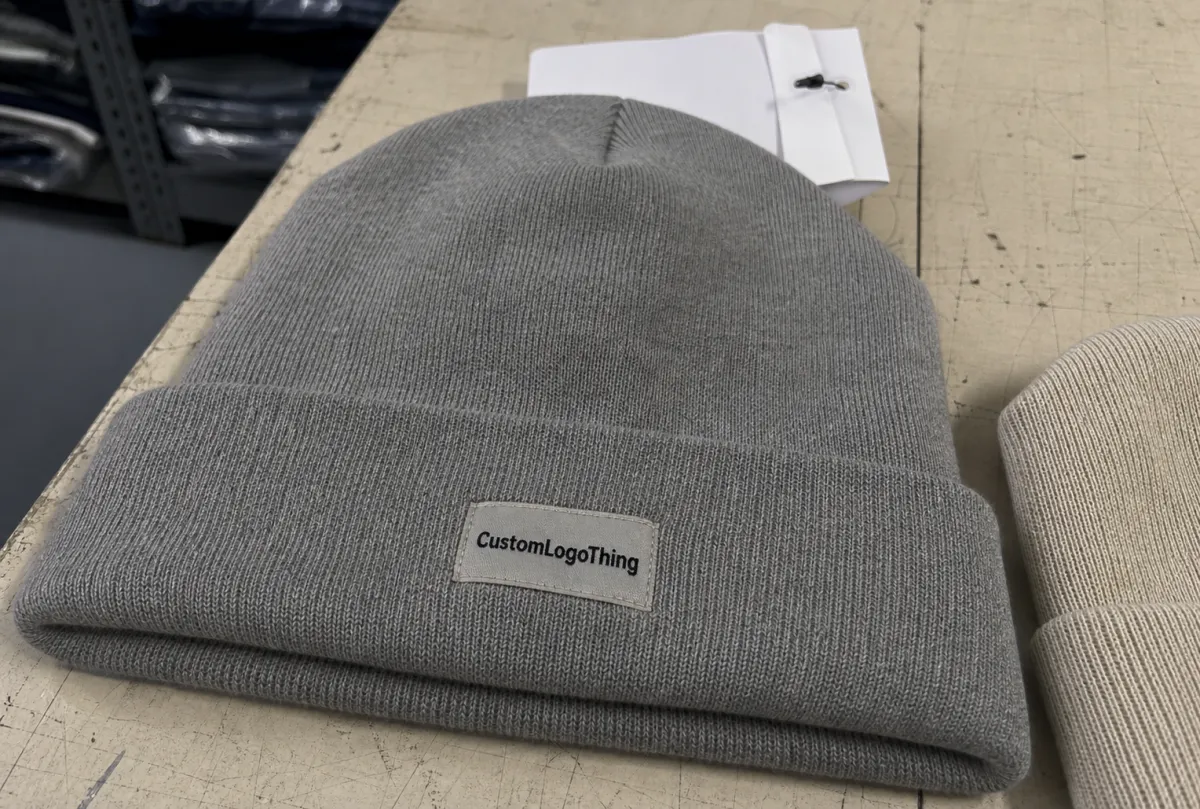
Most delays start with the same sequence: pick the beanie style, then color, then packaging, and only after that test the logo. By then, the patch may be too wide for the cuff, too small for the artwork, or too detailed for the knit texture. In candle logo patch Beanies Bulk Order Planning, the decoration should be checked before the quote is finalized.
Small decoration choices change cost more than buyers expect. A 2.5-inch woven patch and a 3.5-inch embroidered patch are not interchangeable. The larger version may improve legibility, but it can add 10% to 25% to the cost depending on thread count, backing, and placement. If the artwork needs cleanup, digitizing and proof revisions add more time and expense.
The real planning question is use case. Retail merch needs a polished finish. Event giveaways need visibility from several feet away. Employee gifts can tolerate simpler decoration if the color story is right. Those uses point to different patch sizes, different placement choices, and different budget ceilings.
If the logo cannot be read at arm's length on the mockup, it will not read well in real use either.
A low unit price can hide a flat patch, thin stitch coverage, or a setup fee that appears after artwork submission. Buyers who decide the decoration first usually get fewer revisions and a more accurate landed cost.
Patch beanie styles, placements, and decoration choices
Not every beanie supports the same patch. A cuffed beanie gives you the most stable front panel and the easiest visibility. A slouch style has more drape, which can soften the logo impact unless the patch is sized carefully. Rib-knit styles stretch differently than smoother knits, so a patch that centers well in proof can still shift when worn. Uncuffed beanies can work too, but the usable area is less forgiving.
Placement matters as much as style. Front center is the safest choice for brand recognition. A slight offset can feel more modern, especially for minimal candle branding. Side placement works when the logo is simple and the front is reserved for texture. If the design includes a wordmark and icon together, a larger front panel usually preserves legibility better than a small side patch.
Patch materials each bring a different look and production limit:
- Woven patches handle fine linework better than embroidery and are often the best choice for detailed flame icons.
- Embroidered patches add texture, but small lettering can fill in if the patch is scaled too small.
- PVC patches look bold and clean for simple marks, though they may not fit every brand aesthetic.
- Leatherette patches feel premium and subdued, but contrast depends on stamp depth and surface finish.
- Felt patches suit heritage or craft-led branding, but they work best with very simple artwork.
For candle brands, the most reliable option is usually the one that simplifies the logo without making it generic. A flame icon, monogram, or short brand name usually translates better than a full scene or tiny tagline. The more the patch has to do, the larger and cleaner the beanie area needs to be.
Artwork specs, patch size, and color matching rules
Artwork quality determines how fast the project moves. A vector file in AI, EPS, or PDF format is the safest starting point because it keeps edges clean at any scale. Fonts should be outlined. If the logo contains a small flame, thin serif type, or a fine border, that detail needs to be checked against the patch size before anyone approves a proof.
Minimum line thickness matters. On woven or embroidered patches, tiny strokes can disappear once the artwork is converted into stitch logic. Many suppliers need lines that are thick enough to survive the decoration method, not just the screen mockup. When the patch is under roughly 2.5 inches wide, fine detail often becomes a liability.
Color matching is more complicated than buyers expect. Pantone targets help, but yarn variation, dye lot differences, and patch material all change how the final color reads under warehouse or store lighting. A cream beanie can look warmer next to a matte leatherette patch than next to a woven one. That is normal and not necessarily a supplier error.
Proofing should reflect that reality. A digital mockup is useful for layout, placement, and general contrast. A stitched sample or production swatch is better for texture and readability. The two can differ because texture creates shadow, and shadow changes perceived color.
For packaging or shipping benchmarks, the most useful references are tied to real handling conditions. The ISTA test methods are a strong starting point for cartons moving through retail channels, and the FSC system helps when paper inserts, hang tags, or mailer boxes need documented sourcing. Those details do not change the beanie itself, but they do affect the quality of the finished order.
Pricing, MOQ, and candle logo patch beanies bulk order planning
Pricing is driven by quantity, patch complexity, yarn color count, packing format, and how much manual handling the order needs. In candle logo patch beanies Bulk Order Planning, the real comparison is not cheap versus expensive. It is what is included versus what gets added later.
MOQ logic is usually straightforward. A supplier may quote one number for a 100-unit test run and a much better per-unit rate at 300, 500, or 1,000 units. That discount exists because setup work gets spread across more pieces. If the patch requires multiple colors, a dense stitch pattern, or separate packing by size or color, unit cost can rise quickly. Setup fees, digitizing, sampling, and rush charges are what make a quote honest or misleading.
Here is a practical comparison frame buyers can use:
| Order Type | Typical Quantity | Common Setup Cost | Typical Unit Range | Best Fit |
|---|---|---|---|---|
| Test run | 50-100 pcs | $30-$120 | $8.50-$14.00 | Artwork validation, small internal launch |
| Standard bulk | 300-500 pcs | $60-$180 | $5.50-$9.00 | Retail merch, seasonal drop, event stock |
| Deeper wholesale run | 1,000+ pcs | $100-$300 | $4.25-$7.00 | Nationwide rollout, distributor program |
These ranges move with material choices and decoration method. A woven patch with simple text may land lower than an embroidered patch with dense thread coverage. Custom packaging also changes the number. A plain polybag is not the same as a custom belly band, printed insert, or retail header card. If a buyer compares only unit price, the real cost can still be higher after freight and rework.
Fast turnaround and best decoration quality are rarely the same quote. A supplier promising both without asking for artwork details is usually leaving something out. It helps to compare three numbers side by side: low price, fastest delivery, and strongest finish. That comparison usually exposes the tradeoff immediately.
Production steps and timeline from quote to shipment
A clean order follows a clear path, and each step depends on the one before it. The usual workflow is:
- Inquiry and quote - Share quantity, style, patch type, target delivery date, and logo file.
- Artwork review - The supplier checks size, line weight, and whether the logo needs simplification.
- Digital proof - Layout, placement, and color references are confirmed in writing.
- Sample approval - Optional for simple jobs, recommended for fine detail or new brand marks.
- Bulk production - Beanies, patches, and packing are manufactured and assembled.
- Quality check - The order is inspected for stitch accuracy, alignment, and count.
- Shipment - Freight method is chosen, paperwork is issued, and cartons move out.
For a straightforward project, the proof stage may take 1 to 3 business days, and bulk production may run 12 to 18 business days after approval. If the patch is custom, the logo is detailed, or the beanie color must be sourced, the timeline can stretch longer. Freight is the final variable. Air shipment can save a launch date, but it raises landed cost. Ocean or ground shipping lowers the rate and extends the calendar.
Delays usually come from three places: missing artwork, late approvals, and material backorders. Revisions cause their own damage because they reset the clock. A buyer who asks for three rounds of proof changes is not just changing design; they are also moving the ship date. The approval owner should be named early, not after the first proof arrives.
Good production planning also includes carton expectations. If the beanies are retail-ready, confirm whether they need polybags, size stickers, individual hang tags, master cartons, or carton markings. If the goods are going through distribution, ask about carton strength and handling requirements instead of assuming standard packing is enough. For many apparel programs, the right shipping spec is as valuable as the decoration spec.
What separates a reliable patch beanie supplier from a guesser
Reliable suppliers do not just say yes. They explain tradeoffs. That is usually the biggest difference between a clean order and a disappointing one. A good vendor will tell you when the logo should be simplified, when the patch needs to grow, or when the cuffed style will improve the result more than a lower price ever could. A guesser accepts the order and hopes the proof saves it later.
Transparent sampling matters more than polished sales language. If a supplier can show how the patch will be made, what the backing is, and where the logo sits on the beanie, the buyer gets fewer surprises. Proof accuracy should include dimensions, patch shape, color references, and placement. If any of those are vague, the final order is carrying avoidable risk.
Look for these operational signals:
- Clear MOQ tiers with no hidden jump in price after artwork submission.
- Written approvals so the proof, quantity, and packing format are documented.
- Reasonable lead times that account for sampling and production, not just optimistic promises.
- QC checks for patch alignment, thread consistency, and carton counts.
- Change-order policy that explains what happens if the logo changes after approval.
From an operating standpoint, the best suppliers speak like production people, not just salespeople. They know when a 2-color woven patch is cleaner than a 6-color embroidered patch. They know how a production shift affects trim, packing, and freight. They also know when to say the design needs a wider face panel or a simpler icon. That kind of guidance usually saves money, even when the initial quote is not the lowest one in the inbox.
If you need a broader purchasing reference, review the Wholesale Programs page to compare order formats, then cross-check your order details against the FAQ before you approve a final proof. That extra pass is often the difference between a normal run and a costly correction.
What to send before requesting a quote and placing the order
The cleanest quote request is the one that answers questions before they are asked. For candle logo patch Beanies Bulk Order Planning, send the essentials in one message: the logo file, chosen beanie style, patch type, target quantity, color count, and in-hands date. The more complete the brief, the less likely the quote will change after review.
Use this short checklist:
- Vector logo file, with fonts outlined
- Preferred beanie style and color
- Patch material and approximate size
- Quantity by color, if multiple colors are needed
- Packaging requirements and labeling needs
- Decision owner for proof approval
- Delivery deadline and shipping destination
It also helps to define who approves the sample, who signs off on revisions, and who receives tracking updates. That sounds administrative, but it prevents a lot of slowdowns. If the marketing team wants visual approval and operations wants carton control, both should be named before the first proof comes back. Otherwise, the file gets passed around while the production slot sits idle.
If the logo has fine text, a narrow flame detail, or a complicated outline, request a sample or pre-production proof. That is not overkill. It is insurance against a bad bulk run. The cost of one sample is usually easier to absorb than the cost of 300 pieces that miss the brand standard. Also confirm whether the packing is retail-ready, bulk packed, or mixed by color before payment clears, because that decision affects labor and freight.
Good planning is not about finding the cheapest quote. It is about matching the right patch, the right beanie, and the right production path to the use case. When the artwork is clean, the specs are specific, and the approvals are fast, the order moves like a proper wholesale buy instead of a guessing game.
How many candle logo patch beanies should I order for a better unit price?
Pricing usually improves in tiers, so moving from a small test run to a larger bulk bracket can lower the per-unit cost. The best quantity depends on setup fees, decoration complexity, and whether you need custom packaging. Ask for quotes at multiple quantities so you can see the real breakpoints before you commit.
What artwork is best for candle logo patch beanies bulk order planning?
A vector file with clean outlines is the safest format because it scales without losing edge clarity. Simplified logos often translate better to a patch than artwork with tiny text or thin decorative lines. If the logo has gradients or fine flame details, ask for a simplified production version before sampling.
How long does production usually take for patch beanies?
Timeline depends on artwork approval, sample needs, material availability, and the size of the order. A straightforward run moves faster than a custom patch with multiple revisions or rushed freight. Build in extra time for proof changes so the shipment date does not slip.
Can I order different beanie colors in one bulk run?
Yes, but color variety can affect pricing, stock availability, and packing complexity. Some suppliers require each color to meet a minimum quantity inside the total order. If you need multiple colors, confirm whether the MOQ applies per color or across the whole order.
What should I confirm before approving the final proof?
Check patch size, placement, stitch or print detail, color matches, and any spelling or logo alignment issues. Confirm the packing format, labeling needs, and whether the proof reflects the exact beanie style you ordered. Once approved, changes can add cost and delay the delivery schedule.


