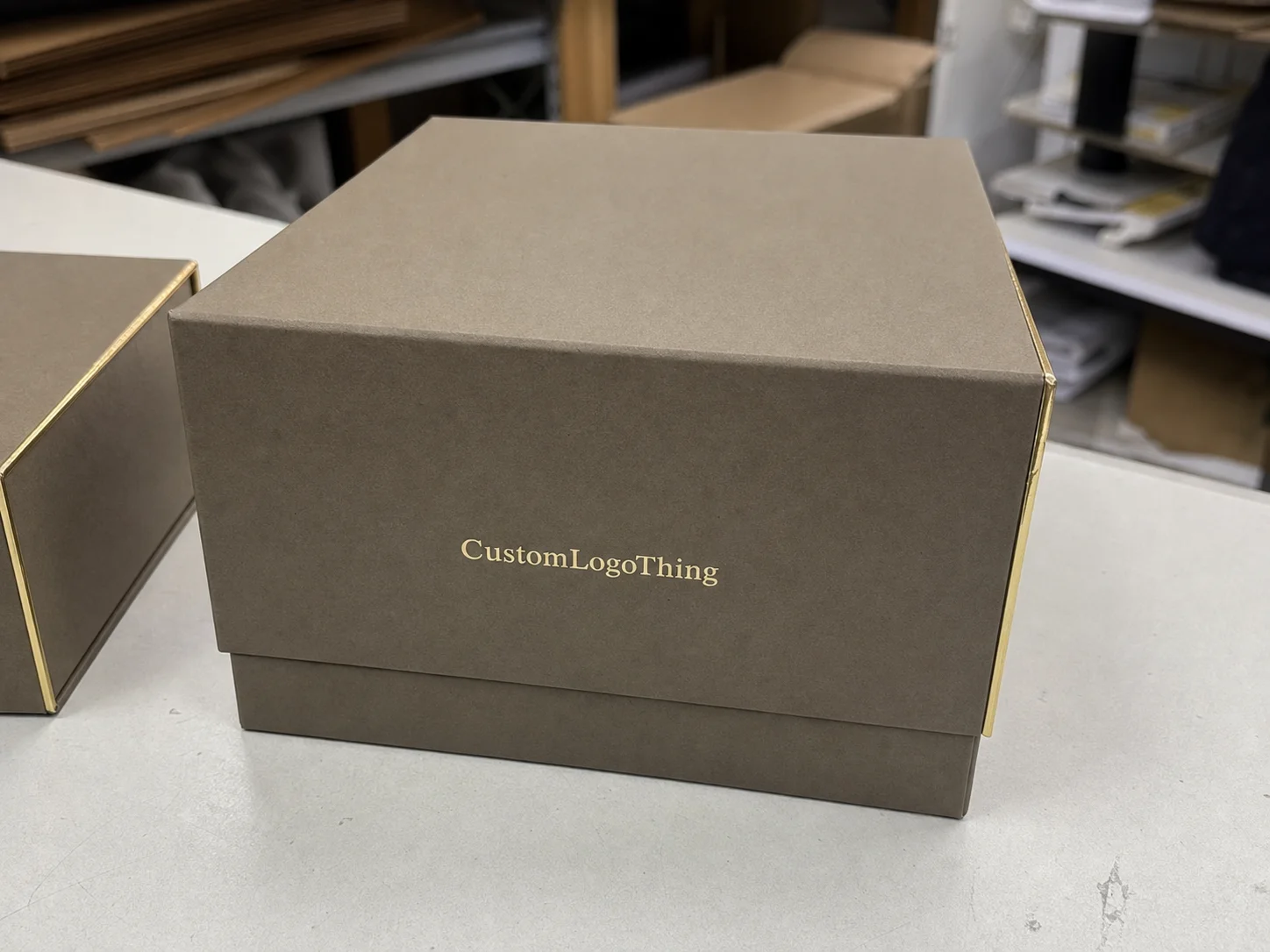
Custom carton boxes look basic until they hit a warehouse floor, a parcel belt, or a customer’s hands. That is where the spec is tested. A box that is slightly oversized increases freight volume and void fill. A box that is too tight slows packing and can crush corners or damage product surfaces. The issue is usually not the carton itself. It is the mismatch between the carton and the job.
The real decision is not just size. It includes internal dimensions, board grade, flute profile, closure style, print method, and how the finished pack behaves in storage and transit. Get those right, and the carton stops being a generic container and starts doing useful work.
What Custom Carton Boxes Solve
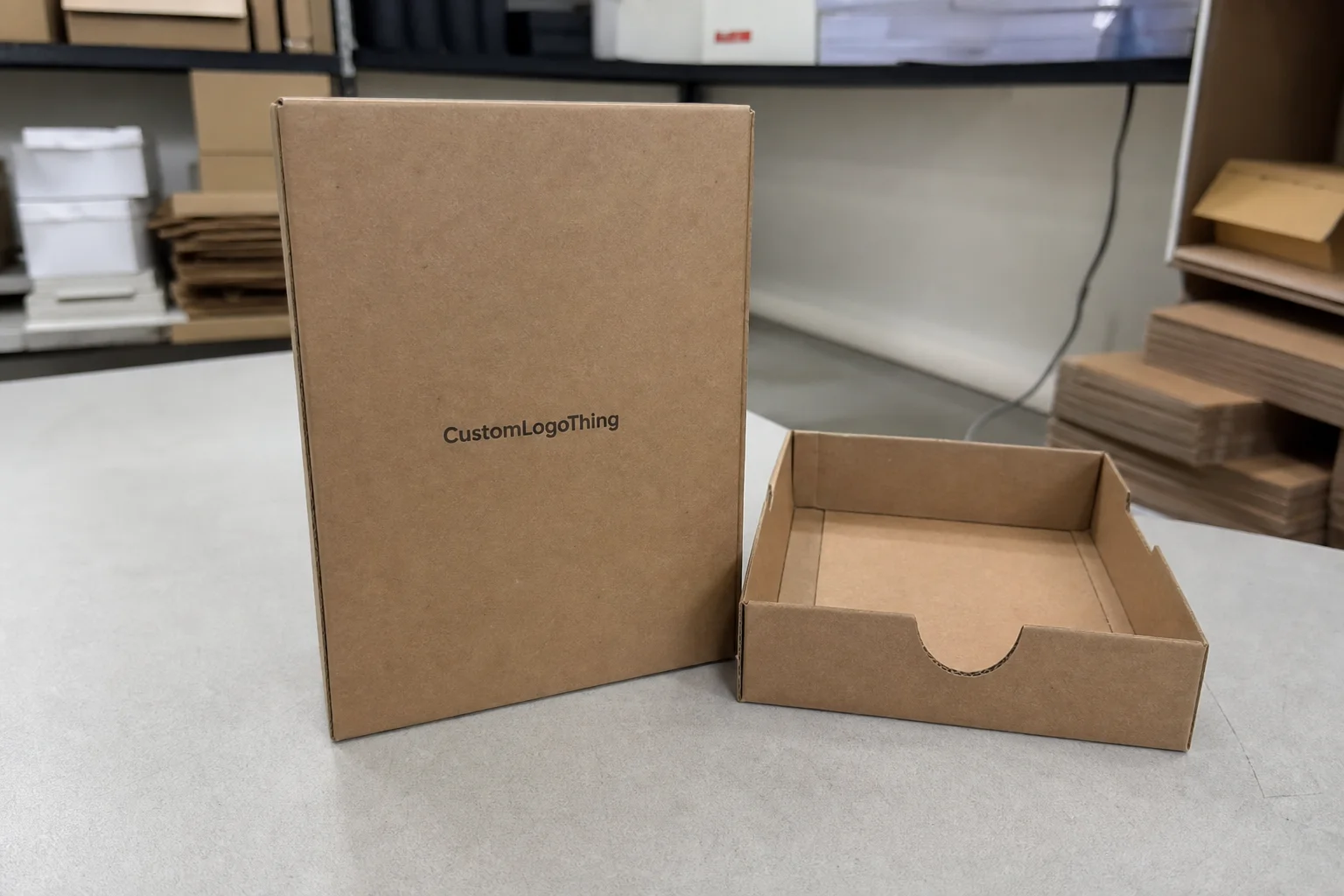
A carton has three main jobs: protect the product, move efficiently through the supply chain, and present the brand clearly enough that the pack looks intentional. If one of those is missing, the box is underperforming.
Protection is the obvious function. A carton needs to handle compression, vibration, drops, and rough handling without collapsing or letting the product shift. Shipping efficiency matters just as much. Every extra millimeter can affect dimensional weight, pallet density, and storage. Brand presentation is visible, but it still has practical limits. A clean print on a box that scuffs or splits is not a win.
The cost of a poor carton shows up in multiple places: extra board, more void fill, repacking labor, and lost pallet space. In many operations, the cheap option becomes the expensive one after a few thousand shipments.
- Protection: correct board and flute choices reduce crush, puncture, and edge damage.
- Freight efficiency: tighter dimensions can reduce dimensional charges and pallet waste.
- Brand control: cleaner print panels improve package branding and reduce visual noise.
Good buyers think in systems. They look at the packed product, the pack line, the carrier lane, and the storage footprint together. A box can look fine on a dieline and still fail when it meets the actual workflow.
Labor also matters. If a carton takes longer to fold, needs more tape, or forces operators to fight the product into place, the small friction compounds. Over volume, a few seconds per pack is meaningful cost.
How Carton Design Works
Two cartons can share the same outside dimensions and perform very differently. Internal size, board caliper, and flute profile all change how much the carton can hold and how well it survives handling.
Internal size is the starting point
Measure the packed product, then account for inserts, cushioning, sealing clearance, and any space needed for easy loading. If operators must force the product into the carton, the spec is already off. Internal dimensions are the number that matters in production.
This is especially important for irregular shapes, fragile finishes, and multi-component packs. The carton has to fit the item, not just contain it.
Flute profile and crush resistance
B flute, C flute, and E flute solve different problems. B flute is thinner and often used when tighter outside dimensions or a cleaner print surface matter. C flute is a common shipping choice because it balances cushioning and stacking strength. E flute is thinner still and works well for retail presentation or when footprint matters.
Double-wall options such as BC or EB make more sense when the carton is heavier, the route is rougher, or the pack will be stacked for a while. Extra board improves strength, but it also raises cost and can reduce internal opening, so the choice has to match the product and lane.
If a carton will travel far, face multiple handoffs, or sit in warehouse storage, compression strength matters more than a polished mockup. For parcel and mixed-freight shipments, the ISTA transit testing standards are more useful than guessing from a desk sample.
Inserts, scores, and print panels are functional
Inserts stop movement, reduce abrasion, and keep components from damaging each other. Score lines affect how cleanly the carton folds and whether it wants to spring back during assembly. Print panels matter because artwork placement affects barcode scanning, legal marks, and shelf visibility.
The dieline is a production tool, not just an artwork file. A good dieline makes the box easier to assemble, inspect, and ship. A bad one creates work for everyone downstream.
Key Specs That Change Strength and Branding
Strength and branding do not always move in the same direction. Heavier board protects better but costs more and prints differently. More refined finishing improves presentation but can raise price or show handling marks differently. The right spec is the one the product, lane, and margin can support.
Single-wall versus double-wall
Single-wall construction works for many e-commerce, retail support, and light industrial uses. It is lighter, easier to store flat, and usually less expensive. Double-wall makes more sense for heavier products, higher stack loads, or rougher transit.
A carton that ships once to a customer does not need the same structure as one that sits in a warehouse for weeks and then moves by mixed freight. The build should follow the use case, not the habit.
Flute choice follows the same logic. E flute generally gives a cleaner print surface. C flute offers more cushion and broader shipping performance. BC board is stronger when compression and impact risk rise. There is no universal winner.
Print, coatings, and finish
One-color kraft print can look sharp when the typography is disciplined and the layout is clear. Full CMYK coverage makes cartons feel more retail-ready, but it also adds cost and can show wear sooner. Matte coatings usually hide handling marks better than gloss. Soft-touch can feel premium, but only if the margin supports it.
Branding works best when it is controlled. One strong logo, clear hierarchy, and good ink contrast often outperform busy graphics. Buyers sometimes overdecorate because it looks good in a proof. That is not the same as looking good after 5,000 units move through a warehouse.
Sustainability and storage
Recycled content matters, but performance matters more. A carton that uses recycled fiber and still passes handling tests is a useful result. If the supply chain needs chain-of-custody documentation, FSC-certified board may be relevant. Guidance is available through FSC certification guidance.
Storage is part of the spec too. Flat-packed cartons save space. Standard bundle counts make replenishment easier. A carton that reduces void fill or removes a second shipper can lower material use and labor at the same time.
Process and Lead Time: From Quote to Delivery
Most quoting delays come from incomplete information. If a supplier does not know the product dimensions, weight, target quantity, print requirements, destination, and any compliance needs, the quote will be padded or revised later. Neither helps.
The cleanest way to buy custom carton boxes is to treat the request like a compact spec package. Better input means less guesswork and fewer surprises later in the pack room.
- Quote intake: send product measurements, pack configuration, target volume, shipping method, and print goals.
- Dieline review: confirm internal dimensions, flap arrangement, fold style, and any insert or score needs.
- Proof approval: check artwork placement, barcode contrast, copy, bleed, and small type.
- Sampling: test physical samples with the actual product, not a placeholder.
- Conversion and finishing: print, die-cut, crease, and apply any coating or special fold requirements.
- Packing and freight handoff: bundle, palletize, and ship according to the agreed domestic or export plan.
Lead time depends on complexity. A simple unprinted carton can often move from approval to shipment in roughly 10 to 15 business days. Printed cartons with standard finishing usually need 15 to 25 business days. Heavy board, inserts, coatings, or multiple revision rounds can extend that to 20 to 35 business days. Freight time is separate.
Rush orders can work, but only when the structure is straightforward and approvals move quickly. If artwork is still changing, rush production does not solve the problem. It compresses the risk.
"The sample is not paperwork. It is the first real check on fit, fold, strength, and packing speed."
A digital proof confirms placement. It cannot tell you whether the box snaps shut, buckles at the corners, or slows the line because the folds fight back.
Pricing, MOQ, and Unit Cost: What Changes the Quote
Unit cost is shaped by size, board grade, print method, finish, and order volume. Smaller runs almost always carry a higher per-box setup burden because fixed work gets spread across fewer units. The better question is not “What is the cheapest carton?” It is “What structure gives the best cost-to-performance ratio for this lane?”
| Option | Typical use | Indicative unit cost at 1,000 | Indicative unit cost at 5,000 | What drives the price |
|---|---|---|---|---|
| Single-wall, unprinted kraft | Light shipping cartons, simple e-commerce packs | $0.55-$1.00 | $0.30-$0.60 | Size, board grade, die tooling, bundle count |
| Single-wall, 1-2 color print | Brand-led shipping cartons and retail support packs | $0.75-$1.35 | $0.45-$0.85 | Ink coverage, registration, plate setup, finish |
| Double-wall, plain or printed | Heavier products, stacked storage, rougher transit | $1.20-$2.10 | $0.80-$1.55 | Board weight, compression target, print complexity |
These ranges are directional, not a quote, but the pattern is consistent. Larger volumes reduce setup burden, while stronger board and more involved graphics push price up. MOQ varies by supplier, print method, and material configuration. There is no universal minimum order quantity for custom carton boxes.
Hidden costs matter just as much as headline pricing. Tooling, plates, samples, freight, palletization, and special packaging requirements can tilt a low quote in the wrong direction. A supplier that looks cheaper by a few cents may cost more if the bundles are awkward or the freight is inefficient.
Price also changes with board availability and order timing. A spec that depends on a less common flute, heavier basis weight, or special coating can cost more because it is harder to run efficiently.
If you want a simple way to reduce cost without weakening the pack, start here:
- Standardize dimensions across SKUs where the product family allows it.
- Reduce print coverage from full wrap to one or two controlled panels.
- Use one carton structure for multiple items instead of chasing a unique size for every variation.
- Keep closures and inserts simple unless the product truly needs extra control.
If you are narrowing options quickly, browsing Custom Packaging Products can help before you request exact pricing. A tighter brief usually gets a better quote than a vague request with no pack details.
Common Ordering Mistakes That Waste Money
The most expensive sizing mistake is quoting from outer dimensions or product length alone. That misses the room needed for inserts, sealing, and handling tolerance. A carton that fits on paper can still fail in the pack room because the actual product needs more clearance than the spreadsheet suggested.
The next mistake is ignoring warehouse reality. If the finished box does not fit pallet patterns, storage racks, or automated packing lines, the problem shows up every day. A carton can pass a visual review and still waste labor because it folds slowly or forces operators to stop and adjust the closure.
Artwork errors are just as costly. Do not approve a print file without checking bleed, barcode contrast, small type, and panel placement. A logo too close to a fold or a barcode that scans poorly can lead to reprints, delays, or manual intervention after production starts.
- Ordering by outside size instead of internal size.
- Skipping a sample and assuming the dieline is enough.
- Choosing a finish that looks good but scuffs too easily in transit.
- Overbuilding the carton for a product that does not need it.
- Underestimating how much assembly time matters at scale.
That last point is easy to dismiss until the numbers land. If a carton saves 6 seconds per pack and you ship 15,000 units, that is about 25 labor hours recovered. That is real cost.
Another common miss is assuming all suppliers mean the same thing by “same size” or “same material.” Board caliper, flute type, and compression target can vary enough to change the result. If the spec is not written clearly, the quote comparison gets muddy fast.
Expert Tips and Next Steps for a Better Order
The most useful thing you can do before requesting quotes is build a one-page spec sheet. Include the packed product dimensions, product weight, shipping method, target quantity, brand goals, required timeline, and any pass-fail expectations for damage or compression. That gives suppliers enough information to propose a structure that fits the job instead of improvising one.
Then compare at least two physical samples against the actual product. Not beside it on a desk. In hand. Fit, closure, edge strength, and packing speed tell you more than a rendered proof ever will. One carton may look nearly identical to another and still fold faster, stack better, or move more cleanly through the operation.
If you manage multiple SKUs, consolidate where it makes sense. Fewer structures usually mean easier purchasing, lower inventory risk, and simpler training for the pack team. That matters most when one carton can serve several product variants with only minor insert changes.
Quality control should not stop at approval. A useful carton spec includes checks for board grade, print registration, crease quality, glue alignment, bundle count, and pallet stability. Those are ordinary checks, not luxury extras. They prevent the kind of drift that turns a good spec into a bad shipment six months later.
From a buyer’s point of view, the best order is the one that survives the real environment, not the one that sounded best in email. Use the sample, verify the freight plan, keep the artwork review strict, and make the structure carry its weight. If you need a place to compare options, return to custom carton options and judge them against the product, not against a guess.
When the spec is right, custom carton boxes reduce waste, protect margin, and make the packing process easier to run day after day.
Frequently Asked Questions
How do I choose the right size for custom carton boxes?
Measure the packed product, not the bare item, and add clearance for inserts, sealing, and safe handling. Ask for internal dimensions and confirm how much room is needed for stacking or protective cushioning.
What affects the lead time for custom carton boxes the most?
Proof approvals, artwork revisions, sample requests, print complexity, and order quantity usually change the schedule most. Rush orders can work in simple cases, but only when the design is straightforward and approvals move quickly.
What changes the price of custom carton boxes the fastest?
Size, board grade, print coverage, finish, and quantity are the main drivers of unit cost. Small design changes can have a large pricing impact if they alter tooling, material yield, or production setup.
What is MOQ for custom carton boxes?
MOQ depends on the supplier, print method, and material configuration rather than one universal number. Ask whether different SKUs can share tooling or a standard structure to reduce the minimum order barrier.
Do I need a sample before ordering custom carton boxes?
A sample is strongly recommended for fragile, high-value, or tightly packed products because fit and strength are easier to validate in hand. Use the sample to check closure, stacking, barcode placement, and whether the box actually saves time in packing.