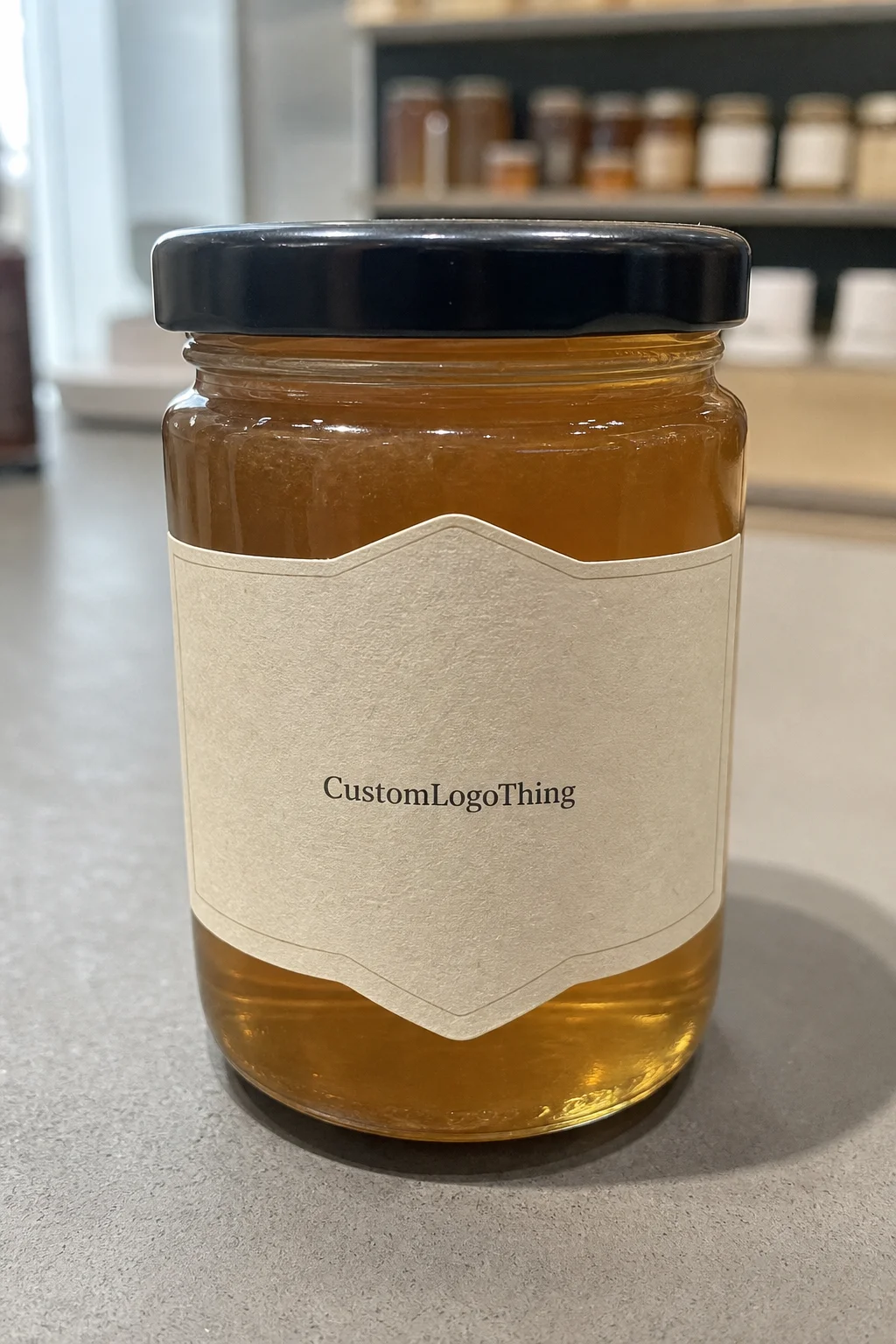
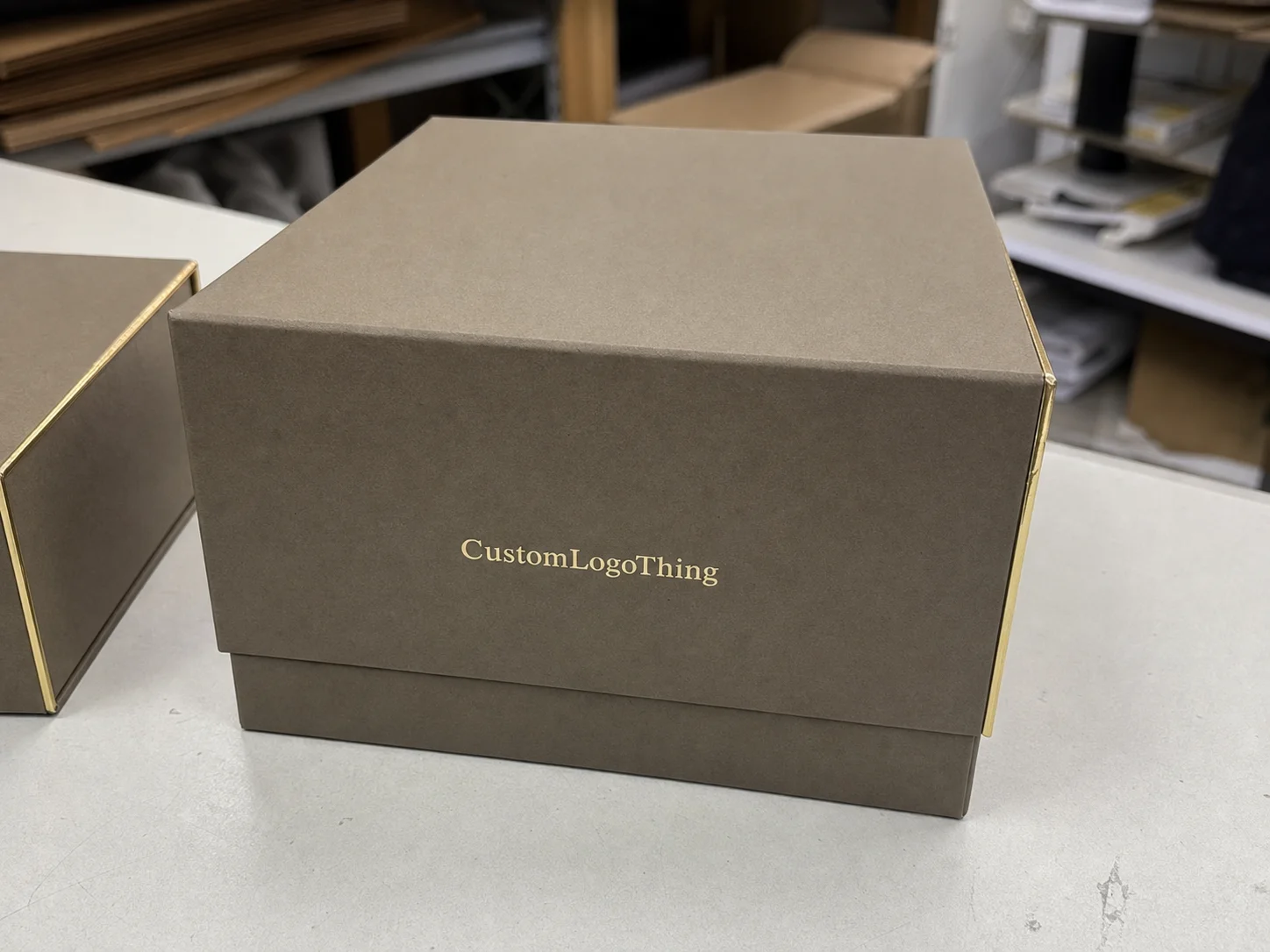
Custom candle boxes do more than hold a jar. They set the tone before anyone smells the wax, reads the scent notes, or decides whether the price feels fair. That matters because candle packaging has to do two jobs at once: protect a heavy, fragile product and make it feel giftable, shelf-ready, and worth the margin.
From a packaging buyer’s perspective, the box is not decoration. It is part of the product system. If the structure is weak, you pay for crushed corners, broken glass, and complaints. If the structure is thought through, the same candle reads cleaner, more premium, and easier to give. The formula does not change. The perception does.
A lot of candle programs start in the wrong place. The artwork gets approved before the dimensions are locked. That is backwards. Fit comes first. Material comes second. Graphics come after the box can survive the product it is meant to carry.
Custom candle boxes: why the unboxing starts before the lid comes off
Most shoppers judge a candle by the box before they judge it by the scent. That is how retail packaging works in the real world. A tight, well-printed carton suggests a careful brand. A thin, oversized sleeve suggests a lower price point than the product is trying to claim. With custom candle boxes, the package is part of the sale, not an afterthought.
In plain terms, these are branded secondary packages built around the exact candle format you are selling. The box has to fit the jar, support the weight of the product, and match the channel. A 9 oz glass jar for a boutique shelf does not need the same structure as a two-piece gift candle shipped through e-commerce. That sounds obvious. It still gets missed all the time.
The hidden problem is weight. Candles are compact, but they are dense. Add glass, fragrance oils, a lid, and sometimes a matchbook or accessory, and the package can become fragile fast. If the box is underspecified, corners crush and labels scuff. If it is overbuilt, you pay for board strength and volume you do not need. The right answer sits between those two errors.
That is why the buying decision should be tied to outcomes:
- Fewer breakage claims during shipping and receiving
- Better shelf impact in retail displays
- Stronger gift appeal for seasonal sets and home fragrance launches
- Clearer brand perception through consistent package branding
“The fastest way to make a candle look expensive is not a louder design. It is a box that fits properly, opens cleanly, and survives handling without looking tired.”
If you are comparing suppliers, ask how they handle Custom Packaging Products for fragile goods. A good vendor should talk about structure, print, finish, and transit risk in the same conversation. If they only talk about artwork, keep looking.
How the structure protects jars, wax, and fragrance
Structure matters more than graphics when a candle has to survive storage and shipping. A beautiful carton with too much internal movement is still a bad box. The main formats are familiar, but the right one depends on the product tier and how the package will move after it leaves the plant.
Tuck-end cartons are common for retail candles because they are efficient and easy to print. They work well for single jars when the fit is snug and the board is selected properly. Rigid setup boxes are better for premium gift candles and limited-edition collections because they feel substantial and handle repeated opening better. Sleeve-and-tray styles create a slower reveal, which can work well for higher-margin fragrance lines. Mailer-style packaging is usually the safer choice for direct-to-consumer shipping, especially when the candle moves through multiple carriers.
The real failures usually come from movement. A jar can crack if it bounces inside a beautiful box. A lid can loosen. A label can rub against a divider until it looks worn before the product even reaches the shelf. That is why inserts and partitions matter. Paperboard locks, molded pulp, and custom die-cuts reduce motion by holding the candle in one position. Foam can do the same, although it sends a different signal and is not always the right fit for sustainability goals.
Before artwork begins, measure the product carefully:
- Jar diameter at the widest point
- Jar height including lid clearance
- Label thickness, especially if it is wraparound or textured stock
- Any added height from dust covers, collars, or decorative caps
It is easy to make a box look premium on screen and oversized in hand. That mismatch hurts. A box that is too tall creates the impression that the brand is padding the package. A box that is too tight can crush a lid or rub a printed label. For a single-wick glass jar, a small tolerance is usually enough. For multi-piece sets or heavier vessels, the tolerances need to be tighter and the insert design more deliberate.
Brands That Sell apothecary-style candles often choose restrained structures. Luxury fragrance lines usually pair thicker board with a cleaner opening experience. Neither is universally right. The box should reflect the product story and the route to market, not a generic template copied from another category.
One practical point that gets ignored: fragrance oils can migrate over time if storage is hot or if the closure is poor. Packaging will not solve a bad formulation, but a secure lid and a snug insert reduce the chances of scuffing, leaking residue, or scent contamination from outside materials. That matters more in long lead-time programs than people expect.
Materials, finishes, and inserts that change perceived value
Material choice signals price before the shopper reads a single line of copy. In packaging, the substrate is part of the message. SBS board gives a clean retail face and takes print well. Kraft supports a natural, lower-gloss look that fits earthy or wellness-led brands. Corrugated adds stacking strength and shipping confidence. Rigid board sits at the premium end and is often the right choice for gift-forward home fragrance lines.
For folding cartons, common candle programs often sit in the 16 pt to 24 pt range, depending on the jar weight and whether the package is doing any shipping work. That range is not a rule. It is a practical starting point. A lightweight votive does not need the same board as a heavy 12 oz glass vessel.
Finishes do a different job. They shape touch, reflectivity, and shelf contrast. A matte varnish can make a design feel calmer and more restrained. Soft-touch lamination adds a velvety feel that many buyers associate with higher-end gift packaging. Spot UV can sharpen a logo or scent name. Foil can help a small mark carry more visual weight, but too much foil quickly looks busy. Embossing adds depth and works well on simple, logo-led Custom Printed Boxes.
Here is a practical comparison for common candle programs:
| Option | Typical use | Strength | Perceived value | Relative cost pressure |
|---|---|---|---|---|
| SBS folding carton | Retail singles, mid-market lines | Good print quality, efficient sizing | Clean and commercial | Lower |
| Kraft carton | Natural, eco-forward positioning | Simple look, decent strength | Casual to premium, depending on finish | Lower to moderate |
| Rigid setup box | Gift sets, luxury candles | Strong presentation, better structure | High | Higher |
| Corrugated mailer | E-commerce and transit-heavy orders | Best shipping protection | Functional unless designed carefully | Moderate |
Inserts deserve the same discipline. A molded pulp insert is a sensible option if you want stabilization with a more sustainable profile. Paperboard dividers work well for candle sets and coordinated home fragrance kits. Foam is effective for movement control, but it changes the environmental story and may not fit every brand. Die-cut paperboard locks are often enough for a single jar if the dimensions are accurate.
For buyers focused on environmental claims, check the material chain rather than assuming the marketing copy is enough. Standards and certifications matter. The FSC framework is widely used for responsibly sourced fiber, and packaging buyers often use it as a baseline for supplier conversations. For shipping performance, the ISTA test standards are useful references when you want to validate transit durability instead of guessing.
There is a practical tradeoff here. A very natural-looking box can be expensive if the print coverage is limited but the structural requirements are not. A simple, well-built carton often outperforms a heavily decorated one. Better hierarchy. Less visual noise. More confidence.
Cost, pricing, and MOQ: what actually drives the quote
The quote is driven by a few variables, and most of them are under your control. Style, board thickness, print coverage, finish complexity, insert type, and freight method all move the number. This is where buyers can save money without damaging the brand.
For simple folding cartons in volume, unit pricing can be efficient. In many programs, a basic one-color or two-color candle box in mid-volume runs may land around $0.18 to $0.28 per unit at 5,000 pieces, depending on board, sizing, and the number of print passes. Add soft-touch, foil, embossing, or a custom insert, and the cost structure changes quickly. Rigid boxes can sit several times higher than folding cartons because the handwork and materials are different.
MOQ is not just a supplier preference. It often reflects how the plant runs efficiently. Plates, cutting forms, makeready time, and finishing setup all need to be spread across the order. That is why a small run can feel expensive. The real question is whether the MOQ matches your launch plan and replenishment cycle. A 1,000-piece test run may make sense for a niche scent. A 10,000-piece run may be the better move for a retailer-backed collection.
Use this pricing framework when you request quotes:
- Ask for the same box in at least three volume tiers.
- Request standard finish and upgraded finish pricing separately.
- Confirm whether structural sampling, proofing, freight, and packaging inserts are included.
- Check whether the quote assumes one artwork version or multiple SKUs.
That last point matters. Candle programs often expand into multiple scents quickly, and each scent name can create a new SKU even if the structure stays the same. Standardizing the base size across a line reduces waste and simplifies procurement. It also makes repeat ordering easier when you need the same format across seasons or new scent drops.
Freight can distort the quote if you ignore it. A box that ships flat has a different cost profile from a rigid set or a pre-assembled insert system. If your product is going direct to consumer, do not compare unit price alone. Compare landed cost, including repacking, breakage allowance, and the outer shipper.
If you need a reference for broader packaging waste and recycling guidance, the EPA recycling guidance is a useful starting point. It will not design the package for you, but it does keep material claims grounded.
Production steps and turnaround: from dieline to delivery
A good candle box job moves through a sequence. It is not one deadline. First comes the brief: jar size, product weight, scent range, channel, and target price point. Then the supplier selects or builds the dieline. Artwork prep follows. After that comes proofing, sampling, approval, production, finishing, packing, and freight.
Most delays do not come from the press itself. They come from late revisions. A changed logo file. A new legal line. A resized scent name. A structural tweak after the sample arrives. Those changes can push a project more than the actual print cycle. Buyers often underestimate that because the visual side feels like the final step, but packaging design is really a chain of dependent decisions.
Lead times vary, but a realistic planning window for custom candle boxes often looks like this:
- Structural sample: 5 to 10 business days, depending on tooling and complexity
- Digital proof: 1 to 3 business days
- Physical prototype: 7 to 14 business days if new structure work is needed
- Production after approval: often 12 to 15 business days for standard folding cartons, longer for rigid or heavily finished work
Seasonality can stretch those ranges. Holiday fragrance launches, gift sets, and promotional drops create queues. If your candle program depends on retail planograms or launch photography, order earlier than you think you need to. A box that arrives after the marketing assets are approved still creates a scramble.
One practical rule helps here: treat the packaging schedule like a dependency map. The product cannot be photographed until the box exists, and the box should not go to print until the fit is proven. That seems basic. It is still where teams get burned.
Quality control should not be vague either. Ask for the points that matter: board caliper, print registration, color consistency across SKUs, glue integrity, corner crush, and insert fit. If the candle has a metal lid or a fragile label, include abrasion checks in the sample review. A package can look perfect and still fail after a few rough handlings in receiving.
Common mistakes brands make when ordering candle packaging
The most common mistake is size drift. Buyers either oversize the box, which makes the product look small and cheap, or undersize it, which leads to dents, crushed corners, and a poor fit around the lid. The fix is straightforward: measure the candle after the label is applied, not just the naked jar.
Another frequent issue is mismatched positioning. A luxury candle in flimsy stock looks off. A rustic, hand-poured candle in overly glossy packaging can feel forced. Buyers sometimes think finish complexity equals premium value, but the market usually rewards consistency more than decoration. The substrate, coating, and typography should all point in the same direction.
Skipping sample testing is expensive. A useful sample review should cover:
- Fit and movement inside the box
- Corner crush resistance
- Lid clearance and label clearance
- Print contrast and scent-name readability
- Safety copy and regulatory text placement
Shipping conditions matter too. If the box is built only for shelf display, it may fail in transit. That can erase the savings from cheaper board. For direct-to-consumer brands, the outer carton and the inner package should be thought about together. For retail-only brands, the box still needs enough strength to survive pallet handling, backroom storage, and customer touchpoints.
There is also a communication mistake that costs time: vague artwork direction. “Make it premium” is not a spec. “Use matte black SBS, silver foil on the mark, and a soft-touch finish with a die-cut insert for a 10 oz glass jar” is a spec. Suppliers can work with specifics. They cannot guess your brand strategy.
Another one: underestimating the label stack. A thick wrap label, a raised emblem, or a wax seal can change the true outer dimension enough to break a snug dieline. Packaging teams who ignore that detail usually end up reworking the box after the first sample. That is a slow and avoidable way to spend money.
For standards-minded teams, industry references like packaging.org help frame terminology, while ISTA guidance helps when you are validating transit performance. Those references do not replace supplier testing, but they make the conversation more disciplined.
Next steps for a cleaner sample, faster approval, and better sell-through
Before you request quotes, lock five things: jar dimensions, box style, finish level, insert requirement, and channel. That simple checklist cuts most back-and-forth. If the product is a single retail candle, you may be able to keep the structure simple and invest in a stronger brand face. If it is a multi-piece gift set, the insert and opening sequence deserve more attention than the artwork alone.
Ask for two sample types. One structural sample tells you whether the fit works. One print proof tells you whether the branding reads correctly. Testing both is far cheaper than discovering a mismatch after production. If possible, place the sample next to your current line and compare shelf presence, not just dimensions. Good packaging should improve the product’s selling conditions, not merely contain it.
For launch timing, build backwards from photography, retailer review, and freight. The packaging should be approved before the campaign imagery is final, or you risk redoing assets later. That happens more than teams admit, and it is avoidable.
There is no universal “best” candle box. The right choice is the one that protects the product, fits the brand tier, and supports the channel without unnecessary complexity. If the structure is clean, the materials match the job, and the timeline has buffer, custom candle boxes can do real work: fewer claims, better presentation, and stronger sell-through. That is the point of the package. Everything else is noise.
What size should custom candle boxes be for standard jar candles?
Measure the jar diameter, height, and lid clearance first, then add only enough room for safe insertion and label thickness. For retail cartons, the best fit usually minimizes movement without compressing the candle, wick, or decorative lid.
Which material is best for custom candle packaging?
SBS works well for clean retail presentation, kraft supports a natural look, and rigid board is better for premium gift positioning. Choose the substrate based on weight, shipping risk, and the brand price point you want customers to infer.
How do I lower the unit cost of candle boxes without making them look cheap?
Simplify the structure, reduce finish complexity, and standardize sizes across product lines to improve production efficiency. Keep one or two premium details, such as foil or soft-touch, rather than layering several upgrades that add cost fast.
What is a realistic lead time for custom candle boxes?
Lead time depends on sampling, proofing, order quantity, and finishing complexity, so the quote should be tied to the full process, not just print time. Plan extra buffer for launch seasons, because artwork changes and approval delays usually extend timelines more than production itself.
Do candle boxes need inserts for shipping and retail?
Inserts are worth considering whenever the jar can shift, especially for heavier glass candles or sets with multiple components. Retail-only packaging may not need a full insert if the fit is tight, but shipping cartons generally benefit from added stabilization.