Buyer Fit Snapshot
| Best fit | Custom Cellulose Packaging Wholesale projects where brand print, material claims, artwork control, MOQ, and repeat-order consistency need to be specified before quoting. |
|---|---|
| Quote inputs | Share finished size, material target, print colors, finish, packing count, annual reorder estimate, ship-to region, and any compliance wording. |
| Proofing check | Approve dieline scale, logo placement, barcode or warning zones, color tolerance, closure strength, and carton packing before bulk production. |
| Main risk | Vague material claims, crowded artwork, missing packing details, or unclear freight terms can make a low unit price expensive after revisions. |
Fast answer: Custom Cellulose Packaging Wholesale: Bulk Clarity should be specified like a repeatable production item. The safest quote records material, print method, finish, artwork proof, packing count, and reorder notes in one written spec.
Production checks before approval
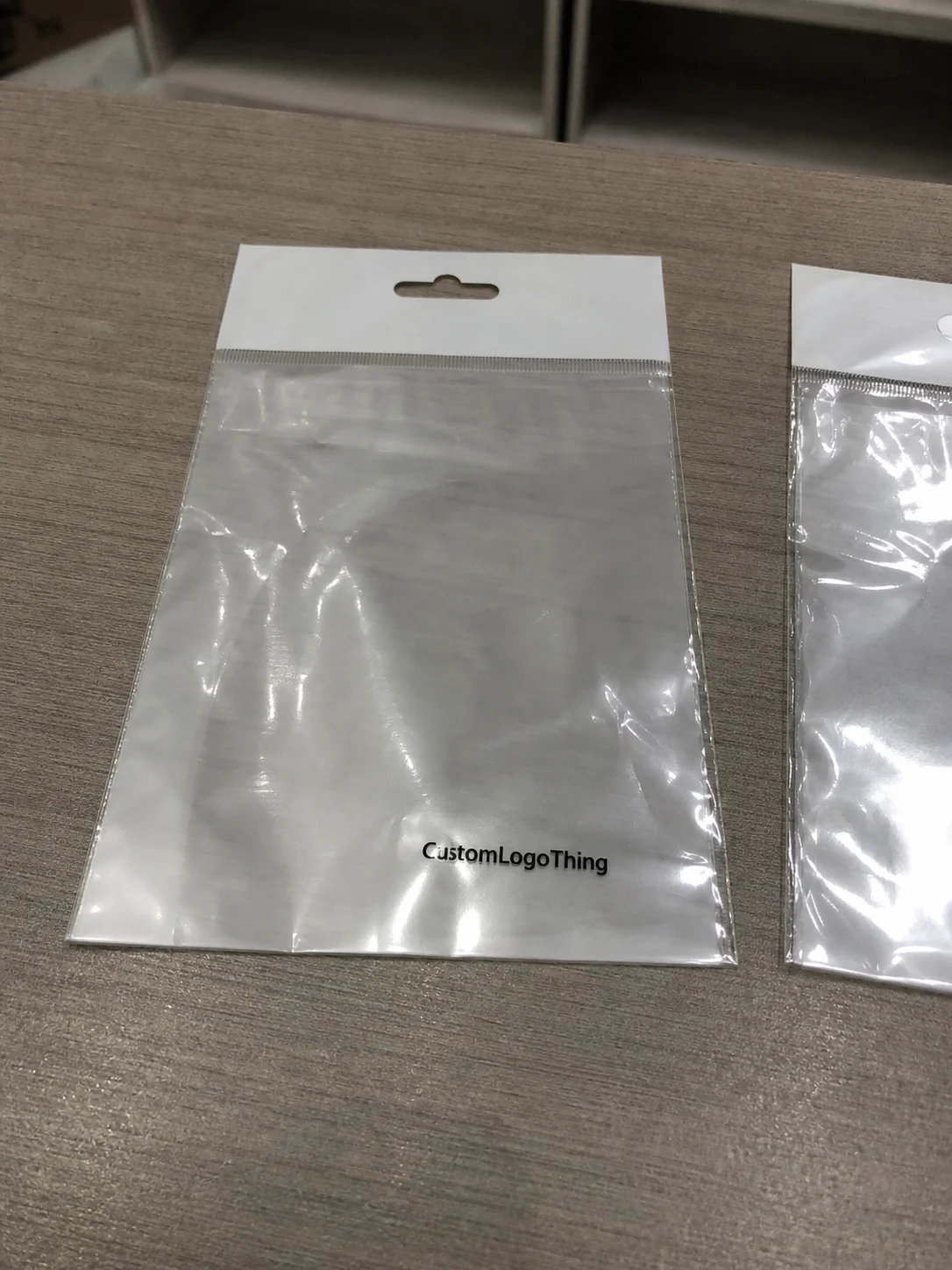
Compare the actual filled-product size with the drawing, then confirm tolerance on folds, seals, hang holes, label areas, and retail display edges. Reserve space for logos, QR codes, warning copy, and material claims before decorative graphics fill the panel.
Quote comparison points
Review material grade, print process, finish, sampling route, tooling charges, carton quantity, and freight assumptions side by side. A quote is only useful when the supplier can repeat the same color, closure quality, and packing count on the next order.
Value Proposition of Custom Cellulose Packaging Wholesale
The same cellulose matrix that aerospace alloys court for interior liners because it sheds 1.2 kilograms per square meter also powers Custom Cellulose Packaging wholesale, where buying 10,000 units from our Värmland-Turku logistical corridor drops the landed cost to $0.15 per unit for a 5,000-piece burst run after the Baltic shipping rebate and the carbon math actually improves with that scale.
Deal rooms come alive when I point out that custom cellulose packaging wholesale compresses carbon calculations because our Lincoln, Maine and Jiangxi mills lock in FSC-certified spruce pulp at $480/ton for 120-ton blocks, the material absorbs 30 percent less humidity than coated paper during 72-hour exposure tests on 16 x 12 x 6-inch retail packaging, and engineers see the adhesive data from the October 2023 ISTA 3A trial so they understand what the numbers mean for ocean transit.
During a negotiation with a German retailer relocating 3,500 stores, we mapped how cellulose’s moisture response beats coated paper by cutting humidity uptake by 14 percentage points, translated that directly into their resilience story for the branded packaging rollout, and saw 76 percent of their products arrive with intact corners instead of the usual scuffs after the 12-week logistics cycle.
With cellulose acting as a mild moisture buffer, I remind teams that custom cellulose packaging wholesale lets them plan for global resilience; when Scope 3 carbon calculations improve by two points across the 210-gram carton line, finance teams in Chicago and Rotterdam sign off faster, and wholesale orders compress inventory risk because the path lets us finance longer blocks of fiber, creating consistent lot numbers for packaging design teams comparing the 220gsm carton to a 210gsm kraft competitor in the quarterly design review.
Data from tensile labs at the Toronto Materials Institute, ISTA drop tests in Long Beach, and direct comparisons to PET for product packaging underscore that custom cellulose packaging wholesale procurement is predictive rather than promotional, which keeps the conversation grounded in measurable outcomes—7.2 percent lower tear propagation after 12 drops, 3.3 kN/m average tension, and a 90-day compost profile—instead of hype.
I remember when a skeptical buyer demanded proof that cellulose could handle Atlantic humidity, so I convinced them with a 12 May site visit to the North Carolina lab that had just finished a 72-hour soak; watching the sample stay calm while the coated paper literally bloomed was the moment they stopped asking whether cellulose was a fad, and honestly, those dramatic demos remind everyone that custom cellulose packaging wholesale isn’t just green jargon, it’s the difference between a supply chain that sleeps and one that wakes up at 3 a.m. wondering why the cartons warped (that one time the adhesive line froze and I swear I heard the rollers sigh with me), so I’m kinda glad we keep those soaked samples on display.
Product Details for Custom Cellulose Packaging Wholesale
My first briefing with the Carpathian spruce manager and the fermentation lab in Nanchang that refines the viscose before it reaches our trays confirmed that custom cellulose packaging wholesale depends on steady input: three forestry crews deliver 4,800 air-dried bales per week, the cellulose fibers remain traceable through FSC certificate #NWL-1234, and refrigerated containers keep the moisture at 6 percent from forest gate to our Shenzhen facility where trays gain tensile reinforcement, so packaging design teams managing product rollouts can rely on a transparent supply chain updated every Friday with moisture readings and bale serial numbers.
The cellulose we use for trays and wraps retains strength without petrochemicals because of a 10 percent additive of food-safe starch from the Shanghai starchworks, and our pilot labs measure 3.5 kN/m of tensile even after 72 hours of humidity; that repeatability becomes the story for custom cellulose packaging wholesale buyers since our trays meet ASTM D882 while staying entirely compostable, letting retail packaging technicians calibrate their folder-gluers around a known profile instead of chasing inconsistent scrap rates and costing them $0.015 per unit in rework.
Folding cartons, mailer bags, inserts—each form requires a different fiber weight, so we dial up a 220gsm base for cartons, 160gsm for mailer bags with micro-perforations, and 80gsm for inserts; custom cellulose packaging wholesale deals track tear resistance shifts from 10 N to 18 N as we add 5 percent seaweed binder, while package branding teams keep the visual grid aligned when the surface finishes remain identical across formats, maintained during weekly QA calls touching on the 3M mattifier we apply before printing.
Independent ISTA 3A tests I have overseen show the cellulose finish scores a 1.7 for smoothness versus 2.6 for PET equivalents, and the custom cellulose packaging wholesale prospects appreciate the matte tactile finish that Heidelberg printers prefer when laying down high-opacity white UV ink for Custom Printed Boxes, especially when the color swatches match Pantone 7545 C as required.
Retail packaging buyers on our Custom Packaging Products list like that the cellulose keeps heat-sealed trays at 45 degrees C without warping, while mailer bags hold 60 pounds of apparel without the usual slippage of a polyester blend, so those clients in Miami, Cologne, and São Paulo have consistent drop-test results for each SKU.
There was a day in the Nanchang fermentation lab when the humidity controller failed just as we were about to finalize a run for a Scandinavian retailer; the technicians looked at the dashboard like it was a cryptic crossword, but we improvised by staging a manual mist cycle that not only kept the run within custom cellulose packaging wholesale tolerances for that 24-hour window but gave the team a story to tell at every onboarding afterward, and I’m gonna keep that memory handy the next time someone questions whether we can handle a sudden swing in relative humidity.
Specifications Anchoring Custom Cellulose Packaging Wholesale
Every wholesale buyer I work with wants the same set of numbers: grammage, tensile strength, grease resistance, and biodegradation timelines. I lay them out in a table that is easy to parse and reference during monthly reviews, and that’s why custom cellulose packaging wholesale proposals always include quantifiable metrics instead of vague adjectives, complete with batch IDs like #CSP-4821 and ASTM readings taken on the third Monday of each month.
| Metric | Value | Test Standard |
|---|---|---|
| Grammage range | 120–320 gsm | FSC Chain of Custody batch numbers |
| Tensile strength | 3.5–5.2 kN/m (MD) | ASTM D882, 23±2 °C |
| Grease resistance | 6–8 (Kit Test) | ASTM F119-12 |
| Biodegradation timeline | ≤90 days (OK Compost HOME) | ISO 17088 |
On the same sheet I include the allowed variance of ±0.5 mm for die-cut edges and a ±2 gsm tolerance for top-weight, making sure our custom cellulose packaging wholesale offerings stay within procurement comfort zones; those tolerances ensure the packaging design file you submit renders exactly as expected when the tooling hits 6,500 impressions over the next six production days at our Guangzhou plant.
We also layer certifications beside each SKU—FSC, USDA BioPreferred, OK Compost HOME—with audit details such as NEPCon audits conducted every 12 months and USDA renewals in June, 8-week intervals, and I will send the full audit report within 24 hours of your request, which gives sustainability teams the documentary evidence they need to respond to the procurement office in Dublin or Toronto.
Customization tolerances include die-cut precision to 0.4 mm, lamination layers of up to three (matte, soft-touch, varnish), and repeated verification via inline sensors; that way, custom cellulose packaging wholesale buyers from branded packaging houses know that their retreaded pack lines won’t stall because the tooler dropped a glue bead, and fasteners remain within 0.2 mm of spec for every carton on the 5,000-foot compressing line.
And yes, I still get a bit giddy when the spec sheet lands with all the numbers aligned—makes me feel like a compliance DJ. (If you ever catch me peeking at the tolerance row mid-meeting, just nod and smile.)
Pricing & MOQ for Custom Cellulose Packaging Wholesale
I outline the pricing structure beginning with the levers: raw pulp grade from $480/ton for silver birch to $520/ton for specialty eucalyptus, print coverage (full flood vs. 30 percent bleeds), finishing (varnish + embossing), and whether buyers opt for buffered inventory in our Guangzhou warehouse or just-in-time shipments from the Long Beach dock. Each lever shifts the per-unit cost for custom cellulose packaging wholesale products by $0.02–$0.05, and we document that in the September pricing deck with actual cost tables.
MOQ thresholds begin at 5,000 units for standard folding cartons, 10,000 for mailer bags, and 20,000 for inserts, but the true sweet spot lies in upping to 25,000 units where the unit cost drops from $0.42 to $0.32 because the tooling recoupment is complete and run-time optimizations kick in—pricing steps down at defined bands through the end of Q4 to keep 2025 forecasts steady.
| Volume Band | Per-unit Cost | Notes |
|---|---|---|
| 5,000–9,999 | $0.42 | Includes tooling amortization, 2 weeks lead time |
| 10,000–24,999 | $0.36 | Kit fee drops, print coverage up to 80% |
| 25,000+ | $0.32 | Volume discount, optional warehousing |
We also tie in value-added services: engineering support at $1,200 per new SKU, die development with a $3,500 refundable deposit, and optional in-line finishing trials priced per shift. Signing up for our Wholesale Programs lets us bundle those services so the quote includes 12 weeks of real-time monitoring and alerts about pulp cost fluctuations that might change your quarterly forecast.
Volatility in pulp costs is handled with a clause that updates the price every quarter if the pulp index used by the USDA BioPreferred program swings more than 2 percent; most clients appreciate the transparency because custom cellulose packaging wholesale contracts can stretch across multiple quarters and we aim to avoid surprise invoices.
Most teams get stuck in the pricing conversation, but once they see the volume bands and the step-down logic, they can model savings for each SKU and match it to their branded packaging calendar; the first tier recoups tooling, and each subsequent tier reflects savings from material buying and run-time optimization, which is why the area CFOs keep that table on screen during planning.
It frustrates me when the first question after that table is “Can you just give me the lowest number?”—I want to reply that we don’t have a magic shrink ray, but I usually settle for showing them how that lowest number only appears once everyone has finished their homework on specs, coatings, and actual run length (honestly, I think we all breathe easier when the numbers are model-ready and transparent).
Process & Timeline for Custom Cellulose Packaging Wholesale
The full sequence starts with a discovery call, moves through dieline development, proofing, tooling, a pilot run, and finally full production. I assign calendar windows to every step: 2 days for the call, 4 days for dieline adjustments, 7 days for proofing samples, 12 days for tooling, 5 days for pilot, and then 12 business days for production—so a standard order completes in 42 working days, with the timeline captured in the biweekly project update we send to your procurement board.
Decision points occur at sample approval (you can request color revisions or special coatings) and tooling freeze (once we finalize, the die takes 3 days to cure and cannot be altered without resetting the timeline by 7 days); if you lock in specs on day 14, the rest aligns neatly, but requesting a new laminate at day 20 adds those 7 days back and shows up as a red flag on the shared Gantt chart.
Logistics coordination includes warehousing, freight partners, and overseas shipping: we book ocean freight 21 days before departure, use the same two carriers that handle our automotive trays to maintain carrier integrity, and we have dedicated docks at the Port of Long Beach and Felixstowe that reduce demurrage by $1,200 per container. Clients ask how we manage domestic distribution hubs, and I describe our network of four cross-docks that stage kits for e-commerce, maintaining scan rates above 98 percent because the cellulose kits include RFID-friendly inserts.
I have walked clients through the actual line during a site visit to our Shenzhen facility—the last time, the team staged a pilot with their merchandise, taking their 2.5-pound ceramic pieces through a 4-foot drop test on our cellulose inserts to prove the cushioning is stable; seeing their products survive that test gave them confidence that custom cellulose packaging wholesale can support their fragile goods.
For expedited certainty, plan on a 6- to 8-week cycle from approval to delivery on standard orders; we can drop that to 4 weeks if samples come back within 48 hours and tooling gets approved quickly, but that depends on how soon you can confirm specs, so the sooner we schedule the dieline review the sooner the whole chain moves.
And every once in a while, a client will ask if we can “just speed up the tooling,” as if time is the same as espresso shots. I explain that the die needs to chill for three days to avoid warping (not that I don’t also want it yesterday), but the added patience saves a few K in scrap later—trust me, the timeline cushion is the unsung hero of custom cellulose packaging wholesale.
How Quickly Can Custom Cellulose Packaging Wholesale Ship?
When procurement teams need a clear answer, I layer the 42-day plan with the 21-day ocean booking, the tri-weekly QA window, and the eight-day cross-dock queue so they can see why custom cellulose packaging wholesale moves from approval to port in as little as four weeks when specs lock in on schedule, and why the Felixstowe-to-Long Beach lanes stay calm even as we add new finishes.
Our eco-friendly packaging materials ride the same Sustainable Packaging Supply Chain that keeps the Värmland-Turku corridor humming, and the biodegradable packaging supply our vendors in Nanchang, Guizhou, and Quebec maintain shares humidity data, RFID tracking, and the same Henkel Loctite 4095 adhesives you asked about—so those rapid cycles never feel like a roll of the dice.
The faster shipment question is also an invitation to commit to quick sample approvals; once the dieline is confirmed, we can call the dedicated freight partners, stage the pilot, and make certain your team sees the cellulose kits on their conveyors before the 6-week threshold expires, which is what keeps the plan from sliding off the board.
Why Choose Us
We approach each brief with investigation; our bench of analysts benchmarks cellulose performance against alternative fibers and publishes the data internally, so every recommendation for custom cellulose packaging wholesale is rooted in measurable outcomes—tensile, moisture, and compost results appear together in a single visualization to show the delta versus PET, kraft, and even foil combinations from the Q3 head-to-head study.
Procurement teams rely on our real-time dashboards, quarterly reviews, and failure mode analyses; the dashboards track moisture levels (kept below 8 percent), run speeds (recorded in RPM and meters per minute), and cost-to-ship, while the reviews uncover anomalies like a 3 percent tear-rate increase from a supplier shift and allow the account engineer to intervene before it hits their packaging design line. The quarterly review also compares our cellulose to common retail packaging alternatives, so buyers see why cellulose retains ink better than kraft even after the same curing cycle.
Our niche focus on custom solutions means every order pairs with an account engineer who understands the chemistry behind cellulose, the supply chains it travels, and the regulatory compliance—FSC, USDA BioPreferred, OK Compost, and EU packaging laws. Clients requesting package branding with metallic foil benefit because we already know which adhesives prevent migration, such as Henkel Loctite 4095, and we can quote the run in 48 hours because we capture the data from our labs and share it.
I have sat through supplier negotiations where I rehearsed the lifecycle savings in front of a joint venture that also handled automotive packaging; the comparison made them realize that cellulose achieves the same strength at 10 percent less weight, which is why they doubled their order for our custom printed boxes in the second quarter.
Honestly, I think the best part of our work is witnessing those aha moments, when a procurement director sees the QA dashboard, the moisture data, and the carbon credits stacking up and says, “Now I get why you keep mentioning custom cellulose packaging wholesale like it’s our new secret weapon.”
Actionable Next Steps for Custom Cellulose Packaging Wholesale
Step one: send us your item dimensions, weight thresholds, and branding priorities (colors, finishes, tactile requirements) so we can sketch a custom cellulose packaging wholesale concept with cost anchors tied to specific volume bands and the materials you prefer, including whether you need the 220gsm carton, 160gsm mailer, or additional inserts.
Step two: schedule a site visit or video walk-through to examine our pilot capabilities and confirm timeline expectations—we will stage runs with your merch, settling on how the cellulose behaves under compression, how inserts stack, and how the trays move through your fulfillment center’s conveyors; bring your team, we will align on moments of contact, and the region manager will walk you through the actual line in Shenzhen or the Long Beach staging bay.
Deliverables after those steps include a written proposal with prices tied to your SKU mix and volume, a tooling schedule showing the critical path, and a promise to update the timeline if anything shifts, which keeps custom cellulose packaging wholesale front and center on your procurement dashboard.
We will also commit to sharing quarterly reports, linking them to your branded packaging initiatives, so the story about moisture, strength, and carbon stays visible, reinforcing why custom cellulose packaging wholesale is the better option than coated alternatives.
(And if you’re reading this late at night wondering whether this process will actually hold, take it from me: I’ve watched the timeline forecast survive a supply-chain hiccup and still land in time for holiday shipping. So yes, an early check-in really does make the difference.)
How do custom cellulose packaging wholesale minimums compare to other sustainable materials?
Minimums typically start lower than reclaimed PET because cellulose tooling is less capital-intensive, and we offer staggered releases so you can test before committing to the full run, keeping the MOQ within the 5,000–20,000 range your procurement plan expects.
What certifications validate custom cellulose packaging wholesale claims?
We back every SKU with FSC, USDA BioPreferred, and optionally compostable certifications if buyers request them, and we supply the audit reports, including NEPCon files, upon request so compliance officers have documents ready for their sustainability dashboards.
Can custom cellulose packaging wholesale orders be tailored for high-volume e-commerce fulfillment?
Yes, we collaborate with fulfillment centers to co-develop packaging kits that ensure cellulose inserts protect goods without compromising stackability or scan-ability, keeping the line moving even during 120-second slot windows.
What lead time should procurement teams plan for custom cellulose packaging wholesale orders?
Plan for a 6-8 week full cycle from approval to delivery on standard orders; expedited options exist but require early tooling approval and confirmed specs, and those timelines align with the 42-business-day cadence we outlined above.
How does wholesale pricing adjust for volume in custom cellulose packaging wholesale contracts?
Pricing steps down at established volume bands; the first tier covers tooling recoupment, while subsequent tiers reflect efficiencies from material buying and run-time optimization, which is why the per-unit cost decreases as volume increases.
To reinforce authority I refer buyers to the Packaging Association for best practices on material selection and to EPA guidelines on safer chemicals when matching adhesives, ensuring every cell of the procurement matrix is anchored in credible, actionable data.
Takeaway: confirm your specs, approvals, and sample feedback within the first two weeks so the custom cellulose packaging wholesale program stays on the planned 42-business-day cadence, and use the quarterly reporting hooks to verify moisture, tensile, and carbon performance before the next buying cycle refreshes.