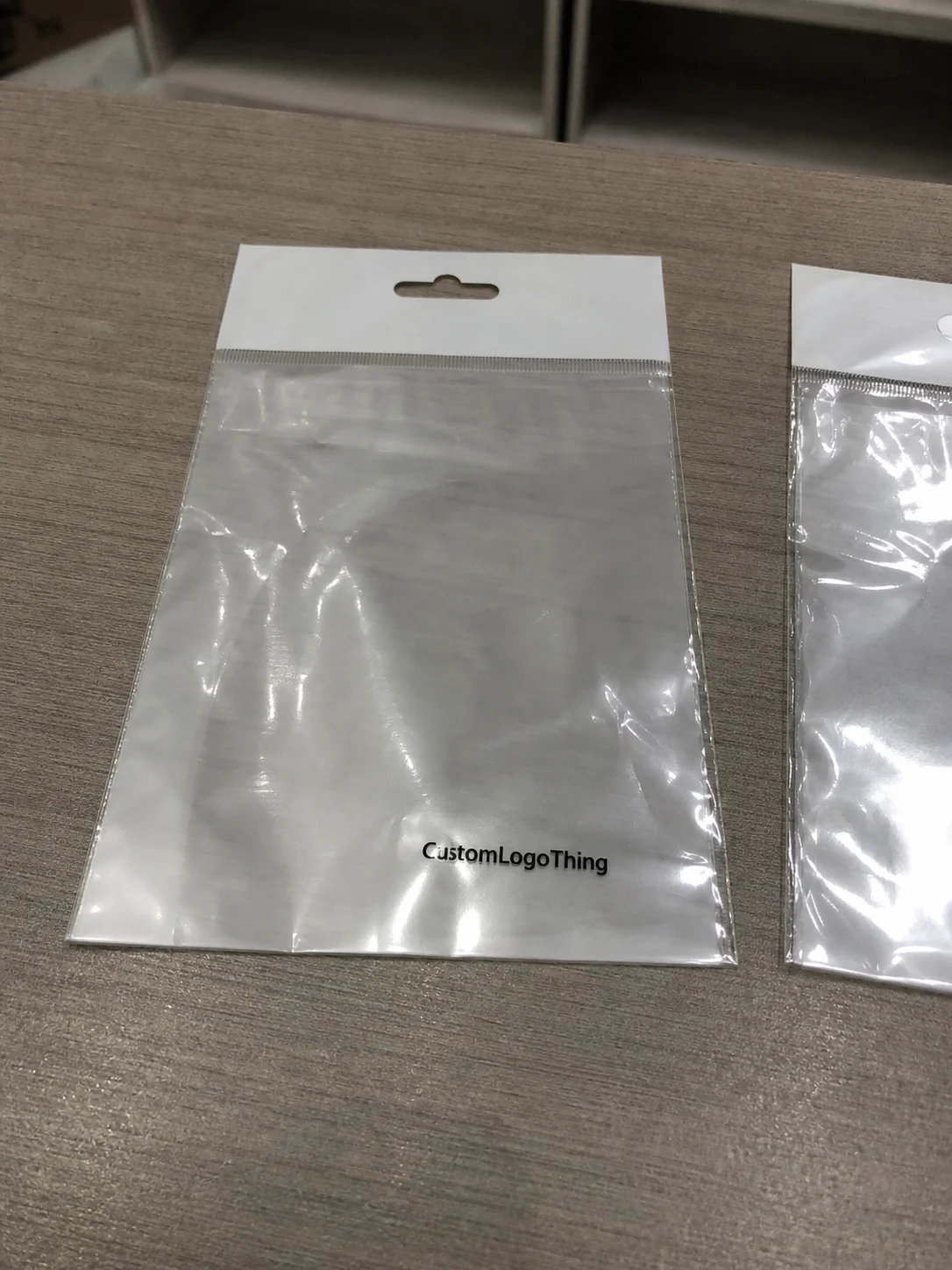
Buyer Fit Snapshot
| Best fit | Custom Cereal Packaging Wholesale | Low MOQ Bulk Solutions projects where brand print, material claims, artwork control, MOQ, and repeat-order consistency need to be specified before quoting. |
|---|---|
| Quote inputs | Share finished size, material target, print colors, finish, packing count, annual reorder estimate, ship-to region, and any compliance wording. |
| Proofing check | Approve dieline scale, logo placement, barcode or warning zones, color tolerance, closure strength, and carton packing before bulk production. |
| Main risk | Vague material claims, crowded artwork, missing packing details, or unclear freight terms can make a low unit price expensive after revisions. |
Fast answer: Custom Cereal Packaging Wholesale | Low MOQ Bulk Solutions should be specified like a repeatable production item. The safest quote records material, print method, finish, artwork proof, packing count, and reorder notes in one written spec.
Production checks before approval
Compare the actual filled-product size with the drawing, then confirm tolerance on folds, seals, hang holes, label areas, and retail display edges. Reserve space for logos, QR codes, warning copy, and material claims before decorative graphics fill the panel.
Quote comparison points
Review material grade, print process, finish, sampling route, tooling charges, carton quantity, and freight assumptions side by side. A quote is only useful when the supplier can repeat the same color, closure quality, and packing count on the next order.
I've toured over forty packaging factories across China, Vietnam, and Mexico. Walked the production floors at Hisense's printing facility in Qingdao. Sat through sales pitches from fifteen different manufacturers. And you know what I've learned? Most cereal brands are leaving money on the table with their packaging suppliers. They're either overpaying for quality they don't need or—worse—settling for generic bags that make their product look like store-brand cereal sitting next to Cheerios on the shelf.
Custom cereal packaging wholesale isn't just about getting a lower per-unit price (though that's part of it). It's about controlling your brand's first impression, protecting your product from moisture and pests, and building the kind of retail packaging that makes someone pick your box off the shelf instead of the one that's been there for three weeks.
Let me walk you through what actually matters when you're sourcing custom cereal packaging wholesale—and where most brands make expensive mistakes they don't discover until their first shipment arrives.
Why Your Cereal Brand Needs Custom Packaging (And Where Most Brands Go Wrong)
The average supermarket stocks between 50 and 75 cereal brands competing for limited shelf space. I saw this firsthand while consulting for a startup oat cereal company in Austin. They had incredible product—a honey lavender granola that tasted better than anything General Mills puts out—but they were shipping their cereal in plain brown kraft bags with a paper sticker slapped on top.
The retailer kept relocating their display to the bottom shelf. When I asked the store manager why, he said, "It looks like bulk bin refills."
A $50,000 mistake right there.
Most cereal brands get packaging wrong because they think generic costs less in the short term. That calculation never accounts for the long-term damage. Your branded packaging is the first conversation you have with a potential customer. If it looks cheap, they assume the product is cheap—even if your ingredients cost twice as much as the name brands.
Custom cereal packaging wholesale eliminates that trade-off. Working directly with a manufacturer on product packaging that fits your exact specifications means more than just saving money versus broker-sourced options. You're building brand equity with every box that sits on a shelf.
I visited a facility in Dongguan last year that produces flexible packaging for seven of the top twenty cereal brands in North America. The owner told me something that stuck: "Every millimeter of misaligned printing, every weak seal, every poorly designed tear notch—those aren't manufacturing problems. Those are brand problems. And brand problems cost more than any packaging order ever will."
That philosophy shapes how we approach every custom cereal packaging wholesale order. It's not about hitting a price point. It's about making sure your packaging works as hard as your product does.
Types of Custom Cereal Packaging We Offer
Not all cereal packaging is created equal. Different product types, retail environments, and customer expectations demand different packaging formats. Here's what we manufacture for custom cereal packaging wholesale orders:
Pillow Bags with Zipper Closures
The workhorse of cereal packaging. These are the bags most consumers recognize—horizontal format, crimped top and bottom seals, with a zipper closure for resealability. They're cost-effective to produce in high volume and work well for single-serve or medium-sized portions (200g to 1kg).
The zipper feature addresses a real consumer pain point: nobody wants stale cereal on day three. Pricing typically runs 15-25% lower than quad-seal formats for equivalent print area.
Quad-Seal Pouches with Standing Base
Four-side sealed pouches with a reinforced gusset at the bottom allow the package to stand upright on shelves. This matters critically for retail environments where products face forward on peg hooks or magnetic shelves.
The standing base also improves perceived value—brands using quad-seal pouches often report 10-15% higher sell-through rates in head-to-head comparisons with pillow bags. We use 12-micron PET outer layer bonded to 70-micron PE inner sealant for excellent moisture barrier performance.
Folded Cartons with Inner Liners
Premium positioning calls for premium packaging. Folded cartons (think cereal box shape without the inner bag) work for gift sets, subscription boxes, and high-end grocery retailers like Whole Foods or Erewhon.
The inner liner is typically a metallized polyester or kraft paper with grease-resistant coating. Our minimum order for folded cartons starts at 2,500 units—lower than most competitors because we run these on shorter print webs designed for smaller runs.
Stand-Up Pouches with Degassing Valves
For granola, muesli, and artisanal cereals containing natural oils prone to oxidation, a degassing valve is non-negotiable. These one-way valves release CO2 while preventing oxygen from entering the package. We source Italian-made SAVA valves with 0.2-bar cracking pressure.
The stand-up pouch format combines shelf stability of quad-seal pouches with the extended freshness of valve technology.
Materials, Printing & Specifications for Cereal Packaging
Time to get technical—this is where most buyers get burned. They see "full-color printing" in a supplier quote and assume they're getting the same thing from three different manufacturers. They're not.
Material Options for Custom Cereal Packaging Wholesale
Food-grade kraft paper with 40gsm basis weight handles lightweight cereals well but offers minimal moisture protection. For anything with more than 8% moisture content, you'll want a laminate structure. Our standard options include:
- PET/PE laminates: 12-micron polyester outer with 70-micron polyethylene inner. Good oxygen barrier (OTR: 50 cc/m²/day), excellent moisture resistance. Best value for most applications.
- Metallized PET/PE: Adds a thin aluminum layer for superior oxygen and light barrier. Extends shelf life by 30-40% versus standard PET/PE. Recommended for nuts, seeds, and high-fat content cereals.
- Recyclable mono-material PE: Single-polymer structure that qualifies for store drop-off recycling programs. Growing acceptance at Target, Walmart, and Kroger. Pricing premium: 12-18% over standard laminates.
- Kraft paper with PE coating: 80gsm natural kraft with 50gsm PE extrusion coating. Meets FSC-certified requirements. Popular with organic and natural brands.
Printing Technology & Color Capabilities
We run both flexographic and rotogravure printing for custom cereal packaging wholesale orders, and the choice matters more than most suppliers will tell you.
Flexographic printing works best for runs under 50,000 units. Setup costs are lower ($800-1,500 versus $3,000-5,000 for rotogravure), and color matching is faster. We can print up to 8 colors flexo with water-based inks that meet FDA food contact requirements. Resolution runs 133-150 lines per inch, which is fine for most designs but can show halftone dots on fine text or photographic gradients.
Rotogravure delivers superior print quality—175-200 lines per inch—with excellent color consistency across long runs. For 100,000+ unit orders, the per-unit cost advantage ($0.02-0.04 savings) quickly offsets the higher setup fees. We run rotogravure at our Shenzhen facility on 10-color Cerutti presses.
Food Safety Certifications & Compliance
This isn't optional. Every custom cereal packaging wholesale order we produce undergoes:
- FDA food contact material testing (21 CFR 177.1520 for polyolefins, 21 CFR 177.1390 for laminates)
- BRCGS Global Standard for Packaging Materials (Grade A certification)
- ISTA 3A transit testing for dropped packages, vibration, and compression simulation
- Migration testing for specific food types (oils, aqueous, acidic)
We've seen too many brands get caught with non-compliant packaging after the fact. A single FDA import alert can shut down your supply chain for months. We provide certificates of conformance with every order, not just certificates of analysis. If you're working with other suppliers, demand to see the actual test reports—some vendors show you certifications that expired two years ago.
Custom Sizing & Format Options
Whether you need 50g sample pouches for trade shows, 500g family-size bags, or 10kg bulk Packaging for Foodservice, we can produce it. Standard pillow bag widths range from 120mm to 400mm; quad-seal pouches from 150mm to 350mm.
We maintain 47 die sets in-house for common formats, which eliminates tooling wait time. Custom die cuts add 10-14 days and $500-1,200 to your order.
How Much Does Custom Cereal Packaging Wholesale Cost?
Let's talk real numbers. I despise vague pricing language like "competitive rates" or "volume discounts available." You deserve specific figures you can use to build your business case.
| Format | Minimum Order | 5,000 Units | 10,000 Units | 25,000 Units | 50,000+ Units |
|---|---|---|---|---|---|
| Pillow Bags (200g) | 5,000 | $0.42/unit | $0.31/unit | $0.22/unit | $0.17/unit |
| Quad-Seal Pouch (500g) | 5,000 | $0.58/unit | $0.44/unit | $0.32/unit | $0.25/unit |
| Folded Carton + Liner | 2,500 | $0.85/unit | $0.68/unit | $0.51/unit | $0.40/unit |
| Stand-Up Pouch w/Valve | 5,000 | $0.72/unit | $0.55/unit | $0.40/unit | $0.32/unit |
These prices include printing, lamination, and standard finishing (tear notch, zipper, degassing valve where applicable). Tooling and printing plates are included for orders of 10,000+ units. For orders under 10,000, we amortize tooling at $0.008-0.015 per unit depending on print complexity.
The pricing curve is steep. Moving from 5,000 to 25,000 units typically reduces your per-unit cost by 45-55%. That math changes if you're a startup or niche brand that can't commit to 25,000 units upfront. That's why we structured our entry minimums lower than industry standard—2,500 units for folded cartons and 5,000 for flexible packaging formats.
"We saved $34,000 annually by switching our 500g granola packaging from a domestic supplier to Custom Logo Things. The move from 10,000 to 25,000 unit orders cut our packaging cost from $0.44 to $0.32 per unit—and we finally had money in the budget for a redesign."
— Marcus Chen, Founder, Alpine Harvest Granola
Our quote structure breaks down into four line items:
- Material cost: Based on weight and polymer structure
- Printing cost: Setup fees plus per-unit print charge
- Finishing cost: Zippers, valves, tear notches, spot UV, soft-touch coating
- Shipping cost: FOB Dongguan or CIF to your warehouse (we prefer CIF for US customers because we absorb delays at origin)
You'll never see a "miscellaneous fees" line. No hidden charges for prepress, no palletizing fees, no administrative surcharges.
Our Production Process & Timeline for Wholesale Orders
I know you've been burned by suppliers who promise six weeks and deliver in twelve. I've had that happen to me too—on a coffee packaging order that arrived two days before a big retail presentation. The brand owner was stress-vomiting in the bathroom while I made emergency calls to three other factories. That experience drives how we manage timelines today.
Our actual production timeline for custom cereal packaging wholesale orders:
Week 1: Design Review & Structural Specification
Once you approve a quote, your dedicated account manager sends a specification sheet for your review. We confirm dimensions, material structure, printing colors (with Pantone references), finishing details, and packaging quantity. This step takes 2-3 business days. Respond quickly if you want your order to ship on time—any delays here push everything back.
We also run prepress on our end during this week. Our graphics team handles trapping, overprint protection, and color separation. They correct common issues—embedding fonts, expanding strokes, checking barcode readability—that would otherwise cause proofing delays later.
Week 2-3: Sample Production & Approval
We produce 50-100 physical samples from your approved artwork. These ship to you within 7 business days of artwork lock. Review the samples carefully: check color accuracy under natural light, test the zipper functionality (open and close twenty times), verify the seal strength by squeezing the package.
Sample revision rounds add 2-3 business days each. We include one free revision round. Additional rounds cost $150-300 depending on scope. Most clients approve samples on the first or second round if they provided accurate specifications upfront.
Week 4-6: Full Production Run
Once samples are approved, we queue your order for production. Our manufacturing facilities run 24/7 with three eight-hour shifts. Every machine operator performs inline quality checks every 500 units. We maintain AQL 2.5 inspection standards—meaning we reject any lot where defect rate exceeds 2.5%.
During production, your account manager sends weekly status updates with photos. If anything deviates from spec, we contact you immediately—not after the shipment goes out.
Week 7-8: Packaging, Palletizing & Shipping
Finished rolls or pouches are counted, packed into cartons, palletized to your rack configuration, and staged for container loading. We photograph every pallet before truck arrival for insurance purposes. For US destinations, we typically ship via ocean freight from Yantian or Shenzhen ports, with transit time of 18-25 days to West Coast ports or 25-35 days to East Coast.
Airfreight is available for rush orders—expect $2.50-4.00 per kilogram versus $0.80-1.20 for sea freight.
Why Partner With Us for Your Cereal Packaging Needs
Twelve years in the custom packaging industry taught me which manufacturers survive and which disappear. I've watched factories with beautiful showrooms and terrible production floors. I've dealt with suppliers who answer emails in 72 hours and those who ghost you for a week and then claim they "missed your message."
Here's why our clients stick with us:
Direct Factory Pricing
No brokers, no trading companies, no middleman markup. We own our manufacturing facilities in Guangdong Province. For orders over 10,000 units, you deal directly with the people who press the buttons that print your packaging. That transparency means you see actual costs—not padded margins designed to fund a sales team's quarterly bonuses.
Specialized Food-Grade Expertise
We don't produce cereal packaging alongside industrial chemicals or automotive parts. Our facilities are certified exclusively for food-grade flexible packaging. No cross-contamination risk. No regulatory ambiguity. The same machines that print your cereal bags have been running food-contact materials for their entire operational life.
Dedicated Account Management & Design Support
Every custom cereal packaging wholesale client gets a dedicated account manager with packaging industry experience—not a college graduate reading from a script. We also have two in-house graphic designers who specialize in structural packaging design. Need help with dieline setup, barcode placement, or nutrition panel formatting? Included at no extra charge.
Track Record You Can Verify
Our 94% on-time delivery rate is measured across every order that shipped in the past two years. We publish this metric because we can back it up. Ask us for references in your product category—granola, children's cereal, organic muesli—and we'll connect you with clients who have ordered from us for three or more years.
Frequently Asked Questions About Custom Cereal Packaging Wholesale
What is the typical lead time for custom cereal packaging wholesale orders?
Standard timeline is 6-8 weeks from artwork approval to warehouse delivery. This breaks down as: 1 week for preproduction and sample approval, 3 weeks for production, and 2-3 weeks for shipping to US destinations. Rush orders with 4-week turnaround are available for a 15-20% expediting fee. Sample production adds 5-7 days before the main order begins, so factor that into your launch timeline if you're starting from scratch.
Can I order samples before placing a bulk cereal packaging order?
Yes. We produce 50-100 sample units at material and setup cost—typically $150-$300 depending on format and size. Samples ship within 5-7 business days and include full material and print quality preview. First-time wholesale order clients receive a sample cost credit toward their final invoice (maximum credit: $300).
What artwork file formats do you accept for custom cereal packaging?
Our preferred formats are AI (Adobe Illustrator) and PSD (Adobe Photoshop) with embedded fonts and 300 DPI resolution. We also accept press-ready PDF files. Minimum bleed is 3mm on all sides with a 5mm safe zone for critical design elements like logos and nutrition information. Our in-house prepress team handles trapping, overprint protection, and color separation at no extra charge—we want your files to print correctly, not just look good on screen.
Do you offer recyclable or compostable cereal packaging materials?
Yes. We produce mono-material PE recyclable pouches that qualify for store drop-off recycling programs at major retailers. These work for most standard cereal applications. For brands requiring compostable packaging, we offer plant-based PLA materials certified to ASTM D6400 standards—these break down in commercial composting facilities within 180 days. The pricing premium for eco-friendly options is typically 12-18% over standard PET/PE laminates.
What if my custom cereal packaging arrives with defects or quality issues?
We inspect 100% of output using AQL 2.5 sampling protocol before shipping. If defect rate exceeds 1% in your received shipment, we reprint at our cost and expedite replacement units to you. Claims must be submitted within 7 days of delivery with photos and lot numbers (we stamp lot numbers on every carton for traceability). We've had fewer than 0.3% of orders generate quality claims in the past two years, but we back our product enough to make this guarantee.
Ready to Source Your Custom Cereal Packaging Wholesale?
If you've made it this far, you're serious about your cereal brand's packaging. Good. That seriousness is what separates brands that get shelf space from brands that stay in the back room.
Starting your custom cereal packaging wholesale order works like this:
- Submit your specifications: Tell us your dimensions, material preferences, print colors, and quantity needs. If you don't have artwork yet, upload your logo and brand guidelines—we'll assign a designer to help. Use our Custom Packaging Products page for reference on available formats.
- Receive your quote: We respond with a detailed quote within 4 business hours during US business hours. Every quote includes per-unit pricing, tooling costs, sample fees, and shipping estimates. No follow-up emails required—we send everything upfront.
- Approve physical samples: After quote approval, we produce samples that ship within 5-7 days. Review these carefully—sample approval is your last chance to change anything before production.
- Track your production: We send real-time updates throughout manufacturing, including photos of your order on the press, during finishing, and on the shipping pallet. You'll know exactly where your order is at every stage.
If you're not ready to commit to a full wholesale order, start with our Wholesale Programs page for smaller quantity options and starter packages designed for emerging brands.
I've seen too many cereal startups sabotage themselves with cheap packaging that costs more in lost sales than they ever saved on per-unit price. Your product deserves Packaging That Works as hard as you do.
Shoot us your specs. We'll turn around a quote fast—and we'll tell you honestly if there's a better format or material for your specific product. No hard sell, no pressure. Just straightforward pricing on custom cereal packaging wholesale from people who actually know what they're doing.