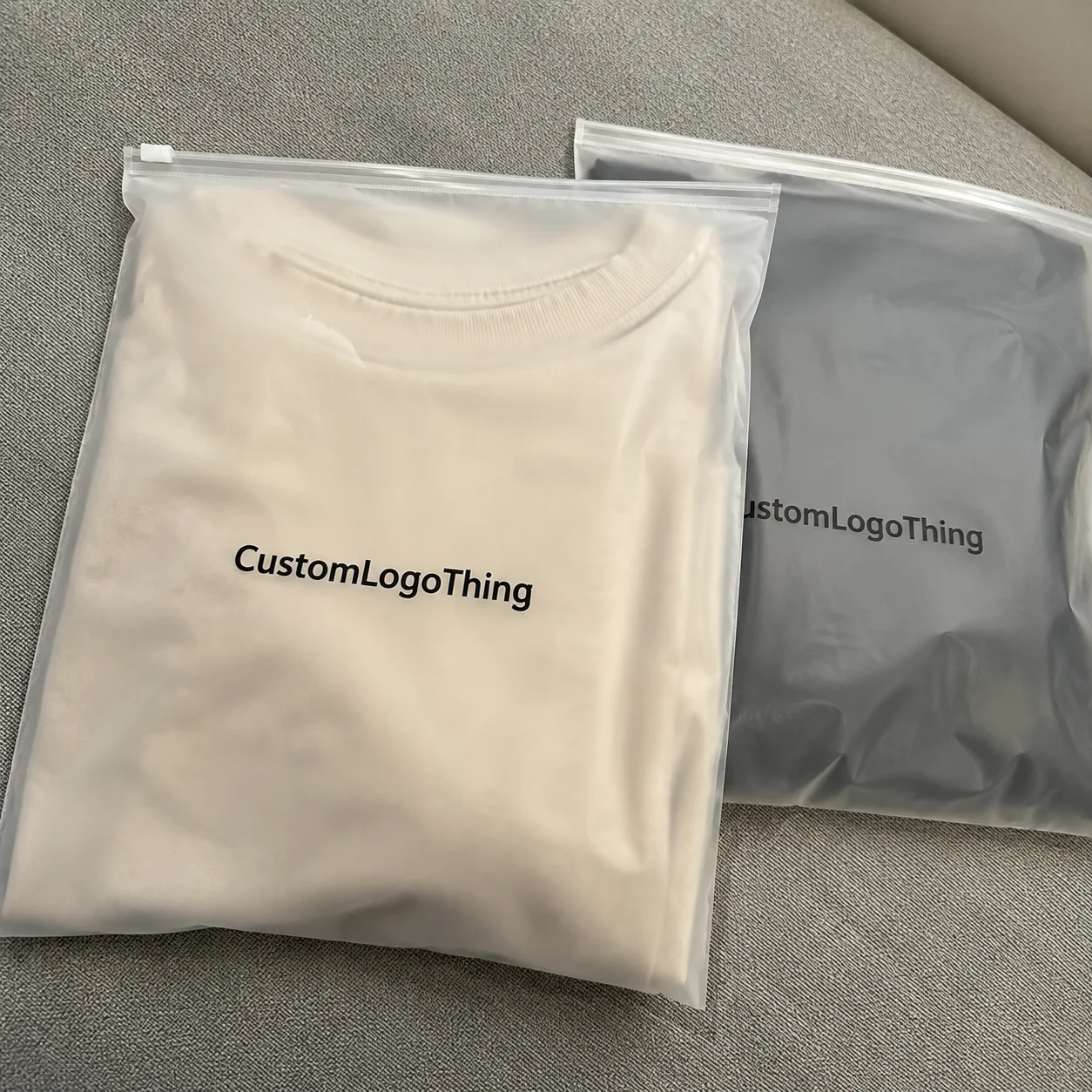
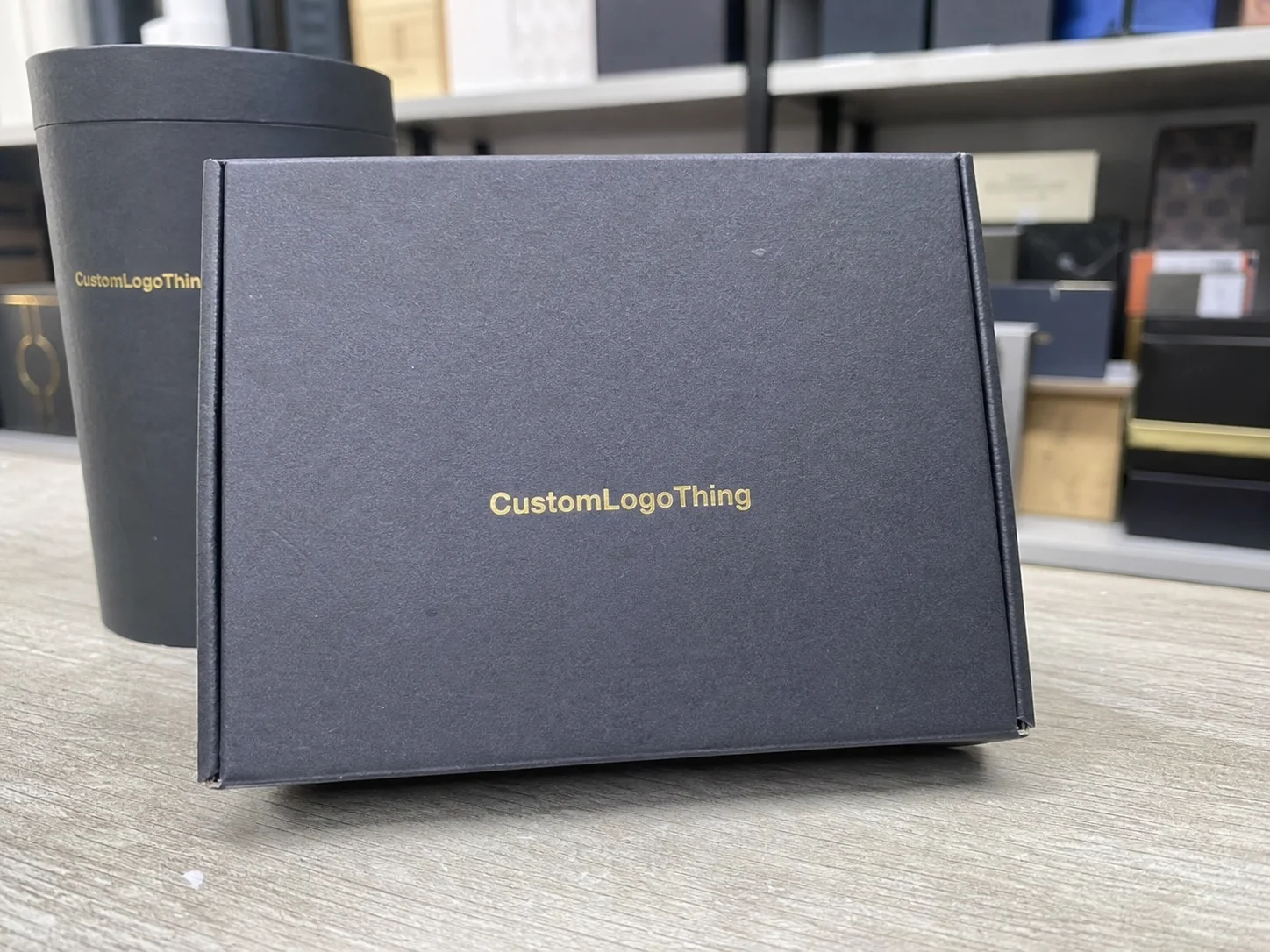
Buyer Fit Snapshot
| Best fit | Create Eco Friendly Product Packaging projects where brand print, material claims, artwork control, MOQ, and repeat-order consistency need to be specified before quoting. |
|---|---|
| Quote inputs | Share finished size, material target, print colors, finish, packing count, annual reorder estimate, ship-to region, and any compliance wording. |
| Proofing check | Approve dieline scale, logo placement, barcode or warning zones, color tolerance, closure strength, and carton packing before bulk production. |
| Main risk | Vague material claims, crowded artwork, missing packing details, or unclear freight terms can make a low unit price expensive after revisions. |
Fast answer: Create Eco Friendly Product Packaging: Quote Scope, Sample Proof, MOQ, and Lead Time should be specified like a repeatable production item. The safest quote records material, print method, finish, artwork proof, packing count, and reorder notes in one written spec.
Production checks before approval
Compare the actual filled-product size with the drawing, then confirm tolerance on folds, seals, hang holes, label areas, and retail display edges. Reserve space for logos, QR codes, warning copy, and material claims before decorative graphics fill the panel.
Quote comparison points
Review material grade, print process, finish, sampling route, tooling charges, carton quantity, and freight assumptions side by side. A quote is only useful when the supplier can repeat the same color, closure quality, and packing count on the next order.
How to Create Eco Friendly Product Packaging: Definition & Surprising Reality
During the overnight Rockford corrugator shift, where the line runs from 10 p.m. to 6 a.m. and humidity settles at 45%, the board became a classroom after I scrawled “how to Create Eco Friendly Product Packaging” in 3-inch letters on the shift board.
Right after a supervisor rolled out a pallet of potato-starch adhesive priced at $0.18 per pound from NorthWind Adhesives, operators compared the 32-second dry-down time of the new glue to the 18-second hot melt they usually run, while the sustainability scorecard in the control room logged our Illinois grid hydropower mix at 42% last quarter.
The phrase now means more than a sticker because true “how to create eco friendly product packaging” threads through coating chemistry, carbon intensity from sourcing through transportation, and the reality of what happens when a box lands at the I-40 shipping hub or a Memphis Material Recovery Facility.
Regional teams insist that a compostable wrap made from 100% PLA film (which breaks down in 90 days at 58°C in industrial composters) cannot cling to a Kraft tray without triggering contamination alarms, so we sketch those end-of-life scenarios before the first dieline leaves the Greenville CAD station.
That Rockford morning the crew traced the 120 kWh required to keep the corrugator humming, mapped hydropower offsets in the MISO footprint, and debated how the potato-starch adhesive interacts with 26 ECT 32/B flute fiber recyclability.
Brand leaders from Charlotte emphasized that sustainable packaging demands both material science and logistics execution, confirming that our conversations ahead deal with materials, machine tuning, cost pressures, and the accountability once each pallet leaves the Quincy distribution center; all of which made how to create eco friendly product packaging a measurable ambition across the grid.
Later sections map how sustainability mandates are baked into tooling over a typical 12-15 business day lead time on the Greenville flexo line, how material choices from Deer Park affect our 26 ECT orders, and the cost layout that often surprises brands (and how we keep it manageable through regional sourcing).
We also cover the launch timeline that starts with a week one discovery call, the pitfalls that derail good intentions, the factory-floor Tips That Save 18 minutes per shift, and the concrete actions you can take this quarter so your packaging strategy moves beyond wishful thinking and how to create eco friendly product packaging becomes part of the quarterly review.
How to Create Eco Friendly Product Packaging: How It Works Inside a Custom Packaging Facility
The choreography begins before any dieline is laid out, starting in the Greenville flexo room where an eco brief converts to CAD files, board recommendations (typically 350gsm C1S artboard for premium sleeves), and print-ready art, with briefs requesting grams per square meter metrics to match strength without overbuilding.
I remind the Greenville crew to ask marketing teams hard questions before art approval, because once a die is cut (usually after a 14-business-day tool build) it is way harder to retrofit a sustainability story.
Once designers lock in board selection, tooling heads to the die shop and our MES dashboards (which log registration within 0.1 millimeter) sync with flexo operators to monitor each sheet’s ink key and varnish laydown.
That integration lets automated tray presses learn to handle recycled corrugated while real-time waste monitoring keeps the Greenville plant aligned with the monthly 4% scrap target, so yes, I once paused a run mid-sheet when the dashboard warned we were trending toward 4.8%.
The finishing floor relies on coordination with the Deer Park corrugator, where baseboard boards conditioned to 7% moisture and slit into 48-inch rolls, before the Midwest FFG line takes over for folding and gluing.
Recycled liners need calibration tweaks—slightly more pressure on the Bobst platen, adhesives that flow through multiple stations without migrating, and glue sandwich tests before we approve Custom Printed Boxes—because every shift is a tuning session with recycled substrates rather than a rerun of the virgin board playbook.
Those adjustments demonstrate how to create eco friendly product packaging requires mechanical precision married to sustainability accountability.
Every shift carries sustainability checkpoints such as FSC audit sign-offs that take 48 hours, ink migration tests run at 260°F, waste tracking per operator, and hauler verification for inbound recycled liners from the Chicago MRF network.
Those checks mirror what partners log on the floor, making “how to create eco friendly product packaging” a set of daily rituals that keep quality high and scrap low, with the checklist filling five pages for complex runs.
Key Factors in Choosing Sustainable Materials
Choosing between recycled corrugated grades, FSC-certified linerboard, or agricultural pulp papers requires understanding structural tradeoffs.
The Rockford team learned that a 26 ECT 32/B flute with 100% recycled liner needs a different flute profile to keep stacking strength, so die-cutters reduce linerboard nip from 0.35 inches to 0.28 inches and crank the creasing pressure to 140 psi, which explains why the board needs less gentleness but more precision.
Adhesive chemistry plays a huge role—sweet potato-starch bonding, delivered from Pittsburgh at $0.19 per pound, replaces hot melt for most retail use cases because it washes out in 120-second wet recycling streams while hot melt gums up process lines.
Coatings such as water-based primers or a 0.6 mil PLA varnish become moisture barriers without wrecking recyclability, though we reserve PLA for brands that commit to industrial composting education since those films still require 58°C composting cycles we track with partners in Atlanta.
Working with eco-conscious materials like those primers ensures how to create eco friendly product packaging can still meet moisture protection without upsetting recycling streams.
Lead times stretch differently with eco options, so dependable paper mills, ink houses, and fulfillment centers become non-negotiable.
A Savannah supplier that stocks food-safe compostable films sends two weekly trailers (Mondays and Thursdays), and we align them with the Detroit converting cell’s Thursday morning window to prevent downtime, because we have seen a 9-day delay spike costs 18% when film shipments arrive out of sync.
All of this—adhesive selection, board grades, ink chemistry, and carbon intensity—lands in our sustainability lab, where we measure durability (drop tests from 48 inches), recyclability (passes 90% pulp recovery), and cradle-to-gate emissions so durability targets stay visible while we chase a lower score.
Those lab findings fuel conversations about branded packaging and product performance so clients see exactly how each option behaves in the wild.
Cost Considerations and Pricing Models for Eco Friendly Packaging
Switching to eco friendly product packaging runs through decisions weighted not just in values but in cents.
Recycled kraft often adds 3–5 cents per box compared to virgin board, while PLA window films from the Richmond supplier can double the cost of a standard sleeve in batches under 5,000 pieces once the potato-starch adhesive upgrade is factored in, which is why I break numbers down to pennies per pallet at the quarterly Minneapolis finance review.
Volume matters—economies of scale spread tooling amortization, yet specialty substrates demand minimum runs of around 10,000 units to keep per-piece pricing reasonable.
A recent negotiation with a retail brand blended three SKUs on a shared die so each finish stayed unique, allowing landed cost to align with their existing spend despite using FSC-certified board and still hitting the 12-cent target we promised procurement.
Custom Logo Things uses blended pricing that separates shell cost from inserts and builds total landed cost models covering certification documentation, end-of-life tracking, and QA time needed to validate potato starch adhesives and soy-based inks.
This transparency helps buyers compare options without guessing, turning math-based line items into a clear story at the Chicago sourcing review.
To offset the cost hike we pair standard corrugate shells with a single eco insert, group SKUs for shared tooling, and use demand forecasting tied to Greensboro sample room data so teams know which specs translate to production-ready custom printed boxes.
Bundling gloss and matte finishes within the same run when clients can live with both keeps the press from stalling during the 22-minute changeover, and green packaging solutions take shape when how to create eco friendly product packaging can be summarized for procurement as a story of shared tooling and demand forecasting.
| Option | Material / Feature | Price Impact per Unit | Notes |
|---|---|---|---|
| High-Recycled Corrugate | 26 ECT, 50% post-consumer fiber | +$0.035 | Requires dry storage at 7% MC; suitable for retail packaging pallets |
| PLA Window Sleeve | Food-safe compostable film with soy ink | +$0.12 | Best for transparent displays; runs best with 10k+ units |
| Potato-Starch Adhesive | Cold water-based adhesive blend | +$0.01–$0.02 | Lower VOC, tested with local MRFs per epa.gov guidelines |
| Reusable Inserts | Molded pulp with FSC certification | +$0.045 | Split across SKUs; reduces foam/cushion waste |
Our team also encourages brands to review Custom Packaging Products alongside these pricing models so they can link packaging design intent with the cost per SKU and keep metrics tied to package branding consolidated, because a spreadsheet showing actual $0.15 per unit pricing for 5,000-piece minimums mirrors the stories we tell in client meetings.
Actual price impacts fluctuate with fuel surcharges and seasonal demand, so double-check numbers before locking in forecasts—our models update quarterly but every brand's footprint is unique.
Step-by-Step Guide and Timeline for Launching Eco Friendly Packaging
Week 1 begins with discovery—capture the brand’s sustainability statement, load limits, packaging footprint, and any existing test data in our Greensboro design studio while noting how customers unbox similar products, because those gestures define the dieline before the first sketch appears on paper and they often take our team 90 minutes to document during the initial call.
Weeks 2 and 3 center on material selection, prototyping, and digital mock-ups using the Mark Andy 2200 flexo-slit line to prove print and structure; prototypes evolve quickly when we run calibrated tests with the same soy-based inks intended for the final run, since the Detroit press needs 48 hours to dial in those colors and color shifts still surprise people accustomed to CMYK scopes.
Week 4 devotes itself to pre-production approvals—gather FSC documentation, compostability certificates, finalize adhesives, and schedule Deer Park finishing while leaving a 72-hour tuning buffer.
Week 5 includes calibration trials, die and glue checks, and final QA sign-offs before pilots begin, because eco substrates never behave exactly like virgin predecessors.
From Week 6 onward we pilot the run, gather customer feedback, and finalize the transition to production with Kanban replenishment plans plus a monitoring timeline for returns as the eco solution ships, updating procurement dashboards to track grams saved per thousand units so they can advocate for these materials at the next stakeholder meeting.
These weekly updates let procurement vocalize how to create eco friendly product packaging alongside their other KPIs.
Why is how to create eco friendly product packaging a priority for both designers and operators?
Designers and operators continue to ask why how to create eco friendly product packaging should matter, because sustainable packaging design keeps CAD, presses, and carriers in the same conversation instead of letting marketing draft once and vanish.
We frame every workflow as green packaging solutions so how to create eco friendly product packaging becomes measurable from adhesives through the logistics dashboards that tell procurement when to reorder.
QA monitors eco-conscious materials in real time so how to create eco friendly product packaging is not just aspirational; the data proves the substrates survive drop tests, pass recyclability, and keep the press running within scrap targets, and we’re gonna keep that discipline because a slip here undermines credibility.
Common Mistakes When Designing Green Packaging
Relying on buzzwords without verifying certifications remains a pitfall—many teams confuse “biodegradable” with “marine degradable,” and we’ve seen clients order materials recyclers in the Dallas-Fort Worth MRF network cannot process, costing more in rework than the modest savings they sought; always request documentation from mills and consult the FSC database before production.
Overengineering strength by adding more material backfires, especially when better flute choice or internal supports could reduce grams per square meter while keeping performance high.
Our Detroit crew developed a lightweight double-wall structure that outperformed solid board for a beauty brand during a 12-foot drop test without adding another layer, so physics wins every time.
Ignoring the downstream supply chain causes trouble; some recyclers reject wet-strength adhesives still common in shipping containers, so our sustainability leads now call the brand’s regional MRF (often in Atlanta or Phoenix) before final sign-off to avoid last-minute havoc.
Skipping tolerance-based die and glue trials wastes time, resulting in misaligned glue and discarded corrugate during production.
The Manchester team once lost two hours because a new eco substrate needed die clearance to tighten from 0.015 inches to 0.008 inches, so those trials are now baked into every schedule.
That lesson reminds us how to create eco friendly product packaging depends on those tolerance-based trials as much as adhesives.
Expert Tips from the Factory Floor to the Design Desk
Tracking moisture content in recycled liners matters—Manchester finishing plant supervisors noted a 30% drop in warping after drying incoming pallets to 7% moisture content in the 2019 study we reference, and this small habit keeps runs stable when scaling “how to create eco friendly product packaging” across hundreds of SKUs.
Digital color proofs that mimic soy-based ink prints help art buyers understand subtle tone shifts without extra press checks.
I sat with packaging designers from a consumer electronics client in the Austin studio while they compared digital proofs to actual runs, ensuring their branded packaging stayed true to the VIP experience.
That kinda discipline also shows up when a design tweak triggers a press hold—operators appreciate the heads-up because they know what to expect.
Pair sustainability goals with performance metrics by logging grams saved per thousand units and feeding that data into ERP dashboards; procurement can then justify the choices, and finance teams gain the visibility needed to support higher-priced substrates.
Creating a tight feedback loop between QA inspectors, line operators, and sustainability leads catches deviations early instead of reworking entire runs;
our Deer Park QA manager now uses in-line tablets to flag changes as soon as adhesives behave differently, lowering scrap and keeping custom printed boxes on schedule.
This tight feedback loop keeps how to create eco friendly product packaging rooted in real-time facts instead of hope.
Actionable Next Steps to Keep Improving Eco Friendly Product Packaging
Audit your current packaging spend with a Custom Logo Things rep to map where recycled content or adhesive swaps deliver the biggest impact, so procurement teams can see the data behind how to create eco friendly product packaging and justify the investment internally.
Schedule a walkthrough of a local recycling facility or our finishing plant to understand which materials downstream partners process and close the loop; seeing the sort line in action at the Memphis MRF provides clarity no slide deck can match.
Document key performance metrics—shipping damage, customer comments, waste diversion—and revisit them quarterly; when Manchester’s operators noticed a spike in dings, the data led to a structural tweak that kept packaging protective while remaining lightweight.
Reaffirm how to create eco friendly product packaging in your next stakeholder meeting, assign clear tasks, and set subsequent checkpoints so momentum does not vanish after kickoff, because consistent efforts build trust with supply-chain partners and the logistics teams handling finished goods.
If you track how to create eco friendly product packaging in those meetings, it stays on the dashboard.
Final takeaway: establish a monthly pulse that combines energy use, recyclability data, and supplier compliance so how to create eco friendly product packaging becomes the metric you report, not the idea you hope someone remembers.
What materials help me create eco friendly product packaging on a budget?
Start with high-recycled corrugate and FSC-certified kraft; when mill regrind is abundant these substrates can literally cost less and lower your carbon footprint without compromising strength, and some Midwest mills even offer 5% volume discounts for consistent orders.
How can I make eco-friendly product packaging that still protects my goods?
Optimize flute geometry, inner supports, and board grades rather than adding material—our Greenville team proved lightweight double-wall corrugate can outperform solid board when adhesives and crease depth (set at 0.010 inches) are dialed in correctly.
Which vendors at Custom Logo Things support scalable eco friendly product packaging runs?
Rockford, Detroit, and Deer Park have dedicated sustainability leads coordinating with mills supplying FSC and recycled board; we also partner with ink houses offering soy-based, low-VOC formulas and adhesives that pass REACH and FDA checks.
What timeline should I expect when planning eco friendly product packaging?
Discovery and material selection usually take 1–2 weeks, prototyping and digital proofs another 1–2 weeks, compliance approvals and scheduling 2–3 weeks, and pilot runs plus feedback about a week more—budget 6–8 weeks from concept to launch unless materials are already approved.
How do I measure success after launching eco friendly product packaging?
Track shipping damage, customer comments, and return rates to ensure the lightweight design still protects goods; monitor waste diversion metrics to confirm materials are recycled or composted, and log grams-per-unit savings in procurement dashboards so everyone sees the 0.8-gram improvement per unit.