A coffee bag can look gorgeous while empty and still fail the second 12 ounces of beans hit the bottom gusset. That is why a Custom Coffee Paper Bags sample approval checklist matters. It catches the gap between visual approval and real packaging performance before thousands of bags are printed, shipped, and stacked in a warehouse.
The mistake is common. A roaster receives a sample pouch with deep matte black ink, crisp gold accents, and a nice kraft-paper feel. Everyone likes it. The bag gets approved. Then production arrives, the filled bag leans forward on the shelf, the zipper sits too close to the seal zone, and the degassing valve chops up the clean front-panel design.
Expensive? Yes. Avoidable? Usually.
Custom Coffee Paper Bags Sample Approval Checklist: What It Catches
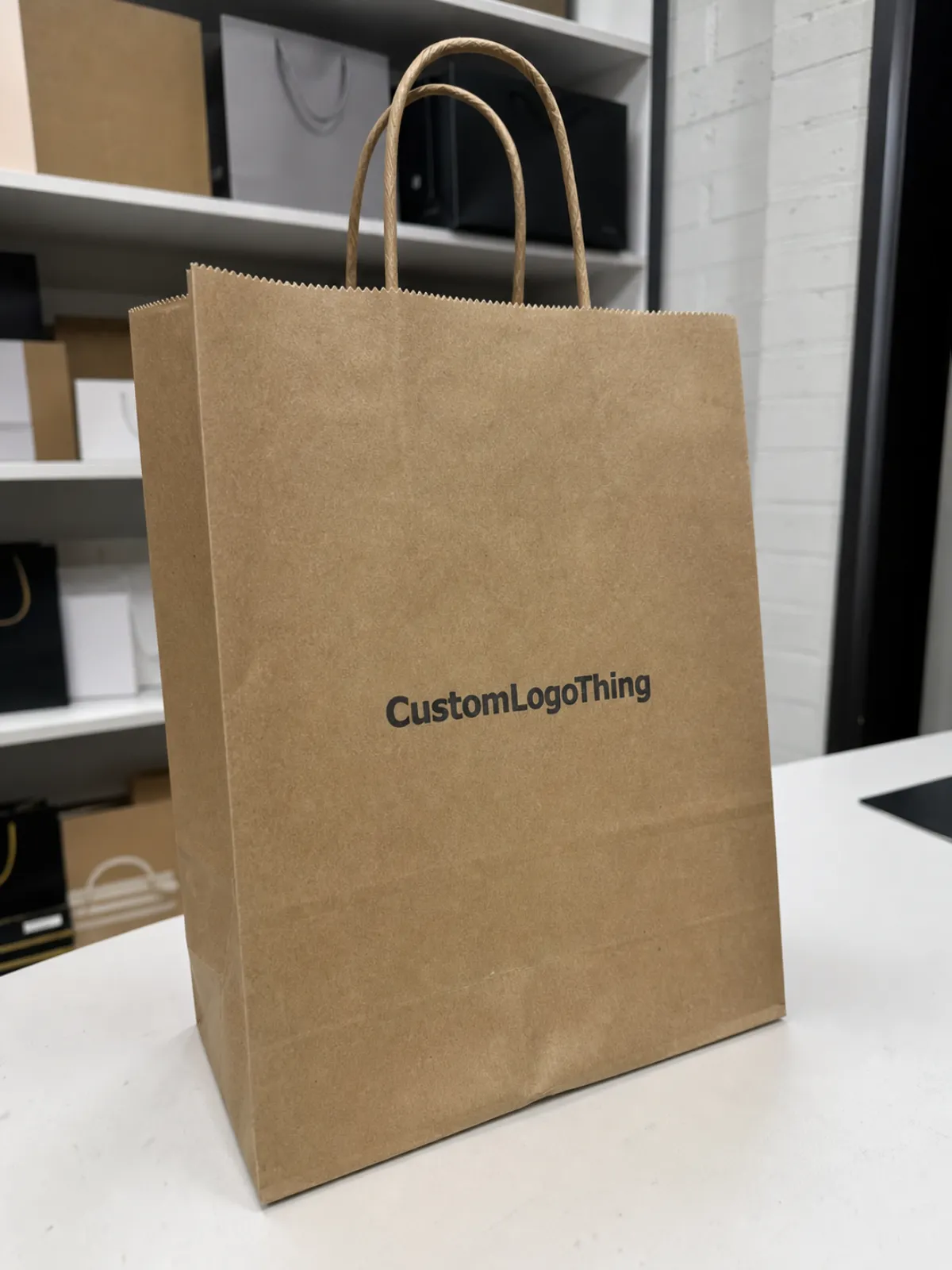
A sample is not a courtesy photo from a supplier. It is an inspection checkpoint. A serious checklist verifies dimensions, material feel, print color, zipper action, valve location, gusset behavior, label readability, seal clearance, and shelf presentation.
Coffee packaging has a difficult double job. It has to sell like retail packaging and perform like food-contact industrial packaging. A brochure can be slightly off-color and still do its job. A coffee bag with weak seals, poor oxygen barrier, or unreadable roast-date information can create returns, complaints, and stale product.
Buyers also confuse sample types. A digital proof checks layout, spelling, barcode placement, and dieline alignment on screen. A pre-production sample checks structure, size, and material before the full run. A printed sample helps confirm color, finish, opacity, and brand presentation. A production sample confirms that the actual run matches the signed specification.
Those are not interchangeable. A PDF cannot tell you whether a zipper catches grounds after five openings. A flat mockup cannot show whether 340 grams of whole beans push the side gussets into the barcode panel. A beautiful photo cannot prove that the bag will stand upright beside competing coffee.
The checklist helps roasters, private-label coffee brands, subscription box teams, cafes moving into retail, distributors comparing suppliers, and procurement managers trying to lower packaging risk. It also helps brands ordering related Custom Packaging Products, because the same approval discipline applies to branded bags, sleeves, labels, mailers, and cartons.
Practical rule: approve the bag as if it is already in your filling room, shipping carton, and customer’s kitchen. Empty-bag approval is only half an approval.
How Sample Approval Works Before Coffee Bag Production
The approval chain looks simple: artwork proof, dieline review, material confirmation, physical sample request, internal inspection, supplier feedback, revision, and final written approval. The trouble sits inside the details.
Before sampling, the supplier usually needs the bag style, finished size, target fill weight, material structure, print method, number of colors, finish, valve requirement, zipper preference, minimum order quantity, and delivery destination. A 12-ounce stand-up pouch with a degassing valve and zipper is not the same job as a 5-pound side-gusseted wholesale bag. The quote changes. So does the risk.
Stock samples show material and format. Blank custom-size samples show fit, gusset expansion, and filling behavior. Printed pre-production samples show packaging design, brand color, small text, and finish. Production samples prove whether the final run stayed loyal to the signed proof.
Some issues cannot be judged on screen. Matte finish, kraft texture, foil opacity, valve placement, zipper resistance, gusset expansion, and heat-seal quality need hands-on review. Touch the bag. Fill it. Stand it up. Open it, close it, and look at it under the same lighting your customers will see.
A useful internal approval team is small but cross-functional. Operations checks filling compatibility and seal clearance. Marketing checks brand color, shelf impact, and package branding. Quality checks food-contact documentation, label accuracy, odor neutrality, and sales-channel requirements. Finance confirms that the approved specification still matches the quote.
Approving coffee bag samples is closer to checking a pilot batch than approving a brochure. The package has to survive filling, boxing, shipping, storage, handling, and repeated opening at home. The checklist should travel with the sample, not sit in someone’s inbox after the decision is already made.
Process and Timeline: From Artwork Proof to Approved Sample
A realistic sample process often moves through eight stages: artwork review, dieline adjustment, material confirmation, proofing, sample making, transit, buyer inspection, and production scheduling. Timing depends on print method, material availability, supplier workload, shipping distance, and how clean the artwork file is at the start.
For straightforward stock-structure bags, reference samples may arrive quickly. Printed custom samples take longer because plates, digital setup, material handling, lamination, curing, and finishing may be involved. Compostable structures, unusual sizes, windows, special coatings, low-MOQ trials, and valve testing can add time. Not always. Often enough to make tight launch calendars risky.
Do not skip these decision gates:
- Confirm the dieline, including folds, gussets, zipper line, tear notch, valve area, and seal zones.
- Approve the material structure, such as kraft laminate, foil-lined film, metallized barrier, recyclable mono-material, or compostable film.
- Measure the physical sample against the quoted finished size.
- Fill the sample with the real coffee weight and format: whole bean, ground coffee, pods, or sample packs.
- Review print under daylight, warm cafe lighting, warehouse lighting, and retail lighting.
- Sign the final specification sheet with revision number and dated proof.
Seasonal coffee drops, wholesale onboarding, crowdfunding fulfillment, and grocery planogram deadlines need buffer time. A late artwork change can restart part of the process. Moving a logo by 8 millimeters, changing a roast-date panel, adding a QR code, or switching from natural kraft to white paper can affect print, cost, and setup.
Samples are not delays. They are controlled friction. One week spent catching a zipper, sizing, barcode, or valve issue can prevent 5,000 or 50,000 unusable bags from entering your supply chain.
| Approval Item | Typical Risk If Skipped | Practical Check | Cost Impact |
|---|---|---|---|
| Dieline review | Artwork lands on folds, seal zones, or gussets | Mark critical logos, barcodes, and regulatory panels | May avoid plate or setup rework |
| Material confirmation | Barrier, texture, or finish does not match product needs | Confirm structure, thickness, and food-contact documents | Can change unit price by several cents per bag |
| Printed sample | Brand color, small text, or QR code fails in real use | Check under multiple lights and scan codes | Sample fees may apply, but reduce production risk |
| Filled-bag test | Bag leans, bows, underfills, or will not reseal cleanly | Fill with actual coffee and stand for 24 hours | May require size or gusset adjustment |
Technical Checks: Size, Barrier, Valve, Zipper, and Seal Quality
Start with size. Fill the sample with the actual product weight, not rice, paper stuffing, or guesswork. Whole beans, ground coffee, and pods settle differently. A 12-ounce whole bean fill may sit higher and more unevenly than the same weight of ground coffee. If you sell both, test both.
Measure finished width, height, bottom gusset, side gussets, zipper distance, and top seal allowance. Filling equipment needs room. Hand filling does too. A top seal area of 20 to 30 millimeters may be workable in one setup and too tight in another, depending on equipment, operator process, and whether the bag is nitrogen flushed or heat sealed after filling.
Barrier structure deserves real attention. Coffee needs protection from oxygen, moisture, light, and aroma loss. Foil-lined laminates usually provide strong barrier performance, but they can complicate recyclability claims. Metallized films may balance barrier and weight. Kraft-laminated bags create a natural look, but the paper layer is not the barrier by itself. Compostable structures vary widely, so ask for the exact material specification and realistic shelf-life expectations.
Food-contact packaging should come with documentation tied to the actual material structure, not a generic one-page statement that could apply to anything. Ask for food-contact declarations, ink and adhesive suitability where relevant, and any retailer-specific compliance documents before printing claims on the bag. For broader packaging education, groups such as the Packaging Association publish industry resources, while certification systems such as FSC help buyers understand responsible fiber sourcing claims.
Degassing valves need more than a quick glance. The valve should function after filling, avoid key artwork, sit clear of labels, and stay away from the seal path. If a valve lands near the top fold on a smaller pouch, it may look awkward or work poorly after the bag is packed tightly in a shipper.
Zippers deserve repetitive testing. Open the sample 10 times. Reseal it 10 times. Shake it gently after filling. Check whether grounds collect in the zipper track, whether the zipper aligns across the mouth, and whether the consumer can open it without tearing the front panel. Coffee customers notice this. They may not know the word “specification,” but they know when a bag annoys them every morning.
Bottom gussets and side gussets are where many pretty samples lose their charm. A bag can look premium while flat, then lean, bow, or collapse once filled. Stand the sample on a flat shelf for 24 hours. Then place it in a carton with neighboring bags. Shelf stability and case-pack behavior are different tests.
Inspect seals and tear features last, but do not rush them. Heat seals should be even, with no tunneling, wrinkles, burn marks, or weak corners. Tear notches should open predictably without ripping through the zipper. Your sample approval notes should also confirm ink odor, rub resistance, laminate bond, valve attachment, and whether the filled bag fits your planned shipper or display tray.
Print and Branding Checks Buyers Miss on Coffee Paper Bags
Color approval is not the same as liking a PDF. Kraft paper, matte films, uncoated textures, metallic layers, and soft-touch finishes can shift color hard. A deep green on your monitor may turn olive on kraft. A warm cream may disappear under cafe lighting. Black can look rich and premium, or muddy and heavy. Depends on the build, substrate, and finish.
Check brand colors in at least four conditions: daylight, warm cafe lighting, warehouse lighting, and retail shelf lighting. Coffee packaging often sits in warm, shadow-heavy environments. That matters for branded packaging because customers judge the bag beside competitors, price tags, shelf strips, and visual clutter. Not inside a neat design presentation.
Small text is a frequent failure point. Roast level, origin, tasting notes, net weight, grind type, barcode, QR code, nutrition panel, distributor details, and brewing instructions must stay legible. Eight-point type may look clean in a proof and become weak on textured kraft or matte film. Fine reversed-out text is even riskier. The design team may love it. The scanner will not care.
Scan every barcode and QR code before approval. Use multiple phones and, if the bag will enter retail distribution, a proper barcode scanner. Curves, gussets, matte coatings, low contrast, and kraft texture can all reduce scan reliability. If the code fails on the sample, mass production will not magically improve it.
Front-panel hierarchy needs distance testing. Put the filled bag on a shelf and step back 1.5 to 2 meters. Can you read the coffee name, roast type, brand mark, and main flavor cue? If not, the design may be attractive but commercially weak. Product packaging has to communicate quickly, especially in grocery or cafe retail displays where no one is politely studying your typography for 45 seconds.
Dieline alignment is another quiet culprit. Artwork crossing folds, gussets, or seal zones can distort. If a mountain illustration wraps across a side gusset, fine. If a certification mark, barcode, roast-date box, or net weight statement bends around a corner, not fine. Mark design elements that cannot land on creases before the sample is made.
Many rejected packaging runs are not caused by dramatic print disasters. They are caused by tiny overlooked details repeated 10,000 times: a QR code too close to a curve, a roast-date box on a gusset fold, a black ink build that turns muddy, or a barcode placed where the bag naturally wrinkles.
Cost, Pricing, and MOQ Questions to Settle Before Approval
Sample approval should happen with the quote open. Not from memory. Every approved feature should match the priced specification: size, material, valve, zipper, finish, print method, color count, and quantity.
Cost drivers include material structure, bag size, print coverage, number of colors, finish, degassing valve, zipper, tin tie, window, rounded corners, plate or setup fees, sample fees, and freight. A simple kraft-look pouch and a high-barrier matte pouch with metallic ink and valve are not in the same pricing lane.
As a rough planning range, smaller custom coffee bag runs may land around $0.18 to $0.45 per unit for common pouch formats at several thousand pieces, depending heavily on structure, print, and supplier model. More complex finishes, low quantities, valves, compostable films, special tooling, or premium finishes can push higher. Treat any range as a starting point, not a promise. Freight, currency, material markets, and order volume can move the number fast.
MOQ can surprise buyers. A brand may approve an ideal sample, then discover that the selected recyclable film, valve type, or print method requires a higher minimum order quantity than the launch budget supports. Ask before you fall in love with the sample. Packaging romance is expensive.
A lower unit price can also hide waste risk. If the bag runs slowly on your filler, fails to seal consistently, or gets crushed in shipping, the cheap bag becomes expensive. Approval should include production behavior, not only purchase price.
Ask suppliers to separate one-time costs from repeat-order costs. Plates, tooling, custom dielines, and sample development should not be blended into ongoing bag pricing without explanation. Request two or three volume tiers, such as 5,000, 10,000, and 25,000 units, so you can compare launch quantity against reorder economics.
Freight and storage matter too. Coffee Paper Bags are lightweight but bulky. Carton dimensions, case pack, pallet count, warehouse space, and landed cost affect the real price. Brands buying Custom Packaging Products across bags, labels, mailers, and custom printed boxes should compare storage impact across the full packaging set, not one SKU at a time.
Common Sample Approval Mistakes That Create Production Problems
Mistake one: approving a flat, empty bag. This hides volume, gusset, shelf, closure, and filling issues. A filled test bag tells the truth faster than a dozen email comments.
Mistake two: reviewing only with the marketing team. Marketing may approve the look, but operations has to fill it, quality has to release it, finance has to pay for it, and customer service hears complaints if the zipper fails.
Mistake three: assuming a digital proof guarantees print color. Digital proofs are useful for layout and spelling. They cannot fully predict ink behavior on kraft, matte film, foil, or laminated material.
Mistake four: ignoring the seal zone. Artwork, hang holes, tear notches, zippers, valves, and labels must stay clear of filling and sealing areas. If your co-packer specifies required clearance, put that number in the approval notes.
Mistake five: failing to test the real sales channel. A farmers market bag may prioritize hand feel and brand storytelling. A grocery bag must fight for shelf visibility. An ecommerce or subscription-box bag needs carton durability and clean arrival. Wholesale cafe packaging may need larger formats and faster back-of-house handling.
Mistake six: approving with vague language. “Looks good” is not a production approval. A defensible approval references a dated proof, sample ID, material spec, finished size, order quantity, revision number, and any open exceptions.
Mistake seven: changing artwork after approval without triggering review. Small changes can affect readability, barcode scanability, dieline alignment, or cost. If the approved file changes, reopen the checklist. Yes, even if the change feels minor. That is usually how the annoying problems sneak in.
Actionable Next Steps Before You Sign Off
Create a physical approval packet. Include the sample bag, filled test bag, latest artwork proof, quote, material specification, dieline, and notes from operations, marketing, quality, and finance. Keep one approved sample in your office or production area. If a future shipment looks different, you have evidence instead of a debate.
Run five practical tests before final approval:
- Fill the bag with the exact coffee weight and product format.
- Stand the filled bag on a shelf for 24 hours and check leaning, bowing, and bottom shape.
- Open and reseal the zipper at least 10 times.
- Scan the barcode and QR code on multiple devices.
- Inspect seals, folds, valve placement, and small text under bright light.
Send supplier feedback in a structured format. Include photos, measurements, annotated artwork, issue priority, and whether each item is a must-fix or nice-to-improve. Suppliers can respond faster to “move valve 15 millimeters left to avoid logo” than to “valve feels off.” Specific beats polite fog.
Ask for written confirmation of the final specification: finished size, material structure, print method, finish, valve, zipper, MOQ, unit cost, setup charges, production lead time, and shipping terms. If sustainability claims are part of the package branding, confirm the supporting documents before printing the claim. “Eco-friendly” without proof is not a strategy. It is a complaint waiting to happen.
Document final approval authority. Without one owner, sample feedback turns into a committee loop. That delays production, increases revision cost, and creates contradictory comments. One person should collect input and issue the final signed approval.
Before releasing a production order, use the Custom Coffee Paper Bags sample approval checklist as the last evidence-based review, not a memory exercise. The point is not paperwork. The point is preventing the expensive surprise of beautiful bags that cannot protect, sell, scan, seal, or stand.
FAQ
What should be included in a custom coffee paper bags sample approval checklist?
Include bag size, fill weight, material structure, barrier type, valve placement, zipper function, seal quality, gusset shape, print color, barcode scanability, labeling accuracy, quote match, MOQ, and Lead Time. Add a sign-off section with sample date, revision number, approver name, and supplier confirmation so the approval is traceable.
Do I need a printed sample before ordering custom coffee paper bags?
A printed sample is strongly recommended if brand color, kraft texture, matte finish, metallic effects, barcodes, QR codes, or retail presentation matter. If timing or budget is tight, request stock material samples plus a digital proof, but understand the tradeoff: that approach will not fully verify final print behavior.
How long does coffee paper bag sample approval usually take?
The timeline depends on artwork readiness, material availability, printing method, sample type, shipping distance, and revision cycles. Build in buffer time because one artwork change, valve adjustment, material switch, or barcode correction can require another proof or sample review.
How can sample approval affect the cost of custom coffee bags?
Sample approval locks in cost-driving choices such as material, size, finish, valve, zipper, print method, color count, and MOQ. Review the quote during approval so the sample you sign off on matches the unit cost, setup fees, freight assumptions, and production quantity.
What is the biggest mistake when approving coffee paper bag samples?
The biggest mistake is approving the bag while it is empty. Coffee must be filled into the sample to test volume, shelf stability, zipper performance, gusset expansion, and seal clearance. Another major mistake is approving with vague email language instead of referencing the exact sample, proof, material spec, and revision number.

