Most coffee bags get judged before anyone smells the beans. Shelf presence, the delivery box, the cafe counter, and the first photo on a subscription customer’s kitchen table all speak before the roast does. That is why a custom coffee Paper Bags Bulk Order should never be treated like a last-minute supply purchase.
Flimsy generic bags make good coffee look temporary. Worse, they can create real problems: weak seals, poor aroma protection, bad barcode placement, and inconsistent branding across roast varieties. Very glamorous. Also very preventable.
Custom Coffee Paper Bags Bulk Order: What Actually Matters
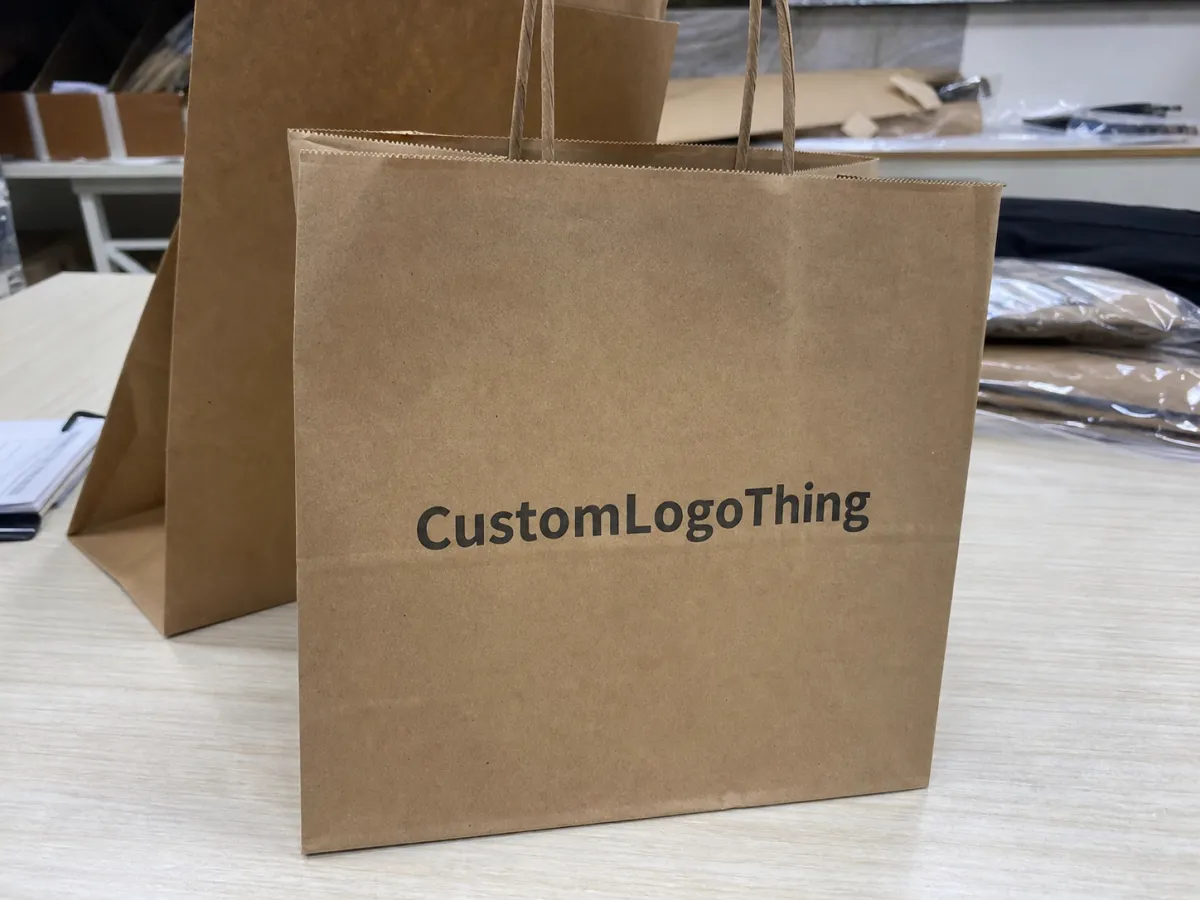
Bulk ordering custom printed coffee bags is not about decoration. It is about lowering unit cost, keeping packaging consistent, and avoiding the panic-order cycle where teams pay extra for rush bags, rush labels, rush freight, and rush mistakes.
A well-planned custom coffee paper Bags Bulk Order gives a roaster control over the whole retail experience. The bag protects the product, carries the logo, identifies the roast, displays net weight and origin details, and makes a small-batch coffee line look intentional instead of improvised. That matters whether the bag sits in a grocery aisle, ships inside a subscription mailer, or gets handed across a cafe counter.
This buying process fits coffee roasters, cafes, subscription brands, grocery suppliers, event coffee sellers, private-label brands, and distributors ordering printed bags in larger quantities. The same core decisions apply, but the best structure changes depending on shelf life, packing speed, sales channel, and how many SKUs you need to manage.
Packaging reality: a vague coffee bag quote usually means missing specs. Missing specs usually mean surprise costs. Surprise costs are not charming.
The order starts with bag style, size, material structure, barrier needs, print method, quantity, and timeline. Skip one of those and the quote turns into guesswork. Guesswork is where budgets go to die.
If you are also building a broader retail set, review related formats through Custom Packaging Products. Coffee bags often need to match cartons, display sleeves, or gift sets, and sorting those pieces early keeps the brand system cleaner.
Pick the Coffee Paper Bag Style Before You Price Anything
Bag style is the first real buying decision because it affects print area, carton packing, freight volume, filling speed, and final unit cost. Two bags can both hold 12 oz of coffee and still behave very differently on a shelf or packing line.
Flat bottom bags are the premium retail option. They stand upright, create strong front-facing print space, and look stable next to competing bags. For 250g, 340g, 12 oz, and 1 lb retail coffee, flat bottom structures usually give the cleanest shelf presentation. They cost more than basic side gusset bags, but they earn that cost when front-panel branding matters.
Stand-up pouches work well for smaller coffee formats, sample packs, seasonal blends, and online sales. They are familiar to consumers and flexible for zipper or heat-seal closures. Depending on material and size, they can be efficient for 100g, 250g, and 500g formats.
Side gusset bags are common for higher-volume packing. They store compactly, fill efficiently, and feel familiar in coffee production. The tradeoff is display area. A side gusset bag can look excellent, but it does not give the same broad front panel as a flat bottom bag.
Block bottom paper bags are useful for a square, sturdy look, especially for retail packaging that needs upright stability. Tin-tie coffee bags are practical for cafes and local retail because staff can close them quickly and customers can reuse them at home. Heat-sealable paper laminate bags are better when freshness and distribution time matter more than hand-packed cafe convenience.
Paper does not automatically mean recyclable, compostable, or plastic-free. If the bag needs a foil lining, PE lining, PLA lining, valve, zipper, or multi-layer laminate, the real structure drives the claim. Marketing language has to match the actual material. That part still seems to surprise people.
| Bag Style | Best Use | Typical Tradeoff |
|---|---|---|
| Flat bottom bag | Premium retail coffee, grocery shelves, strong front branding | Higher unit cost, more carton volume |
| Side gusset bag | Higher-volume roasters, compact storage, efficient filling | Less front-facing design space |
| Tin-tie paper bag | Cafes, local retail, short distribution windows | Lower barrier unless paired with proper inner structure |
| Stand-up pouch | Samples, subscriptions, seasonal blends, online sales | May feel less traditional for some specialty coffee brands |
Material, Barrier, Valve, and Closure Specs Buyers Should Confirm
Material structure decides whether the bag simply looks good or actually protects the coffee. Common options include kraft paper, white paper, coated paper, paper with foil lining, paper with PE or PLA lining, and multi-layer paper laminate for stronger aroma and oxygen protection.
Fresh roasted coffee releases gas and hates oxygen, moisture, heat, and light. A pretty paper bag without the right inner barrier can make good beans taste tired. Nobody pays premium prices for tired.
For whole bean roasted coffee packed soon after roasting, a one-way degassing valve is usually the sensible move. The valve lets carbon dioxide escape while reducing oxygen entry. Placement is usually on the upper front or back panel, depending on artwork and filling method. Valves add cost, often a few cents per bag at volume, but they can protect shelf life in a way a cheaper plain bag cannot.
Closure choice matters too. Tin-ties are fast for cafe use and customer reuse. Zippers improve consumer convenience but raise cost and can slow some filling operations. Adhesive seals are simple for certain short-run applications. Heat seals give better product protection for distribution, especially if the bag travels through retail or ecommerce channels. Tear notches help opening. Resealable options help repeat use. None of these is best in isolation. They are best for a use case.
Common capacity ranges include 100g sample bags, 250g retail bags, 340g or 12 oz bags, 500g bags, 1 lb bags, and larger foodservice formats. Dimensions vary by bean density, roast level, grind, and bag structure. Dark roasts can fill differently than lighter roasts. Ground coffee settles differently than whole bean. Samples matter because spreadsheets do not pour coffee into bags.
Buyers should also confirm food-contact compliance, odor control, and ink safety. Coffee absorbs smells. Cheap materials can make the bag smell like a hardware aisle. That is not a brand note. For responsible sourcing claims, many buyers also ask about FSC-certified paper; the Forest Stewardship Council is a useful reference for understanding certified paper sourcing.
One more caveat: paper structures with foil or heavy plastic barriers are usually stronger for freshness, but they are harder to recycle in normal curbside streams. If your brand wants a recyclability claim, verify the full structure, not just the outer paper layer. Buyers get burned here all the time.
Print Options, Artwork Setup, and Brand Details That Change the Result
Print method affects cost, color consistency, setup time, and how many versions you can afford to run. For a Custom Coffee Paper Bags bulk order, the main options are flexographic printing, gravure printing, digital printing, and label application.
Flexographic printing is common for larger production runs. It uses plates, works well on many flexible packaging materials, and can produce consistent repeat orders once the setup is dialed in. Gravure printing can deliver strong detail and repeatability at larger scale, but cylinders make setup costs harder to justify for small test runs.
Digital printing is useful for smaller runs, multi-SKU orders, seasonal blends, limited releases, and brands still testing demand. Upfront tooling is lower, setup can be faster, and version changes are easier. The tradeoff is that unit cost may stay higher at larger quantities compared with flexo or gravure.
Label application still has a place. A shared printed base bag with applied labels can be smart for rotating coffees, small harvest lots, or subscription brands changing roast names every few weeks. It will not always look as integrated as full-surface printing, but it can control inventory risk.
Artwork should be ready before pricing gets serious. Send vector logo files, Pantone or CMYK color references, dieline alignment, bleed, safe zones, barcode placement, roast date area, net weight, origin notes, and required regulatory text. A blurry logo pulled from a website header is not artwork. It is a cry for help.
Finishes include matte, gloss, spot UV, foil stamping, embossing, debossing, window cutouts, and full-surface printing. These can improve shelf impact, especially for premium retail packaging, but they add cost and may extend production time by several business days. Prioritize clear logo placement, roast identification, readable contrast, and a scannable barcode before chasing special effects. A metallic logo cannot rescue a layout nobody can read.
Buyers with multiple SKUs should also think about version control. It is easy to approve one design and then quietly swap in a different barcode, a different roast name, or a slightly different weight statement. That turns into a compliance problem fast. Keep one final artwork file per SKU and label it clearly. Boring process, fewer mistakes. A rare bargain.
Pricing, MOQ, and Unit Cost: What Moves the Quote
There is no honest one-line price for a bulk coffee bag without the specs. Pricing depends on structure, size, material layers, print method, number of colors, valve, zipper or tin-tie, finish, quantity, freight, and timeline.
Digital or label-based options may support lower runs, sometimes around 500 to 1,000 pieces depending on the structure. Fully Custom Printed Paper coffee bags usually become more economical at higher quantities such as 3,000, 5,000, 10,000, or 25,000 pieces. The exact MOQ depends on print method and material availability.
Setup costs can include plates, cylinders, dielines, sampling, color matching, and custom tooling. That is why the first Custom Coffee Paper Bags bulk order may look more expensive than the reorder. Once artwork, material, and production settings are approved, reorders often run cleaner and price better, assuming no major changes.
Unit cost has a simple tradeoff. A higher MOQ can lower the bag price but ties up more cash in inventory. A lower MOQ reduces risk but raises the per-bag cost. This is math, not a personality flaw.
| Quantity Break | Typical Use | Pricing Behavior |
|---|---|---|
| 1,000 pieces | Test run, small cafe launch, limited blend | Higher unit cost, lower inventory risk |
| 3,000 pieces | Early retail run or several months of cafe volume | Better pricing if print setup is efficient |
| 5,000 pieces | Common production starting point for custom print | Tooling costs spread across more units |
| 10,000 pieces | Established roaster or multi-channel sales | Stronger unit economics, more storage needed |
| 25,000 pieces | Distributor, grocery program, large subscription brand | Best scale pricing, highest inventory commitment |
For practical quoting, ask for quantity breaks rather than one MOQ. Compare 1,000, 3,000, 5,000, 10,000, and 25,000 pieces when those volumes match your demand. Also ask whether freight, artwork proofing, valve cost, zipper cost, taxes, and sampling are included. Many cheap-looking quotes become less adorable once the missing pieces show up.
If your business expects repeat orders or several product lines, ask the supplier about wholesale pricing tiers. A planned buying schedule often beats random emergency purchasing, especially for packaging that affects every sale.
One more pricing trap: custom-shaped windows, heavy embossing, and specialty metallic finishes sound attractive on a sample sheet, then get expensive quickly at scale. If the packaging has to survive warehouse handling, pallet stacking, and shipping vibration, simple often wins. Fancy is fine. Fragile is not.
Process and Timeline From Quote to Finished Coffee Bags
The production process is straightforward if the specs are clean. First, confirm bag style and target capacity. Then choose the material structure, closure, valve requirement, print method, and finish. After that, submit artwork, review the dieline, approve the digital proof, produce a sample if needed, start bulk production, inspect finished bags, pack cartons, and ship.
Simple digital or stock-structure jobs can move faster, sometimes in roughly 7 to 15 business days after proof approval if materials are available. Fully custom printed bags with valves, specialty laminates, multiple SKUs, foil stamping, embossing, or custom finishes often need more time, commonly 20 to 35 business days or longer depending on factory schedule and freight method. Anyone promising the same timeline for every structure is selling vibes, not packaging.
The approval bottlenecks buyers control are painfully predictable: late artwork, missing barcode files, unclear color references, changed dimensions, slow proof approval, and last-minute SKU additions. The printer cannot print a feeling. Send files.
Sampling options vary. A digital proof confirms layout and text placement. A physical blank sample checks size, structure, hand feel, and filling behavior. A printed sample checks color and finish. A pre-production sample is useful for larger orders where one mistake can multiply across thousands of bags.
Lead time can also shift due to material availability, order quantity, number of SKUs, finish complexity, valve installation, inspection requirements, carton packing, and shipping method. Air freight may save time but can punish the budget. Ocean or ground freight lowers cost but requires planning.
Order packaging ahead of roast schedules and launch dates. Bags should arrive before coffee is ready, not while the team is hand-stamping emergency labels at midnight. If you are coordinating bags with cartons, mailers, or inserts, align those timelines early through your broader packaging design plan.
For brands launching a new line, a simple timeline works best: approve structure first, approve artwork second, then lock production. Changing all three at once is how lead times grow teeth. If the deadline is fixed, freeze decisions early.
Quality Checks That Prevent Expensive Coffee Bag Problems
Quality checks are not busywork. They prevent avoidable failures that show up after the invoice is paid and the coffee is already roasted.
Inspect print registration, color consistency, seal strength, bag dimensions, valve placement, zipper function, tin-tie attachment, odor, material thickness, carton count, and surface defects. Matte finishes should be checked for scuffing. Small text should be checked at actual size, not zoomed to 300 percent on a monitor. Barcodes should scan before production, not after a retailer rejects a shipment.
Common failures include weak bottom seals, crooked valves, unreadable roast notes, color drift across batches, and bags that look fine empty but distort when filled. Filled testing catches problems mockups hide. Put actual whole bean and ground coffee into the sample bag, close it the way your team will close it, and leave it for a realistic period.
Automatic and semi-automatic filling machines add another layer. Bag stiffness, opening width, gusset behavior, heat-seal area, and zipper placement can affect throughput. A bag that looks beautiful but slows packing by 20 percent is not free. Labor cost counts, even if the quote pretends it does not.
Carton packing matters too. Paper bags can dent, absorb moisture, or crush if stored badly. Ask how many bags are packed per carton, whether inner poly protection is used, how cartons are labeled, and whether palletizing is available for larger orders. For distribution testing concepts, the International Safe Transit Association publishes packaging transport standards that are worth knowing if your coffee ships through rough channels.
Check odor on arrival, not a week later. Paper and laminate can pick up warehouse smells if cartons sit too close to chemicals, cardboard dust, or damp storage areas. A nice bag that smells off is still a bad bag. Simple rule, annoying reality.
One more practical check: compare a filled sample against your roast schedule and actual fill weight. Coffee density changes by origin and roast level. A bag that works for a light roast at 12 oz may not close the same way with a darker, denser blend. That mismatch shows up on the line, not in a mockup.
Next Steps Before You Request a Coffee Bag Quote
Before requesting pricing, build a simple spec list. Choose bag style, confirm target capacity, decide valve or no valve, choose closure, select material finish, prepare logo files, estimate order quantity, and list the required delivery date.
- Bag type: flat bottom, stand-up pouch, side gusset, block bottom, tin-tie, or heat-sealable laminate.
- Capacity: 100g, 250g, 340g, 12 oz, 500g, 1 lb, or another target fill weight.
- Material: kraft paper, white paper, coated paper, foil-lined paper, PE or PLA lining, or multi-layer laminate.
- Closure: tin-tie, zipper, adhesive seal, heat seal, tear notch, or resealable format.
- Print details: logo file, print colors, finish, barcode, roast date area, and SKU variations.
- Commercial details: quantity, destination country, deadline, sample needs, and reorder expectations.
Gather current bag samples or competitor references if you have them. A photo with dimensions can shorten quoting time and prevent twelve-email archaeology. If you already use a bag that fills well but looks generic, send that structure as a reference and improve the print, material, or closure from there.
Prepare SKU details early: roast names, flavor notes, barcode placement, color variations, label areas, and whether one shared bag design can support multiple coffees. For rotating blends, a shared branded base with labels or writable roast fields may control inventory better than printing every variety as a separate bag.
Ask for quantity break pricing, sample options, production lead time, freight estimate, artwork requirements, and reorder terms in the first quote request. Better inputs mean faster, cleaner pricing. If you are still deciding between a few structures, compare them by unit cost, shelf impact, and production risk. That usually exposes the real winner pretty fast.
Send the practical facts: bag type, dimensions or capacity, material preference, print colors, finish, closure, valve requirement, quantity, destination country, and deadline. If you are planning a Custom Coffee Paper Bags bulk order, the strongest quote starts with a complete spec sheet, not a mood board.
FAQ
What is the usual MOQ for custom printed coffee paper bags in bulk?
MOQ depends on bag structure, print method, and material. Digital or label-based orders can start lower, while fully custom printed paper coffee bags usually need higher quantities for sensible unit pricing. For serious bulk buying, ask for quantity breaks instead of one MOQ. Compare 1,000, 3,000, 5,000, 10,000, and 25,000 pieces when those levels fit your demand. If you have multiple coffee SKUs, ask whether designs can share the same base bag to reduce cost.
How much does a custom coffee paper bag bulk order cost?
Cost is driven by size, material layers, valve, zipper or tin-tie, print colors, finish, order quantity, tooling, and freight. The first order may include setup costs for plates, dielines, or sampling. Reorders are often more efficient if the same artwork and structure are used. The cheapest bag is not always the cheapest decision if it causes stale coffee, weak seals, or retail returns.
Do coffee paper bags need a degassing valve?
Fresh roasted whole bean coffee usually benefits from a one-way degassing valve, especially if packed soon after roasting. Ground coffee, aged coffee, or short-term cafe use may have different requirements depending on packing timing and shelf life. Valves add cost, so confirm the need based on roast schedule, product format, and distribution channel.
How long is the production timeline for bulk custom coffee bags?
Timeline depends on artwork approval, print method, material availability, quantity, finish complexity, and shipping method. Simple jobs move faster than fully custom bags with special finishes, valves, and multiple SKUs. The fastest way to avoid delays is to submit clean vector artwork, approve proofs quickly, and confirm dimensions before production.
Can I order custom coffee paper bags for multiple roast varieties?
Yes. You can print unique bags for each roast or use one shared branded bag with labels, stickers, stamp areas, or writable roast fields. For smaller SKU counts, separate printed designs may be practical. For many rotating blends, a shared base design can control inventory and cost. Ask for pricing by SKU count because splitting artwork across several versions can affect MOQ and setup charges.
