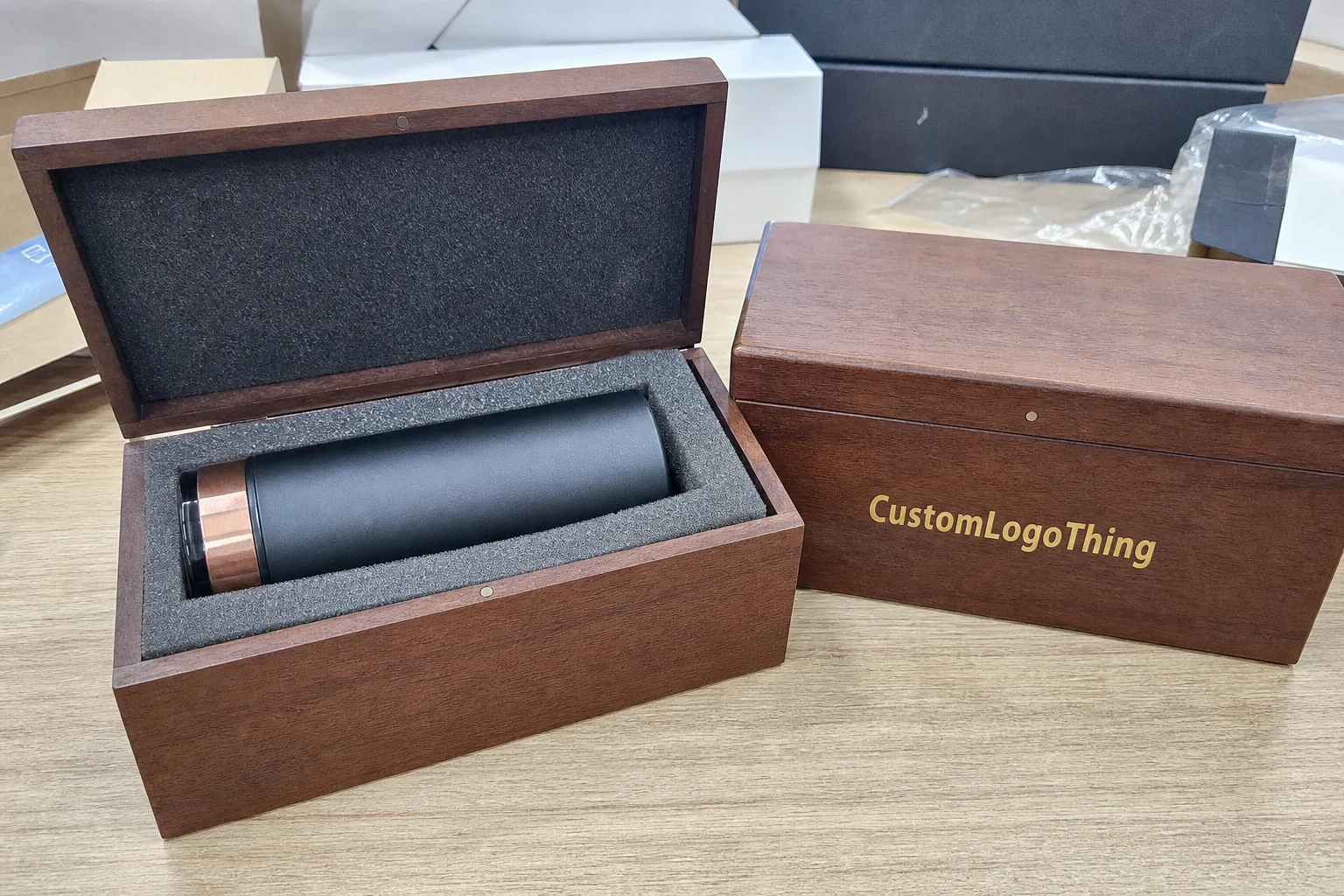
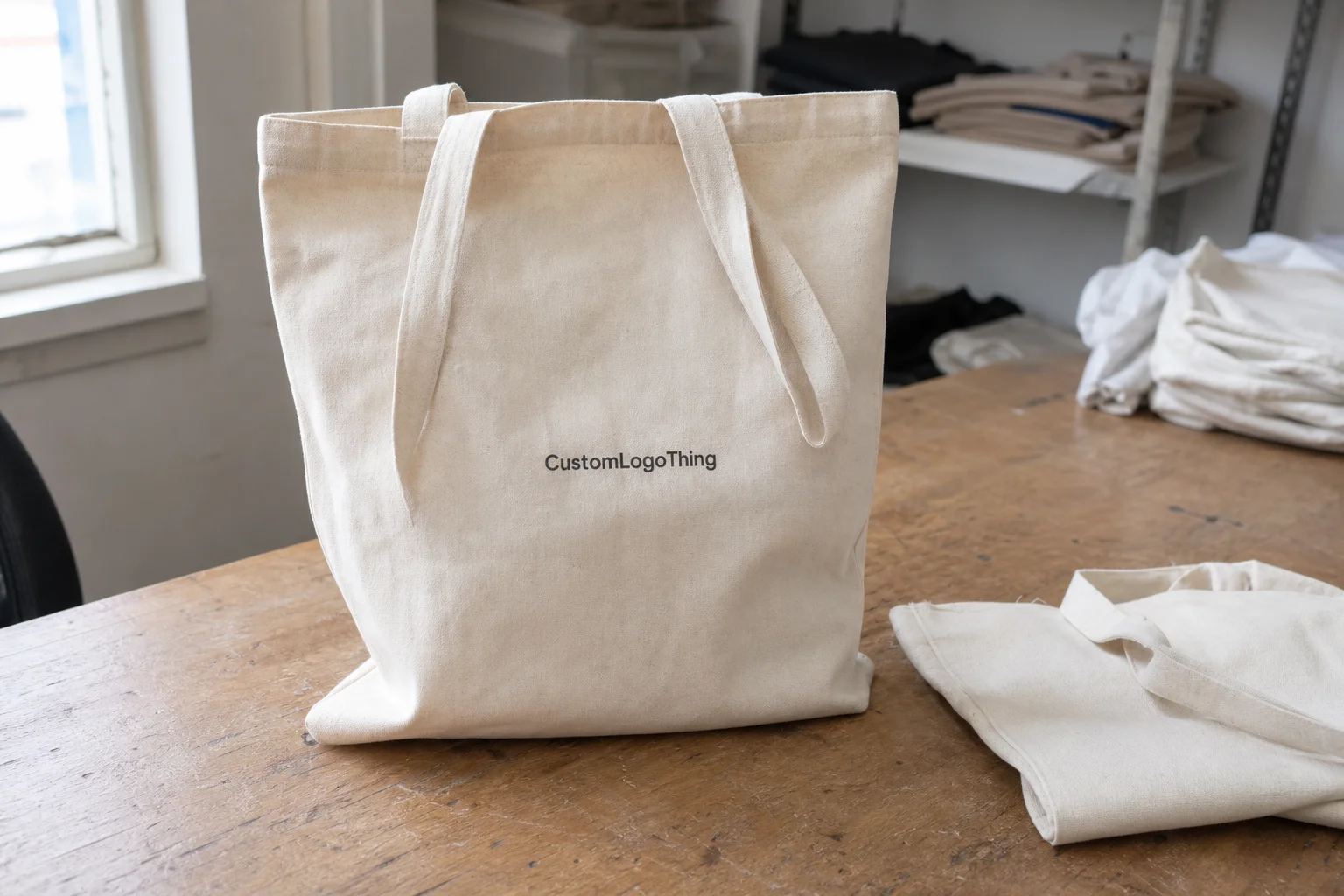
Custom cotton labels are tiny, but they do real work. They affect comfort, brand perception, and how finished a garment feels the moment someone flips the collar or checks a seam. Get the label right and nobody talks about it. Get it wrong and the product suddenly feels cheaper, even if the rest of the build is solid.
That is why label decisions should sit alongside packaging, trims, and garment construction, not after them. A premium sweatshirt can have clean stitching, good fabric, and polished retail packaging, then lose credibility because the neck label scratches or curls. Small detail. Big consequence. The same goes for hangtags, inserts, and any other branded packaging touchpoint that is supposed to support the product, not distract from it.

A label does not need to be loud. It needs to feel like it belongs on the garment.
Why Custom Cotton Labels Still Punch Above Their Weight
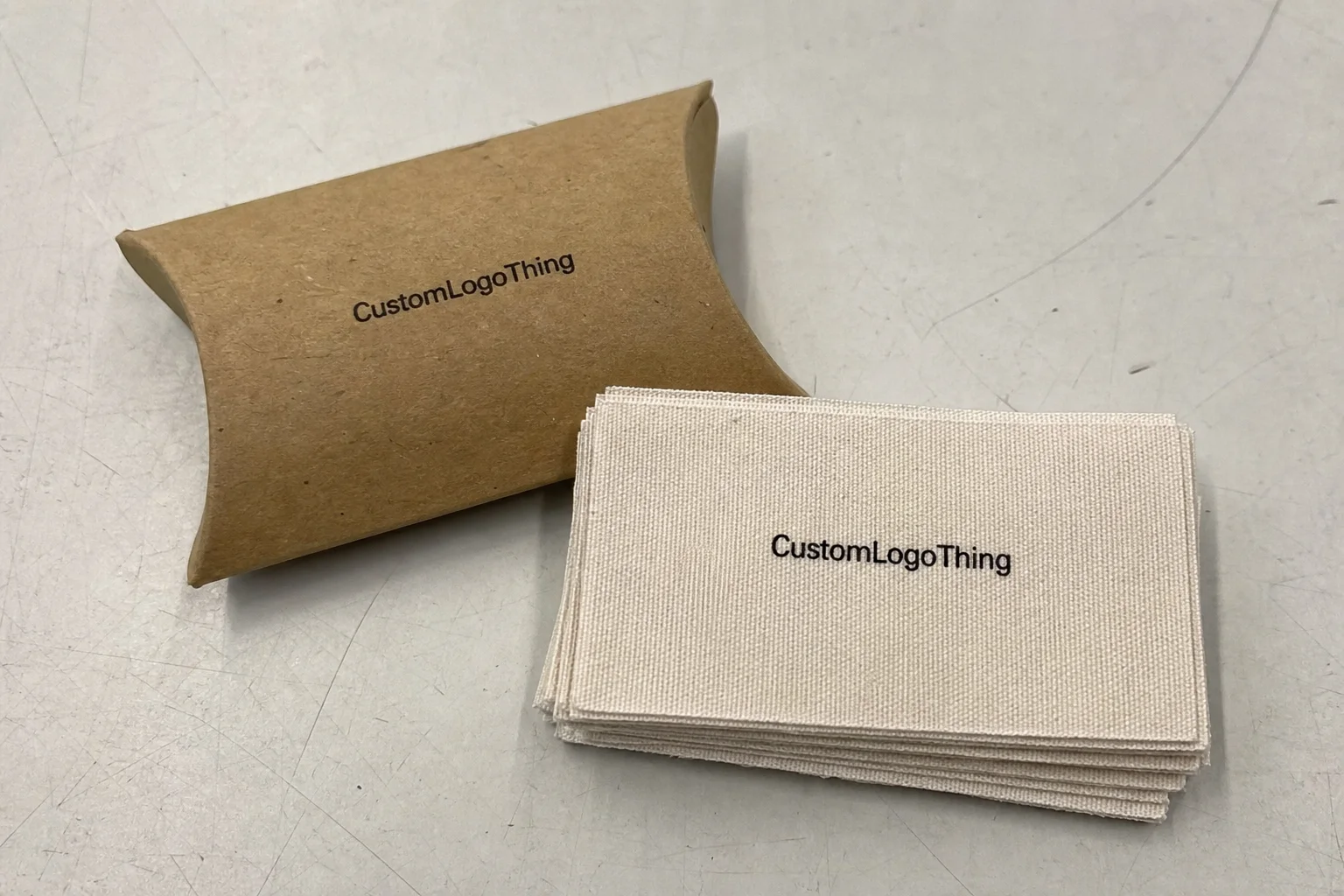
Buyers usually notice four things fast: softness, legibility, fold quality, and whether the label looks integrated with the garment. If the weave feels rough, the edge is stiff, or the logo disappears into the seam, the whole product reads as less considered. That happens on a $25 tee and a $150 jacket. Price changes the expectations. Physics does not.
Labels also get judged in motion, which is where a lot of designs fall apart. A shopper reaches into a collar, flips a cuff, or checks the side seam during a fitting. In that moment, the label either feels intentional or disposable. There is not much middle ground. Tiny text is where design optimism goes to die, so the artwork has to be sized for the actual garment, not the presentation deck.
Custom cotton labels earn their keep because they sit at the intersection of comfort and compliance. They can carry sizing, origin, and care information while still matching the tone of the product. If the line is built around soft hand feel and natural materials, a cotton label supports that story better than a slick synthetic trim. If the garment is meant to feel technical or rugged, that same softness may be the wrong signal. The material choice has to match the product, not just the brand mood board.
For brands that already treat packaging design as part of the product experience, labels should be handled the same way. The logic is simple: if the carton, tissue, insert card, and garment trim all speak the same visual language, the line feels deliberate. If one part feels borrowed from a different brand, people notice. Not always consciously. They still notice.
How the Production Process Works
The process usually starts with artwork and a spec check. A supplier needs dimensions, fold style, placement, color count, and whether the design needs woven detail or printed clarity. Clean vector art helps. So does knowing the exact size before the first proof. A fuzzy file with no measurements wastes time and tends to produce avoidable revisions.
The usual sequence is straightforward: spec review, proof, sampling, bulk production, trimming, inspection, and packing. The proof stage is where the basics get locked. That includes label width and height, color interpretation, type placement, fold direction, and any special finish. Minor tonal tweaks may still happen later, but the layout itself should be settled before production starts.
There are three common construction paths. A woven label builds the design from thread, which gives the label structure and decent durability. A printed label places the artwork on cotton tape or a cotton substrate, which helps when the design includes fine type or small symbols. A cotton-tape label is often the middle ground: soft, flexible, easier to sew, and usually more forgiving on casual apparel.
| Label Type | Hand Feel | Detail Level | Best Use | Main Tradeoff |
|---|---|---|---|---|
| Woven cotton label | Soft to medium, depending on weave density | Good for simple logos and strong shapes | Premium basics, heritage branding | Very small text can lose clarity |
| Printed cotton label | Usually softest against skin | Best for fine type and small details | Care labels, minimalist branding | Durability depends on ink and finish |
| Cotton-tape label | Natural, flexible, easy to stitch | Moderate detail, strong contrast possible | Neck labels, side seams, capsule collections | Less structure for highly intricate artwork |
One practical point that gets missed: the same label can behave differently once it is sewn into the garment. A sample lying flat on a table is not the same as a label folded into a collar seam, where friction, tension, and thickness all matter. Buyers who check only the flat proof usually discover that lesson the expensive way.
For a broader reference on how brands think about structure and presentation across the product package, the Institute of Packaging Professionals at packaging.org is useful. Labels are smaller than cartons, obviously, but the thinking is similar: material, finish, and handling all affect how the product is perceived.

Material, Weave, and Finish Choices That Change Performance
Cotton has a real advantage in apparel because it feels familiar on skin and tends to age in a way customers accept. It does not have the slick synthetic hand feel some brands want to avoid in premium basics. That matters on garments built for repeated wear and frequent washing. A label that stays soft earns trust. One that turns stiff or abrasive starts creating complaints.
Weave density changes more than most buyers expect. A tighter weave can sharpen small logos and make type easier to read, but it can also feel firmer. A looser weave usually feels softer and more relaxed, but thin letters may blur or break apart. If the artwork includes fine strokes, tiny taglines, or detailed symbols, there is a tradeoff between tactile comfort and visual precision. There is no magic setting that solves both.
Finish is just as important. Heat cutting, ultrasonic cutting, folded edges, and sewn ends all behave differently. A clean cut can reduce fray, but it may feel less natural against the skin if the edge is not handled carefully. A folded label looks more finished, though it adds thickness at the seam. For side-seam placement, thickness matters more than people think. That spot gets pulled, twisted, and washed constantly.
Placement should guide the spec. Neck labels need softness and low bulk. Side-seam labels can tolerate a little more structure, but not much. Exterior branding can use a more visible finish because comfort is less critical. If the label is meant to be seen, it still has to sit cleanly. If it is meant to disappear into the garment, the edge treatment has to cooperate with the fabric weight and stitch line.
FSC documentation can matter if the sourcing story is part of the brand promise. It does not make a label better by itself. It does support traceability claims, which is useful for brands that want the packaging and trims to tell one coherent story. That is a real buyer concern, not a marketing flourish.
Useful practical ranges help here. Neck labels often land around 20 to 40 mm wide. Side-seam labels can run a bit longer if the garment construction allows it. Very small dimensions save space, but they also compress type and increase the risk of awkward fold geometry. If the logo is already complex, shrinking it to fit a narrow strip is a fast way to make it look accidental.
Custom Cotton Labels Pricing Factors and MOQ Tradeoffs
Pricing makes more sense once you stop treating it as a single number. Size, color count, construction method, fold style, artwork complexity, quantity, finishing, and packing format all affect the quote. A small, simple printed label ordered in volume might land around $0.08 to $0.18 per unit. A more involved woven or folded label, especially at lower quantity, can move into the $0.20 to $0.45 per unit range or higher. Those are working ranges, not guarantees, because supplier pricing varies.
MOQ, or minimum order quantity, is where a lot of buyers misread the quote. A lower MOQ can be useful for testing a line, but it usually raises the unit cost. That is not a trick. It is setup math. Small runs still need proofing, machine time, trimming, and inspection. All of that gets spread across fewer pieces, which is why the per-unit price moves up.
Use landed cost, not sticker price, when comparing options. A quote that looks cheaper can turn out more expensive once you add samples, freight, import fees, packaging, and rush handling. The opposite happens too. A slightly higher unit price can win if the lead time is shorter, the quality is steadier, and the reorder path is cleaner. The right answer is usually boring. That is fine.
| Cost Driver | What It Changes | Typical Buyer Decision |
|---|---|---|
| Quantity | Lower unit cost as volume rises | Order more if the label repeats across SKUs |
| Artwork complexity | More setup time and risk of lost detail | Simplify thin lines and tiny text if clarity matters |
| Fold style | Extra labor and thicker seam profile | Use only if the garment needs that finish |
| Packaging format | Sorting, bundling, or custom bagging costs | Match the pack-out to the sewing line workflow |
| Rush service | Higher cost for priority scheduling | Only use if the launch date is fixed |
There is also the hidden cost of bad decisions. A label that fades, curls, or scratches after a few wash cycles is not cheap. It is deferred expense. Returns, complaints, and rework erase the original savings quickly, especially for brands selling through retail channels where one weak trim decision can create a pile of avoidable customer service noise.
If the product already has investment in packaging design or Custom Printed Boxes, the label should be budgeted as part of the same system. The packaging may get the first impression, but the label is the piece people actually live with.
For suppliers or packaging teams that use transit testing as part of quality control, ISTA standards are a useful reference point. See ista.org for the testing framework. Labels are not cartons, but they still travel through the same supply chain and face the same messy realities of handling, folding, moisture, and abrasion.
Timeline, Proofing, and Production Steps to Expect
A straightforward order often moves from inquiry to proof in a few business days, then into production after approval. Bulk lead time commonly sits around 12 to 15 business days after proof approval, though more complex jobs can take longer. Add freight time on top. If the launch date is fixed, the schedule needs to be built backward from the ship date, not forward from the idea date.
Sample timing and bulk timing are different clocks. A sample can arrive quickly because it is a single controlled item. Bulk production includes scheduling, materials, machine time, trimming, inspection, and pack-out. Buyers often assume a fast sample means a fast full run. That assumption causes missed dates. It is a classic mistake and a completely avoidable one.
The fastest projects usually have three things in common. The files are clean. The spec sheet is exact. The buyer already knows what matters most: softness, detail, or speed. You rarely get all three at the top setting. Pick the priority before the proof arrives, not after.
Size confirmation is worth more attention than it gets. A logo that looks balanced on screen can look cramped once it is compressed into a 50 mm label. A fold that seems harmless in a mockup can fight the seam allowance on the actual garment. That is why placement notes should include final measurements, fold direction, and how the label should sit after stitching.
For repeat orders, keep the approved spec sheet, artwork version, and color callouts in one place. Do not make the next run guess at what happened on the first run. Once the product line starts moving across seasons or channels, that kind of loose recordkeeping turns into inconsistency. Labels are small enough to ignore and important enough to punish that mistake later.
Common Mistakes That Make Labels Feel Cheap or Fail Early
The first mistake is design overload. Tiny text, thin lines, weak contrast, and too much information all fight the scale of the label. A logo that looks elegant in a brand presentation can become unreadable at actual size. If the label also needs care information, the branding should stay restrained so the functional text has room to breathe.
The second mistake is ignoring the garment structure. A neck label has different requirements than a side-seam label. Exterior branding needs a cleaner finish. Seam placement can distort edges if the label is too wide or too stiff. A buyer who checks only the artwork and ignores where the piece sits on the garment is asking for surprises during sewing.
The third mistake is chasing the lowest unit cost without testing the result. A cheap label that scratches, curls, or fades after washing is not cheap. It is a short-term number that hides a long-term cost. That is especially true for brands selling into stores, because customer complaints and returns make every weak trim decision more expensive.
A practical pre-approval checklist should include these items:
- Confirm final dimensions in millimeters.
- Verify fold direction and intended placement.
- Check the edge finish by touch, not just sight.
- Review logo legibility at actual size.
- Check stitching compatibility with the garment fabric.
- Wash-test a sample before bulk approval if the product will be laundered often.
That last step matters. A label can look fine on day one and still fail after two wash cycles. The point is not to be dramatic. The point is that garment labels and care labels need to survive actual use, not just the proof stage.
Another mistake is assuming cotton automatically means soft enough. Cotton is a material family, not a guarantee. The weave, finishing, and edge treatment decide how it feels once the label is sewn in and worn against skin. If those details are ignored, the buyer ends up blaming the wrong thing.
Next Steps for Ordering Labels That Match Your Brand
Start with the garment, not the label. Decide where the label will live, how visible it should be, and whether comfort or durability is the top priority. Then gather the artwork, choose a size that suits the seam or neckline, and write down any fold or finish requirements. A clear brief cuts revision time and lowers the odds of preventable mistakes.
Ask for pricing at more than one quantity tier. That shows how MOQ affects unit cost and helps you decide whether a larger run makes sense. If the price drops sharply at a higher quantity, compare the savings against storage and reorder timing. Sometimes a bigger order is the smart move. Sometimes it is just tied-up cash.
Approve a physical or digital sample before bulk production and then lock the spec sheet. That is how repeat orders stay consistent. The best apparel brands treat label specs the same way they treat packaging specs: controlled, documented, and repeatable. No drama. No guesswork.
Custom cotton labels work best as part of the full presentation, not as an afterthought attached at the end. If the fabric, garment cut, packaging, and trims all point in the same direction, the brand feels intentional. That is where the value shows up. Not in a flashy label. In a coherent one.
FAQ
Are custom cotton labels softer than other garment labels?
Cotton usually feels more natural and less synthetic against the skin, but softness still depends on weave density and finishing. Two cotton labels can feel very different once they are stitched into a collar or seam. Choose cotton when comfort and a premium hand feel matter more than maximum abrasion resistance.
How do I prepare artwork for custom cotton labels?
Use clean vector artwork when possible so small logos and text stay readable at label size. Keep the design simple with strong contrast, because ultra-fine details often disappear once the label is woven or printed. Provide exact dimensions, fold direction, and placement notes so the supplier does not have to guess.
How much do custom cotton labels cost per order?
Price changes with quantity, size, color count, finishing, and whether you need special folds or packaging. Unit cost usually improves as volume rises, but rush production, samples, and shipping can shift the real total. Ask for a quote that shows both per-piece pricing and landed cost so you can compare offers fairly.
What is the usual lead time for custom cotton labels?
Proofs can move quickly, but production timing depends on artwork approval, order complexity, and the factory queue. Plan for sample review before bulk production, since revisions after proof approval can add days or weeks. If your apparel launch has a hard date, build in extra time for shipping and any last-minute corrections.
What should I check before reordering custom cotton labels?
Confirm the approved artwork, dimensions, fold style, and placement so the reorder matches the first run exactly. Check whether the label color, softness, and wash performance still align with the garment after real-world use. Set a reorder threshold early so you do not have to pay rush fees when inventory runs low.