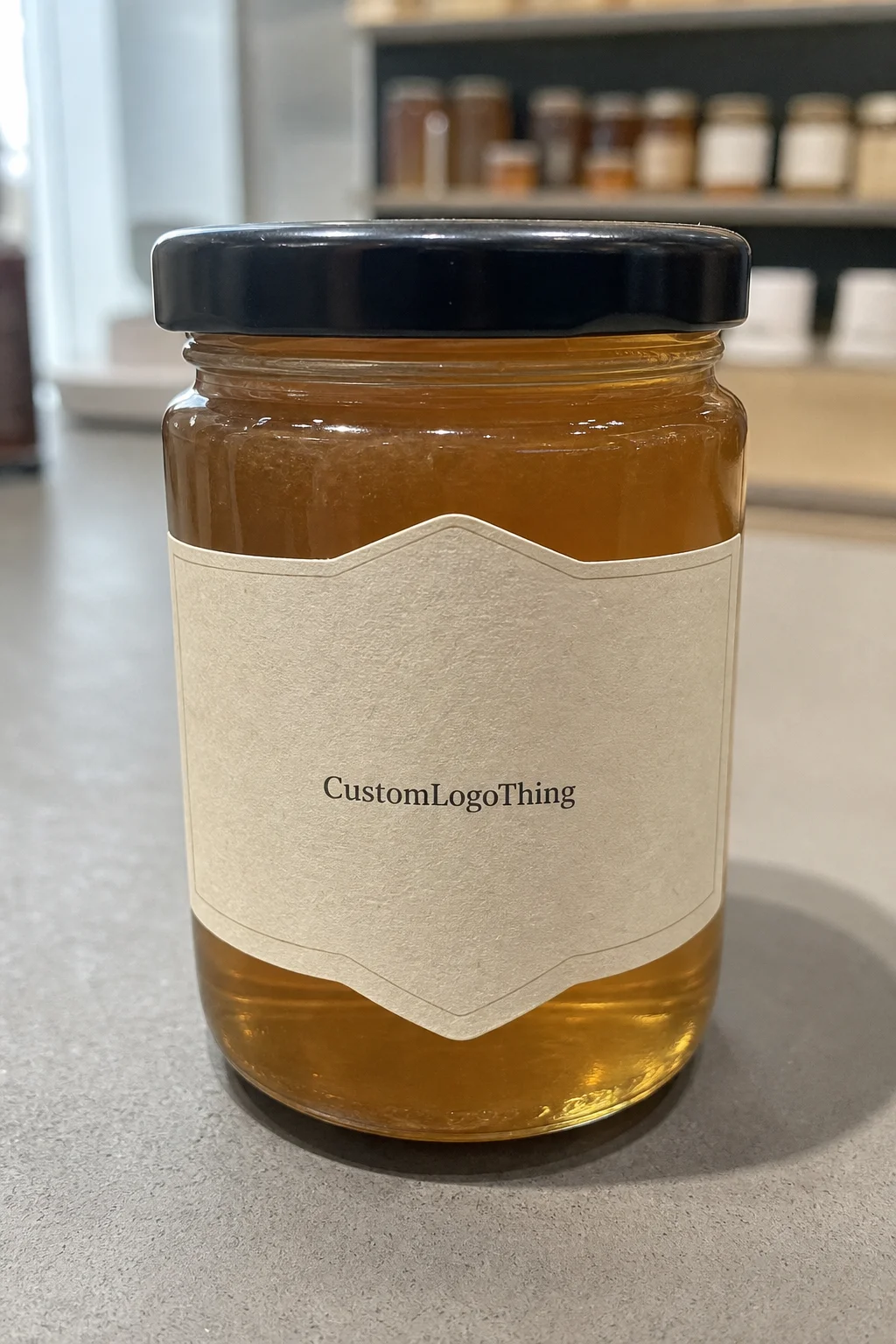
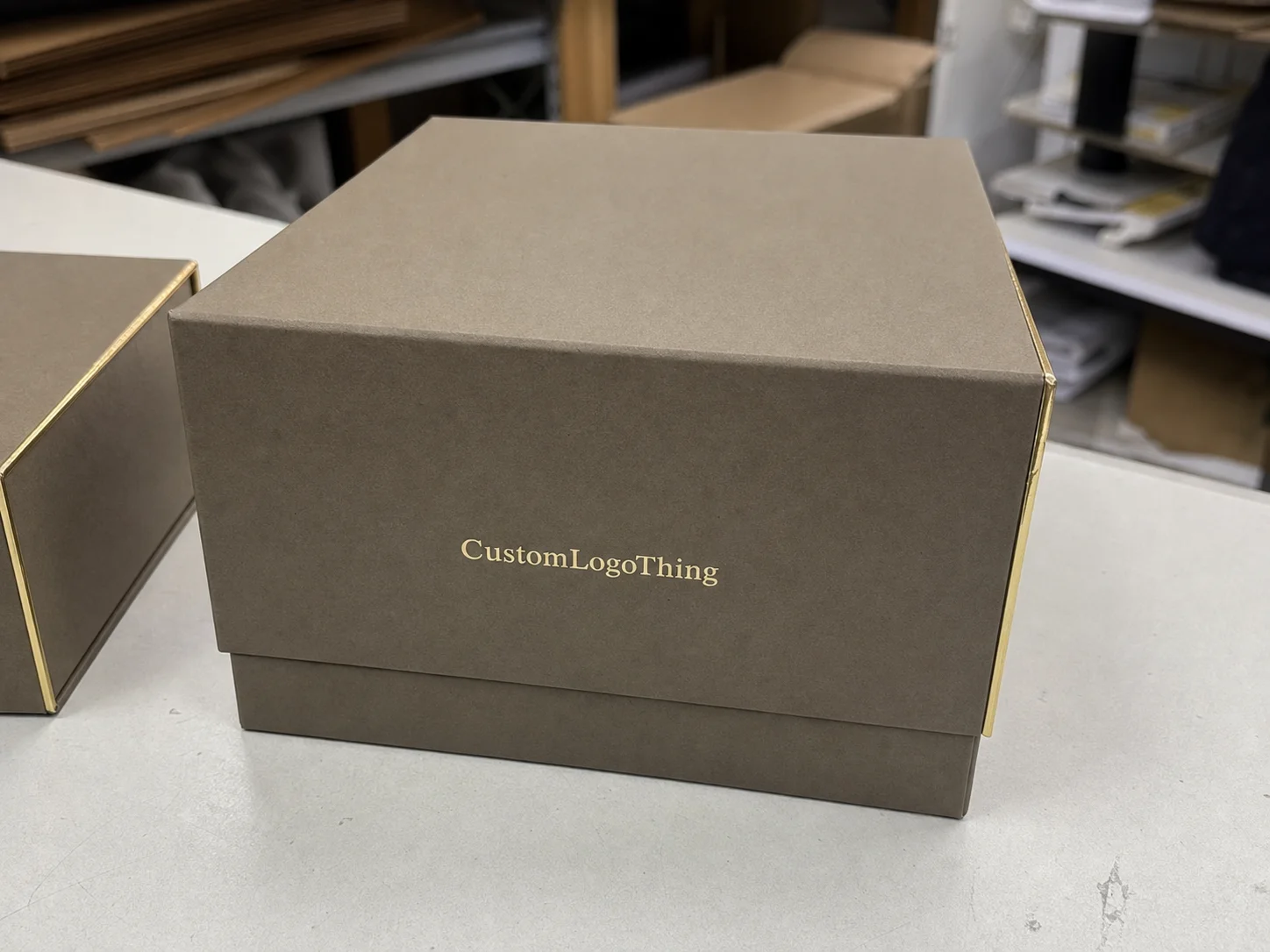
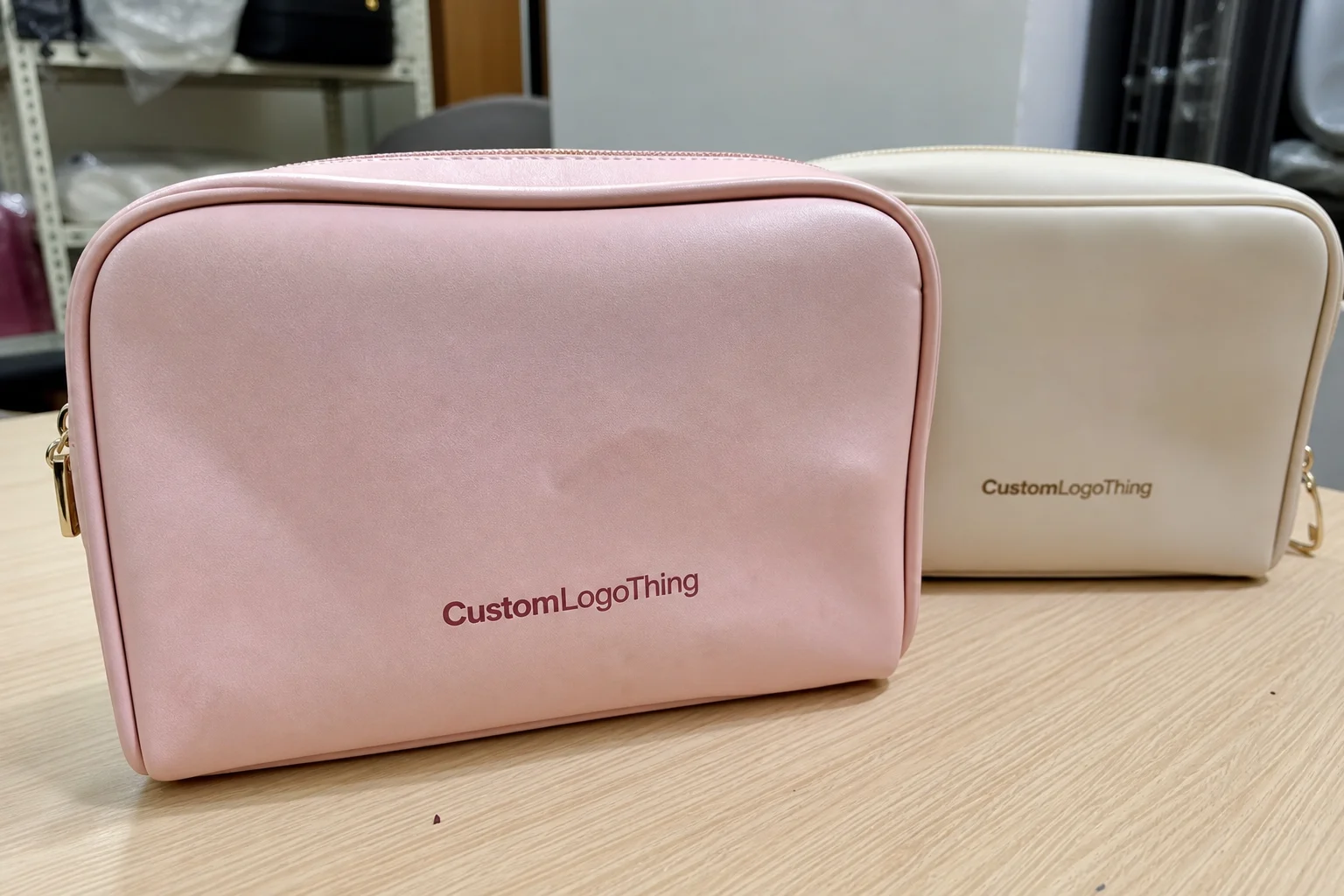
custom wooden boxes wholesale is a smart move when packaging has to do more than sit around a product. It needs to protect the item, carry the brand, and make the unboxing feel deliberate. That matters for bottles, candles, electronics, gift sets, and anything else where the box is part of the value, not just a wrapper.
Wood packaging keeps showing up in retail, gifting, spirits, specialty food, and premium displays for a reason. It gives a product more weight on shelf, more control over fit, and more room for branding than a thin carton ever will. The tradeoff is simple: you pay more than you would for basic paperboard, but you get a package that can look and feel like it belongs with the product.
Why Custom Wooden Boxes Wholesale Can Lower Damage and Upgrade Presentation
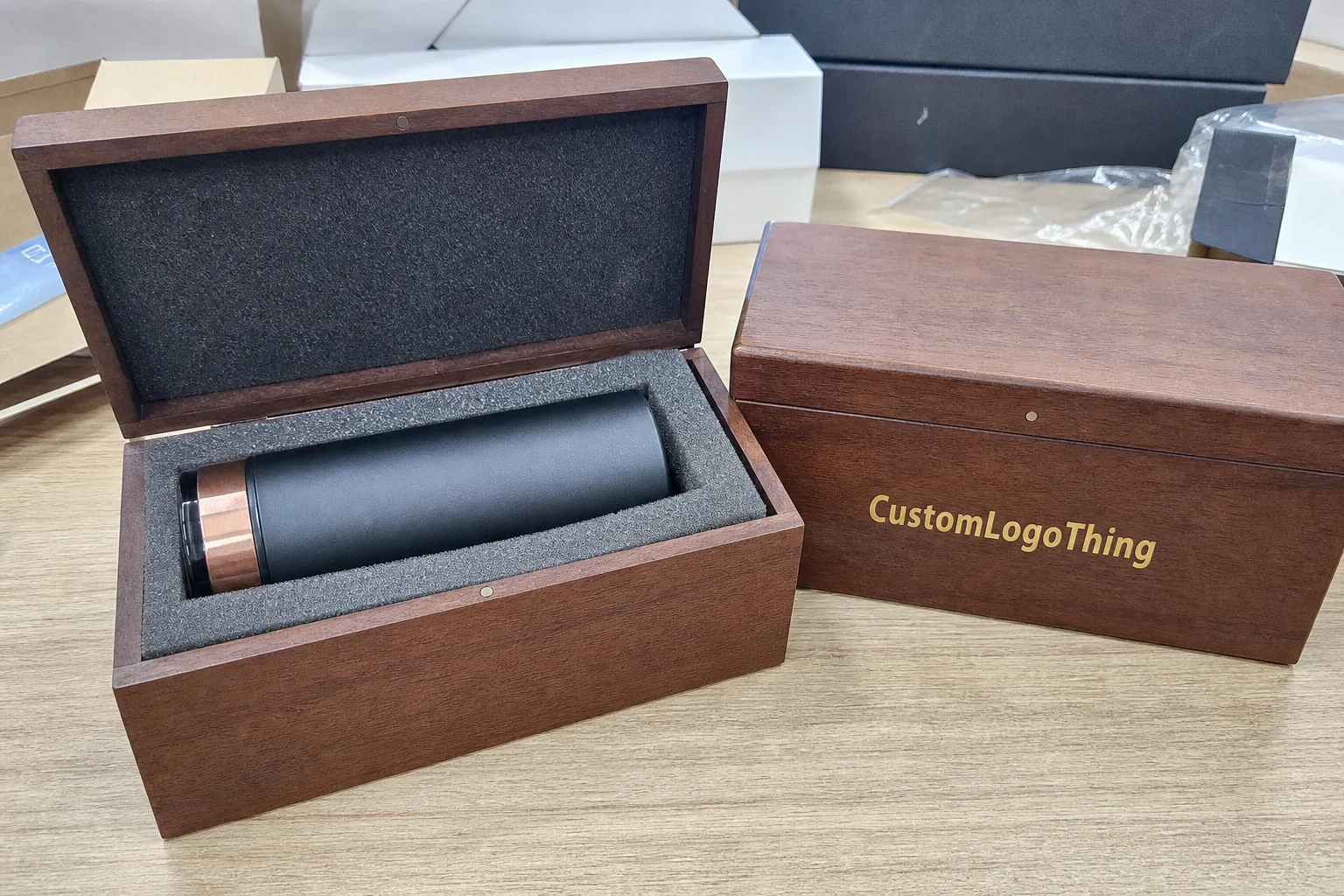
A box can do two jobs at once: protect the item and make it feel worth opening. A lot of packaging fails because it only does one. Cheap cartons can ship fine, but they rarely add value. Decorative packaging can look good, but if the insert is sloppy or the structure is weak, it turns into a problem fast.
Wholesale wooden packaging makes sense when the item has enough margin to justify a better presentation. That includes wine and spirits, candles, watches, stationery sets, tools, collectibles, skincare kits, and premium tech accessories. The material adds structure, but the real value is in consistency. A box with stable walls, a well-cut insert, and a closure that actually lines up reduces scuffing, shifting, and the cheap-feeling drift that ruins the first impression.
It also gives brand teams more control. With a printed carton, the outside does most of the talking. With a wood box, the surface, hardware, finish, and interior all contribute. A matte painted lid reads differently from a sanded pine box with engraved branding. A drawer box feels different from a hinged box. Those details matter because customers notice them even when they do not describe them in technical terms.
There is another reason buyers move toward wood: repeatability. One-off packaging concepts often look polished in a mock-up and then fall apart when volume starts. A wholesale program forces the design to be production-ready. That usually means better decisions on wall thickness, closure style, insert layout, and finish. It is less glamorous than a concept sketch. It works better in the real world.
A wooden box is not just nicer packaging. It can lower damage, improve shelf perception, and change how customers talk about the product after they open it.
If the packaging is part of a broader line, it helps to keep the whole system aligned. A wooden box should not fight the label, the outer shipper, or the rest of the product family. For buyers building out a larger range of Custom Packaging Products, the box should fit the same visual language and protection standard. For teams managing volume across multiple SKUs, the Wholesale Programs page is the place to line up quantities and sourcing logic.
Custom Wooden Box Styles, Materials, and Finish Options
Material choice sets the tone and the cost. Solid wood gives the strongest natural character and the most premium feel, but it is not always the best value for volume. Plywood is often the most practical middle ground because it balances strength, weight, and price. MDF works well when the buyer wants a smooth painted surface and tight dimensional consistency. Veneer-faced boards give a more upscale wood look without using solid stock throughout.
Construction style changes the buying decision just as much as the material. Hinged-lid boxes work well for gifts and presentation sets. Sliding-lid boxes create a clean tactile opening without much hardware. Drawer boxes fit sample kits, stationery, and smaller accessories. Magnetic-closure boxes are common in premium retail because they open with a controlled feel and close without much fuss.
The interior matters. Too many boxes look finished outside and improvised inside. That is how products move in transit. Foam, EVA, molded pulp, paperboard, felt, and fabric wraps each solve different problems. A bottle needs neck support and cavity control. A fragile set needs cushioning without too much compression. A tool kit needs separation so parts do not knock into each other. The insert should be specified early, not patched in at the end.
Finish is where the box stops being generic. A natural sanded surface suggests craftsmanship. A stain can push the box toward a more formal, heritage look. Paint gives the buyer tighter color control and often a more uniform retail presence. Decoration methods include laser engraving, hot stamping, screen printing, and UV printing. Each one has limits on detail, color count, and texture. If the artwork is complex, that needs to be decided before the quote is locked.
The cleanest way to narrow options is to ask what the box needs to prove. If it needs to prove craftsmanship, keep the grain visible and use engraving. If it needs to prove precision, go with a painted finish and a tight insert. If it needs to prove value at retail, focus the budget on the parts customers touch first: the lid action, the closure, and the interior presentation.
Wood Box Specifications That Affect Fit, Strength, and Branding
Specs are where packaging projects succeed or fail. Before quoting, confirm the inside dimensions, outside dimensions, wall thickness, lid style, closure type, insert layout, and product weight. A box that holds a bottle well will not automatically work for a candle set or a device kit. A few millimeters off can mean movement, rubbing, or a lid that sits awkwardly.
Tolerance matters more than many buyers expect. If the cavity is too generous, the product shifts. If it is too tight, assembly slows down and the closure may bow. That is why a sample is not a box with nice photos attached. It is the point where fit, closure tension, and presentation are actually checked. If the sample is wrong, the production run will repeat the mistake at scale.
Branding details should be written down clearly. State the logo placement, imprint size, engraving depth, print color limits, and artwork format. Vector files are the best starting point for most production methods, especially engraving and cutting. If the logo is small, confirm the minimum readable size. Grain, stain, and paint can swallow weak artwork quickly.
There are also practical questions that should not be skipped. Will the boxes sit in humid storage? Will they be stacked for a long time? Are they going into courier parcels or staying on a shelf? Does the surface need scratch resistance? If you are testing transport performance, the standards used by the International Safe Transit Association are a sensible reference point. If sustainability claims matter, ask for wood sourcing documentation aligned with the Forest Stewardship Council.
Before approval, ask for at least one of these:
- A dimension drawing with inside and outside measurements.
- Sample photos showing closure alignment and insert depth.
- A physical pre-production sample for fragile or high-value items.
- Artwork confirmation with print size, placement, and finish notes.
That level of detail saves time on both sides. It reduces rework, keeps the order grounded in the actual product, and prevents vague expectations from turning into expensive corrections.
Custom Wooden Boxes Wholesale Pricing, MOQ, and Quote Drivers
Pricing for custom wooden boxes wholesale depends less on the phrase on the quote and more on the build behind it. Material, size, construction complexity, insert design, print method, and finishing steps all change the number. A plain plywood box with a single logo is not in the same category as a painted magnetic box with a fitted insert and engraving.
MOQ is tied to setup work. Lower runs usually cost more per unit because labor, tooling, and finish prep are spread across fewer pieces. That does not mean small orders are impossible. It means the buyer should expect unit cost to drop as volume rises, especially if the structure is stable and repeat production is possible later.
Here is a useful way to compare common builds:
| Option | Typical Use | Price Behavior | Buyer Note |
|---|---|---|---|
| Plain plywood box | Retail packaging, storage, sample kits | Lower entry cost; often around $2.50-$5.50 per unit at mid-volume | Good balance of strength and cost |
| MDF with painted finish | Premium display, gift sets, branded retail packaging | Moderate to higher cost; often around $4.00-$8.50 per unit | Best when color consistency matters |
| Solid wood with engraving | Luxury gifts, spirits, collectibles | Higher cost; often around $6.50-$14.00 per unit | Strong presentation, more material variation |
| Wood box with custom insert | Bottles, tools, electronics, fragile kits | Adds $0.80-$3.50 per unit depending on insert type | Confirm the insert before mass production |
Those ranges are starting points, not promises. Quotes move when artwork is intricate, the finish has multiple steps, or the hardware is specialized. UV printing, laser engraving, hot stamping, sanding, edge cleanup, and export packing all add labor. So do hidden details like anti-scratch wrapping or extra carton protection for shipment.
The cleanest quote request includes dimensions, quantity, artwork, target finish, shipping destination, and sample requirements in one message. If you already have a reference box, include it. Two quotes can look close while hiding different wood grades, insert thickness, print methods, or finish labor. Comparing incomplete offers is a good way to make a bad purchasing decision.
If the order is large enough to matter, ask for tiered pricing. The spread between 500, 1,000, and 3,000 units can be meaningful. Sometimes the larger run is the smarter buy if the box belongs to a stable SKU or a recurring gift program. Sometimes it is not. The right answer depends on inventory risk, not just unit cost.
Production Steps, Sample Approval, and Lead Time Expectations
The production sequence is usually simple on paper: inquiry, spec review, artwork check, sampling, approval, mass production, packing, shipment. The schedule slips when any of those steps is vague. That is why the sample should be treated as a decision point, not as a courtesy item.
Most delays come from the same few problems. Dimensions are unclear. Artwork gets revised late. The finish changes after sample approval. The insert is adjusted after the structure has already been locked. A box can look fine in a mock-up and still fail in real use if the closure is off or the cavity is too shallow. That is much cheaper to catch on a sample than on a full run.
Lead time depends on complexity, order size, and whether a physical sample is required first. A simple build moves faster than a painted box with a custom insert and decoration. For planning, assume the sample phase and transit time sit on top of the factory run. That is normal. It is not a sign that anything is broken.
One useful rule: appoint a single approver. If three people are reviewing the same box and each one wants a different change, the schedule will drag. The cleanest projects have one set of specs, one approval path, and one revision cycle. That is especially true when the packaging is tied to a launch calendar.
Before mass production, the approval sample should be checked for:
- Fit and closure feel.
- Logo placement and artwork clarity.
- Interior security and product movement.
- Surface consistency, stain depth, or paint coverage.
- Repeated opening and closing behavior.
Those checks catch the stuff that matters. They also give the buyer a clear standard for what the final batch should match.
What to Check Before Ordering Wooden Boxes in Bulk
Bulk ordering is where small mistakes get expensive. Before approving a large run, verify closure strength, insert security, finish consistency, and how the box behaves after repeated handling. A lid that feels elegant on day one can loosen if the hinge or magnet spec is wrong. A polished insert can fail if the cavity is shallow by just a little.
Wood type should match the load. Heavy bottles and dense tools need more structure than light cosmetic kits. Artwork prep matters too. Engraving, printing, and hot stamping all need clean files and a clear final size. Skipping a sample test is risky, especially when the contents are fragile or the box is meant for high-touch retail display.
Environment matters more than people admit. Will the boxes sit on shelves, ride in courier parcels, or stay in storage for months? Each use case has different abuse patterns. A display box does not need the same shipping tolerance as a box that moves across regions. Natural variation should also be discussed early so the buyer knows what range of grain, color, and cosmetic marks is acceptable.
The right question is rarely whether wood is the cheapest option. The better question is whether the box reduces returns, reinforces perceived value, and supports the sale. Sometimes a slightly stronger or better-finished box is the better commercial decision because it protects the product and makes the brand look more serious.
Use this quick check before placing a bulk order:
- Confirm inside dimensions against the actual product, not just the drawing.
- Check that the closure holds during repeated opening.
- Approve the insert material for cushioning and appearance.
- Ask about grain, color, and cosmetic variation tolerance.
- Review the packing method for transit damage risk.
These checks are basic. They also save real money. A supplier can only build what was specified. The more precise the brief, the fewer surprises later.
How to Place a Bulk Order and Move Quickly to Production
The fastest orders start with clean inputs. Gather the product dimensions, choose the box style, decide the quantity, define the material and finish, send the artwork, and ask for a quote that includes sample terms. If there is an existing reference box, include it. That gives the supplier a target instead of a vague description.
One person should own the approval loop. Marketing cares about presentation. Operations cares about fit and packing speed. Procurement cares about cost. Those priorities all matter, but the order moves faster when one decision-maker resolves the trade-offs and signs off on the final version.
Ask for a unit-price breakdown by quantity tier. That shows where the real value sits and helps you decide whether a higher quantity is justified. If the box belongs to a steady SKU, a larger run may make sense. If it is tied to a short promotion, a smaller batch may be the safer play even if the unit cost is higher.
Keep the ordering packet tight. The fewer assumptions the supplier has to make, the faster production starts. That usually means fewer revisions, fewer mistakes, and less back-and-forth over details that should have been settled up front.
- Product size and weight
- Preferred box style
- Material choice
- Branding method
- Insert requirements
- Target MOQ
- Shipping country
- Required launch date
For buyers comparing custom wooden boxes wholesale options across display, gifting, and shipping use cases, the process matters as much as the material. A disciplined spec review, a proper sample check, and a clean approval path usually beat a rushed order with prettier language. The box has to fit the product, the channel, and the timeline. If it does those three things, it has done its job.
What is the typical MOQ for custom wooden boxes wholesale orders?
MOQ varies by size, structure, and finish. Simple plywood boxes can often start lower than premium builds with custom inserts, magnets, or paint. Tiered pricing helps show where unit cost improves as quantity rises.
Can custom wooden boxes be made with inserts for fragile products?
Yes. Inserts can be made for bottles, glassware, electronics, tools, and gift sets. Common materials include foam, EVA, molded pulp, felt, and paperboard. The insert should be approved with the box structure so fit issues do not show up later.
How do I get an accurate quote for wholesale wooden boxes?
Send inside dimensions, quantity, artwork, finish preference, insert requirements, and delivery destination. If you have a sample or a reference box, include that too. A quote is only useful when the key specifications are already clear.
What affects lead time for custom wooden packaging?
Lead time is shaped by material availability, sampling, artwork approval, finish complexity, and order volume. Orders with custom inserts, engraving, or painted surfaces usually take longer than basic builds. The fastest path is to approve specs early and keep revisions limited after sampling.
Are wooden boxes better than cartons for premium product presentation?
For higher-value products, wooden boxes usually create stronger shelf presence and a more durable unboxing experience. They also support reuse, which matters for gifts, collectibles, and premium retail sets. The better choice depends on product weight, shipping method, and how much presentation matters versus cost.