Custom clear cosmetic bags do a simple job, but they do a lot of quiet work for a brand. They show the fill level, reveal color and finish immediately, and let a buyer judge quality without opening the package. That matters in retail packaging, travel sets, and promotional kits, because a clean clear pouch can feel more trustworthy than an opaque one before anyone even touches the zipper.
From a packaging buyer's point of view, the bag is never just a bag. Film choice, thickness, seam style, zipper quality, logo placement, and edge finishing all change how the product reads in hand. A clear pouch can look premium or budget depending on those details. Packaging decisions for this item deserve more attention than they usually get.
The biggest mistake I see is treating a clear cosmetic bag like a generic accessory. Once you treat it as product packaging, the spec decisions get much sharper.
Why Clear Cosmetic Bags Stand Out on the Shelf
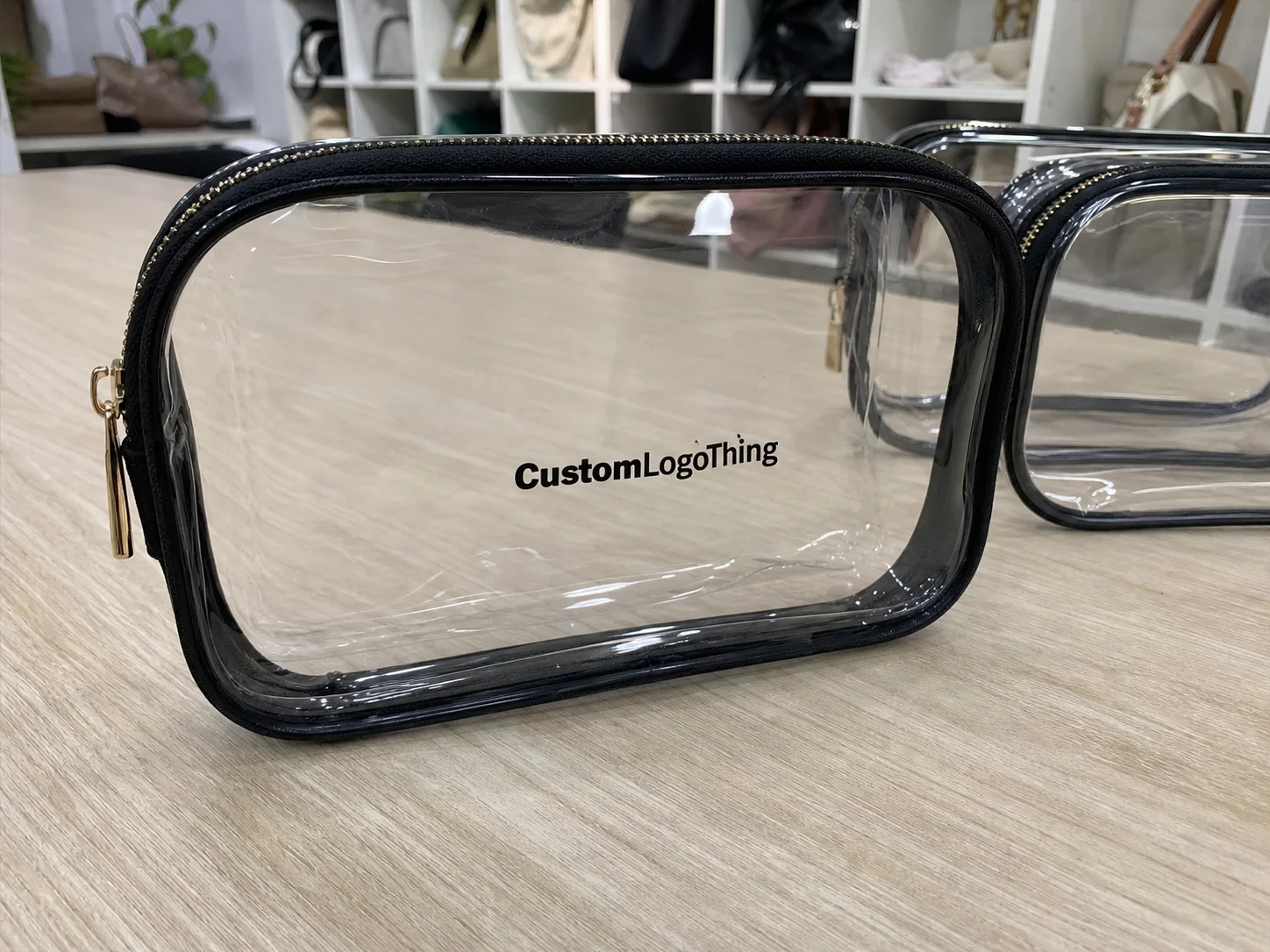
A clear bag gives a buyer instant confirmation of what is inside. That sounds basic, but it changes purchasing behavior. Color, fill level, and even the way a lipstick or brush sits inside the pouch are visible at a glance. That kind of honesty lowers the perceived risk of buying, especially in retail packaging where shoppers make fast decisions.
What makes a bag custom is the combination of details, not one single feature. Size, film choice, closure style, seam construction, logo placement, gussets, handles, zipper tape color, and internal inserts all shape the final result. Two bags can both be transparent and still feel completely different. One reads like a giveaway. The other reads as branded packaging because the edges are cleaner and the hardware matches the product better.
Clear does not have to mean plain. A bag can be transparent, lightly tinted, frosted, or accented with colored trim, and each option changes the tone. For some brands, that subtle shift is enough. For others, the pouch needs to coordinate with Custom Printed Boxes, a vanity kit, or a larger package system so the whole line feels deliberate.
If you are comparing formats, think about the job the bag has to do. A travel pouch used every day has different demands than a display-ready retail bag. The first needs durability and easy cleaning. The second needs shelf presence. That difference drives the rest of the spec.
Materials, Thickness, and Closure Details That Matter
Material choice changes more than people expect. PVC is common because it is clear, cost-controlled, and easy to convert into stable shapes. TPU usually feels softer and more premium in hand, with better flexibility and a less brittle surface. EVA-style films often sit in the middle, offering a balanced look with decent structure and a lighter feel than heavier PVC builds.
Thickness matters just as much as resin type. A thinner film can lower unit cost, but it may scuff faster, distort when packed tightly, or feel flimsy after a few uses. Heavier gauges improve shape retention and reduce seam stress, especially if the bag holds bottles, compact cases, or sharp-cornered items. For many retail programs, a mid-range film is the practical sweet spot because it gives enough structure without making the pouch feel stiff.
Closures deserve more attention than they usually get. A standard zipper is economical and easy for everyday use. A slider zipper often gives a cleaner, more premium motion, which can help with branded packaging. Snap closures are less common for cosmetic formats, but they can work for certain promotional kits or flatter pouch styles. The wrong closure can make the whole bag feel awkward, even if the film itself is good.
Construction details matter too. Straight seams are simple, but they are not always enough if the bag will be stuffed or handled frequently. Binding can reinforce edges, gussets can create usable depth, and boxed corners can help the pouch stand upright on a counter or in a shelf tray. If the bag needs to stand up, say so early. That request changes the pattern and the material usage.
| Material | Typical Feel | Common Use | Price Impact |
|---|---|---|---|
| PVC | Clear, structured, economical | Retail pouches, travel sets, promotional items | Usually lowest |
| TPU | Softer hand feel, more flexible | Premium cosmetic bags, frequent-use kits | Moderate to higher |
| EVA-style film | Balanced clarity and flexibility | Mid-market branded packaging | Moderate |
Ask for film data when the supplier has it. Tensile strength, tear resistance, and cold-crack behavior matter more than a pretty sample photo. If the bag will ship folded, stacked, or compressed, test the surface after handling. A film that looks excellent in a sample can still show wear quickly in real retail packaging. Packaging does not care what the render looked like.
For transport performance, many buyers ask for testing aligned with ISTA methods or comparable drop and vibration checks. That is especially useful when the bag is part of a broader product packaging program and has to survive carton handling, not just a desk-side approval.
Custom Clear Cosmetic Bags: Branding and Visibility Rules
Branding on a clear pouch should support visibility, not fight it. That is the rule. Silkscreen printing works well for simple logos and limited-color graphics. Heat transfer can handle more detail, though it can add a slightly heavier feel. Patches and woven labels create texture, while insert cards give you branding without changing the exterior surface much at all. Each method changes how much of the contents remain visible.
For custom clear cosmetic bags, restrained branding usually performs better than heavy coverage. A small logo near the bottom edge, a printed zipper pull, or a colored trim line can add identity while leaving the contents readable. If the front panel is flooded with ink, the bag stops doing the main thing that made it attractive in the first place.
There is also a merchandising side to consider. In retail packaging, staff and shoppers often want to inspect the contents without opening the pouch. Small accessories, brush heads, and product labels should remain easy to identify. A clean clear panel helps with that, while a modest logo still signals ownership.
One useful approach is to build identity through a few controlled details instead of a large printed field. Colored zipper tape, translucent side panels, a debossed patch, or a tiny logo on the lower corner can all do the job. If the bag sits beside custom printed boxes or a gift set, these quieter moves often create a more mature packaging system than an aggressive all-over print.
For brands that care about sustainability claims, check what the decoration method does to the base material. A small logo on a clear bag is not the same as coating every panel. If you plan to add paper inserts or hang tags, look for FSC-certified paper stock from FSC if responsible sourcing is part of the brief. Those details are small, but buyers notice them.
There is a practical limit to branding density. If the goal is to show shades, textures, and product layout, the pouch should not turn into a billboard. That mistake is common: people ask for a transparent item, then cover it until it behaves like an opaque one. The result is usually worse at both jobs.
Production Steps and Lead Time From Proof to Shipment
The production flow is predictable, but delays usually come from the same few places. It starts with a request for quote, then a spec review, then digital artwork proofing, sample approval, mass production, packing, and final shipment. Simple builds move faster because there are fewer variables to resolve. Once you add custom hardware, multiple decoration steps, or special film, the schedule stretches.
Most delays are avoidable. Missing artwork files slow proofing. Unclear dimensions lead to sample revisions. Last-minute material changes can push a job back a full cycle because the factory may already have reserved the original resin or zipper stock. Slow feedback on samples is another common drag. If a buyer waits a week to approve a sample, that delay usually shows up again on the backend.
A straightforward run may take about 12 to 15 business days from proof approval. More complex orders often need longer. That is a practical range, not a promise. If the project involves new tooling, special finishing, or unusual packing requirements, add buffer time. Freight can also dominate the calendar if the bags must travel far or if a launch date is fixed.
Practical rule: approve the sample only after checking it with the actual contents inside, not just on an empty table. A pouch that looks right empty can behave very differently once filled, zipped, stacked, or dropped into a tote. If the shipment needs drop and vibration checks, ask for testing that reflects real handling, not a visual inspection dressed up as quality control.
QC should not stop at the sample. During production, look for seam alignment, zipper track smoothness, film scratches, print registration, and the cut edge finish. On final inspection, check carton pack counts, bag orientation, label accuracy, and obvious color variation. Most factory problems are not dramatic. They are small and annoying, which is exactly why they escape attention until they show up in the warehouse.
Cost, Pricing, MOQ, and Unit Cost Factors
Price is shaped by a few clear variables: film type, thickness, dimensions, print coverage, zipper quality, packaging method, and total order quantity. The bigger the bag and the more visible the decoration, the more material and labor the project consumes. A simple clear pouch with a standard zipper will price very differently from a larger travel bag with a slider, colored trim, and printed branding.
MOQ matters because setup cost gets spread across the run. A larger order can lower the unit cost even though the upfront spend is higher. That is normal in packaging manufacturing. If a supplier has to set up screens, cut dies, or separate components, that prep has to be paid somewhere. Buyers sometimes focus on the unit price alone and miss the total landed cost.
| Order Type | Typical Unit Range | What Usually Changes the Price |
|---|---|---|
| Simple clear pouch, basic zipper, one-color logo | $0.18-$0.28 at 5,000 pieces | Film gauge, print coverage, pouch size |
| Mid-range bag with gusset, slider zipper, better finish | $0.32-$0.60 at 5,000 pieces | Hardware, pattern complexity, thicker film |
| Premium build with custom trim, insert card, specialty packing | $0.70-$1.80+ | Decoration steps, packaging, inspection level |
There are also hidden cost items that do not always show up in the first quote. Individual polybagging, insert cards, special finishing, sample freight, custom tooling, and carton labeling can all add expense. Even freight itself can swing the budget a lot, especially if the bags are bulky. A bag may be light, but volume adds up quickly.
The cleanest way to compare quotes is to match the same spec sheet across suppliers. If one vendor quotes a 0.25 mm PVC pouch and another quotes a 0.35 mm pouch, the lower number is not automatically better. Ask for the exact material, closure, print method, packing style, and testing standard. That is the only fair way to compare custom packaging options without guessing.
For buyers building a wider line of branded packaging, it can help to quote the pouch alongside Custom Packaging Products for other gift, retail, or shipping items. That gives you a cleaner view of the full program instead of a single isolated SKU.
Sizing, Features, and Use Cases That Prevent Returns
Size should match the actual contents, not the largest object you hope might fit. That sounds basic, but it is where many returns begin. If the bag is supposed to hold compacts, brushes, lip products, and a small bottle, map the interior dimensions around the full set, including clearance for closure and handling. Tight fits stress seams and make the zipper feel difficult.
Flat pouches work well for slim kits and promotional inserts. Gusseted bags are better when volume matters and the contents need room to breathe. Boxy shapes help with vanity storage and travel organization because they stand better and present more cleanly on a shelf. The right form depends on whether the pouch is being used for retail display, daily travel, or as part of a set with other product packaging pieces.
Useful add-ons can improve both function and perceived value. Wrist straps help with portability. Handles make larger bags easier to carry. Interior pockets separate smaller items. Reinforced corners reduce stress where the bag takes the most wear. A wipe-clean finish is worth asking for if the contents include makeup that can rub off or leak slightly in transit. These are small decisions, but they change daily use a lot.
The finish should also stay readable after handling. A bag that clouds too quickly, wrinkles badly, or loses shape after one trip will disappoint the buyer and the end user. For that reason, test the exact fill level expected in production. If the design relies on the bag looking crisp and upright, make sure it still does that after it is packed, unboxed, and used a few times.
One more point: coordinate the bag with the rest of the line. If the pouch is part of a travel set, pair it with companion inserts or custom printed boxes that carry the same color system and type style. Consistency is what turns a decent pouch into branded packaging that feels planned rather than assembled.
Common Mistakes Buyers Make With Clear Cosmetic Bags
The first mistake is choosing the thinnest material possible and hoping it will still perform. That usually backfires. Thin film can scuff, wrinkle, cloud, or split more easily once the bag is filled and moved around. It may also telegraph every seam and zipper flaw, which makes the whole item look cheaper than it should.
The second mistake is overprinting the bag. A clear pouch should stay clear. If the graphics take over the front panel, the bag loses its main selling point. Strong package branding does not always mean more ink. Often it means a better logo placement, a cleaner zipper color, or a more disciplined color palette.
Another common issue is approving a sample without testing the actual contents, the actual packaging line, and the actual transport conditions. A pouch can look excellent sitting empty on a desk, then behave badly when it is stuffed, stacked, or dropped into cartons. If the bag is moving through distribution, ask for performance checks that reflect real handling.
Dimension tolerance is easy to ignore and expensive to fix. If the width, gusset depth, or zipper placement drifts even a little, rigid products may no longer fit cleanly. That matters a lot for boxed items, brush sets, and bottle-heavy kits. Ask the supplier to confirm tolerances before the run starts, and get that confirmation in writing.
The last mistake is forgetting the whole system. A bag, a label, the carton, and the insert all interact. If the pouch is too crowded, too loose, or mismatched to the rest of the kit, the customer notices. Good retail packaging is usually the result of a few controlled choices made early, not a scramble of changes at the end.
Next Steps for a Faster Quote and Cleaner Approval
Start with the basics: target size, film type, thickness, closure style, decoration method, quantity, and ship date. If you already know the product set, include the exact items that will go inside. That makes the quote more accurate and reduces back-and-forth. It also helps the supplier Choose the Right construction before sampling begins.
Ask for a physical sample or a pre-production proof whenever the bag has to balance visibility, durability, and branding in the same design. The more roles the pouch has to play, the more useful a real sample becomes. Photos are helpful, but they do not show zipper feel, edge quality, or how the bag behaves once it is packed.
Use one specification sheet to compare suppliers. That sheet should include dimensions, material, thickness, print method, packaging format, and the quality checks you expect. Without that, quotes are easy to misread. One vendor may be quoting a light retail pouch while another is quoting a more durable travel version, and the numbers will not mean the same thing.
If you need the bag to arrive on schedule, build in time for sample review, freight, and one round of revisions. That cushion saves launch dates. It also protects you from last-minute compromises that usually cost more than they save. For buyers ready to move, the simplest next step is to confirm the spec, approve the proof, and place the order before the calendar gets tight.
Handled well, custom clear cosmetic bags can do more than hold makeup. They can clarify the product, support retail packaging, and make the whole line feel more intentional. That comes from treating the pouch as a real packaging decision, not an afterthought, and from matching the spec to the job instead of chasing the lowest quote.
FAQ
What material works best for custom clear cosmetic bags?
PVC is often chosen for clarity and cost control, TPU can feel softer and more premium, and EVA-style films can offer a balanced middle ground. The best material depends on whether the bag needs a crisp retail look, a softer hand feel, or stronger resistance to daily wear. Ask for a sample with the actual product inside so you can judge clarity, stiffness, and finish in real use.
How thick should custom clear cosmetic bags be for retail use?
A mid-range thickness usually gives the best balance of structure, clarity, and cost for retail presentation. Heavier products, sharper corners, or frequent handling usually justify a stronger gauge to reduce scuffs and seam stress. The right answer depends on what goes inside the bag, so test it with the actual filled contents rather than guessing from a spec sheet alone.
Can I add a logo without blocking the contents?
Yes, but the placement matters more than the print itself. Lower-panel logos, zipper tape branding, and small translucent marks usually preserve visibility better than full-surface coverage. If showing the product is the point of the bag, keep the decoration controlled and review a proof before production.
What is a typical MOQ for custom clear cosmetic bags?
MOQ varies by material, decoration method, and hardware choices, so there is no universal number that fits every build. Simpler designs usually support lower minimums, while custom components and special finishes push the minimum order higher. If MOQ is a concern, ask suppliers to quote both a lower-volume option and a larger run so you can compare unit cost.
How long do custom clear cosmetic bags usually take to produce?
Lead time depends on proofing, sample approval, print complexity, and the current production schedule. Straightforward runs are typically faster than bags that require special hardware, multiple decoration steps, or custom packaging. Build in extra time for revisions and freight so the order does not arrive after your launch or retail deadline.