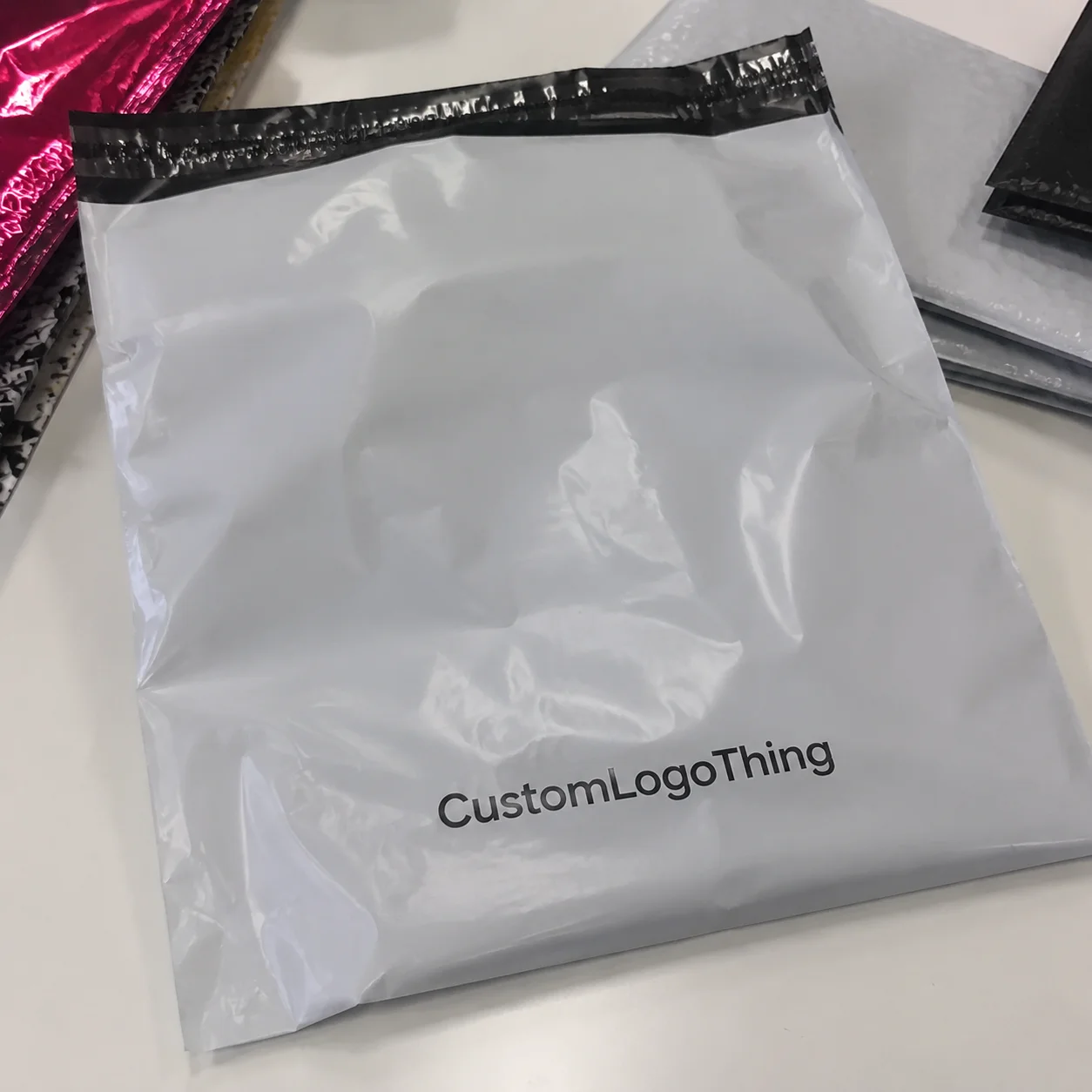
Growing e-commerce brands often need branded shipping bags without tying up cash in a large first run. That is why searches for Custom Courier Bags low moq custom order are common. Packaging can become obsolete quickly after a logo update, SKU change, or seasonal campaign, so flexibility matters.
Courier bags are a practical option because they usually cost less than many rigid Custom Packaging Products, take less storage space than printed cartons, and can work well in short runs when the specification is clear. For apparel, cosmetics, documents, accessories, and samples, the right bag affects both presentation and working capital.
The goal is not simply the cheapest quote. Buyers should compare size, film, print method, and order quantity together. A slightly higher unit price can still be the better buy if the bag packs faster, survives transit better, and is easier to reorder.
Why low-MOQ courier bags make sense for growing brands

Low MOQ reduces the cost of being wrong. If your dimensions, artwork, or product mix may change soon, a smaller first run limits dead stock and preserves cash.
Low MOQ reduces three common risks:
- Dead stock after a size or branding change
- Cash tied up in inventory that moves slowly
- Packaging mismatch as fulfillment needs evolve
Short runs also let you test the bag in real use. That includes packing speed, opacity, adhesive strength, scuff resistance, and how the package looks after courier handling. A bag that looks good on a proof can still fail if the film is too light or the finish marks easily.
Material choice is especially important. A 60-micron mailer may work for folded tees but not for boxed accessories with corners. Matte often hides fingerprints and light scuffs better than gloss. These are small differences on paper, but they affect the customer experience and replacement cost.
Low-volume orders also help with timing. Campaign packaging, launches, and limited runs lose value if they arrive late or remain unused after the promotion ends.
Practical rule: if your design, SKU mix, or shipping dimensions could change within the next one or two order cycles, keep the first run conservative.
Custom courier bag types, materials, and print choices
Courier bags may look similar online, but material, finish, print method, and closure affect durability, cost, and packing speed. These choices should be set early because they drive both lead time and price.
Common material options
LDPE is a standard choice for soft goods. It is flexible, water-resistant, and widely used for apparel. Many apparel mailers fall in the 50 to 70 micron range, though the right thickness depends on product weight and shape.
Co-extruded film is often used when buyers want better opacity or a more substantial feel. A common structure is white outside and black inside, which improves privacy and gives print a cleaner background.
Recyclable poly blends should be checked carefully. Some are recyclable only through specific collection streams, not standard curbside systems. If environmental claims matter, ask for the exact composition and intended disposal route. The EPA recycling guidance is a useful reference.
Tamper-evident constructions are useful for documents or higher-value shipments. These usually use a permanent adhesive strip and a film structure that shows opening evidence.
Finish and print method
Matte generally looks cleaner and hides marks better. Gloss can make colors pop more but tends to show handling wear.
Flexographic printing is usually better for higher volumes and repeat artwork. It works well for spot colors but often includes plate-related setup charges.
Digital printing is often better for short runs, tests, and lower entry quantities. It reduces setup friction and makes file changes easier, though the unit cost is usually higher.
Artwork complexity matters. A one-color logo on white film is straightforward. Heavy coverage, multiple colors, and full-bleed graphics increase ink use, setup time, and inspection needs.
Features buyers actually use
- Permanent adhesive flap
- Double seal for returns
- Tear strip for easier opening
- Bottom or side gusset for depth
- Opaque film for privacy
- Return strip for reverse logistics
Flat mailers work well for folded apparel. Products with corners or inserts may need thicker film. Documents benefit from stable lay-flat construction and tamper evidence. Cosmetics and accessories often look better in bags sized closely enough to avoid overfilling.
What should you check before ordering custom courier bags low moq custom order?
Most courier bag problems start with incomplete specifications. If the supplier has to guess the size, film thickness, or print placement, the proof may still look fine while the finished bag performs badly.
Start with dimensions. Confirm width, length, and gusset depth if used. Ask for usable internal space, not just outside measurements, because flaps and seals reduce fill area.
Thickness is usually measured in microns or mils. Common ranges are:
- 50-60 microns for lightweight apparel, documents, and soft goods
- 60-80 microns for standard e-commerce apparel and accessories
- 80-100+ microns for heavier or sharper lightweight hard goods
Thickness affects puncture resistance, opacity, wrinkle behavior, and overall feel. Saving money on a thinner film rarely helps if bags split, stretch, or arrive looking worn.
Color control also needs agreement up front. If brand color matters, provide Pantone references and discuss acceptable tolerance. Flexible film will not behave exactly like coated paperboard, so small variation is normal.
Other points to confirm:
- Whether one or both sides are printed
- Logo placement relative to edges and flap area
- Bleed, safe zones, and artwork margins
- Whether white ink or reverse print is needed on dark film
- Adhesive strength and storage stability
- Suitability for manual packing or automated packing lines
Sustainability claims should be verified. Terms such as eco or recyclable mean little without composition details and disposal guidance. If your broader packaging system includes paper components, FSC sourcing may matter, but that is separate from the plastic courier bag itself.
The most expensive mistakes are usually physical-spec mistakes, not artwork mistakes. A bag that is too narrow or too thin is harder to correct than a logo adjustment.
Pricing, MOQ, and unit cost for custom courier bags
Courier bag pricing depends mainly on size, film thickness, print colors, finish, and added features such as tear strips, gussets, or return seals. Low-MOQ orders usually carry a higher unit cost than repeat bulk orders, but they often make more financial sense when inventory risk is high.
Main cost drivers include:
- Size: larger bags use more material and print area
- Thickness: heavier film uses more resin
- Colors: more colors add setup and press time
- Quantity: longer runs spread setup more efficiently
- Features: return strips, gussets, tear lines, and opaque layers add cost
Broad market ranges can still help with budgeting. A simple one-color Custom Poly Mailer may land around $0.18-$0.32 per unit in a 1,000-3,000 piece order. The same style at 10,000+ units may fall closer to $0.08-$0.16 per unit, depending on size, thickness, and freight.
Flexographic jobs often include plate charges, which are easier to absorb over larger runs. Digital printing can reduce tooling costs but may keep the per-piece price higher.
| Order Profile | Typical MOQ | Estimated Unit Cost | Best Use Case | Trade-Off |
|---|---|---|---|---|
| Digital short run, 1 color | 500-1,500 pcs | $0.22-$0.38 | Launches, tests, seasonal drops | Higher unit cost |
| Flexo run, standard size | 3,000-5,000 pcs | $0.14-$0.26 | Growing brands with stable artwork | Plate/setup charges |
| Scaled repeat order | 10,000+ pcs | $0.08-$0.16 | Established volume programs | More inventory risk |
Ask for landed cost, not just unit cost. Confirm whether the quote includes proofs, sample charges, plates, export cartons, freight, duties where relevant, and any overrun or underrun policy.
If your business already spends on printed boxes, tissue, or inserts, the courier bag may only need clear branding and reliable transit performance. That can keep total packaging cost under control.
Brands that reorder regularly should also ask about Wholesale Programs for better repeat pricing and freight planning.
Production process and turnaround: from artwork to delivery
The production path is usually straightforward:
- Quote request with size, quantity, material, and artwork
- Artwork review and print feasibility check
- Specification confirmation
- Digital proof or physical sample if required
- Approval
- Production
- Inspection and packing
- Dispatch
Turnaround depends on print method, order size, and whether tooling is needed. A simple digital short run may take 7-12 business days after proof approval. A flexographic order with plate preparation or extra features may take 12-20 business days. Freight is separate.
Most delays come from missing details early, especially:
- Incomplete dimensions
- Unclear color references
- Delayed proof approval
An approval checklist helps avoid rework:
- Bag dimensions and usable fill area confirmed
- Film thickness and material color confirmed
- Print size, orientation, and printed sides confirmed
- Flap placement and adhesive style confirmed
- Return strip or tear strip position confirmed
- Pantone or color target acknowledged
- Spelling, symbols, and legal copy checked
For higher-risk shipments, buyers may ask about testing aligned with ISTA standards. Even when full lab testing is not used for the bag itself, inspection of seal strength, print registration, dimensions, and film consistency is still important.
Speed tip: send artwork, bag dimensions, target quantity, and delivery deadline in the first inquiry.
How to evaluate a supplier before you place a custom order
A supplier should be able to show clear capability, not just make broad claims. Ask for material specs, thickness options, print capabilities, and examples of similar recent work.
Quote quality matters too. Are setup charges, proofs, freight terms, and lead times stated clearly? Vague quotes often lead to delays or unexpected costs later.
A good supplier should also challenge weak specifications. Useful pushback includes warning that the bag is too small for the packed dimensions, that a dark full-bleed finish may scuff, or that fine artwork detail may not print well on the chosen method.
Communication speed matters because approval delays create cost. If you need basic ordering information before requesting a quote, the site's FAQ is a useful starting point.
Next steps to place your custom courier bag order
Prepare these details before requesting pricing:
- Target bag size or packed product dimensions
- Estimated quantity
- Material preference if known
- Artwork file or logo
- Desired print colors
- Target delivery date
If fit is uncertain, ask for quotes on two sizes. That can show whether a smaller bag improves presentation and material efficiency or whether a larger bag speeds packing.
If color, finish, or logo size is important, request a digital proof and, where feasible, a production sample. Proofs catch layout issues; samples catch structural issues.
Before final approval, confirm these points in writing:
- MOQ by size and design
- Production lead time from proof approval
- Freight terms and delivery method
- Whether overrun or underrun can occur
- Reorder availability for the same specification
- Any tooling, plate, or sample charges
For most buyers, the best decision is the one that balances fit, transit performance, reorder flexibility, and total landed cost.
FAQ
What is the minimum order for custom courier bags low MOQ custom order requests?
MOQ depends on material, print method, bag size, and artwork complexity. Short-run digital jobs usually start lower than flexo orders and may begin from a few hundred pieces. Flexographic production often starts around 3,000 pieces or more. Ask for MOQ by size and design, since setup often determines the threshold.
Can I order different sizes in one custom courier bag run?
Yes, but each size is usually treated as a separate SKU. Mixed sizes can increase setup complexity and affect cost and lead time. A supplier should clarify whether the sizes are grouped only for freight or handled as separate production runs for MOQ and pricing.
Which material is best for shipping apparel in custom courier bags?
Opaque LDPE or co-extruded film is commonly used for apparel because it balances privacy, flexibility, and cost. The right thickness depends on the garment. Folded tees need less than bulky hoodies with zippers, trims, or multi-piece bundles. The adhesive also matters; a weak seal can ruin an otherwise good bag.
How long does production usually take after artwork approval?
Production time depends on quantity, print complexity, and whether tooling is required. Digital short runs are usually faster than multi-color flexographic jobs. Many simple orders fall in the 7-12 business day range, while more complex runs often take 12-20 business days before shipping time is added.
How do I get the best price on custom courier bags low MOQ custom order quotes?
Keep the artwork simple where possible, choose a standard size, and skip features that do not solve a real fulfillment problem. Compare total landed cost rather than unit price alone. Freight, setup, proofs, and add-ons can change which quote actually offers better value.