Many sticker jobs fail before the printer warms up. The trouble usually starts earlier, when shape, adhesive, or finish gets picked before anyone answers the plain production question: where will this sticker live, and what will it have to survive?
That question matters for anyone searching for custom die-cut stickers no minimums calgary alberta canada. Small orders sound simple. Twenty decals for a pop-up. Fifty package seals for a retail test. A dozen prototype labels for product photography. But tiny runs expose weak decisions quickly because there is less room for waste, rework, and guesswork.
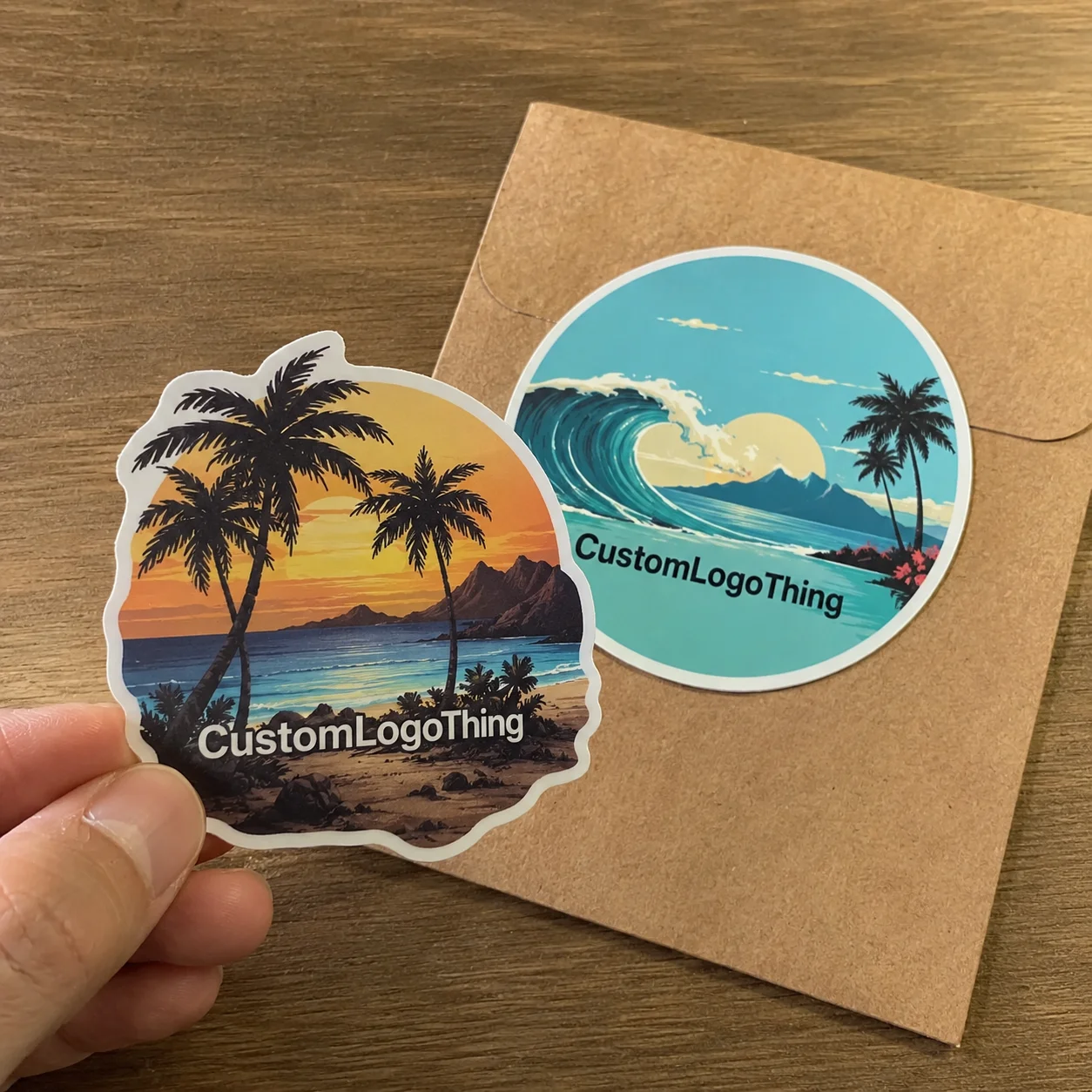
A die-cut sticker is a printed label or decal cut to the outside contour of the artwork instead of being trimmed as a square, rectangle, or circle. The cut might follow a logo, mascot, product outline, QR frame, bottle shape, helmet graphic, or a clean custom silhouette with a white border. For small businesses, makers, breweries, schools, artists, real estate teams, trades, and packaging buyers, the appeal is obvious: the sticker looks intentional rather than leftover.
What Custom Die-Cut Stickers No Minimums Calgary Alberta Canada Means
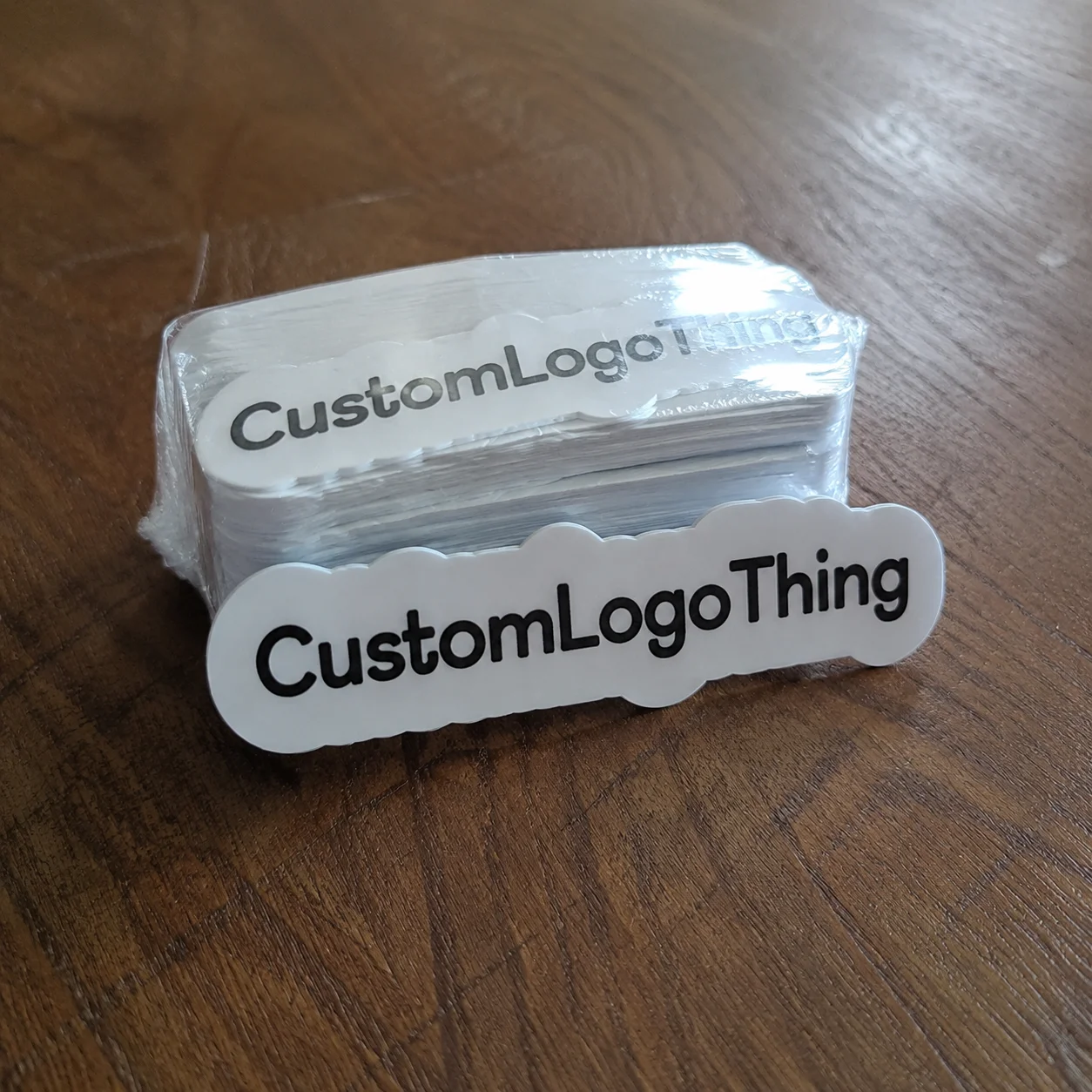
No minimums generally means the supplier will accept very small quantities, sometimes even one-off orders. It does not mean every quantity costs the same per unit. Artwork review, file setup, proofing, material loading, colour calibration, cutting, packing, and shipping still take time whether the order is 10 stickers or 1,000. On a tiny run, that labour is spread across fewer pieces.
From a packaging buyer’s point of view, that tradeoff can still make sense. A short run lets you test sizing on real packaging, compare matte and gloss finishes under store lighting, and confirm whether the adhesive behaves before you spend money on a larger batch. Small runs are underused in packaging design because one physical sticker on one real box tells you more than a dozen screen mockups.
Practical rule: choose the sticker around the use case first, then choose the shape. A clever contour cut will not rescue the wrong adhesive, weak artwork, or a finish that scratches during normal handling.
The phrase “no minimum” also needs a little translation. Some suppliers mean there is no formal order floor, but setup charges still apply. Others bundle setup into the unit price, which makes the first few stickers expensive and the next quantity break surprisingly reasonable. A quote for 35, 50, and 100 pieces often reveals the real economics faster than a single-price request.
If the sticker is one piece of a larger package branding system, compare it with related formats such as Custom Labels & Tags or other Custom Packaging Products. A decal may be perfect for a sample kit, while a pressure-sensitive label, printed sleeve, hang tag, or carton print may make more sense once volume rises.
How Die-Cut Sticker Production Works From Artwork to Cut Line
A solid die-cut order follows a predictable path: artwork review, file cleanup, cut-line creation, material selection, proofing, digital printing, lamination or finishing, cutting, weeding if needed, quality checking, and packing. Short runs move quickly when each step is clear. They slow down when the file is fuzzy, the size is missing, or the cut path is guessed from a screenshot.
The cut line is a vector path that tells the cutting equipment where the blade, plotter, or digital finishing table should travel. In most sticker artwork, that path is built as a separate spot-colour line and offset slightly from the printed graphic to create a clean border. A small safety margin matters because cutting has normal tolerance; even good equipment can shift a fraction of a millimetre depending on material, feed direction, sheet movement, registration, and blade condition.
Kiss-cut and die-cut formats are related, but they solve different problems. A kiss-cut sticker is cut through the face stock but left on a larger backing sheet, which gives the user more liner to hold and makes peeling easier. A die-cut sticker is cut through both the sticker material and liner, so the finished piece follows the custom shape. Handing out stickers at an event? Die-cut singles often feel more polished. Applying hundreds to bags, jars, or mailers? Kiss-cut sheets may be faster on a packing bench.
For low-volume orders, digital printing is usually the efficient production route. It handles full-colour artwork, gradients, small batches, and multiple versions without plate costs associated with older analogue processes. Print quality still depends on file resolution, colour setup, material, ink system, and finishing. A 300 dpi raster image at final size can work for some photographic designs, but vector artwork is better for logos, sharp type, small icons, QR codes, and clean contour cuts.
Proofing is where buyers should slow down. Check more than spelling. Confirm finished size, artwork scale, logo proportions, colour breaks, bleed, border width, cut-line placement, white ink areas on clear or metallic films, and whether the size is measured by width, height, or the widest point of the shape. A “3-inch sticker” may mean 3 inches wide, 3 inches tall, or 3 inches across the longest dimension. Those are not interchangeable on a curved bottle or small box panel.
Materials, Adhesives, and Finishes That Matter in Alberta Conditions
Material choice is where small sticker orders either become durable tools or expensive little disappointments. Calgary and wider Alberta conditions can include hard UV exposure, dry cold, freeze-thaw cycles, road dust, moisture, abrasion from handling, and sharp indoor-to-outdoor temperature swings. The artwork shape gets noticed first. The face stock and adhesive do the heavy lifting.
White vinyl is the common workhorse for durable decals. It prints cleanly, has good opacity, and pairs well with gloss or matte laminate. Clear vinyl works for windows, bottles, jars, and designs where the background should show through, but it may need white ink behind coloured areas if opacity matters. Paper label stock is usually better for indoor, dry, short-term use such as bakery boxes, retail bags, envelope seals, or low-cost product packaging. Holographic and metallic films add shelf impact, although reflective surfaces can reduce contrast if the artwork is not designed for them.
Adhesive deserves the same scrutiny. Permanent adhesive suits long-term product labels, equipment marking, and decals that should stay put. Removable adhesive fits temporary promotions, laptops, windows, and short campaigns where residue matters. Repositionable adhesive can help during application, but it may not hold as aggressively on rough, dusty, cold, oily, or curved surfaces. A freezer door sticker, a vehicle window decal, and a paperboard retail package seal are three different jobs even if the logo is identical.
| Material or Finish | Best Use | Buyer Notes |
|---|---|---|
| White vinyl with laminate | Outdoor decals, equipment labels, laptop stickers | Often the safest choice for durability, moisture resistance, and handling abrasion. |
| Paper label stock | Indoor product packaging, retail seals, dry-use promotions | Lower cost, but not ideal for water, condensation, or rough handling. |
| Clear vinyl | Windows, bottles, jars, transparent packaging | Ask about white ink if the design must stay opaque on dark or clear surfaces. |
| Matte laminate | Premium retail packaging and softer brand systems | Reduces glare and fingerprints better than gloss in many indoor settings. |
| Gloss laminate | Bold colour decals, outdoor branding, giveaway stickers | Adds colour pop and scuff resistance, though glare can be stronger. |
Food, beverage, and cosmetic-adjacent uses need extra caution. A sticker on the outside of a jar, can carrier, pouch, or folding carton is different from a label intended for direct food contact. Condensation, refrigeration, oily hands, curved glass, and wipe-down cleaning can all change the specification. For paper-based materials and responsible sourcing questions, the Forest Stewardship Council is a useful reference point, especially if your branding includes cartons, tags, or paper labels.
Application temperature also affects performance. Many adhesives need a reasonable surface temperature at the time of application to wet out properly. A vinyl decal applied to a cold trailer door in February may not bond the same way as the same decal applied indoors to a clean, room-temperature panel. Surface prep sounds boring until edges lift after the first cold night.
Cost, Pricing, and Unit Cost for No-Minimum Sticker Orders
No-minimum ordering is convenient, but it is rarely the lowest unit-cost route. A small batch still needs a quote, file check, proof, machine setup, print run, finishing pass, cutting pass, inspection, and packing. If the order is 15 pieces, those fixed steps land heavily on each sticker. If the same artwork runs at 100 or 250 pieces, the setup portion spreads out more efficiently.
The main quote drivers are finished size, quantity, material, laminate, number of artwork versions, cut complexity, white ink, specialty films, sheet layout, packing method, and shipping destination. A 2-inch round-corner paper sticker in one version is a very different job from a 5-inch full-colour vinyl mascot decal with gloss laminate, a detailed cut path, and individual packing.
Rather than chasing a universal price, ask for pricing logic. A small custom shape on premium vinyl with laminate will usually cost more per piece than a simple paper sticker printed in a larger batch. White ink on clear film may add a production step. Holographic film may carry higher material cost and more artwork sensitivity. Multiple names, QR codes, or colour variants can add prepress time even when each version changes only slightly.
| Order Scenario | Typical Cost Behaviour | Smart Question to Ask |
|---|---|---|
| One-off sample or prototype | Highest unit cost because setup is spread across very few pieces. | Can the same setup include 5 to 10 extras for testing? |
| 25 to 50 small stickers | Good for events, samples, and short retail tests. | Is there a price break at 50 or 100 pieces? |
| 100 to 250 stickers | Often more efficient if artwork nests well on sheets or rolls. | Can the layout reduce waste or cutting time? |
| Specialty film or white ink | Higher cost due to material, setup, and proofing care. | Is there a standard vinyl alternative for comparison? |
Here is the mistake that shows up often: buyers ask only for the smallest quantity. If you need 35 stickers, request 35, 50, and 100. The jump from a sample run to a usable inventory quantity may be smaller than expected once setup is included. That is especially true if the artwork can be nested tightly and the material yield improves.
Approximate price ranges vary by supplier, finish, and local production method, so treat any number without a specification as incomplete. A tiny indoor paper sticker may price very differently from laminated outdoor vinyl. Clear film with white ink is not the same job as white vinyl. Individual die-cut pieces are not the same labour profile as kiss-cut sheets. A useful quote shows size, material, finish, quantity, proof process, turnaround assumption, and delivery method.
For broader branded packaging decisions, stickers should also be measured against alternatives. A pressure-sensitive label, printed sleeve, custom box, belly band, or hang tag might do the job better depending on volume and application speed. If you are unsure which route fits, the general FAQ can help frame common production and ordering questions before you request a quote.
Timeline, Proofing, and Turnaround Expectations for Local Buyers
A realistic timeline starts with the quote request, then artwork review, proof creation, proof approval, production scheduling, printing, curing or finishing if needed, cutting, inspection, packing, and transit. Simple digital sticker runs can move in a few business days after proof approval. Specialty materials, complex cuts, white ink, heavy production queues, or distant delivery can stretch the schedule.
The largest delays usually happen before production starts. A low-resolution logo, missing finished size, unclear cut line, unapproved proof, or late artwork revision can stall an otherwise straightforward job. If an event is on Friday, approving a corrected proof late Wednesday may not leave enough time for printing, finishing, cutting, packing, courier pickup, and weather-related transit.
A clean production-ready file should include vector artwork where possible, outlined fonts, embedded images, proper bleed, and a separate cut-line layer if available. CMYK colour setup is common for print, although brand colours may require a closer conversation if you are trying to match existing retail packaging or Custom Printed Boxes. Pantone references can help communication, but exact colour matching on small digital sticker runs depends on material, ink system, laminate, and viewing light.
Rush orders are possible in many shops, with tradeoffs. Faster turnaround may narrow material options, reduce revision time, limit finishing choices, or require a less efficient production slot. If timing is tight, decide early which details are flexible. Matte laminate might change to gloss. Individual trimming might change to kiss-cut sheets. The first delivery might be a smaller event batch, with the balance produced after launch.
For Calgary and Alberta buyers, the final in-hand date also depends on courier cutoffs, winter road conditions, remote delivery points, and address accuracy. Production may be quick, but a missed pickup or rural transfer can add a day or more. If the stickers support a launch, trade show, school event, brewery release, or contractor promotion, build in a buffer rather than treating the courier estimate as a guarantee.
Step-by-Step Ordering Guide for a Small Custom Sticker Run
Start with the use case. Is the sticker for product packaging, giveaway merch, equipment marking, a window display, laptop branding, event badges, QR promotions, sample kits, or temporary retail signage? That answer guides material, adhesive, finish, quantity, and packing format.
- Measure the real surface. Use a ruler or caliper if the sticker goes on a jar, box, pouch, lid, bottle neck, or curved panel. Leave room for seams, corners, barcodes, safety text, opening tabs, and areas touched during use.
- Choose the finished size and shape. A tight contour cut can look sharp, but a consistent border often improves readability and makes peeling easier. Very narrow points and deep notches can be harder to cut cleanly at small sizes.
- Prepare the best artwork available. Vector AI, EPS, SVG, or print-ready PDF files are preferred. High-resolution PNG or JPG files may work, but they are less forgiving for small text, thin outlines, and logo edges.
- Select material by environment. Vinyl is usually stronger for outdoor, wet, or high-touch use. Paper is often fine for dry indoor product packaging. Clear film suits glass, windows, and transparent containers.
- Pick a finish with intent. Gloss gives colour more snap. Matte feels calmer and more retail-friendly. Soft-touch can feel premium, though it is not the best match for every rough-handling job.
- Review the proof slowly. Check size, quantity, cut line, bleed, colour notes, finish, packing format, and delivery timing before approval.
For reorders, keep the final specification somewhere easy to find: finished size, material, adhesive, laminate, cut style, file version, and quantity. That record saves time later, especially if stickers are part of a larger package branding set with labels, boxes, tags, or inserts.
A small physical test is often worth the extra day. Apply one sticker to the real surface, rub the edges, leave it overnight, and check for lifting, curling, or unexpected colour shift. If the sticker will be scanned, scan the QR code under the lighting where customers will use it. If it will be handled by staff, have someone peel and apply a few pieces at working speed. Slow-peeling, fragile points, or hard-to-remove liners become obvious fast.
Common Mistakes That Make Die-Cut Stickers Look Cheap or Fail Early
Tiny text is a common offender. It may look fine on a 27-inch monitor, then turn into grey fuzz on a 1.5-inch sticker. Hairline borders are another problem because small cutting tolerances can make them appear uneven. If the sticker needs legal text, ingredients, a URL, or a QR code, test the size on paper before ordering. Print it at 100% scale, trim it roughly, and hold it against the actual item.
Overly complex silhouettes can also hurt the finished result. A mascot with thin whiskers, sharp points, or small interior gaps may be slow to cut and annoying to peel. Sometimes the better packaging design move is a simplified contour with a consistent border. It looks cleaner, applies faster, and survives handling better.
The wrong adhesive can create bigger trouble than the wrong colour. Permanent adhesive on a temporary window promotion can leave residue. Removable adhesive on a dusty toolbox or cold outdoor surface may lift early. Stickers applied to low-energy plastics, textured powder-coated metal, oily packaging, or damp glass may need testing before a larger order.
Missing bleed and unsafe margins create the classic cheap-looking defects: thin white slivers, clipped letters, uneven borders, or artwork that looks slightly shifted. A common production allowance is to extend artwork beyond the cut line and keep critical text or logos safely inside it. The exact margin depends on size and process, but the principle does not change.
Colour expectations deserve a sober look. Screens glow. Ink reflects light. Laminate changes surface sheen. Clear, metallic, and holographic films can shift the final appearance. If colour is critical to your retail packaging system, say so before production and ask how close the process can reasonably get.
Ordering too few is another hidden mistake. Application errors, staff samples, retail damage, courier scuffs, and last-minute event needs can consume a tiny batch quickly. If you need exactly 40, ordering 50 or 75 may protect the job for a modest increase.
Next Steps Before You Request a Sticker Quote
Before asking for a quote, gather the details that make the recommendation accurate: final artwork, desired size, quantity range, intended surface, indoor or outdoor use, expected lifespan, finish preference, deadline, and delivery location. A supplier can quote faster when those pieces are clear, and the final sticker is more likely to fit the job instead of only fitting the artwork.
Take a quick photo of the application area with a ruler, product sample, or package beside it. That one reference can prevent sizing mistakes, especially on bottles, lids, pouches, curved tins, mailers, and small retail boxes. Photos also reveal details people forget to mention: seams, folds, textured surfaces, existing labels, handles, tamper tabs, or areas exposed to condensation.
Ask for two quantity options, one material recommendation, one alternate finish, and confirmation of the supply format. Will the order arrive as individually cut die-cut stickers, kiss-cut on sheets, rolls, stacks, or packed in small bundles? Packing format affects application speed, storage, and how the stickers are handed out at events or used on a production bench.
If your stickers support product packaging, shipping kits, or display packaging, think about distribution testing and handling. Organizations such as ISTA publish widely used transport testing guidance for packaged products. A sticker order itself may not need formal testing, but the packaging system around it still has to survive handling, stacking, vibration, and transit.
Approve the proof slowly. Check the cut line, bleed, spelling, logo spacing, QR code scanability, final dimensions, colour notes, material, finish, quantity, and delivery address. Once a proof is approved, production teams generally move the order forward based on that document, not assumptions from earlier emails.
No-minimum die-cut sticker orders work best when the buyer brings clear artwork, a real use case, and a realistic deadline. Small runs are a smart way to test branded packaging ideas, support product launches, and create polished local promotions without overbuying. The deciding factors are rarely mysterious: match the material, adhesive, finish, and cut line to the final surface before the order reaches production.
FAQ
Can I order custom die-cut stickers with no minimums in Calgary?
Yes. Many custom sticker suppliers can support very small runs, including samples, event quantities, and low-volume packaging tests. The unit cost is usually higher on tiny batches because setup, proofing, printing, cutting, and packing still take time. For better value, ask for pricing at your exact quantity plus nearby breakpoints such as 25, 50, 100, or 250 pieces.
What file do I need for custom die-cut stickers no minimums in Alberta?
Vector files such as AI, EPS, SVG, or print-ready PDF are preferred, especially when the sticker needs a clean custom cut line. High-resolution PNG or JPG files may work for simple artwork, but logos, small text, QR codes, and detailed shapes usually reproduce better from vector artwork with outlined fonts and proper bleed.
Are die-cut vinyl stickers better than paper stickers for Calgary weather?
Vinyl with the right adhesive and laminate is usually better for outdoor use, moisture, handling, UV exposure, and temperature changes. Paper stickers can still be a good choice for indoor packaging, short-term promotions, dry retail use, envelope seals, and lower-cost applications where durability demands are modest.
How long does a no-minimum custom sticker order usually take?
The timeline depends on artwork readiness, proof approval, material availability, finishing, cutting complexity, production scheduling, and shipping distance. Clean files and fast proof approval are the easiest ways to keep production moving, especially for rush orders tied to events, launches, or seasonal promotions.
What makes custom die-cut sticker pricing go up?
Larger sizes, premium vinyl, laminate, specialty films, white ink, multiple artwork versions, complex cut paths, individual packing, and rush timelines can increase pricing. Ordering a slightly higher quantity can often reduce the unit cost because setup and production time are spread across more stickers.