Buyer Fit Snapshot
| Best fit | Custom Display Sleeves Supplier Quote projects where brand print, material claims, artwork control, MOQ, and repeat-order consistency need to be specified before quoting. |
|---|---|
| Quote inputs | Share finished size, material target, print colors, finish, packing count, annual reorder estimate, ship-to region, and any compliance wording. |
| Proofing check | Approve dieline scale, logo placement, barcode or warning zones, color tolerance, closure strength, and carton packing before bulk production. |
| Main risk | Vague material claims, crowded artwork, missing packing details, or unclear freight terms can make a low unit price expensive after revisions. |
Fast answer: Custom Display Sleeves Supplier Quote: Pricing & Specs should be specified like a repeatable production item. The safest quote records material, print method, finish, artwork proof, packing count, and reorder notes in one written spec.
Production checks before approval
Compare the actual filled-product size with the drawing, then confirm tolerance on folds, seals, hang holes, label areas, and retail display edges. Reserve space for logos, QR codes, warning copy, and material claims before decorative graphics fill the panel.
Quote comparison points
Review material grade, print process, finish, sampling route, tooling charges, carton quantity, and freight assumptions side by side. A quote is only useful when the supplier can repeat the same color, closure quality, and packing count on the next order.
Requesting a custom display sleeves supplier quote is not a box-ticking exercise. It affects branding, unit economics, and retail timing at the same time. A sleeve can turn a plain carton into a more polished launch without forcing a full packaging rebuild. That is why so many buyers start with sleeves before they spend money on new tooling or a complete redesign.
The quote should reflect the real job in front of it: product dimensions, the store environment, the quantity band, and the finish level you actually need. Leave those details fuzzy and the number comes back fuzzy too. Give a supplier clear inputs and they can price the right board, the right print method, and the right finishing path without padding the estimate for guesswork.
From a packaging buyer's point of view, sleeves are useful because they let you update retail packaging faster than a full box reprint. Seasonal art swaps, SKU rotations, promo copy, and channel-specific branding all get easier. The quote only works if it captures production reality, not wishful thinking.
Why a custom display sleeves supplier quote changes the math
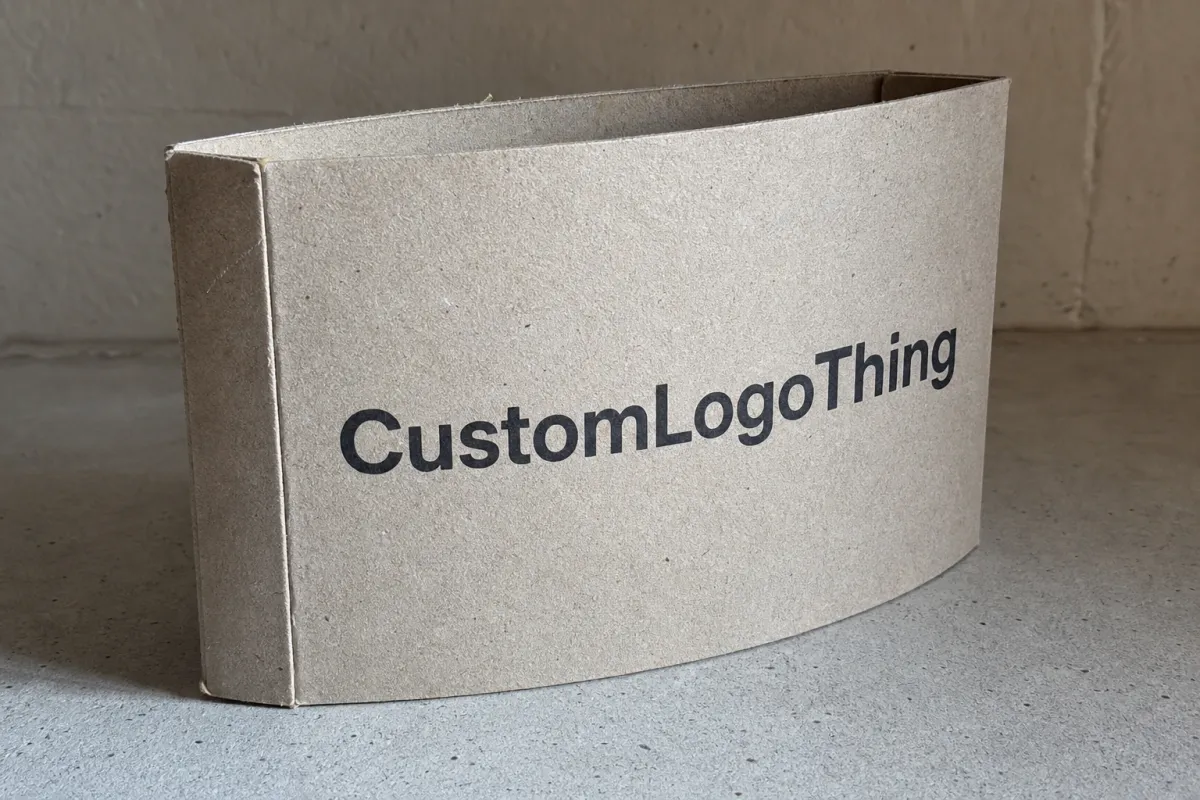
A sleeve is usually a printed wrap, band, or partial carton add-on that improves presentation without replacing the base package. That narrower job often means a better cost profile than a full structural redesign. If the carton underneath stays the same and only the visible panels change, the supplier is pricing a smaller build. Less board. Less print area. Fewer structural variables. That can make a real difference, especially on launches where the underlying pack already passes protection and shipping requirements.
Picture a basic retail shelf. A plain folding carton may protect the product just fine, but on shelf it can look bland enough to disappear. Add a printed display sleeve and the same carton suddenly carries a stronger brand story, a clearer product hierarchy, and a better first impression. For a buyer managing multiple SKUs, that is a practical upgrade. It improves package branding without forcing every carton component to change.
Production gets easier too. Sleeves are quicker to update than full carton structures. A revised face panel, a different barcode placement, or a seasonal message can move through the line without rebuilding the entire package architecture. That flexibility matters when promotions shift often or when a product line cycles through limited editions. You are changing the visible layer instead of the whole system. Less drama. Less risk. Faster path from concept to production.
A good quote should answer three questions at once: what the sleeve is made from, how it will look on shelf, and what volume makes the price work.
Procurement discipline is the other reason the quote changes the math. Ask for pricing before you know the display environment and the supplier may assume a heavier stock, extra coating, or more crush resistance than the job needs. Tell them the sleeve sits on a counter display instead of moving through a club-store channel and the spec can often be lighter. Those differences can move unit cost by real money, not pennies.
Good suppliers want the same facts buyers need to make a decision: quantity, artwork status, print coverage, and ship-to location. The estimate is only as good as the assumptions behind it. A clean custom display sleeves supplier quote should be tied to the product's actual use, not a generic template pulled from a drawer and dusted off for the week.
Packaging standards matter when the sleeve is part of a protective system. If the pack must survive distribution testing, ask whether the design should align with common transit expectations from organizations like ISTA. If sustainability claims or recycled fiber sourcing are part of the brief, the sourcing conversation may also involve FSC certification, chain-of-custody needs, or recycled-content targets. Those details may not change the artwork, but they can change the quote.
Custom display sleeve product details that affect the quote
At the simplest level, a display sleeve is a printed structure that wraps around or accents a product, carton, tray, or multipack. It can protect the item, improve shelf appearance, and support retail communication in one piece. The format you choose hits cost and lead time directly. A narrow wrap band is a different build from a full open-end sleeve. A retail-ready shelf display sleeve is another job entirely.
Buyers usually see five common formats:
- Open-end sleeves that slide over a carton or tray and leave one or more ends exposed.
- Wrap-around sleeves that cover more of the visible perimeter for stronger branding.
- Tuck-in sleeves that use tabs or folds to hold shape and improve assembly.
- Windowed sleeves that let the product remain visible while still carrying printed messaging.
- Retail-ready display sleeves designed for shelf, counter, or club-store presentation.
Each format affects the quote because each format affects board usage, die complexity, assembly time, and printing area. An open-end sleeve may be straightforward to produce, but if it needs precise lock points or a reinforced panel, the tooling changes. A window cut adds a finishing step. A hang hole adds another. A tear strip can mean more careful die work and tighter quality control. Packaging people love calling that "just one little change." It rarely stays little.
Dimensions are where many estimates go off track. A sleeve that fits a 4.25 x 2.75 x 6.5 inch carton is not interchangeable with one that fits a 4.5 x 3 x 7 inch carton, especially once board caliper, fold allowances, and artwork bleed are added in. The quoted blank size has to account for the finished footprint, not only the product's outer measurements. If the item overhangs the carton or if the sleeve must bridge a tray rim, the supplier may need extra panel depth and a wider tolerance window.
Artwork placement influences the number too. Buyers often focus on the front panel, but the side panels and glue zones matter just as much. A barcode may need to sit on a clean panel away from seams. A regulatory statement may need to stay readable after folding. A promo message may need enough live area to avoid getting clipped by a score line. Small details. Big cost when they are ignored.
End use matters as well. A sleeve for e-commerce inserts can tolerate a simpler print treatment than one sitting under bright retail lighting. A club-store multipack may need stronger board and a more durable coating because it will be handled more often. A promotional display sleeve used for a short retail push may prioritize color impact over long-term abrasion resistance. The application changes the spec, and the spec changes the quote. That is the whole game.
Comparing common sleeve builds
| Build Type | Typical Stock | Common Use | Quote Impact |
|---|---|---|---|
| Open-end sleeve | 14pt to 18pt SBS or coated paperboard | Product wrap, simple retail presentation | Usually the lowest setup burden |
| Wrap-around sleeve | 18pt to 24pt paperboard | Stronger branding, larger visual coverage | More print area, more material usage |
| Windowed sleeve | Coated board with film or cut-out window | Show-through merchandising | Additional die or lamination cost |
| Display sleeve with tear strip | Paperboard or light corrugated liner | Retail-ready opening or easy access | Tooling and finishing complexity increase |
| Heavy-duty shelf sleeve | Thicker board or corrugated construction | Club-store, shipping wear, high handling | Higher unit cost, better protection |
The main point is simple: the more the sleeve has to do, the more the quote has to cover structure, finishing, and handling. A supplier who understands product packaging will ask whether the sleeve is decorative only or whether it must survive repeated touchpoints in distribution and retail.
If you are already comparing formats, it helps to review a broader range of Custom Packaging Products before locking in one style. That makes it easier to see whether a sleeve, a carton, a tray, or a hybrid display structure gives you the best value for the product and the channel.
Specifications to confirm before you request samples
Samples help, but only if the spec is already grounded. Before asking for a prototype, define the core material, the print method, the finish, and the structural requirements. Skip that step and you may get a sample that looks right in hand while pricing out very differently in production. Cute sample. Expensive mistake.
Start with stock choice. Common options include SBS, coated paperboard, kraft-look board, and corrugated liner options for more demanding retail or shipping situations. A typical branded sleeve for light retail use may sit in the 14pt to 18pt range. A more premium build might move to 18pt or 24pt paperboard. If the sleeve needs extra rigidity or crush resistance, a heavier stock may be justified. That is not always the answer, but it is worth comparing. Over-specifying board has a habit of inflating cost faster than anyone expects.
Then define the print variables. CMYK is standard for full-color graphics, but spot colors may be needed for brand consistency or a strict color match. Coating choices matter too. Aqueous coating can provide a clean, practical finish for many sleeve applications. Matte and gloss lamination change the look, the feel, and the abrasion resistance. If the sleeve is going to sit under store lighting, or if fingerprints are a concern, that finish decision can matter more than a decorative flourish.
Die-cut and finishing details deserve attention because they often hide cost. Perforations, hang holes, thumb notches, lock tabs, tear strips, and window cut-outs all add setup time or tooling complexity. If the job needs any of these features, the quote should say so clearly. One extra cut looks minor on a spec sheet. Across thousands of units, it is not.
Buyers should also provide structural information in a format the supplier can actually use:
- Exact product dimensions, including any overhang or tray allowance.
- Whether the sleeve wraps a single unit, a carton, or a multipack.
- Artwork bleed and safe-area expectations.
- Assembly method, including whether the sleeve is hand-packed or machine-applied.
- Retail compliance rules, such as barcode placement or warning-copy requirements.
That last point matters more than many teams expect. If a channel buyer requires a certain barcode size, a specific product name position, or a compliant warning panel, the sleeve layout may need to change. The printer cannot price around missing compliance details. They either assume extra room or wait for clarification. Both slow the estimate down.
Here is the buyer's reality: missing specs distort the quote more than the actual price does. A supplier can usually sharpen the number if the inputs are clear. When the inputs are incomplete, they have to protect themselves against rework, extra board, and a wider tolerance range. That is why a careful brief usually produces a better custom display sleeves supplier quote than a rushed one.
If sustainability is part of the brief, mention recycled content targets, FSC requirements, or recyclable construction goals up front. A supplier can then recommend the right material path without reworking the estimate later. If the sleeve must support a recycling claim, the finish selection may matter too. Heavy laminations or mixed-material constructions can complicate the story, so that tradeoff should be priced early, not after approval.
Pricing, MOQ, and quote drivers for custom display sleeves
Most pricing questions come down to five levers: stock grade, print coverage, finishing, tooling, and quantity. In a custom display sleeve program, each one affects the others. A full-coverage print on premium board with a matte laminate and a die-cut window will rarely price like a simple two-color sleeve on standard coated stock. Obvious? Sure. Still the most common source of quote surprise.
MOQ, or minimum order quantity, is usually where buyers feel the biggest swing. Lower quantities cost more per piece because the press setup, die setup, proofing, and make-ready labor are spread across fewer units. A 500-piece sleeve order may look expensive per unit. A 5,000-piece order often drops meaningfully. At 10,000 or 20,000 pieces, the per-piece cost can improve again, assuming the spec stays stable.
Here is a practical range many packaging buyers can use as a discussion starting point, not a fixed promise: a simple custom sleeve on standard paperboard might land around $0.18-$0.35 per unit at lower volumes, while more finished or more complex builds can climb into the $0.40-$0.90 range depending on quantity, board, and features. Larger production runs may reduce the unit cost sharply, especially once setup costs are diluted. The exact number depends on the print coverage, the number of die features, and whether assembly is manual or automated.
What usually appears on the quote
- Tooling or die charges for the sleeve shape and any special cut features.
- Plate or prepress charges for offset or prepared print work.
- Material cost based on stock grade, caliper, and board availability.
- Printing cost based on color count, coverage, and press setup.
- Finishing cost for coating, lamination, foil, embossing, or spot UV.
- Sampling or proofing cost if a structural sample or printed proof is required.
- Assembly or kitting cost if sleeves are folded, packed, or inserted before shipment.
- Freight based on ship-to location, carton count, and palletization.
Those line items matter because they show where the money goes. They also show where savings are possible. The best cost reduction is not always a total redesign. Sometimes it is removing one finishing step, simplifying the cut shape, or consolidating print coverage. A buyer who asks for tiered pricing at 1,000, 5,000, and 10,000 units will usually learn more than one who wants a single point estimate and calls it strategy.
That is the smarter way to buy branded packaging. Compare the breakpoints instead of reacting to the first number. If the quote drops materially at 5,000 pieces, it may be cheaper to overbuy slightly than to reorder too soon. If the gap between 5,000 and 10,000 is small, the larger run can reduce the total cost of ownership. The best decision is not always the lowest first price. It is the best price at the quantity you can actually store, sell, or deploy.
One more cost factor gets overlooked constantly: freight. A lightweight sleeve can still become expensive in transit if it is packed inefficiently or shipped in small cartons. Pallet count, carton dimensions, and delivery destination can alter the landed cost enough to matter. A quote without freight is incomplete if the product is time-sensitive or budget-controlled.
If you need a quick sanity check on cost structure, ask the supplier to separate tooling, print, and freight. That makes it easier to compare bidders. It also makes it easier to spot whether one supplier is quoting a tighter spec or simply leaving something out. A good custom display sleeves supplier quote should make the cost architecture visible, not hide it behind a single number.
Process, timeline, and lead time from quote to delivery
The process should be predictable if the spec is clear. Most sleeve projects move through the same sequence: inquiry, spec review, estimate, dieline or structural confirmation, artwork proofing, sample approval, production, inspection, and shipment. Each step has its own clock. Buyers often treat lead time as one number, but in practice it is several different timelines stacked together.
Quote turnaround can be fast if the supplier has the right information. A simple project with clear dimensions, clean artwork, and a standard stock choice may receive a useful estimate in one to three business days. More complex work can take longer, especially if the supplier needs to model a new sleeve shape or compare multiple finishes. Sampling usually adds another layer. Production schedules are one thing; sample coordination is another.
The biggest delays usually come from incomplete dimensions, print files that are not ready, or a sample request that arrives after the estimate. If the buyer wants a production-based sample, the supplier may need time to create tooling and produce a short run. If the artwork changes after approval, the timeline resets. That is not only a supplier problem. A vague brief causes plenty of damage on its own.
A realistic production window for many printed sleeve jobs is often 12 to 15 business days from proof approval, but that depends on the material, the finishing steps, and current capacity. Transit time adds its own layer. Domestic freight can be much faster than an international move, but packaging still has to cross a warehouse dock, not just a design desk. Buyers should separate:
- Quote time - how long it takes to receive pricing.
- Prepress time - dieline review, art checks, and proof preparation.
- Production time - printing, finishing, cutting, and folding.
- Transit time - shipping from plant to destination.
Speed always has a tradeoff. Faster turnaround can mean fewer finish options, tighter artwork requirements, or a higher unit price to reserve capacity. That is normal. If a program is urgent, say so early. Suppliers can often recommend a simpler path that meets the deadline without forcing a redesign later.
Clear communication is a real production advantage. A supplier who asks for exact dimensions, a product photo, and the ship-to ZIP code on the first call is usually trying to prevent avoidable friction. That is what you want. The faster a quote becomes accurate, the less time gets burned on revisions. If you are ready to move, send the essentials in one message rather than in fragments.
For projects tied to retail launch dates, ask the supplier to name the proof date, sample date, production start date, ship date, and the date the job can actually leave the dock. Those are not the same thing. A supplier may be able to commit to a production slot before artwork approval, but only if the schedule is managed carefully. That distinction matters when sales, distribution, and retail buyers are all waiting on the same box.
What a strong supplier quote should include
Transparency is the main advantage. Buyers do not need a sales pitch dressed up as packaging advice. They need a quote grounded in structure, retail function, and production reality. That means clear pricing, clear specs, and clear assumptions. When those three are visible, it gets much easier to compare options and approve the right build.
Packaging expertise matters because sleeves sit at the intersection of design and operations. A good estimate should reflect the actual function of the pack. Is the sleeve a branding layer, a display aid, or part of a shipper-retail hybrid? Does it need to withstand handling? Does it need a shelf-facing panel that carries the product story cleanly? Those are not generic sales questions. They are the questions that decide whether the quote is useful.
Speed has value, but only when it is informed speed. A supplier can return a number quickly if they ask the right questions first. That is better than a fast, vague price that falls apart after the dieline is checked. Buyers save more time when the first quote is accurate than when the first quote is merely quick.
Trust signals matter too. Consistent communication. Print-check discipline. Sample support. The ability to compare two board options side by side. The willingness to price multiple quantity tiers so you can see where the breakpoints land. Those are the things that make a packaging partner easier to work with over several launches, not just one order.
If you are also evaluating other branded packaging formats, our Custom Packaging Products page can help you compare sleeves against cartons, trays, and other retail packaging structures before you commit to one direction. That is useful when the decision is not only about price, but also about shelf presence, assembly time, and channel fit.
What to send for the strongest quote
- Exact product dimensions and a photo or drawing of the item.
- Target quantity, plus any alternate volume tiers you want priced.
- Artwork files or a clear note that artwork is still in progress.
- Finish preference, such as matte, gloss, aqueous coating, or no special finish.
- Retail environment, shipping method, and any handling concerns.
- Ship-to ZIP code so freight can be estimated more accurately.
Those six inputs can change the quality of the estimate more than almost anything else. The better the brief, the tighter the number. And the tighter the number, the easier it is to make a purchasing decision with confidence.
If the job is part of a larger packaging roll-out, it can also help to mention whether the sleeve must align with an existing carton color system or with a broader packaging design language. That lets the supplier price not just the physical build, but the visual continuity across the line. For many buyers, that continuity is what separates a functional sleeve from a persuasive retail presentation.
From a practical sourcing angle, the most useful outcome is a quote that answers the hard questions before you ask them. What happens if the quantity rises by 2,000 units? How much does a window cut add? Does heavier board change the shelf feel enough to justify the increase? Those comparisons are where the real buying value sits. That is why a well-built custom display sleeves supplier quote is more than a number; it is a buying tool.
FAQ
What do I need for a custom display sleeves supplier quote?
Send exact product dimensions, target quantity, and a photo or drawing of the item the sleeve must fit. Include artwork status, finish preference, and whether the sleeve is for shelf display, shipping, or promotional retail use. Those inputs help the supplier price the right stock, die work, and print setup on the first pass.
How does MOQ affect custom display sleeves pricing?
Lower MOQ usually means higher unit cost because setup, tooling, and proofing are spread across fewer pieces. Ask for pricing at two or three volume tiers so you can see where the best break point lands. In many programs, the step from 1,000 to 5,000 units changes the economics much more than the step from one finish to another.
What is a typical turnaround for printed display sleeves?
Turnaround depends on proof approval, material availability, and production capacity, so quote time and lead time should be separated. A simple job may move quickly once the files are approved, while a more complex sleeve with special finishes or die features can take longer. Rush orders are possible, but they often reduce finish choices and raise the quote.
Can I get a sample before I approve the final quote?
Yes, many suppliers can provide a structural or printed sample before full production, especially for new sleeve dimensions. Ask whether the sample is digital, flat, or production-based, because each option affects cost and timing differently. A structural sample is useful for fit, while a production-based sample is better when color and finish need to be checked closely.
What changes lower unit cost the most on a display sleeve order?
Higher quantity, simpler print coverage, and standard board stock usually reduce unit cost the fastest. Reducing special finishes, extra die features, and last-minute artwork changes also helps keep the quote tighter. Freight efficiency matters too, especially when the sleeves are shipping in cartons or on pallets to multiple destinations.
For buyers who want a sleeve that looks better on shelf without overcomplicating the build, the best next step is simple: define the product, define the environment, and request a custom display sleeves supplier quote with enough detail to price the real job, not a guess. That is the cleanest way to get a number you can actually use.

