Caps & Hats

Buy Custom Trucker Caps for Subscription Brands That Stick

✍️ Emily Watson 📅 May 13, 2026 📖 12 min read 📊 2,356 words
Buy Custom Trucker Caps for Subscription Brands That Stick

Custom trucker Caps for Subscription Brands work because they keep doing the job after the box is opened. A cap can travel, photograph well, and stay in rotation, which gives it more long-term value than most inserts. For a buyer, that makes the cap less like a filler item and more like a wearable touchpoint.

The decision is usually not about hype. It is about fit, decoration, cost, and whether the cap matches the subscriber’s routine. If the item feels good on head, looks clean in a photo, and lands inside budget, it can raise the perceived value of the whole box. If it misses on those basics, it becomes a costly distraction.

Why custom trucker caps for subscription brands work so well in subscription boxes
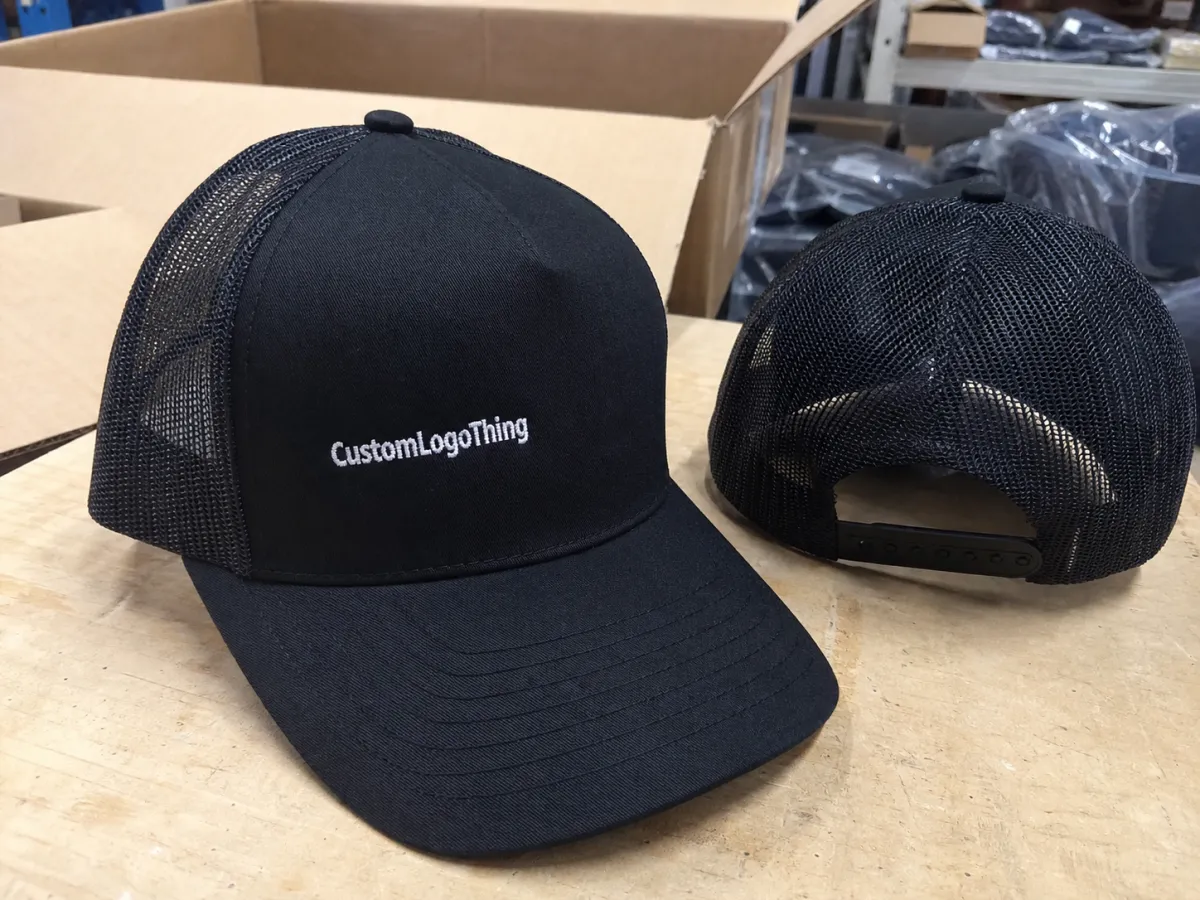
Why trucker caps work so well in subscription boxes - CustomLogoThing packaging example

Trucker caps are a practical fit for subscription programs because they are easy to wear, easy to ship, and easy to recognize in social content. That matters for brands that want the box to create repeat exposure, not just one unboxing moment. A good cap keeps advertising after the parcel is gone.

They also sit in a useful price-and-value range. Compared with heavier apparel, a cap usually costs less to move and stores more efficiently, but still feels substantial if the build is right. Structured fronts, mesh backs, and the right closure can make a simple item feel deliberate instead of cheap.

For lifestyle, outdoor, fitness, and creator-led subscriptions, the cap helps the monthly theme show up in real life. Subscribers can wear it on errands, trips, and casual posts without any extra styling. That is often more useful than a branded item that stays on a shelf.

Cap design also supports packaging strategy. If the box already uses custom printed boxes or a strong color system, the cap can echo one or two palette notes without copying everything. That restraint usually reads better than forcing every packaging element to match exactly.

"A cap that looks good on a head but wrong in a photo is still a weak buy. The reverse is also true."

From a buyer’s perspective, the key question is simple: will this item improve retention, sharing, and brand memory better than another insert would? In many programs, yes, but only when the cap is designed for wearability first.

How the production process and timeline really work

Production should start with a brief, not with artwork. The brief needs to define quantity, target price, launch date, audience, and whether the cap is meant to feel collectible or everyday. Once those inputs are clear, the supplier can recommend the construction and decoration method that fits the job.

A normal workflow runs through five stages: brief, mockup, sample, bulk production, and shipment. Mockups are usually quick. Samples take longer if the cap uses a patch, special thread colors, custom underbrim print, or a nonstandard closure. Bulk production then depends on whether the blank cap is stock-based or built from more custom components.

For planning, a simple run can move faster, but a realistic range for many orders is about 25-45 calendar days from approved sample to shipment. More complex builds can take longer. If the project needs custom dyeing, unusual trims, or multiple revision rounds, build in extra time.

That lead time should be counted backward from box pack-out, not forward from the day the order is placed. Subscription fulfillment windows are strict, and even a small delay can cascade. A thread-color fix or patch revision can easily cost a week.

Inspection should go beyond a visual check. Review fit across head sizes, crown height, mesh tension, logo placement, stitch density, and back-closure range. If possible, check loose threads near the patch edge and inside the sweatband, because small flaws become obvious once subscribers handle the item.

If the cap ships with fragile or presentation-heavy components, packaging testing matters too. The cap itself is not delicate, but the carton and insert system still need to protect the presentation. For a useful baseline, see ISTA test methods.

If the box uses sustainability claims, make them specific. An FSC-certified paperboard insert or mailer is easier to explain than vague eco language. Specificity helps the cap program feel more credible as well.

Custom trucker cap pricing, MOQ, and unit-cost drivers

Pricing usually comes down to five variables: base cap quality, decoration method, quantity, color count, and special finishing. For lower-volume runs around 300 to 500 pieces, pricing often lands higher per unit because setup is spread across fewer caps. Larger runs can bring the unit cost down, especially when the construction stays simple.

MOQ matters because it changes the economics of sampling and setup. A 100-piece test run may be useful for a new audience or limited edition, but it usually costs more per cap than a 1,000-piece launch. If the cap will recur across several months, a higher MOQ often makes more sense.

Decoration option Typical feel Cost impact Best use case
Flat embroidery Clean, durable, familiar Usually the lowest add-on cost Simple logos and everyday wear
3D puff embroidery Bold, tactile, more prominent Moderate increase for setup and thread Short wordmarks and strong front-panel focus
Woven or embroidered patch Collectible, textured, premium Higher than flat embroidery Limited editions and badge-style branding
Printed detail or sublimated panel Flexible, graphic, story-driven Depends on coverage and color count Illustration-heavy concepts

Quotes often hide cost inside line items, so compare them on the same basis. Separate the base cap, decoration, freight, packaging, and any rush fee. That makes it easier to see whether one supplier is truly cheaper or just less transparent.

Complexity adds cost quickly. A 3D puff logo, custom sweatband print, woven side label, and contrast underbrim can all raise the price. Sometimes those details are worth it. Often a simpler build with one strong front-panel treatment delivers more value for less money.

Choosing the right cap spec for your audience and box size

Structured fronts read more polished, while softer crowns feel more casual. That is why the target audience matters so much. A sports, outdoor, or commuter audience may prefer a sturdier cap. A creator or streetwear audience may respond better to a softer, broken-in profile.

Material choice changes the feel in hand. A foam front gives a classic retro look. A brushed cotton front usually feels more premium. The mesh quality, sweatband, and closure also matter. Snapbacks are common, while strapbacks and lower-profile fits can feel more lifestyle-oriented.

Box size should influence the spec. A tall structured cap can crush in a shallow carton, especially when pack-out is tight. In that case, a lower crown or softer front panel may be the smarter option. A flatter bill can also pack more cleanly than a pre-curved bill.

Decoration should follow the art. Embroidery is durable and simple. Patches help more detailed graphics stay legible. Printed treatments can support richer storytelling, but only if the design actually needs it. For a small wordmark, a clean embroidery hit is often enough.

Color should feel connected to the rest of the box without repeating every palette note. One or two echoes from the packaging usually work better than a full match. That keeps the cap part of the system without making it look forced.

Step-by-step ordering workflow for a clean launch

Start with the audience and the role of the cap in the box. Is it meant to improve retention, mark a milestone, or support a seasonal theme? Once that is defined, the rest of the spec gets easier to lock down.

Then prepare the art in clean vector format. Confirm logo size, placement, thread colors, and whether the cap needs a side label, interior tag, or back-strap mark. If the design uses a patch, decide on shape, border color, and stitch density before sample production begins.

Next, review the mockup against the full subscription experience. Place the cap next to the box design, insert card, and other hero items. If the rest of the packaging uses custom printed boxes or a rigid mailer, the cap should feel visually related even when the colors are not identical.

"A sample is not just a yes or no. It is a checkpoint for fit, color, feel, and how the item photographs inside the box."

Once the sample is approved, lock quantity, ship date, and pack-out plan. Assign one approval owner, not a committee, so revisions do not get stuck in email loops. Before bulk production starts, ask for confirmation on logo placement, panel consistency, and back-closure color.

A good supplier should be able to catch the practical issues: off-center embroidery, mismatched mesh tone, or a patch border that does not match the approved art. Those details are small individually, but they matter when the box is judged as a finished package.

Common mistakes that hurt margins or subscriber excitement

The first mistake is making the logo too loud. A cap that only exists to advertise often feels promotional instead of wearable. If subscribers do not want to wear it again, the item loses most of its long-tail value.

The second mistake is overcomplicating the decoration. Too many colors, tiny shapes, or excess text can push the cap into a higher price tier without increasing perceived value. In practice, one strong graphic move is often enough.

The third mistake is approving too late. If the sample sign-off happens after the pack-out schedule is already tight, the cap becomes the item that delays everything. That is avoidable if the approval window is built early.

The fourth mistake is ignoring landed cost. Freight, duties, backup inventory, and packaging damage can erase a margin that looked healthy in the quote. A cheap source price is not enough if the cap arrives late or needs rework.

The fifth mistake is disconnecting the cap from the rest of the box. A premium box should not contain a bargain-looking cap, and an outdoorsy box should not use a finish that feels too polished. The item needs to fit the package branding, not just the logo file.

Expert tips to make the cap feel collectible, not generic

Keep the front panel simple and let one memorable detail do the work. A textured patch, contrast bill edge, stitched icon, or unexpected crown color can carry the design better than a crowded layout.

Think in limited editions even when the program is recurring. A seasonal color or milestone version can create urgency without changing the production model. That gives long-time subscribers a reason to keep paying attention.

Use the inside of the cap as hidden space. A woven label, sweatband print, or interior message can add value without cluttering the outside. These details are small, but they make the item feel considered.

Social proof matters. If the cap photographs naturally in daylight, subscribers are more likely to post it. That means the build should consider how the mesh, brim, and front panel read in everyday settings, not just on a flat mockup.

Any sustainability claim should stay honest. If the box uses FSC-certified inserts or right-sized mailers, say so clearly. If the cap itself uses standard materials, do not imply more than the spec supports.

Next steps: build the brief, sample, and schedule the drop

The cleanest next step is a one-page brief with quantity, budget, cap color direction, decoration style, audience profile, and the pack-out date you cannot miss. That gives suppliers enough information to quote accurately and flag any timing risks early.

Work backward from the deadline and set the approval point first. Then leave room for sample revisions, freight delays, or a detail that needs cleanup. If the cap is part of a seasonal or milestone drop, the buffer should be larger.

Used well, the cap can sharpen the brand, improve the subscriber experience, and create a wearable reminder that stays visible after the month ends. That only happens when the spec is clear, the sample is honest, and the schedule has enough margin to breathe.

What should I know before ordering custom trucker caps for subscription brands?

Start with the subscriber profile, not the artwork, so the cap matches the people who will actually wear it. Decide whether the cap is meant to drive retention, celebrate a milestone, or support a seasonal theme. Confirm the launch date early, because timing affects sample review, production slot, and freight planning.

How do custom trucker caps affect unit cost?

Unit cost changes with quantity, decoration method, and how many special details the cap requires. Simple embroidery is usually cheaper than multi-piece patches or specialty finishes at the same quality level. Freight, packaging, and rush charges can matter as much as the base cap if the schedule is tight.

What is the usual turnaround for a cap order?

Turnaround depends on whether the design is stock-based or fully customized with special trims or patches. Samples and revisions add time, so a clear approval process matters as much as production capacity. For many projects, 25-45 calendar days from approved sample to shipment is a useful planning range.

Which decoration method works best for caps in subscription boxes?

Embroidery is durable and familiar, which makes it a safe choice for everyday wear. Patches create texture and help the cap feel more collectible or premium. Printed details work best when the artwork is too detailed for embroidery to stay clean.

How do I keep a cap drop from feeling like filler merch?

Tie the cap to a real story, milestone, or seasonal theme so it feels intentional in the box. Use fit, material, and color discipline to make it worth keeping. The goal is a cap that subscribers want to wear again, not just inspect once and set aside.

Get Your Quote in 24 Hours
Contact Us Free Consultation

Warning: file_put_contents(/www/wwwroot/customlogothing.com/storage/cache/blog/593cab564988d093008caad545a885fb.html): Failed to open stream: Permission denied in /www/wwwroot/customlogothing.com/inc/blog/PageCache.php on line 20

